Champon is a delightful Japanese noodle dish that combines a rich, flavorful broth with a variety of meats and vegetables. Originating from Nagasaki, this hearty meal is perfect for those who crave a comforting bowl of noodles with a mix of textures and tastes.
Some ingredients in this recipe might not be staples in every household. Champon noodles are thick wheat noodles specifically used for this dish and might require a trip to an Asian supermarket. Mirin is a sweet rice wine used in Japanese cooking, adding a subtle sweetness to the broth. Make sure to check the international aisle or a specialty store for these items.
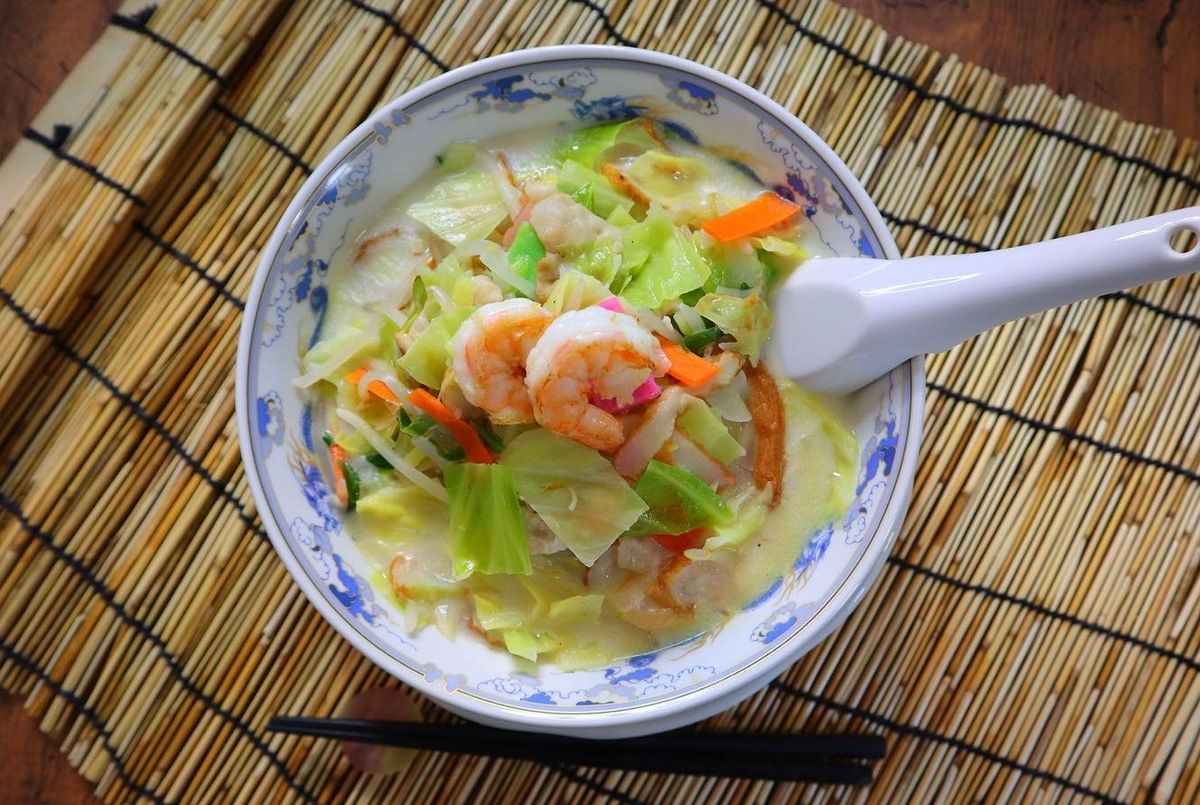
Ingredients for Japanese Champon Recipe
Champon noodles: Thick wheat noodles that are the base of this dish.
Pork belly: Thinly sliced for quick cooking and rich flavor.
Shrimp: Peeled and deveined, adding a seafood element.
Cabbage: Chopped to add crunch and volume.
Carrot: Julienned for a touch of sweetness and color.
Bean sprouts: Adds a fresh, crisp texture.
Chicken broth: Forms the flavorful base of the soup.
Soy sauce: Adds umami and depth to the broth.
Mirin: Sweet rice wine that enhances the broth's flavor.
Salt: To taste, for seasoning.
Pepper: To taste, for seasoning.
Technique Tip for This Recipe
When preparing pork belly for this Japanese Champon recipe, make sure to slice it thinly and evenly. This ensures that the pork cooks quickly and uniformly, preventing any pieces from being undercooked or overcooked. Additionally, when adding the shrimp, be careful not to overcook them; they should turn pink and opaque, which usually takes just a couple of minutes. Overcooked shrimp can become tough and rubbery, detracting from the dish's overall texture.
Suggested Side Dishes
Alternative Ingredients
champon noodles - Substitute with udon noodles: Udon noodles have a similar thickness and texture, making them a good alternative for champon noodles.
pork belly - Substitute with chicken thigh: Chicken thigh provides a similar richness and tenderness, though it will be less fatty than pork belly.
shrimp - Substitute with scallops: Scallops offer a similar seafood flavor and texture, making them a good replacement for shrimp.
cabbage - Substitute with bok choy: Bok choy has a similar crunch and mild flavor, making it a good alternative to cabbage.
carrot - Substitute with bell pepper: Bell pepper provides a similar sweetness and color, though it will have a different texture compared to carrot.
bean sprouts - Substitute with snow peas: Snow peas offer a similar crunch and mild flavor, making them a good substitute for bean sprouts.
chicken broth - Substitute with vegetable broth: Vegetable broth can provide a similar depth of flavor, making it a good alternative to chicken broth.
soy sauce - Substitute with tamari: Tamari is a gluten-free alternative that offers a similar salty and umami flavor to soy sauce.
mirin - Substitute with rice vinegar with sugar: Mixing rice vinegar with a bit of sugar can mimic the sweet and tangy flavor of mirin.
salt - Substitute with sea salt: Sea salt can provide a similar level of seasoning and flavor to salt.
pepper - Substitute with white pepper: White pepper offers a similar spiciness but with a slightly different flavor profile compared to pepper.
Other Alternative Recipes Similar to This Dish
How to Store / Freeze This Dish
- Allow the champon to cool to room temperature before storing. This prevents condensation, which can make the noodles and vegetables soggy.
- Transfer the champon to an airtight container. If you have multiple servings, consider dividing them into individual portions for easier reheating.
- Store the container in the refrigerator if you plan to consume the champon within 3-4 days. This keeps the pork belly and shrimp fresh while maintaining the texture of the vegetables.
- For longer storage, place the airtight container in the freezer. Champon can be frozen for up to 2 months without significant loss of flavor or texture.
- When ready to reheat, if refrigerated, transfer the champon to a pot and heat over medium until warmed through. If frozen, allow it to thaw in the refrigerator overnight before reheating.
- To maintain the best texture, avoid microwaving the champon directly from the freezer. Instead, reheat on the stovetop, adding a splash of chicken broth if needed to restore the soup's consistency.
- If you notice the noodles have absorbed too much broth during storage, you can add a bit more chicken broth and adjust the seasoning with soy sauce, mirin, salt, and pepper to taste.
How to Reheat Leftovers
Stovetop Method:
- Pour the leftover Japanese Champon into a large pot.
- Add a splash of chicken broth to refresh the soup base.
- Heat over medium heat, stirring occasionally to ensure even heating.
- Once the noodles and vegetables are heated through, serve hot.
Microwave Method:
- Place the leftover Japanese Champon in a microwave-safe bowl.
- Cover the bowl with a microwave-safe lid or plastic wrap, leaving a small vent.
- Heat on high for 2-3 minutes, stirring halfway through to ensure even heating.
- Check the temperature and heat for an additional minute if necessary.
Oven Method:
- Preheat your oven to 350°F (175°C).
- Transfer the Japanese Champon to an oven-safe dish.
- Cover the dish with aluminum foil to prevent drying out.
- Bake for 15-20 minutes, or until the noodles and vegetables are heated through.
Steamer Method:
- Place the leftover Japanese Champon in a heatproof bowl.
- Set up a steamer and bring the water to a boil.
- Place the bowl in the steamer and cover with a lid.
- Steam for about 10-15 minutes, or until the noodles and vegetables are thoroughly heated.
Sous Vide Method:
- Transfer the Japanese Champon to a vacuum-sealed bag or a resealable plastic bag using the water displacement method.
- Set your sous vide machine to 165°F (74°C).
- Submerge the bag in the water bath and cook for 30 minutes.
- Carefully remove the bag, open it, and serve the reheated Japanese Champon hot.
Best Tools for This Recipe
Large pot: Used to bring the chicken broth to a boil and cook all the ingredients together.
Knife: Essential for slicing the pork belly and julienning the carrot.
Cutting board: Provides a stable surface for chopping and slicing ingredients.
Measuring cups: Used to measure out the chicken broth, soy sauce, and mirin accurately.
Measuring spoons: Used to measure the salt, pepper, and other seasonings.
Tongs: Useful for handling the pork belly and shrimp while cooking.
Wooden spoon: Ideal for stirring the ingredients as they cook in the pot.
Colander: Used to drain the champon noodles after cooking.
Serving bowls: For presenting the finished champon dish.
Ladle: Used to serve the hot broth and ingredients into the bowls.
How to Save Time on Making This Recipe
Prep ingredients in advance: Chop cabbage, julienne carrot, and peel and devein shrimp ahead of time to streamline cooking.
Use pre-made broth: Opt for store-bought chicken broth to save time on making it from scratch.
One-pot cooking: Cook everything in a single pot to minimize cleanup and save time.
Quick-cooking noodles: Choose champon noodles that cook quickly to reduce overall cooking time.
Batch cooking: Double the recipe and freeze half for a quick meal later.
Japanese Champon
Ingredients
Main Ingredients
- 200 g Champon noodles or any thick wheat noodles
- 100 g Pork belly thinly sliced
- 100 g Shrimp peeled and deveined
- 1 cup Cabbage chopped
- 1 cup Carrot julienned
- 1 cup Bean sprouts
- 4 cups Chicken broth
- 2 tablespoon Soy sauce
- 1 tablespoon Mirin
- 1 teaspoon Salt to taste
- 1 teaspoon Pepper to taste
Instructions
- 1. In a large pot, bring chicken broth to a boil.
- 2. Add pork belly and cook until it starts to brown.
- 3. Add shrimp and cook until pink.
- 4. Add cabbage, carrot, and bean sprouts. Cook until vegetables are tender.
- 5. Stir in soy sauce, mirin, salt, and pepper.
- 6. Add champon noodles and cook until they are tender.
- 7. Serve hot and enjoy!
Nutritional Value
Keywords
Suggested Appetizers and Desserts for This Dish
More Amazing Recipes to Try 🙂
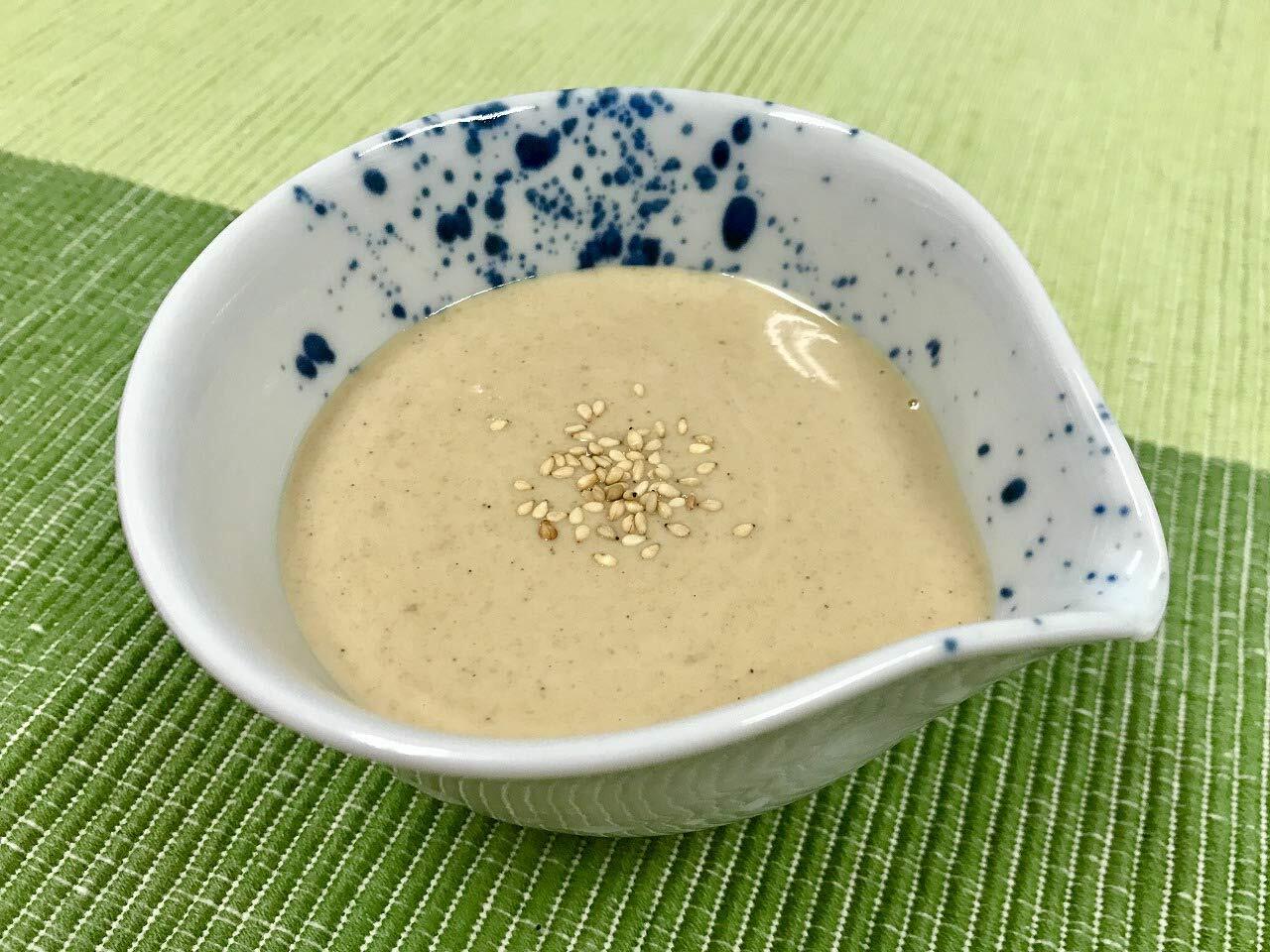
- Japanese Sesame Paste (Nerigoma) Recipe15 Minutes
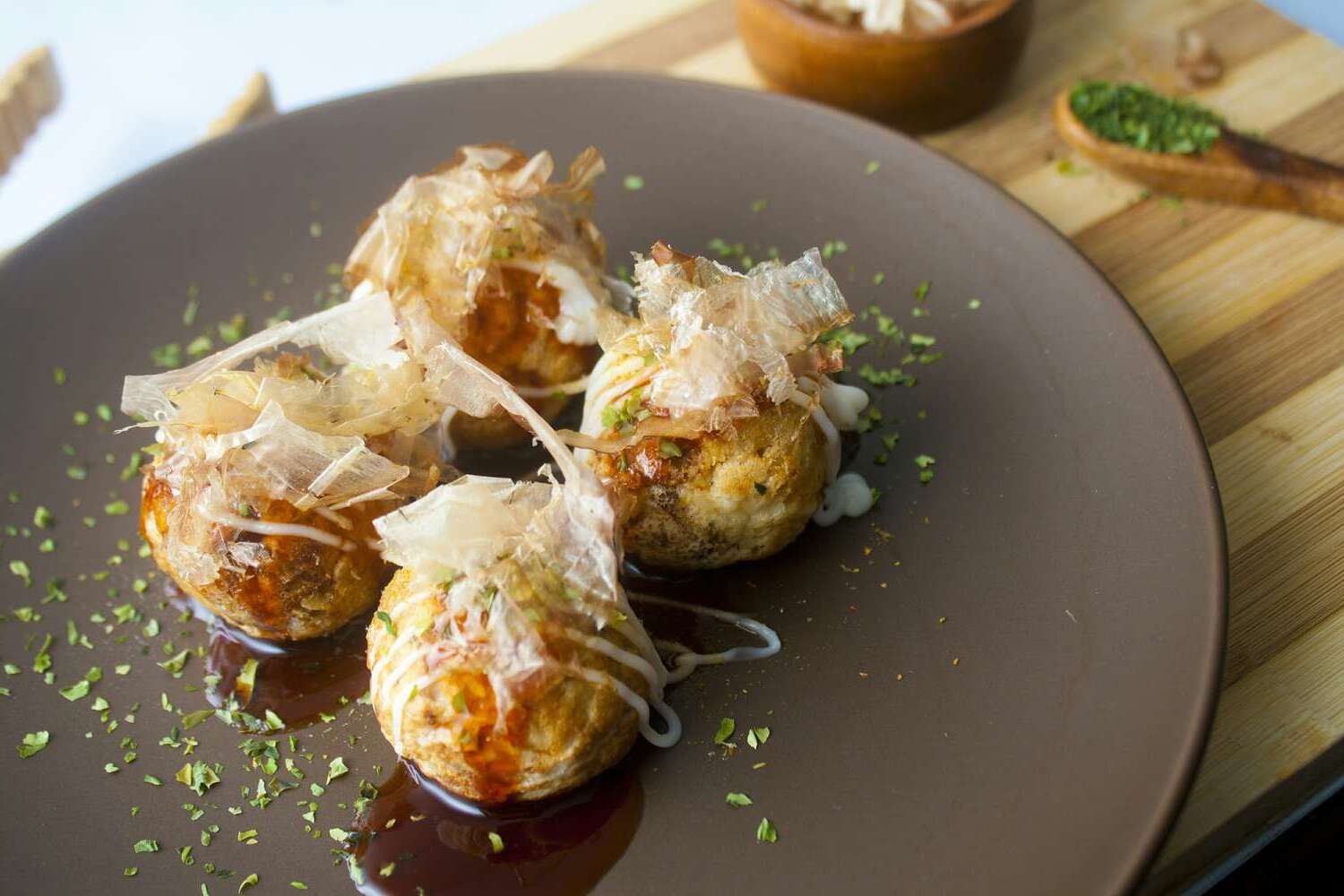
- Takoyaki (Japanese Octopus Ball) Recipe30 Minutes
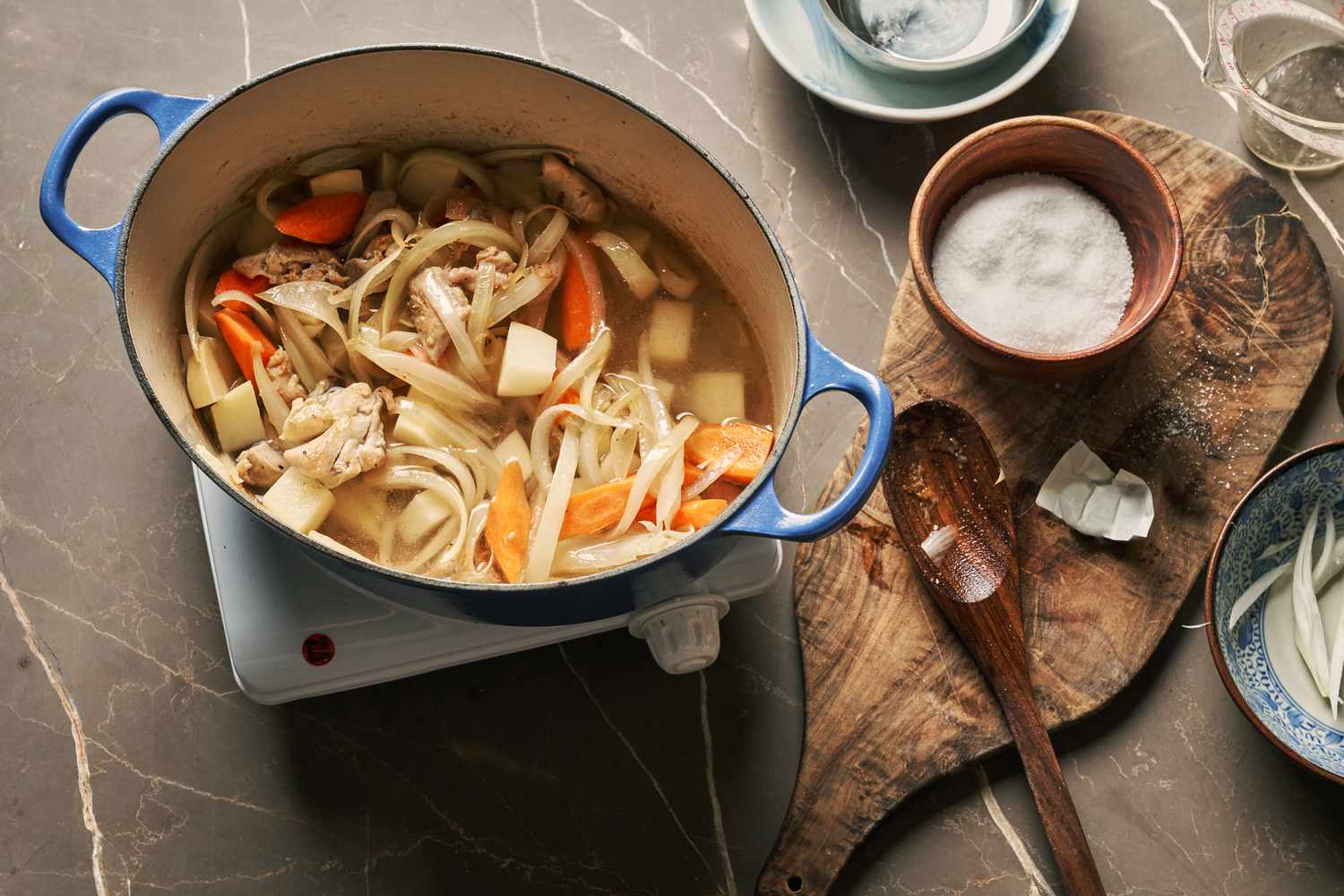
- Japanese Chicken Stew Recipe1 Hours
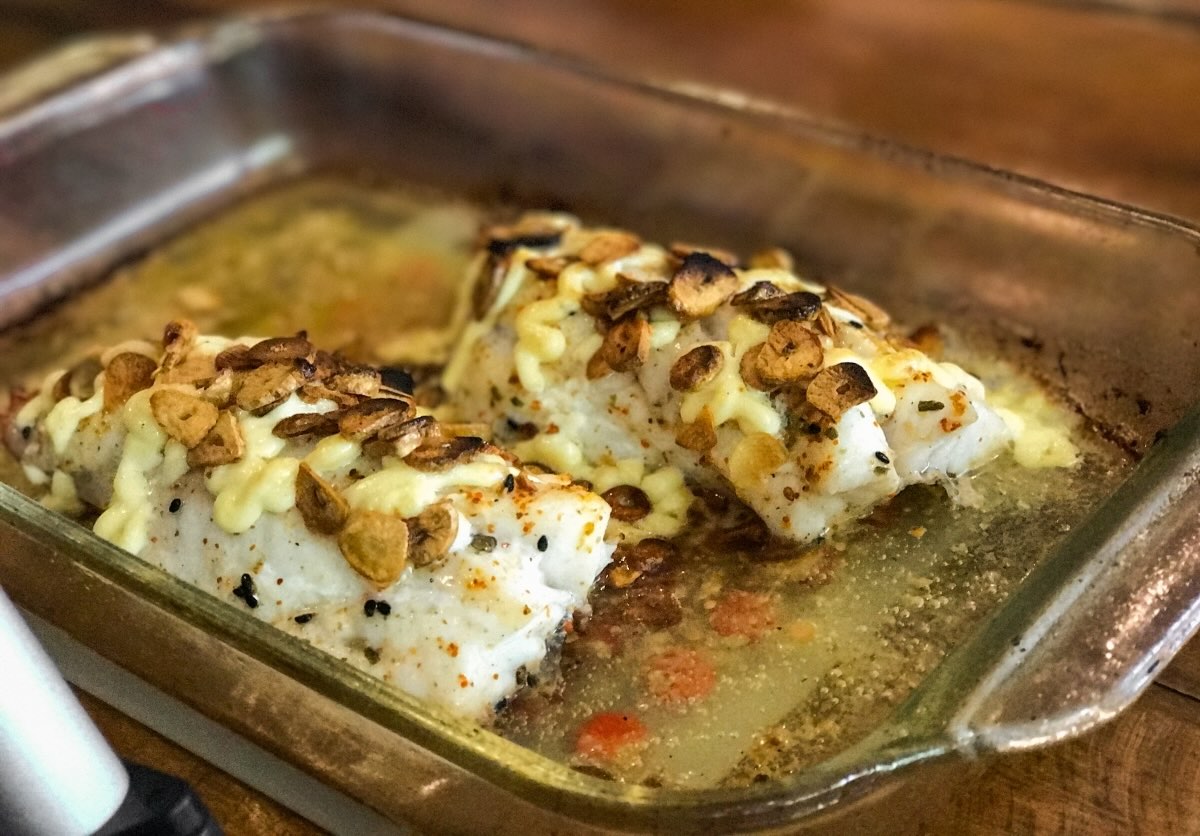
- Japanese Baked Fish Recipe30 Minutes
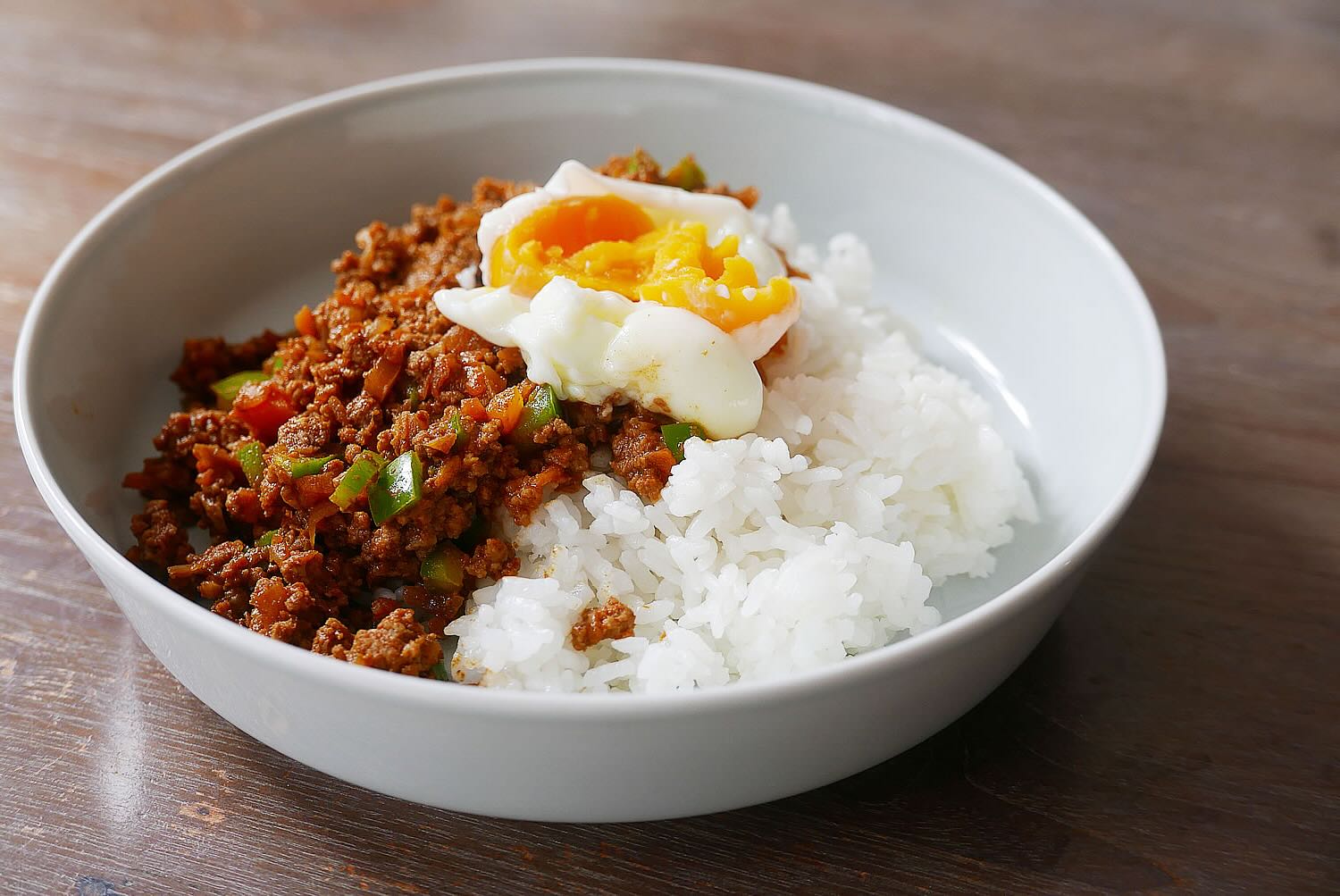
- Japanese Dry Curry Recipe45 Minutes
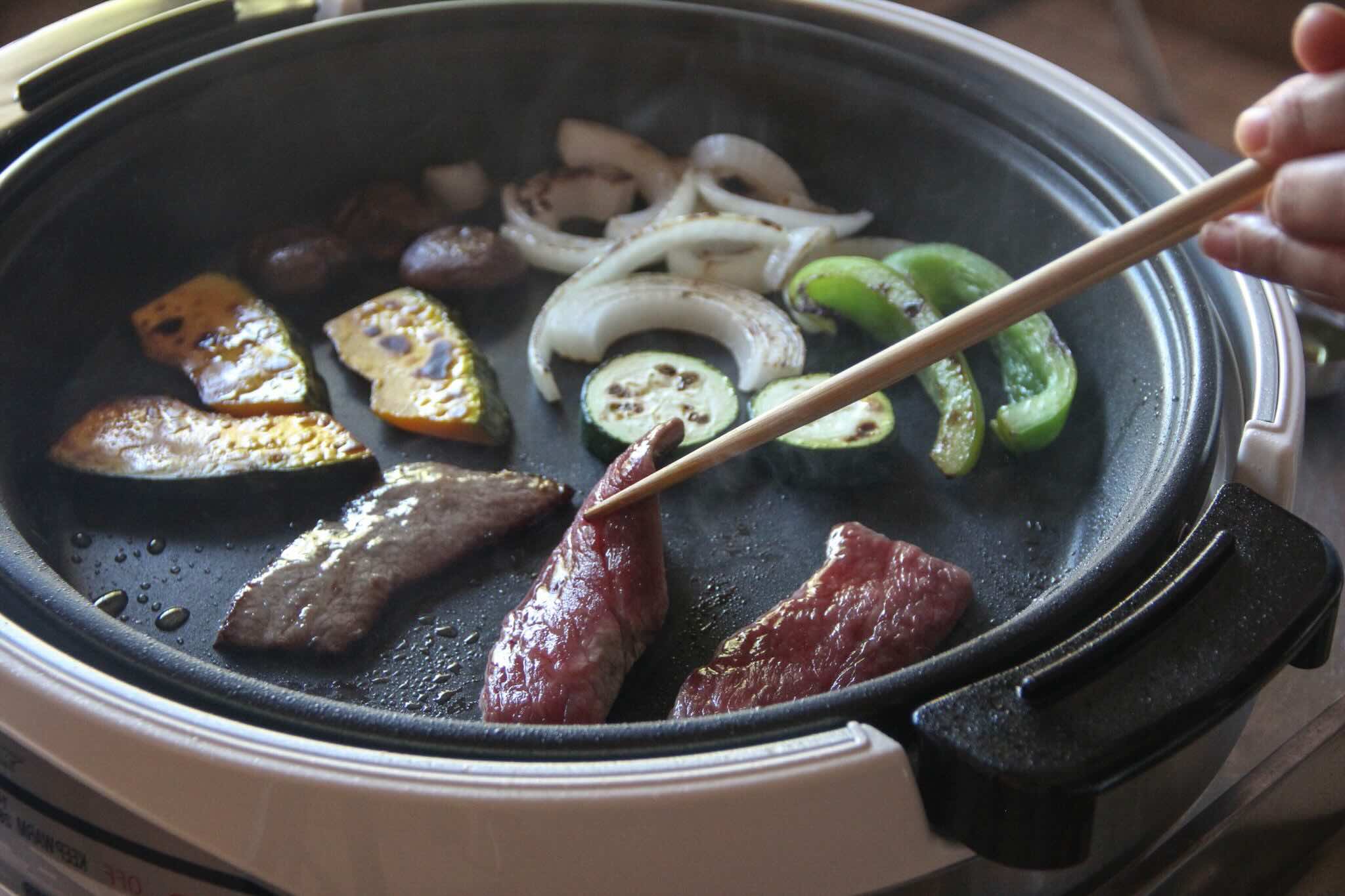
- Teppanyaki Recipe35 Minutes
- Japanese Soybean Powder (Kinako) Recipe25 Minutes
- Japanese Kimbap Recipe35 Minutes
Leave a Reply