Experience the comforting and nutty flavors of Japanese chestnut rice. This dish combines the subtle sweetness of chestnuts with the savory taste of soy sauce, creating a harmonious blend that is perfect for any meal. Simple yet satisfying, this recipe is a delightful way to enjoy the essence of Japanese cuisine.
If you don't usually cook Japanese dishes, you might not have Japanese short-grain rice or chestnuts in your pantry. Japanese short-grain rice is stickier and more glutinous than other types of rice, making it ideal for this recipe. Chestnuts can be found fresh, canned, or vacuum-packed, and they add a unique sweetness and texture to the dish.
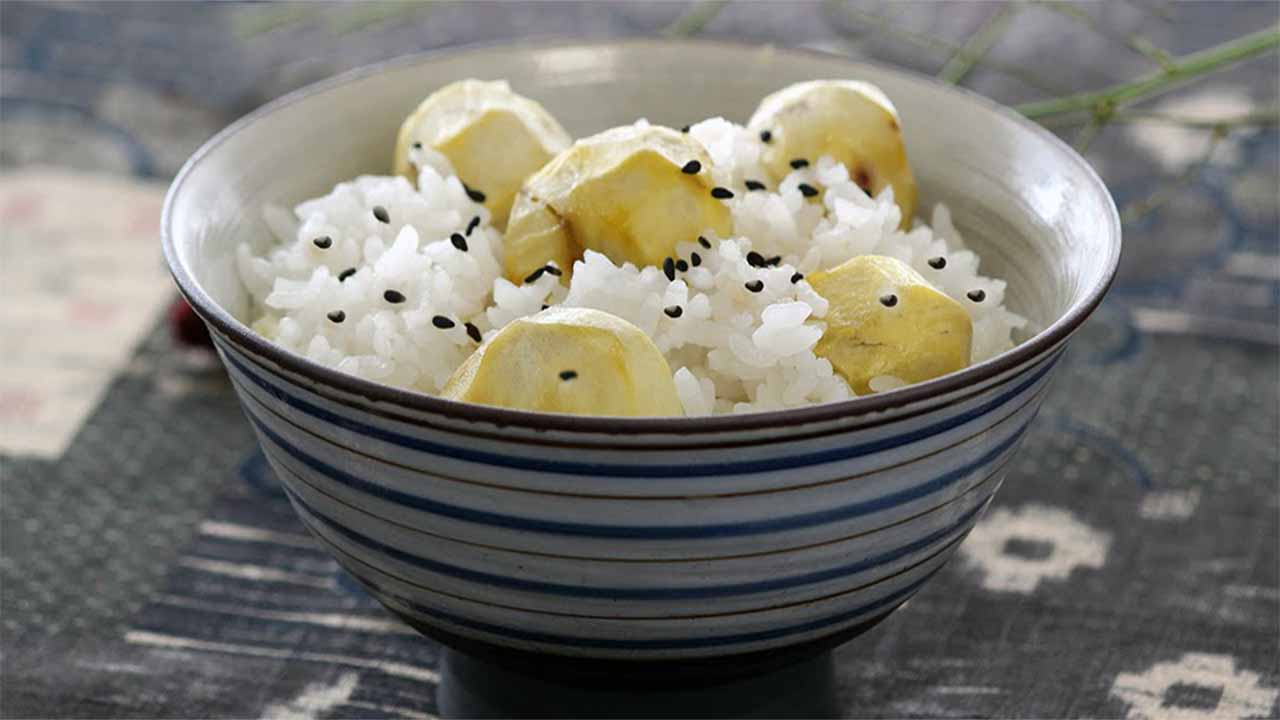
Ingredients For Japanese Chestnut Rice Recipe
Japanese short-grain rice: This type of rice is stickier and more glutinous, perfect for creating the desired texture in Japanese dishes.
Chestnuts: These add a sweet, nutty flavor and a unique texture to the rice. They can be found fresh, canned, or vacuum-packed.
Soy sauce: A staple in Japanese cuisine, it adds a savory umami flavor to the dish.
Salt: Enhances the overall flavor of the rice and balances the sweetness of the chestnuts.
Water: Essential for cooking the rice and ensuring it reaches the perfect consistency.
Technique Tip for Making Chestnut Rice
When preparing chestnuts for this recipe, it's crucial to peel them properly to avoid any bitterness. To make peeling easier, score the chestnuts with an 'X' on the flat side and boil them for about 10 minutes. After boiling, immediately transfer them to an ice bath. This will help loosen the shells and make peeling much simpler.
Suggested Side Dishes
Alternative Ingredients
japanese short-grain rice - Substitute with sushi rice: Sushi rice has a similar sticky texture and short grain size, making it a good alternative.
japanese short-grain rice - Substitute with arborio rice: Arborio rice, used in risotto, has a similar starchy quality that can mimic the texture of Japanese short-grain rice.
chestnuts - Substitute with hazelnuts: Hazelnuts have a similar nutty flavor and can provide a comparable texture when chopped.
chestnuts - Substitute with water chestnuts: Water chestnuts offer a crunchy texture and mild flavor, making them a suitable alternative in terms of texture.
soy sauce - Substitute with tamari: Tamari is a gluten-free soy sauce alternative that provides a similar umami flavor.
soy sauce - Substitute with coconut aminos: Coconut aminos are a soy-free alternative that offers a slightly sweeter but still savory flavor.
salt - Substitute with sea salt: Sea salt can be used as a direct substitute for regular salt, providing a similar level of salinity.
salt - Substitute with kosher salt: Kosher salt has a coarser texture but can be used in the same quantity to achieve the desired saltiness.
water - Substitute with vegetable broth: Vegetable broth can add additional flavor to the rice, enhancing the overall dish.
water - Substitute with dashi: Dashi, a Japanese stock made from kelp and bonito flakes, can provide a rich umami flavor to the rice.
Alternative Recipes Similar to Chestnut Rice
How to Store or Freeze This Dish
- Allow the Japanese chestnut rice to cool completely before storing. This prevents condensation, which can make the rice soggy.
- Transfer the cooled rice into an airtight container. Make sure to use a container that seals well to maintain freshness.
- Store the container in the refrigerator if you plan to consume the rice within 3-4 days. This keeps the chestnuts and rice at their best quality.
- For longer storage, portion the rice into individual servings. This makes it easier to reheat only what you need.
- Place the individual servings in freezer-safe bags or containers. Squeeze out as much air as possible to prevent freezer burn.
- Label each bag or container with the date. This helps you keep track of how long the rice has been stored.
- Freeze the rice for up to 1 month. Beyond this period, the texture and flavor may start to degrade.
- To reheat, remove the rice from the freezer and let it thaw in the refrigerator overnight. This ensures even reheating.
- Reheat the rice in the microwave or on the stovetop. For the microwave, sprinkle a little water over the rice and cover it with a damp paper towel. Heat in short intervals, stirring occasionally, until warm.
- On the stovetop, place the rice in a saucepan with a splash of water. Cover and heat on low, stirring occasionally, until the rice is heated through.
- Enjoy your Japanese chestnut rice as a delicious side dish or main course, just as flavorful as when it was freshly made.
How to Reheat Leftovers
Stovetop Method:
- Place the leftover Japanese chestnut rice in a non-stick pan.
- Add a splash of water or dashi broth to moisten the rice.
- Cover the pan with a lid and heat over medium-low heat.
- Stir occasionally to ensure even heating.
- Once the rice is heated through, serve immediately.
Microwave Method:
- Transfer the Japanese chestnut rice to a microwave-safe bowl.
- Sprinkle a few drops of water over the rice to add moisture.
- Cover the bowl with a microwave-safe lid or a damp paper towel.
- Microwave on medium power for 1-2 minutes, stirring halfway through.
- Check if the rice is heated evenly; if not, continue heating in 30-second intervals.
Steamer Method:
- Place the leftover Japanese chestnut rice in a heatproof dish.
- Set up a steamer and bring the water to a boil.
- Place the dish in the steamer and cover with a lid.
- Steam for about 5-10 minutes or until the rice is thoroughly heated.
- Carefully remove the dish from the steamer and serve.
Oven Method:
- Preheat the oven to 300°F (150°C).
- Spread the Japanese chestnut rice evenly in an oven-safe dish.
- Add a few tablespoons of water or dashi broth to keep the rice moist.
- Cover the dish with aluminum foil to prevent drying out.
- Bake for about 15-20 minutes or until the rice is heated through.
- Remove from the oven and serve immediately.
Best Tools for Preparing Chestnut Rice
Rice cooker: Essential for cooking the rice evenly and ensuring the perfect texture.
Rice paddle: Used for fluffing the rice once it's cooked, ensuring it doesn't become mushy.
Measuring cups: Necessary for accurately measuring the rice and water to maintain the correct proportions.
Mixing bowl: Useful for rinsing the rice under cold water until the water runs clear.
Knife: Needed for peeling and chopping the chestnuts into the appropriate size.
Cutting board: Provides a stable surface for chopping the chestnuts safely.
Strainer: Helps in draining the water after rinsing the rice.
Spoon: Useful for adding soy sauce and salt to the rice cooker.
How to Save Time on Making Chestnut Rice
Rinse the rice efficiently: Use a fine-mesh strainer to quickly rinse the rice until the water runs clear.
Pre-peeled chestnuts: Purchase pre-peeled chestnuts to save time on preparation.
Rice cooker settings: Use the quick-cook setting on your rice cooker if available.
Prep ahead: Measure out the soy sauce and salt the night before to streamline the process.
Batch cooking: Make a larger batch and freeze portions for future meals.
Japanese Chestnut Rice Recipe
Ingredients
Main Ingredients
- 2 cups Japanese short-grain rice
- 1 cup Chestnuts, peeled and chopped
- 2 tablespoons Soy sauce
- 1 teaspoon Salt
- 2 cups Water
Instructions
- Rinse the rice under cold water until the water runs clear.
- Place the rice in the rice cooker and add the water, soy sauce, and salt.
- Add the chopped chestnuts on top of the rice.
- Start the rice cooker and cook according to the manufacturer's instructions.
- Once the rice is cooked, let it sit for 10 minutes before fluffing with a rice paddle.
- Serve warm and enjoy!
Nutritional Value
Keywords
Suggested Appetizers and Desserts for This Dish
More Amazing Recipes to Try 🙂
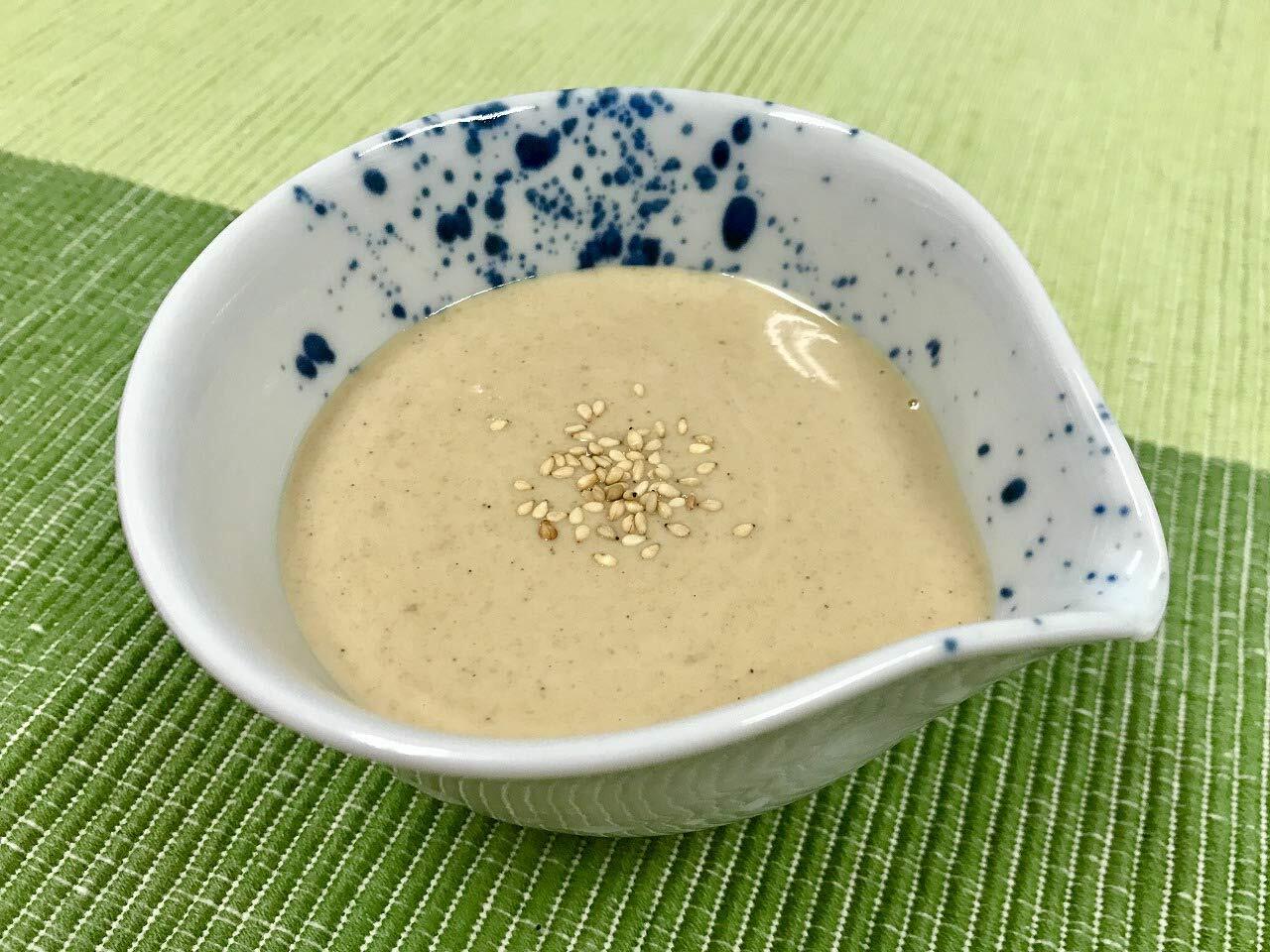
- Japanese Sesame Paste (Nerigoma) Recipe15 Minutes
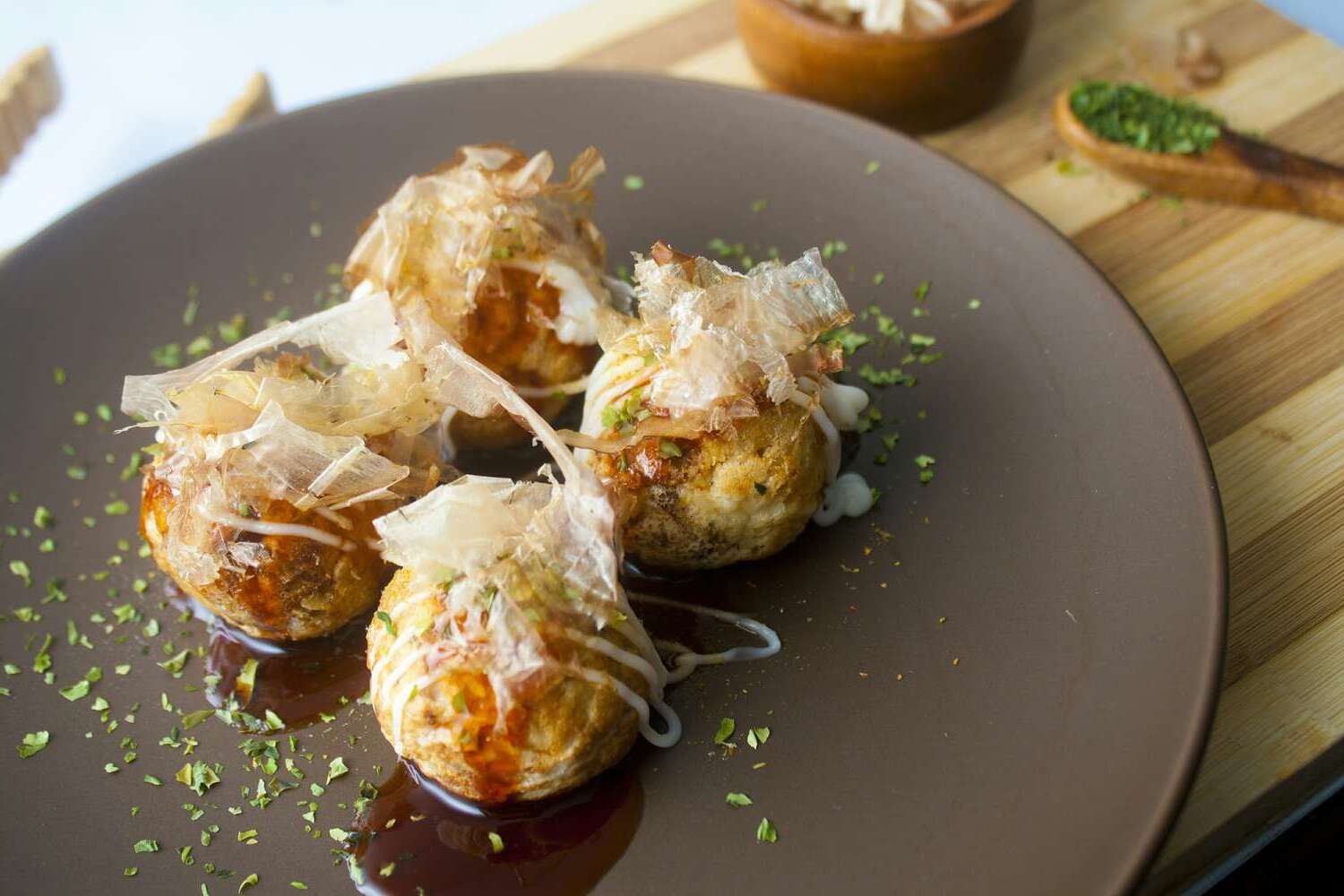
- Takoyaki (Japanese Octopus Ball) Recipe30 Minutes
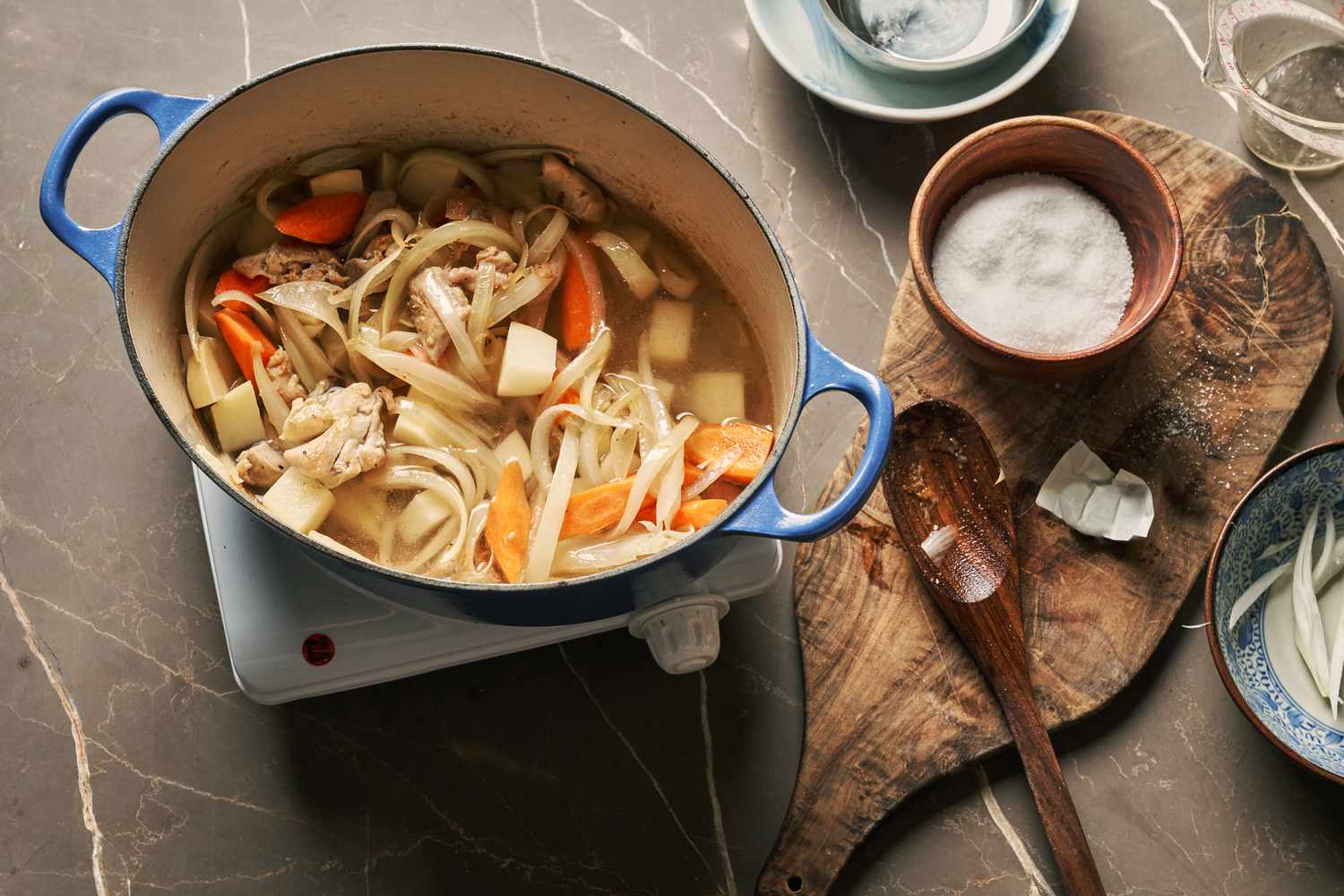
- Japanese Chicken Stew Recipe1 Hours
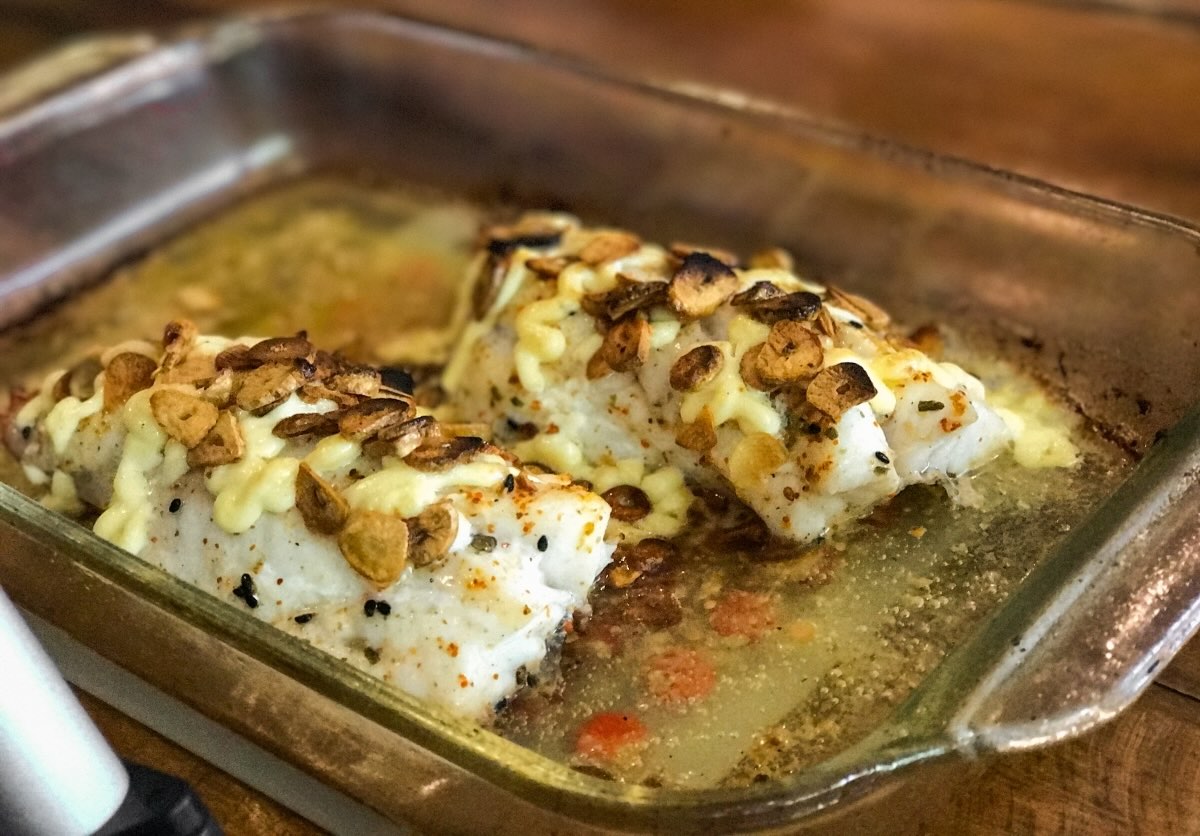
- Japanese Baked Fish Recipe30 Minutes
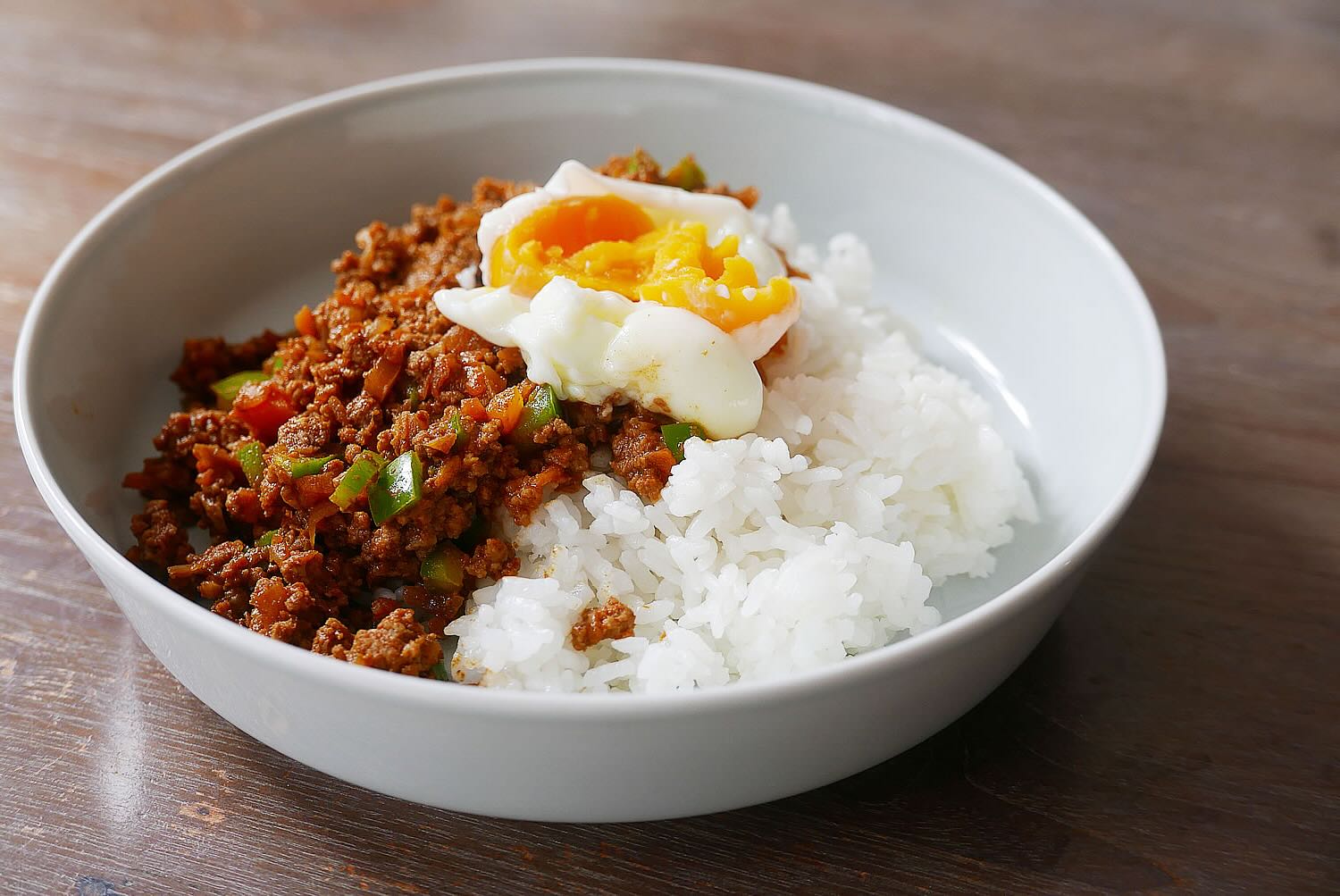
- Japanese Dry Curry Recipe45 Minutes
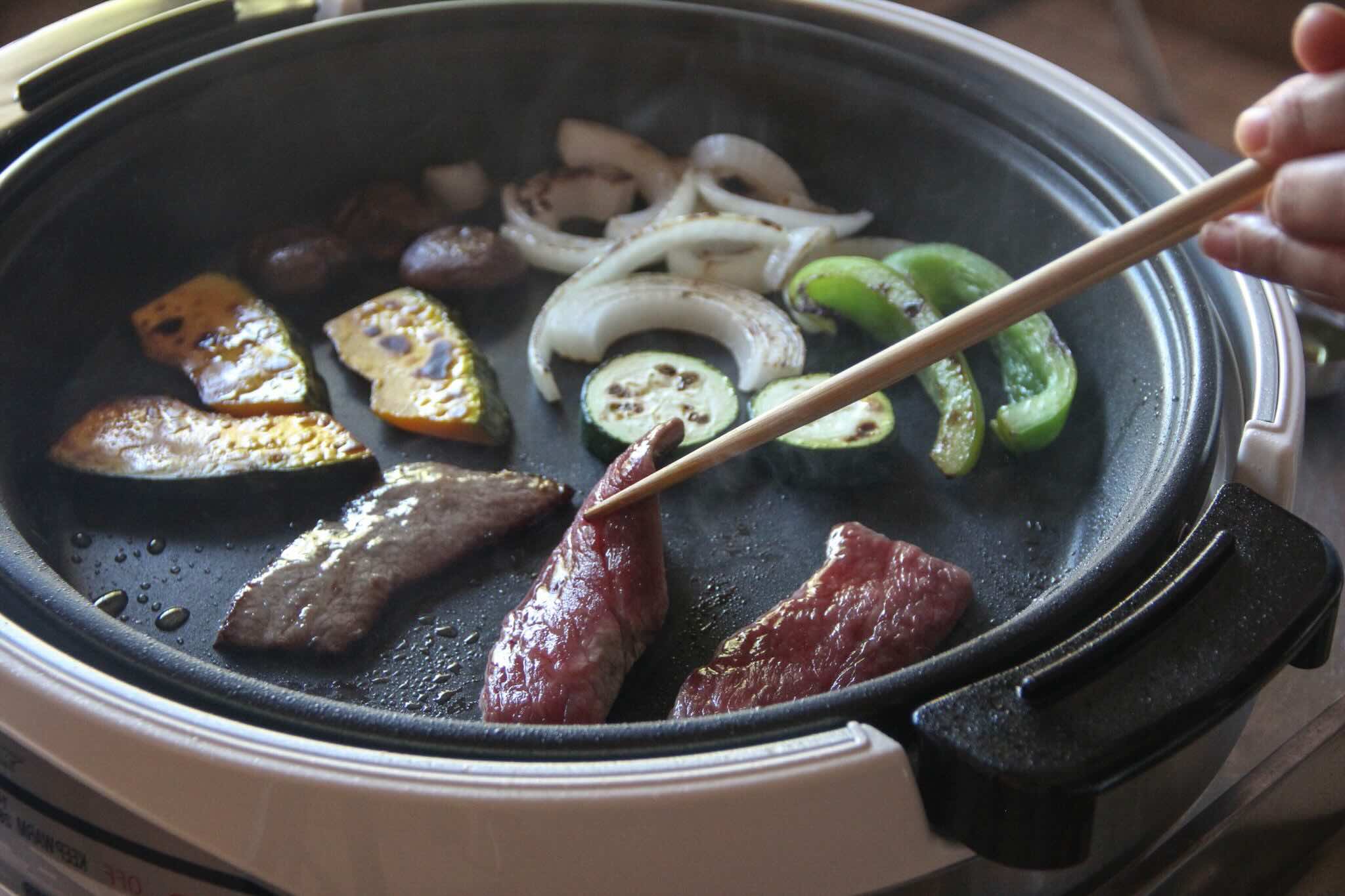
- Teppanyaki Recipe35 Minutes
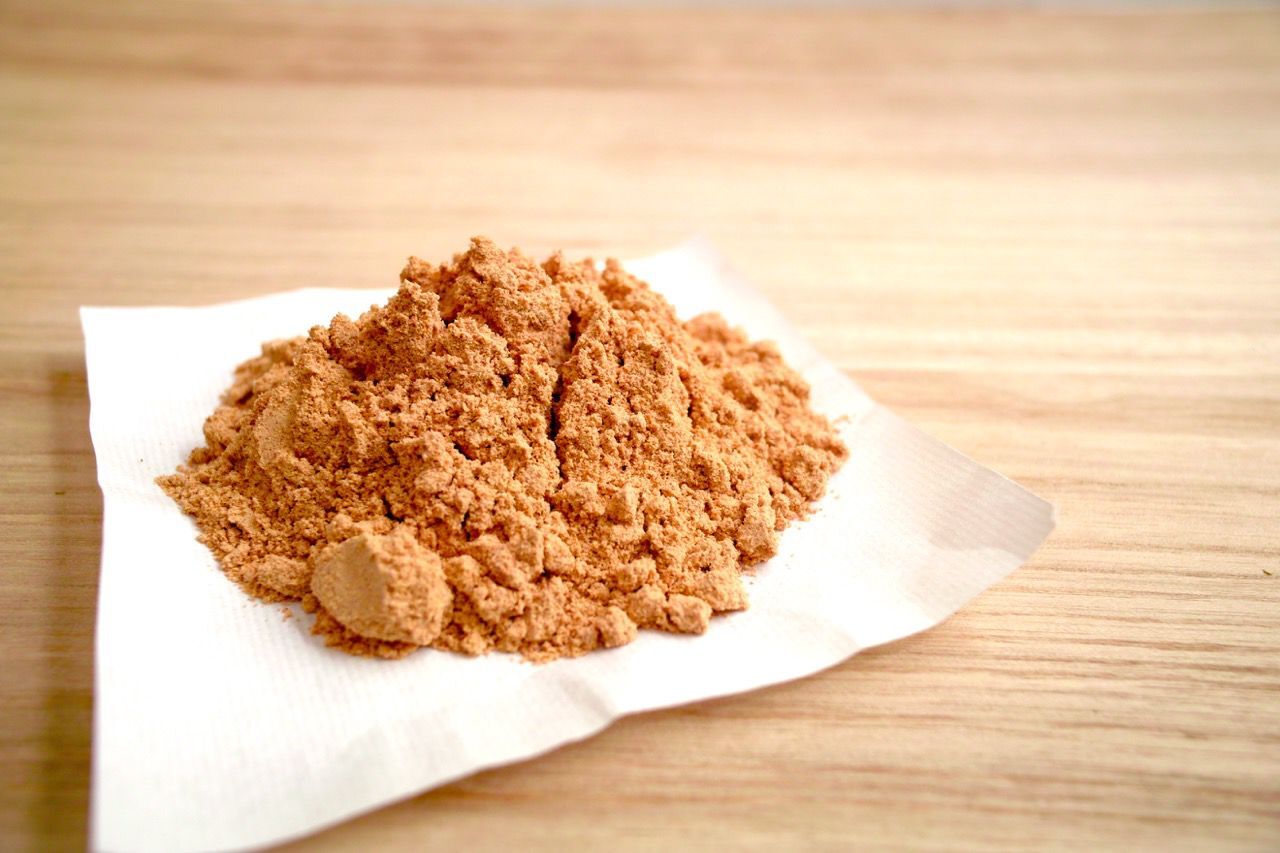
- Japanese Soybean Powder (Kinako) Recipe25 Minutes
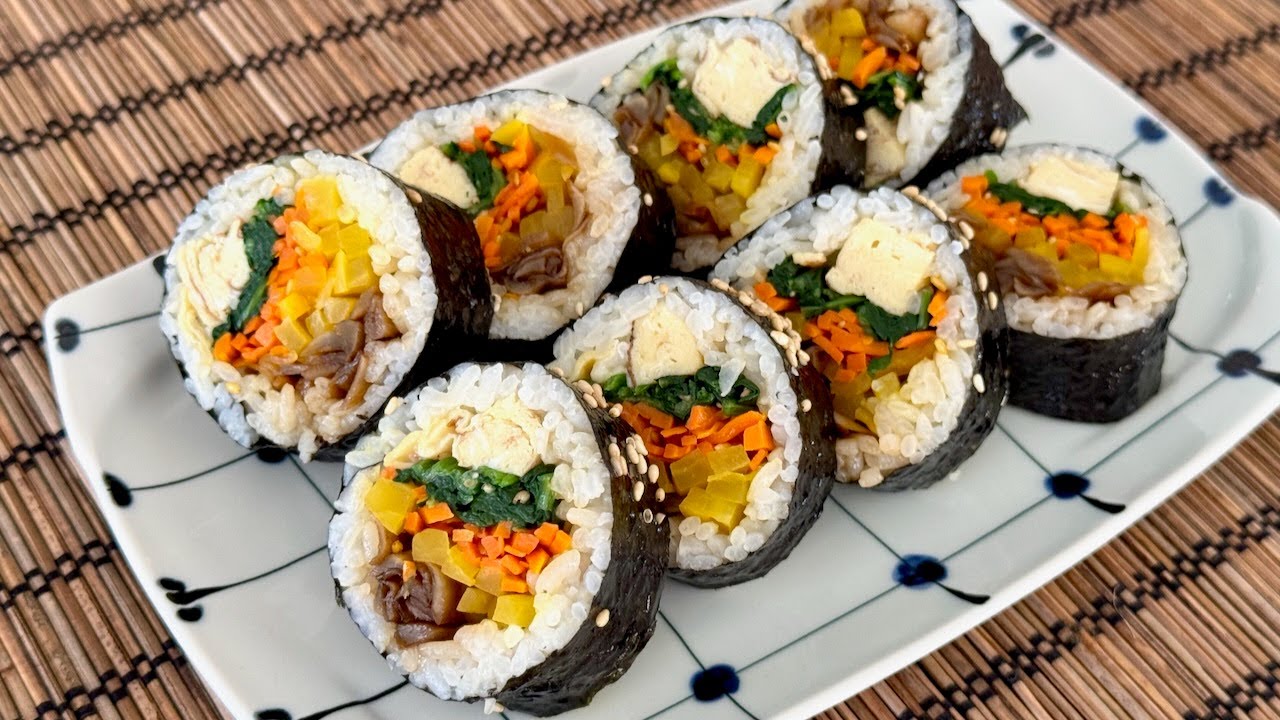
- Japanese Kimbap Recipe35 Minutes
Leave a Reply