Kamaboko, or Japanese pink fish cake, is a delightful addition to many traditional Japanese dishes. This savory treat is often enjoyed in soups, stews, or as a topping for noodles. Its unique texture and subtle flavor make it a versatile ingredient that can elevate any meal.
Some ingredients in this recipe might not be commonly found in every household. Mirin and sake are both types of Japanese rice wine, with mirin being sweeter and sake being more alcoholic. These can usually be found in the international or Asian section of your supermarket. If you can't find them, they are also available in specialty Asian grocery stores.

Ingredients for Japanese Pink Fish Cake Kamaboko
White fish fillet: A mild-flavored fish that provides the base for the fish cake.
Salt: Enhances the flavor of the fish cake.
Sugar: Adds a touch of sweetness to balance the savory elements.
Mirin: A sweet Japanese rice wine that adds depth and sweetness.
Sake: A Japanese rice wine that adds a subtle umami flavor.
Red food coloring: Optional, used to give the fish cake its distinctive pink color.
Technique Tip for Making Kamaboko
When blending the fish fillet in the food processor, make sure to pulse it initially to break it down into smaller pieces before blending continuously. This helps achieve a smoother paste. Additionally, when shaping the mixture into a log, wet your hands slightly to prevent the fish paste from sticking to your fingers, ensuring a more uniform shape.
Suggested Side Dishes
Alternative Ingredients
skinless and boneless white fish fillet - Substitute with tilapia fillet: Tilapia has a mild flavor and firm texture similar to many white fish varieties, making it a suitable replacement.
skinless and boneless white fish fillet - Substitute with cod fillet: Cod is another white fish with a flaky texture and mild taste, which works well in fish cakes.
salt - Substitute with soy sauce: Soy sauce can add a similar level of saltiness along with a bit of umami flavor, enhancing the overall taste.
sugar - Substitute with honey: Honey provides a similar sweetness and can add a slight floral note to the dish.
sugar - Substitute with maple syrup: Maple syrup offers a comparable sweetness with a unique, rich flavor profile.
mirin - Substitute with rice vinegar and sugar: Mixing rice vinegar with a bit of sugar can mimic the sweet and tangy flavor of mirin.
mirin - Substitute with dry sherry: Dry sherry can provide a similar sweetness and depth of flavor as mirin.
sake - Substitute with dry white wine: Dry white wine can replicate the acidity and subtle sweetness of sake.
sake - Substitute with vodka: Vodka can be used as a neutral alcohol substitute, providing the necessary liquid without altering the flavor significantly.
red food coloring - Substitute with beet juice: Beet juice can provide a natural red color without the use of artificial dyes.
red food coloring - Substitute with paprika: Paprika can add a reddish hue along with a mild, smoky flavor.
Alternative Recipes Similar to Kamaboko
How to Store/Freeze Kamaboko
- Once your kamaboko has cooled completely, wrap it tightly in plastic wrap to maintain its freshness.
- For short-term storage, place the wrapped kamaboko in an airtight container and refrigerate. It will stay fresh for up to 5 days.
- If you plan to keep it longer, freezing is an excellent option. Wrap the kamaboko in a layer of aluminum foil over the plastic wrap to prevent freezer burn.
- Label the wrapped kamaboko with the date before placing it in the freezer. It can be stored for up to 3 months.
- When you're ready to use the frozen kamaboko, transfer it to the refrigerator and let it thaw overnight.
- Avoid microwaving the kamaboko to defrost, as this can affect its texture and flavor.
- Once thawed, slice the kamaboko as needed and enjoy it in your favorite Japanese dishes such as ramen, udon, or oden.
- Always ensure that any unused portions are rewrapped tightly and stored back in the refrigerator promptly to maintain quality.
How to Reheat Leftovers
Steaming: Place the kamaboko slices in a steamer basket over boiling water. Steam for about 3-5 minutes until heated through. This method helps retain the moist texture of the fish cake.
Microwaving: Arrange the kamaboko slices on a microwave-safe plate. Cover with a damp paper towel to prevent drying out. Microwave on medium power for 1-2 minutes, checking halfway to ensure even heating.
Pan-frying: Heat a small amount of vegetable oil in a non-stick skillet over medium heat. Add the kamaboko slices and cook for 1-2 minutes on each side until they are lightly browned and heated through. This method adds a slight crispiness to the exterior.
Boiling: Bring a pot of dashi broth or water to a gentle boil. Add the kamaboko slices and simmer for 2-3 minutes until warmed. This method infuses additional flavor into the fish cake.
Oven: Preheat your oven to 350°F (175°C). Place the kamaboko slices on a baking sheet lined with parchment paper. Cover with aluminum foil to prevent drying out. Bake for 5-7 minutes until heated through.
Best Tools for Making Kamaboko
Food processor: Used to blend the fish fillet into a smooth paste, ensuring a consistent texture.
Mixing bowl: Used to transfer the fish paste and mix in additional ingredients like salt, sugar, mirin, and sake.
Plastic wrap: Used to wrap the fish paste log, keeping it in shape and preventing it from drying out during steaming.
Steamer: Used to steam the wrapped fish paste log, cooking it evenly and thoroughly.
Knife: Used to slice the cooled fish cake into desired portions.
Cutting board: Provides a stable surface for slicing the fish cake.
Measuring spoons: Used to accurately measure ingredients like salt, sugar, mirin, and sake.
Spatula: Used to help transfer the fish paste from the food processor to the mixing bowl and to shape the paste into a log.
How to Save Time on Making Kamaboko
Use pre-processed fish: Purchase pre-processed fish paste to skip the blending step.
Batch preparation: Make a larger batch and freeze extra logs for future use.
Pre-measure ingredients: Measure all ingredients beforehand to streamline the mixing process.
Quick cooling: Place the steamed log in an ice bath to cool it faster.
Use a piping bag: Shape the fish paste using a piping bag for quicker and more uniform logs.
Japanese Pink Fish Cake (Kamaboko) Recipe
Ingredients
Main Ingredients
- 500 g White Fish Fillet skinless and boneless
- 1 teaspoon Salt
- 1 tablespoon Sugar
- 1 tablespoon Mirin
- 1 tablespoon Sake
- 1 drop Red Food Coloring optional
Instructions
- 1. Place the fish fillet in a food processor and blend until smooth.
- 2. Add salt, sugar, mirin, and sake to the fish paste and blend again until well mixed.
- 3. If using, add a drop of red food coloring and mix until the color is evenly distributed.
- 4. Transfer the mixture to a mixing bowl and shape it into a log.
- 5. Wrap the log in plastic wrap and twist the ends to seal.
- 6. Steam the wrapped log for 30 minutes.
- 7. Let it cool before unwrapping and slicing.
Nutritional Value
Keywords
More Amazing Recipes to Try 🙂
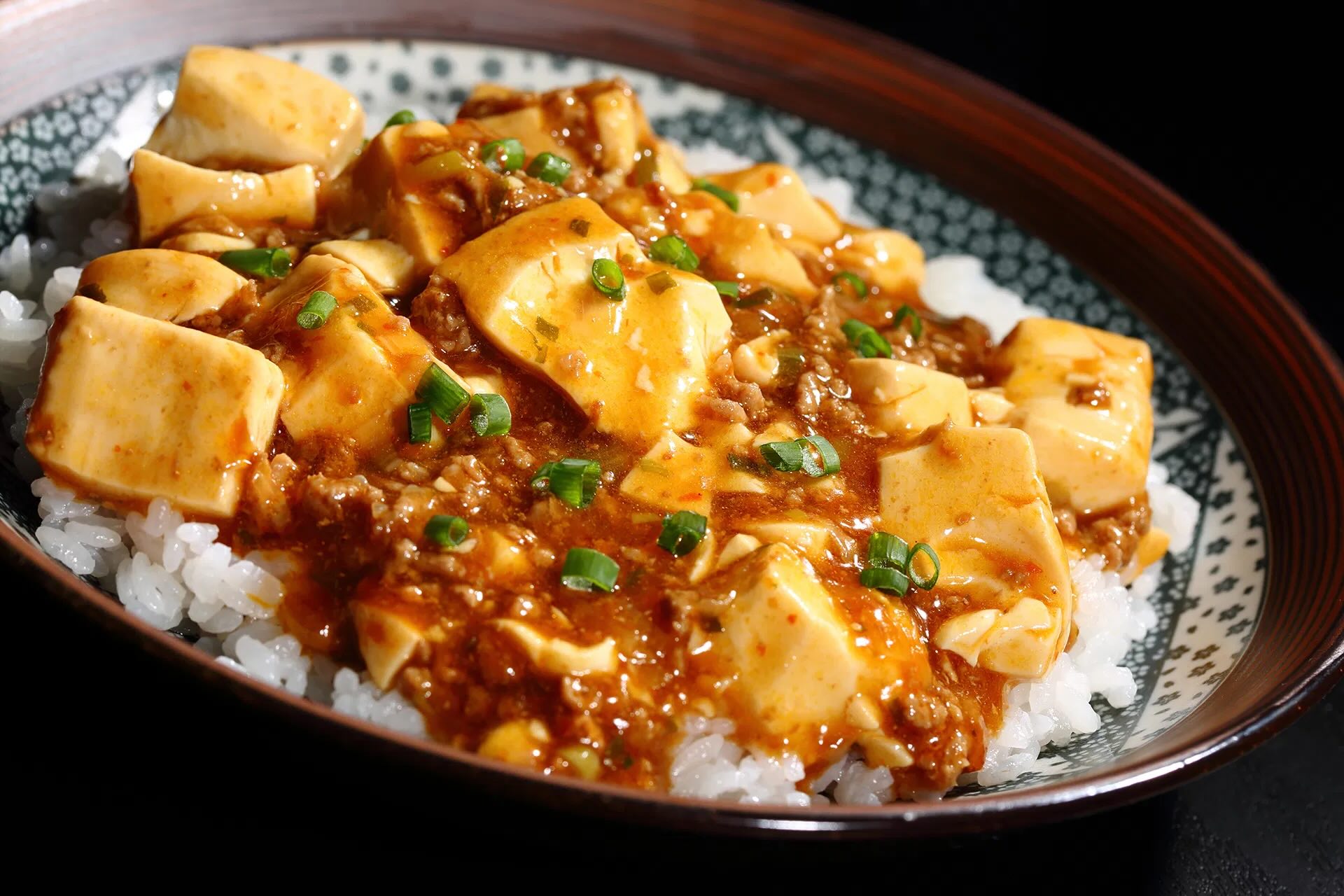
- Japanese Mapo Tofu Recipe35 Minutes
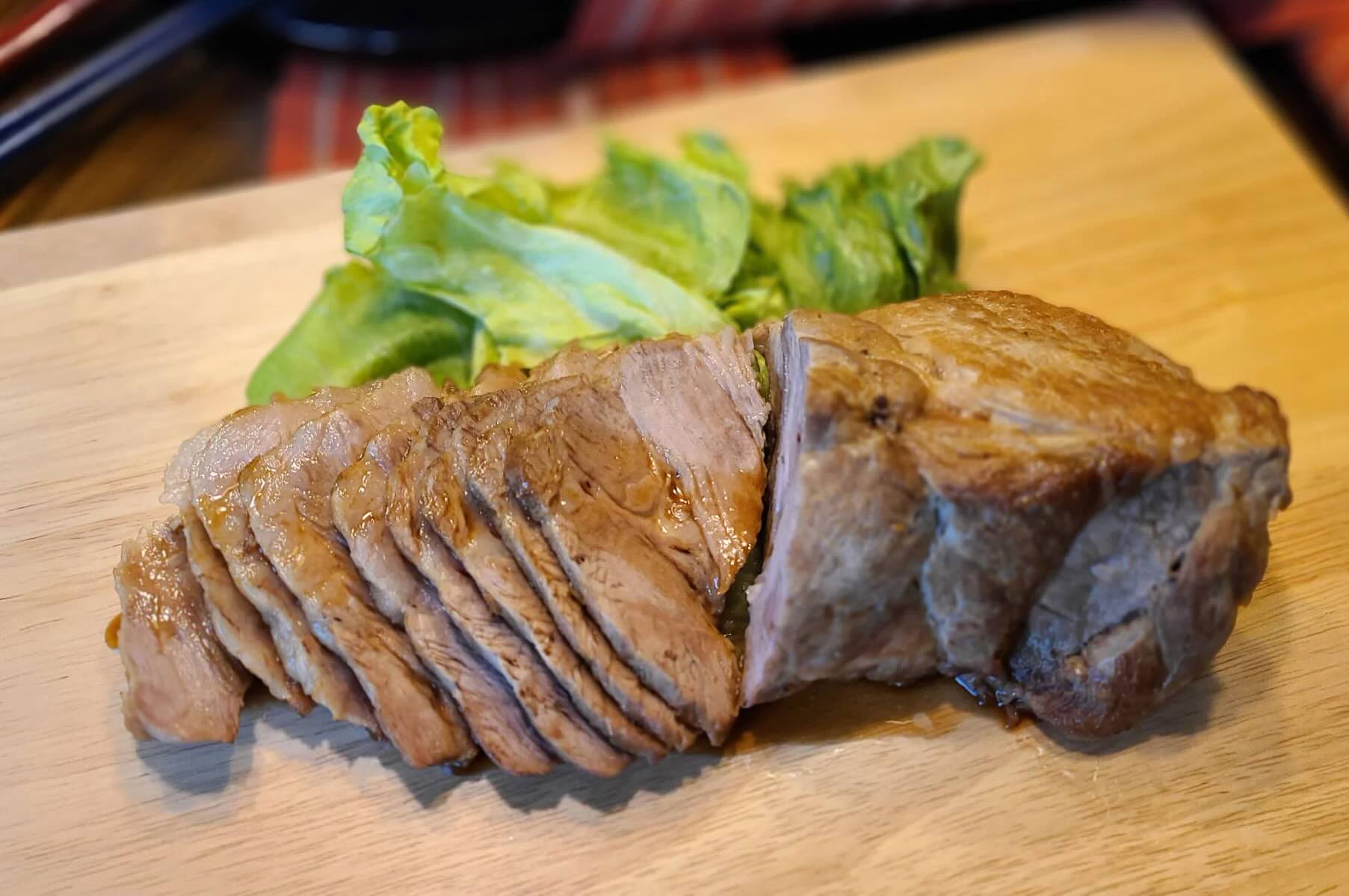
- Chashu (Japanese Braised Pork) Recipe2 Hours 15 Minutes
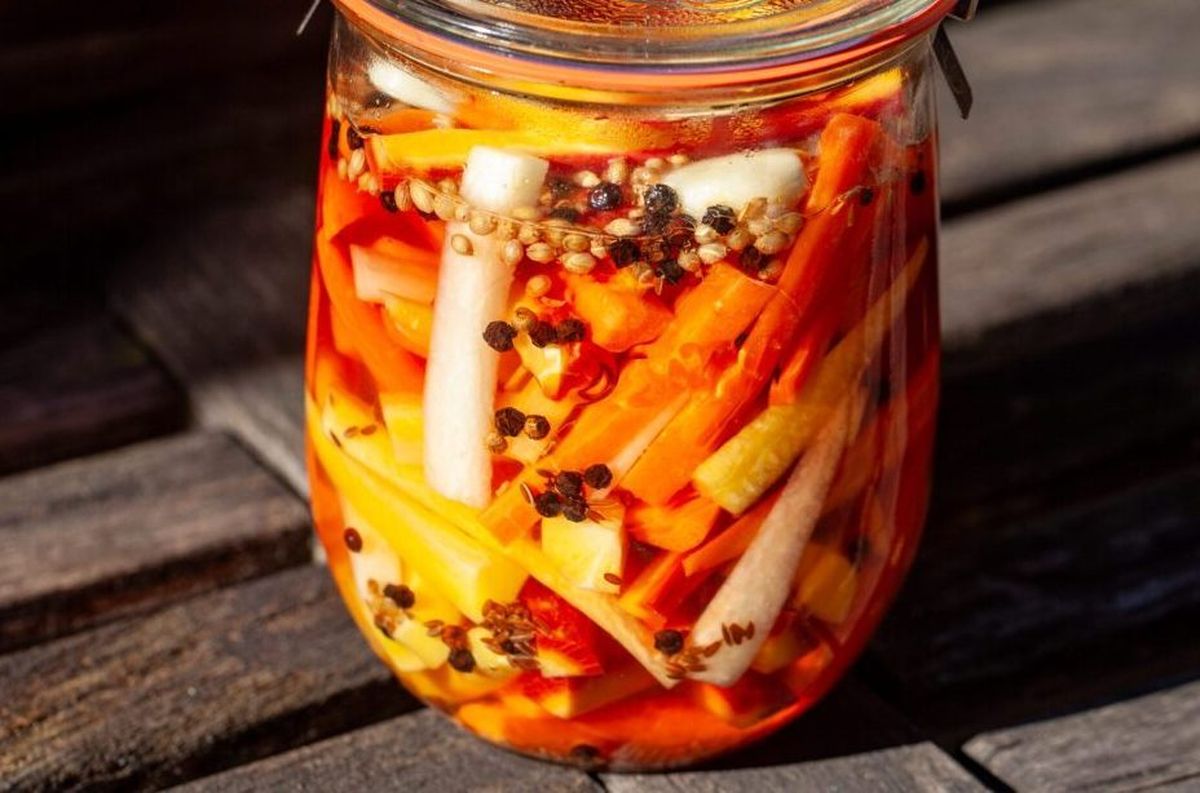
- Japanese Pickled Carrot Recipe10 Minutes
- Japanese Shaved Ice Syrup Recipe15 Minutes
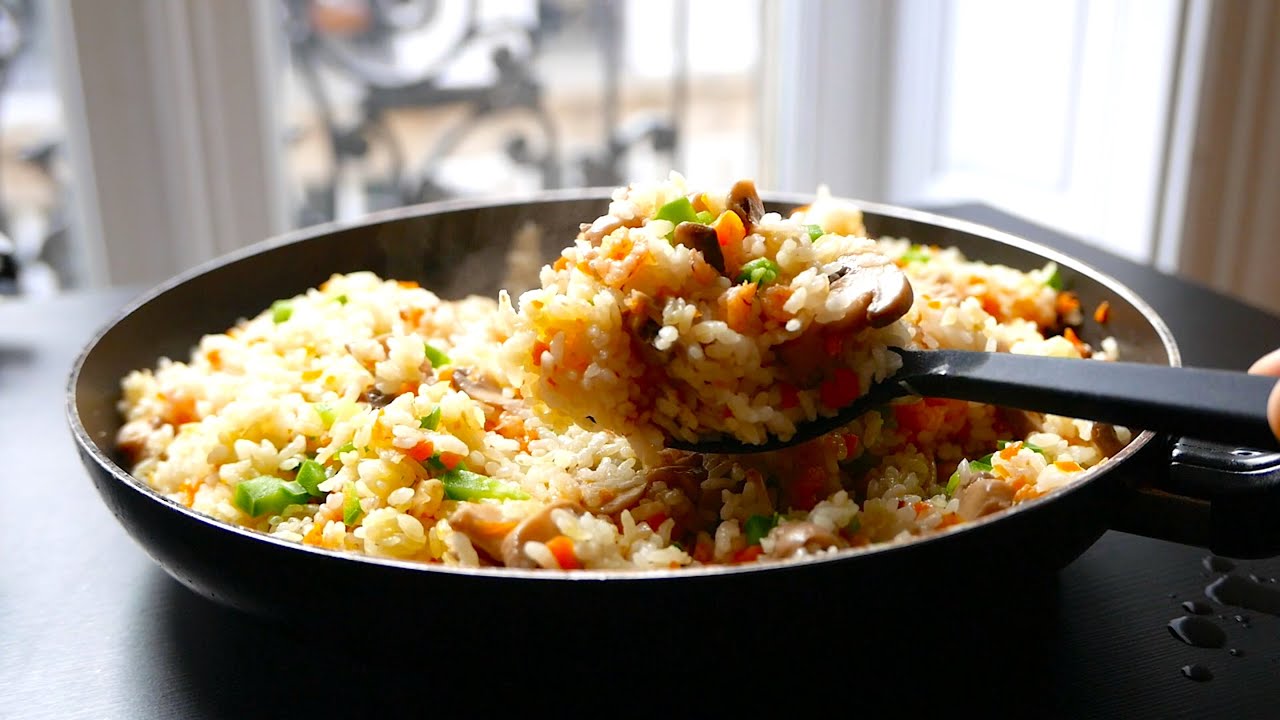
- Japanese Pilaf Recipe40 Minutes
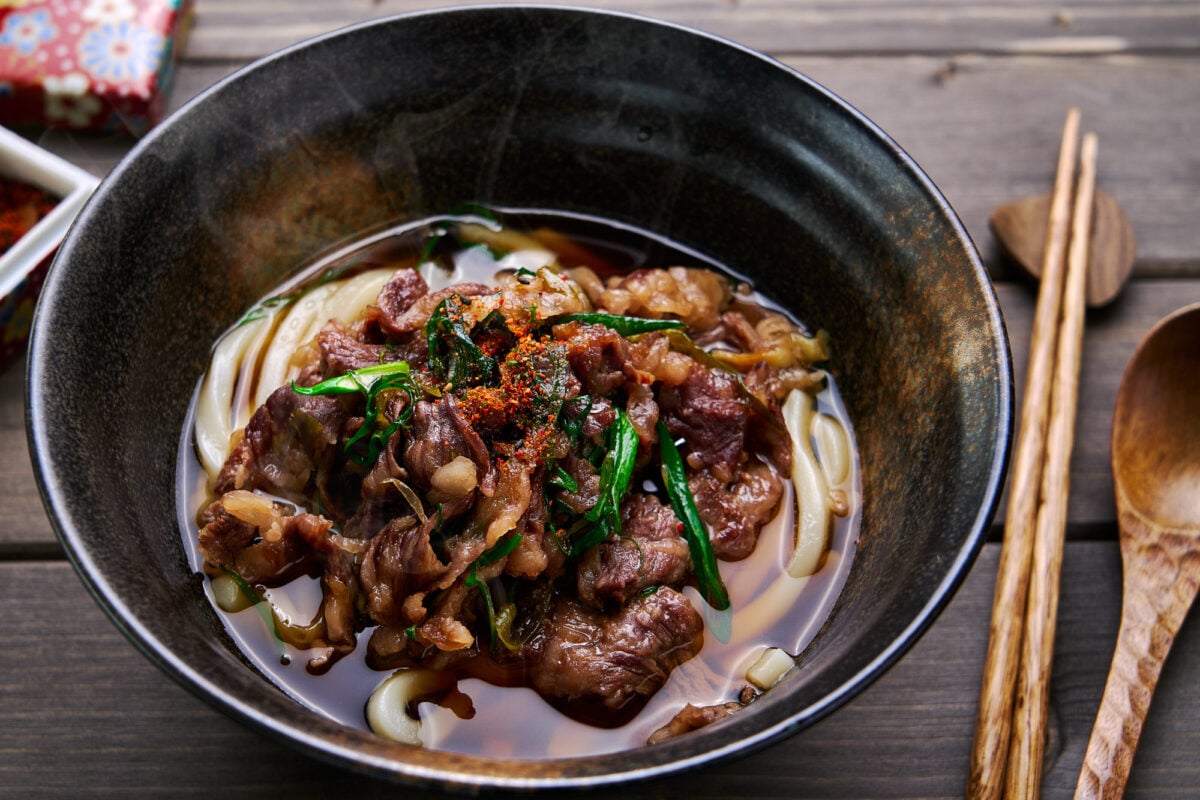
- Japanese Beef Udon Recipe35 Minutes
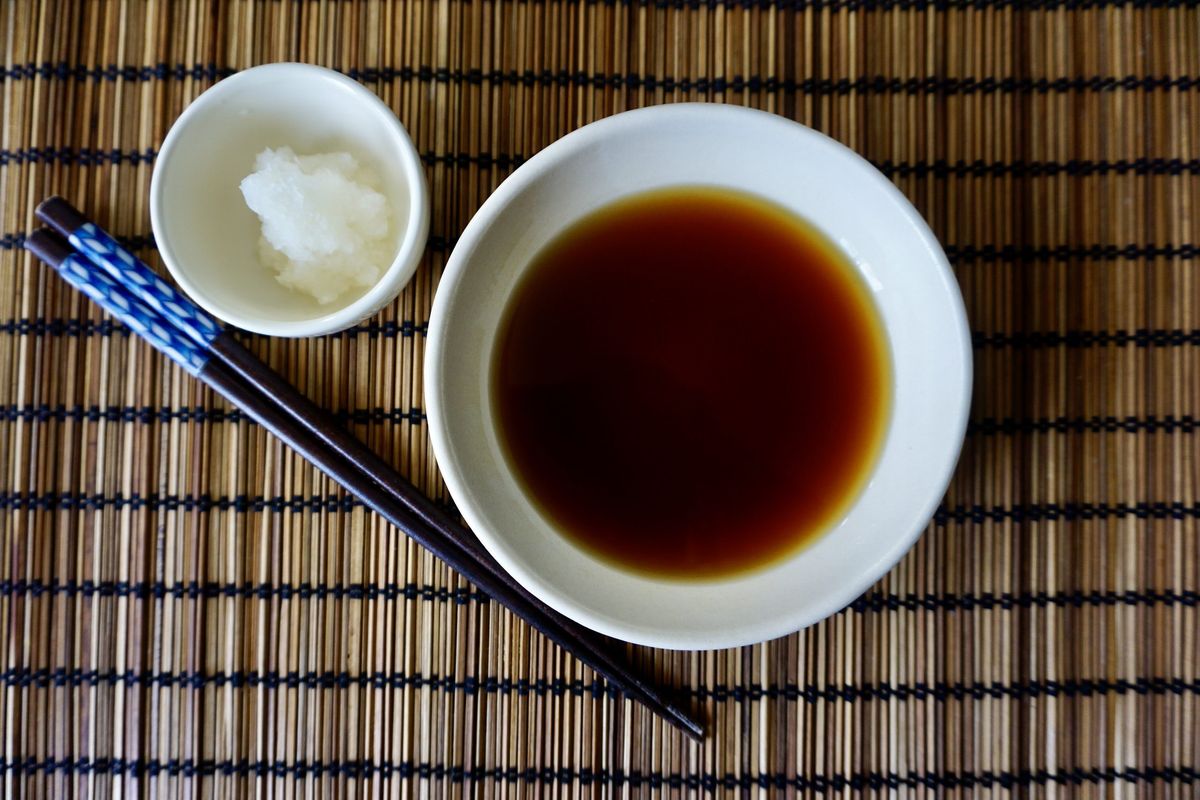
- Tempura Sauce (Tentsuyu) Recipe10 Minutes
- Japanese Chocolate Cake Recipe50 Minutes



Leave a Reply