
Tamagoyaki, a traditional Japanese omelette, is a delightful blend of sweet and savory flavors. This dish is often enjoyed as part of a Japanese breakfast or as a sushi topping. Its unique rolled shape and delicate texture make it a favorite among both children and adults.
Some ingredients in this recipe might not be commonly found in your pantry. Dashi stock, a Japanese soup base, and mirin, a sweet rice wine, are essential for authentic flavor. These can be found in the Asian section of most supermarkets or at specialty Asian grocery stores.
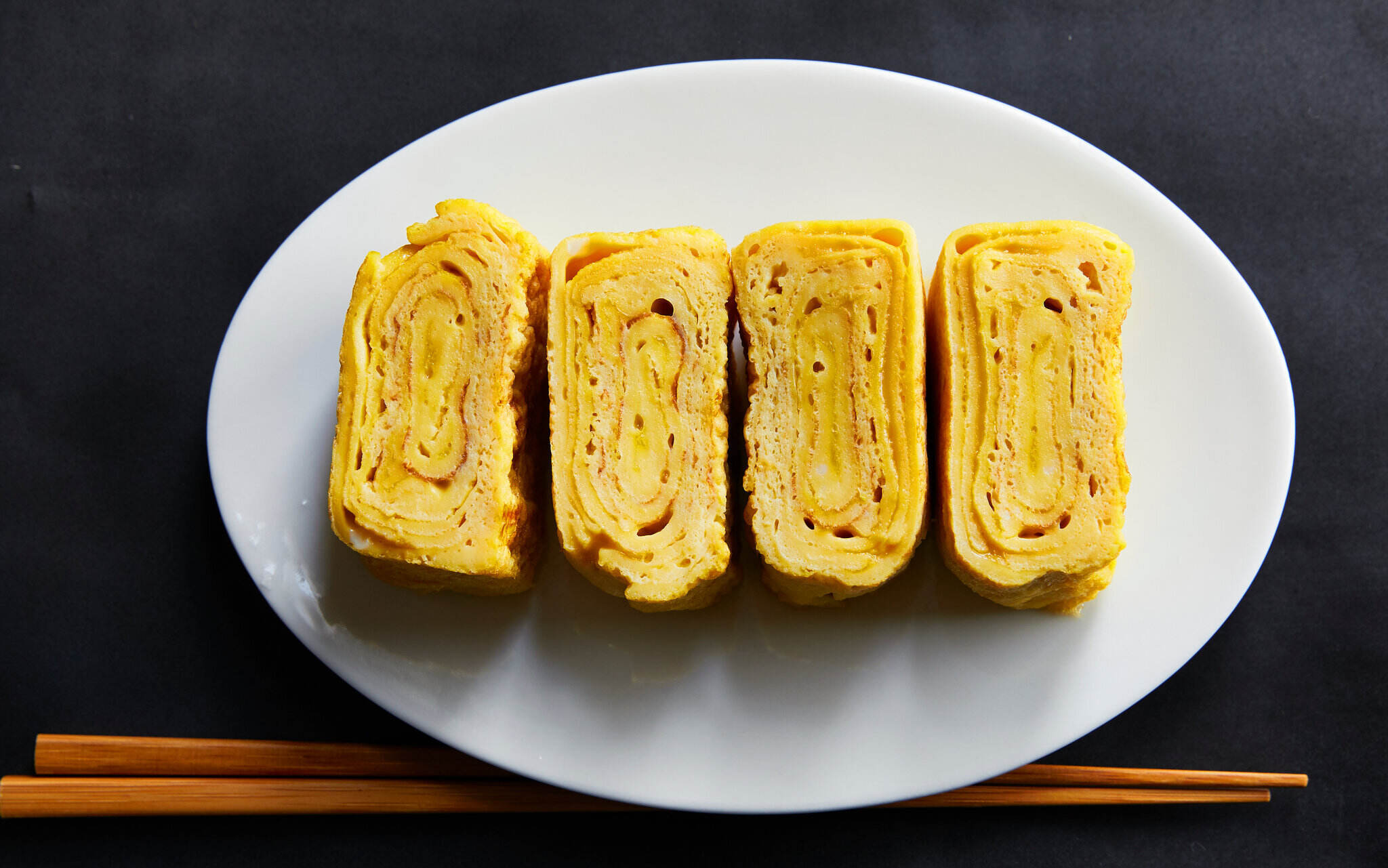
Ingredients For Japanese Omelette (Tamagoyaki)
Eggs: The main ingredient, providing the base for the omelette.
Dashi stock: A Japanese soup stock that adds umami flavor.
Soy sauce: Adds a salty, savory taste to the omelette.
Mirin: A sweet rice wine that balances the flavors.
Sugar: Adds a touch of sweetness to the omelette.
Vegetable oil: Used for cooking the omelette to prevent sticking.
Technique Tip for Making Tamagoyaki
When making tamagoyaki, ensure that the egg mixture is well-beaten and homogeneous to achieve a smooth texture. Use a tamagoyaki pan for even cooking and easier rolling. Keep the heat at medium to prevent the eggs from browning too quickly. Lightly oil the pan between each layer to prevent sticking and to maintain the delicate layers. Use chopsticks or a spatula to roll the omelette gently, ensuring each layer is thin and evenly cooked.
Suggested Side Dishes
Alternative Ingredients
4 large eggs - Substitute with 4 large egg whites: Reduces cholesterol and fat content while maintaining the protein structure.
2 tablespoon water dashi stock - Substitute with 2 tablespoon chicken broth: Provides a similar umami flavor, though slightly less traditional.
1 tablespoon soy sauce - Substitute with 1 tablespoon tamari: Offers a gluten-free alternative with a similar taste profile.
1 tablespoon mirin - Substitute with 1 tablespoon rice vinegar mixed with 1 teaspoon sugar: Mimics the sweet and tangy flavor of mirin.
1 teaspoon sugar - Substitute with 1 teaspoon honey: Adds sweetness with a slightly different flavor profile, and is a natural sweetener.
1 teaspoon vegetable oil - Substitute with 1 teaspoon sesame oil: Adds a nutty flavor that complements the Japanese omelette.
Alternative Recipes Similar to Tamagoyaki
How to Store or Freeze Tamagoyaki
Allow the tamagoyaki to cool completely at room temperature. This prevents condensation, which can make the omelette soggy.
Wrap the tamagoyaki tightly in plastic wrap or aluminum foil. Ensure there are no gaps to keep it fresh and prevent it from absorbing other odors in the fridge.
Place the wrapped omelette in an airtight container. This adds an extra layer of protection and helps maintain its shape.
Store the container in the refrigerator if you plan to consume the tamagoyaki within 2-3 days. For longer storage, proceed to freezing.
To freeze, place the wrapped tamagoyaki in a freezer-safe bag, removing as much air as possible before sealing. Label the bag with the date to keep track of its freshness.
When ready to use, thaw the omelette in the refrigerator overnight. Avoid thawing at room temperature to maintain its texture and flavor.
Reheat the tamagoyaki gently in a microwave or on a stovetop. If using a microwave, cover it with a damp paper towel to prevent it from drying out. For stovetop reheating, use a non-stick pan over low heat, flipping occasionally until warmed through.
Serve the tamagoyaki as desired, whether as part of a bento box, alongside rice, or as a sushi topping.
How to Reheat Leftovers
Microwave Method:
- Place the Japanese omelette on a microwave-safe plate.
- Cover it with a damp paper towel to retain moisture.
- Heat on medium power for 30-second intervals until warmed through, checking frequently to avoid overcooking.
Stovetop Method:
- Heat a non-stick pan over low heat and add a small amount of vegetable oil.
- Place the tamagoyaki in the pan and cover with a lid.
- Reheat for 1-2 minutes on each side, or until warmed through, ensuring it doesn't get too dry.
Oven Method:
- Preheat your oven to 300°F (150°C).
- Wrap the omelette in aluminum foil to prevent it from drying out.
- Place it on a baking sheet and heat for about 10 minutes, or until warmed through.
Steaming Method:
- Set up a steamer by boiling water in a pot and placing a steaming basket on top.
- Place the Japanese omelette in the steaming basket.
- Cover and steam for 5-7 minutes, or until heated through, ensuring it retains its moisture and soft texture.
Best Tools for Making Tamagoyaki
Mixing bowl: Used to beat the eggs and mix them with dashi stock, soy sauce, mirin, and sugar.
Tamagoyaki pan: A rectangular or square pan specifically designed for making tamagoyaki, allowing for easy rolling of the omelette.
Chopsticks: Used to roll the omelette in the pan. Alternatively, a spatula can be used.
Spatula: An alternative to chopsticks for rolling the omelette in the pan.
Measuring spoons: Used to measure out the dashi stock, soy sauce, mirin, sugar, and vegetable oil accurately.
Oil brush: Used to lightly oil the tamagoyaki pan before cooking each layer of the omelette.
Knife: Used to slice the omelette after it has cooled slightly.
Cutting board: Used as a surface to slice the omelette.
How to Save Time on Making Tamagoyaki
Prepare ingredients in advance: Measure and mix the dashi stock, soy sauce, mirin, and sugar before starting to cook.
Use a non-stick pan: This reduces the need for excessive oil and makes rolling the omelette easier.
Preheat the pan: Ensure the tamagoyaki pan is hot before adding the egg mixture to speed up cooking.
Use a squeeze bottle: Pour the egg mixture quickly and evenly with a squeeze bottle for consistent layers.
Practice rolling technique: Mastering the rolling technique will make the process faster and more efficient.
Japanese Omelette (Tamagoyaki)
Ingredients
Main Ingredients
- 4 large eggs
- 2 tablespoon dashi stock or water
- 1 tablespoon soy sauce
- 1 tablespoon mirin
- 1 teaspoon sugar
- 1 teaspoon vegetable oil for cooking
Instructions
- In a mixing bowl, beat the eggs. Add dashi stock, soy sauce, mirin, and sugar. Mix well.
- Heat the tamagoyaki pan over medium heat and lightly oil it.
- Pour a thin layer of the egg mixture into the pan. When the egg is half-cooked, roll it to one side of the pan using chopsticks or a spatula.
- Oil the pan again, pour another thin layer of the egg mixture, and lift the rolled omelette to let the uncooked egg flow underneath. When half-cooked, roll the omelette again.
- Repeat until all the egg mixture is used. Shape the omelette and let it cool slightly before slicing.
Nutritional Value
Keywords
More Amazing Recipes to Try 🙂
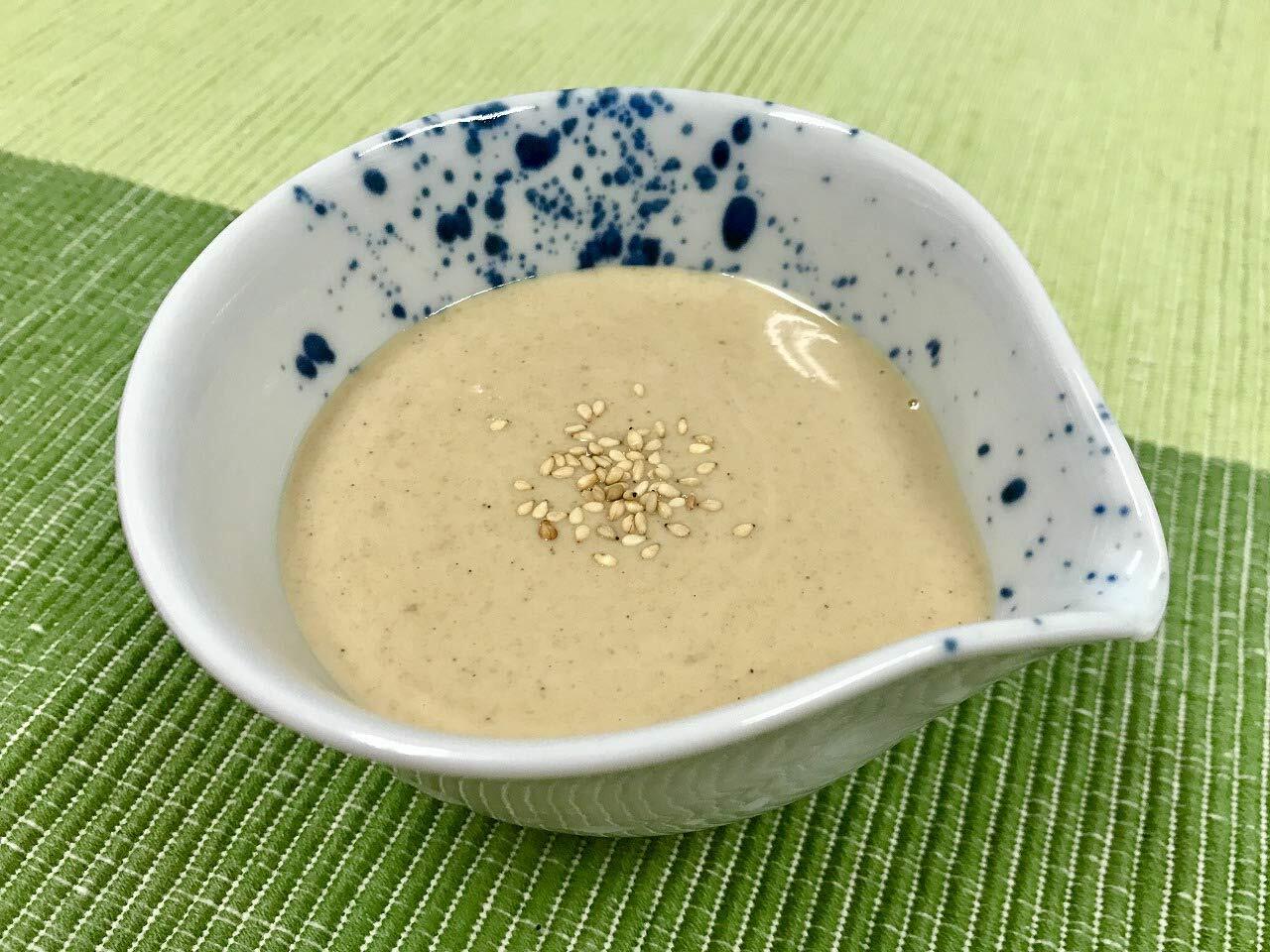
- Japanese Sesame Paste (Nerigoma) Recipe15 Minutes
- Takoyaki (Japanese Octopus Ball) Recipe30 Minutes
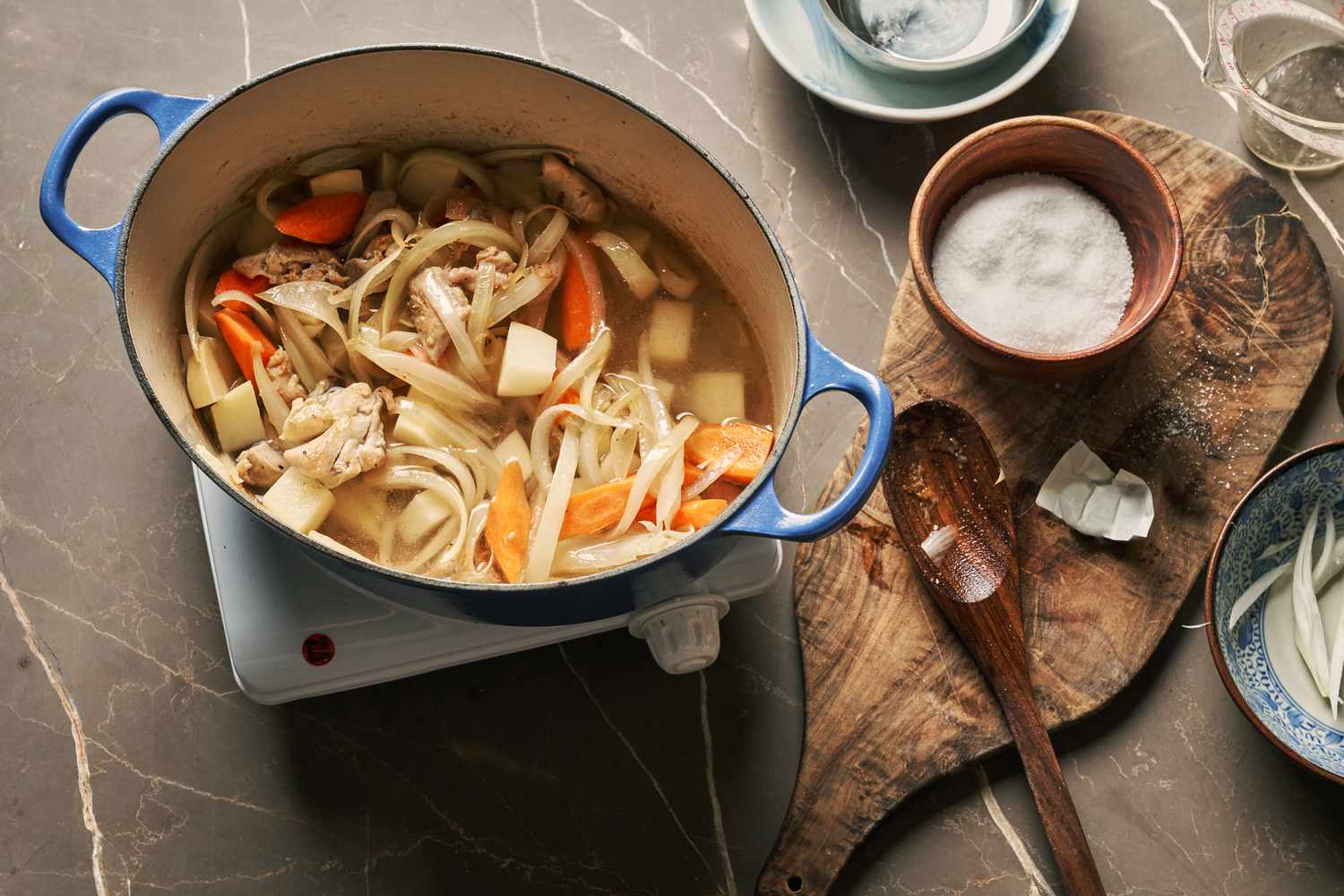
- Japanese Chicken Stew Recipe1 Hours
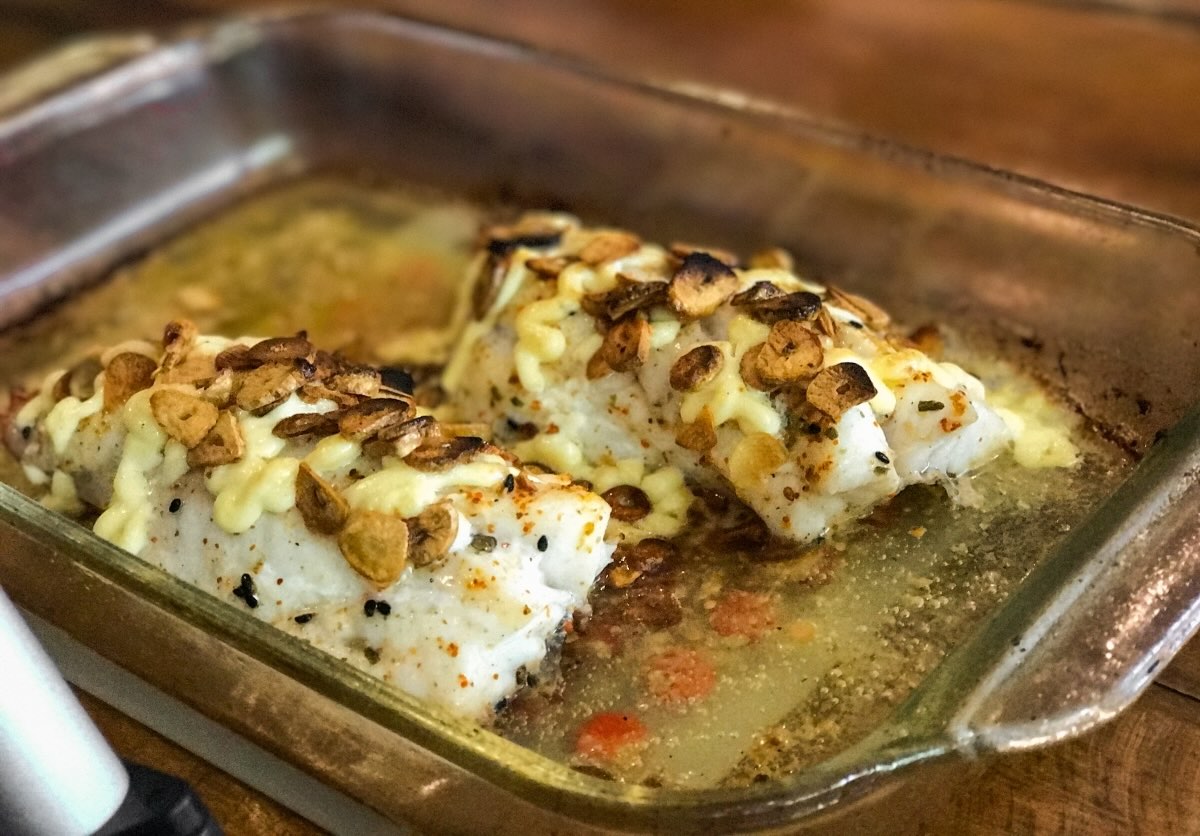
- Japanese Baked Fish Recipe30 Minutes
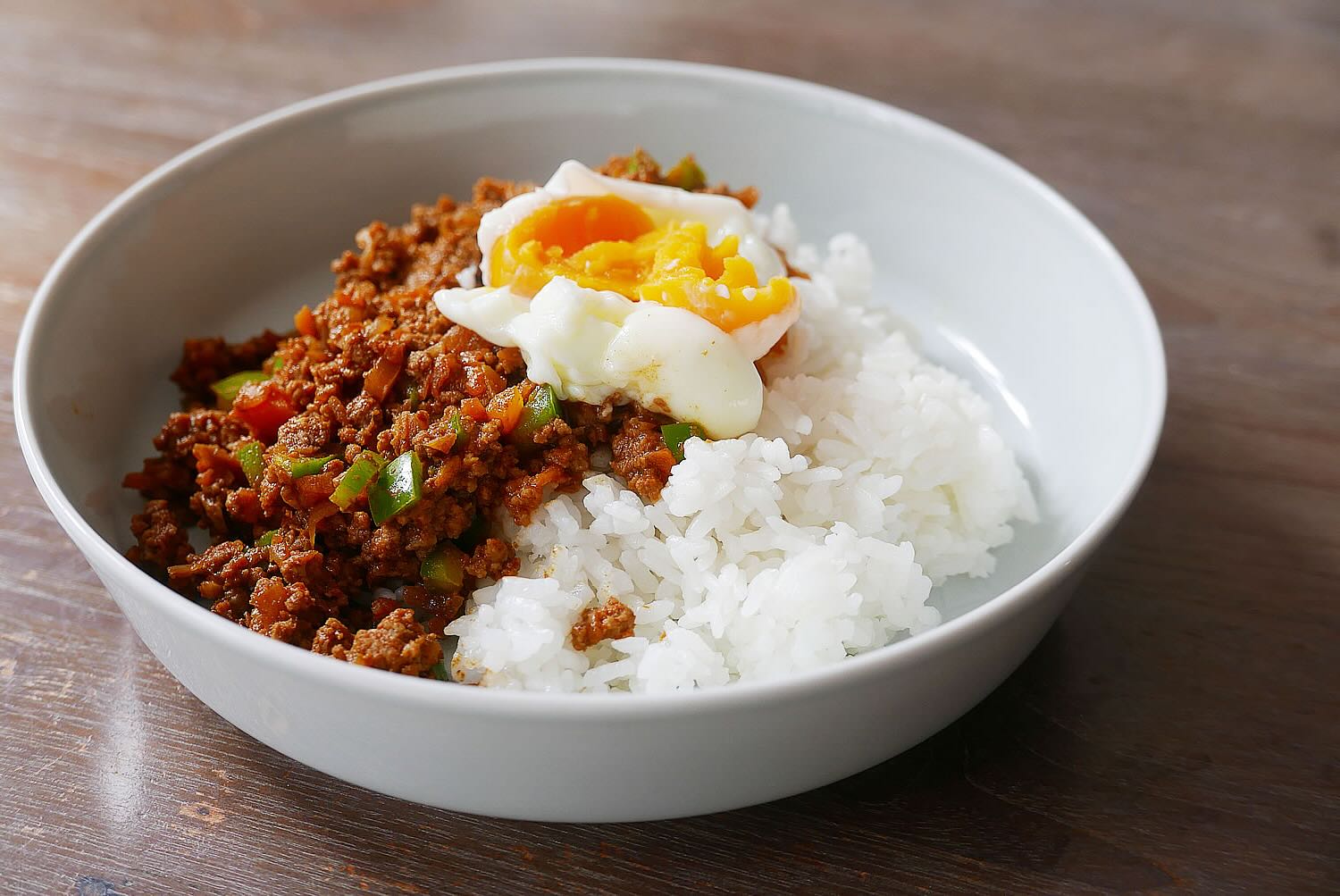
- Japanese Dry Curry Recipe45 Minutes
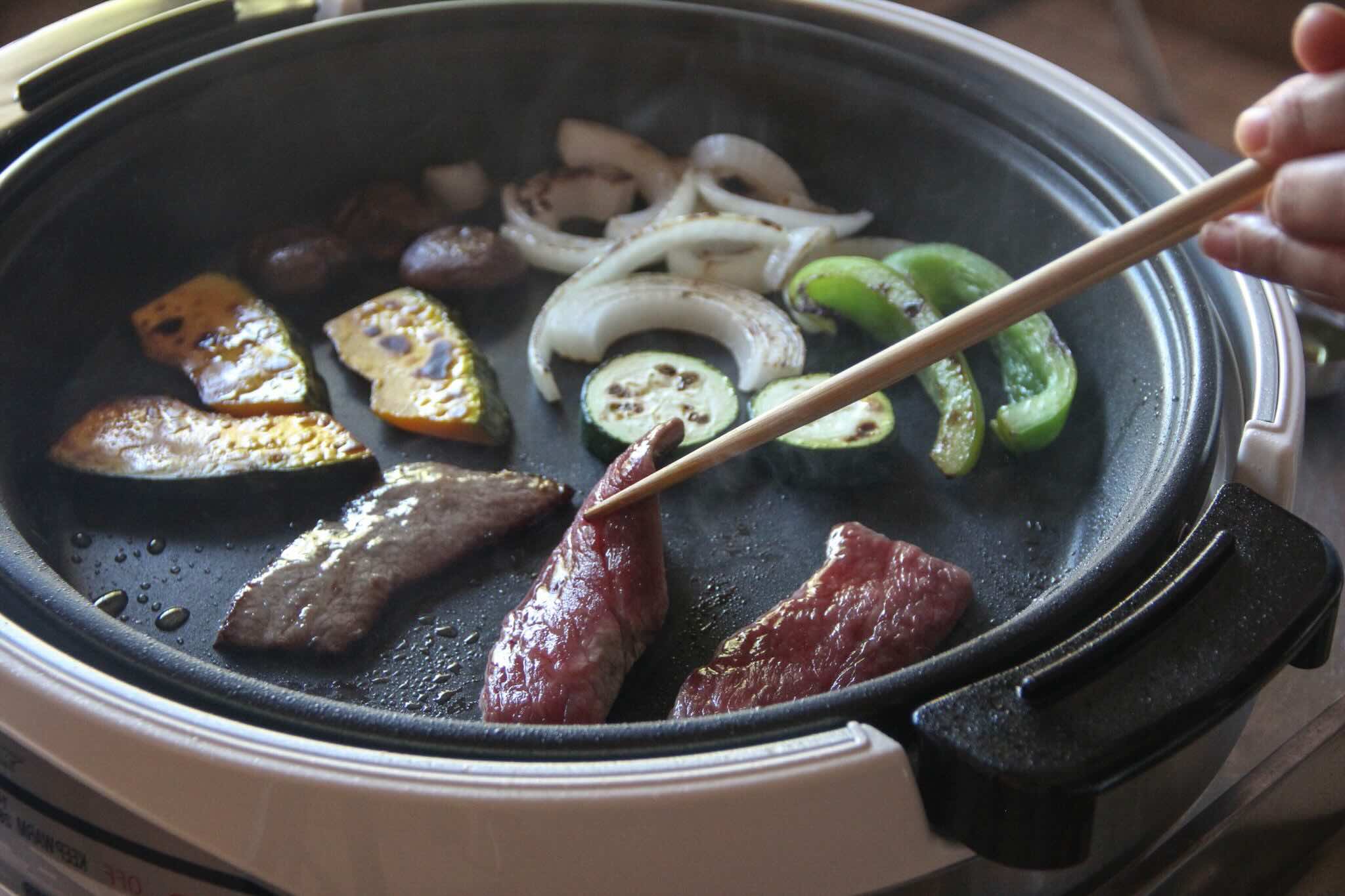
- Teppanyaki Recipe35 Minutes
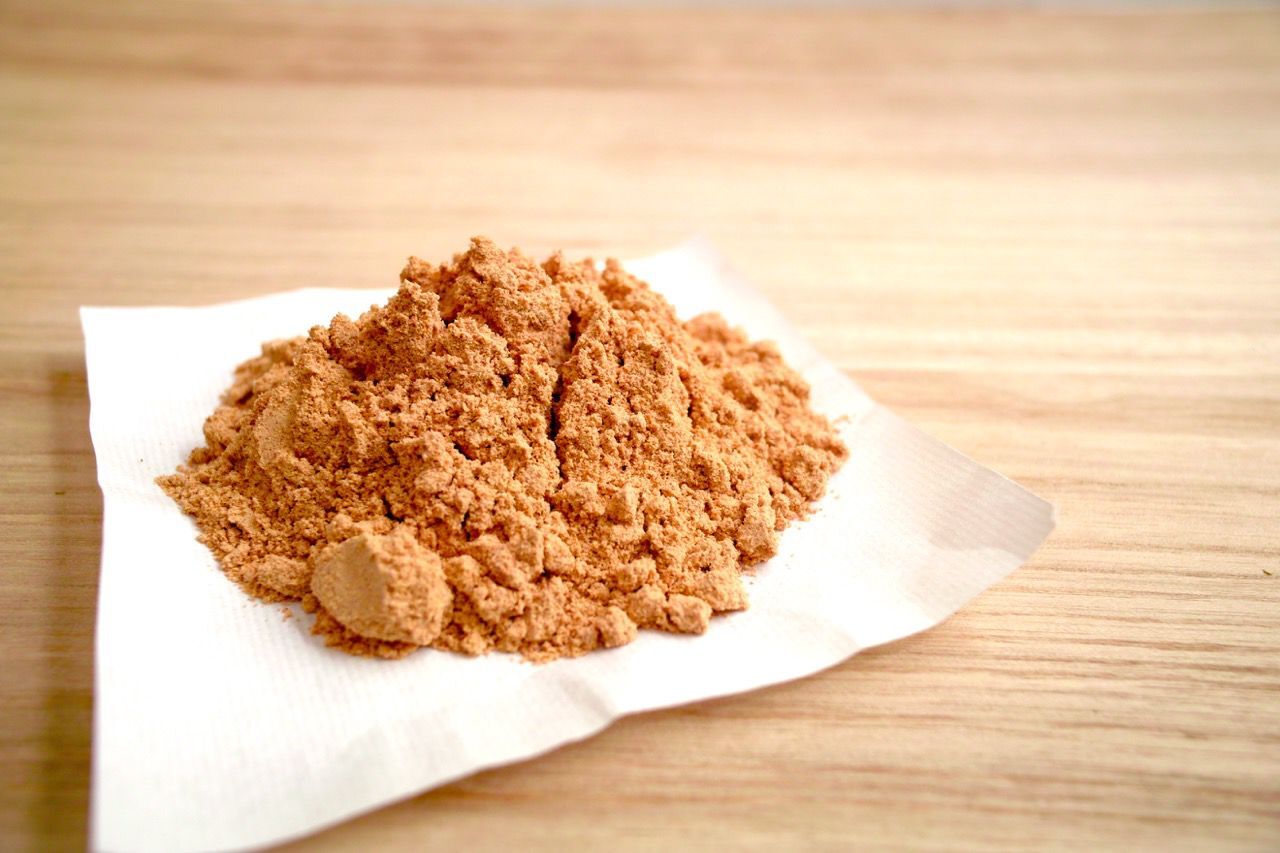
- Japanese Soybean Powder (Kinako) Recipe25 Minutes
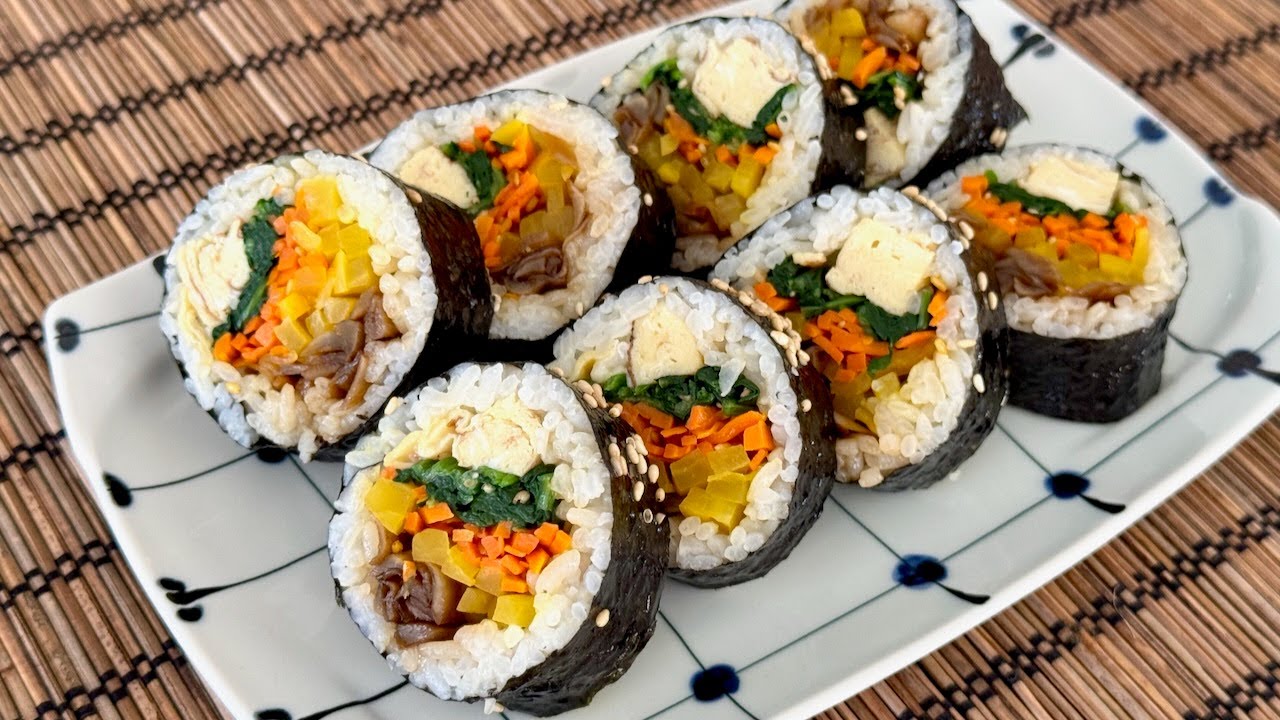
- Japanese Kimbap Recipe35 Minutes



Leave a Reply