
This Japanese eggplant salad is a delightful and healthy dish that combines the unique flavors of Japanese eggplants with a savory dressing. It's perfect as a side dish or a light meal, offering a blend of textures and tastes that are both refreshing and satisfying.
If you're not familiar with Japanese eggplants, they are smaller and more slender than the common eggplant, with a tender skin and a slightly sweeter taste. Rice vinegar and sesame oil might also be less common in some kitchens, but they are essential for achieving the authentic flavor of this dish. These ingredients can be found in the international or Asian section of most supermarkets.
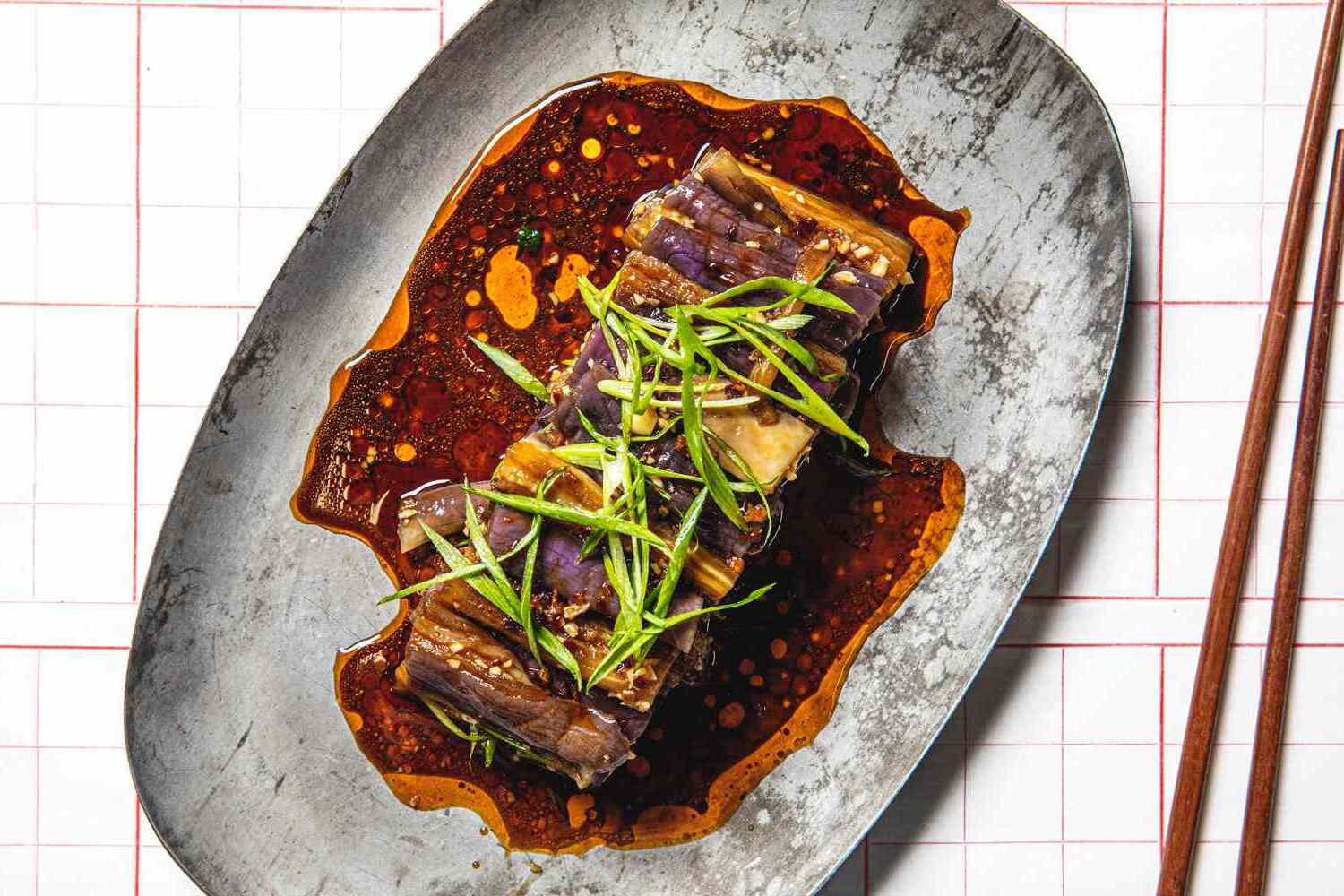
Ingredients for Japanese Eggplant Salad Recipe
Japanese eggplants: These are smaller and more slender than regular eggplants, with a tender skin and a slightly sweeter taste.
Soy sauce: A salty and savory sauce made from fermented soybeans, essential for the dressing.
Rice vinegar: A mild and slightly sweet vinegar made from fermented rice, adding a tangy flavor to the dressing.
Sesame oil: A fragrant oil made from toasted sesame seeds, adding a rich, nutty flavor to the dish.
Sugar: Adds a touch of sweetness to balance the savory and tangy flavors in the dressing.
Garlic: Adds a pungent and aromatic flavor to the dressing.
Sesame seeds: Toasted seeds that add a crunchy texture and a nutty flavor to the salad.
Green onions: Chopped stalks that add a fresh and slightly sharp flavor to the salad.
Technique Tip for This Salad
When cooking Japanese eggplants, make sure to slice them evenly to ensure they cook uniformly. To prevent the eggplants from absorbing too much oil, you can lightly salt them and let them sit for about 15 minutes before cooking. This will draw out excess moisture and help achieve a better texture. Additionally, when combining the soy sauce, rice vinegar, sesame oil, sugar, and minced garlic for the dressing, whisk them together thoroughly to ensure the flavors are well-blended. This will enhance the overall taste of the salad.
Suggested Side Dishes
Alternative Ingredients
japanese eggplants - Substitute with regular eggplants: Regular eggplants can be used as they have a similar texture and flavor, though they may be slightly larger and require more cooking time.
soy sauce - Substitute with tamari: Tamari is a gluten-free alternative to soy sauce with a similar umami flavor.
rice vinegar - Substitute with apple cider vinegar: Apple cider vinegar provides a similar tangy flavor, though it may be slightly more robust.
sesame oil - Substitute with olive oil: Olive oil can be used for its rich flavor, though it lacks the nutty taste of sesame oil.
sugar - Substitute with honey: Honey adds sweetness and a slight floral note, making it a good alternative to sugar.
garlic - Substitute with shallots: Shallots provide a milder, sweeter flavor compared to garlic, but still add depth to the dish.
toasted sesame seeds - Substitute with toasted sunflower seeds: Toasted sunflower seeds offer a similar crunch and nutty flavor.
green onions - Substitute with chives: Chives provide a similar mild onion flavor and can be used as a garnish.
Other Alternative Recipes Similar to This Salad
How to Store or Freeze This Salad
- Allow the eggplant salad to cool to room temperature before storing. This helps maintain the texture and flavor.
- Transfer the salad to an airtight container. Ensure the lid is tightly sealed to prevent any air from getting in.
- Store the container in the refrigerator. The salad will stay fresh for up to 3-4 days.
- If you plan to freeze the eggplant salad, place it in a freezer-safe container or a heavy-duty freezer bag. Remove as much air as possible before sealing.
- Label the container or bag with the date to keep track of its freshness.
- When ready to use, thaw the salad in the refrigerator overnight. Avoid thawing at room temperature to prevent any bacterial growth.
- Once thawed, give the salad a gentle toss to redistribute the dressing and flavors. You may need to add a little more soy sauce or sesame oil to refresh the taste.
- For best results, consume the thawed salad within 1-2 days. The texture may change slightly, but the flavors will still be delightful.
How to Reheat Leftovers
Stovetop Method:
- Heat a non-stick pan over medium heat.
- Add a small amount of olive oil or sesame oil to the pan.
- Add the leftover Japanese eggplant salad and stir occasionally until heated through, about 5-7 minutes.
- Ensure the eggplants are evenly heated and the dressing is well distributed.
Microwave Method:
- Place the Japanese eggplant salad in a microwave-safe dish.
- Cover the dish with a microwave-safe lid or plastic wrap, leaving a small vent for steam to escape.
- Microwave on medium power for 1-2 minutes, stirring halfway through to ensure even heating.
- Check the temperature and heat for an additional 30 seconds if necessary.
Oven Method:
- Preheat your oven to 350°F (175°C).
- Place the Japanese eggplant salad in an oven-safe dish.
- Cover the dish with aluminum foil to prevent drying out.
- Bake for 10-15 minutes, or until the eggplants are heated through.
- Stir halfway through the reheating process to ensure even warming.
Steaming Method:
- Set up a steamer basket over a pot of simmering water.
- Place the Japanese eggplant salad in the steamer basket.
- Cover and steam for about 5-7 minutes, or until the eggplants are heated through.
- This method helps retain the moisture and texture of the eggplants.
Air Fryer Method:
- Preheat your air fryer to 350°F (175°C).
- Place the Japanese eggplant salad in the air fryer basket in a single layer.
- Heat for 3-5 minutes, shaking the basket halfway through to ensure even heating.
- This method can give the eggplants a slightly crispy texture while reheating.
Best Tools for Preparing This Salad
Pan: Used to cook the sliced eggplants until they are soft and slightly browned.
Spatula: Helps in flipping and stirring the eggplants while cooking to ensure even browning.
Mixing bowl: Used to combine the soy sauce, rice vinegar, sesame oil, sugar, and minced garlic to create the dressing.
Measuring spoons: Essential for accurately measuring the soy sauce, rice vinegar, sesame oil, and sugar.
Garlic press: Useful for mincing the garlic clove efficiently.
Knife: Needed to slice the eggplants into rounds and chop the green onions.
Cutting board: Provides a safe surface for slicing the eggplants and chopping the green onions.
Serving dish: Used to present the finished Japanese eggplant salad.
Tongs: Handy for tossing the cooked eggplants in the dressing to ensure they are well-coated.
Toaster or skillet: Used to toast the sesame seeds if they are not pre-toasted.
How to Save Time on Making This Salad
Pre-slice the eggplants: Slice the japanese eggplants in advance and store them in an airtight container in the fridge.
Make the dressing ahead: Mix the soy sauce, rice vinegar, sesame oil, sugar, and minced garlic beforehand and keep it in the fridge.
Use a non-stick pan: A non-stick pan can help cook the eggplants faster and more evenly.
Toast sesame seeds in bulk: Toast a larger batch of sesame seeds and store them for future use.
Chop green onions in advance: Pre-chop the green onions and store them in the fridge to save prep time.
Japanese Eggplant Salad Recipe
Ingredients
Main Ingredients
- 2 medium Japanese eggplants sliced into rounds
- 2 tablespoon Soy sauce
- 1 tablespoon Rice vinegar
- 1 teaspoon Sesame oil
- 1 teaspoon Sugar
- 1 clove Garlic minced
- 1 tablespoon Sesame seeds toasted
- 2 stalks Green onions chopped
Instructions
- 1. Heat a pan over medium heat and add a little oil.
- 2. Add the sliced eggplants and cook until they are soft and slightly browned, about 10-15 minutes.
- 3. In a mixing bowl, combine soy sauce, rice vinegar, sesame oil, sugar, and minced garlic.
- 4. Add the cooked eggplants to the bowl and toss to coat them in the dressing.
- 5. Garnish with toasted sesame seeds and chopped green onions before serving.
Nutritional Value
Keywords
More Amazing Recipes to Try 🙂
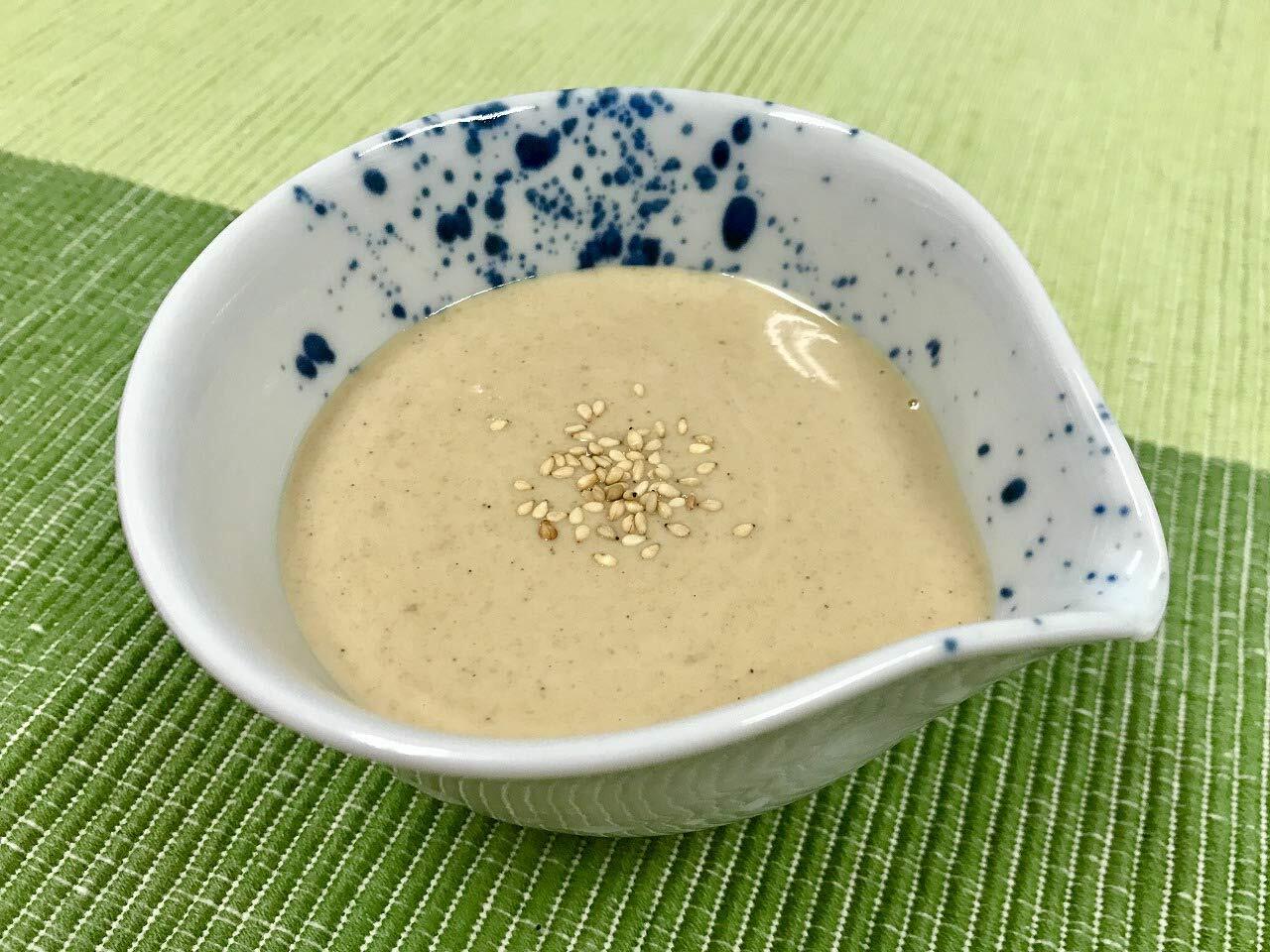
- Japanese Sesame Paste (Nerigoma) Recipe15 Minutes
- Takoyaki (Japanese Octopus Ball) Recipe30 Minutes
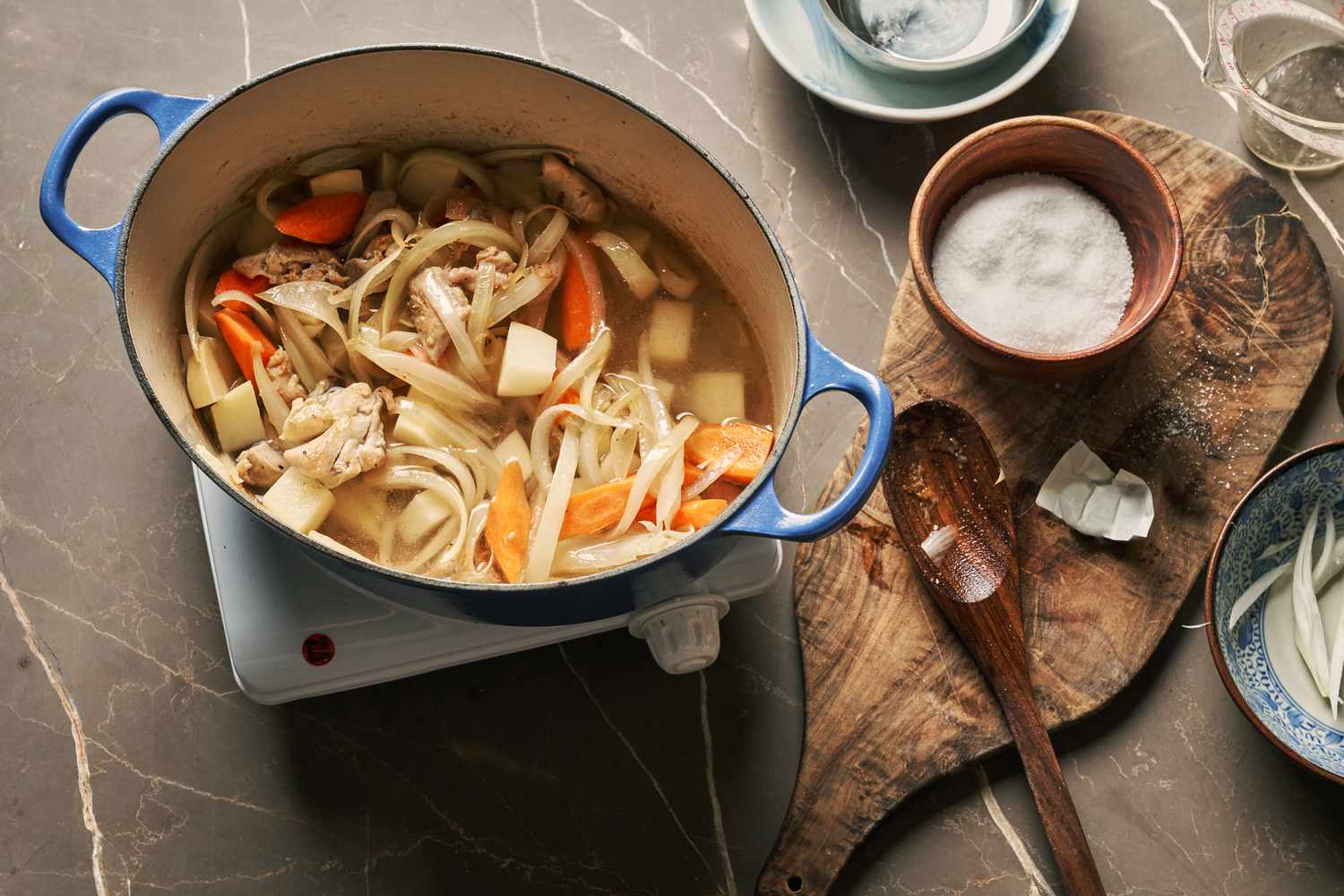
- Japanese Chicken Stew Recipe1 Hours
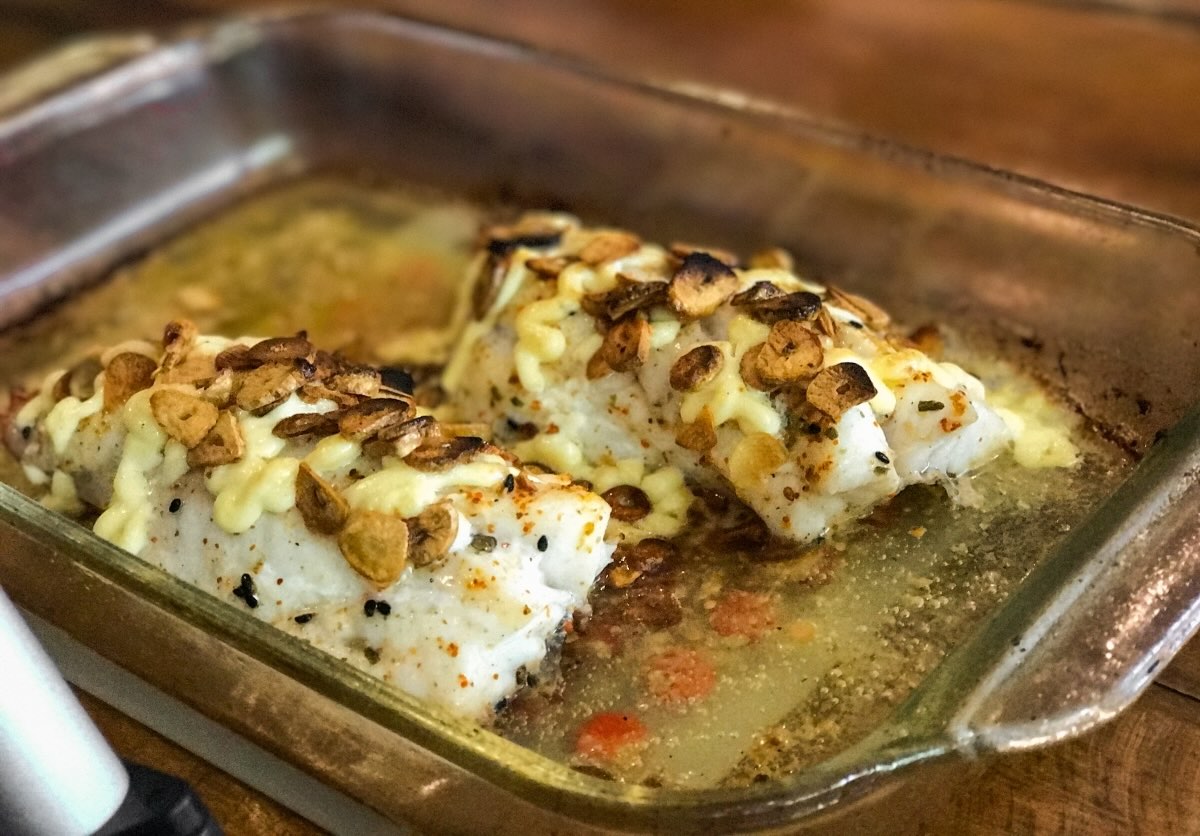
- Japanese Baked Fish Recipe30 Minutes
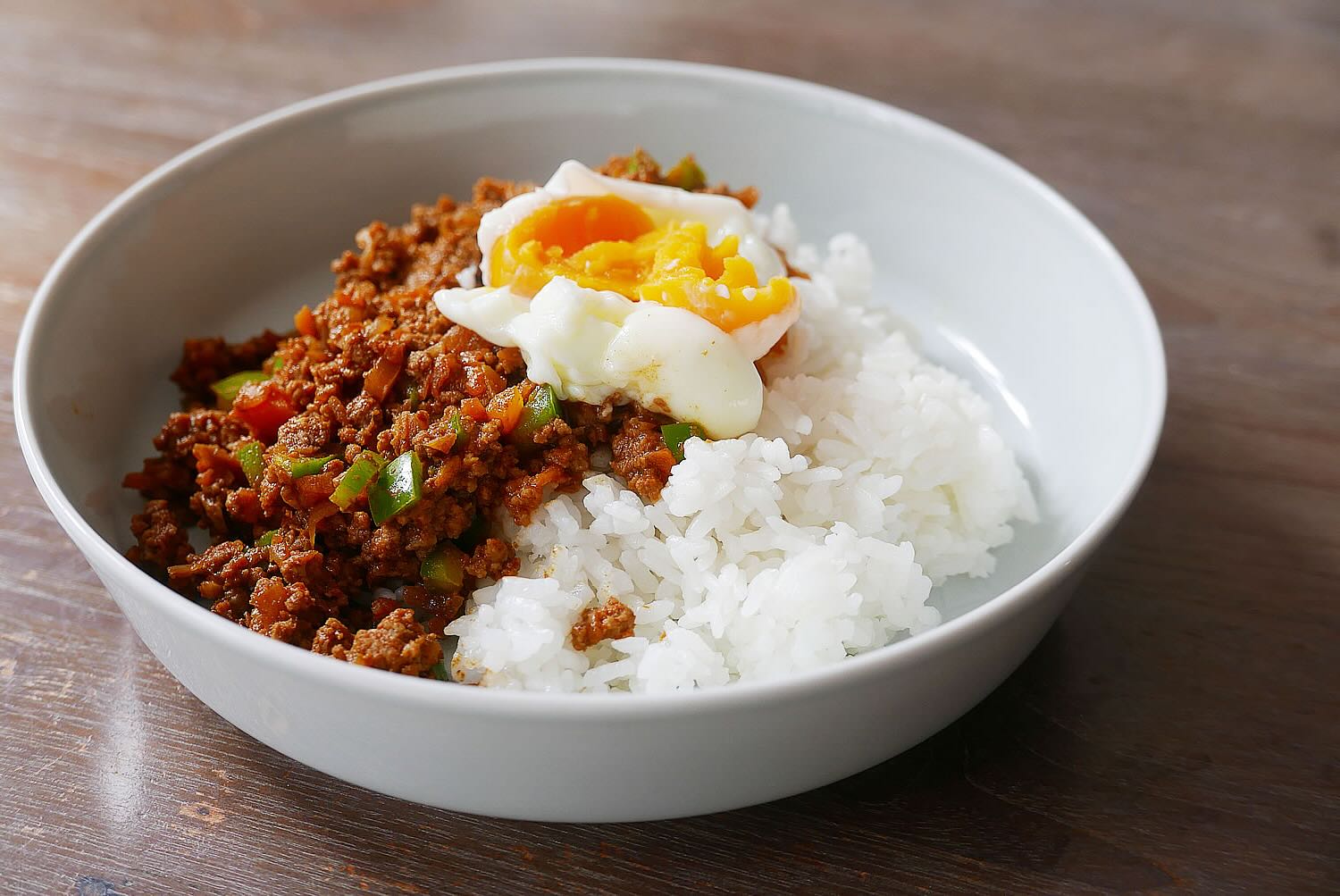
- Japanese Dry Curry Recipe45 Minutes
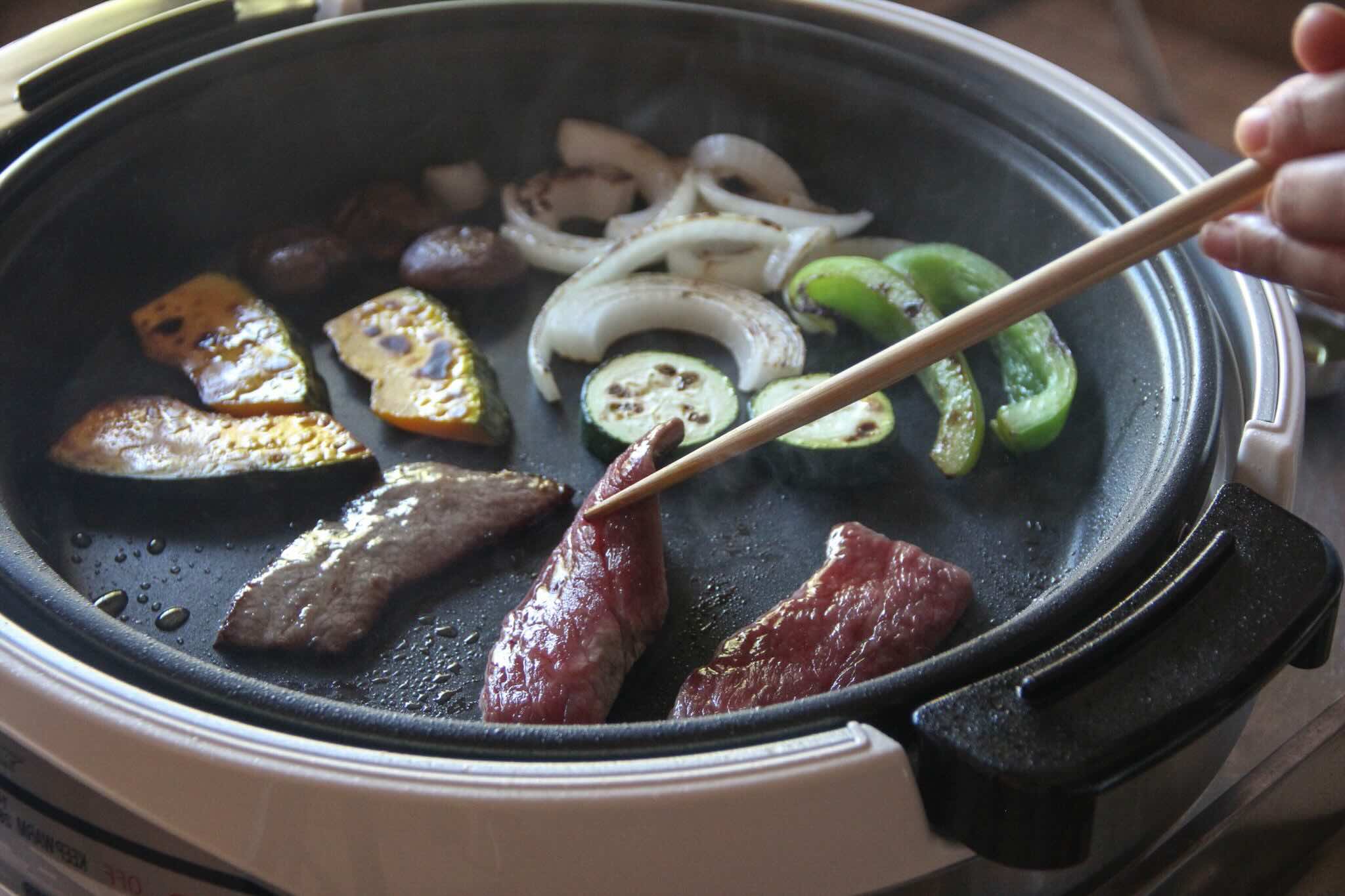
- Teppanyaki Recipe35 Minutes
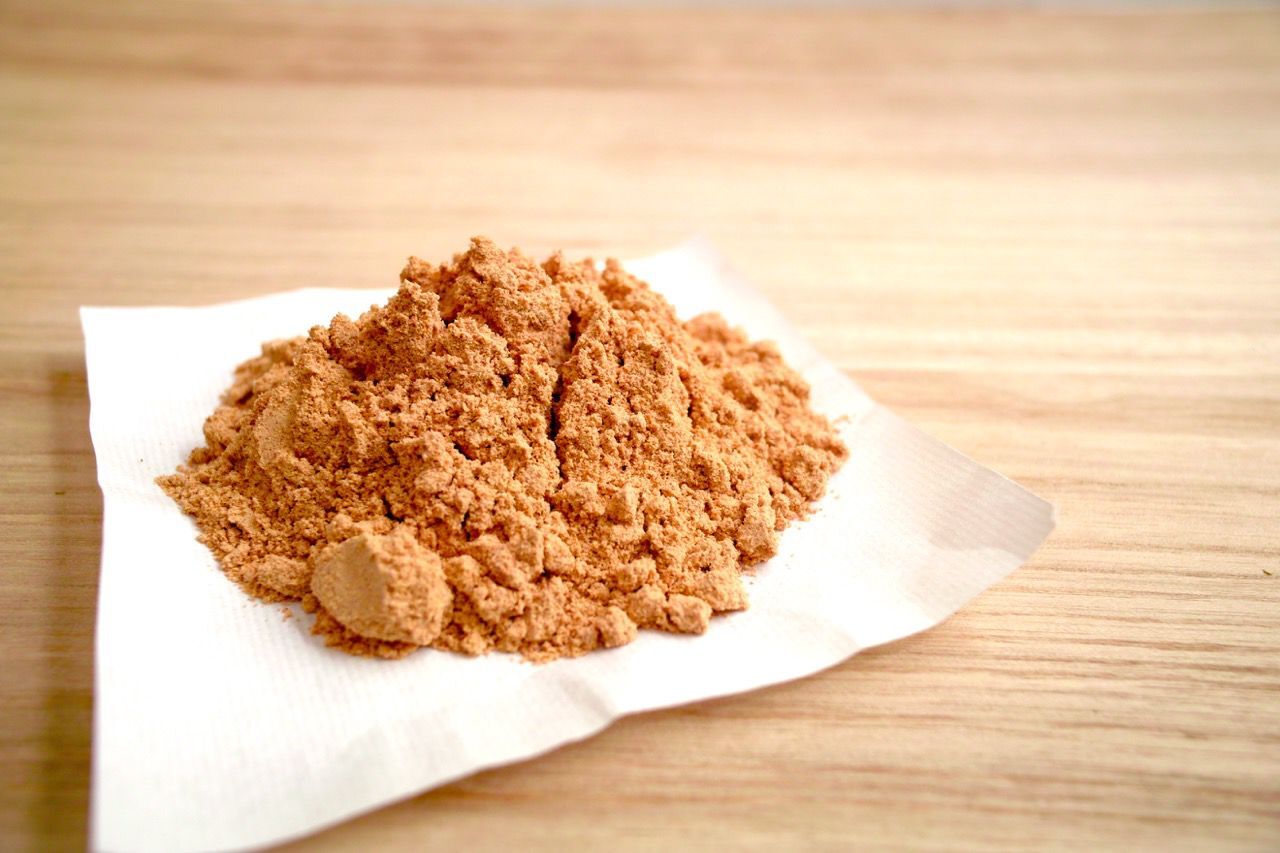
- Japanese Soybean Powder (Kinako) Recipe25 Minutes
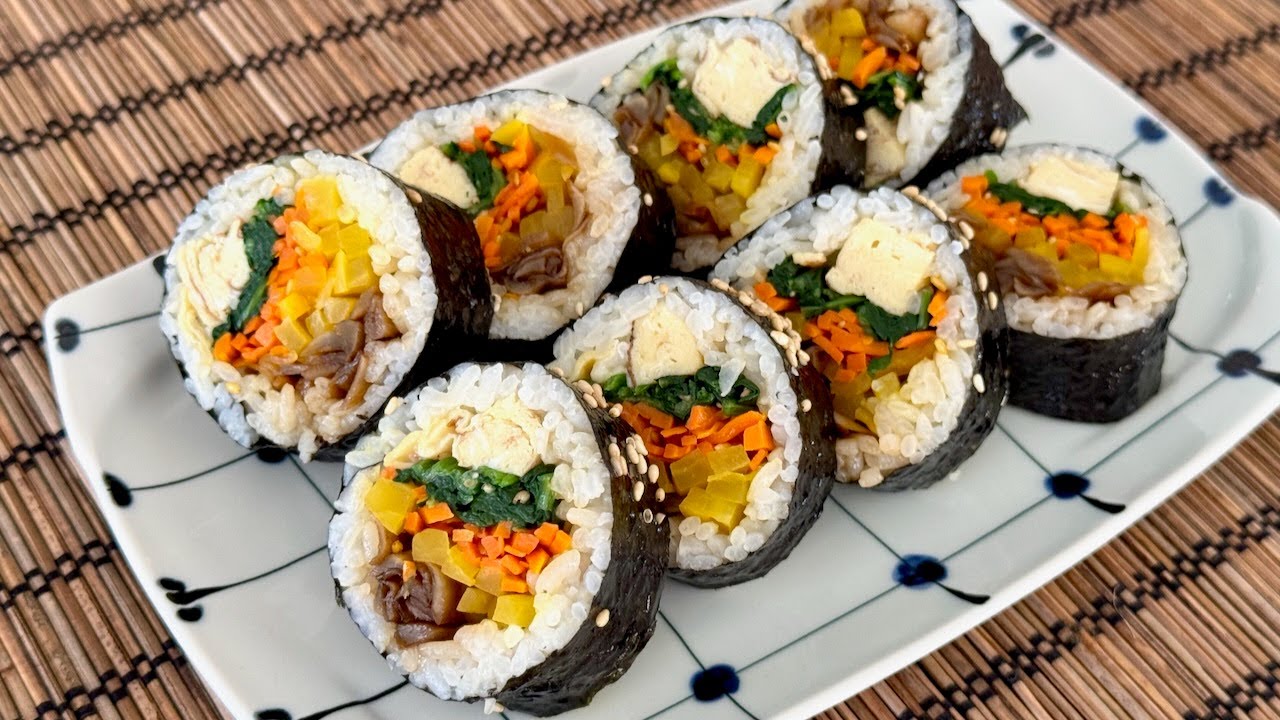
- Japanese Kimbap Recipe35 Minutes


Leave a Reply