
Experience the delicate flavors of Japan with this simple yet elegant baked fish recipe. Perfect for a weeknight dinner or a special occasion, this dish combines tender white fish fillets with a savory marinade that infuses every bite with umami goodness.
Some ingredients in this recipe, such as mirin and sake, might not be staples in every household. Mirin is a sweet rice wine used in Japanese cooking, while sake is a traditional Japanese rice wine. Both can be found in the international aisle of most supermarkets or at an Asian grocery store.
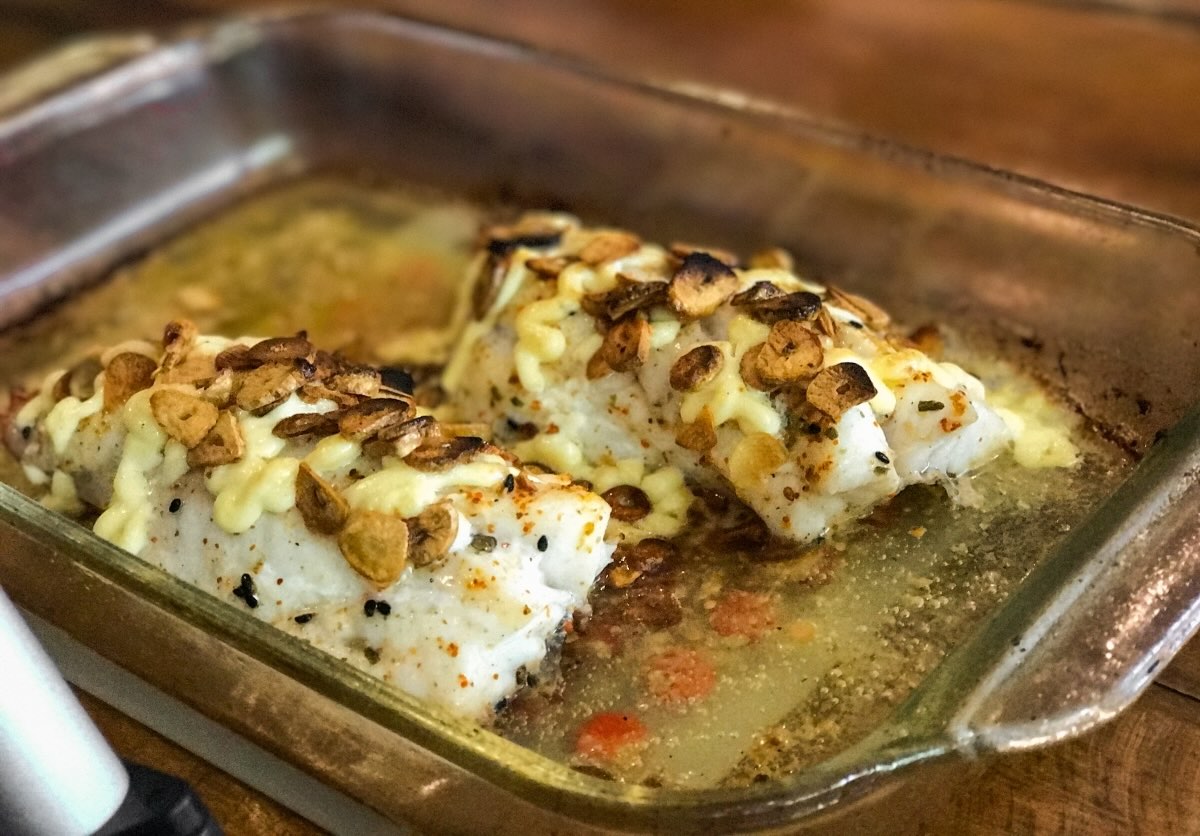
Ingredients for Japanese Baked Fish Recipe
Cod: A mild-flavored white fish that absorbs the flavors of the marinade well.
Halibut: Another option for a white fish with a firm texture and mild taste.
Soy sauce: Adds a salty, umami flavor to the marinade.
Mirin: A sweet rice wine that balances the saltiness of the soy sauce.
Sake: A Japanese rice wine that adds depth to the marinade.
Ginger: Provides a fresh, slightly spicy flavor to the dish.
Sesame oil: Adds a nutty aroma and richness to the marinade.
Green onions: Used as a garnish to add a fresh, mild onion flavor and a pop of color.
Technique Tip for This Recipe
When preparing the fish fillets for this recipe, make sure to pat them dry with a paper towel before placing them in the baking dish. This helps the sauce mixture adhere better to the fish and ensures a more even bake. Additionally, if you have time, marinate the fish in the sauce mixture for about 15-20 minutes before baking to enhance the flavor.
Suggested Side Dishes
Alternative Ingredients
cod or halibut white fish - Substitute with tilapia: Tilapia has a mild flavor and firm texture similar to cod or halibut, making it a suitable alternative.
cod or halibut white fish - Substitute with sea bass: Sea bass offers a delicate flavor and flaky texture that works well in baked dishes.
soy sauce - Substitute with tamari: Tamari is a gluten-free alternative to soy sauce with a similar umami flavor.
soy sauce - Substitute with coconut aminos: Coconut aminos provide a slightly sweeter and less salty flavor, suitable for those avoiding soy.
mirin - Substitute with rice vinegar and sugar: Mix rice vinegar with a small amount of sugar to mimic the sweet and tangy flavor of mirin.
mirin - Substitute with dry sherry: Dry sherry can provide a similar sweetness and depth of flavor as mirin.
sake - Substitute with dry white wine: Dry white wine offers a comparable acidity and flavor profile to sake.
sake - Substitute with vermouth: Vermouth can provide a similar depth and complexity to the dish as sake.
grated ginger - Substitute with ground ginger: Ground ginger can be used in smaller quantities to provide a similar warmth and spice.
grated ginger - Substitute with galangal: Galangal offers a similar spicy and aromatic flavor, though slightly more citrusy.
sesame oil - Substitute with olive oil: Olive oil can be used for its rich flavor, though it lacks the nutty profile of sesame oil.
sesame oil - Substitute with peanut oil: Peanut oil provides a similar nutty flavor and high smoke point suitable for cooking.
green onions - Substitute with chives: Chives offer a mild onion flavor and can be used as a garnish.
green onions - Substitute with shallots: Shallots provide a slightly sweeter and more delicate onion flavor.
Alternative Recipes Similar to This Dish
How to Store or Freeze This Dish
Allow the fish fillets to cool to room temperature after baking. This prevents condensation from forming inside the storage container, which can make the fish soggy.
Transfer the cooled fish to an airtight container. If stacking fillets, place a piece of parchment paper between each layer to prevent sticking.
Store the container in the refrigerator if you plan to consume the fish within 2-3 days. This ensures the fish remains fresh and flavorful.
For longer storage, wrap each fish fillet individually in plastic wrap or aluminum foil. This helps to prevent freezer burn and maintain the fish's texture.
Place the wrapped fish in a freezer-safe bag or container. Label it with the date to keep track of how long it has been stored.
Freeze the fish for up to 2 months. Beyond this period, the quality may begin to deteriorate, affecting both taste and texture.
When ready to reheat, thaw the fish in the refrigerator overnight. This gradual thawing helps maintain the fish's integrity.
Reheat the fish in a preheated oven at 350°F (175°C) for about 10-15 minutes, or until warmed through. Avoid using a microwave, as it can make the fish rubbery.
Garnish with fresh green onions before serving to revive the dish's original presentation and flavor.
How to Reheat Leftovers
Oven Method:
- Preheat your oven to 350°F (175°C).
- Place the leftover fish fillets in an oven-safe dish.
- Cover the dish with aluminum foil to retain moisture.
- Heat for about 10-15 minutes, or until the fish is warmed through.
- Garnish with fresh green onions before serving to revive the flavors.
Stovetop Method:
- Heat a non-stick skillet over medium heat.
- Add a small amount of sesame oil to the pan.
- Place the fish fillets in the skillet and cover with a lid.
- Cook for 3-5 minutes on each side, or until the fish is heated through.
- Sprinkle with green onions before serving.
Microwave Method:
- Place the fish fillets on a microwave-safe plate.
- Cover with a microwave-safe lid or a damp paper towel to prevent drying out.
- Heat on medium power for 1-2 minutes, checking halfway through to ensure even heating.
- Garnish with green onions before serving.
Steam Method:
- Set up a steamer or a pot with a steaming rack.
- Bring water to a gentle boil.
- Place the fish fillets on a heatproof plate and put it in the steamer.
- Steam for about 5-7 minutes, or until the fish is warmed through.
- Top with fresh green onions before serving.
Essential Tools for This Recipe
Oven: Used to bake the fish at a consistent temperature of 375°F (190°C).
Mixing bowl: Used to combine the soy sauce, mirin, sake, grated ginger, and sesame oil.
Grater: Used to grate the ginger for the sauce mixture.
Baking dish: Holds the fish fillets and sauce while baking in the oven.
Knife: Used to slice the green onions for garnish.
Cutting board: Provides a surface for slicing the green onions.
Measuring spoons: Used to measure out the soy sauce, mirin, sake, grated ginger, and sesame oil accurately.
Spatula: Helps to spread the sauce evenly over the fish fillets.
How to Save Time on This Recipe
Prepare the marinade ahead: Mix the soy sauce, mirin, sake, grated ginger, and sesame oil in advance and store in the fridge.
Use pre-sliced fish: Buy fish fillets that are already cut to save prep time.
Line the baking dish: Use parchment paper or foil to line the baking dish for easy cleanup.
Preheat the oven early: Turn on the oven while preparing the ingredients to save waiting time.
Garnish efficiently: Slice the green onions while the fish is baking.
Japanese Baked Fish Recipe
Ingredients
Main Ingredients
- 4 fillets White fish such as cod or halibut
- 2 tablespoon Soy sauce
- 1 tablespoon Mirin
- 1 tablespoon Sake
- 1 teaspoon Grated ginger
- 1 teaspoon Sesame oil
- 2 stalks Green onions sliced
Instructions
- Preheat your oven to 375°F (190°C).
- In a mixing bowl, combine soy sauce, mirin, sake, grated ginger, and sesame oil.
- Place the fish fillets in a baking dish and pour the sauce mixture over them.
- Bake in the preheated oven for 20 minutes or until the fish is cooked through.
- Garnish with sliced green onions before serving.
Nutritional Value
Keywords
Suggested Appetizers and Desserts
More Amazing Recipes to Try 🙂
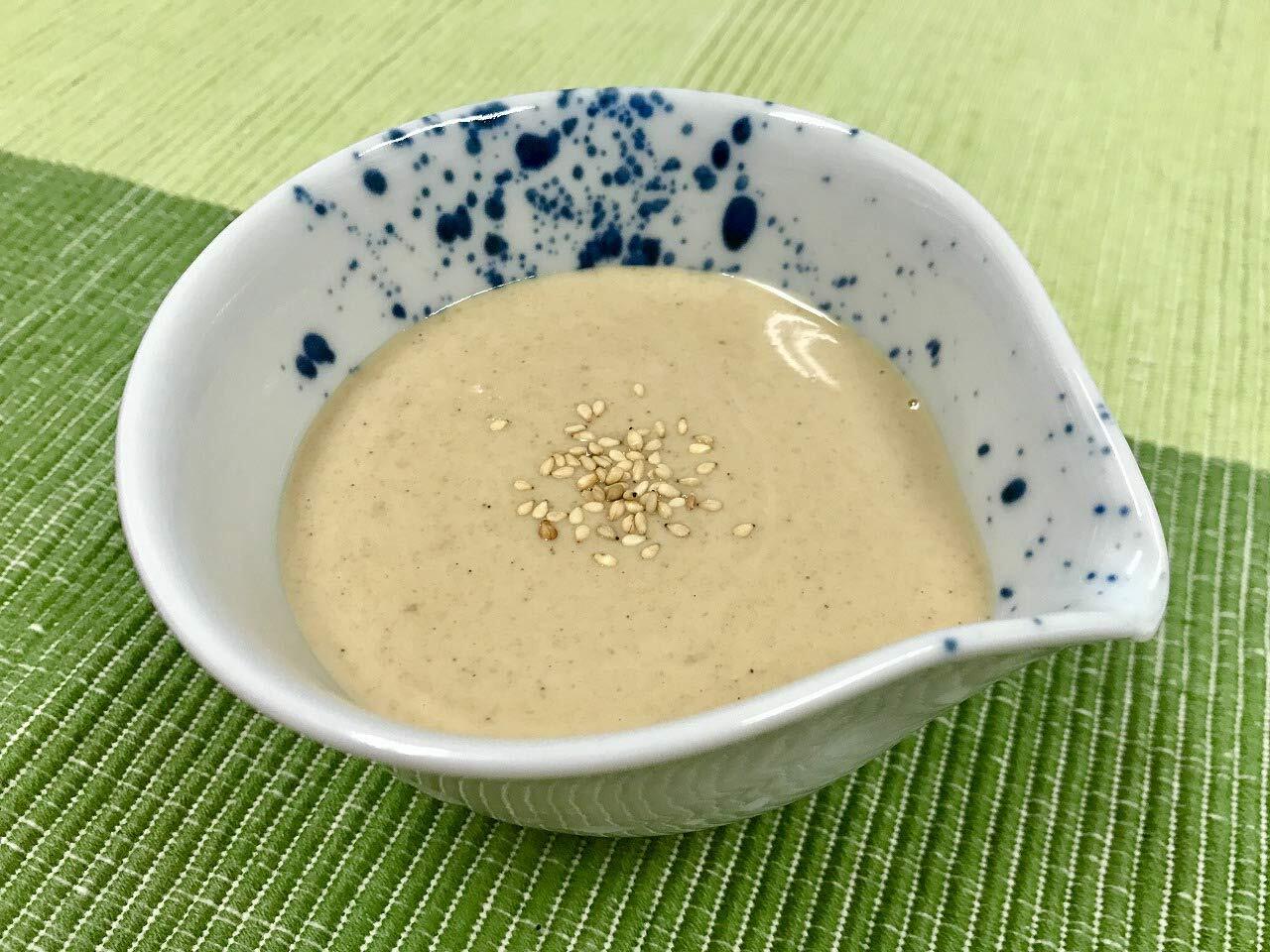
- Japanese Sesame Paste (Nerigoma) Recipe15 Minutes
- Takoyaki (Japanese Octopus Ball) Recipe30 Minutes
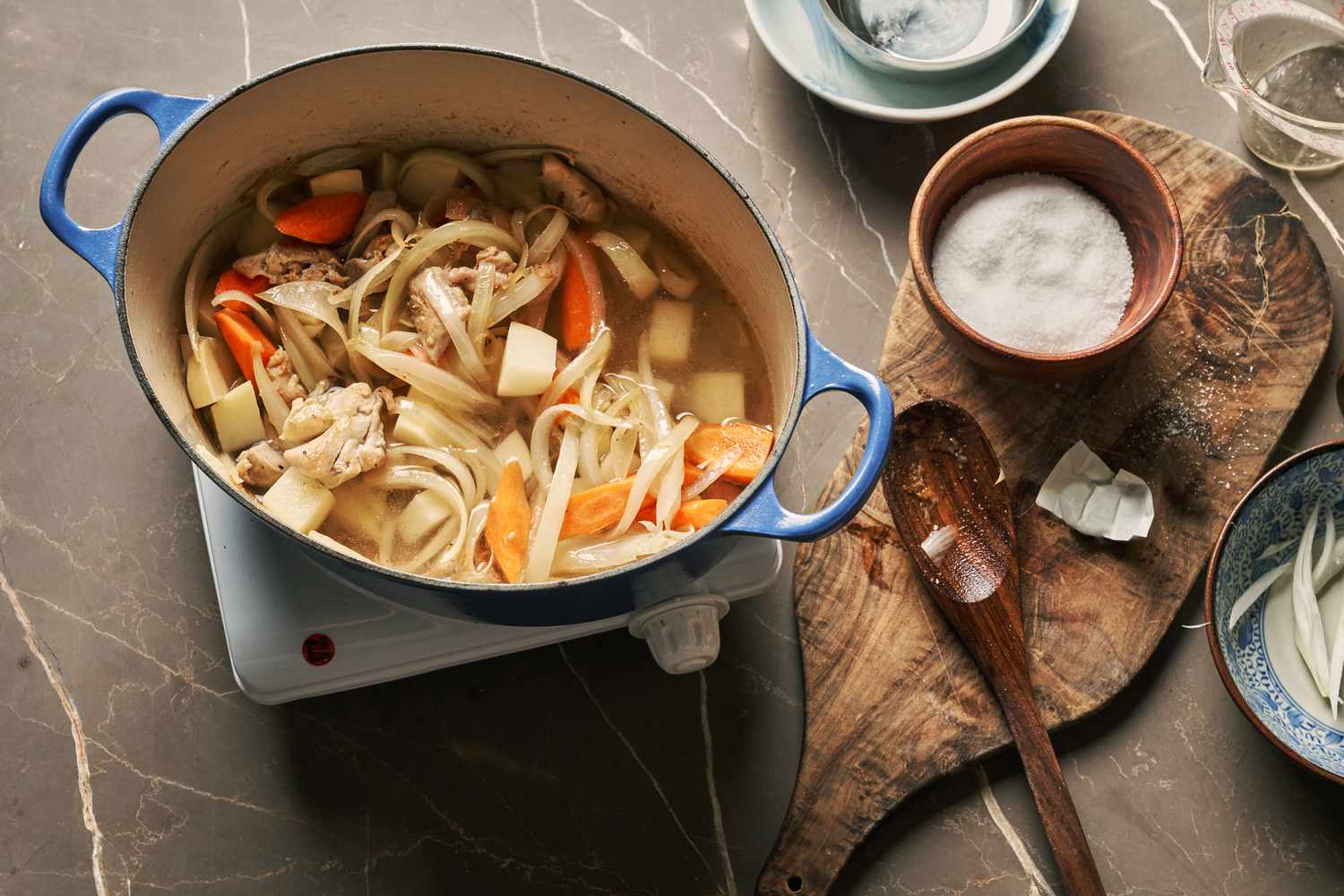
- Japanese Chicken Stew Recipe1 Hours
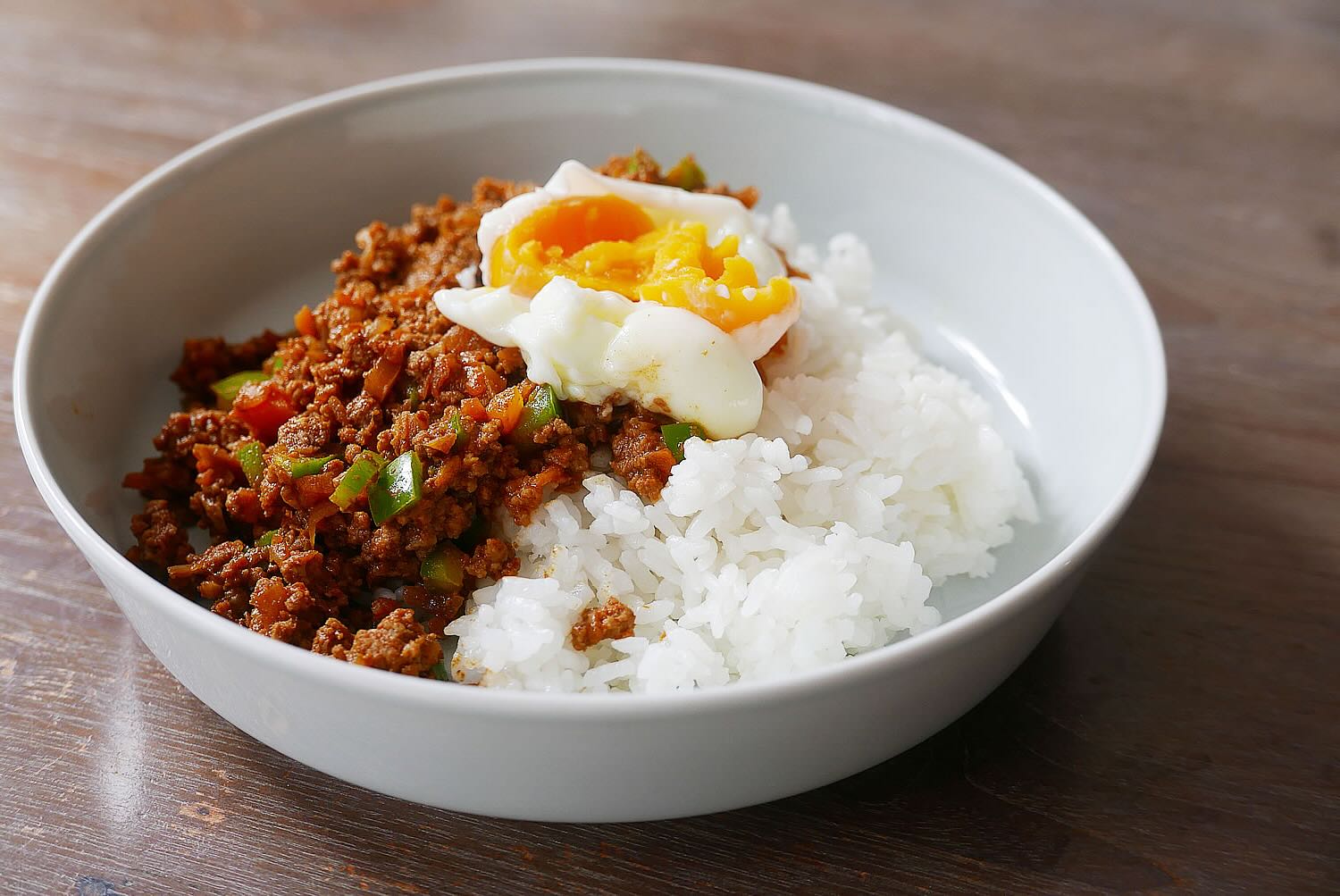
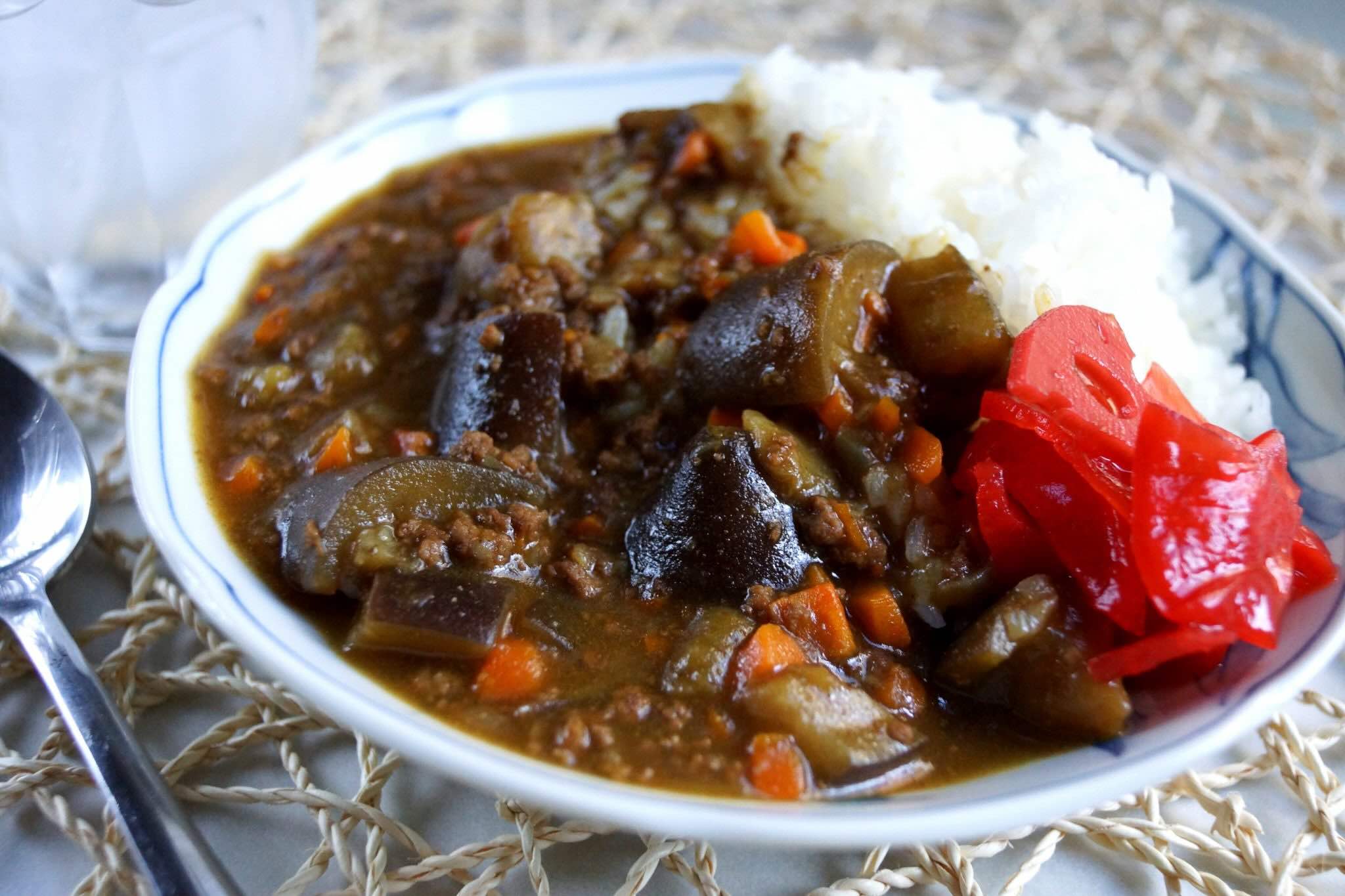
- Japanese Dry Curry Recipe45 Minutes
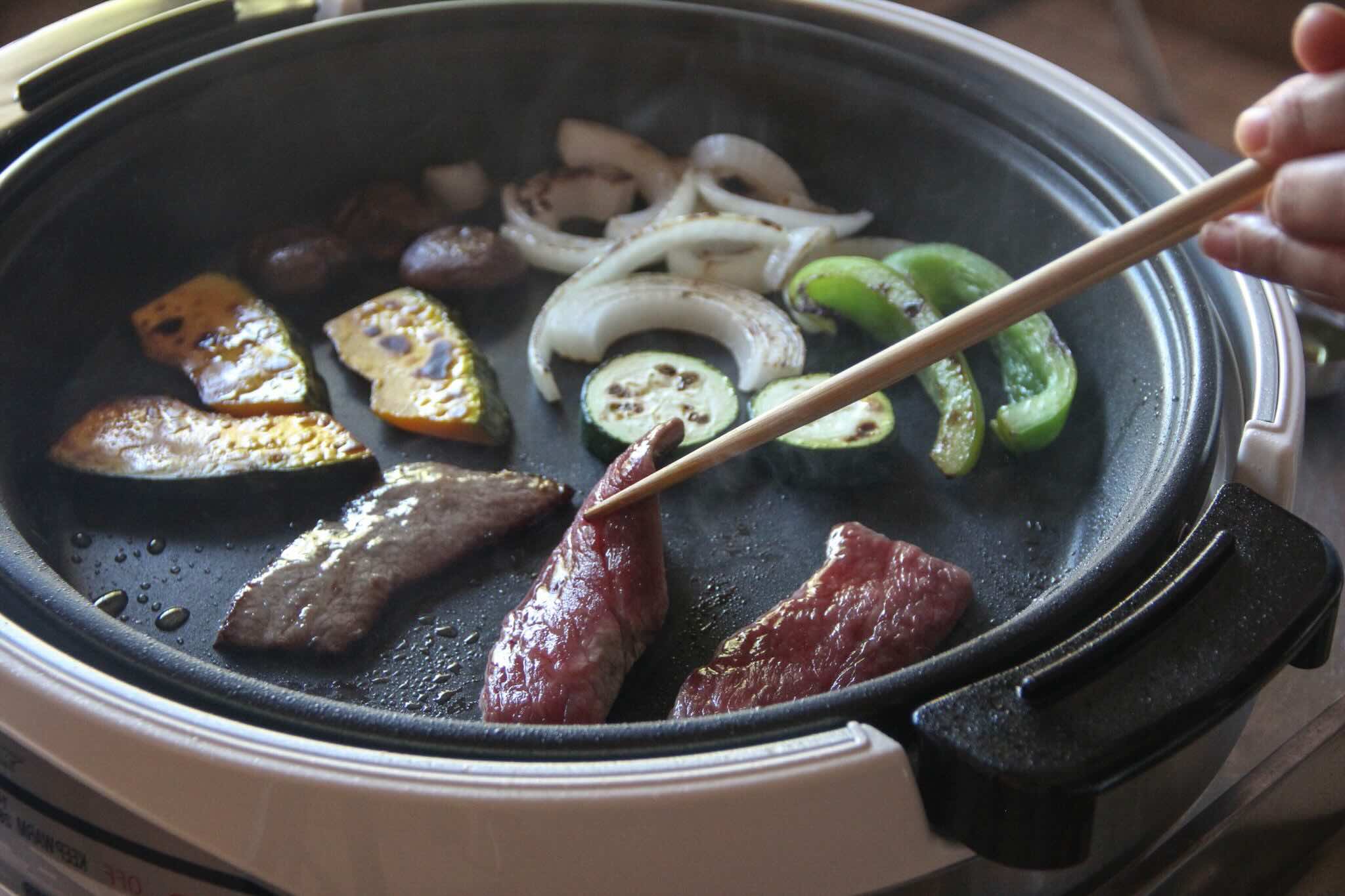
- Teppanyaki Recipe35 Minutes
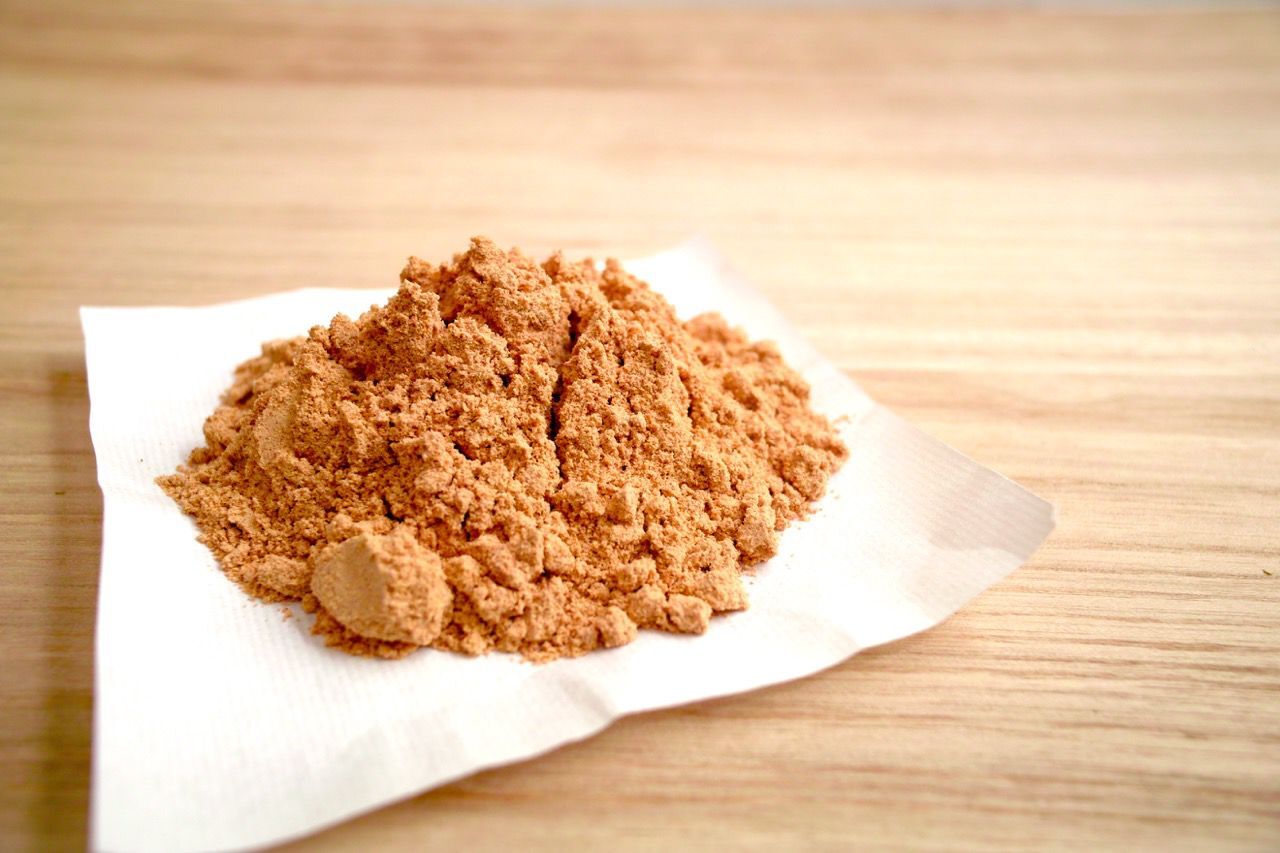
- Japanese Soybean Powder (Kinako) Recipe25 Minutes
- Japanese Kimbap Recipe35 Minutes
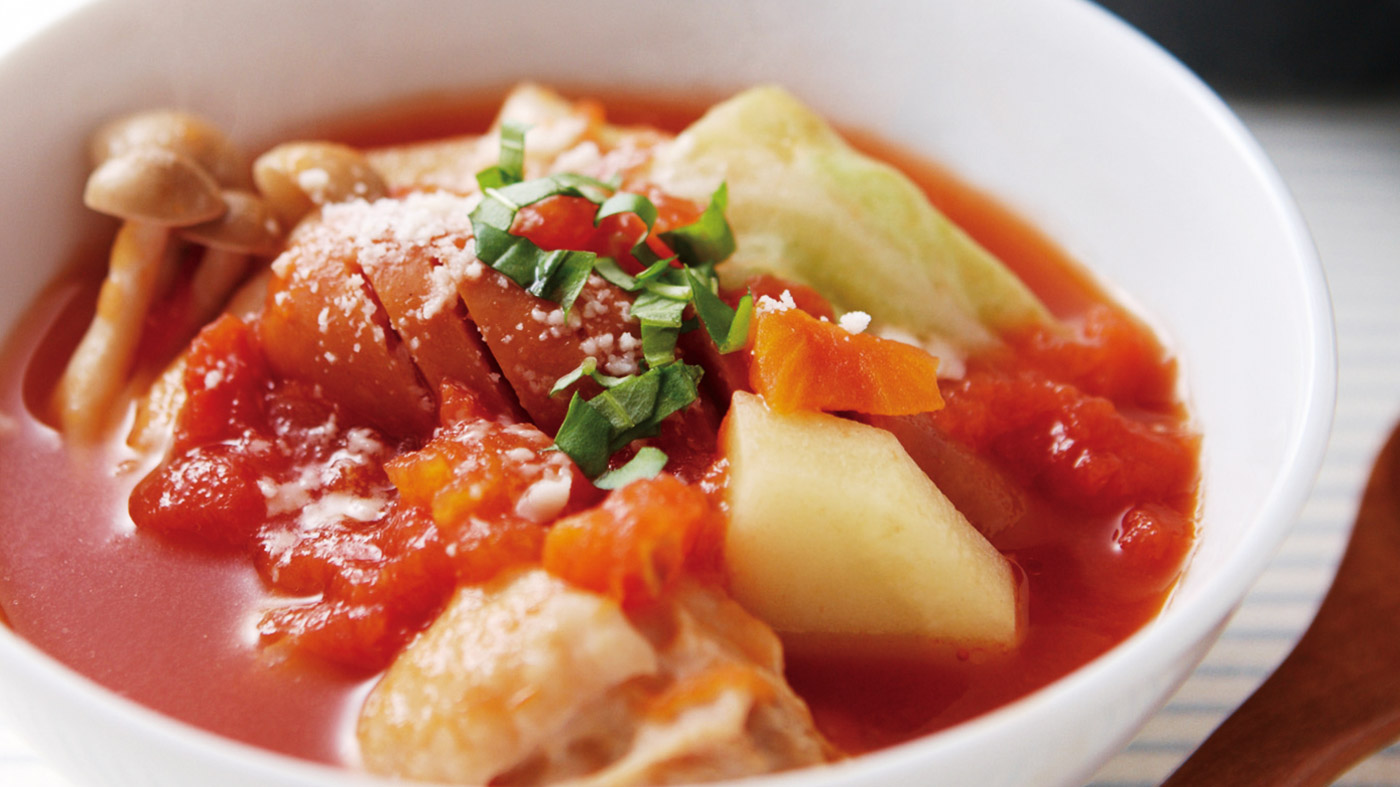
- Japanese Tomato Soup Recipe30 Minutes




Leave a Reply