
Experience the delightful fusion of Japanese and tropical flavors with this Japanese coconut curry. This dish combines the rich, creamy texture of coconut milk with the aromatic spices of curry powder, creating a comforting and flavorful meal that's perfect for any occasion.
For this recipe, you might need to visit the supermarket for a few specific ingredients. Coconut milk is a key component that adds creaminess and a subtle sweetness to the curry. Curry powder is essential for the dish's distinctive flavor. Fresh ginger and soy sauce are also crucial for achieving the authentic taste. Make sure to pick up these items if they are not already in your pantry.
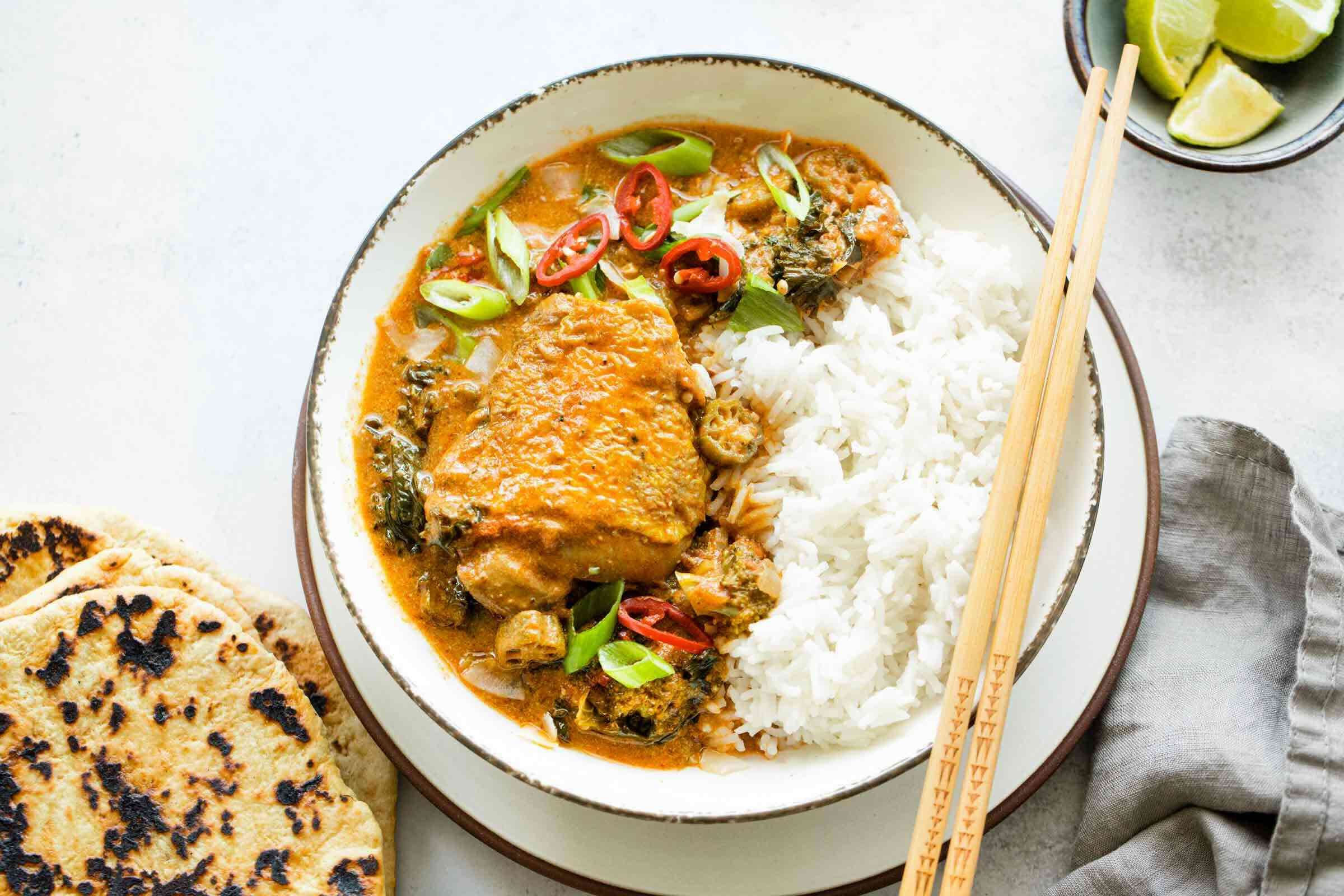
Ingredients for Japanese Coconut Curry Recipe
Vegetable oil: Used for sautéing the ingredients and adding a subtle flavor.
Onion: Adds sweetness and depth to the curry.
Garlic: Provides a robust, aromatic flavor.
Ginger: Adds a fresh, zesty kick to the dish.
Chicken breast: The main protein, cut into bite-sized pieces for easy cooking and eating.
Curry powder: The primary spice blend that gives the curry its distinctive flavor.
Coconut milk: Adds creaminess and a subtle sweetness to the curry.
Chicken broth: Enhances the flavor and provides a base for the curry sauce.
Soy sauce: Adds a savory, umami flavor to the dish.
Sugar: Balances the flavors with a touch of sweetness.
Carrots, potatoes, and peas: A mix of vegetables that add texture and nutrition to the curry.
Salt and pepper: Used to season the dish to taste.
Technique Tip for This Recipe
When preparing this Japanese Coconut Curry, it's essential to ensure that the onion is cooked until fully translucent before adding the garlic and ginger. This step allows the onion to release its natural sweetness, which will enhance the overall flavor of the dish. Additionally, when adding the curry powder, make sure to cook it for at least a minute to allow the spices to bloom and release their full aroma. This technique will deepen the flavor profile of your curry.
Suggested Side Dishes
Alternative Ingredients
vegetable oil - Substitute with coconut oil: Coconut oil adds a subtle coconut flavor that complements the curry.
diced onion - Substitute with shallots: Shallots have a milder and sweeter taste, which can enhance the overall flavor profile.
minced garlic - Substitute with garlic powder: Use ¼ teaspoon of garlic powder for each clove of garlic. It's a convenient alternative when fresh garlic is not available.
grated ginger - Substitute with ground ginger: Use ¼ teaspoon of ground ginger for each tablespoon of fresh ginger. It provides a similar warmth and spiciness.
chicken breast - Substitute with tofu: Tofu is a great vegetarian alternative that absorbs the flavors of the curry well.
curry powder - Substitute with garam masala: Garam masala offers a different but equally complex spice blend that can work well in curry dishes.
coconut milk - Substitute with almond milk with coconut extract: Almond milk with a few drops of coconut extract can mimic the creamy texture and flavor of coconut milk.
chicken broth - Substitute with vegetable broth: Vegetable broth is a good alternative for a vegetarian version of the curry.
soy sauce - Substitute with tamari: Tamari is a gluten-free alternative to soy sauce with a similar umami flavor.
sugar - Substitute with honey: Honey adds a natural sweetness and depth of flavor to the curry.
carrots, potatoes, and peas - Substitute with sweet potatoes, bell peppers, and green beans: These vegetables offer a different texture and flavor profile while maintaining the heartiness of the dish.
salt - Substitute with sea salt: Sea salt can provide a more nuanced flavor compared to regular table salt.
pepper - Substitute with white pepper: White pepper has a milder taste and can add a subtle heat without overpowering the dish.
Other Alternative Recipes Similar to This Curry
How to Store or Freeze This Curry
Allow the Japanese coconut curry to cool completely before storing. This helps prevent condensation, which can lead to a watery curry.
Transfer the cooled curry into airtight containers. For easy portion control, consider using individual serving-sized containers.
Label the containers with the date of preparation. This ensures you keep track of how long the curry has been stored.
Store the containers in the refrigerator if you plan to consume the curry within 3-4 days. This keeps the chicken and vegetables fresh and safe to eat.
For longer storage, place the containers in the freezer. The curry can be frozen for up to 2-3 months without losing its flavor and texture.
When ready to eat, thaw the frozen curry in the refrigerator overnight. This gradual thawing process helps maintain the integrity of the coconut milk and vegetables.
Reheat the curry on the stovetop over medium heat, stirring occasionally to ensure even heating. You can also reheat it in the microwave, but be sure to stir halfway through to avoid hot spots.
If the curry appears too thick after reheating, add a splash of chicken broth or coconut milk to reach the desired consistency.
Taste and adjust the seasoning with salt and pepper as needed, since flavors can sometimes mellow during storage.
Enjoy your reheated Japanese coconut curry with freshly cooked rice or noodles, and garnish with fresh herbs like cilantro or green onions for an added burst of flavor.
How to Reheat Leftovers
For stovetop reheating, place the leftover Japanese coconut curry in a saucepan. Add a splash of chicken broth or coconut milk to maintain its creamy consistency. Heat over medium-low, stirring occasionally until warmed through. This method helps retain the vegetables and chicken's texture and flavor.
For microwave reheating, transfer the curry to a microwave-safe dish. Cover with a microwave-safe lid or wrap to prevent splatters. Heat on medium power for 2-3 minutes, stirring halfway through to ensure even heating. Add a bit of chicken broth or coconut milk if it appears too thick.
For oven reheating, preheat your oven to 350°F (175°C). Place the curry in an oven-safe dish and cover with aluminum foil to prevent drying out. Heat for about 20-25 minutes, or until the chicken and vegetables are thoroughly warmed. Stir halfway through for even heating.
For slow cooker reheating, transfer the curry to the slow cooker and set it on low. Heat for 1-2 hours, stirring occasionally. This method is perfect for maintaining the dish's rich flavors and ensuring the vegetables and chicken remain tender.
For reheating on a grill, use a cast-iron skillet. Preheat the grill to medium heat and place the skillet on the grates. Add the curry and stir occasionally until heated through. This method can add a subtle smoky flavor to the dish, enhancing its complexity.
Best Tools for Making This Curry
Large pot: Used for cooking the curry and ensuring all ingredients are well combined and cooked evenly.
Wooden spoon: Ideal for stirring the ingredients without scratching the pot.
Chef's knife: Essential for dicing the onion, mincing the garlic, grating the ginger, and cutting the chicken and vegetables into bite-sized pieces.
Cutting board: Provides a safe and clean surface for preparing the ingredients.
Measuring spoons: Used for accurately measuring the vegetable oil, curry powder, soy sauce, and sugar.
Measuring cups: Necessary for measuring the coconut milk and chicken broth.
Grater: Used for grating the ginger to ensure it blends well into the curry.
Can opener: Required for opening the can of coconut milk.
Ladle: Useful for serving the hot curry into bowls or over rice.
How to Save Time on Making This Dish
Prep ingredients in advance: Chop onions, garlic, ginger, and vegetables ahead of time to streamline cooking.
Use pre-cut chicken: Buy chicken breast that's already cut into bite-sized pieces to save prep time.
Opt for frozen vegetables: Use frozen carrots, peas, and potatoes to skip peeling and chopping.
Measure spices beforehand: Have your curry powder, soy sauce, and sugar measured and ready to go.
Cook in one pot: Minimize cleanup by using a single large pot for the entire recipe.
Japanese Coconut Curry
Ingredients
Main Ingredients
- 2 tablespoon Vegetable Oil
- 1 large Onion diced
- 2 cloves Garlic minced
- 1 tablespoon Ginger grated
- 1 lb Chicken Breast cut into bite-sized pieces
- 2 tablespoon Curry Powder
- 1 can Coconut Milk
- 2 cups Chicken Broth
- 2 tablespoon Soy Sauce
- 1 tablespoon Sugar
- 2 cups Vegetables carrots, potatoes, and peas
- to taste Salt and Pepper
Instructions
- Heat the vegetable oil in a large pot over medium heat.
- Add the diced onion and cook until translucent.
- Add the minced garlic and grated ginger, cook for another minute.
- Add the chicken pieces and cook until browned.
- Stir in the curry powder and cook for another minute.
- Pour in the coconut milk, chicken broth, soy sauce, and sugar. Bring to a boil.
- Add the vegetables and simmer until they are tender.
- Season with salt and pepper to taste. Serve hot.
Nutritional Value
Keywords
Suggested Appetizers and Desserts for This Curry
More Amazing Recipes to Try 🙂
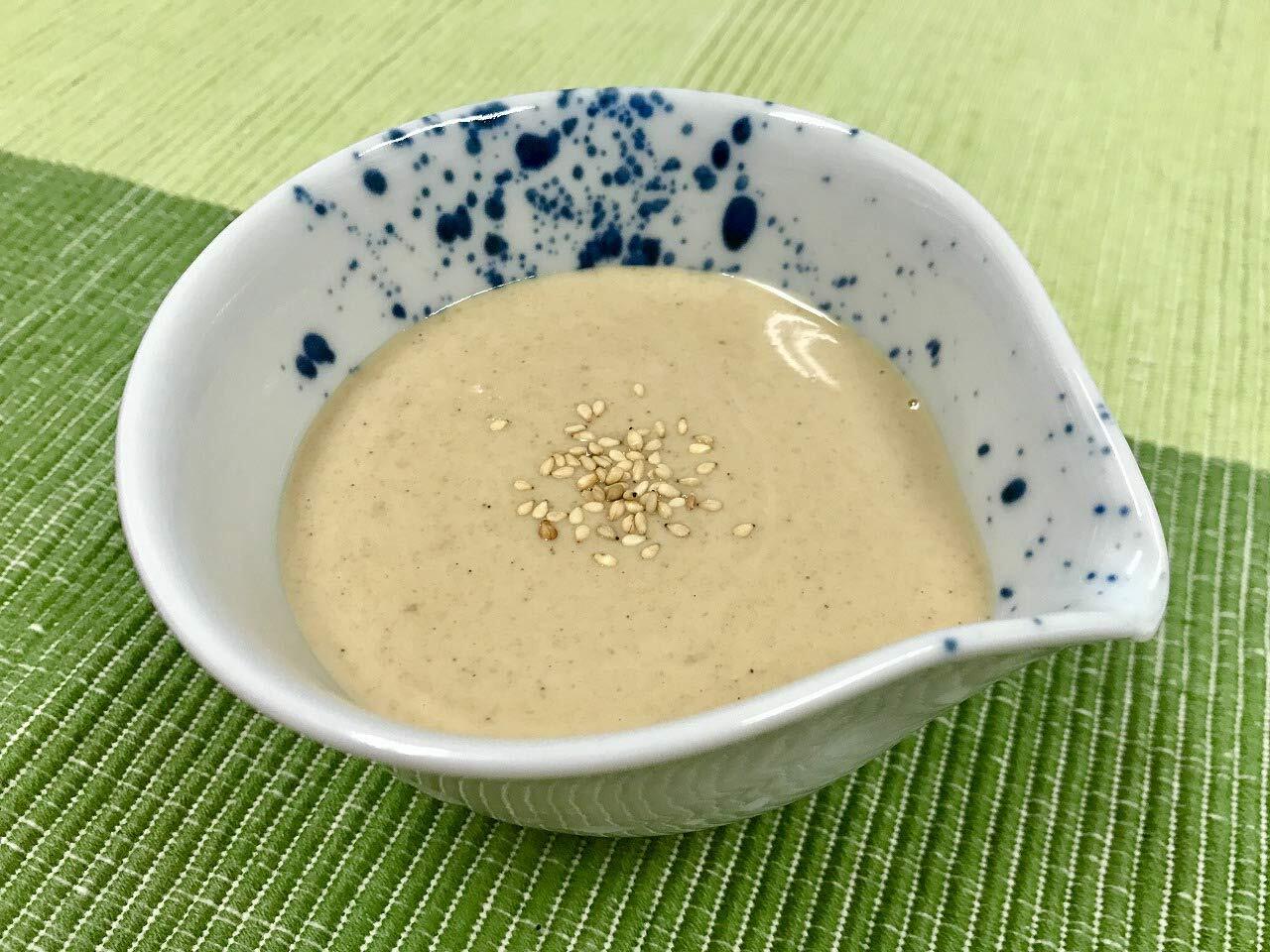
- Japanese Sesame Paste (Nerigoma) Recipe15 Minutes
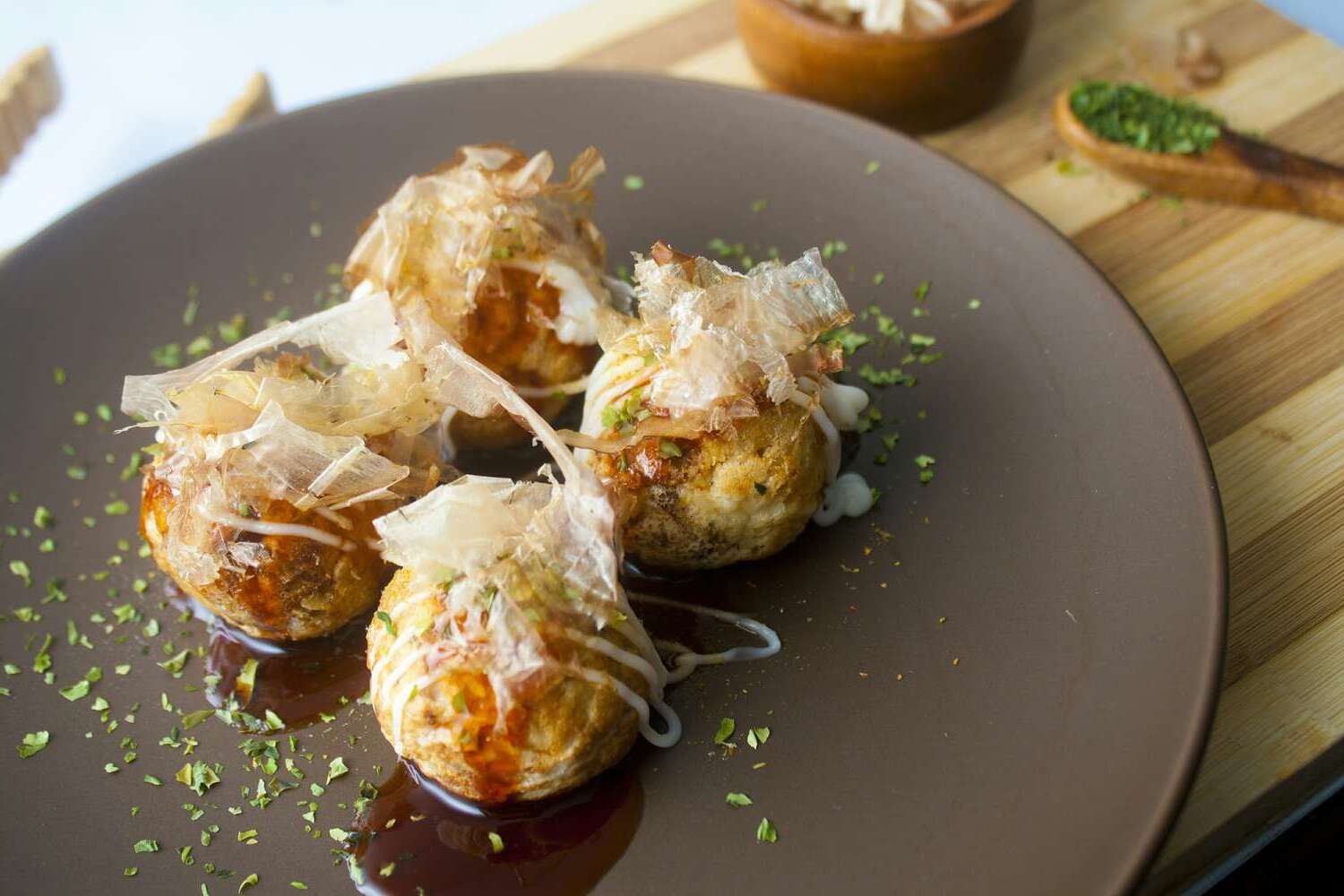
- Takoyaki (Japanese Octopus Ball) Recipe30 Minutes
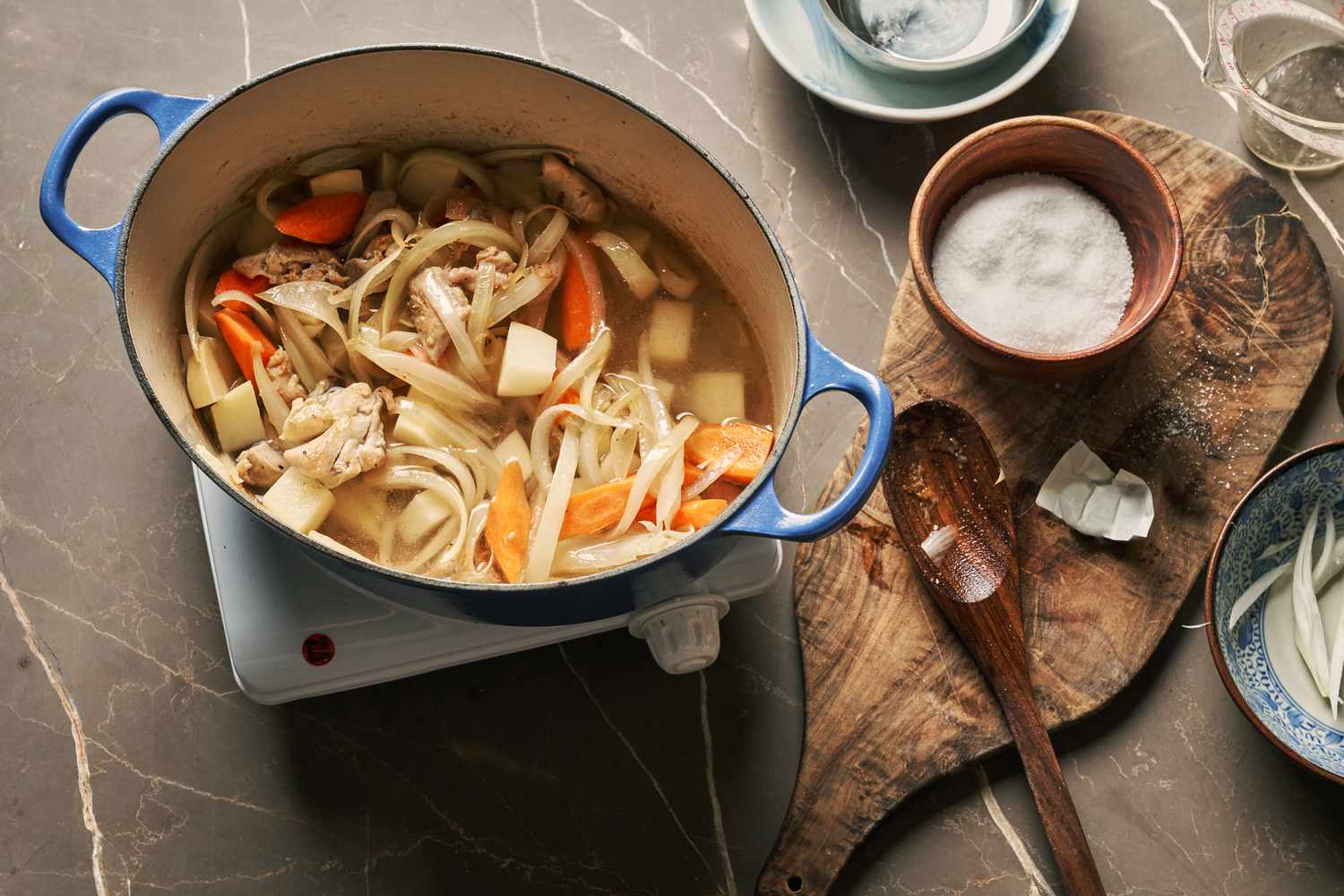
- Japanese Chicken Stew Recipe1 Hours
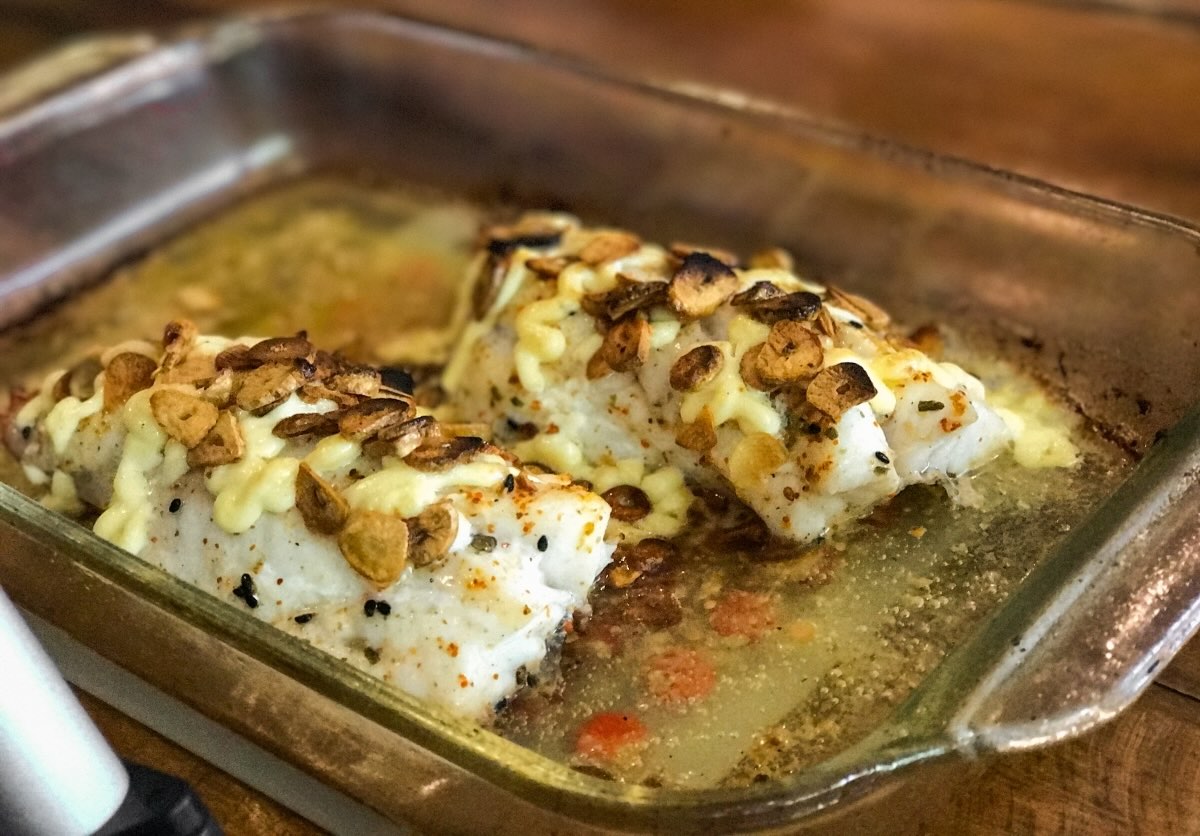
- Japanese Baked Fish Recipe30 Minutes
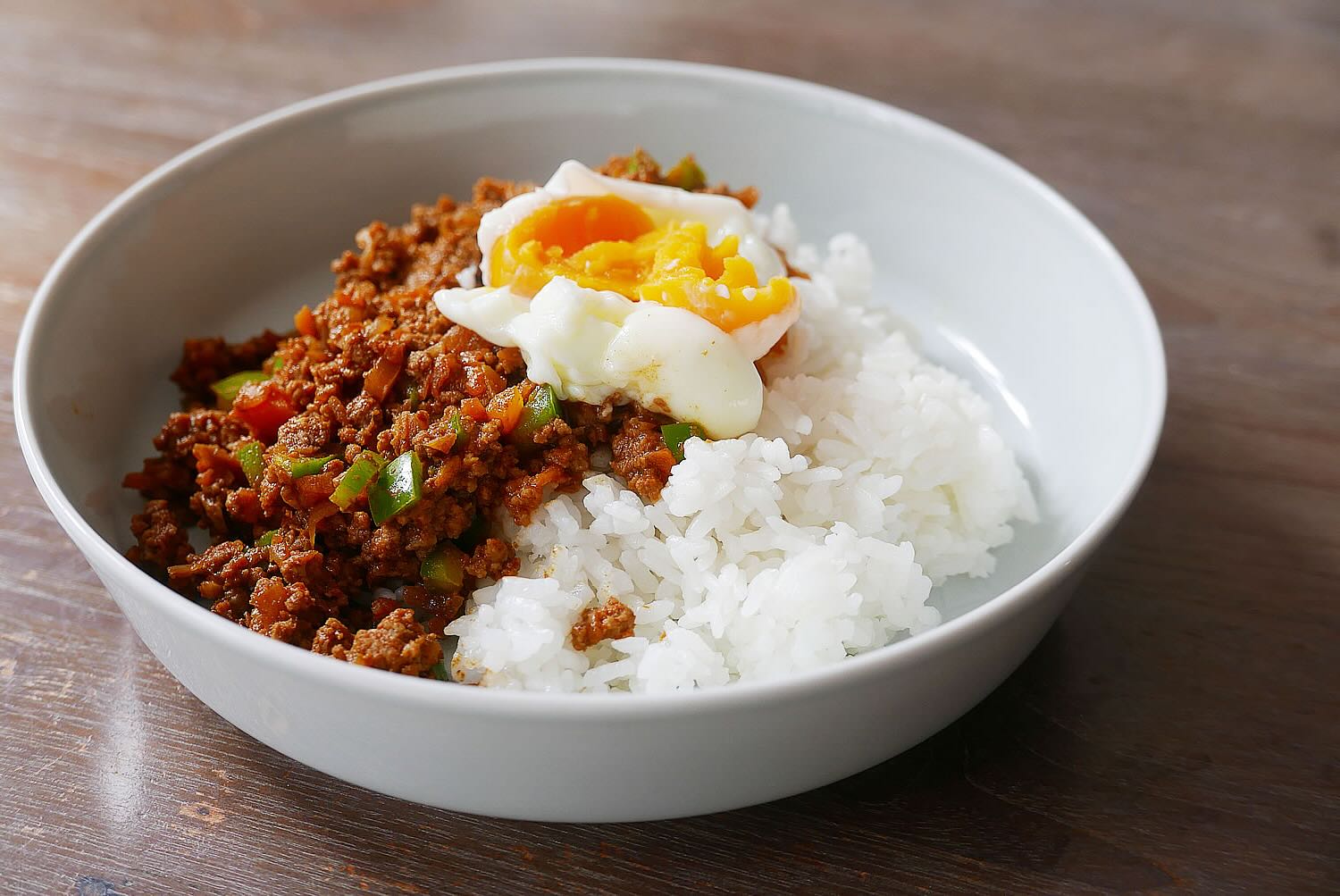
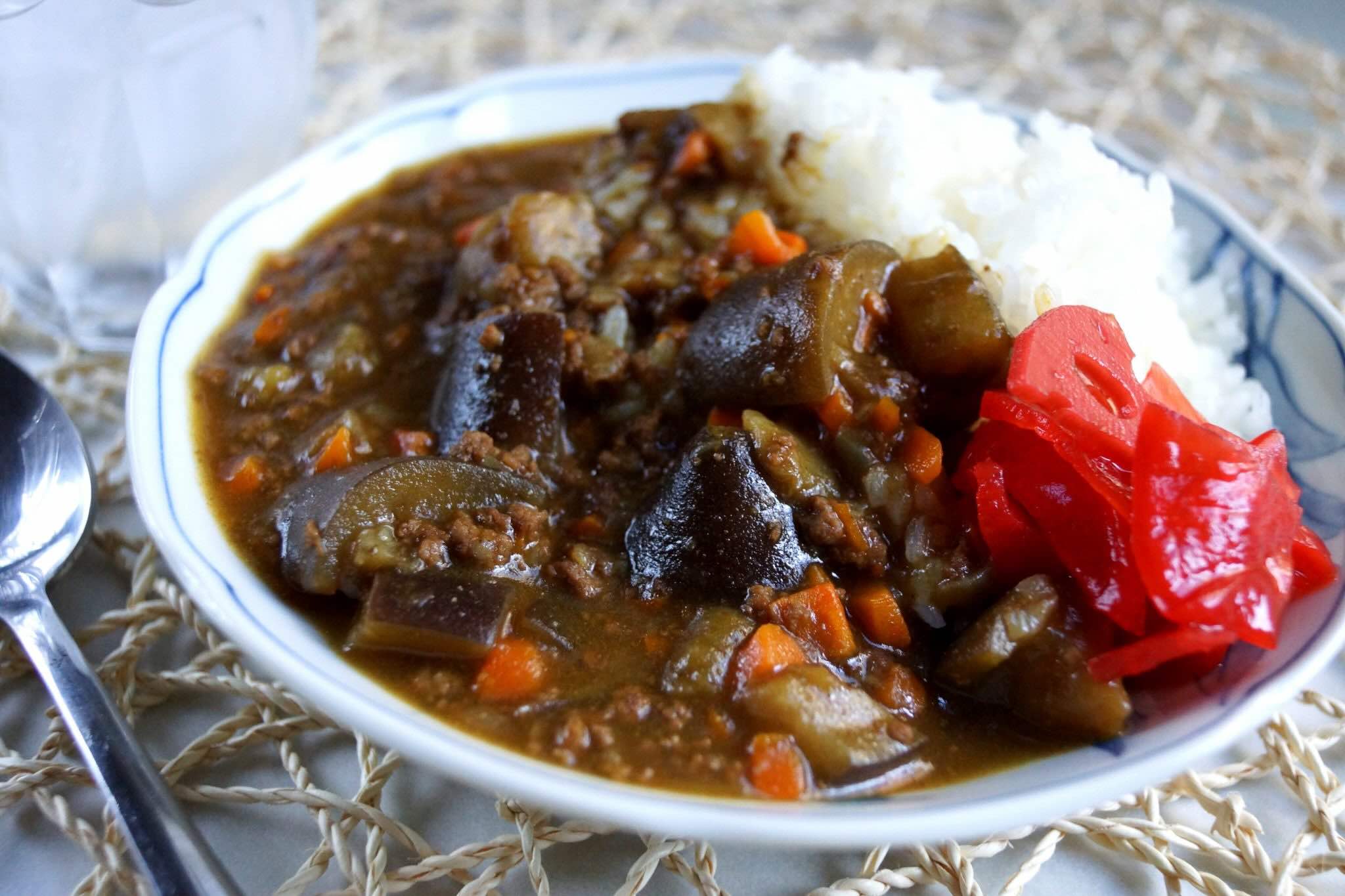
- Japanese Dry Curry Recipe45 Minutes
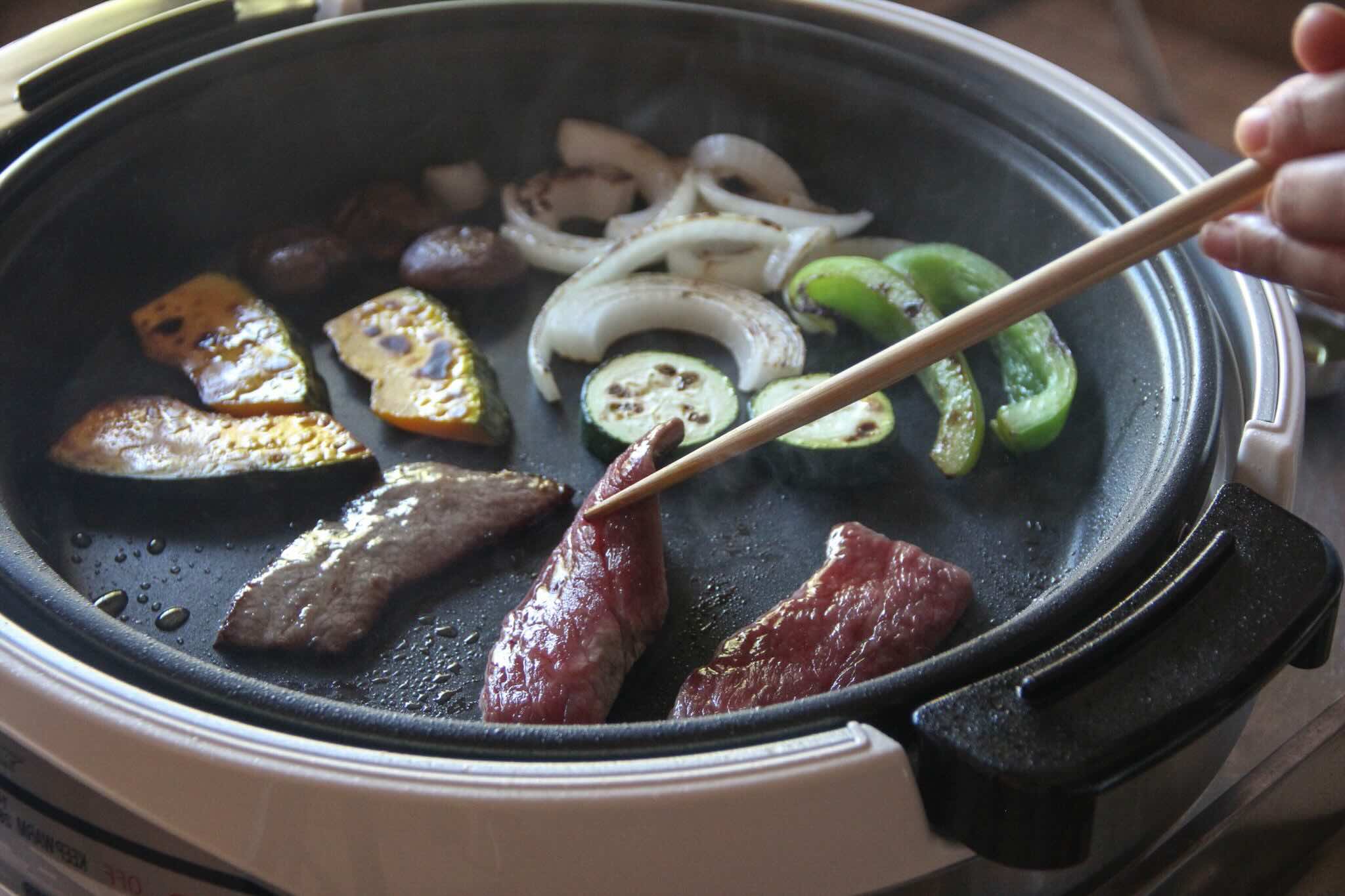
- Teppanyaki Recipe35 Minutes
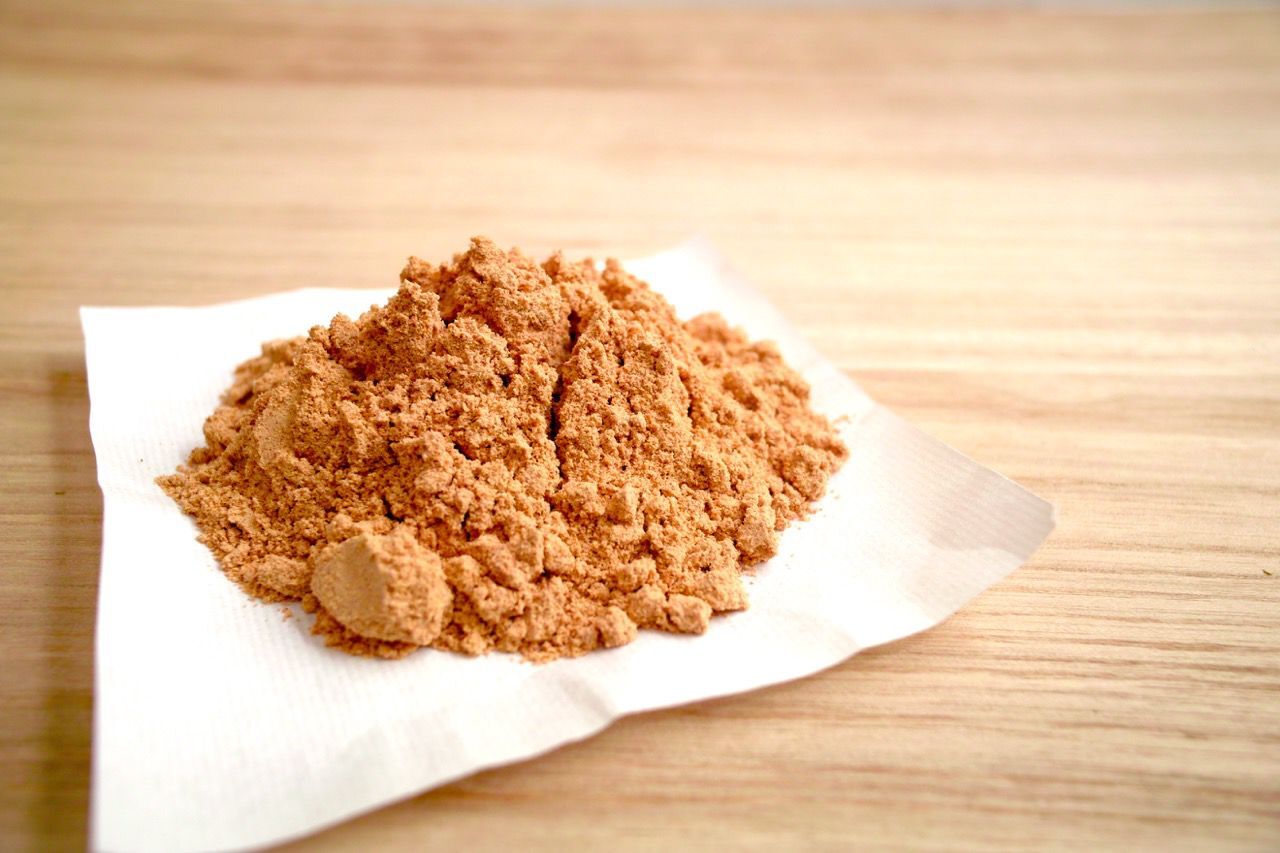
- Japanese Soybean Powder (Kinako) Recipe25 Minutes
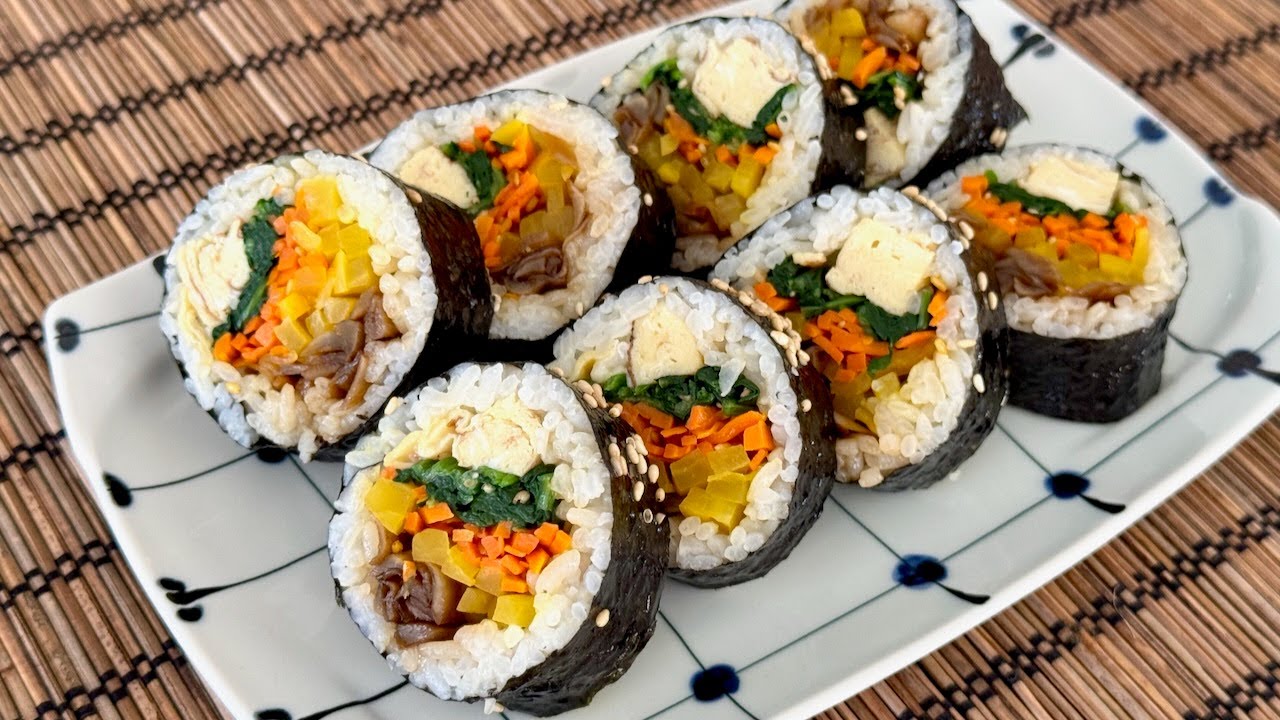
- Japanese Kimbap Recipe35 Minutes
Leave a Reply