Experience the comforting warmth of a traditional Japanese nabe with this delightful recipe. Perfect for chilly evenings, this one-pot wonder brings together a medley of fresh ingredients simmered in a flavorful dashi broth. It's a communal dish that invites everyone to gather around the table and enjoy a hearty, nourishing meal.
Some ingredients in this recipe might not be staples in your pantry. Dashi broth is a fundamental component of Japanese cuisine, made from dried kelp and bonito flakes. Mirin is a sweet rice wine that adds depth and a touch of sweetness to the dish. Both can be found in the Asian section of most supermarkets or specialty Asian grocery stores.
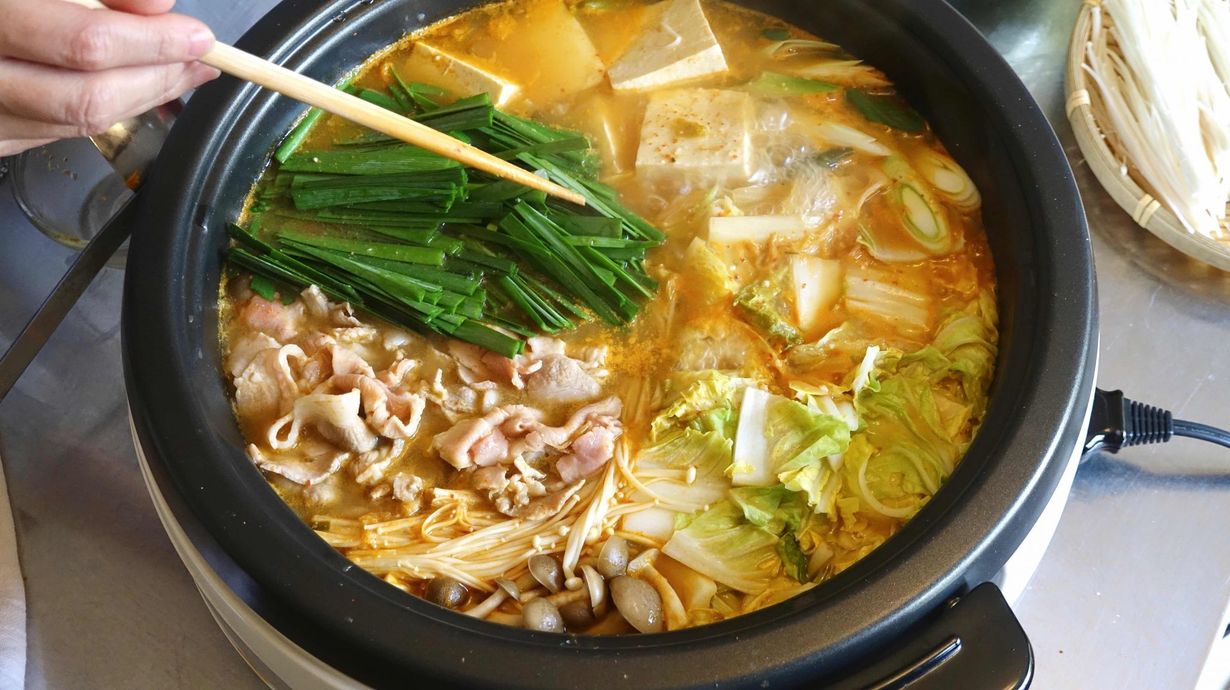
Ingredients For Japanese Nabe Recipe
Chicken thigh: Cut into bite-sized pieces, this adds protein and richness to the dish.
Napa cabbage: Chopped, it provides a mild, slightly sweet flavor and a tender texture.
Shiitake mushrooms: Sliced, these mushrooms add an earthy, umami flavor.
Carrot: Sliced, it adds a touch of sweetness and color to the pot.
Tofu: Cubed, it absorbs the flavors of the broth and adds a soft texture.
Dashi broth: The base of the soup, providing a savory, umami-rich flavor.
Soy sauce: Adds saltiness and depth to the broth.
Mirin: A sweet rice wine that enhances the overall flavor of the dish.
Technique Tip for Making Nabe
When preparing napa cabbage, make sure to separate the leaves and cut them into uniform pieces. This ensures even cooking and a consistent texture throughout the dish. Additionally, when adding tofu to the nabe pot, gently slide it in to avoid breaking the delicate cubes. This will help maintain the integrity of the tofu and provide a pleasing presentation.
Suggested Side Dishes
Alternative Ingredients
chicken thigh - Substitute with pork belly: Pork belly provides a similar richness and tenderness, making it a good alternative for the hearty texture of chicken thigh.
napa cabbage - Substitute with savoy cabbage: Savoy cabbage has a similar texture and mild flavor, which works well in a nabe recipe.
shiitake mushrooms - Substitute with cremini mushrooms: Cremini mushrooms have a similar earthy flavor and meaty texture, making them a suitable replacement.
carrot - Substitute with daikon radish: Daikon radish adds a similar crunch and mild sweetness, complementing the other ingredients in the dish.
tofu - Substitute with tempeh: Tempeh provides a similar protein content and can absorb the flavors of the broth well.
dashi broth - Substitute with chicken broth: Chicken broth can provide a similar umami base, especially if you add a bit of kombu or bonito flakes.
soy sauce - Substitute with tamari: Tamari is a gluten-free alternative that offers a similar salty and umami flavor profile.
mirin - Substitute with dry sherry: Dry sherry can mimic the sweetness and depth of mirin, making it a good substitute in the broth.
Alternative Recipes Similar to Nabe
How to Store or Freeze Nabe
- Allow the nabe to cool to room temperature before storing. This prevents condensation and helps maintain the texture of the ingredients.
- Transfer the cooled nabe into airtight containers. Ensure that the containers are sealed tightly to keep out air and moisture.
- Store the containers in the refrigerator if you plan to consume the nabe within 2-3 days. The flavors will meld together, making it even more delicious.
- For longer storage, place the airtight containers in the freezer. Nabe can be frozen for up to 1 month without significant loss of quality.
- When reheating refrigerated nabe, transfer it to a pot and heat over medium heat until it reaches a simmer. Stir occasionally to ensure even heating.
- If reheating from frozen, it's best to thaw the nabe in the refrigerator overnight before reheating. This helps maintain the texture of the vegetables and tofu.
- Avoid reheating nabe multiple times, as this can degrade the quality of the ingredients. Reheat only the portion you plan to consume.
- For added freshness, consider adding a splash of dashi broth or a dash of soy sauce when reheating to revive the flavors.
- Label your containers with the date of storage to keep track of freshness and ensure you consume the nabe within the optimal time frame.
How to Reheat Leftovers
For stovetop reheating:
- Place the leftover Japanese nabe in a pot.
- Add a splash of dashi broth or water to prevent drying out.
- Heat over medium heat, stirring occasionally, until all ingredients are heated through.
- Ensure the chicken and tofu are warmed to the center.
For microwave reheating:
- Transfer the nabe to a microwave-safe bowl.
- Cover with a microwave-safe lid or plastic wrap with a small vent.
- Heat on medium power for 2-3 minutes, stirring halfway through.
- Check the temperature and continue heating in 1-minute intervals until hot.
For oven reheating:
- Preheat your oven to 350°F (175°C).
- Place the nabe in an oven-safe dish and cover with foil.
- Heat for 15-20 minutes, or until the vegetables and chicken are thoroughly warmed.
- Stir halfway through to ensure even heating.
For slow cooker reheating:
- Transfer the nabe to your slow cooker.
- Set to low heat and cover with the lid.
- Heat for 1-2 hours, stirring occasionally, until all ingredients are hot.
For steaming reheating:
- Place the nabe in a heatproof bowl.
- Set up a steamer basket over boiling water.
- Cover and steam for 10-15 minutes, or until heated through.
- Stir halfway to ensure even heating.
Essential Tools for Making Nabe
Knife: To cut the chicken, napa cabbage, shiitake mushrooms, and carrot into appropriate sizes.
Cutting board: A surface to safely chop and prepare all the ingredients.
Nabe pot: A traditional Japanese pot used to simmer the ingredients and cook the nabe.
Measuring cups: To accurately measure the dashi broth, soy sauce, and mirin.
Ladle: To stir the ingredients and serve the hot nabe.
Tongs: To handle and place the chicken pieces into the pot.
Serving bowls: To serve the hot nabe once it is cooked.
Stove: To heat the nabe pot and bring the dashi broth to a simmer.
Time-Saving Tips for Making Nabe
Prep ingredients ahead: Cut the chicken, napa cabbage, shiitake mushrooms, and carrot the night before to save time.
Use pre-made dashi: Opt for store-bought dashi broth to skip the step of making it from scratch.
Batch cooking: Double the recipe and freeze half for a quick meal later.
Quick tofu prep: Use pre-cubed tofu to eliminate cutting time.
Simmer efficiently: Use a lid on your nabe pot to speed up the cooking process.
Japanese Nabe Recipe
Ingredients
Main Ingredients
- 200 g Chicken thigh cut into bite-sized pieces
- 200 g Napa cabbage chopped
- 100 g Shiitake mushrooms sliced
- 1 Carrot sliced
- 200 g Tofu cubed
- 1 L Dashi broth
- 2 tablespoon Soy sauce
- 1 tablespoon Mirin
Instructions
- 1. Prepare all ingredients by cutting them into appropriate sizes.
- 2. In a nabe pot, bring the dashi broth to a simmer.
- 3. Add the chicken pieces and cook until they are no longer pink.
- 4. Add the soy sauce and mirin to the broth.
- 5. Add the napa cabbage, shiitake mushrooms, carrot, and tofu to the pot.
- 6. Simmer until all ingredients are cooked through and tender.
- 7. Serve hot and enjoy!
Nutritional Value
Keywords
Suggested Appetizers and Desserts for Nabe
More Amazing Recipes to Try 🙂
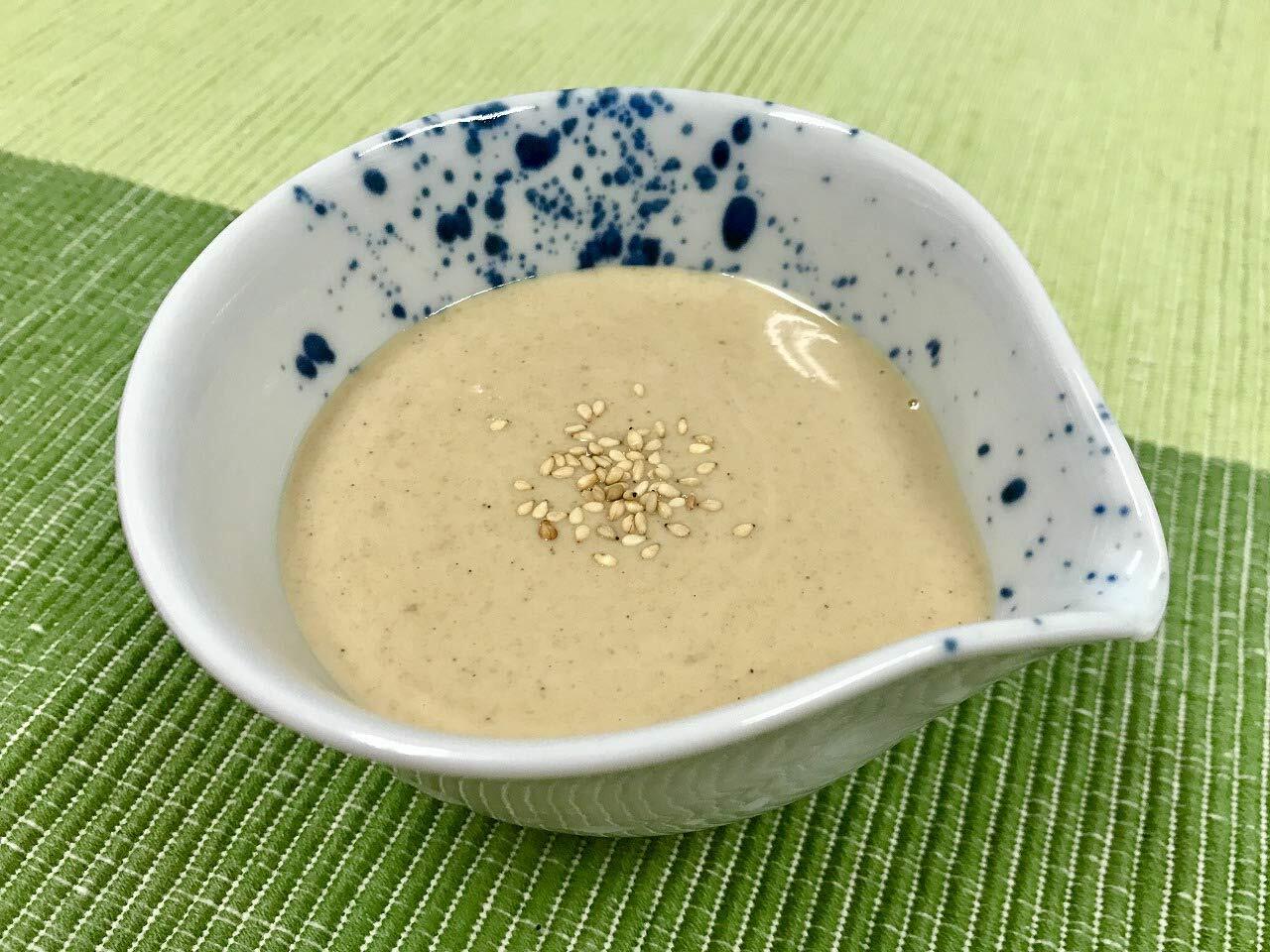
- Japanese Sesame Paste (Nerigoma) Recipe15 Minutes
- Takoyaki (Japanese Octopus Ball) Recipe30 Minutes
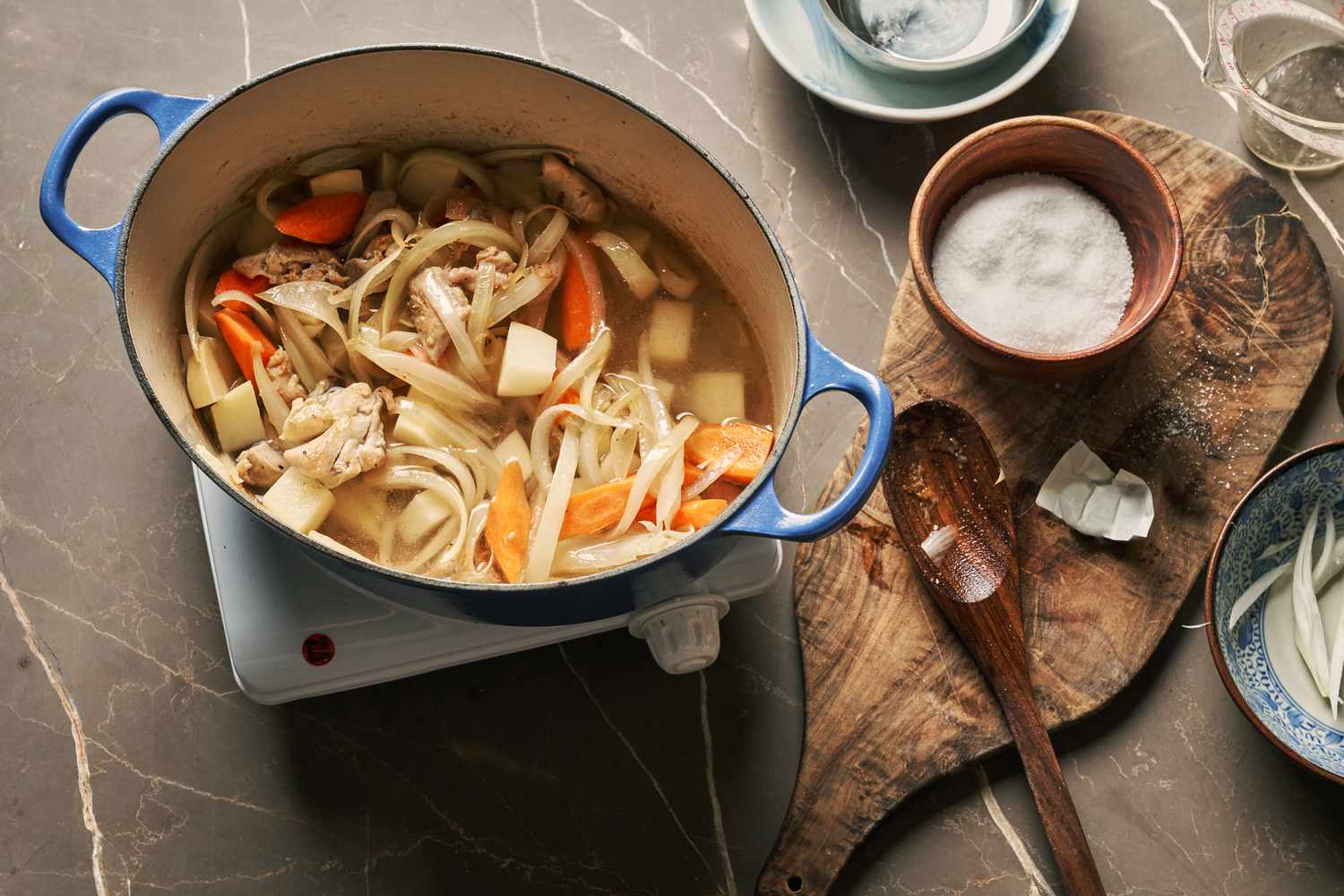
- Japanese Chicken Stew Recipe1 Hours
- Japanese Baked Fish Recipe30 Minutes
- Japanese Dry Curry Recipe45 Minutes
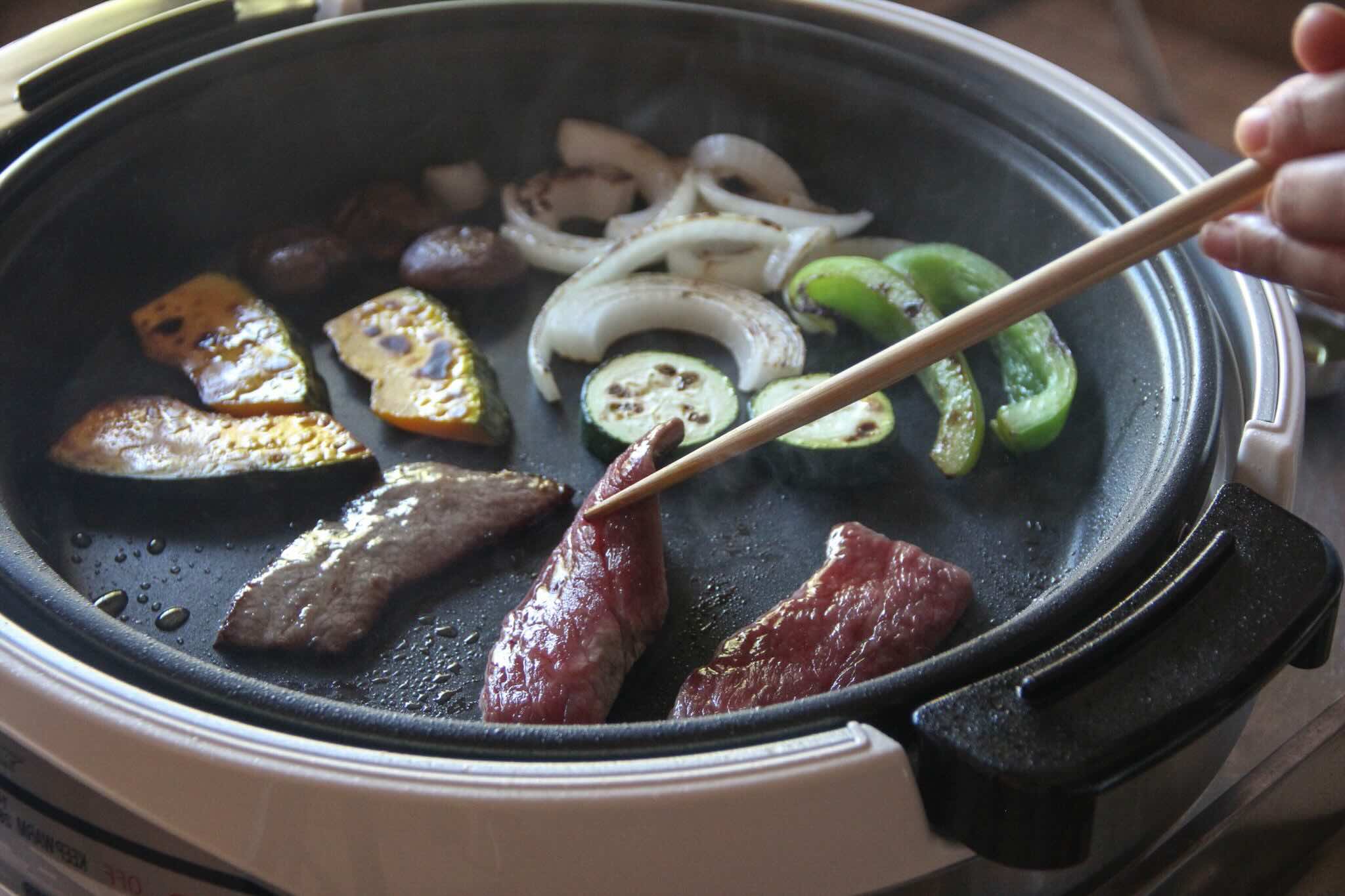
- Teppanyaki Recipe35 Minutes
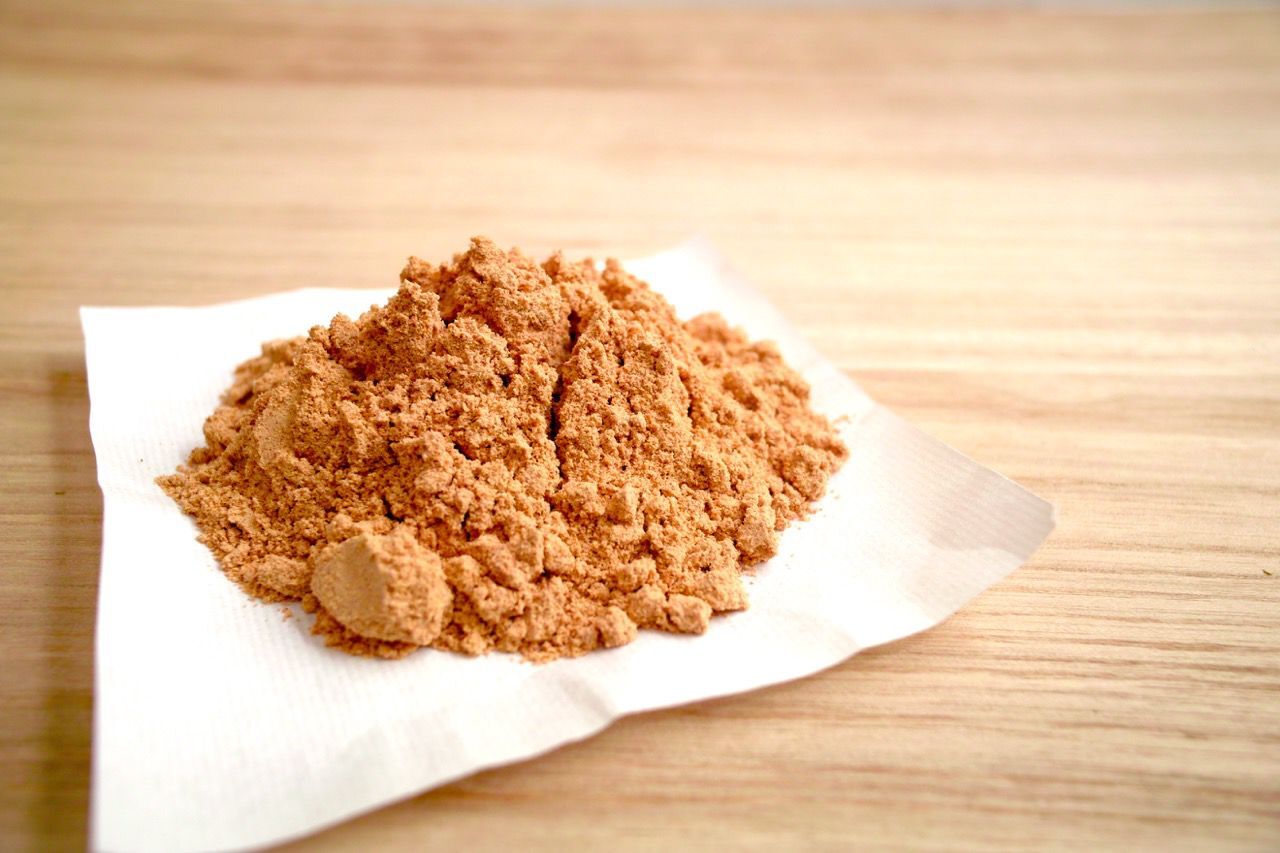
- Japanese Soybean Powder (Kinako) Recipe25 Minutes
- Japanese Kimbap Recipe35 Minutes







Leave a Reply