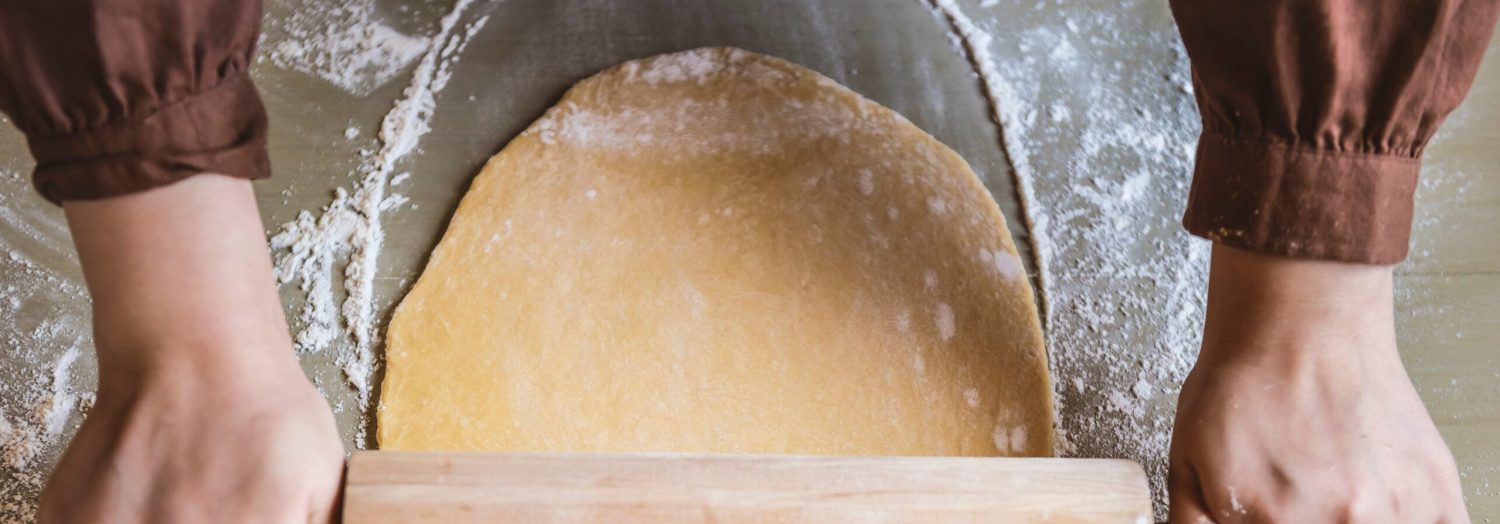
Dango is a traditional Japanese sweet treat made from rice flour. These chewy and delightful rice dumplings are often enjoyed during festivals and can be served with various toppings or sauces. This recipe will guide you through creating these delicious morsels at home.
Shiratamako and joushinko are two types of rice flour that might not be commonly found in every household. Shiratamako is a glutinous rice flour that gives the dango its chewy texture, while joushinko is a non-glutinous rice flour that adds structure. You can find these ingredients in Asian supermarkets or specialty stores.

Ingredients For Dango Recipe
Shiratamako: Glutinous rice flour that provides a chewy texture to the dango.
Joushinko: Non-glutinous rice flour that adds structure to the dango.
Water: Used to bind the flours together and form the dough.
Technique Tip for Making Dango
When kneading the dough, ensure that it reaches a smooth and slightly elastic consistency. This helps in forming uniform dango balls that cook evenly. If the dough feels too dry, add a little more water gradually. Conversely, if it's too sticky, sprinkle a bit more joushinko to achieve the right texture.
Suggested Side Dishes
Alternative Ingredients
shiratamako - Substitute with mochiko: Both are types of glutinous rice flour, but mochiko is more commonly available and can provide a similar chewy texture.
shiratamako - Substitute with sweet rice flour: This is another type of glutinous rice flour that can mimic the sticky and chewy texture of shiratamako.
joushinko - Substitute with all-purpose flour: While not a perfect match, all-purpose flour can be used to provide structure, though the texture will be slightly different.
joushinko - Substitute with rice flour: Regular rice flour can be used to replace joushinko, maintaining the rice-based quality of the dango.
water - Substitute with milk: Using milk can add a richer flavor and a slightly creamier texture to the dango.
water - Substitute with coconut milk: This can add a subtle coconut flavor and a creamy texture, giving the dango a unique twist.
Alternative Recipes Similar to Dango
How to Store or Freeze This Recipe
Allow the dango to cool completely before storing. This prevents condensation, which can make the dango soggy.
Place the cooled dango in an airtight container. Ensure there's minimal air inside to keep the dango fresh.
Store the container in the refrigerator if you plan to consume the dango within 2-3 days. This helps maintain its texture and flavor.
For longer storage, consider freezing the dango. Place the dango balls on a baking sheet lined with parchment paper, ensuring they don't touch each other. Freeze until solid.
Once frozen, transfer the dango balls to a freezer-safe bag or container. Label with the date to keep track of freshness.
When ready to enjoy, thaw the dango in the refrigerator overnight. For a quicker option, you can microwave them on a low setting until soft.
To restore the dango's chewy texture after thawing, briefly steam or boil them. This will make them taste freshly made.
Avoid storing dango with strong-smelling foods, as they can absorb odors, altering their delicate flavor.
If you plan to serve the dango with a sauce, store the sauce separately to prevent the dango from becoming too soft.
How to Reheat Leftovers
Steam: Place the leftover dango in a steamer basket over boiling water. Steam for about 5-7 minutes until they are soft and warm. This method helps retain their chewy texture.
Microwave: Arrange the dango on a microwave-safe plate. Cover them with a damp paper towel to prevent drying out. Microwave on medium power for 30-second intervals until heated through.
Pan-fry: Heat a non-stick pan over medium heat and add a small amount of oil. Place the dango in the pan and cook for 2-3 minutes on each side until they are golden brown and heated through. This method adds a delightful crispy exterior.
Boil: Bring a pot of water to a gentle boil. Add the dango and cook for 1-2 minutes until they float to the surface. This method is quick and ensures they are evenly heated.
Grill: Preheat your grill to medium heat. Skewer the dango and grill for 1-2 minutes on each side until they have light grill marks and are warmed through. This method adds a smoky flavor and a slight char.
Best Tools for Making Dango
Mixing bowl: Use this to combine the shiratamako and joushinko flours and to knead the dough.
Measuring cup: Essential for accurately measuring the water to ensure the dough has the right consistency.
Wooden spoon: Useful for initially mixing the flours and water before kneading by hand.
Pot: Needed to boil water for cooking the dango balls.
Slotted spoon: Ideal for removing the dango balls from the boiling water once they float to the surface.
Skewers: Used to skewer the cooked dango balls for serving.
Stove: Required to heat the pot of water for boiling the dango balls.
Kitchen scale: Important for accurately measuring the flours to ensure the correct proportions.
How to Save Time on Making This Recipe
Pre-mix the flours: Combine shiratamako and joushinko in advance and store in an airtight container.
Use warm water: Warm water helps the dough come together faster and more smoothly.
Batch boiling: Boil multiple dango balls at once to save time.
Pre-skewer: Skewer the dango balls right after boiling to streamline the process.
Freeze extras: Make a larger batch and freeze the extra dango balls for future use.
Dango Recipe
Ingredients
Dango Ingredients
- 100 g Shiratamako (glutinous rice flour)
- 100 g Joushinko (non-glutinous rice flour)
- 120 ml Water
Instructions
- Mix the shiratamako and joushinko in a bowl.
- Gradually add water and knead until the dough is smooth.
- Divide the dough into small balls.
- Boil water in a pot and cook the dango balls until they float.
- Skewer the cooked dango balls and serve.
Nutritional Value
Keywords
Suggested Appetizers and Main Courses for This Recipe
More Amazing Recipes to Try 🙂
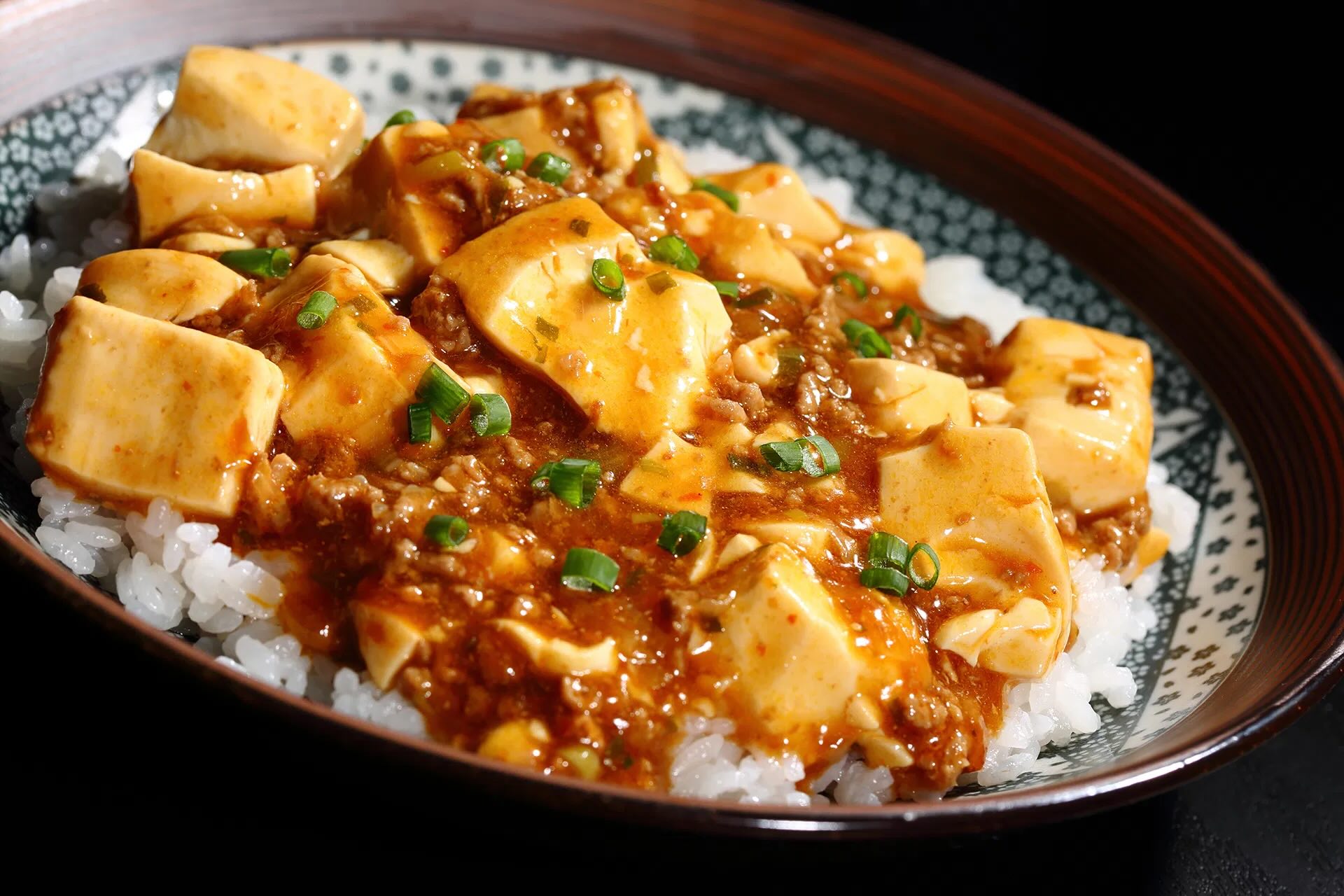
- Japanese Mapo Tofu Recipe35 Minutes
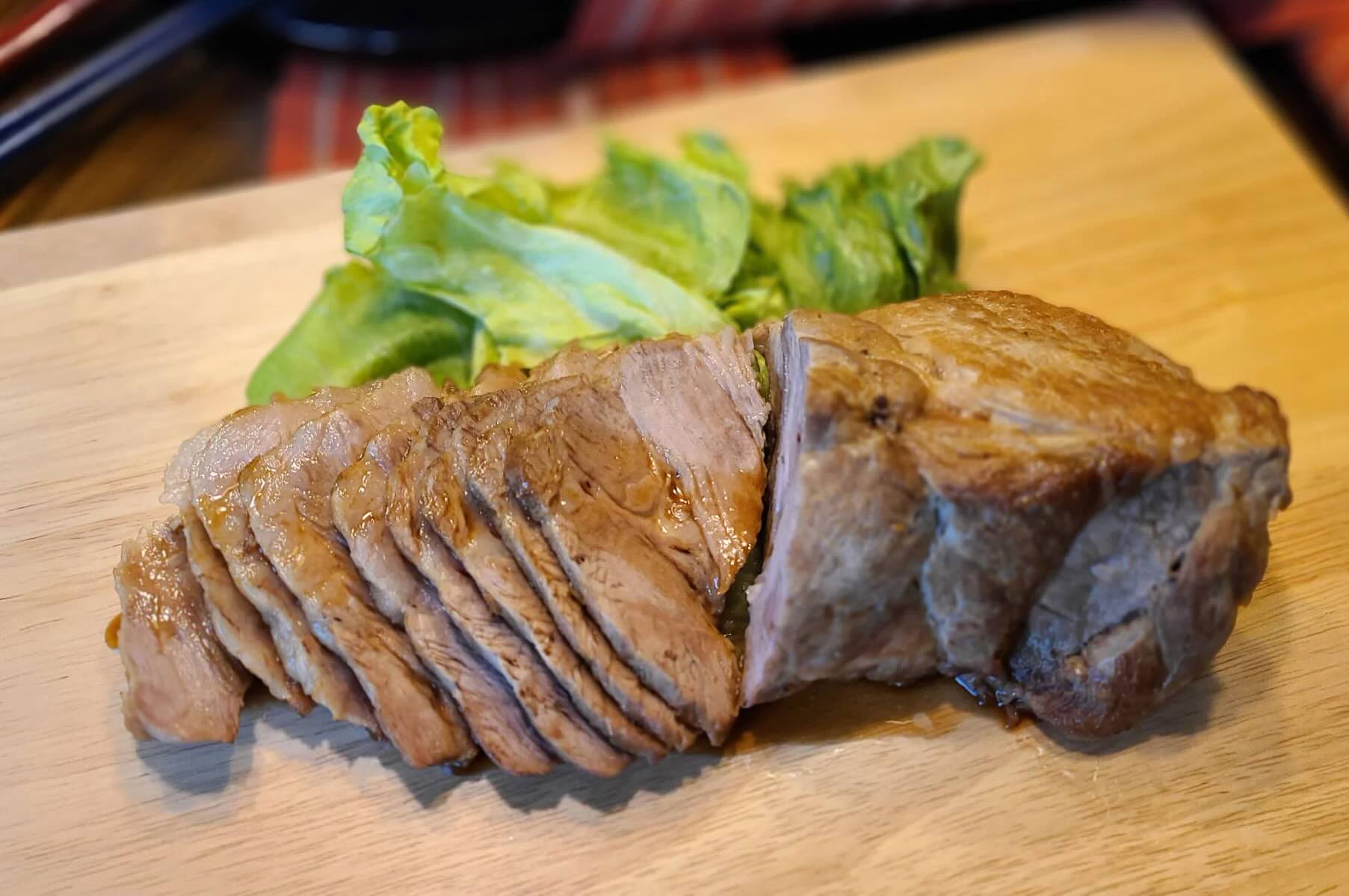
- Chashu (Japanese Braised Pork) Recipe2 Hours 15 Minutes
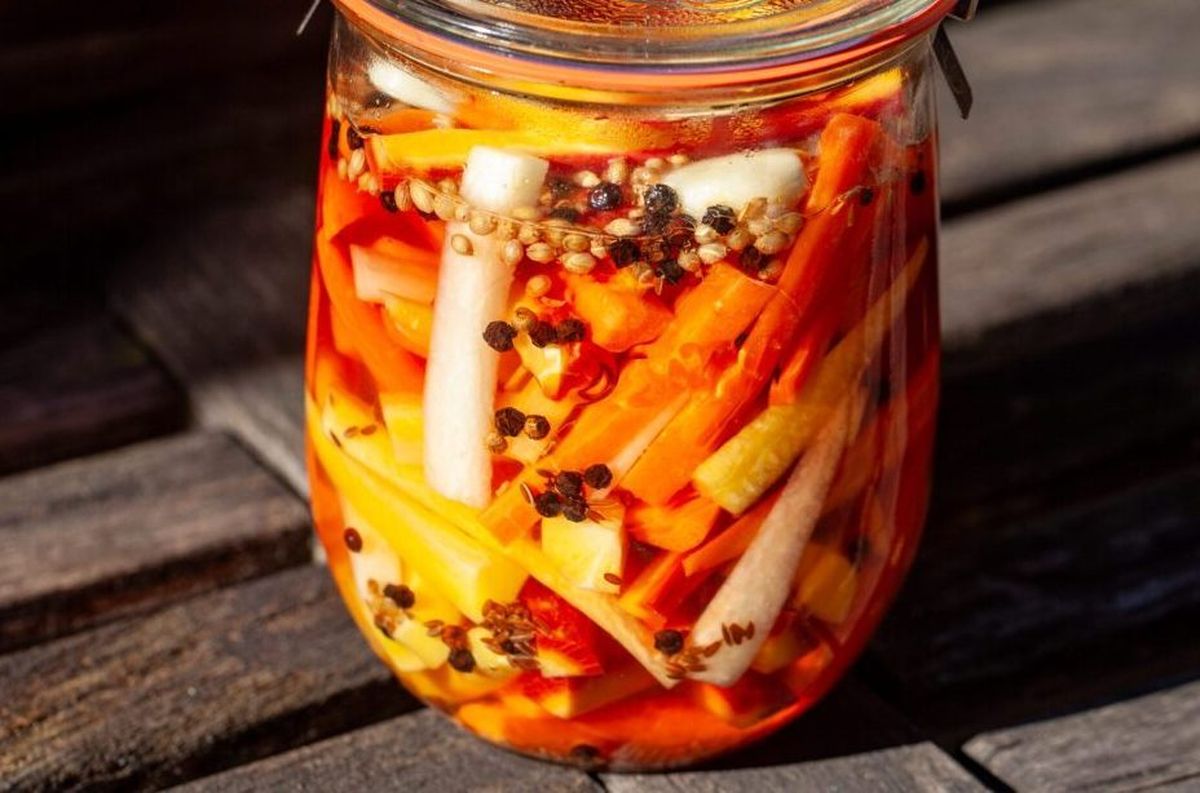
- Japanese Pickled Carrot Recipe10 Minutes
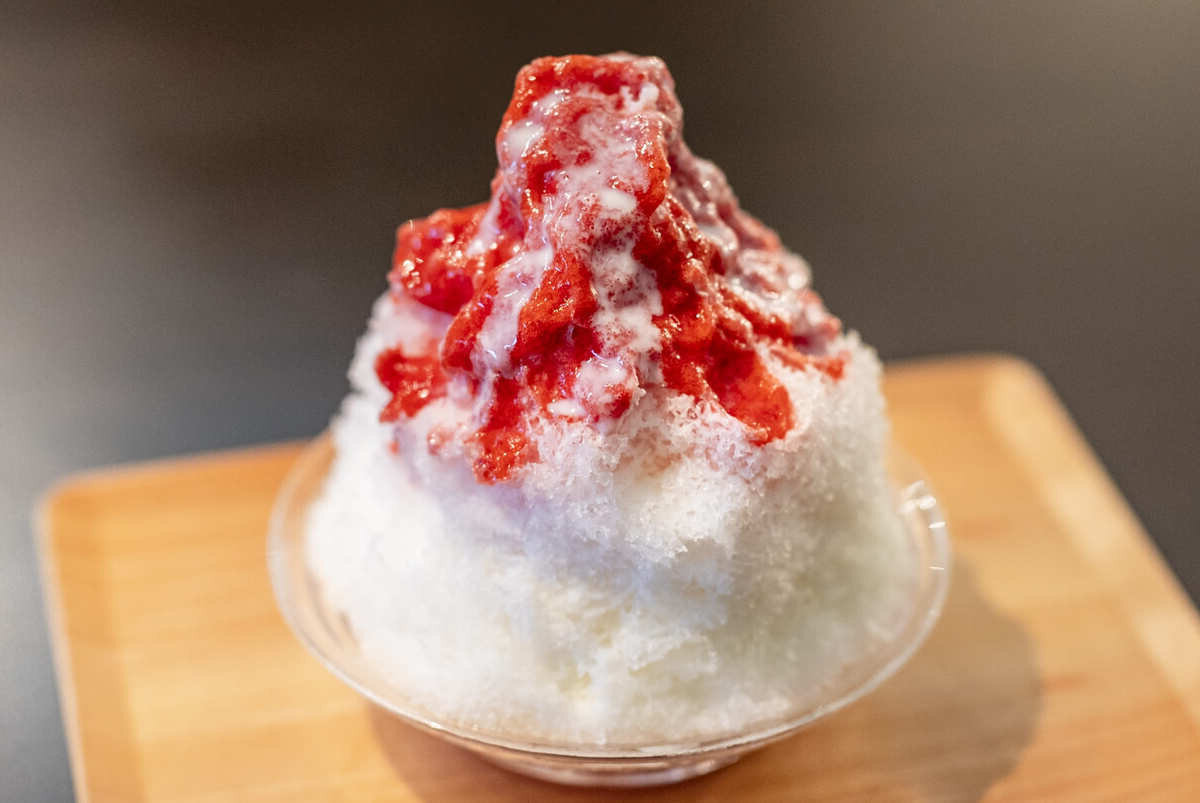
- Japanese Shaved Ice Syrup Recipe15 Minutes
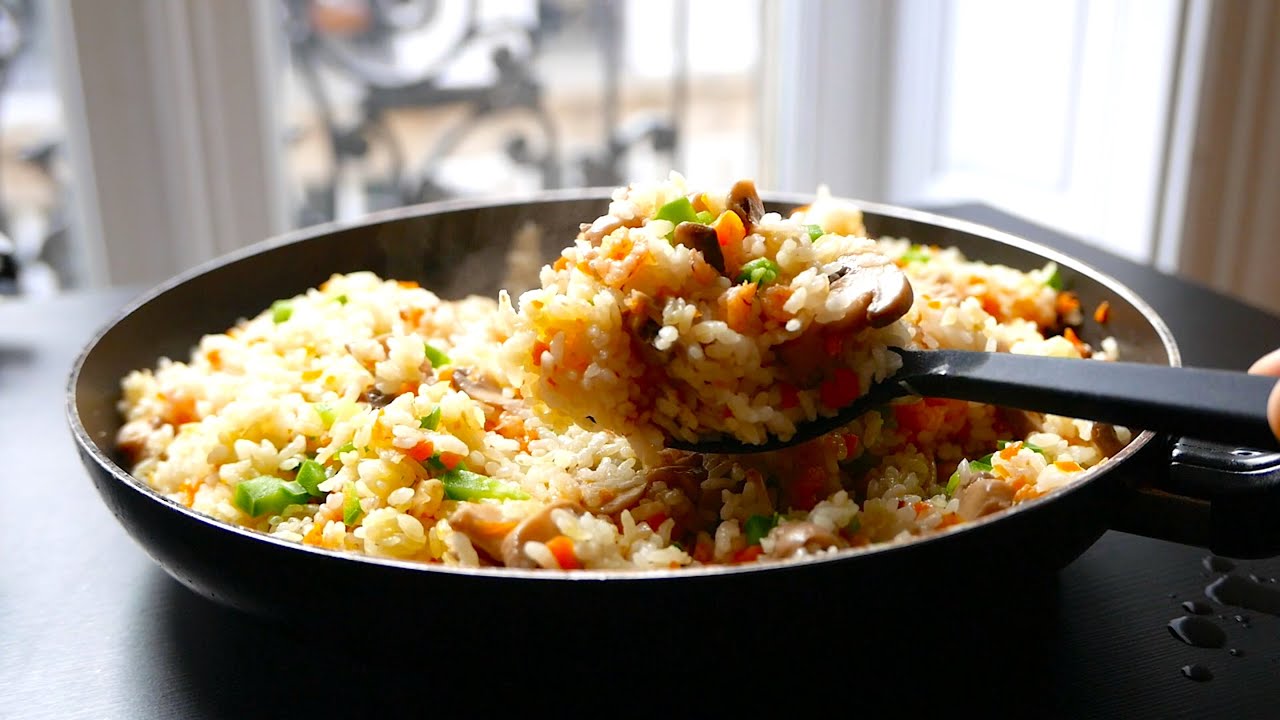
- Japanese Pilaf Recipe40 Minutes
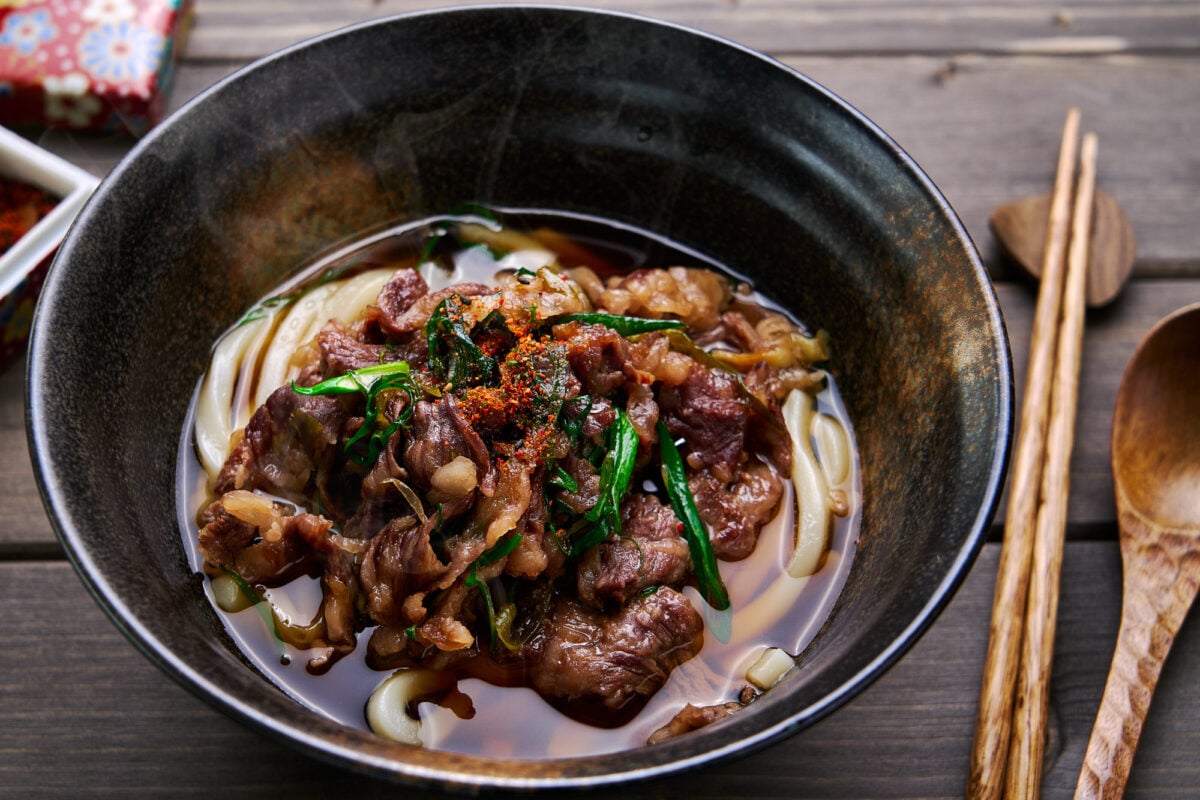
- Japanese Beef Udon Recipe35 Minutes
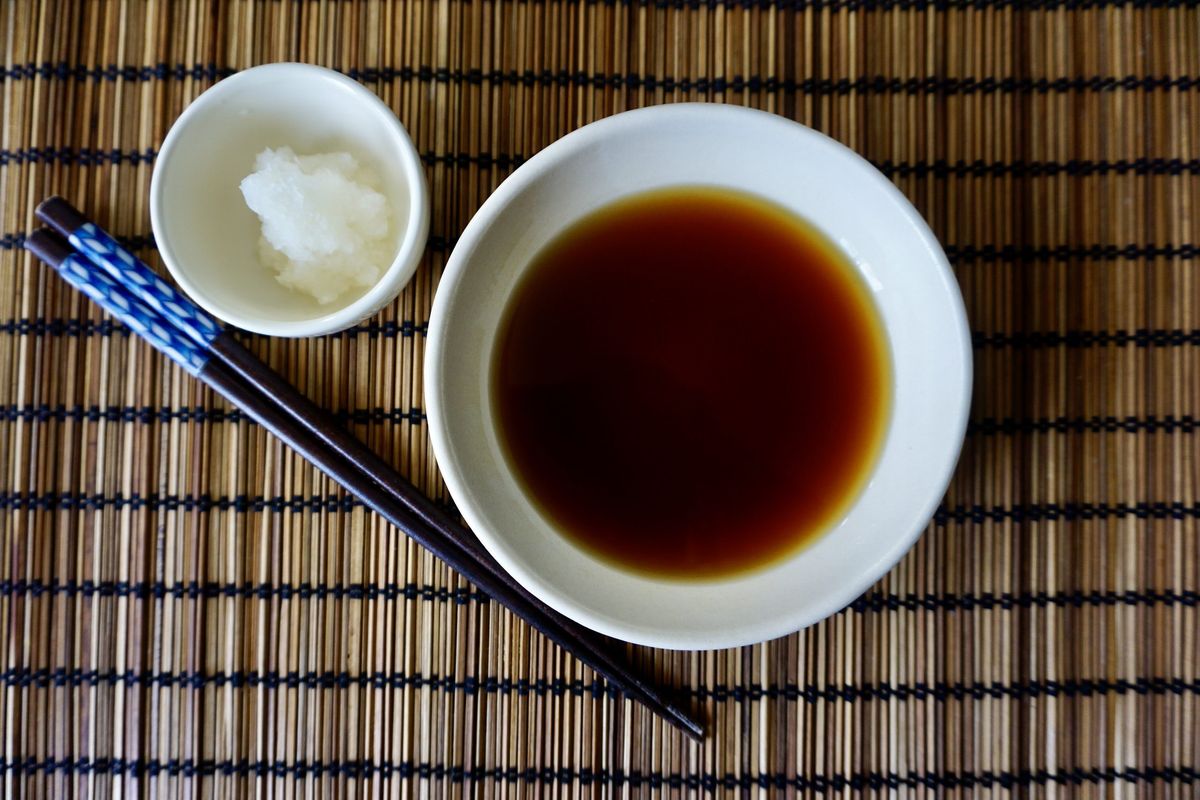
- Tempura Sauce (Tentsuyu) Recipe10 Minutes
- Japanese Chocolate Cake Recipe50 Minutes
Leave a Reply