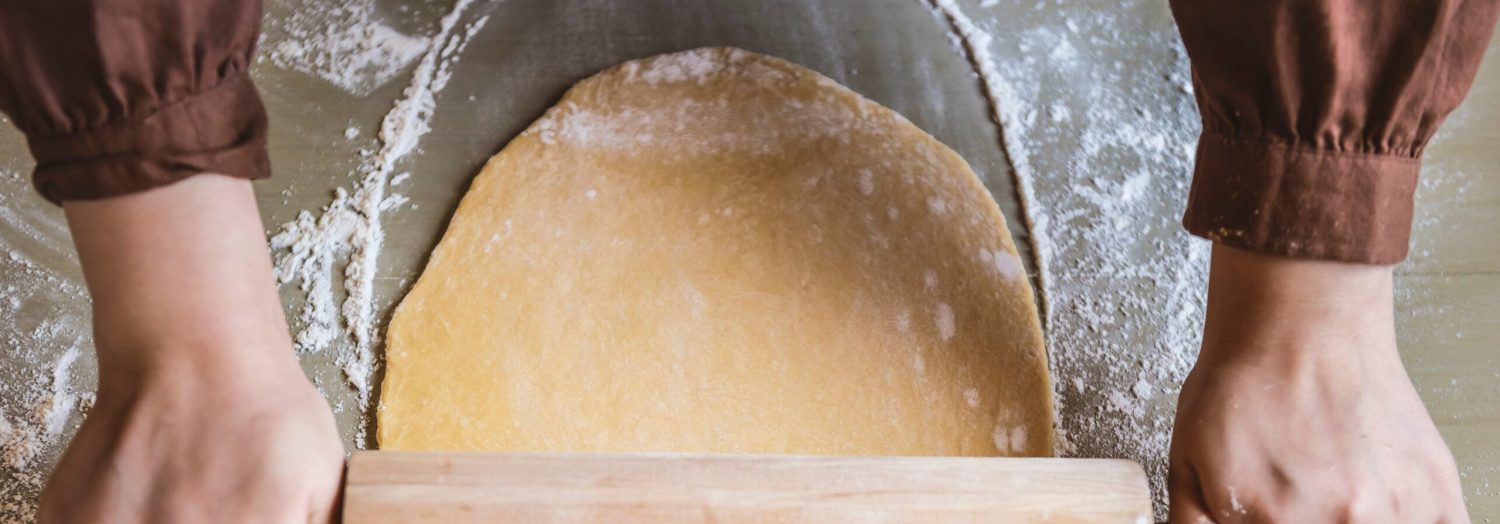
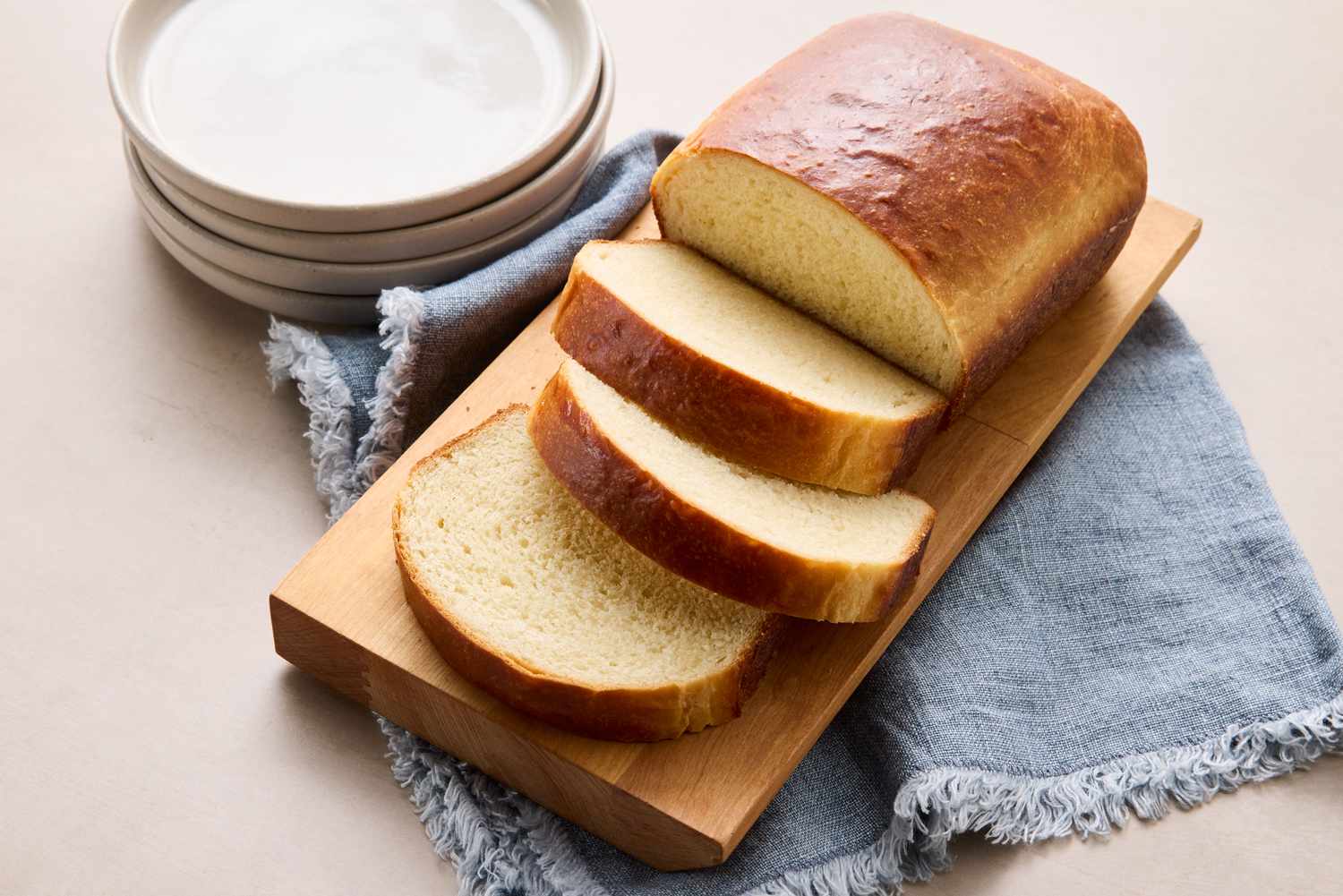
Experience the delightful taste of Japanese buns with this easy-to-follow recipe. These soft and fluffy buns are perfect for any meal, whether as a side dish or a snack. With a few simple ingredients and some patience, you can create these delicious buns right in your own kitchen.
Most of the ingredients for this recipe are common pantry staples. However, you should ensure you have yeast on hand, as it is essential for the dough to rise properly. Additionally, warm milk is required to activate the yeast effectively. If you don't have all-purpose flour, make sure to pick some up at the supermarket.
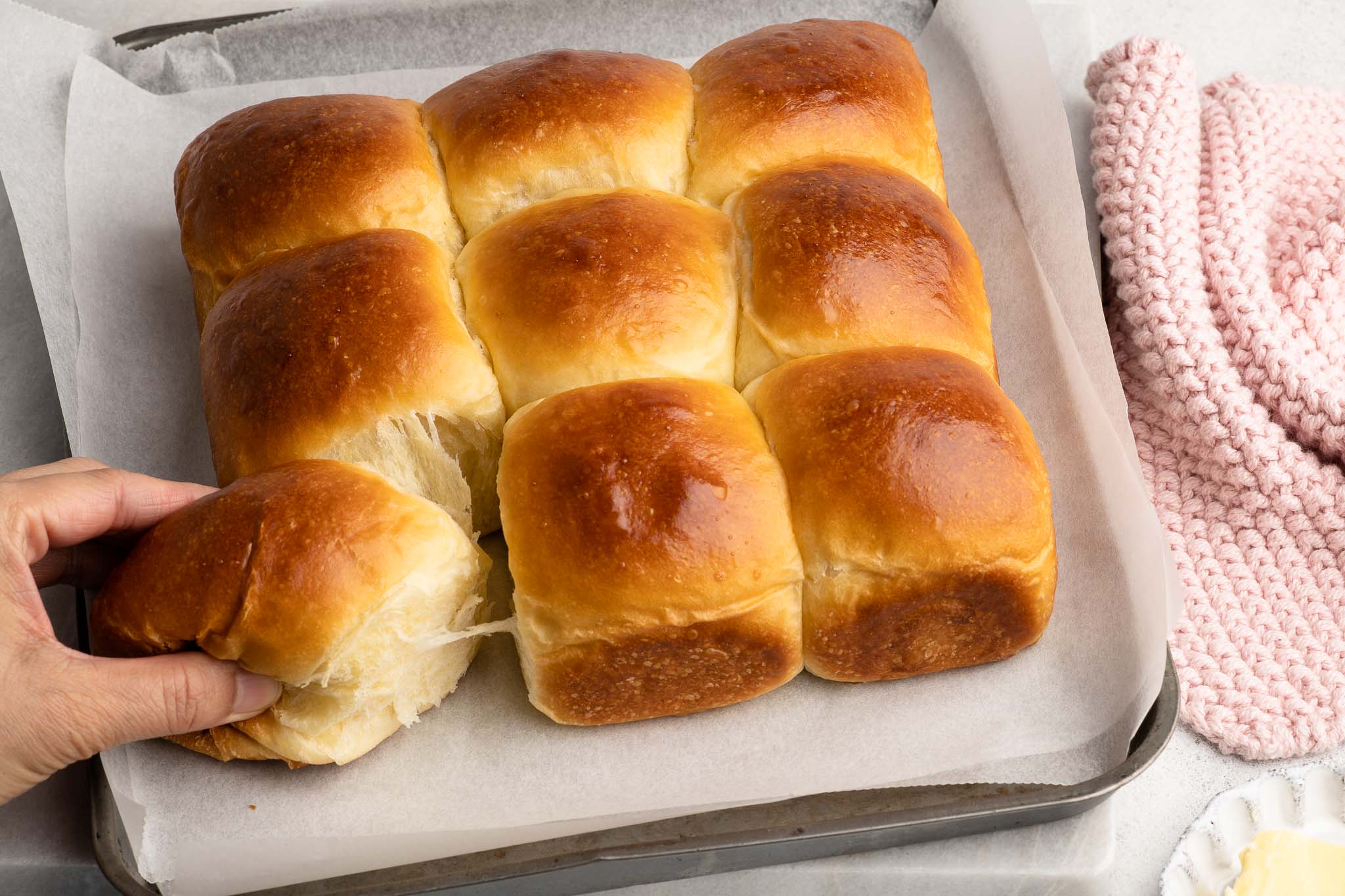
Ingredients For Japanese Bun Recipe
All-purpose flour: The main ingredient for the dough, providing structure and texture.
Warm milk: Activates the yeast and adds moisture to the dough.
Sugar: Feeds the yeast and adds a touch of sweetness.
Yeast: Leavens the dough, making it rise and become fluffy.
Salt: Enhances the flavor of the buns.
Softened butter: Adds richness and tenderness to the dough.
Technique Tip for This Recipe
When kneading the dough, make sure to use the heel of your hand to push it away from you, then fold it back over itself. This helps develop the gluten structure, resulting in a smoother and more elastic dough. If the dough is too sticky, sprinkle a little flour on your work surface, but be careful not to add too much as it can make the buns dense.
Suggested Side Dishes
Alternative Ingredients
all-purpose flour - Substitute with bread flour: Bread flour has a higher protein content, which can give the buns a chewier texture.
all-purpose flour - Substitute with whole wheat flour: Whole wheat flour adds a nutty flavor and more fiber, but may make the buns denser.
warm milk - Substitute with warm water: Water can be used in place of milk, though the buns may be less rich and slightly less tender.
warm milk - Substitute with plant-based milk: Almond milk, soy milk, or oat milk can be used for a dairy-free option, though the flavor and texture might slightly differ.
sugar - Substitute with honey: Honey adds a different sweetness and moisture, but you may need to adjust the liquid content slightly.
sugar - Substitute with maple syrup: Maple syrup provides a unique flavor and sweetness, but like honey, you may need to adjust the liquid content.
yeast - Substitute with baking powder: Baking powder can be used as a leavening agent, but the texture and rise will be different.
yeast - Substitute with sourdough starter: A sourdough starter can be used for a tangy flavor and natural leavening, but the process will take longer.
salt - Substitute with sea salt: Sea salt can be used for a slightly different mineral content and flavor.
salt - Substitute with kosher salt: Kosher salt has larger grains and a different texture, but can be used in the same quantity.
softened butter - Substitute with margarine: Margarine can be used as a non-dairy alternative, though the flavor and texture might differ slightly.
softened butter - Substitute with coconut oil: Coconut oil can be used for a dairy-free option, adding a slight coconut flavor and different texture.
Other Alternative Recipes Similar to This Dish
How to Store or Freeze This Dish
Allow the Japanese buns to cool completely on a wire rack before storing or freezing. This prevents condensation from forming, which can make the buns soggy.
For short-term storage, place the cooled buns in an airtight container or a resealable plastic bag. Store at room temperature for up to 2 days. If you prefer, you can also wrap each bun individually in plastic wrap to maintain freshness.
To extend the shelf life, you can refrigerate the buns. Wrap each bun in plastic wrap and place them in an airtight container. They will stay fresh for up to 1 week in the refrigerator.
For freezing, wrap each cooled bun tightly in plastic wrap or aluminum foil. Place the wrapped buns in a resealable freezer bag or an airtight container. Label the bag with the date to keep track of their freshness. The buns can be frozen for up to 3 months.
When ready to enjoy, thaw the frozen buns at room temperature for a few hours or overnight in the refrigerator. To reheat, preheat your oven to 350°F (175°C). Place the buns on a baking sheet and warm them in the oven for about 5-10 minutes, or until they are heated through.
Alternatively, you can reheat the buns in the microwave. Wrap each bun in a damp paper towel and microwave on medium power for 20-30 seconds, or until warm. Be cautious not to overheat, as this can make the buns tough.
For an extra touch of freshness, you can brush the reheated buns with a little melted butter or olive oil before serving. This will give them a lovely sheen and enhance their flavor.
If you have leftover buns that are starting to go stale, consider repurposing them. They can be sliced and toasted to make delicious croutons for soups or salads, or even transformed into a delightful bread pudding.
How to Reheat Leftovers
Preheat your oven to 350°F (175°C). Wrap the Japanese buns in aluminum foil to prevent them from drying out. Place them on a baking sheet and heat for about 10 minutes or until they are warm and soft.
For a quick reheat, use the microwave. Place the Japanese buns on a microwave-safe plate and cover them with a damp paper towel. Microwave on medium power for 20-30 seconds. Check if they are warm enough; if not, continue in 10-second intervals.
If you have a steamer, this method will keep the Japanese buns moist and fluffy. Place the buns in the steamer basket, making sure they are not touching each other. Steam for about 5 minutes or until they are heated through.
For a crispy exterior, you can use a toaster oven. Preheat the toaster oven to 350°F (175°C). Place the Japanese buns directly on the rack or on a baking sheet. Heat for 5-7 minutes, checking frequently to avoid over-browning.
If you prefer a stovetop method, use a skillet. Heat the skillet over medium-low heat and add a small amount of butter or olive oil. Place the Japanese buns in the skillet and cover with a lid. Heat for about 2-3 minutes on each side or until they are warmed through and slightly crispy on the outside.
Best Tools for This Recipe
Mixing bowl: A large bowl used to combine and mix the ingredients together.
Measuring cups: Used to measure the precise amount of flour, milk, and other ingredients.
Measuring spoons: Used to measure small quantities of ingredients like sugar, yeast, and salt.
Wooden spoon: Useful for stirring the ingredients together before kneading.
Dough scraper: Helps in kneading the dough and scraping it off the surface.
Clean kitchen towel: Used to cover the dough while it rises.
Baking tray: A flat sheet where the buns will be placed for baking.
Oven: Preheated to 375°F (190°C) for baking the buns.
Cooling rack: Used to cool the buns after they are baked.
Pastry brush: Optional, for brushing the buns with butter or milk before baking for a shiny finish.
How to Save Time on This Recipe
Prepare ingredients in advance: Measure and set out all ingredients before starting. This reduces prep time and ensures a smooth process.
Use a stand mixer: If you have a stand mixer, use it to knead the dough. It saves time and effort compared to kneading by hand.
Warm environment for rising: Place the dough in a warm spot to rise faster. An oven with the light on works well.
Preheat the oven early: Start preheating the oven while the dough is rising to save time.
Japanese Bun Recipe
Ingredients
Main Ingredients
- 3 cups All-purpose flour
- 1 cup Milk Warm
- 2 tablespoon Sugar
- 2 teaspoon Yeast
- 1 teaspoon Salt
- 2 tablespoon Butter Softened
Instructions
- 1. In a mixing bowl, combine warm milk, sugar, and yeast. Let it sit for 5 minutes.
- 2. Add flour, salt, and butter to the yeast mixture. Knead until smooth.
- 3. Cover the dough and let it rise for 1 hour.
- 4. Preheat the oven to 375°F (190°C).
- 5. Divide the dough into 8 pieces, shape into buns, and place on a baking tray.
- 6. Bake for 15 minutes or until golden brown.
Nutritional Value
Keywords
More Amazing Recipes to Try 🙂
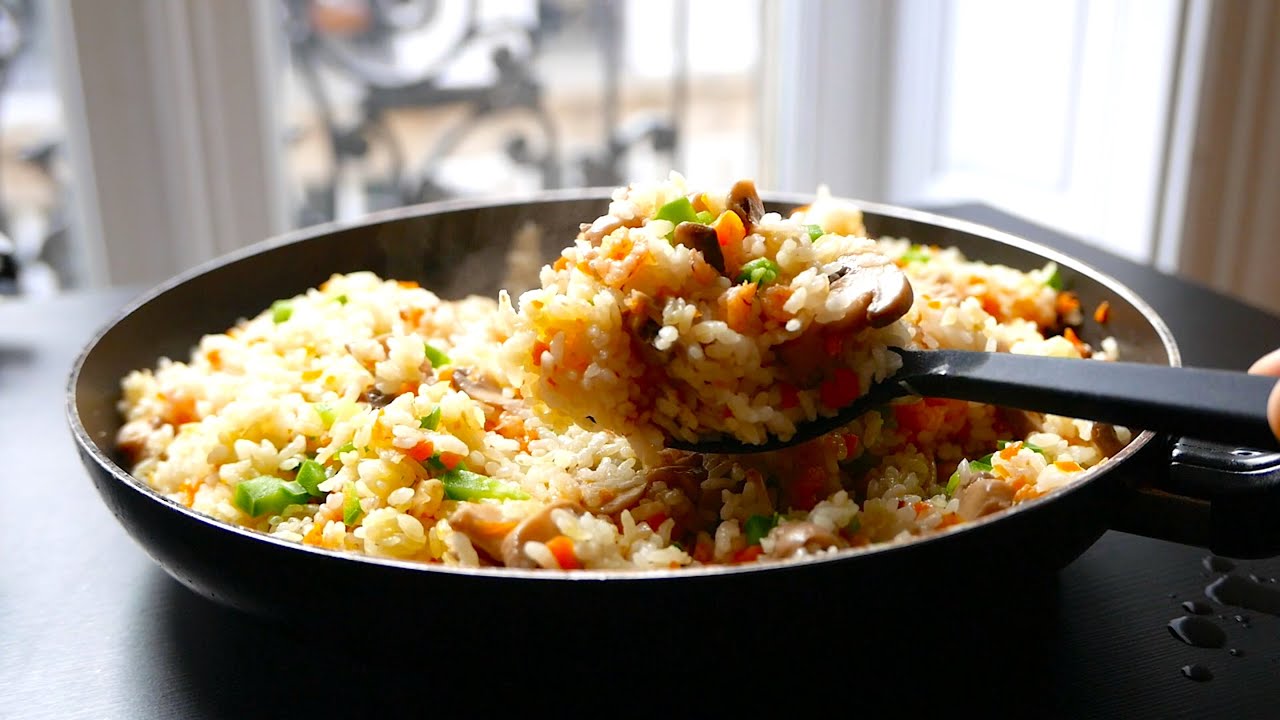
- Japanese Pilaf Recipe40 Minutes
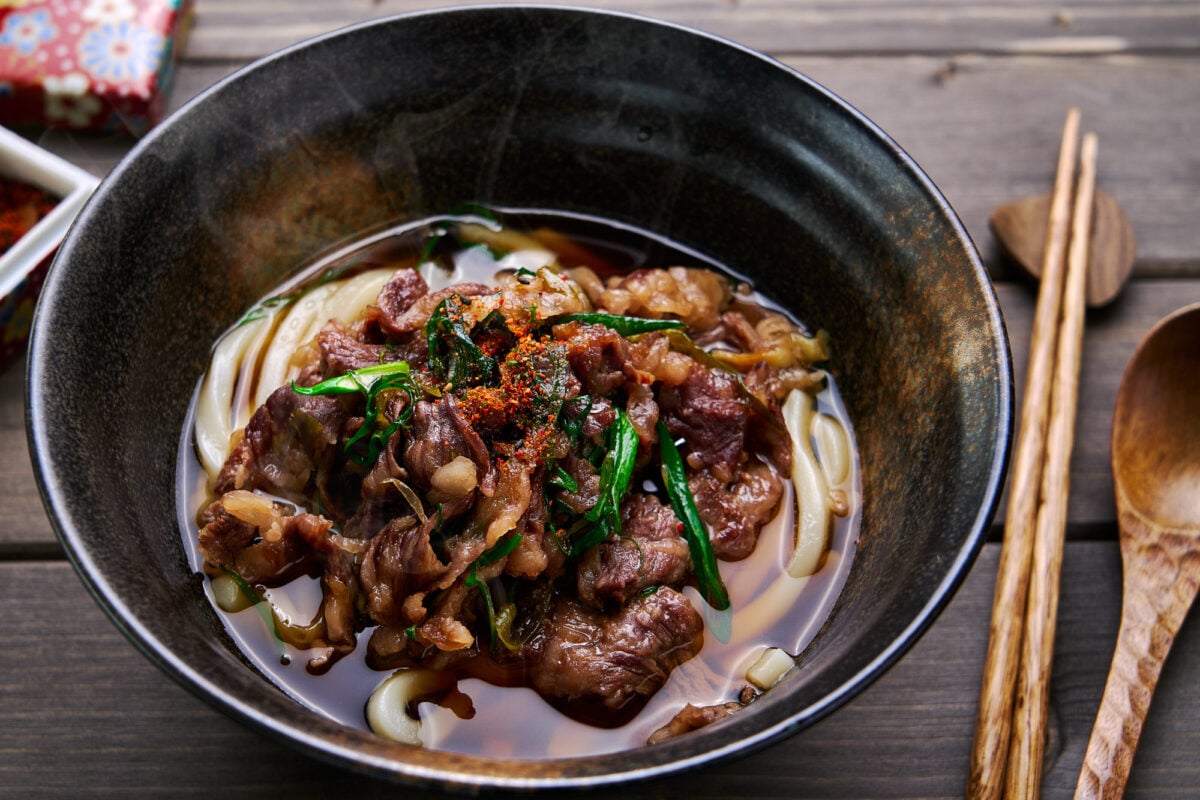
- Japanese Beef Udon Recipe35 Minutes
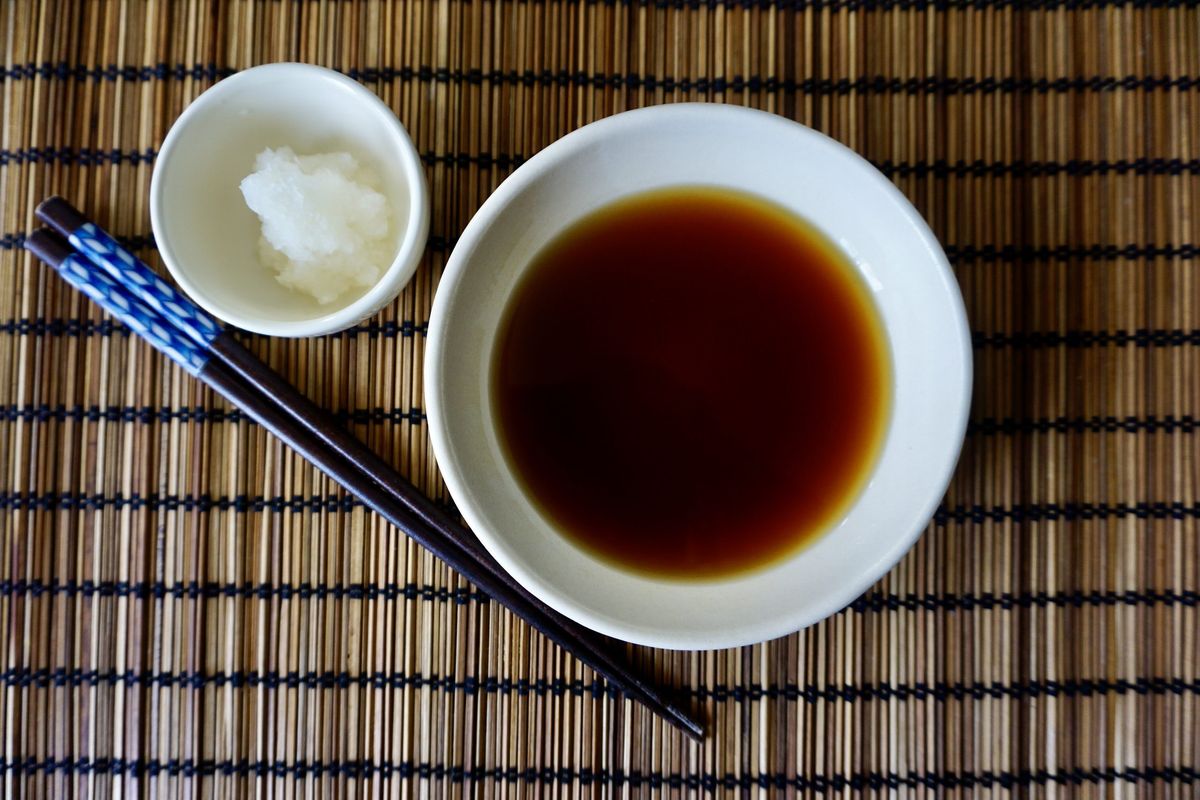
- Tempura Sauce (Tentsuyu) Recipe10 Minutes
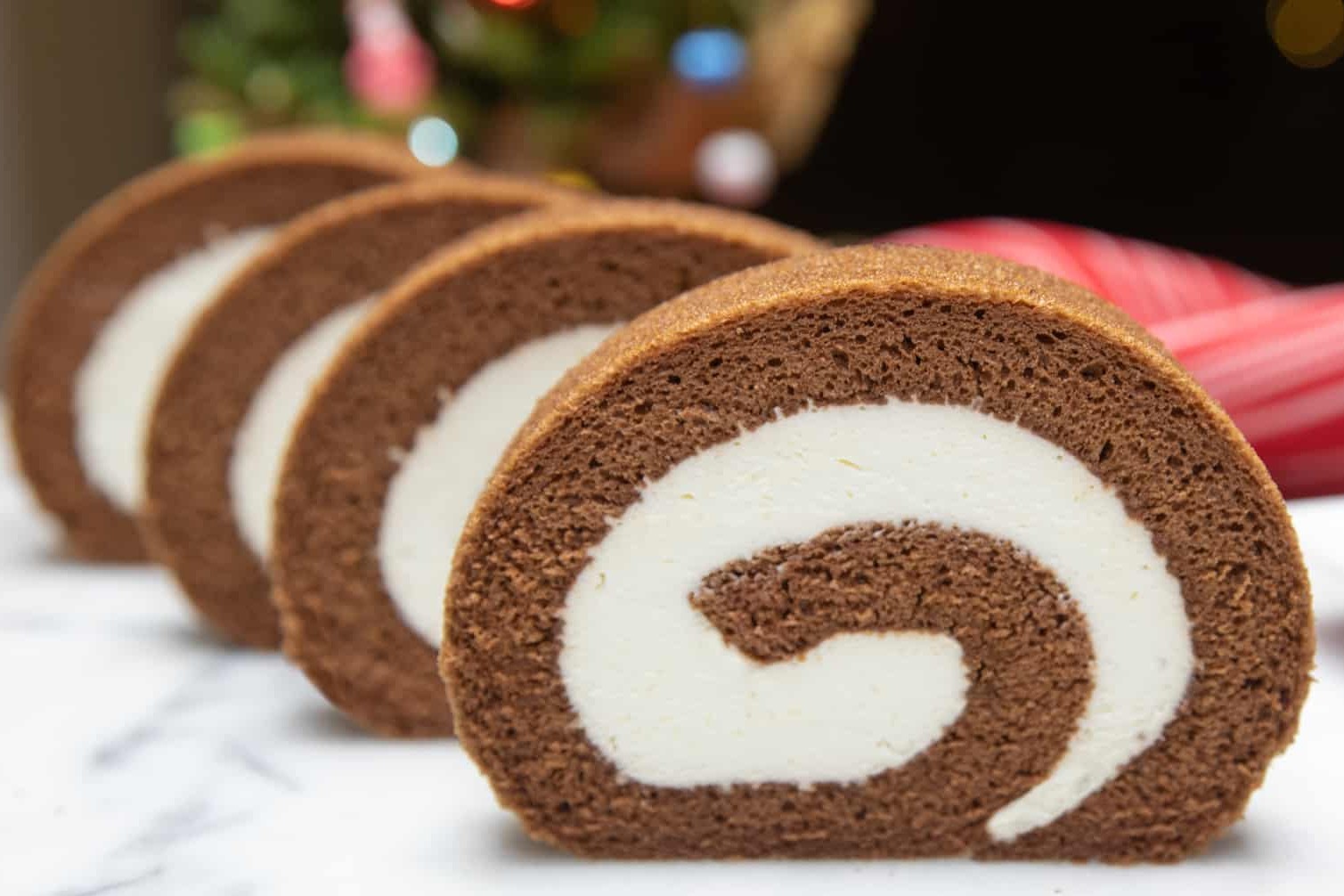
- Japanese Chocolate Cake Recipe50 Minutes
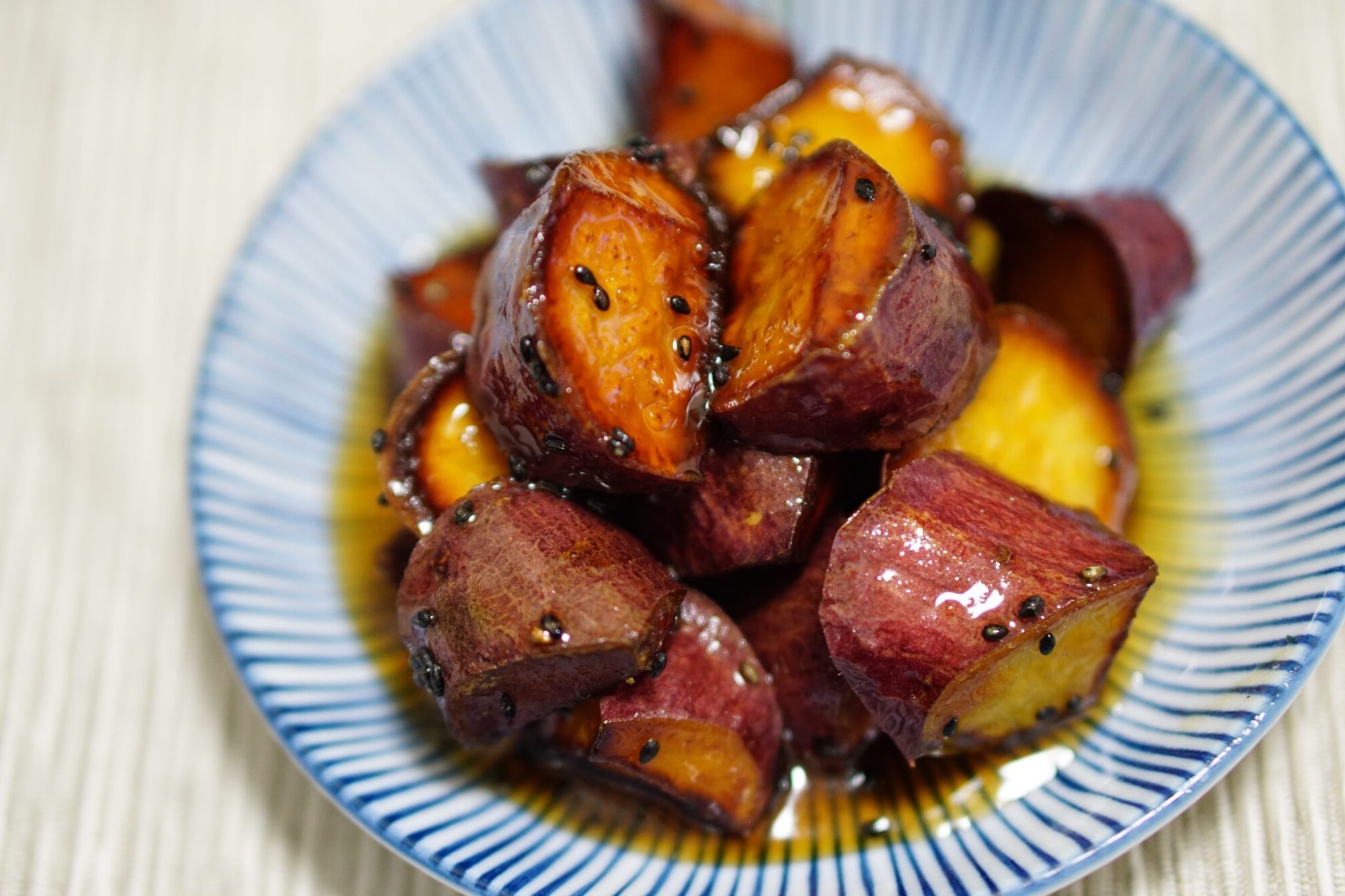
- Japanese Sweet Potato Recipe50 Minutes
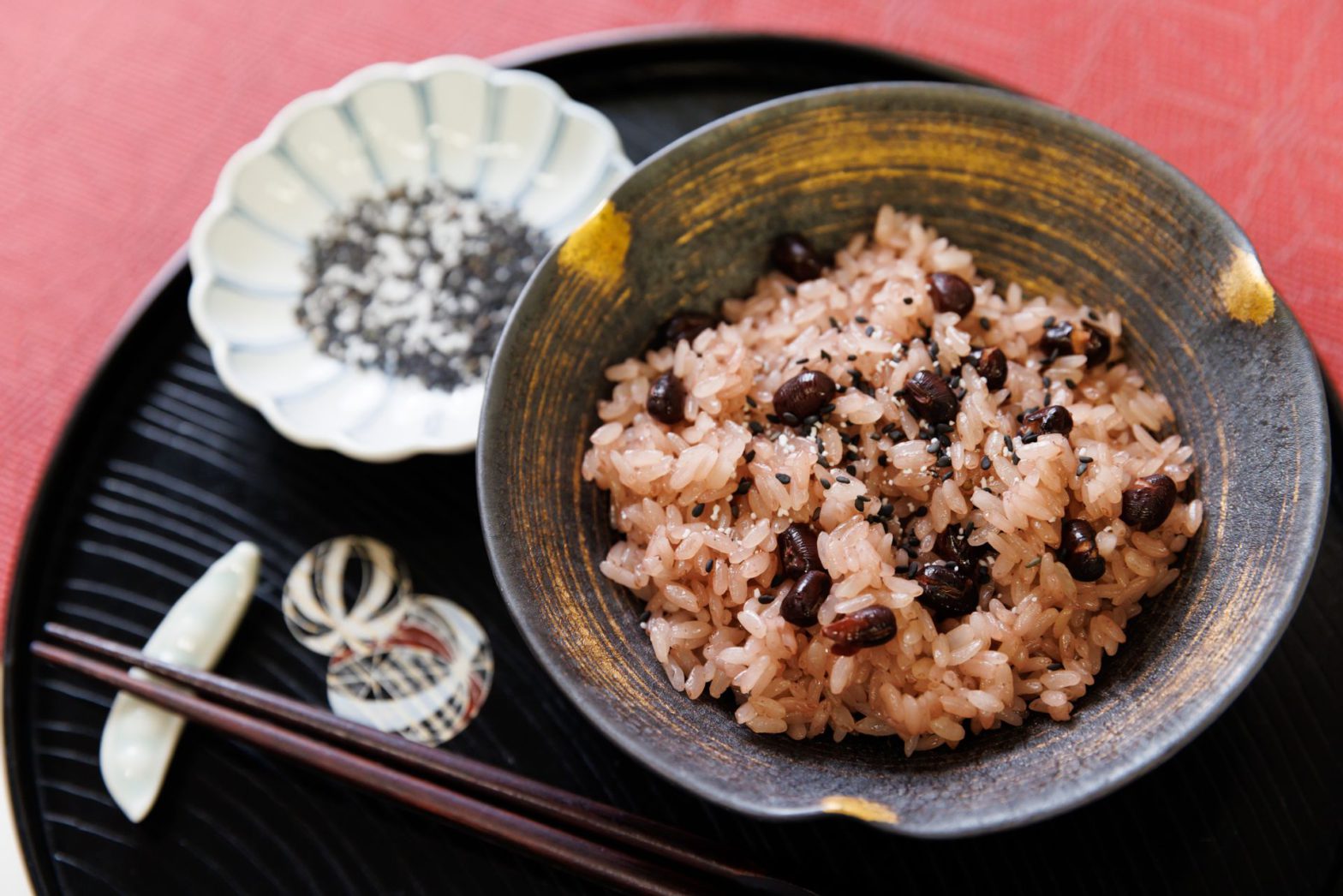
- Japanese Red Rice (Sekihan) Recipe50 Minutes
- Japanese Ginger Chicken Recipe35 Minutes
- Japanese Persimmon Recipe10 Minutes
Leave a Reply