
Experience the rich and savory flavors of Japanese cuisine with this delightful chicken marinade. Perfect for a quick weeknight dinner or a special weekend meal, this recipe brings together the umami of soy sauce and the sweetness of mirin to create a mouthwatering dish.
While most of the ingredients in this recipe are common pantry staples, mirin might be less familiar. This sweet Japanese rice wine is essential for authentic flavor. Look for it in the international aisle of your supermarket or at an Asian grocery store.

Ingredients for Japanese Chicken Marinade Recipe
Soy sauce: A salty and savory liquid made from fermented soybeans, essential for adding umami flavor.
Mirin: A sweet Japanese rice wine that balances the saltiness of soy sauce with its mild sweetness.
Sugar: Adds sweetness to the marinade, helping to caramelize the chicken during cooking.
Ginger: Freshly grated ginger adds a spicy and aromatic kick to the marinade.
Garlic: Minced garlic provides a robust and pungent flavor that complements the other ingredients.
Chicken thighs: Juicy and flavorful, chicken thighs are perfect for absorbing the marinade and grilling or baking to perfection.
Technique Tip for This Recipe
To enhance the flavor of the chicken thighs, consider scoring the skin with shallow cuts before marinating. This allows the marinade to penetrate deeper into the meat, ensuring a more flavorful and juicy result. Additionally, when grilling, start with the skin side down to render the fat and achieve a crispy texture.
Suggested Side Dishes
Alternative Ingredients
soy sauce - Substitute with tamari: Tamari is a gluten-free alternative that provides a similar umami flavor.
soy sauce - Substitute with coconut aminos: Coconut aminos are a soy-free and lower-sodium option that still offers a savory taste.
mirin - Substitute with sake and sugar: Combine ¼ cup sake with 1 teaspoon sugar to mimic the sweetness and acidity of mirin.
mirin - Substitute with rice vinegar and sugar: Mix ¼ cup rice vinegar with 1 tablespoon sugar to achieve a similar sweet and tangy profile.
sugar - Substitute with honey: Honey adds a natural sweetness and can enhance the overall flavor profile.
sugar - Substitute with maple syrup: Maple syrup provides a rich, sweet flavor that complements the marinade well.
grated ginger - Substitute with ground ginger: Use ¼ teaspoon ground ginger for every 1 tablespoon of fresh ginger to maintain the ginger flavor.
grated ginger - Substitute with galangal: Galangal offers a similar spicy and aromatic quality, though slightly more citrusy.
garlic - Substitute with garlic powder: Use ⅛ teaspoon garlic powder for each clove of garlic to retain the garlic essence.
garlic - Substitute with shallots: Minced shallots can provide a mild garlic flavor with a hint of sweetness.
chicken thighs - Substitute with chicken breasts: Chicken breasts are leaner and can be used if you prefer a lower-fat option.
chicken thighs - Substitute with pork tenderloin: Pork tenderloin offers a similar texture and can absorb the marinade flavors well.
Other Alternative Recipes Similar to This Dish
How to Store or Freeze This Recipe
To store the marinated chicken thighs in the refrigerator, place them in an airtight container or a resealable plastic bag. Ensure the container is sealed tightly to prevent any leaks or cross-contamination with other foods.
If you plan to freeze the marinated chicken, transfer the pieces along with the marinade into a freezer-safe bag or container. Squeeze out as much air as possible before sealing to maintain the quality and flavor.
Label the container or bag with the date of marination. This helps you keep track of how long the chicken has been stored.
For best results, use the refrigerated marinated chicken within 2-3 days. If frozen, it can be stored for up to 3 months without significant loss of flavor or texture.
When ready to cook, thaw the frozen marinated chicken in the refrigerator overnight. Avoid thawing at room temperature to prevent any bacterial growth.
Once thawed, cook the chicken as per the recipe instructions, ensuring it reaches an internal temperature of 165°F (75°C) for safe consumption.
If you have leftover cooked chicken, store it in an airtight container in the refrigerator for up to 3-4 days. Reheat thoroughly before serving.
For a quick meal prep, consider portioning the marinated chicken into individual servings before freezing. This allows you to defrost only what you need, reducing waste and saving time.
How to Reheat Leftovers
Oven Method:
- Preheat your oven to 350°F (175°C).
- Place the leftover chicken thighs on a baking sheet lined with aluminum foil.
- Cover the chicken with another piece of foil to prevent it from drying out.
- Heat for about 15-20 minutes, or until the chicken is warmed through.
- For a slightly crispy exterior, remove the top foil during the last 5 minutes of reheating.
Stovetop Method:
- Heat a non-stick skillet over medium heat.
- Add a small amount of olive oil or sesame oil to the pan.
- Place the leftover chicken thighs in the skillet.
- Cover the skillet with a lid to retain moisture.
- Heat for about 5-7 minutes, flipping halfway through, until the chicken is thoroughly warmed.
Microwave Method:
- Place the leftover chicken thighs on a microwave-safe plate.
- Cover the chicken with a microwave-safe lid or another plate to trap steam.
- Microwave on medium power for 2-3 minutes.
- Check the temperature and continue to heat in 30-second intervals until the chicken is hot.
Air Fryer Method:
- Preheat your air fryer to 350°F (175°C).
- Place the leftover chicken thighs in the air fryer basket in a single layer.
- Heat for about 5-7 minutes, shaking the basket halfway through, until the chicken is heated and slightly crispy.
Steaming Method:
- Set up a steamer basket over a pot of simmering water.
- Place the leftover chicken thighs in the steamer basket.
- Cover and steam for about 5-10 minutes, or until the chicken is thoroughly heated.
- This method helps retain moisture and keeps the chicken tender.
Best Tools for This Recipe
Mixing bowl: A large bowl used to combine the marinade ingredients thoroughly.
Whisk: A utensil used to mix the marinade until the sugar is fully dissolved.
Grater: A tool used to grate the ginger finely.
Garlic press: A device to mince the garlic cloves efficiently.
Tongs: Used to turn the chicken thighs while grilling or baking.
Grill: An outdoor cooking appliance for grilling the marinated chicken to achieve a smoky flavor.
Oven: An alternative to the grill for baking the chicken if preferred.
Baking sheet: A flat sheet used to place the chicken thighs on if baking in the oven.
Meat thermometer: A tool to check if the chicken is fully cooked by measuring its internal temperature.
Serving platter: A dish to present the cooked chicken thighs attractively.
How to Save Time on Making This Recipe
Prepare the marinade in advance: Mix the soy sauce, mirin, sugar, ginger, and garlic the night before to save time on busy days.
Use a ziplock bag: Marinate the chicken thighs in a ziplock bag for even coating and easy cleanup.
Preheat the grill or oven: Start preheating while the chicken is marinating to reduce waiting time.
Batch cook: Double the recipe and cook extra chicken for quick meals throughout the week.
Use a meat thermometer: Ensure the chicken is fully cooked without overcooking by using a meat thermometer.
Japanese Chicken Marinade Recipe
Ingredients
Marinade
- ½ cup Soy Sauce
- ¼ cup Mirin
- 2 tablespoon Sugar
- 1 tablespoon Grated Ginger
- 2 cloves Garlic, minced
- 4 pieces Chicken Thighs
Instructions
- In a mixing bowl, combine soy sauce, mirin, sugar, grated ginger, and minced garlic. Whisk until sugar is dissolved.
- Add chicken thighs to the marinade, ensuring they are well coated. Marinate for at least 30 minutes or up to overnight in the refrigerator.
- Preheat grill or oven to medium-high heat. Grill or bake chicken for 20 minutes, turning halfway, until fully cooked and slightly charred.
- Serve hot with your choice of sides.
Nutritional Value
Keywords
Suggested Appetizers and Desserts for This Recipe
More Amazing Recipes to Try 🙂
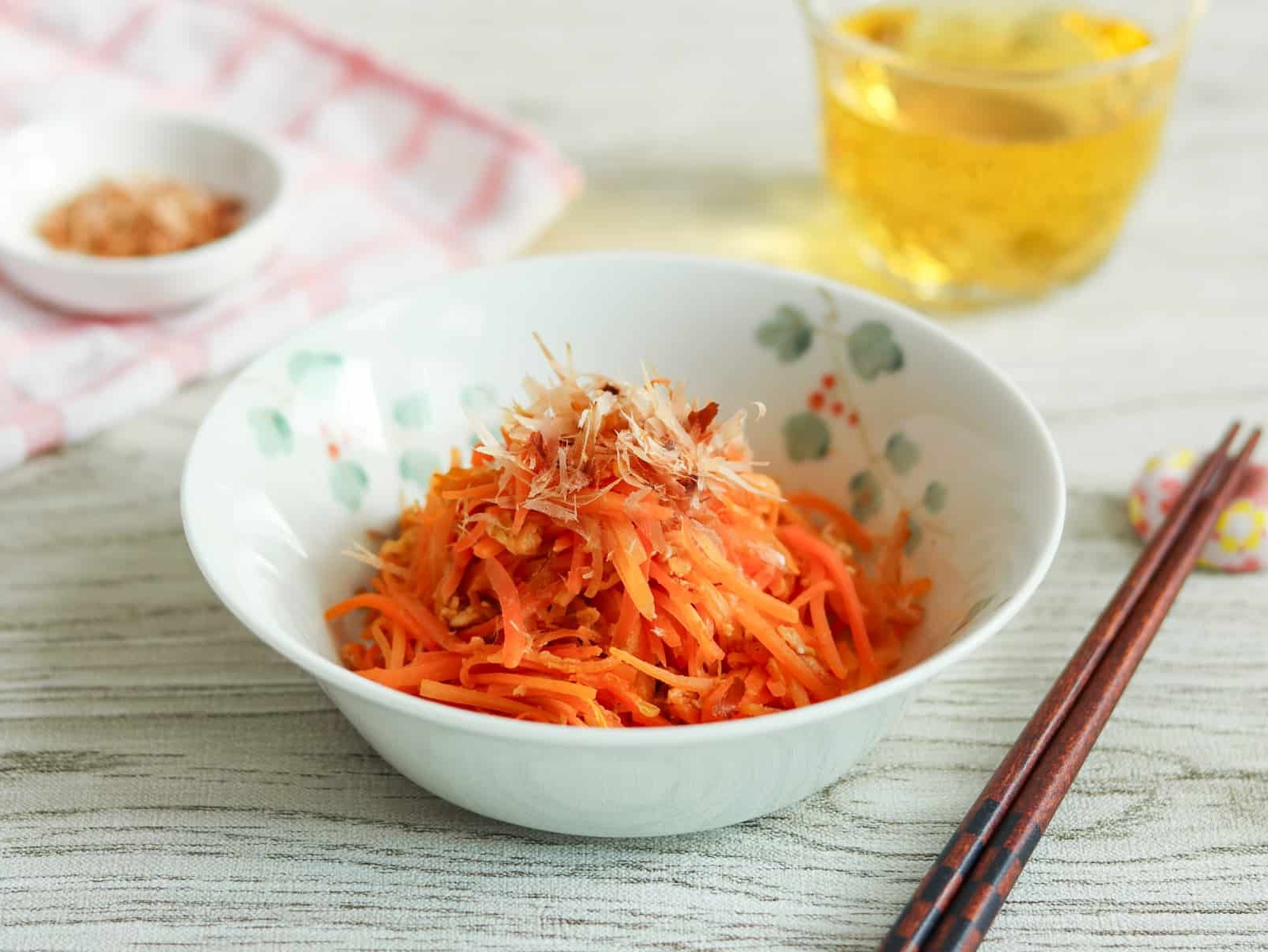
- Japanese Carrot Recipe30 Minutes
- Japanese Rice Cake (Mochi) Recipe20 Minutes
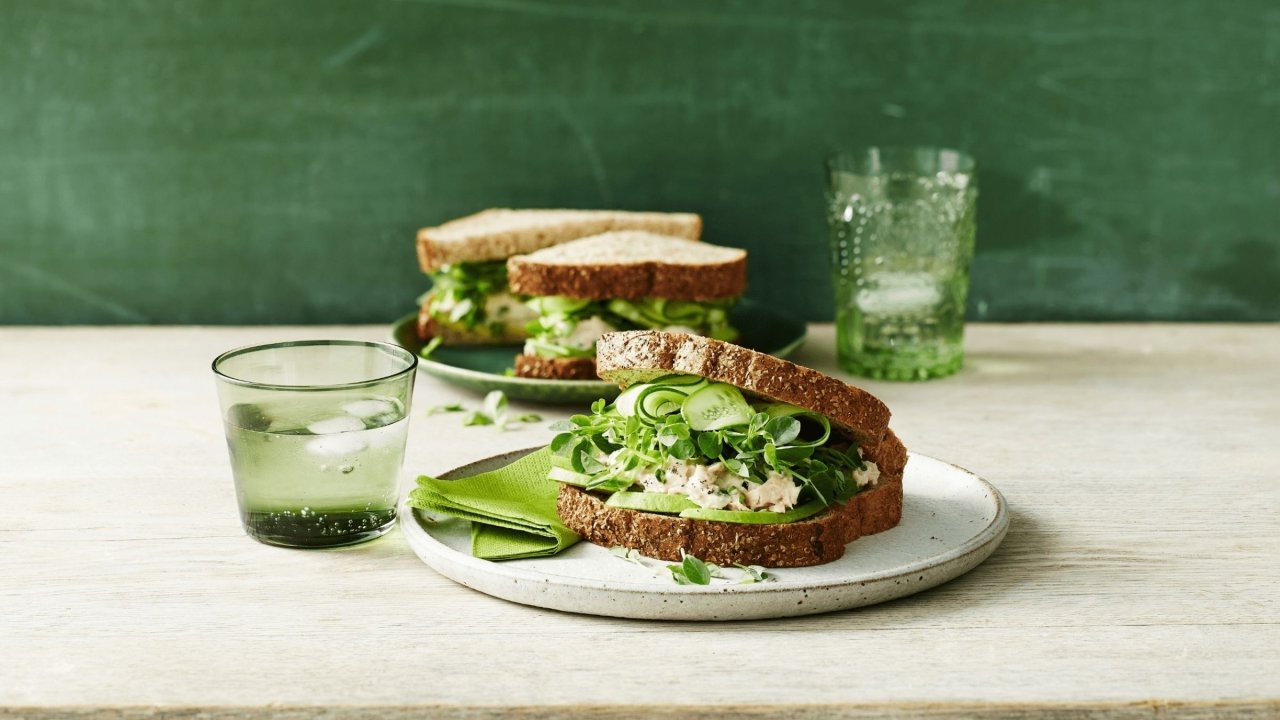
- Japanese Tuna Sandwich Recipe10 Minutes
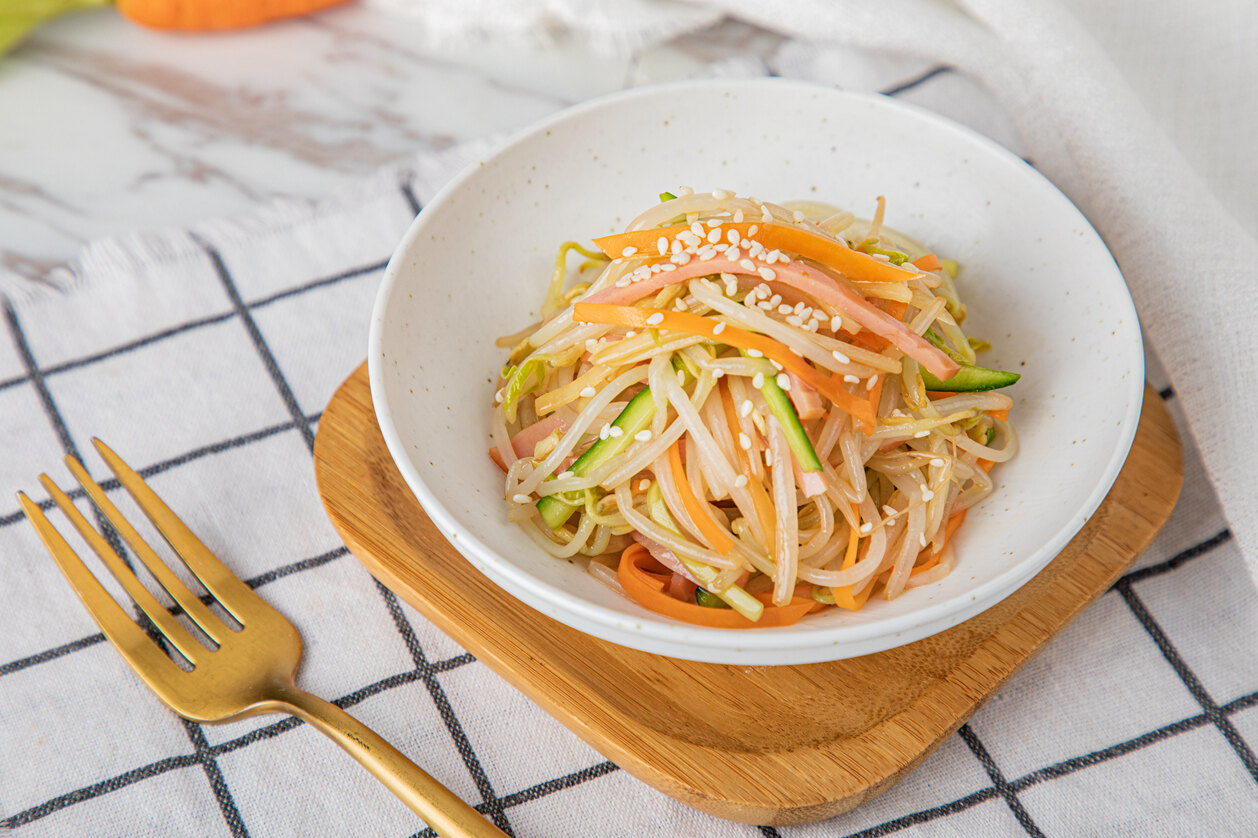
- Japanese Bean Sprout Recipe15 Minutes
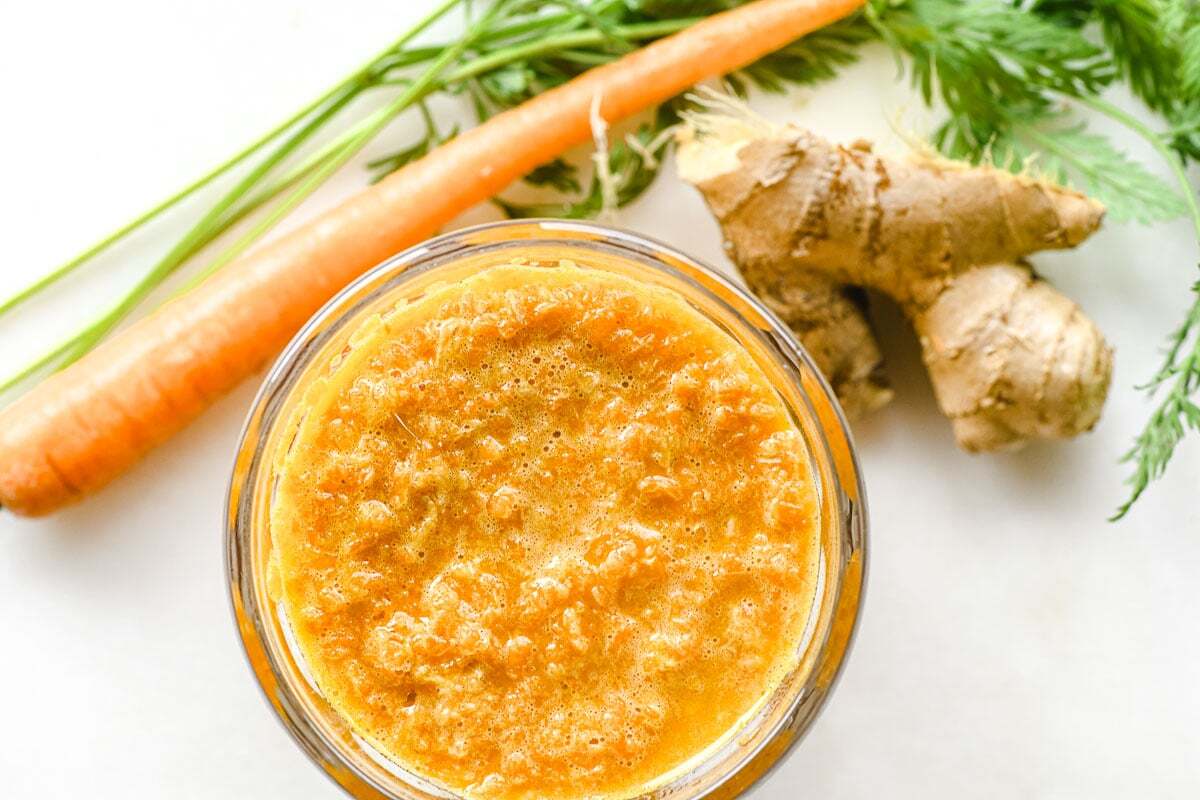
- Japanese Carrot Ginger Dressing Recipe10 Minutes
- Japanese Tofu Steak Recipe25 Minutes
- Japanese Turkey Recipe1 Hours 20 Minutes
- Japanese Shaved Ice (Kakigori) Recipe10 Minutes

Leave a Reply