
This delightful Japanese seaweed rice is a perfect blend of umami flavors and textures. It's a simple yet flavorful dish that pairs well with a variety of main courses or can be enjoyed on its own. The combination of nori, soy sauce, and sesame seeds gives the rice a unique taste that is both savory and slightly sweet.
Some of the ingredients in this recipe might not be commonly found in every household. Nori, a type of seaweed, is often used in Japanese cuisine and can be found in the international aisle of most supermarkets. Rice vinegar is another essential ingredient that adds a subtle tangy flavor to the dish. Make sure to check the Asian food section for these items.
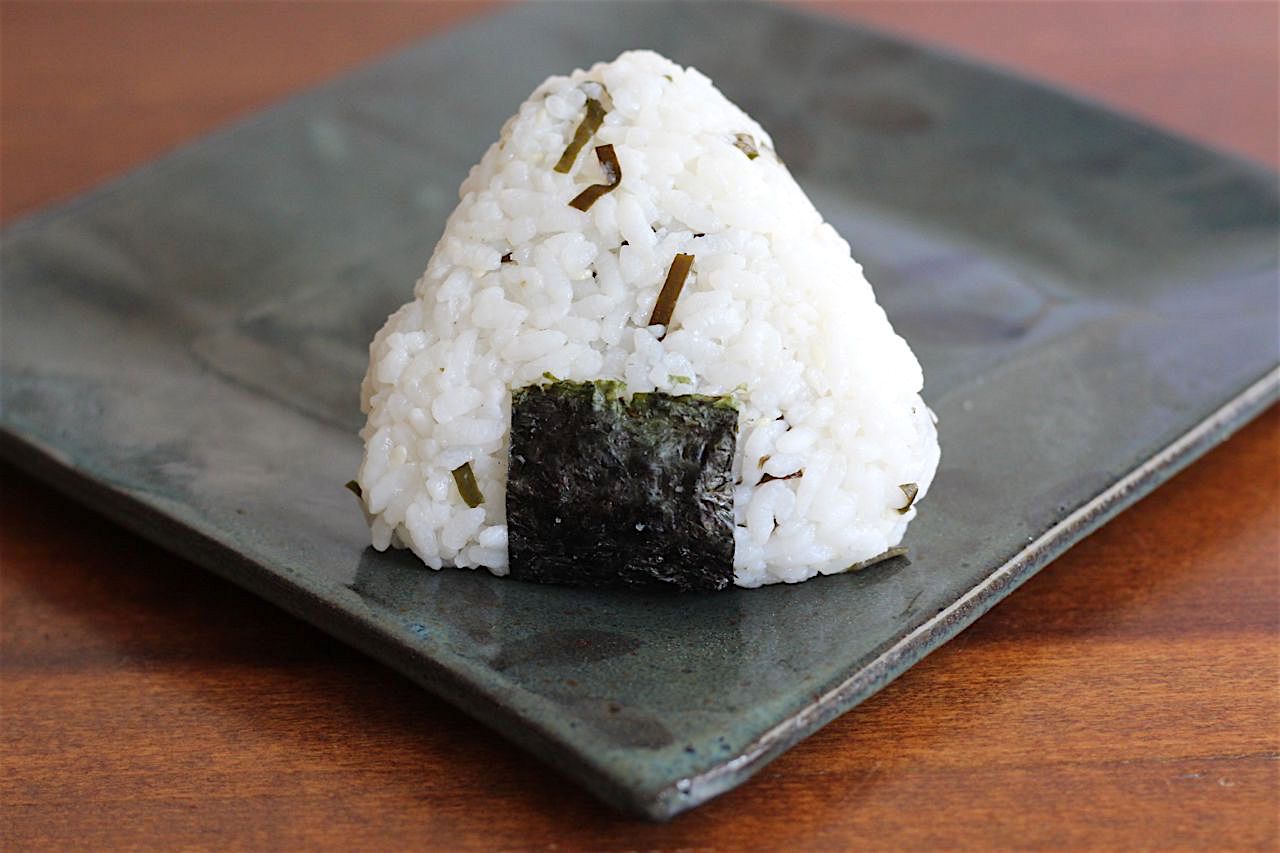
Ingredients For Japanese Seaweed Rice Recipe
Short-grain rice: This type of rice is essential for achieving the right texture and stickiness typical of Japanese rice dishes.
Water: Used to cook the rice, ensuring it becomes tender and fluffy.
Nori: A type of seaweed that adds a unique umami flavor and slight crunch to the rice.
Soy sauce: Provides a savory and salty flavor that enhances the overall taste of the dish.
Rice vinegar: Adds a subtle tangy flavor that balances the saltiness of the soy sauce.
Sugar: A small amount of sugar helps to balance the flavors and add a hint of sweetness.
Salt: Enhances the overall flavor of the dish.
Sesame seeds: Adds a nutty flavor and a bit of crunch to the rice.
Technique Tip for This Recipe
When preparing short-grain rice, make sure to rinse it thoroughly under cold water until the water runs clear. This step removes excess starch and prevents the rice from becoming too sticky. Additionally, when cutting the nori into small pieces, use kitchen scissors for a cleaner cut and easier incorporation into the rice. Finally, toasting the sesame seeds lightly in a dry pan before adding them to the rice can enhance their nutty flavor and add a delightful crunch to the dish.
Suggested Side Dishes
Alternative Ingredients
short-grain rice - Substitute with sushi rice: Sushi rice is another type of short-grain rice that has a similar sticky texture, making it a perfect substitute.
short-grain rice - Substitute with arborio rice: Arborio rice, commonly used in risotto, has a similar starchy quality and can mimic the texture of short-grain rice.
water - Substitute with vegetable broth: Using vegetable broth can add a depth of flavor to the rice, enhancing the overall taste of the dish.
nori (seaweed) - Substitute with wakame: Wakame is another type of seaweed that has a similar umami flavor and can be used in place of nori.
nori (seaweed) - Substitute with dulse: Dulse is a red seaweed that has a slightly different flavor but can still provide the seaweed taste and texture.
soy sauce - Substitute with tamari: Tamari is a gluten-free alternative to soy sauce with a similar flavor profile.
soy sauce - Substitute with coconut aminos: Coconut aminos is a soy-free alternative that has a slightly sweeter taste but can still provide the umami flavor.
rice vinegar - Substitute with apple cider vinegar: Apple cider vinegar has a similar acidity and can be used in place of rice vinegar.
rice vinegar - Substitute with white wine vinegar: White wine vinegar has a comparable acidity and can be used as a substitute for rice vinegar.
sugar - Substitute with honey: Honey can provide the sweetness needed, though it will add a slightly different flavor.
sugar - Substitute with maple syrup: Maple syrup can also add sweetness with a unique flavor twist.
salt - Substitute with sea salt: Sea salt can be used as a direct substitute for regular salt, providing a similar taste.
salt - Substitute with kosher salt: Kosher salt can be used in place of regular salt, though you may need to adjust the quantity slightly.
sesame seeds - Substitute with chia seeds: Chia seeds can provide a similar crunch and nutritional benefits.
sesame seeds - Substitute with flax seeds: Flax seeds can also add a similar texture and nutritional value to the dish.
Alternative Recipes Similar to This Dish
How to Store or Freeze This Dish
Allow the Japanese Seaweed Rice to cool to room temperature before storing. This prevents condensation, which can make the rice soggy.
Transfer the cooled rice into an airtight container. Ensure the container is clean and dry to maintain the rice's freshness.
For short-term storage, place the container in the refrigerator. The rice will stay fresh for up to 3-4 days.
If you plan to store the rice for a longer period, consider freezing it. Divide the rice into individual portions using freezer-safe bags or containers. This makes reheating easier and prevents waste.
Label each container or bag with the date of storage. This helps you keep track of how long the rice has been stored.
When freezing, try to remove as much air as possible from the bags to prevent freezer burn. Flatten the bags to save space and ensure even freezing.
To reheat refrigerated rice, sprinkle a few drops of water over it and microwave it for 1-2 minutes. This helps to rehydrate the rice and restore its texture.
For frozen rice, thaw it in the refrigerator overnight or use the microwave's defrost setting. Once thawed, reheat it as you would refrigerated rice.
If you prefer, you can also reheat the rice on the stovetop. Place the rice in a pan with a splash of water or broth, cover, and heat over low heat until warmed through.
Avoid reheating the rice multiple times, as this can affect its texture and flavor. Reheat only the amount you plan to consume.
How to Reheat Leftovers
Stovetop Method:
- Place the leftover Japanese seaweed rice in a non-stick skillet.
- Add a splash of water or broth to help rehydrate the rice.
- Cover the skillet with a lid and heat over medium-low heat.
- Stir occasionally to ensure even heating.
- Once the rice is heated through, remove from heat and serve immediately.
Microwave Method:
- Transfer the Japanese seaweed rice to a microwave-safe bowl.
- Sprinkle a few drops of water over the rice to add moisture.
- Cover the bowl with a microwave-safe lid or a damp paper towel.
- Microwave on medium power for 1-2 minutes, stirring halfway through.
- Check if the rice is heated evenly; if not, continue microwaving in 30-second intervals.
Steamer Method:
- Place the leftover Japanese seaweed rice in a heatproof dish.
- Set up a steamer basket over a pot of simmering water.
- Place the dish in the steamer basket and cover with a lid.
- Steam for about 5-7 minutes or until the rice is thoroughly heated.
- Carefully remove the dish from the steamer and serve.
Oven Method:
- Preheat your oven to 300°F (150°C).
- Spread the Japanese seaweed rice evenly in an oven-safe dish.
- Add a few tablespoons of water or broth to keep the rice moist.
- Cover the dish with aluminum foil to trap the steam.
- Bake for about 15-20 minutes, stirring halfway through.
- Once heated, remove from the oven and serve immediately.
Best Tools for This Recipe
Pot: Used to cook the rice by combining it with water and bringing it to a boil.
Lid: Covers the pot to allow the rice to simmer and cook evenly.
Mixing bowl: Used to combine the soy sauce, rice vinegar, sugar, and salt.
Fork: Fluffs the cooked rice to separate the grains before mixing in the seasoning.
Knife: Cuts the nori sheet into small pieces.
Measuring cups: Measures the rice and water accurately.
Measuring spoons: Measures the soy sauce, rice vinegar, sugar, salt, and sesame seeds accurately.
Strainer: Rinses the rice under cold water until the water runs clear.
How to Save Time on Making This Recipe
Rinse efficiently: Use a fine-mesh strainer to rinse the rice quickly and thoroughly.
Pre-mix sauce: Combine soy sauce, rice vinegar, sugar, and salt while the rice cooks.
Use a rice cooker: A rice cooker can save time and ensure perfectly cooked rice.
Pre-cut nori: Cut the nori into small pieces before starting the recipe.
Toast sesame seeds: Toast sesame seeds in advance and store them in an airtight container.
Japanese Seaweed Rice Recipe
Ingredients
Main Ingredients
- 2 cups short-grain rice
- 2 ½ cups water
- 1 sheet nori (seaweed), cut into small pieces
- 2 tablespoons soy sauce
- 1 tablespoon rice vinegar
- 1 teaspoon sugar
- ½ teaspoon salt
- 1 tablespoon sesame seeds
Instructions
- Rinse the rice under cold water until the water runs clear.
- Combine rice and water in a pot, bring to a boil.
- Reduce heat, cover, and simmer for 20 minutes.
- In a mixing bowl, combine soy sauce, rice vinegar, sugar, and salt.
- Once rice is cooked, let it sit covered for 10 minutes.
- Fluff the rice with a fork, then stir in the soy sauce mixture.
- Add nori pieces and sesame seeds, mix well.
Nutritional Value
Keywords
More Amazing Recipes to Try 🙂
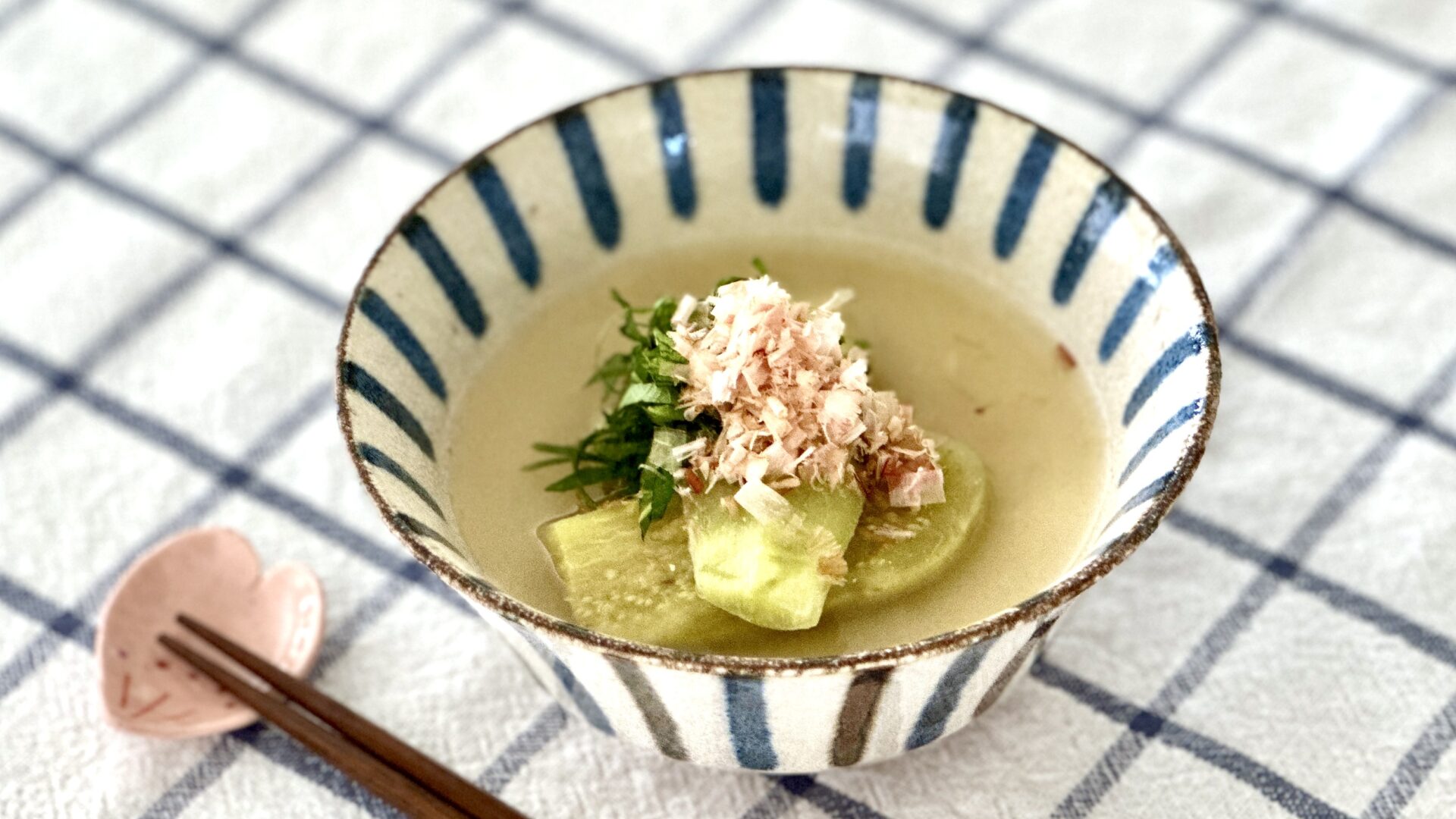
- Japanese Cold Soup Recipe25 Minutes
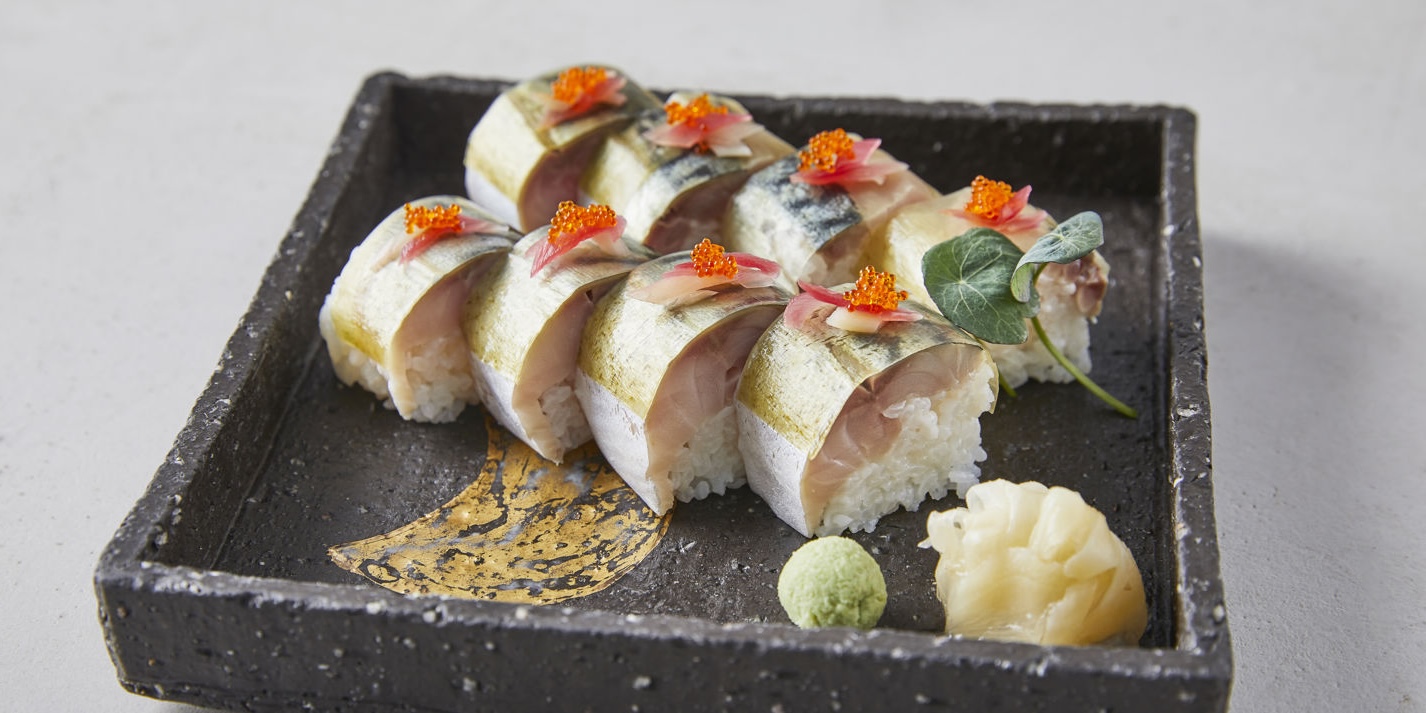
- Japanese Mackerel Sushi Recipe30 Minutes
- Japanese Crab Omelette Recipe20 Minutes
- Japanese Fried Shrimp Recipe25 Minutes
- Japanese White Bread Recipe50 Minutes
- Japanese Kale Salad Recipe15 Minutes
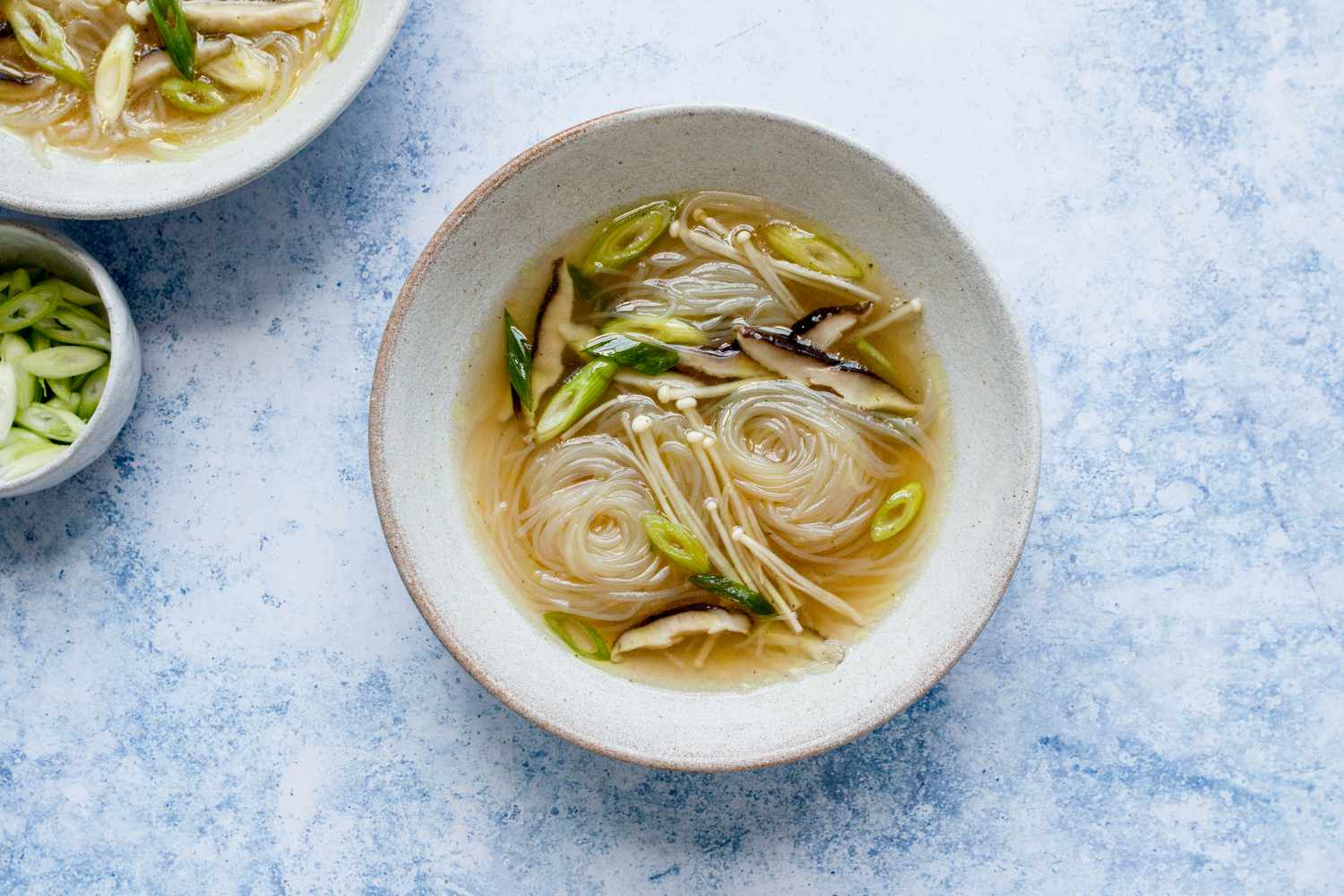
- Japanese Shiitake Mushroom Soup Recipe30 Minutes
- Japanese Chili Crisp Recipe30 Minutes








Leave a Reply