This comforting Japanese stew is a perfect blend of tender beef, hearty vegetables, and a savory broth. It's a dish that warms the soul and brings a taste of Japan to your dinner table. Ideal for a cozy night in, this stew is both satisfying and flavorful.
Some ingredients in this recipe might not be staples in every kitchen. Mirin is a sweet rice wine used in Japanese cooking, and it adds a subtle sweetness and depth to the dish. If you don't have beef broth, you can substitute it with a good quality chicken broth or even vegetable broth. Make sure to check the international aisle at your supermarket for these items.
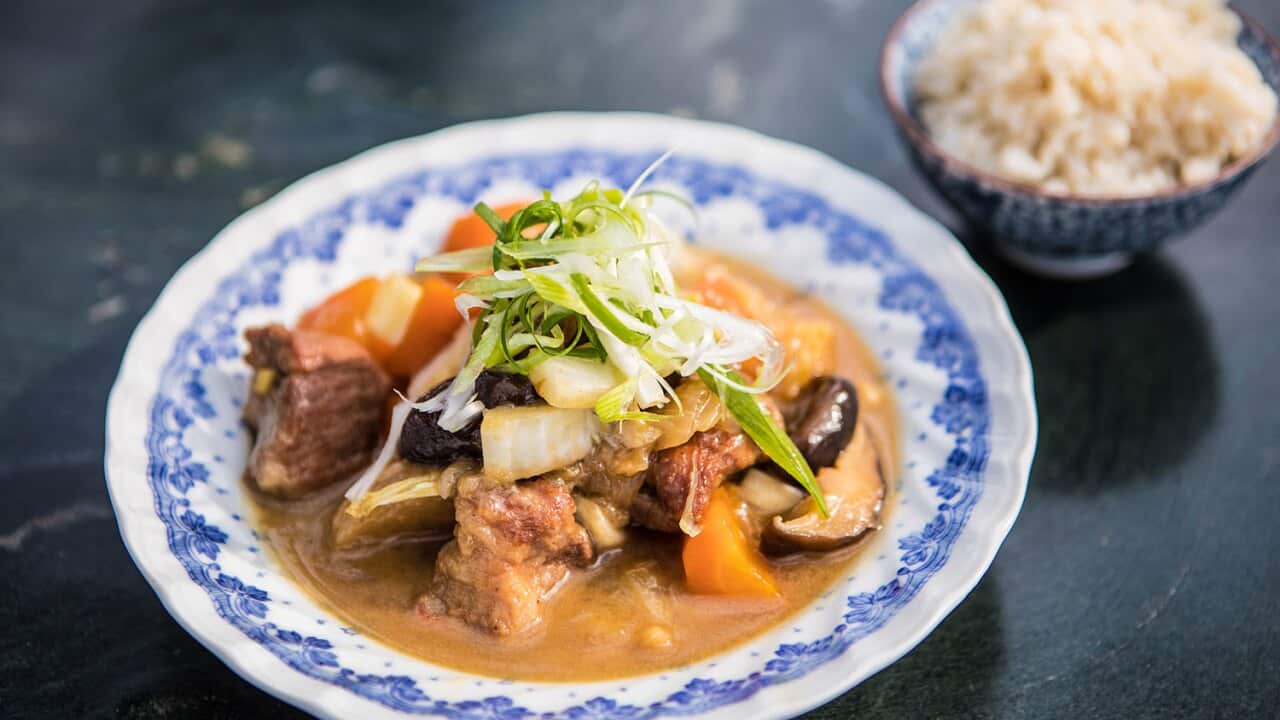
Ingredients For Japanese Stew Recipe
Beef: Cut into chunks, this is the main protein of the stew, providing a rich and hearty flavor.
Carrots: Sliced, these add a natural sweetness and vibrant color to the stew.
Potatoes: Cubed, they make the stew more filling and add a comforting texture.
Onion: Chopped, it adds a savory base flavor to the dish.
Beef broth: This forms the base of the stew, adding depth and richness.
Soy sauce: Adds umami and saltiness, enhancing the overall flavor.
Sugar: Balances the savory elements with a touch of sweetness.
Mirin: A sweet rice wine that adds complexity and a subtle sweetness to the stew.
Technique Tip for This Recipe
When browning the beef chunks, make sure not to overcrowd the pot. Overcrowding can cause the meat to steam rather than brown, which affects the flavor. Brown the beef in batches if necessary to ensure each piece gets a nice sear. This step is crucial for developing a rich, deep flavor in your Japanese stew.
Suggested Side Dishes
Alternative Ingredients
beef - Substitute with chicken: Chicken is a lighter protein and can absorb the flavors of the stew similarly to beef.
beef - Substitute with tofu: Tofu is a great vegetarian option that can take on the flavors of the stew while providing a similar texture.
carrots - Substitute with parsnips: Parsnips have a similar sweetness and texture to carrots, making them a good alternative.
carrots - Substitute with sweet potatoes: Sweet potatoes add a different kind of sweetness and a slightly different texture but work well in stews.
potatoes - Substitute with turnips: Turnips have a similar texture to potatoes and can hold up well in a stew.
potatoes - Substitute with cauliflower: Cauliflower can provide a similar texture and absorb the flavors of the stew.
onion - Substitute with leeks: Leeks have a milder flavor but can provide a similar texture and depth to the stew.
onion - Substitute with shallots: Shallots have a slightly sweeter and more delicate flavor compared to onions.
beef broth - Substitute with chicken broth: Chicken broth is lighter but can still provide a rich flavor base for the stew.
beef broth - Substitute with vegetable broth: Vegetable broth is a good vegetarian option that can still add depth to the stew.
soy sauce - Substitute with tamari: Tamari is a gluten-free alternative to soy sauce with a similar flavor profile.
soy sauce - Substitute with coconut aminos: Coconut aminos are a soy-free alternative that provides a similar umami flavor.
sugar - Substitute with honey: Honey can provide a similar sweetness with a slightly different flavor profile.
sugar - Substitute with maple syrup: Maple syrup adds a natural sweetness and a unique flavor to the stew.
mirin - Substitute with sake: Sake can provide a similar sweetness and depth of flavor as mirin.
mirin - Substitute with rice vinegar with a bit of sugar: This combination can mimic the sweet and tangy flavor of mirin.
Other Alternative Recipes Similar to This Dish
How to Store or Freeze This Dish
Allow the Japanese stew to cool completely before storing. This helps prevent condensation, which can lead to a watery stew.
Transfer the cooled stew into airtight containers. For optimal freshness, use containers that are the right size to minimize air space.
Label each container with the date of preparation. This ensures you keep track of how long the stew has been stored.
Store the containers in the refrigerator if you plan to consume the stew within 3-4 days. The cold environment will keep the beef and vegetables fresh.
For longer storage, place the containers in the freezer. The Japanese stew can be frozen for up to 3 months without losing its flavor and texture.
When ready to reheat, thaw the stew in the refrigerator overnight if it was frozen. This gradual thawing helps maintain the integrity of the ingredients.
Reheat the stew on the stovetop over medium heat, stirring occasionally to ensure even heating. Add a splash of beef broth if the stew appears too thick.
Alternatively, you can reheat individual portions in the microwave. Use a microwave-safe container and heat on medium power, stirring halfway through to ensure even warming.
If you notice any off smells or changes in texture, discard the stew. Freshness is key to enjoying the full flavors of this Japanese dish.
How to Reheat Leftovers
For stovetop reheating:
- Place the leftover Japanese stew in a pot.
- Add a splash of beef broth or water to prevent it from drying out.
- Heat over medium-low heat, stirring occasionally, until the beef and vegetables are heated through.
For microwave reheating:
- Transfer the Japanese stew to a microwave-safe bowl.
- Cover the bowl with a microwave-safe lid or plastic wrap, leaving a small vent for steam to escape.
- Heat on high for 2-3 minutes, stirring halfway through, until the stew is hot.
For oven reheating:
- Preheat your oven to 350°F (175°C).
- Place the Japanese stew in an oven-safe dish and cover with aluminum foil.
- Bake for 20-30 minutes, or until the stew is thoroughly heated.
For slow cooker reheating:
- Transfer the Japanese stew to your slow cooker.
- Set the slow cooker to the low setting.
- Heat for 1-2 hours, stirring occasionally, until the stew is hot and ready to serve.
Best Tools for This Recipe
Pot: A large pot is essential for cooking the stew, allowing enough space for all the ingredients to simmer together.
Knife: A sharp knife is needed to chop the beef, slice the carrots, cube the potatoes, and chop the onion.
Cutting board: A sturdy cutting board provides a safe surface for preparing the vegetables and meat.
Wooden spoon: A wooden spoon is useful for stirring the ingredients without scratching the pot.
Measuring cups: Measuring cups are necessary to accurately measure the beef broth.
Measuring spoons: Measuring spoons are used to measure the soy sauce, sugar, and mirin precisely.
Oil dispenser: An oil dispenser helps to add a bit of oil to the pot for browning the beef.
Stove: A stove is required to heat the pot and cook the stew.
Ladle: A ladle is useful for serving the hot stew into bowls.
How to Save Time on This Recipe
Prepare ingredients in advance: Chop the onion, slice the carrots, and cube the potatoes the night before to save time.
Use a pressure cooker: Cut down the cooking time by using a pressure cooker instead of simmering for 45 minutes.
Pre-brown the beef: Brown the beef chunks in advance and store them in the fridge until ready to use.
Batch cook: Double the recipe and freeze half for a quick meal later.
Instant broth: Use pre-made beef broth to skip the step of making it from scratch.
Japanese Stew Recipe
Ingredients
Main Ingredients
- 500 g Beef cut into chunks
- 2 Carrots sliced
- 2 Potatoes cubed
- 1 Onion chopped
- 3 cups Beef Broth
- 2 tablespoon Soy Sauce
- 1 tablespoon Sugar
- 1 tablespoon Mirin
Instructions
- 1. Heat the pot over medium heat and add a bit of oil.
- 2. Brown the beef chunks on all sides.
- 3. Add the onions and cook until translucent.
- 4. Add the carrots and potatoes, and stir well.
- 5. Pour in the beef broth, soy sauce, sugar, and mirin.
- 6. Bring to a boil, then reduce heat and simmer for 45 minutes.
- 7. Serve hot and enjoy!
Nutritional Value
Keywords
Suggested Appetizers and Desserts
More Amazing Recipes to Try 🙂
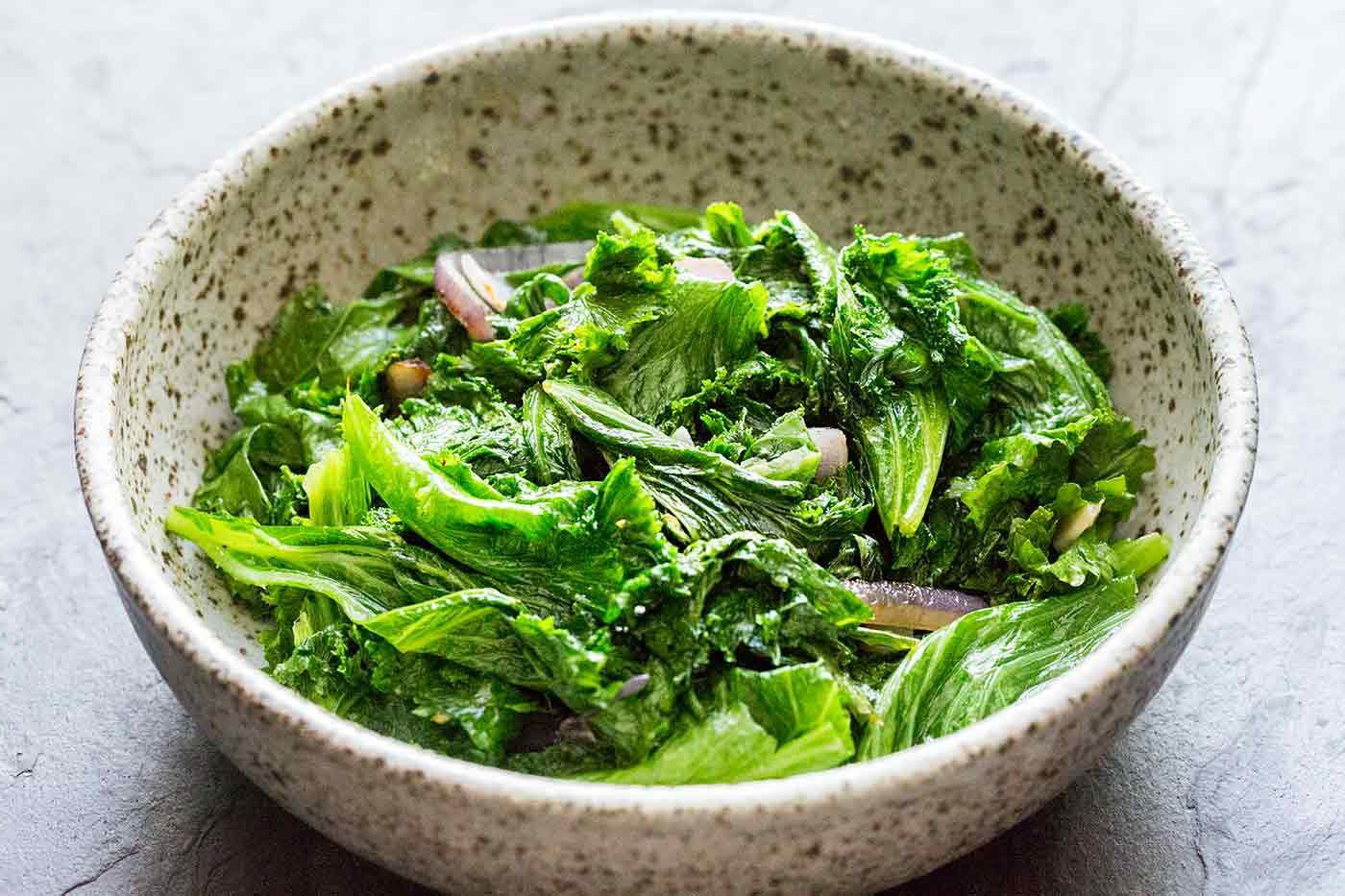
- Japanese Mustard Green Recipe25 Minutes
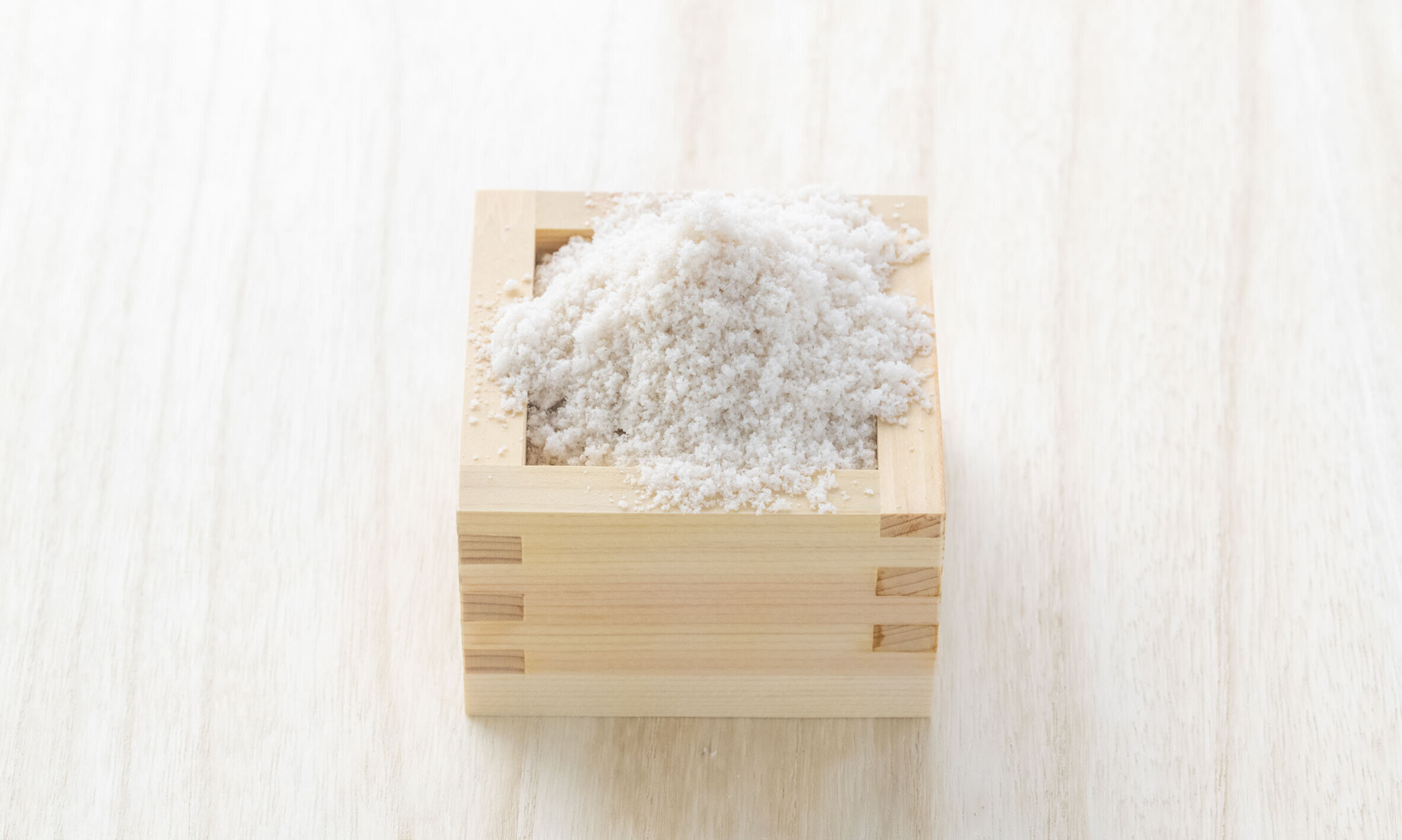
- Japanese Sea Salt Recipe40 Minutes
- Japanese Mapo Tofu Recipe35 Minutes
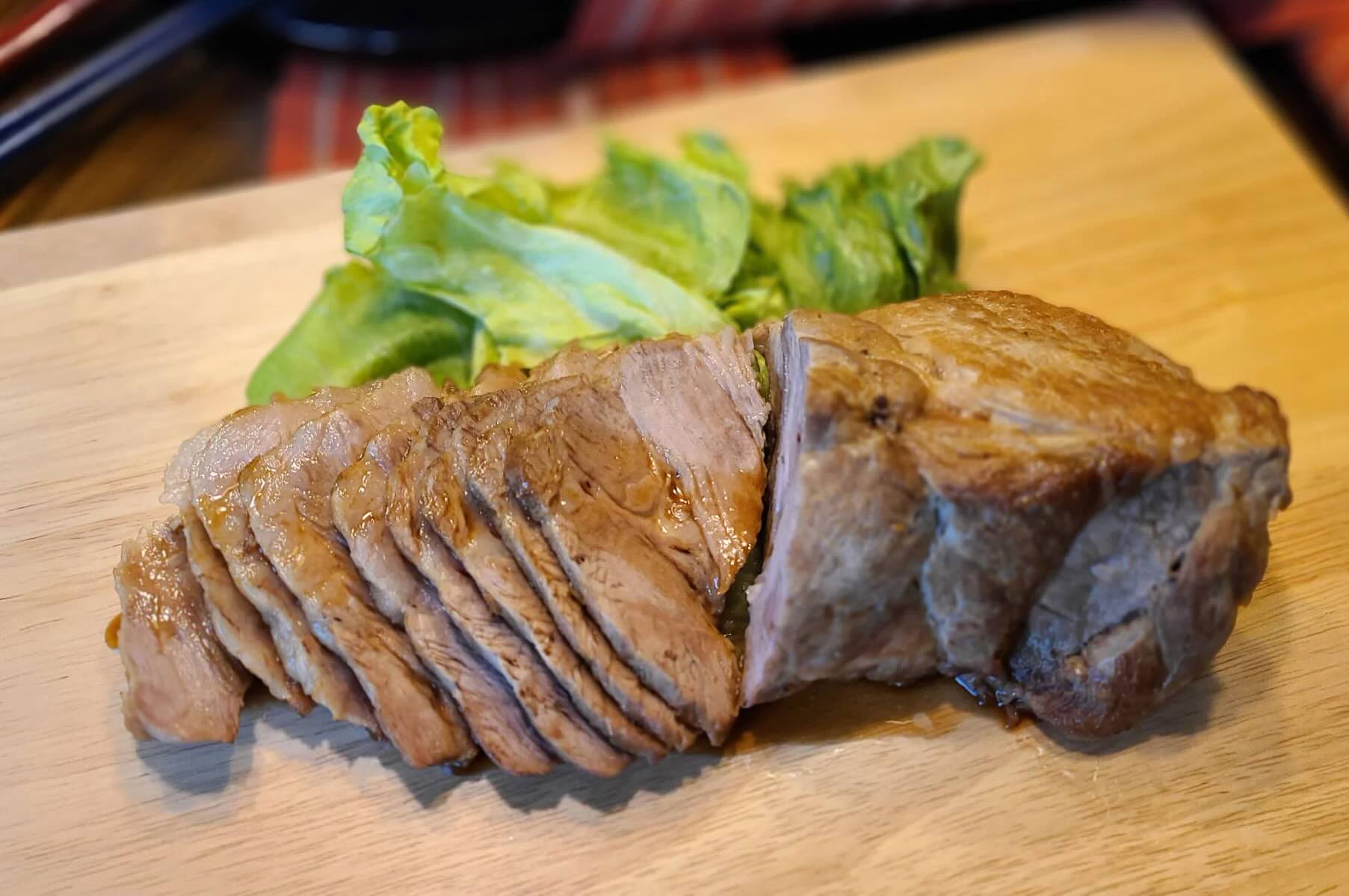
- Chashu (Japanese Braised Pork) Recipe2 Hours 15 Minutes
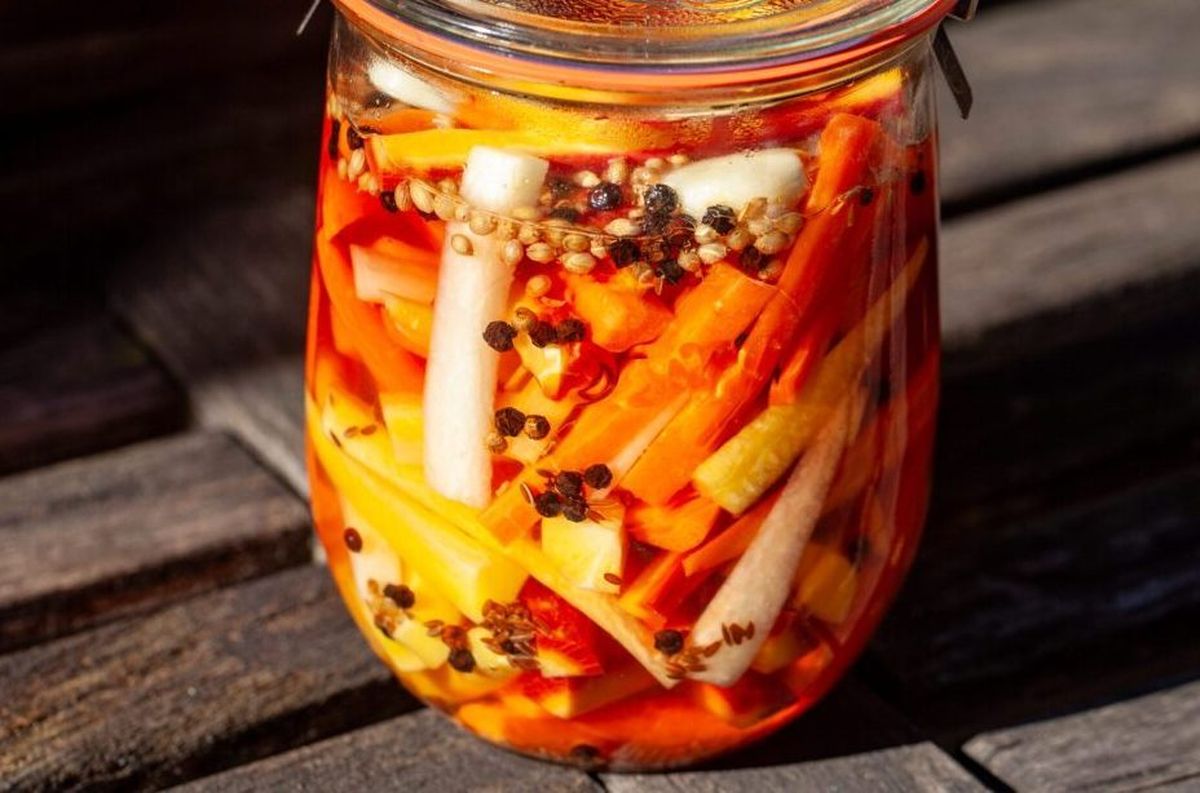
- Japanese Pickled Carrot Recipe10 Minutes
- Japanese Shaved Ice Syrup Recipe15 Minutes
- Japanese Pilaf Recipe40 Minutes
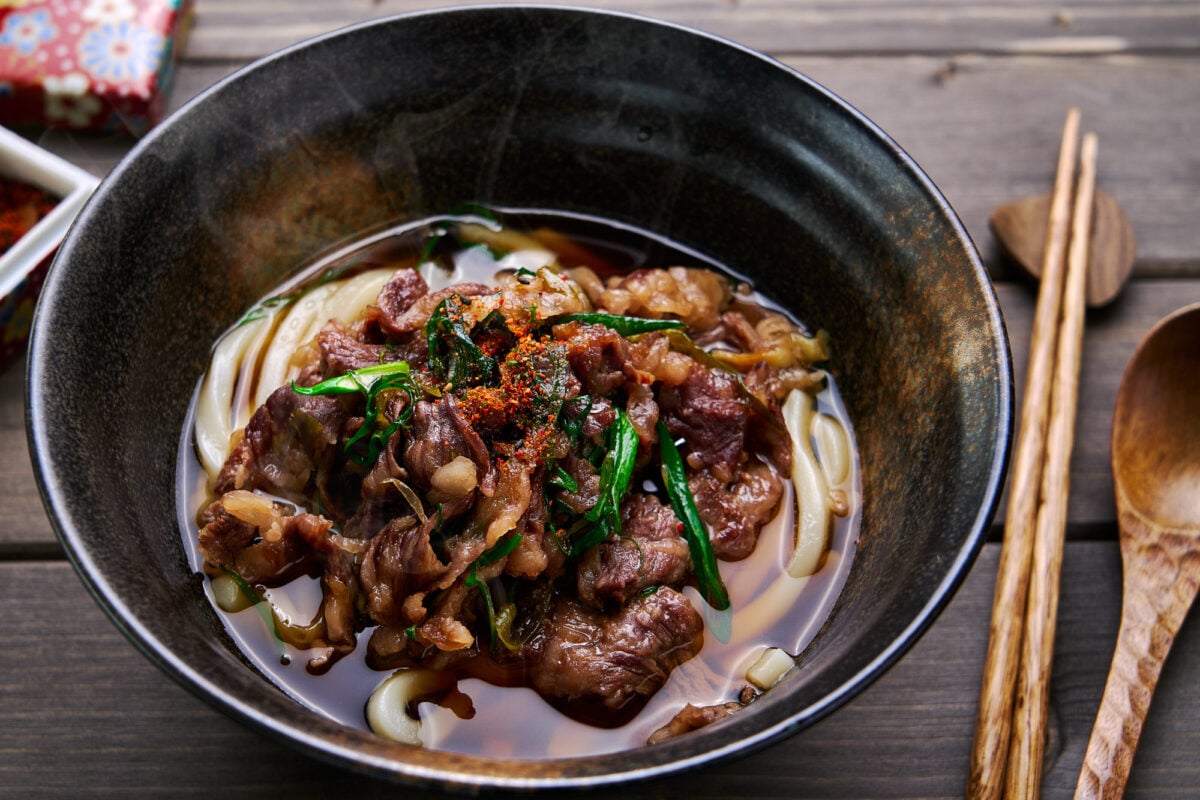
- Japanese Beef Udon Recipe35 Minutes



Leave a Reply