
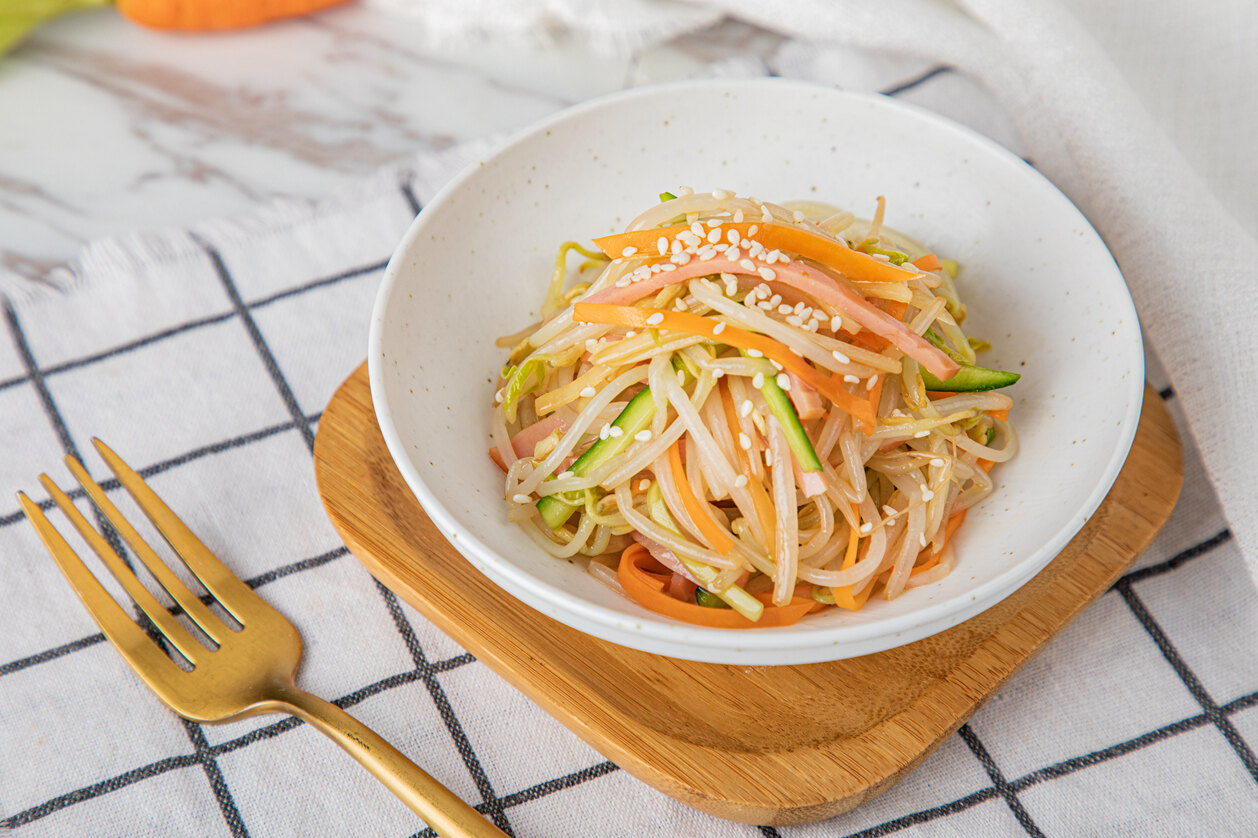
This Japanese vegetable salad is a refreshing and healthy dish that combines crisp cucumber, vibrant carrot, and crunchy daikon radish. The light and tangy dressing, made with soy sauce, rice vinegar, and sesame oil, brings all the flavors together, making it a perfect side dish or a light meal.
If you're not familiar with daikon radish, it's a large, white radish commonly used in Japanese cuisine. You can find it in the produce section of most supermarkets or Asian grocery stores. Rice vinegar is another ingredient that might not be in your pantry; it's a mild vinegar made from fermented rice, often used in Asian cooking. Both of these ingredients are essential for achieving the authentic flavor of this salad.
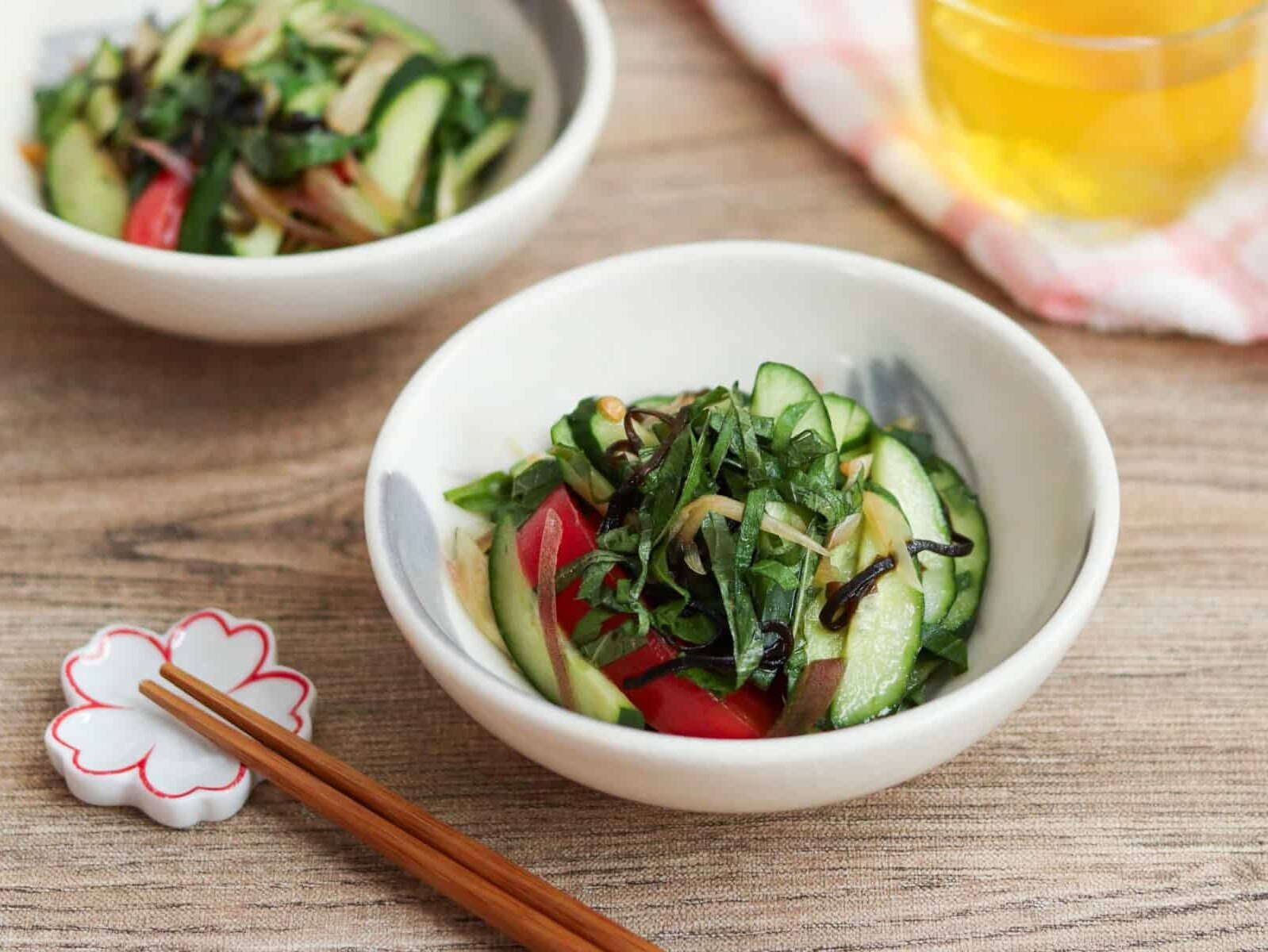
Ingredients For Japanese Vegetable Salad
Cucumber: A crisp and refreshing vegetable that adds a cool crunch to the salad.
Carrot: Adds a vibrant color and a slight sweetness to the dish.
Daikon radish: A crunchy, mildly spicy radish that is a staple in Japanese cuisine.
Soy sauce: Provides a salty, umami flavor to the dressing.
Rice vinegar: Adds a mild tanginess that balances the flavors.
Sesame oil: A fragrant oil that adds a nutty aroma and taste.
Sugar: Balances the acidity and saltiness of the dressing.
Sesame seeds: Adds a final touch of texture and a subtle nutty flavor.
Technique Tip for This Recipe
When preparing the cucumber, carrot, and daikon radish, ensure that they are cut uniformly. This not only enhances the visual appeal of the salad but also ensures even absorption of the dressing. Use a mandoline slicer for precise and consistent cuts. Additionally, lightly toasting the sesame seeds before sprinkling them on top will bring out their nutty flavor, adding an extra layer of depth to the dish.
Suggested Side Dishes
Alternative Ingredients
cucumber - Substitute with zucchini: Zucchini has a similar texture and mild flavor, making it a good alternative for cucumber in salads.
carrot - Substitute with bell pepper: Bell peppers add a sweet crunch and vibrant color, similar to julienned carrots.
daikon radish - Substitute with jicama: Jicama provides a similar crisp texture and mild flavor, making it a suitable replacement for daikon radish.
soy sauce - Substitute with tamari: Tamari is a gluten-free alternative to soy sauce with a similar umami flavor.
rice vinegar - Substitute with apple cider vinegar: Apple cider vinegar has a mild acidity that can mimic the tanginess of rice vinegar.
sesame oil - Substitute with olive oil: Olive oil can provide a rich flavor, though it lacks the nutty taste of sesame oil.
sugar - Substitute with honey: Honey adds a natural sweetness and can dissolve well in dressings.
sesame seeds - Substitute with chia seeds: Chia seeds offer a similar crunch and nutritional benefits, though they have a slightly different flavor.
Alternative Recipes Similar to This Salad
How to Store or Freeze This Dish
- For short-term storage, place the Japanese vegetable salad in an airtight container. This will help maintain the crispness of the cucumber, carrot, and daikon radish.
- Store the container in the refrigerator. The salad will stay fresh for up to 2-3 days. The soy sauce and rice vinegar dressing acts as a mild preservative.
- If you want to keep the salad longer, consider storing the vegetables and dressing separately. Combine them just before serving to ensure maximum freshness.
- Avoid freezing the salad as the texture of the vegetables will become mushy and unappetizing. Freezing can also alter the flavor of the sesame oil and soy sauce.
- If you must freeze, do so only with the vegetables. Place the cucumber, carrot, and daikon radish in a freezer-safe bag, removing as much air as possible. Thaw in the refrigerator and add the dressing just before serving.
- When ready to serve after storing, give the salad a quick toss to redistribute the dressing and ensure even coating of flavors.
- Always check for any off smells or changes in texture before consuming stored salad. If in doubt, it's better to discard and make a fresh batch.
How to Reheat Leftovers
- If you must reheat the Japanese vegetable salad, it's best to do so gently to maintain the crispness of the vegetables. Here are some methods:
Room Temperature Method:
- Remove the salad from the refrigerator and let it sit at room temperature for about 15-20 minutes. This will take the chill off without compromising the texture of the cucumber, carrot, and daikon radish.
Microwave Method:
- Place the salad in a microwave-safe bowl.
- Cover it with a microwave-safe lid or a damp paper towel to retain moisture.
- Microwave on low power (30-40%) for 20-30 seconds. Check the temperature and repeat if necessary, but avoid overheating to keep the vegetables crisp.
Warm Water Bath Method:
- Fill a large bowl with warm (not hot) water.
- Place the container with the salad (make sure it's sealed) into the warm water.
- Let it sit for about 5-10 minutes, checking occasionally until it reaches the desired temperature.
Stovetop Method:
- Heat a non-stick pan over low heat.
- Add the salad and stir gently for 1-2 minutes, just enough to take the chill off without cooking the vegetables.
Oven Method:
- Preheat the oven to the lowest setting (around 170°F or 75°C).
- Spread the salad on a baking sheet lined with parchment paper.
- Place in the oven for 5-10 minutes, checking frequently to ensure the vegetables don't become too soft.
Remember, the goal is to gently warm the salad without compromising the fresh, crisp texture of the vegetables.
Essential Tools for This Recipe
Mixing bowl: A large bowl used to combine and mix the ingredients for the dressing and vegetables.
Whisk: A utensil used to blend the soy sauce, rice vinegar, sesame oil, and sugar until the sugar is dissolved.
Knife: A sharp tool used to thinly slice the cucumber and julienne the carrot and daikon radish.
Cutting board: A flat surface used to safely cut and prepare the vegetables.
Measuring cups: Tools used to measure out the exact amounts of cucumber, carrot, and daikon radish.
Measuring spoons: Tools used to measure the precise amounts of soy sauce, rice vinegar, sesame oil, and sugar.
Serving bowl: A bowl used to present the salad once it is prepared and dressed.
Tongs: A utensil used to toss the vegetables in the dressing to ensure they are evenly coated.
Spatula: A tool that can be used to scrape down the sides of the mixing bowl to ensure all ingredients are well mixed.
Small bowl: A bowl used to hold the sesame seeds before sprinkling them on top of the salad.
Time-Saving Tips for This Recipe
Pre-mix the dressing: Prepare the soy sauce, rice vinegar, sesame oil, and sugar mixture in advance and store it in the fridge.
Use a mandoline: Quickly slice the cucumber and julienne the carrot and daikon radish with a mandoline slicer.
Batch prep vegetables: Cut extra vegetables and store them in airtight containers for future use.
Toast sesame seeds: Toast a large batch of sesame seeds and keep them in a jar for quick sprinkling.
Combine in a large bowl: Use a large mixing bowl to easily toss and coat the vegetables with the dressing.
Japanese Vegetable Salad
Ingredients
Salad Ingredients
- 1 cup Cucumber, thinly sliced
- 1 cup Carrot, julienned
- 1 cup Daikon radish, julienned
- 2 tablespoon Soy sauce
- 1 tablespoon Rice vinegar
- 1 teaspoon Sesame oil
- 1 teaspoon Sugar
- 1 tablespoon Sesame seeds
Instructions
- In a mixing bowl, combine soy sauce, rice vinegar, sesame oil, and sugar. Whisk until sugar is dissolved.
- Add cucumber, carrot, and daikon radish to the bowl. Toss to coat evenly with dressing.
- Sprinkle sesame seeds on top before serving.
Nutritional Value
Keywords
More Amazing Recipes to Try 🙂
- Japanese Mapo Tofu Recipe35 Minutes
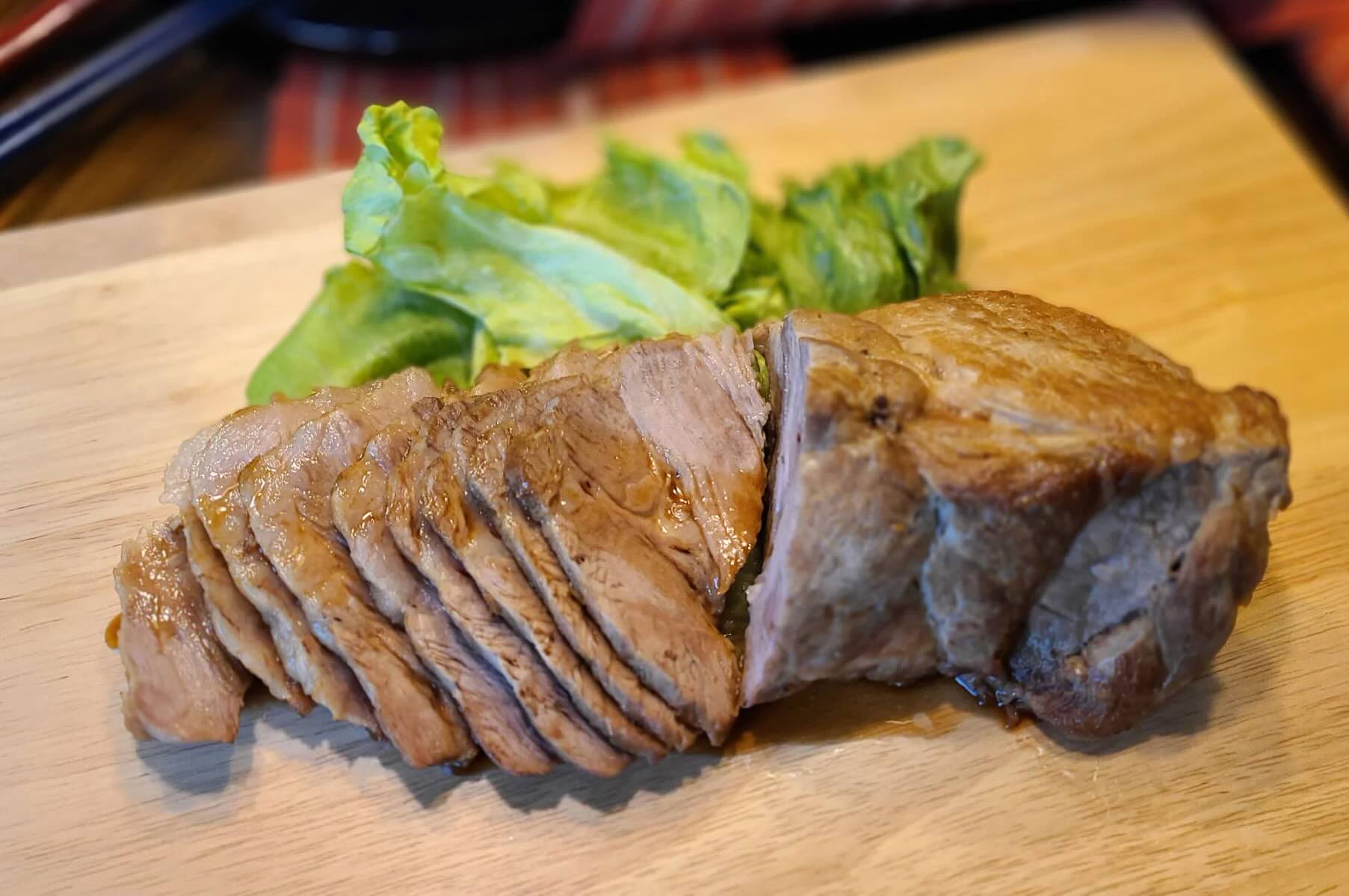
- Chashu (Japanese Braised Pork) Recipe2 Hours 15 Minutes
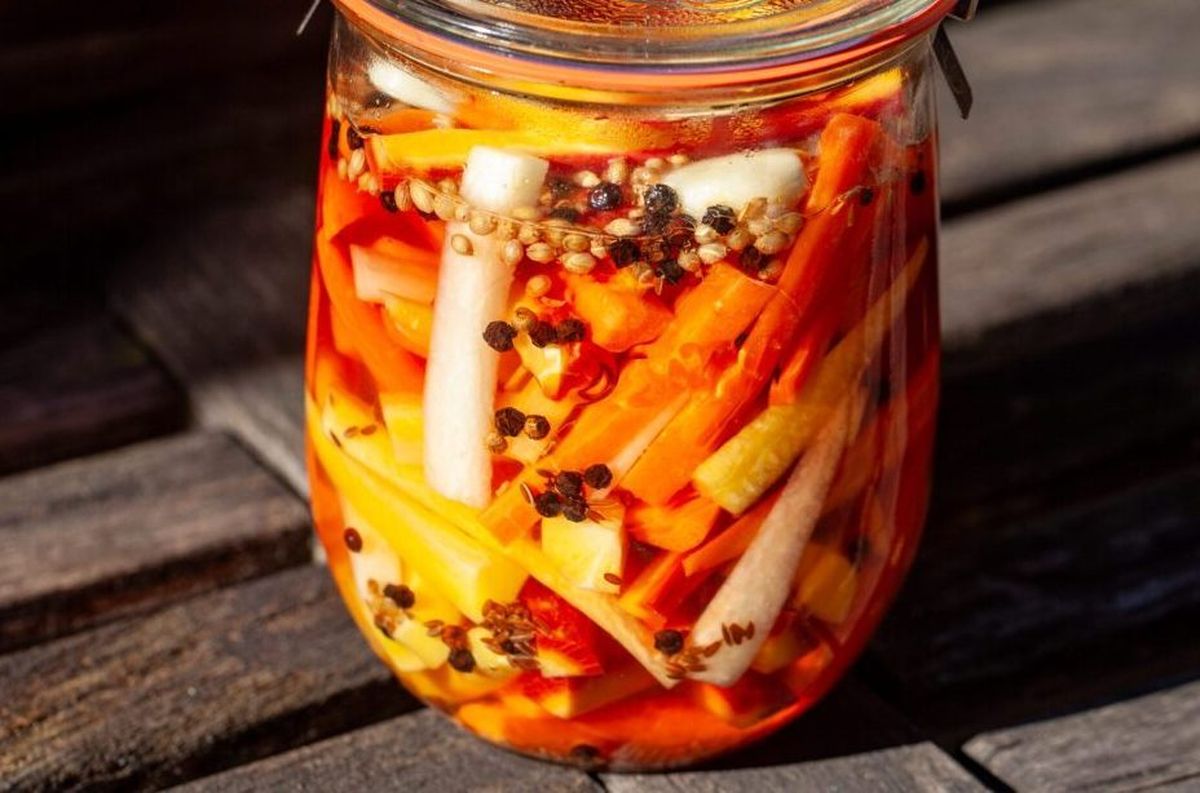
- Japanese Pickled Carrot Recipe10 Minutes
- Japanese Shaved Ice Syrup Recipe15 Minutes
- Japanese Pilaf Recipe40 Minutes
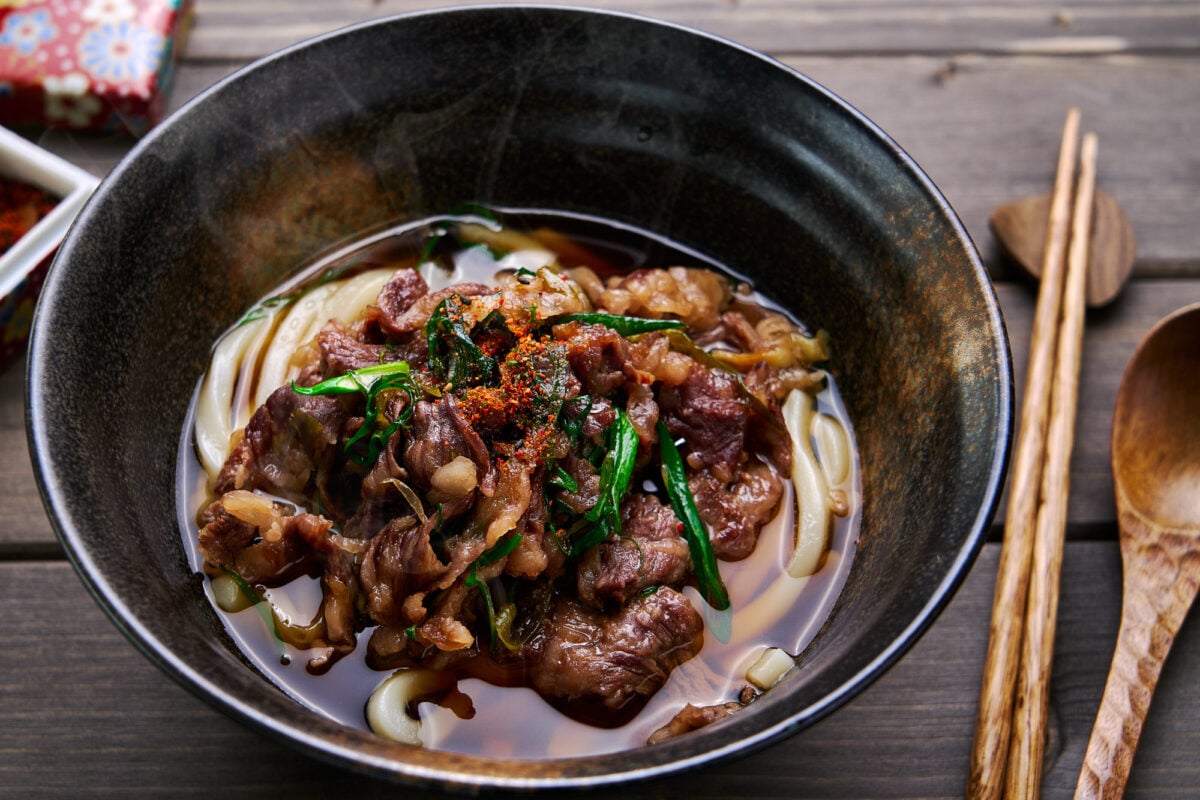
- Japanese Beef Udon Recipe35 Minutes
- Tempura Sauce (Tentsuyu) Recipe10 Minutes
- Japanese Chocolate Cake Recipe50 Minutes





Leave a Reply