
This delightful Japanese vegetable soup is a comforting and nutritious dish that brings together a medley of fresh vegetables in a flavorful broth. Perfect for a light lunch or a cozy dinner, this soup is both satisfying and easy to prepare. The combination of ginger, garlic, and soy sauce adds a depth of flavor that is both savory and aromatic.
While most of the ingredients for this Japanese vegetable soup are common, you might need to pay attention to ginger and soy sauce. Fresh ginger can usually be found in the produce section of your supermarket, and soy sauce is typically located in the international or Asian foods aisle. Make sure to get a good quality vegetable broth for the best flavor.
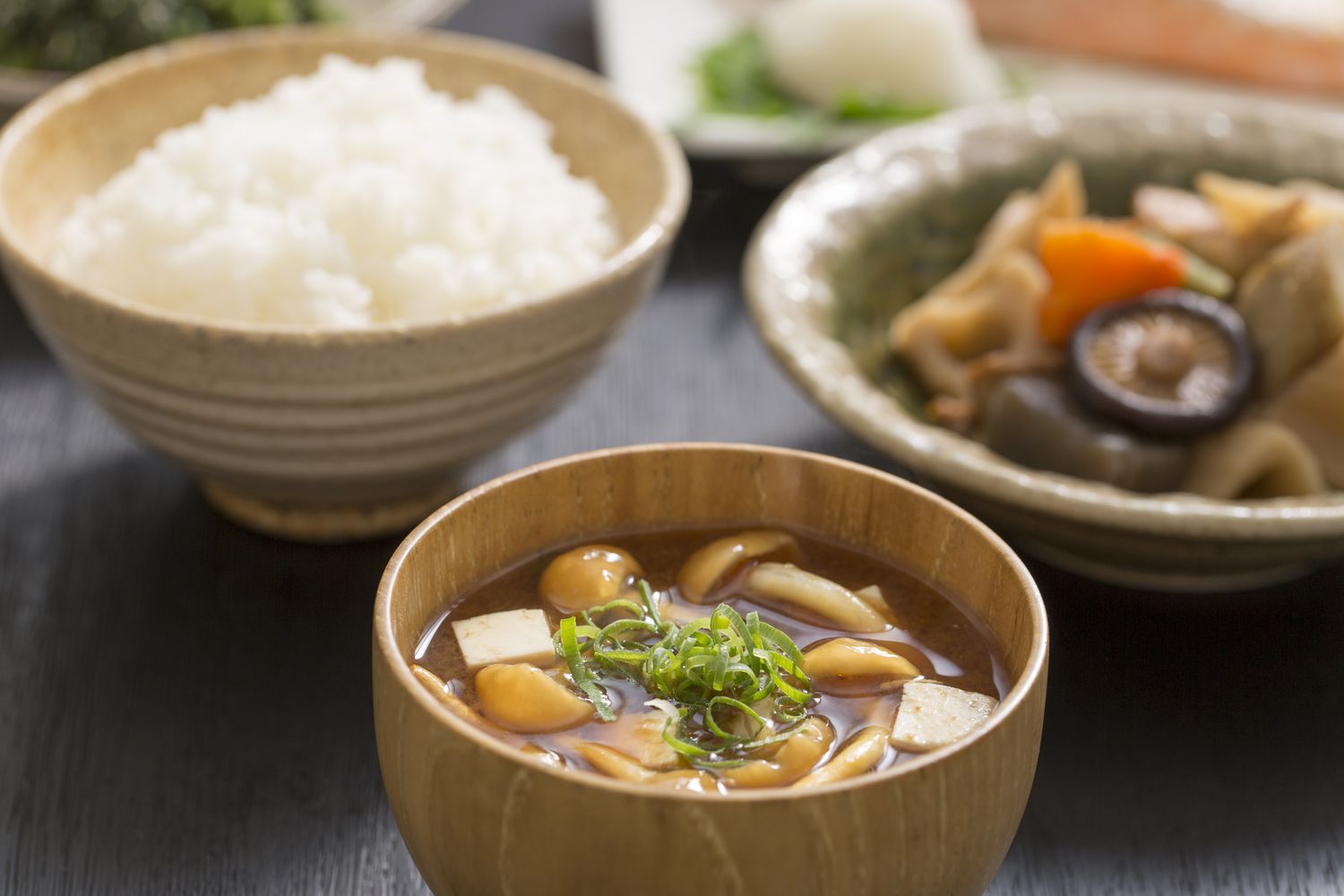
Ingredients For Japanese Vegetable Soup
Carrot: Adds a natural sweetness and vibrant color to the soup.
Potato: Provides a hearty texture and helps to thicken the soup.
Cabbage: Adds a slight crunch and absorbs the flavors of the broth.
Vegetable broth: The base of the soup, providing a rich and savory flavor.
Soy sauce: Adds a salty, umami depth to the soup.
Ginger: Brings a warm, spicy note that complements the other ingredients.
Garlic: Adds a robust, aromatic flavor to the soup.
Green onions: Provides a fresh, mild onion flavor and a pop of color.
Technique Tip for This Recipe
When preparing this Japanese vegetable soup, make sure to slice the carrot thinly and dice the potato into small, even pieces. This ensures that all the vegetables cook at the same rate and become tender simultaneously. Additionally, when sautéing the garlic and ginger, be careful not to let them burn, as this can impart a bitter taste to the soup. Stir constantly and keep the heat at medium to maintain control.
Suggested Side Dishes
Alternative Ingredients
carrot - Substitute with parsnip: Parsnips have a similar texture and sweetness, making them a good alternative to carrots.
potato - Substitute with sweet potato: Sweet potatoes provide a different flavor profile but maintain the starchy texture needed for the soup.
cabbage - Substitute with bok choy: Bok choy offers a similar crunch and mild flavor, fitting well into the soup.
vegetable broth - Substitute with miso broth: Miso broth adds a deeper umami flavor, enhancing the Japanese essence of the soup.
soy sauce - Substitute with tamari: Tamari is a gluten-free alternative that provides a similar salty and umami flavor.
ginger - Substitute with galangal: Galangal has a similar spicy and aromatic quality, though it is slightly more citrusy.
garlic - Substitute with shallots: Shallots offer a milder, sweeter flavor that can complement the soup well.
green onions - Substitute with chives: Chives provide a similar mild onion flavor and can be used as a garnish.
Alternative Recipes Similar to This Soup
How to Store or Freeze This Soup
- Allow the Japanese vegetable soup to cool completely before storing. This helps maintain the texture and flavor of the vegetables.
- Transfer the cooled soup into airtight containers. For convenience, use portion-sized containers so you can easily reheat just what you need.
- Label each container with the date of preparation. This ensures you keep track of freshness and consume the soup within a safe timeframe.
- Store the containers in the refrigerator if you plan to consume the soup within 3-4 days. The vegetable broth and soy sauce will help preserve the flavors.
- For longer storage, place the airtight containers in the freezer. The soup can be frozen for up to 2-3 months without significant loss of quality.
- When ready to enjoy, thaw the soup in the refrigerator overnight if frozen. This gradual thawing helps maintain the integrity of the carrots, potatoes, and cabbage.
- Reheat the soup on the stovetop over medium heat, stirring occasionally until heated through. Avoid boiling as it may overcook the vegetables.
- Alternatively, you can reheat individual portions in the microwave. Use a microwave-safe bowl, cover loosely, and heat in 1-2 minute intervals, stirring in between, until hot.
- If the soup appears too thick after reheating, add a splash of vegetable broth or water to reach the desired consistency.
- Garnish with fresh green onions before serving to revive the soup's vibrant flavors and add a touch of freshness.
How to Reheat Leftovers
Stovetop Method:
- Pour the leftover Japanese vegetable soup into a pot.
- Heat over medium-low heat, stirring occasionally to ensure even heating.
- Once the soup is hot and steaming, but not boiling, it's ready to serve.
Microwave Method:
- Transfer the soup to a microwave-safe bowl.
- Cover the bowl with a microwave-safe lid or plastic wrap with a small vent.
- Heat on high for 2-3 minutes, stirring halfway through.
- Check the temperature and heat for additional 30-second intervals if needed.
Double Boiler Method:
- Fill a large pot with a few inches of water and bring to a simmer.
- Place the leftover soup in a heatproof bowl that fits snugly over the pot.
- Stir occasionally until the soup is heated through.
Slow Cooker Method:
- Pour the leftover soup into the slow cooker.
- Set to low heat and cover.
- Heat for 1-2 hours, stirring occasionally, until the soup is hot.
Oven Method:
- Preheat your oven to 350°F (175°C).
- Transfer the soup to an oven-safe dish and cover with foil.
- Heat for about 20-30 minutes, stirring halfway through, until the soup is hot.
Essential Tools for This Recipe
Pot: A large pot is essential for cooking the soup. It should be big enough to hold all the ingredients and allow for easy stirring.
Knife: A sharp knife is necessary for slicing the carrot, dicing the potato, and chopping the cabbage and green onions.
Cutting board: A cutting board provides a safe and stable surface for chopping and slicing the vegetables.
Grater: A grater is used to grate the ginger, ensuring it is finely shredded and evenly distributed in the soup.
Garlic press: A garlic press can be used to mince the garlic quickly and efficiently.
Measuring cups: Measuring cups are used to measure out the vegetable broth and ensure the correct amount is added to the soup.
Measuring spoons: Measuring spoons are used to measure the soy sauce and grated ginger accurately.
Wooden spoon: A wooden spoon is ideal for stirring the soup as it cooks, ensuring the ingredients are well mixed and do not stick to the bottom of the pot.
Ladle: A ladle is used for serving the hot soup into bowls.
Time-Saving Tips for This Recipe
Prep ingredients in advance: Chop carrots, potatoes, and cabbage the night before and store them in airtight containers.
Use pre-made broth: Opt for store-bought vegetable broth to save time on making your own.
Minced garlic and ginger: Purchase pre-minced garlic and ginger to cut down on prep time.
One-pot cooking: Use a single pot to sauté and simmer, reducing the number of dishes to clean.
Quick boil: Use an electric kettle to pre-boil water before adding it to the pot, speeding up the process.
Japanese Vegetable Soup Recipe
Ingredients
Main Ingredients
- 1 large Carrot sliced thinly
- 1 large Potato diced
- 1 cup Cabbage chopped
- 4 cups Vegetable Broth
- 2 tablespoons Soy Sauce
- 1 teaspoon Ginger grated
- 2 cloves Garlic minced
- 1 bunch Green Onions chopped
Instructions
- 1. Heat a pot over medium heat and add a little oil.
- 2. Add the garlic and ginger, sauté for a minute.
- 3. Add the carrots, potatoes, and cabbage. Cook for about 5 minutes.
- 4. Pour in the vegetable broth and bring to a boil.
- 5. Reduce heat and simmer for 20 minutes, until vegetables are tender.
- 6. Stir in soy sauce and green onions. Serve hot.
Nutritional Value
Keywords
More Amazing Recipes to Try 🙂
- Japanese Mac and Cheese Recipe45 Minutes
- Japanese Garlic Bread Recipe35 Minutes
- Japanese Cabbage Salad Recipe15 Minutes
- Japanese Beef Katsu Recipe30 Minutes
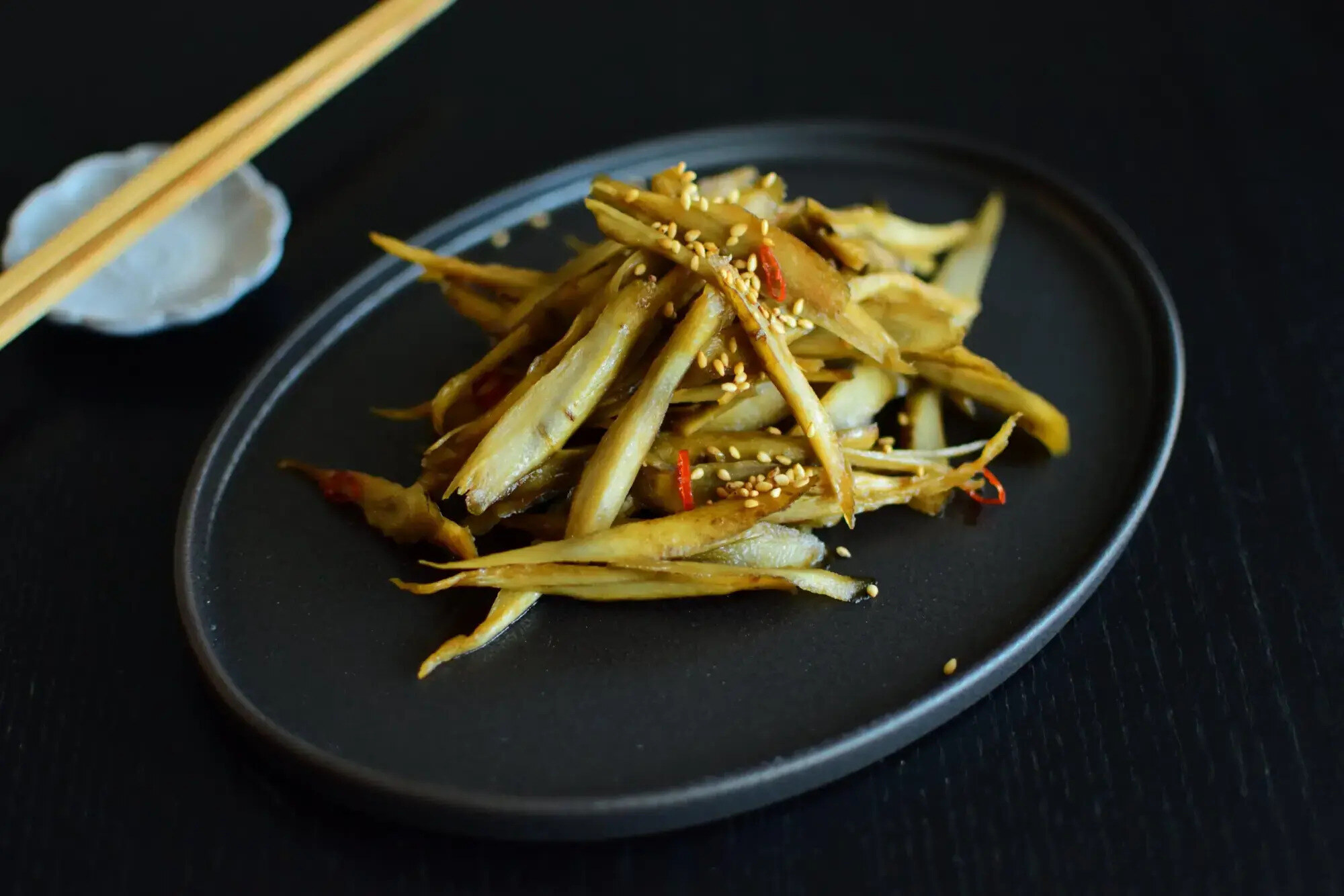
- Japanese Burdock (Gobo) Recipe25 Minutes
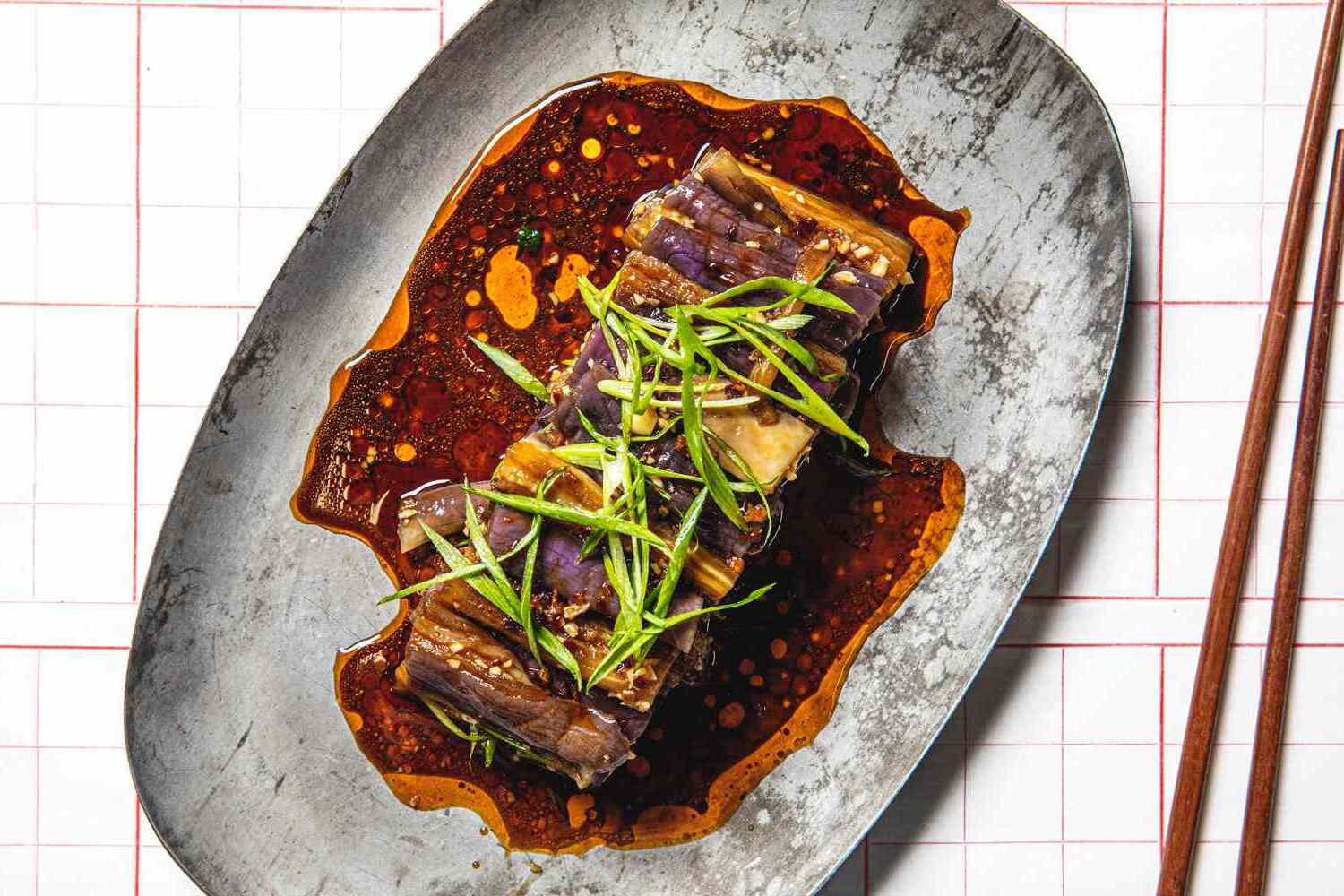
- Japanese Eggplant Salad Recipe35 Minutes
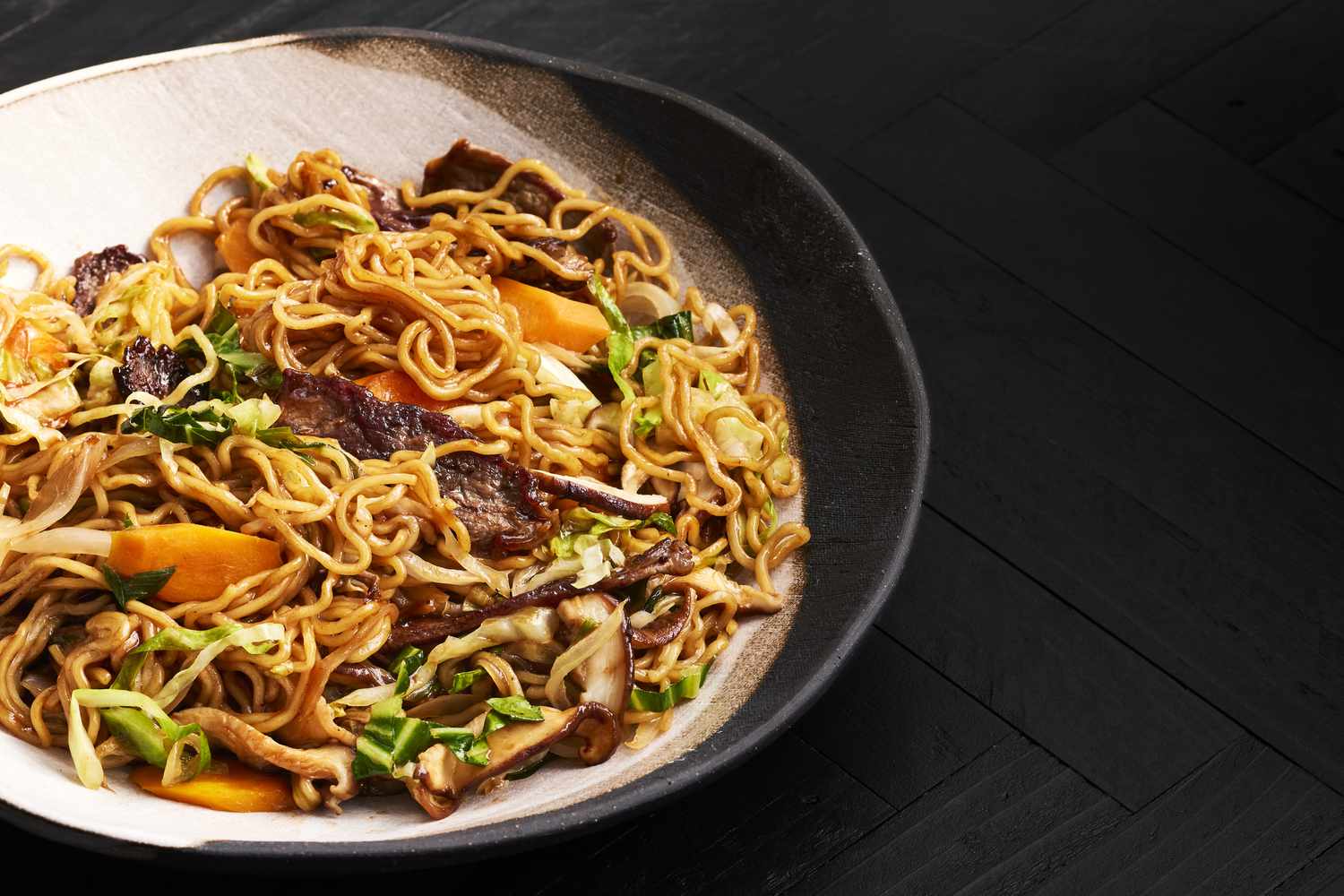
- Yakisoba Recipe30 Minutes
- Japanese Ice Cream Ball Recipe20 Minutes






Leave a Reply