Nikujaga is a comforting Japanese dish that combines tender slices of beef with hearty potatoes, onions, and carrots. Simmered in a savory dashi stock with soy sauce, mirin, and a touch of sugar, this dish is perfect for a cozy meal at home.
Some ingredients in this recipe might not be commonly found in every household. Dashi stock is a Japanese soup base made from dried fish and seaweed, which can be found in the Asian section of most supermarkets. Mirin is a sweet rice wine used in Japanese cooking, also typically found in the Asian aisle. These ingredients are essential for achieving the authentic flavor of Nikujaga.
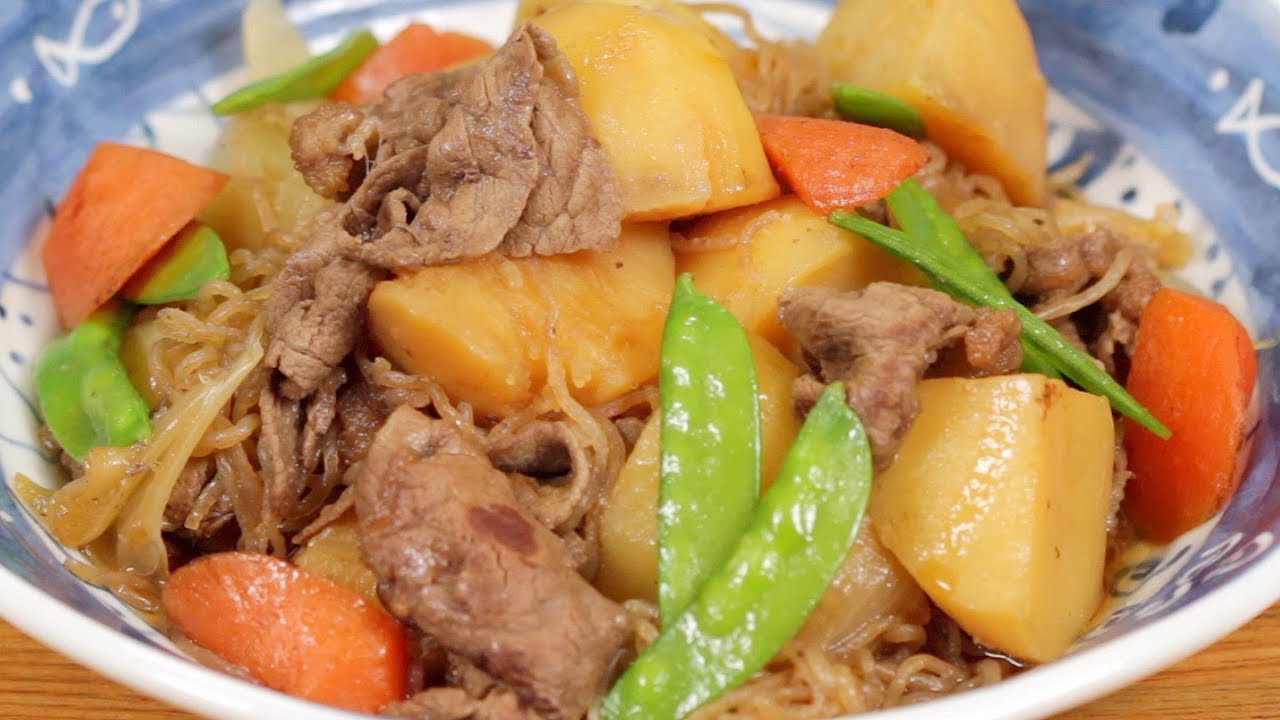
Ingredients For Nikujaga Recipe
Beef: Thinly sliced for quick cooking and tenderness.
Potatoes: Peeled and cut into chunks to absorb the flavors.
Onion: Sliced to add sweetness and depth.
Carrot: Sliced for color and additional sweetness.
Dashi stock: A Japanese soup base that adds umami flavor.
Soy sauce: Provides a salty, savory taste.
Mirin: A sweet rice wine that balances the flavors.
Sugar: Adds a touch of sweetness to the dish.
Technique Tip for This Recipe
When browning the beef, make sure to spread it out evenly in the pot and avoid overcrowding. This ensures that the meat browns properly and develops a rich flavor. If necessary, brown the beef in batches.
Suggested Side Dishes
Alternative Ingredients
thinly sliced beef - Substitute with thinly sliced pork: Pork provides a similar texture and absorbs the flavors well.
thinly sliced beef - Substitute with tofu: For a vegetarian option, tofu can absorb the flavors of the dish.
potatoes - Substitute with sweet potatoes: Sweet potatoes add a different sweetness and a slightly different texture.
potatoes - Substitute with turnips: Turnips provide a similar texture and absorb flavors well.
onion - Substitute with leeks: Leeks offer a milder flavor and similar texture when cooked.
onion - Substitute with shallots: Shallots provide a sweeter and more delicate flavor.
carrot - Substitute with parsnip: Parsnips have a similar texture and a slightly sweeter taste.
carrot - Substitute with daikon radish: Daikon radish provides a similar texture and absorbs flavors well.
dashi stock - Substitute with chicken broth: Chicken broth provides a savory base, though it lacks the unique umami of dashi.
dashi stock - Substitute with vegetable broth: For a vegetarian option, vegetable broth can be used, though it will have a different flavor profile.
soy sauce - Substitute with tamari: Tamari is a gluten-free alternative with a similar taste.
soy sauce - Substitute with coconut aminos: Coconut aminos offer a slightly sweeter and less salty flavor.
mirin - Substitute with sake and sugar: A mix of sake and sugar can mimic the sweetness and acidity of mirin.
mirin - Substitute with rice vinegar and sugar: Rice vinegar and sugar can provide a similar sweet and tangy flavor.
sugar - Substitute with honey: Honey adds sweetness with a slightly different flavor profile.
sugar - Substitute with maple syrup: Maple syrup provides sweetness with a unique flavor.
Other Alternative Recipes Similar to This Dish
How to Store or Freeze This Recipe
- Allow the nikujaga to cool to room temperature. This prevents condensation, which can make the dish soggy when stored.
- Transfer the nikujaga into airtight containers. For best results, use containers that are just the right size to minimize air space.
- Label the containers with the date of preparation. This helps you keep track of freshness and ensures you consume it within a safe timeframe.
- Store the containers in the refrigerator if you plan to consume the nikujaga within 3-4 days. The flavors often meld together, making it even more delicious the next day.
- For longer storage, place the containers in the freezer. Nikujaga can be frozen for up to 2-3 months without significant loss of flavor or texture.
- When ready to reheat, thaw the nikujaga in the refrigerator overnight if frozen. This ensures even reheating and maintains the integrity of the vegetables and beef.
- Reheat the nikujaga in a pot over medium heat, stirring occasionally to ensure even heating. Alternatively, you can use a microwave, heating in short intervals and stirring in between.
- If the nikujaga appears too thick after reheating, add a splash of dashi stock or water to reach the desired consistency.
- Enjoy your reheated nikujaga as a comforting meal, just as delicious as when it was first prepared.
How to Reheat Leftovers
- For stovetop reheating, place the nikujaga in a pot over medium heat. Add a splash of dashi stock or water to prevent it from drying out. Stir occasionally until heated through, about 5-7 minutes.
- To reheat in the microwave, transfer the nikujaga to a microwave-safe dish. Cover with a microwave-safe lid or plastic wrap, leaving a small vent. Heat on high for 2-3 minutes, stirring halfway through to ensure even heating.
- If you prefer using an oven, preheat it to 350°F (175°C). Place the nikujaga in an oven-safe dish and cover with aluminum foil. Bake for 15-20 minutes or until heated through.
- For a quick reheat using a steamer, place the nikujaga in a heatproof dish and set it in the steamer basket. Steam over boiling water for about 10 minutes or until hot.
- If you have an air fryer, preheat it to 320°F (160°C). Place the nikujaga in an air fryer-safe dish and heat for 5-7 minutes, stirring halfway through to ensure even heating.
Best Tools for This Recipe
Pot: Use a pot to cook the beef and simmer the vegetables and broth.
Knife: A knife is essential for slicing the beef, onion, and carrot, as well as cutting the potatoes into chunks.
Cutting board: A cutting board provides a safe surface for slicing and dicing the ingredients.
Measuring cups: Measuring cups are used to measure out the dashi stock, soy sauce, and mirin accurately.
Tablespoon: A tablespoon is necessary for measuring the soy sauce, mirin, and sugar.
Stirring spoon: A stirring spoon is used to combine the ingredients and stir the pot while cooking.
Peeler: A peeler is useful for peeling the potatoes and carrot before cutting them.
Lid: A lid is needed to cover the pot while simmering the ingredients to ensure even cooking.
How to Save Time on Making This Recipe
Pre-slice ingredients: Prepare the beef, potatoes, onion, and carrot in advance to save time during cooking.
Use instant dashi: Opt for instant dashi stock to cut down on preparation time.
Batch cook: Double the recipe and freeze half for a quick meal later.
One-pot cooking: Use a single pot to minimize cleanup time.
Quick simmer: Cut vegetables into smaller pieces to reduce simmering time.
Nikujaga Recipe
Ingredients
Main Ingredients
- 300 g Thinly sliced beef
- 4 Potatoes peeled and cut into chunks
- 1 Onion sliced
- 1 Carrot sliced
- 2 cups Dashi stock
- 3 tablespoon Soy sauce
- 3 tablespoon Mirin
- 2 tablespoon Sugar
Instructions
- 1. Heat a pot over medium heat and add the beef. Cook until browned.
- 2. Add the potatoes, onion, and carrot to the pot. Stir to combine.
- 3. Pour in the dashi stock, soy sauce, mirin, and sugar. Bring to a boil.
- 4. Reduce heat to low and simmer for 20-25 minutes, or until vegetables are tender.
- 5. Serve hot and enjoy!
Nutritional Value
Keywords
Suggested Appetizers and Desserts for This Recipe
More Amazing Recipes to Try 🙂
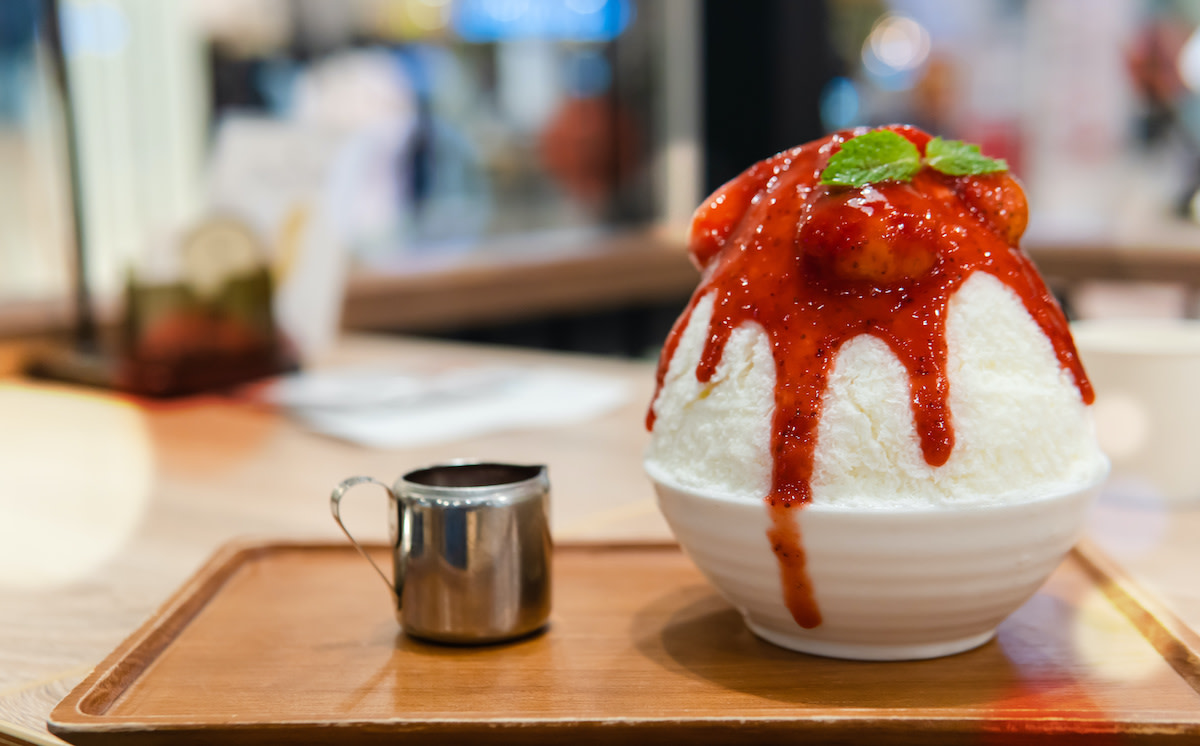
- Japanese Shaved Ice (Kakigori) Recipe10 Minutes
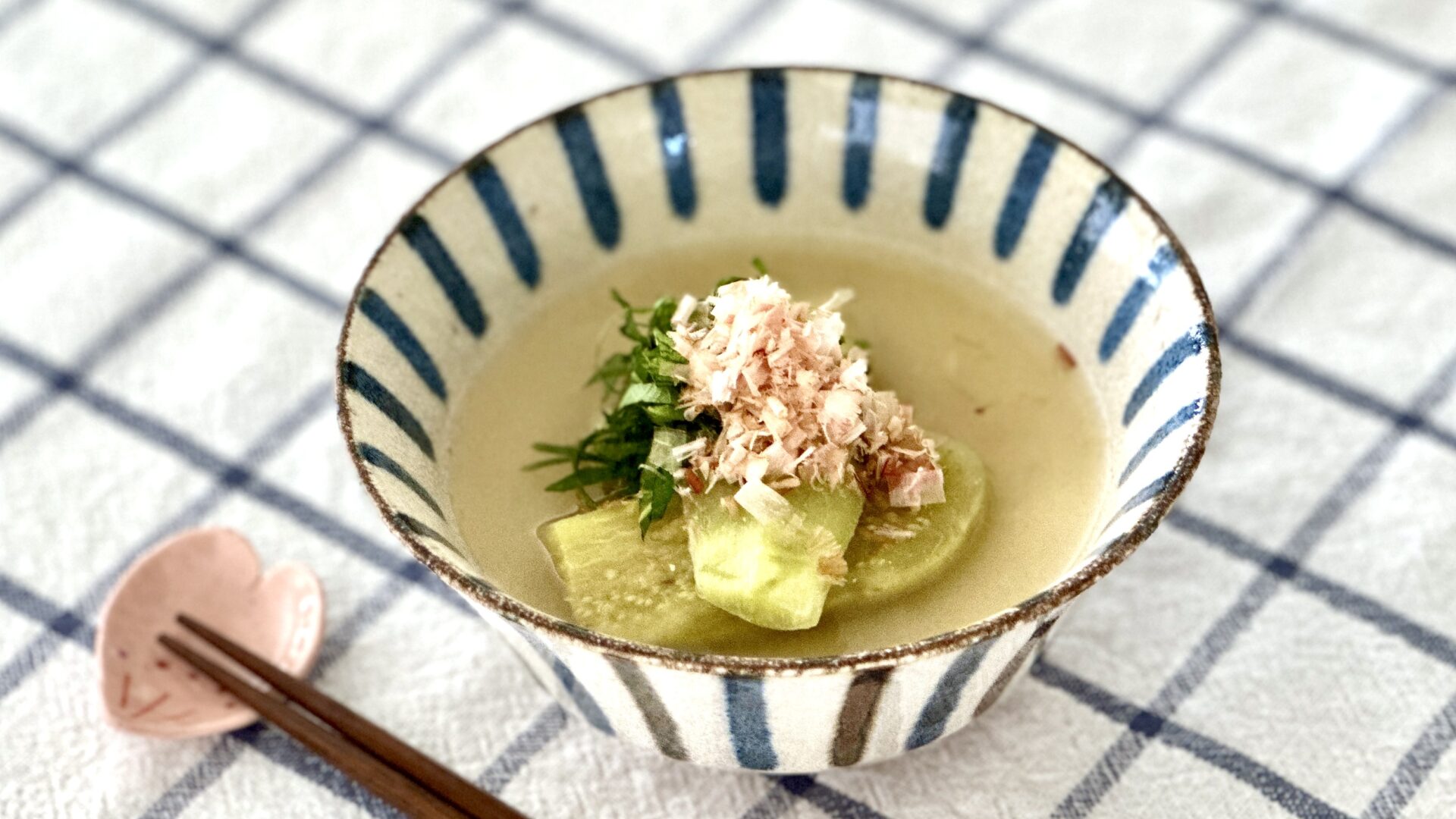
- Japanese Cold Soup Recipe25 Minutes
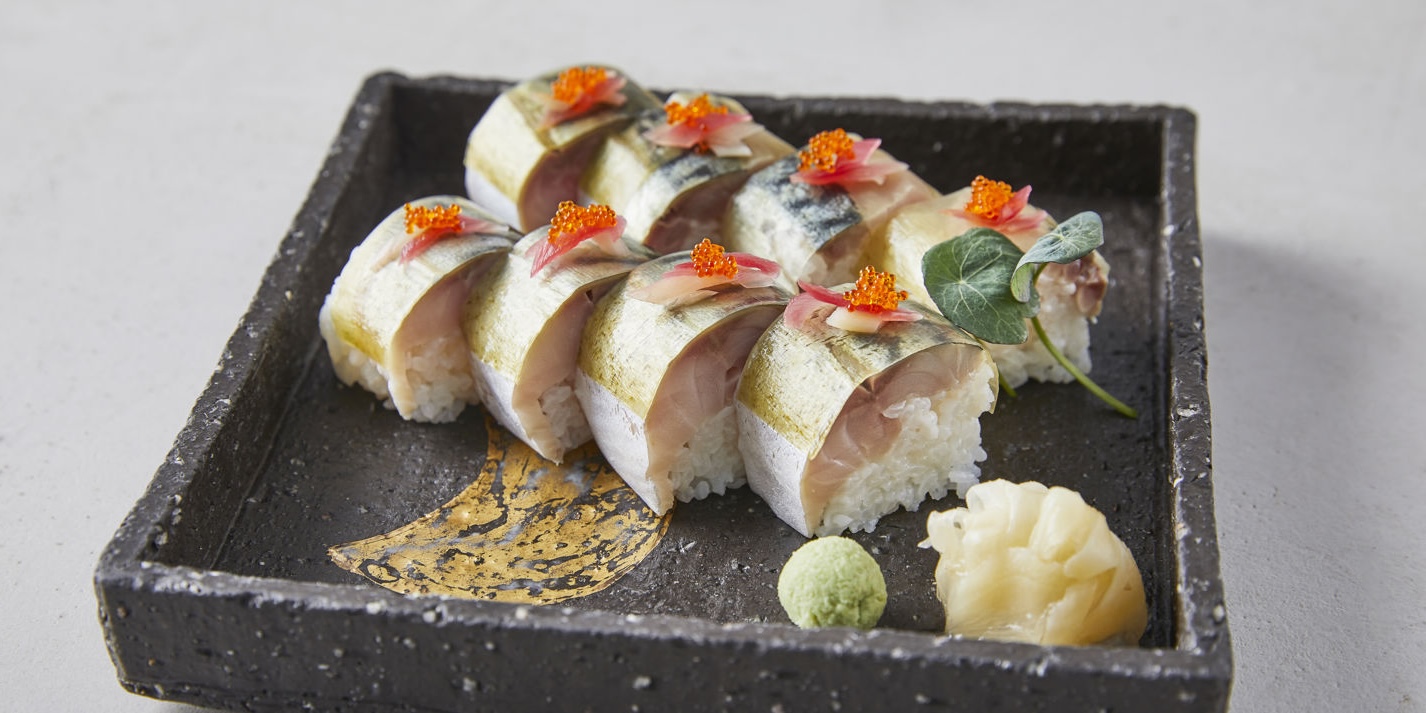
- Japanese Mackerel Sushi Recipe30 Minutes
- Japanese Crab Omelette Recipe20 Minutes
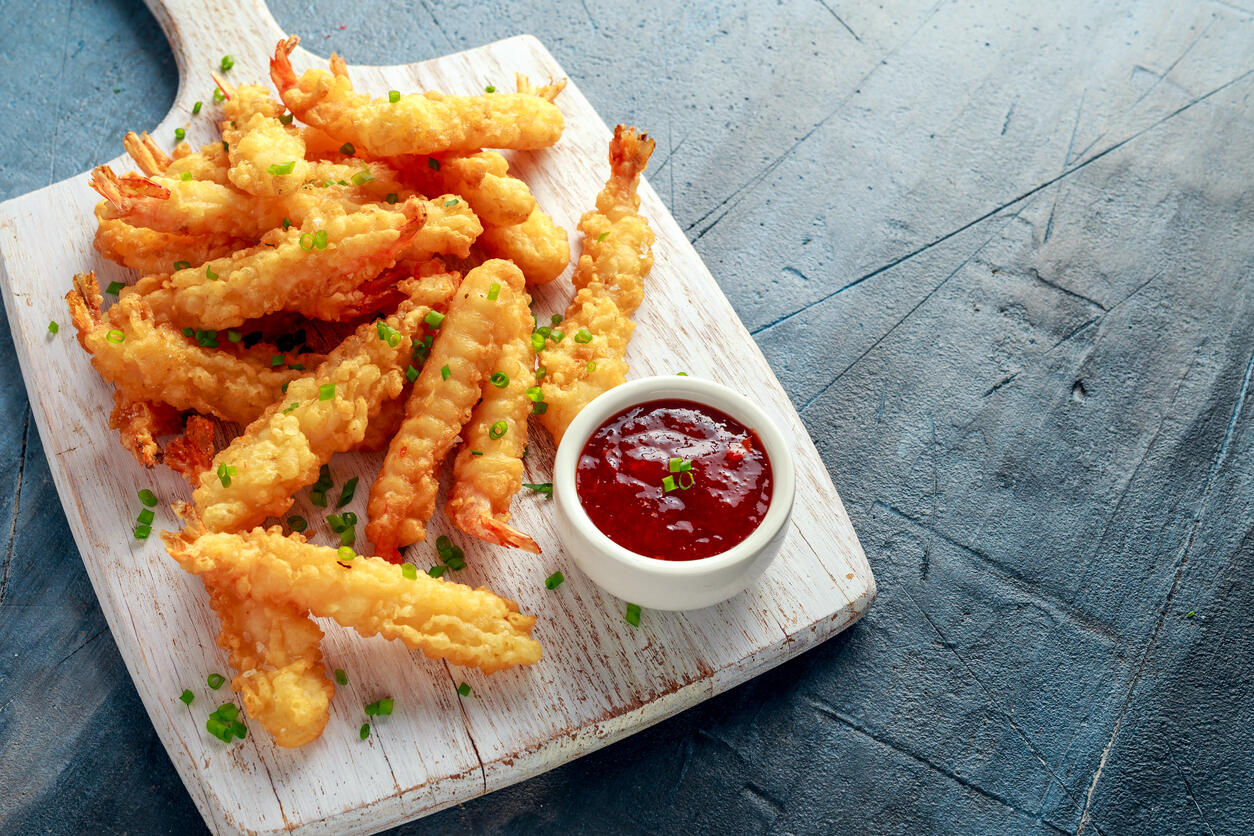
- Japanese Fried Shrimp Recipe25 Minutes
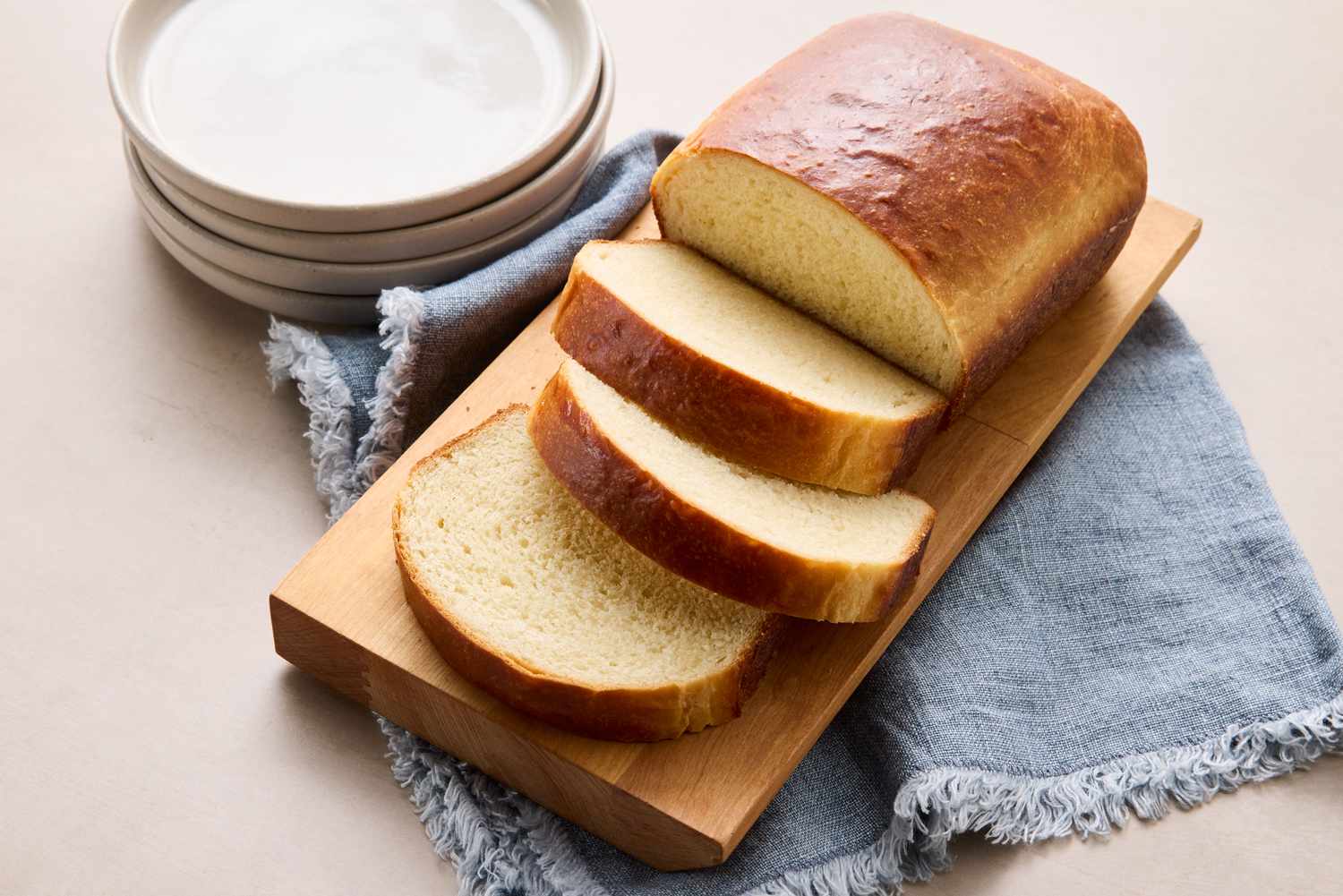
- Japanese White Bread Recipe50 Minutes
- Japanese Kale Salad Recipe15 Minutes
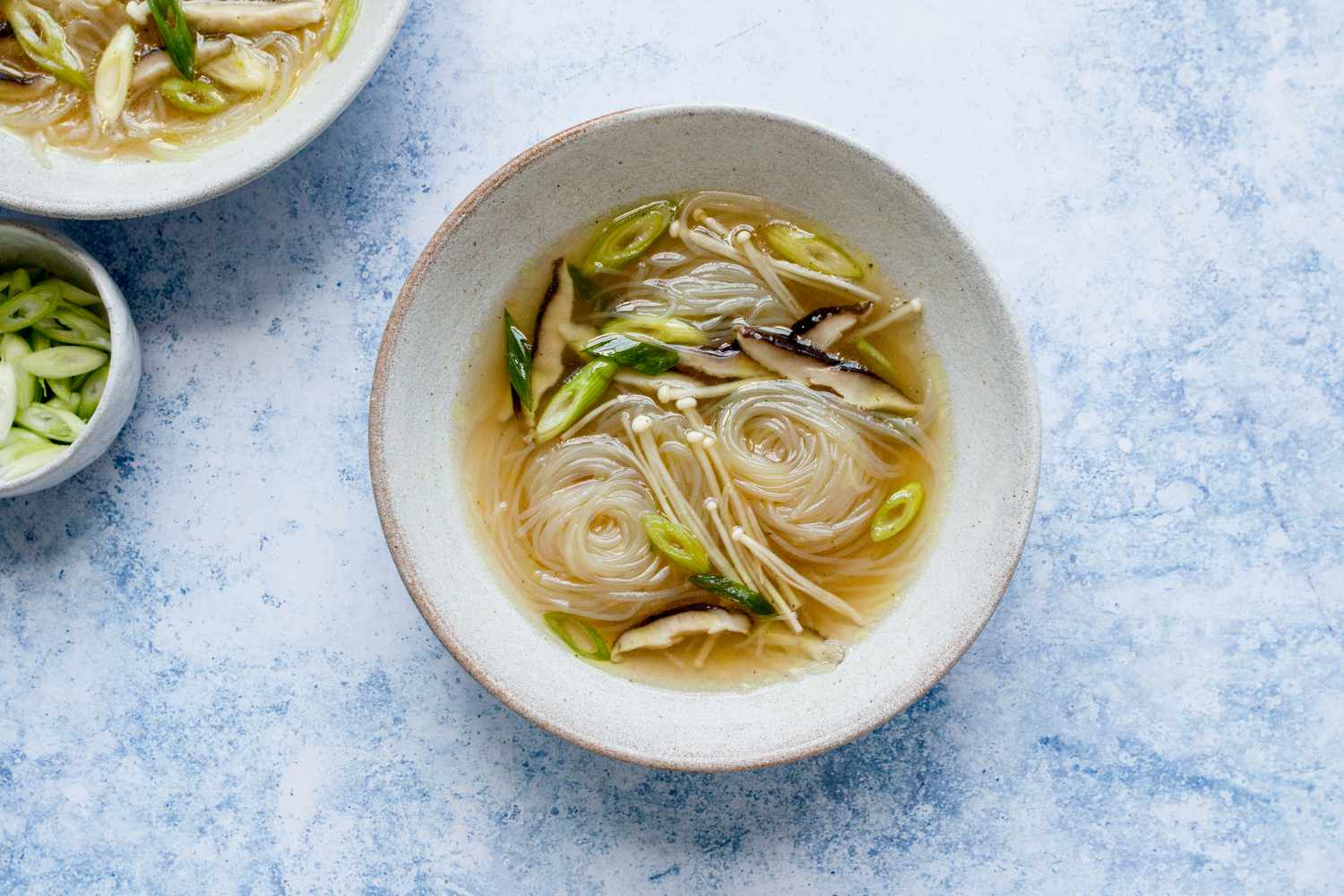
- Japanese Shiitake Mushroom Soup Recipe30 Minutes


Leave a Reply