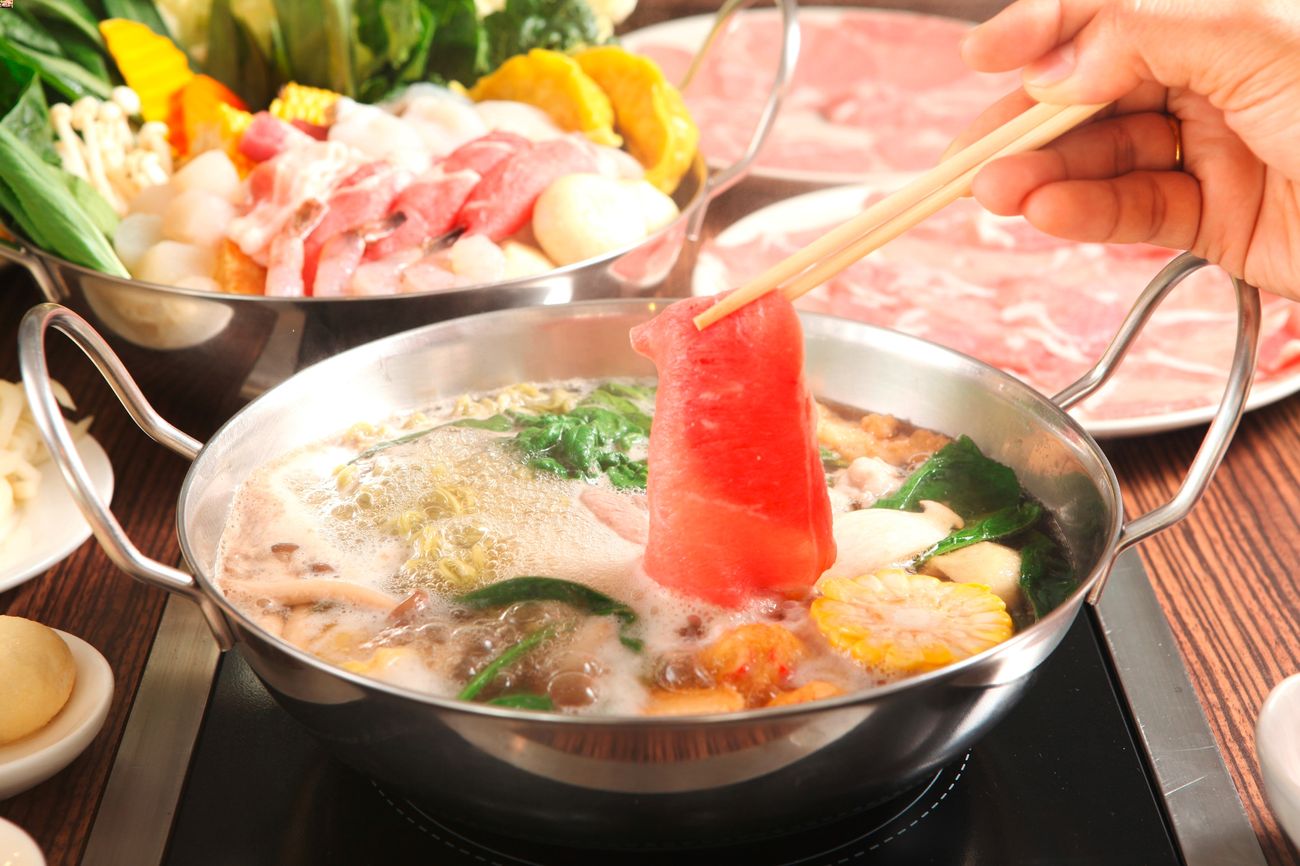
Experience the delightful flavors of Shabu Shabu, a traditional Japanese hotpot dish. This interactive meal allows you to cook your own thinly sliced beef and fresh vegetables right at the table, dipping them into flavorful sauces for a truly personalized dining experience.
Some ingredients in this Shabu Shabu recipe may not be commonly found in every household. Dashi broth is a Japanese soup stock made from dried fish and seaweed, which can be found in the Asian section of most supermarkets. Ponzu sauce is a citrus-based sauce, and goma (sesame) sauce is a creamy sesame sauce, both of which are also typically available in the Asian foods aisle. Enoki mushrooms are long, thin mushrooms that add a unique texture and can be found in the produce section or at an Asian grocery store.
Ingredients for Shabu Shabu Recipe
Ribeye or sirloin beef: Thinly sliced beef that cooks quickly in the hotpot.
Napa cabbage: A type of Chinese cabbage that adds a mild, sweet flavor.
Shiitake mushrooms: Earthy mushrooms that enhance the umami taste.
Carrots: Sliced for a touch of sweetness and color.
Tofu: Cubed for a soft, protein-rich addition.
Enoki mushrooms: Long, thin mushrooms that add a unique texture.
Dashi broth: A Japanese soup stock made from dried fish and seaweed.
Ponzu sauce: A citrus-based dipping sauce.
Goma (sesame) sauce: A creamy sesame dipping sauce.
Technique Tip for This Recipe
When preparing shabu shabu, ensure that the beef is sliced as thinly as possible. This allows the meat to cook quickly and evenly when swished in the dashi broth. To achieve this, partially freeze the ribeye or sirloin for about 30 minutes before slicing. This will firm up the meat, making it easier to cut into paper-thin slices.
Suggested Side Dishes
Alternative Ingredients
ribeye or sirloin thinly sliced beef - Substitute with pork loin: Pork loin is also tender and can be thinly sliced, providing a similar texture and flavor profile.
ribeye or sirloin thinly sliced beef - Substitute with chicken breast: Thinly sliced chicken breast can be used for a lighter, leaner option that still absorbs the flavors of the broth well.
napa cabbage - Substitute with bok choy: Bok choy has a similar texture and mild flavor, making it a good alternative in hot pot dishes.
napa cabbage - Substitute with savoy cabbage: Savoy cabbage has a similar texture and can withstand the cooking process in the broth.
shiitake mushrooms - Substitute with cremini mushrooms: Cremini mushrooms have a similar umami flavor and texture, making them a good substitute.
shiitake mushrooms - Substitute with portobello mushrooms: Portobello mushrooms offer a meaty texture and rich flavor, similar to shiitake mushrooms.
carrots - Substitute with daikon radish: Daikon radish has a similar crunch and can absorb the broth flavors well.
carrots - Substitute with sweet potatoes: Sweet potatoes add a different but complementary sweetness and texture to the dish.
tofu - Substitute with tempeh: Tempeh provides a similar protein content and can absorb the broth flavors, offering a different texture.
tofu - Substitute with seitan: Seitan is a high-protein meat substitute that can mimic the texture of tofu in the broth.
enoki mushrooms - Substitute with oyster mushrooms: Oyster mushrooms have a similar delicate texture and mild flavor, making them a good alternative.
enoki mushrooms - Substitute with white button mushrooms: White button mushrooms are widely available and can provide a similar texture when thinly sliced.
dashi broth - Substitute with chicken broth: Chicken broth can provide a rich, savory base similar to dashi, though with a slightly different flavor profile.
dashi broth - Substitute with vegetable broth: Vegetable broth offers a lighter, vegetarian-friendly option that still provides a flavorful base.
ponzu sauce - Substitute with soy sauce with lemon juice: Mixing soy sauce with a bit of lemon juice can mimic the tangy, savory flavor of ponzu sauce.
ponzu sauce - Substitute with tamari with lime juice: Tamari provides a gluten-free alternative to soy sauce, and lime juice adds the necessary acidity.
goma (sesame) sauce - Substitute with peanut sauce: Peanut sauce offers a similar nutty flavor and creamy texture, making it a good alternative.
goma (sesame) sauce - Substitute with tahini sauce: Tahini, made from sesame seeds, provides a similar flavor profile and creamy consistency.
Other Alternative Recipes Similar to This Dish
How to Store or Freeze This Dish
- Allow the dashi broth to cool completely before storing. This prevents condensation and maintains the broth's flavor.
- Transfer the cooled dashi broth into an airtight container. Label it with the date to keep track of freshness.
- Store the dashi broth in the refrigerator for up to 3 days. For longer storage, freeze it in portions using ice cube trays or freezer-safe bags.
- For the beef, ensure it is tightly wrapped in plastic wrap or stored in an airtight container. Keep it in the coldest part of the refrigerator and consume within 2 days.
- If freezing the beef, lay the slices flat on a baking sheet lined with parchment paper. Once frozen, transfer them to a freezer-safe bag or container. This prevents the slices from sticking together.
- Napa cabbage, shiitake mushrooms, carrots, and enoki mushrooms should be stored in the refrigerator in separate, breathable bags or containers. Use within 3-5 days for optimal freshness.
- Tofu should be kept in its original packaging if unopened. Once opened, submerge it in water in an airtight container and change the water daily. Consume within 3-4 days.
- For freezing tofu, drain and press it to remove excess water. Cut into cubes and freeze on a baking sheet. Once frozen, transfer to a freezer-safe bag. Note that the texture will change to a more sponge-like consistency.
- Ponzu sauce and goma sauce should be stored in their original bottles in the refrigerator. They can last for several months, but always check the expiration date.
- When reheating the dashi broth, bring it to a gentle simmer before adding any ingredients. Avoid boiling to preserve the delicate flavors.
- For reheating beef, quickly swish it in the simmering broth just as you would when cooking it fresh. This prevents overcooking and maintains tenderness.
- Vegetables can be added directly to the simmering broth from the refrigerator. If frozen, thaw them in the refrigerator before adding to the hotpot to ensure even cooking.
How to Reheat Leftovers
Start by storing your leftover shabu shabu in an airtight container. This helps maintain the freshness of the beef, vegetables, and tofu.
When ready to reheat, pour the dashi broth into a pot and bring it to a gentle simmer. This will help revive the flavors and ensure even heating.
Add the vegetables and tofu to the simmering broth first. Allow them to heat through for about 3-5 minutes. This ensures that the napa cabbage, shiitake mushrooms, carrots, and enoki mushrooms regain their tenderness.
Next, add the thinly sliced beef to the pot. Since the beef is already cooked, it only needs a quick dip in the hot broth to warm up, about 10-20 seconds.
For a microwave option, place the leftover shabu shabu in a microwave-safe bowl. Add a bit of dashi broth to keep everything moist. Cover the bowl with a microwave-safe lid or plastic wrap with a small vent.
Microwave on medium power for 2-3 minutes, stirring halfway through to ensure even heating. Be cautious not to overheat, as this can make the beef tough and the vegetables mushy.
Once reheated, serve immediately with ponzu sauce or goma sauce for dipping. This will enhance the flavors and provide that authentic shabu shabu experience.
Enjoy your reheated shabu shabu with a side of steamed rice or udon noodles to complete the meal.
Best Tools for This Recipe
Knife: For slicing the beef, chopping the vegetables, and cubing the tofu.
Cutting board: A surface to safely chop and prepare all the ingredients.
Hotpot: To heat the dashi broth and cook the ingredients.
Chopsticks: For dipping the thinly sliced beef into the simmering broth and for eating.
Ladle: To serve the broth and cooked ingredients from the hotpot.
Serving bowls: For holding the ponzu and goma dipping sauces.
Plates: To arrange the sliced beef, vegetables, and tofu before cooking.
Measuring cups: To measure the dashi broth and dipping sauces accurately.
How to Save Time on Making This Recipe
Pre-slice ingredients: Buy pre-sliced beef and vegetables to save prep time.
Use a mandoline: Quickly slice carrots and shiitake mushrooms uniformly with a mandoline.
Ready-made broth: Use store-bought dashi broth to skip the broth preparation step.
Batch prep: Prepare and chop all ingredients in advance and store them in the fridge.
Quick tofu prep: Buy pre-cubed tofu to eliminate the need for cutting.
Efficient cooking: Cook vegetables and tofu together in the hotpot to save time.
Shabu Shabu Recipe
Ingredients
Main Ingredients
- 500 g Thinly sliced beef Ribeye or sirloin
- 200 g Napa cabbage Chopped
- 100 g Shiitake mushrooms Sliced
- 200 g Carrots Sliced
- 200 g Tofu Cubed
- 100 g Enoki mushrooms
- 1000 ml Dashi broth Or water
- 100 ml Ponzu sauce For dipping
- 100 ml Goma (sesame) sauce For dipping
Instructions
- 1. Prepare all the ingredients by slicing the beef, chopping the vegetables, and cubing the tofu.
- 2. Heat the dashi broth in a hotpot until it starts to simmer.
- 3. Add the vegetables and tofu to the hotpot and cook for a few minutes.
- 4. Using chopsticks, dip the thinly sliced beef into the simmering broth and swish it around until cooked, about 10-20 seconds.
- 5. Dip the cooked meat and vegetables into the ponzu or goma sauce before eating.
Nutritional Value
Keywords
Suggested Appetizers and Desserts for This Recipe
More Amazing Recipes to Try 🙂
- Japanese Mustard Green Recipe25 Minutes
- Japanese Sea Salt Recipe40 Minutes
- Japanese Mapo Tofu Recipe35 Minutes
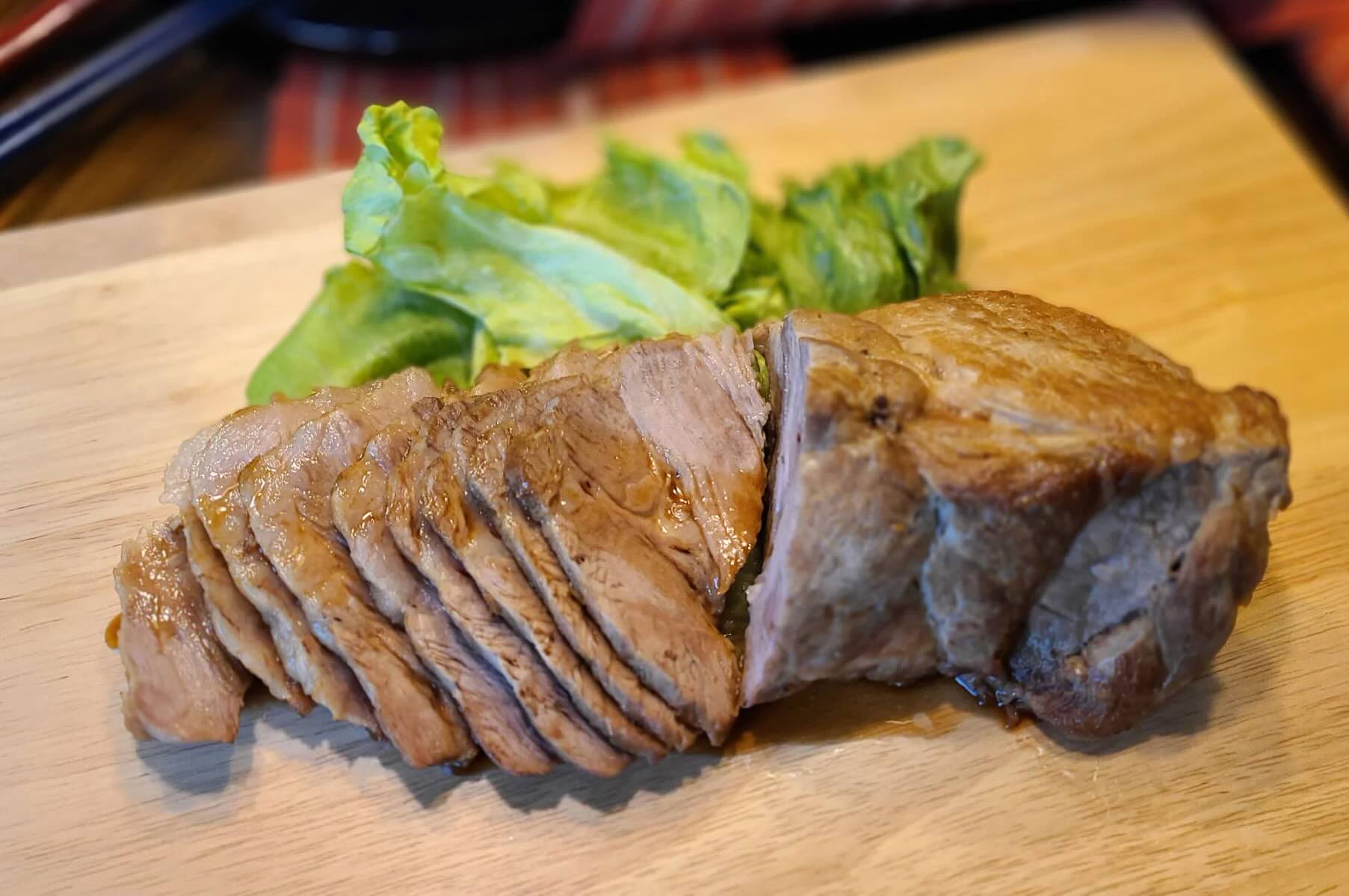
- Chashu (Japanese Braised Pork) Recipe2 Hours 15 Minutes
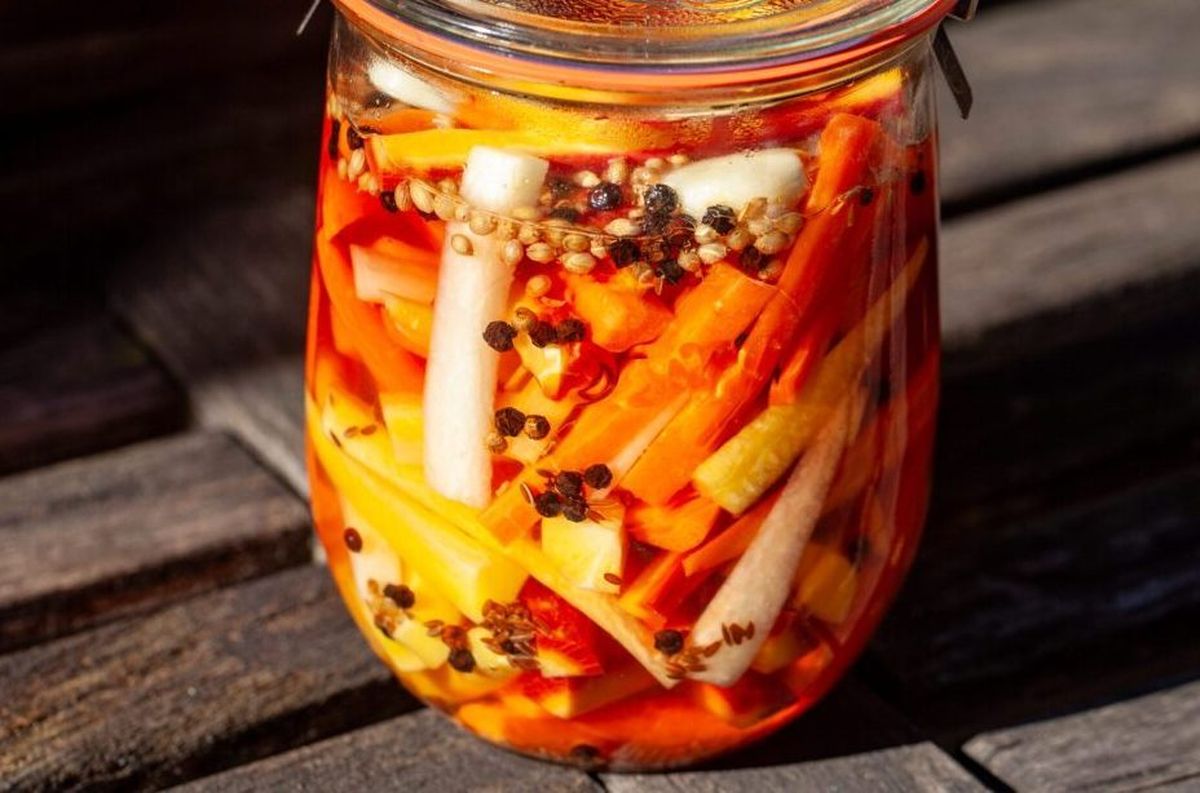
- Japanese Pickled Carrot Recipe10 Minutes
- Japanese Shaved Ice Syrup Recipe15 Minutes
- Japanese Pilaf Recipe40 Minutes
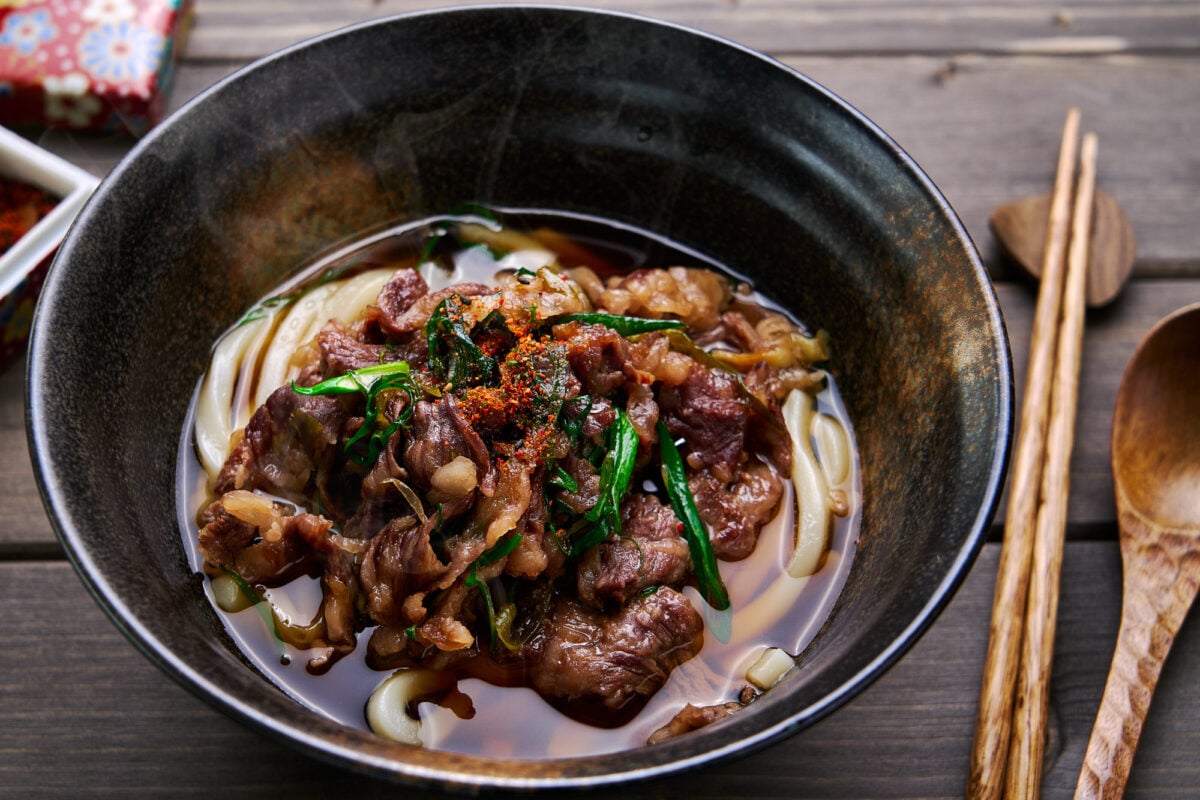
- Japanese Beef Udon Recipe35 Minutes



Leave a Reply