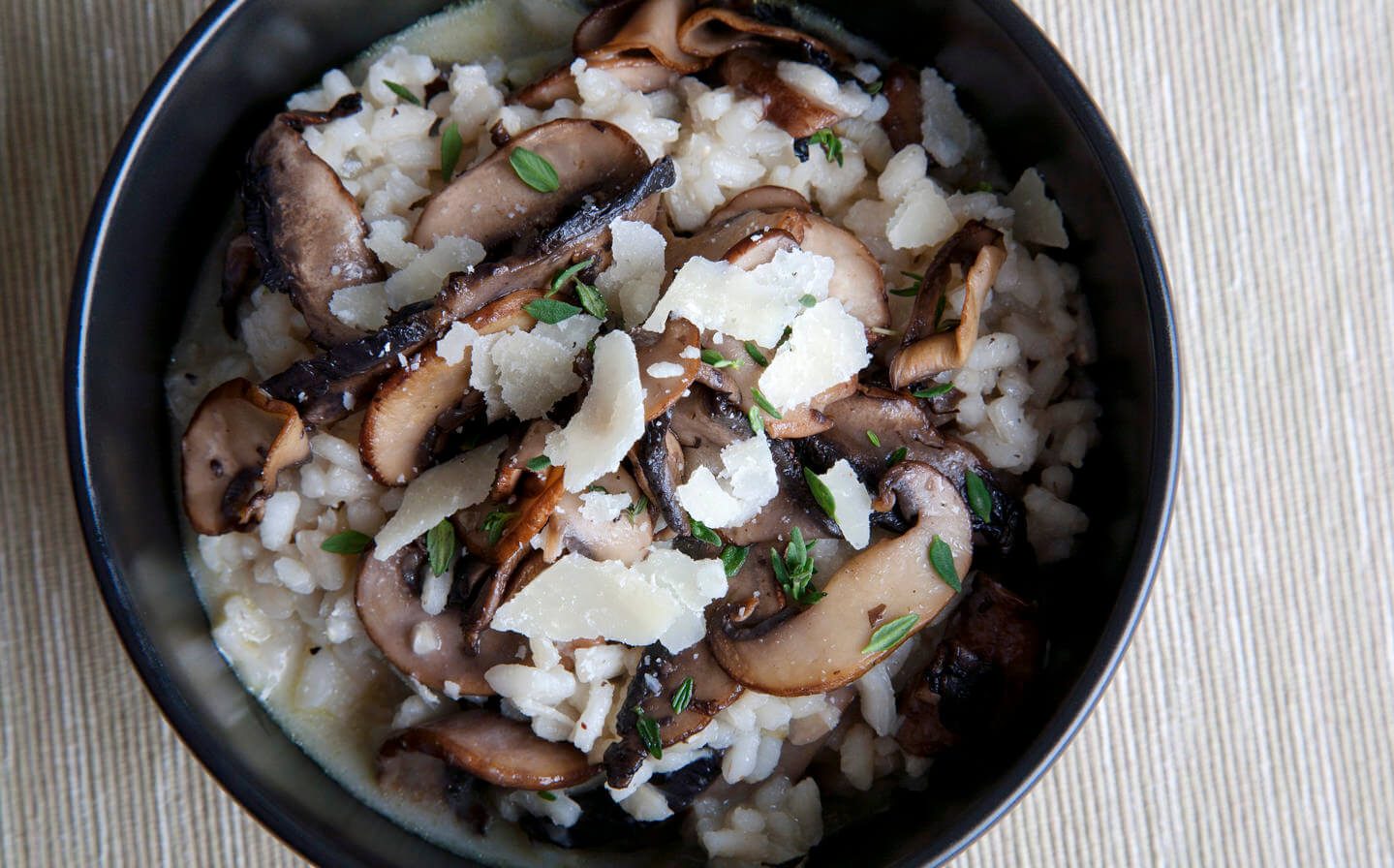
This Japanese Mushroom Risotto is a delightful fusion of Italian and Japanese flavors. The creamy texture of the risotto combined with the umami-rich taste of soy sauce and mirin creates a unique and comforting dish. Perfect for a cozy dinner, this recipe will impress your taste buds with its depth of flavor and simplicity.
Some ingredients in this recipe might not be commonly found in every household. Mirin is a sweet Japanese rice wine that adds a subtle sweetness and depth to the dish. You can find it in the Asian section of most supermarkets. Additionally, Arborio rice is essential for achieving the creamy texture of risotto and can usually be found in the rice or international foods aisle.
Ingredients For Japanese Mushroom Risotto
Arborio rice: A short-grain rice that becomes creamy when cooked, essential for risotto.
Olive oil: Used for sautéing the onions and mushrooms, adding a rich flavor.
Mixed mushrooms: Provides an earthy and umami flavor to the dish.
Onion: Adds sweetness and depth to the risotto.
Chicken or vegetable broth: Used to cook the rice, adding flavor and moisture.
Soy sauce: Adds a savory umami flavor, enhancing the overall taste.
Mirin: A sweet Japanese rice wine that adds a subtle sweetness and depth.
Parmesan cheese: Adds creaminess and a nutty flavor to the risotto.
Salt and pepper: Used to season the dish to taste.
Parsley: Chopped and used as a garnish for a fresh, vibrant touch.
Technique Tip for This Recipe
When cooking arborio rice for risotto, it's crucial to keep the broth warm throughout the process. Adding cold broth can shock the rice and slow down the cooking process, resulting in unevenly cooked grains. Additionally, make sure to stir frequently but not constantly; this helps release the rice's starches, giving the risotto its signature creamy texture.
Suggested Side Dishes
Alternative Ingredients
arborio rice - Substitute with carnaroli rice: Carnaroli rice has a similar creamy texture and is often used in risotto recipes.
olive oil - Substitute with sesame oil: Sesame oil adds a nutty flavor that complements the Japanese elements of the dish.
mixed mushrooms - Substitute with shiitake mushrooms: Shiitake mushrooms have a robust umami flavor that enhances the Japanese profile of the risotto.
onion - Substitute with shallots: Shallots provide a milder, sweeter flavor that blends well with the other ingredients.
chicken or vegetable broth - Substitute with dashi broth: Dashi broth adds a deep umami flavor that is characteristic of Japanese cuisine.
soy sauce - Substitute with tamari: Tamari is a gluten-free alternative to soy sauce with a richer flavor.
mirin - Substitute with sake: Sake provides a similar sweetness and depth of flavor, though it is less sweet than mirin.
parmesan cheese - Substitute with pecorino romano: Pecorino Romano has a similar texture and saltiness, though it is slightly sharper in flavor.
salt - Substitute with miso paste: Miso paste adds a complex umami flavor while also providing the necessary saltiness.
parsley - Substitute with shiso leaves: Shiso leaves offer a unique, slightly minty flavor that complements Japanese dishes.
Alternative Recipes Similar to This Dish
How to Store or Freeze This Recipe
- Allow the risotto to cool completely before storing. This prevents condensation, which can make the rice mushy.
- Transfer the cooled risotto into an airtight container. Make sure to leave a little space at the top to allow for expansion if freezing.
- For short-term storage, place the container in the refrigerator. The risotto will stay fresh for up to 3 days.
- If you plan to keep the risotto longer, consider freezing it. Label the container with the date to keep track of its freshness.
- When ready to reheat, thaw the risotto in the refrigerator overnight if frozen.
- Reheat the risotto gently on the stovetop over medium heat. Add a splash of broth or water to restore its creamy texture.
- Stir frequently to ensure even heating and to prevent sticking.
- Avoid reheating in the microwave as it can dry out the risotto and make it less creamy.
- Garnish with fresh parsley and a sprinkle of parmesan cheese before serving to revive its original flavor and presentation.
How to Reheat Leftovers
Stovetop Method: Place the leftover Japanese mushroom risotto in a non-stick skillet. Add a splash of chicken or vegetable broth to rehydrate the rice. Heat over medium-low heat, stirring occasionally until warmed through. This method helps maintain the creamy texture of the risotto.
Microwave Method: Transfer the risotto to a microwave-safe dish. Add a small amount of broth or water to prevent it from drying out. Cover the dish with a microwave-safe lid or plastic wrap, leaving a small vent for steam to escape. Heat on medium power in 1-minute intervals, stirring in between, until the risotto is heated evenly.
Oven Method: Preheat your oven to 350°F (175°C). Place the risotto in an oven-safe dish and add a bit of broth or water. Cover the dish with aluminum foil to retain moisture. Bake for about 15-20 minutes, or until the risotto is heated through. Stir halfway to ensure even heating.
Double Boiler Method: Fill a pot with a couple of inches of water and bring it to a simmer. Place a heatproof bowl with the risotto over the pot, making sure the bottom of the bowl does not touch the water. Stir occasionally until the risotto is warmed through. This gentle heating method helps preserve the texture and flavor.
Sous Vide Method: Place the leftover risotto in a vacuum-sealed bag or a resealable plastic bag with the air removed. Submerge the bag in a water bath set to 165°F (74°C) for about 20-30 minutes. This method ensures even heating and maintains the creamy consistency of the risotto.
Best Tools for This Recipe
Large skillet: A wide and deep pan used for sautéing the onions and mushrooms, and for cooking the risotto.
Wooden spoon: Ideal for stirring the rice and ensuring it doesn't stick to the pan.
Ladle: Used for adding the warm broth to the rice one scoop at a time.
Measuring cups: Essential for accurately measuring the rice, broth, soy sauce, and mirin.
Chef's knife: Used for finely chopping the onion and slicing the mushrooms.
Cutting board: A safe surface for chopping the vegetables.
Grater: Used for grating the parmesan cheese.
Small bowl: Handy for holding the grated parmesan cheese until it's needed.
Saucepan: Used to keep the broth warm throughout the cooking process.
Serving spoon: For serving the finished risotto.
Measuring spoons: Necessary for measuring the soy sauce and mirin accurately.
How to Save Time on Making This Recipe
Pre-chop ingredients: Prepare the onion and mushrooms in advance to save time during cooking.
Warm the broth: Keep the broth warm on a separate burner to speed up the absorption process.
Use a wide pan: A larger surface area allows the rice to cook more evenly and quickly.
Measure ingredients: Have all your ingredients measured and ready to go before you start cooking.
Stir constantly: Frequent stirring helps the rice cook faster and more evenly.
Japanese Mushroom Risotto
Ingredients
Main Ingredients
- 1 cup Arborio rice
- 2 tablespoons Olive oil
- 1 cup Mixed mushrooms, sliced
- 1 small Onion, finely chopped
- 3 cups Chicken or vegetable broth kept warm
- 2 tablespoons Soy sauce
- 1 tablespoon Mirin
- ½ cup Parmesan cheese, grated
- to taste Salt and pepper
- 2 tablespoons Chopped parsley for garnish
Instructions
- Heat olive oil in a large skillet over medium heat. Add the chopped onion and cook until translucent.
- Add the sliced mushrooms and cook until they release their moisture and start to brown.
- Stir in the Arborio rice and cook for a couple of minutes until the rice is well-coated with oil.
- Add the soy sauce and mirin, stirring constantly until absorbed.
- Begin adding the warm broth, one ladle at a time, stirring frequently. Wait until the liquid is mostly absorbed before adding more.
- Continue this process until the rice is creamy and cooked to al dente. This should take about 20 minutes.
- Stir in the grated Parmesan cheese and season with salt and pepper to taste.
- Garnish with chopped parsley and serve immediately.
Nutritional Value
Keywords
Suggested Appetizers and Desserts
More Amazing Recipes to Try 🙂
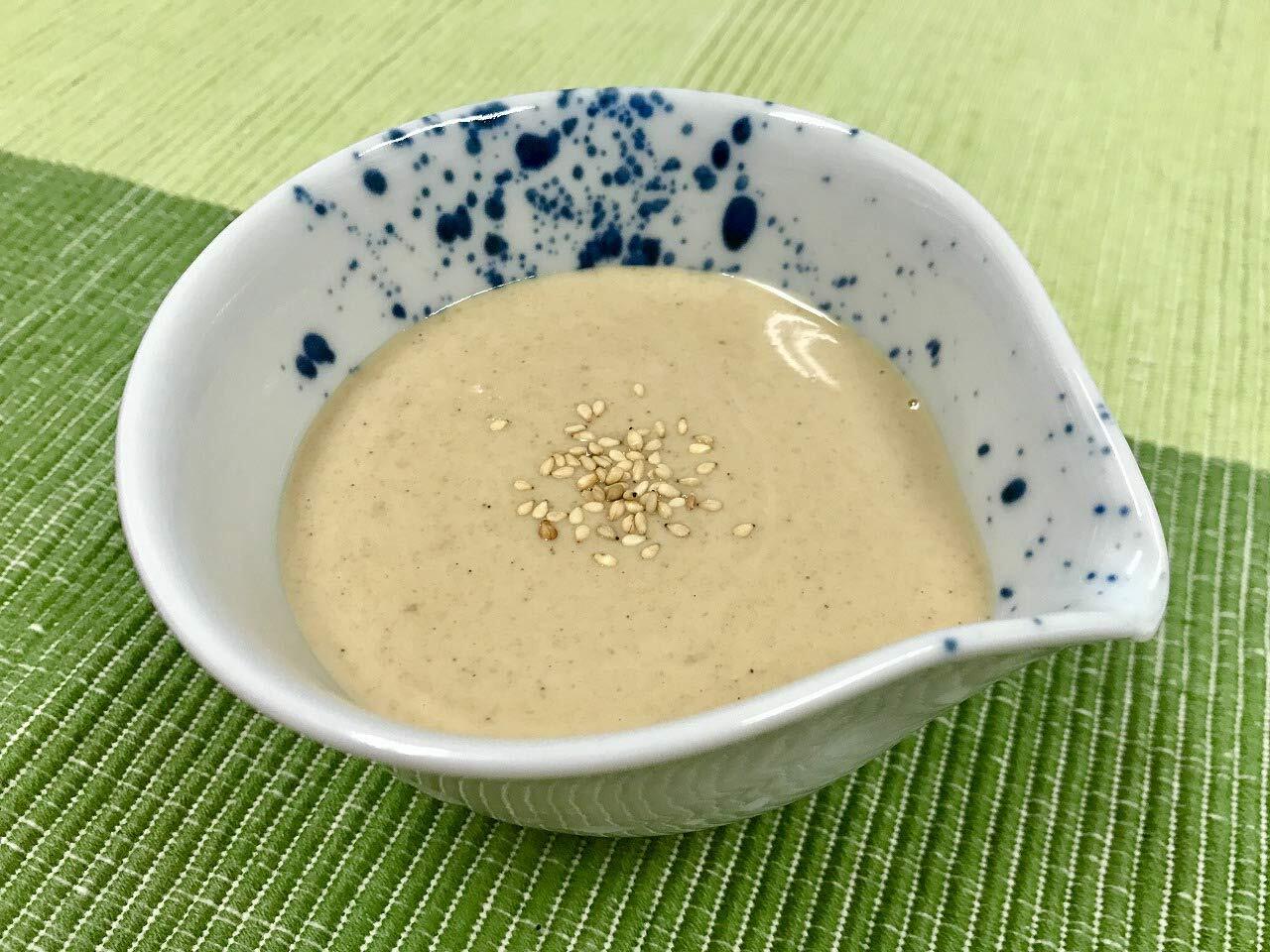
- Japanese Sesame Paste (Nerigoma) Recipe15 Minutes
- Takoyaki (Japanese Octopus Ball) Recipe30 Minutes
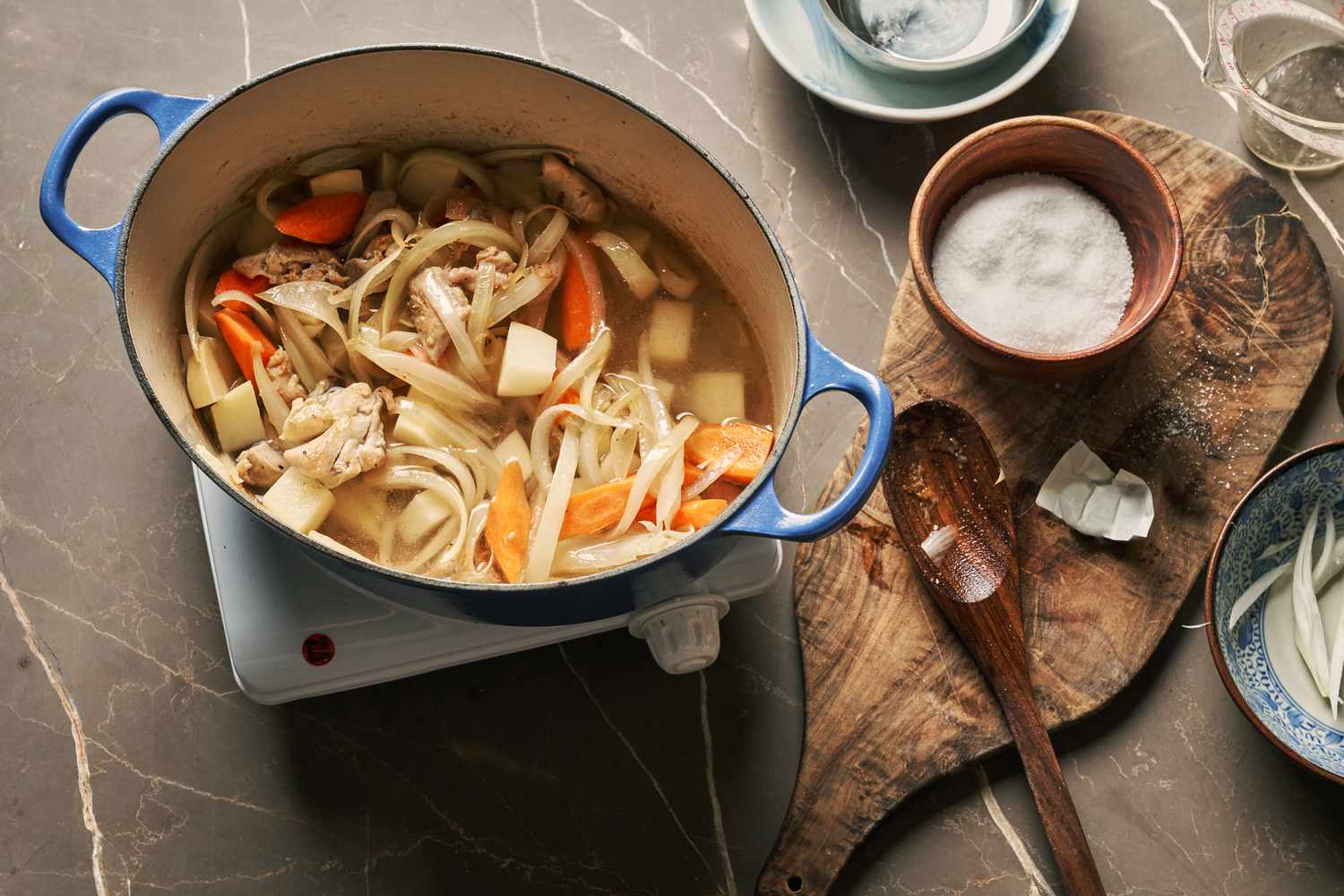
- Japanese Chicken Stew Recipe1 Hours
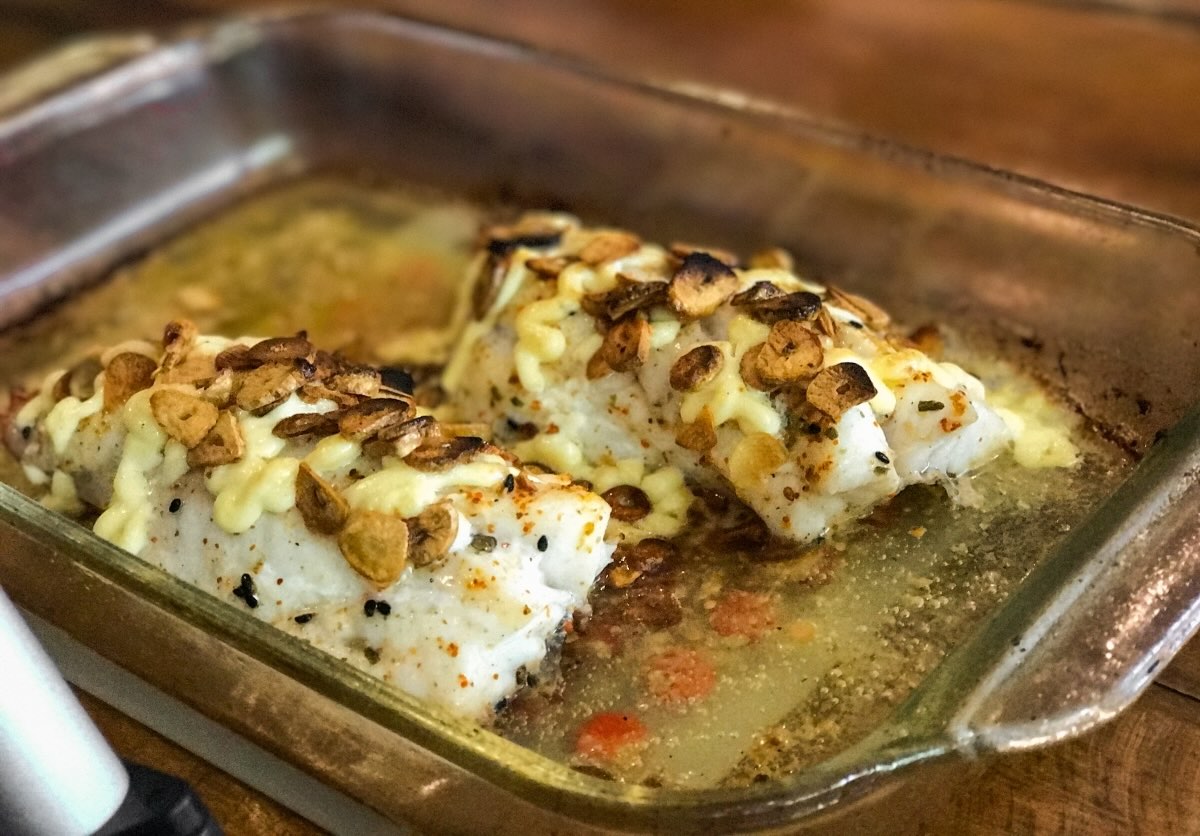
- Japanese Baked Fish Recipe30 Minutes
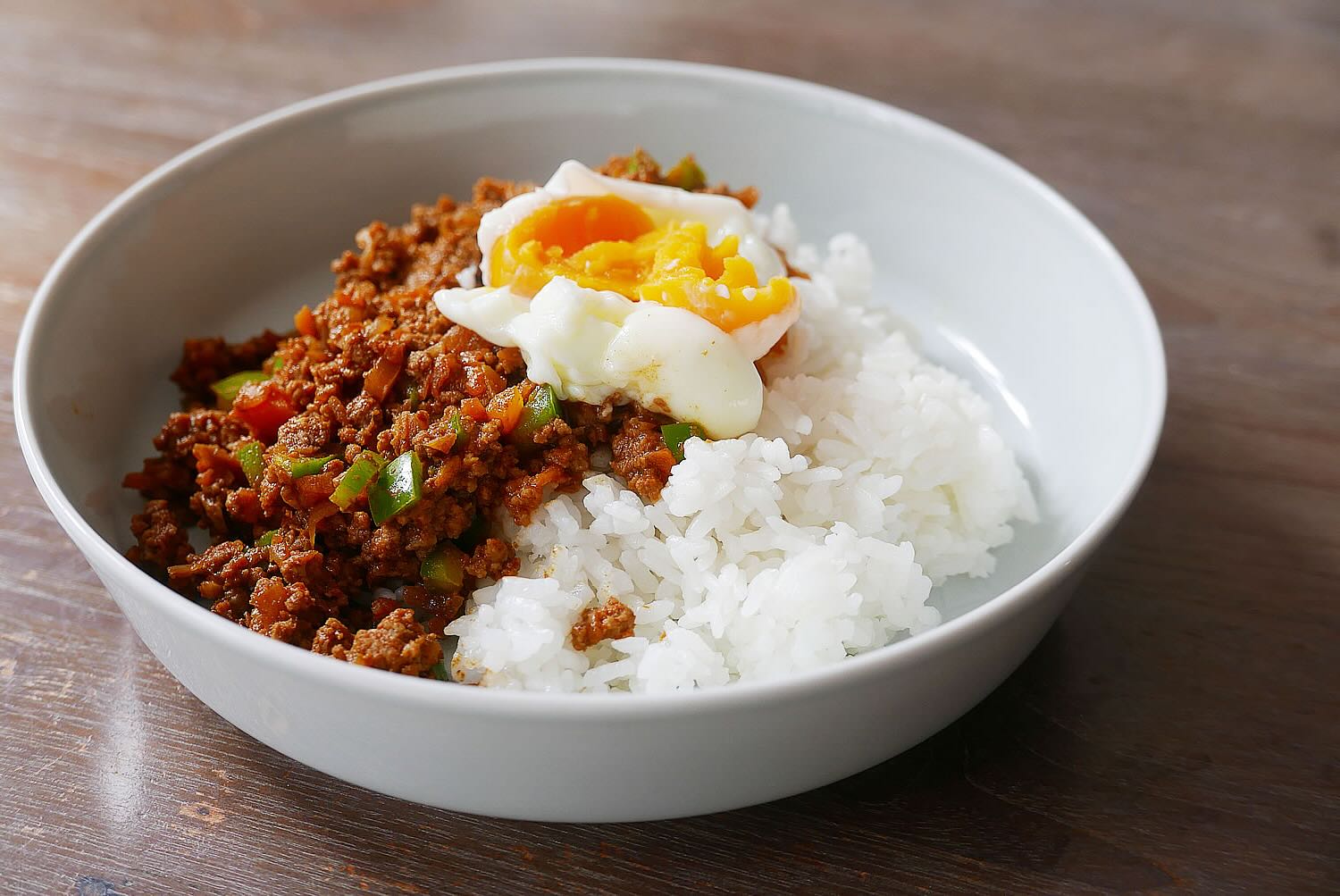
- Japanese Dry Curry Recipe45 Minutes
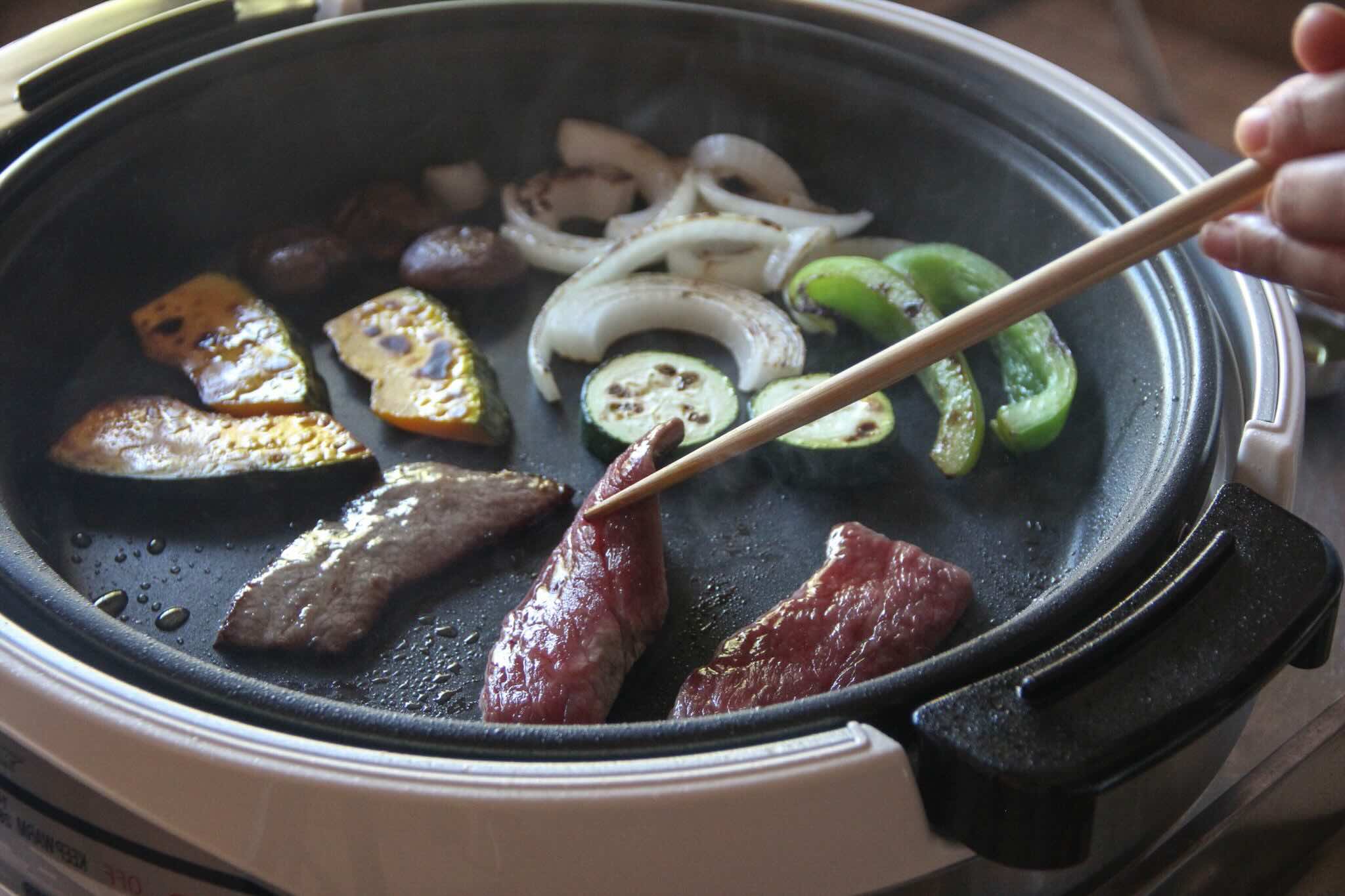
- Teppanyaki Recipe35 Minutes
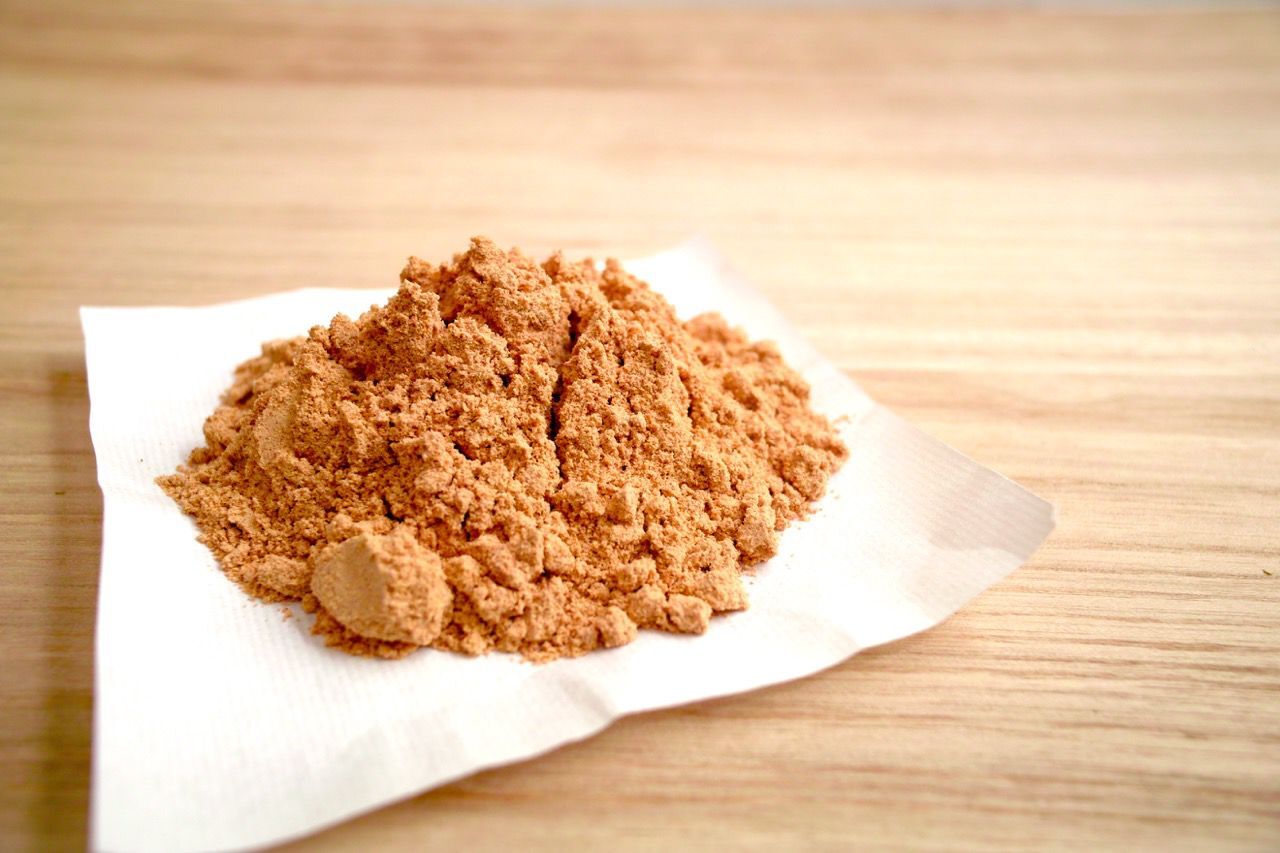
- Japanese Soybean Powder (Kinako) Recipe25 Minutes
- Japanese Kimbap Recipe35 Minutes



Leave a Reply