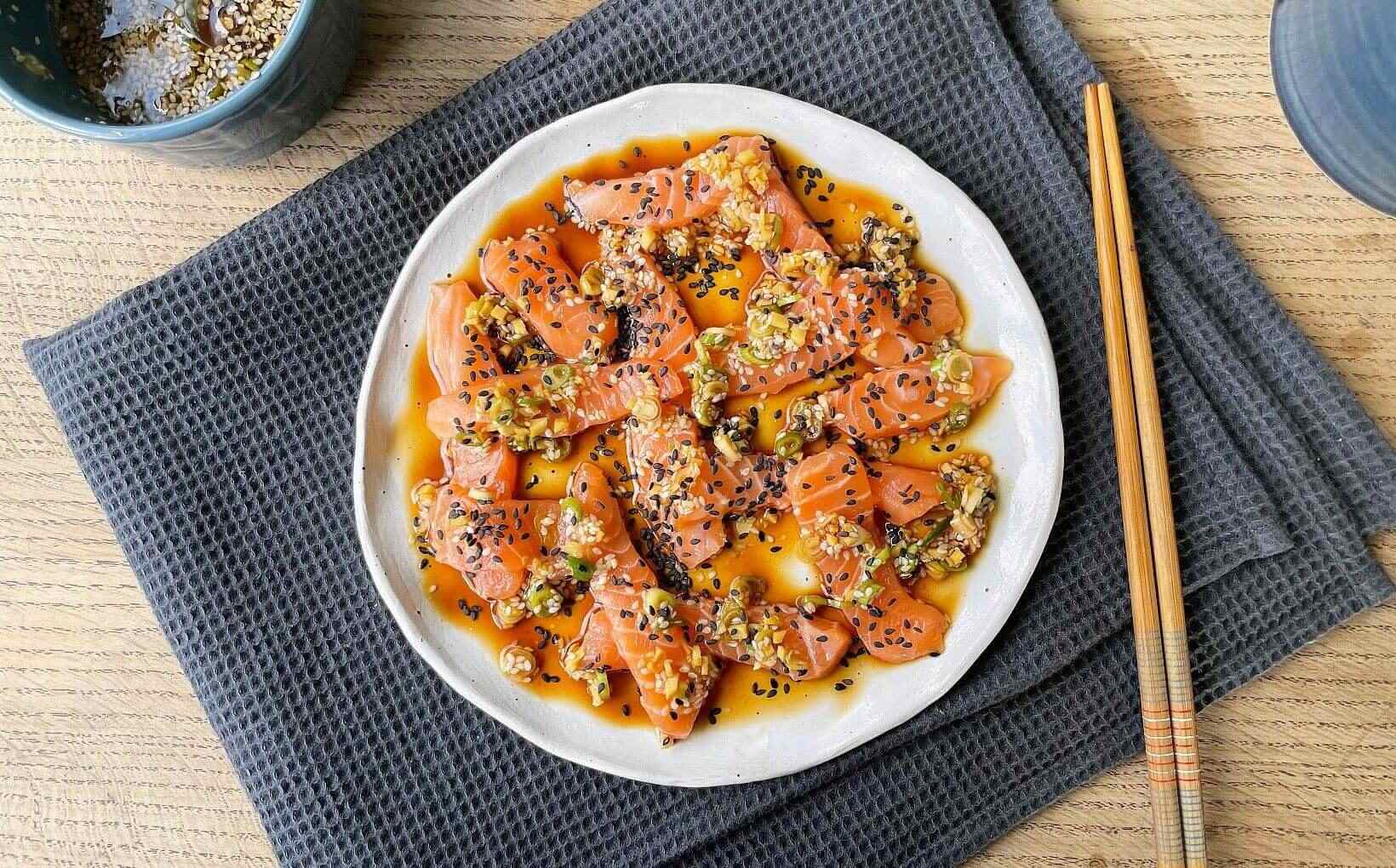
Experience the delicate and refined flavors of Japanese cuisine with this simple yet elegant salmon sashimi recipe. Perfect for a light appetizer or a sophisticated main course, this dish highlights the natural taste and texture of fresh salmon.
When preparing this dish, it's crucial to use sashimi-grade fresh salmon to ensure both safety and quality. This type of salmon is specifically prepared for raw consumption. You will also need soy sauce and wasabi, which can be found in the international or Asian food section of most supermarkets.
Ingredients For Japanese Salmon Sashimi Recipe
Salmon fillet: Sashimi-grade fresh salmon is essential for this dish to ensure safety and quality.
Soy sauce: A salty and savory condiment that complements the natural flavor of the salmon.
Wasabi: A pungent and spicy paste that adds a kick to the sashimi.
Technique Tip for Perfect Sashimi
When slicing the salmon fillet, ensure your knife is extremely sharp to achieve clean, precise cuts. A dull knife can tear the delicate flesh, compromising both the texture and presentation of your sashimi. For best results, use a long, thin-bladed knife, such as a sashimi knife, and slice in a single, smooth motion rather than sawing back and forth.
Suggested Side Dishes
Alternative Ingredients
sashimi-grade fresh salmon fillet - Substitute with sashimi-grade tuna: Tuna has a similar texture and flavor profile, making it a suitable alternative for sashimi dishes.
sashimi-grade fresh salmon fillet - Substitute with sashimi-grade yellowtail: Yellowtail offers a rich, buttery flavor that complements the traditional sashimi experience.
soy sauce - Substitute with tamari: Tamari is a gluten-free alternative to soy sauce with a similar umami flavor, making it perfect for those with gluten sensitivities.
soy sauce - Substitute with coconut aminos: Coconut aminos provide a slightly sweeter and less salty flavor, suitable for those looking for a soy-free option.
wasabi - Substitute with horseradish: Horseradish has a similar pungent heat and can be used as a more accessible alternative to wasabi.
wasabi - Substitute with dijon mustard: Dijon mustard offers a milder heat and tanginess, providing a different but complementary flavor to sashimi.
Alternative Recipes Similar to Salmon Sashimi
How to Store or Freeze Your Sashimi
- Ensure that the salmon fillet is as fresh as possible before storing. Freshness is key to maintaining the quality and safety of your sashimi.
- Wrap the salmon tightly in plastic wrap to prevent air exposure, which can cause oxidation and spoilage.
- Place the wrapped salmon in an airtight container to further protect it from any potential contaminants and to keep it from absorbing other odors in the fridge.
- Store the salmon in the coldest part of your refrigerator, ideally at a temperature between 32°F and 38°F. Use a refrigerator thermometer to ensure the temperature is optimal.
- Consume the salmon sashimi within 24 hours for the best taste and texture. Fresh sashimi is always preferable to ensure the highest quality.
- If you need to freeze the salmon, first ensure it is of the highest sashimi-grade quality. Freezing can affect the texture, so it's best to use the freshest fish possible.
- Wrap the salmon tightly in plastic wrap, then place it in a freezer-safe bag. Remove as much air as possible from the bag to prevent freezer burn.
- Label the bag with the date of freezing to keep track of its storage time. Frozen salmon should ideally be consumed within one month for the best quality.
- When ready to use, thaw the salmon in the refrigerator overnight. Avoid thawing at room temperature to prevent bacterial growth.
- Once thawed, use the salmon immediately for the best texture and flavor. Do not refreeze once it has been thawed, as this can significantly degrade the quality.
How to Reheat Leftovers
Method 1: Gentle Pan Searing
- Lightly coat a non-stick pan with olive oil.
- Heat the pan over medium-low heat.
- Place the salmon slices in the pan, searing each side for about 30 seconds to 1 minute.
- Remove from heat and serve immediately with soy sauce and wasabi.
Method 2: Steaming
- Fill a pot with a small amount of water and bring it to a gentle simmer.
- Place a steaming basket over the pot.
- Arrange the salmon slices in the basket, ensuring they do not overlap.
- Cover and steam for 1-2 minutes.
- Serve with soy sauce and wasabi.
Method 3: Sous Vide
- Preheat the sous vide machine to 120°F (49°C).
- Place the salmon slices in a vacuum-sealed bag.
- Submerge the bag in the water bath for 10-15 minutes.
- Remove from the bag and serve with soy sauce and wasabi.
Method 4: Warm Water Bath
- Fill a bowl with warm water (not boiling, around 100°F or 38°C).
- Place the salmon slices in a resealable plastic bag.
- Submerge the bag in the warm water for 5-10 minutes.
- Remove from the bag and serve with soy sauce and wasabi.
Method 5: Microwave with Caution
- Place the salmon slices on a microwave-safe plate.
- Cover with a damp paper towel.
- Microwave on low power for 10-15 seconds.
- Check the temperature and repeat if necessary, in 5-second intervals.
- Serve with soy sauce and wasabi.
Essential Tools for Making Salmon Sashimi
Sharp knife: Essential for slicing the salmon fillet into thin, even pieces.
Cutting board: Provides a stable surface for cutting the salmon.
Serving plate: Used to arrange and present the salmon slices.
Small bowl: For holding the soy sauce.
Small dish: For serving the wasabi.
How to Save Time on Making Sashimi
Use pre-sliced salmon: Purchase sashimi-grade salmon that is already pre-sliced to save time on preparation.
Organize your workspace: Arrange your ingredients and tools before starting to streamline the process.
Serve with pre-made condiments: Use store-bought soy sauce and wasabi to avoid making them from scratch.
Chill the salmon: Keep the salmon fillet in the fridge until you are ready to slice it, ensuring it is firm and easier to cut.
Japanese Salmon Sashimi Recipe
Ingredients
Main Ingredients
- 200 g Fresh salmon fillet sashimi-grade
- 1 tablespoon Soy sauce
- 1 teaspoon Wasabi
Instructions
- 1. Use a sharp knife to slice the salmon fillet into thin pieces.
- 2. Arrange the salmon slices on a plate.
- 3. Serve with soy sauce and wasabi on the side.
Nutritional Value
Keywords
Suggested Main Courses and Desserts
More Amazing Recipes to Try 🙂
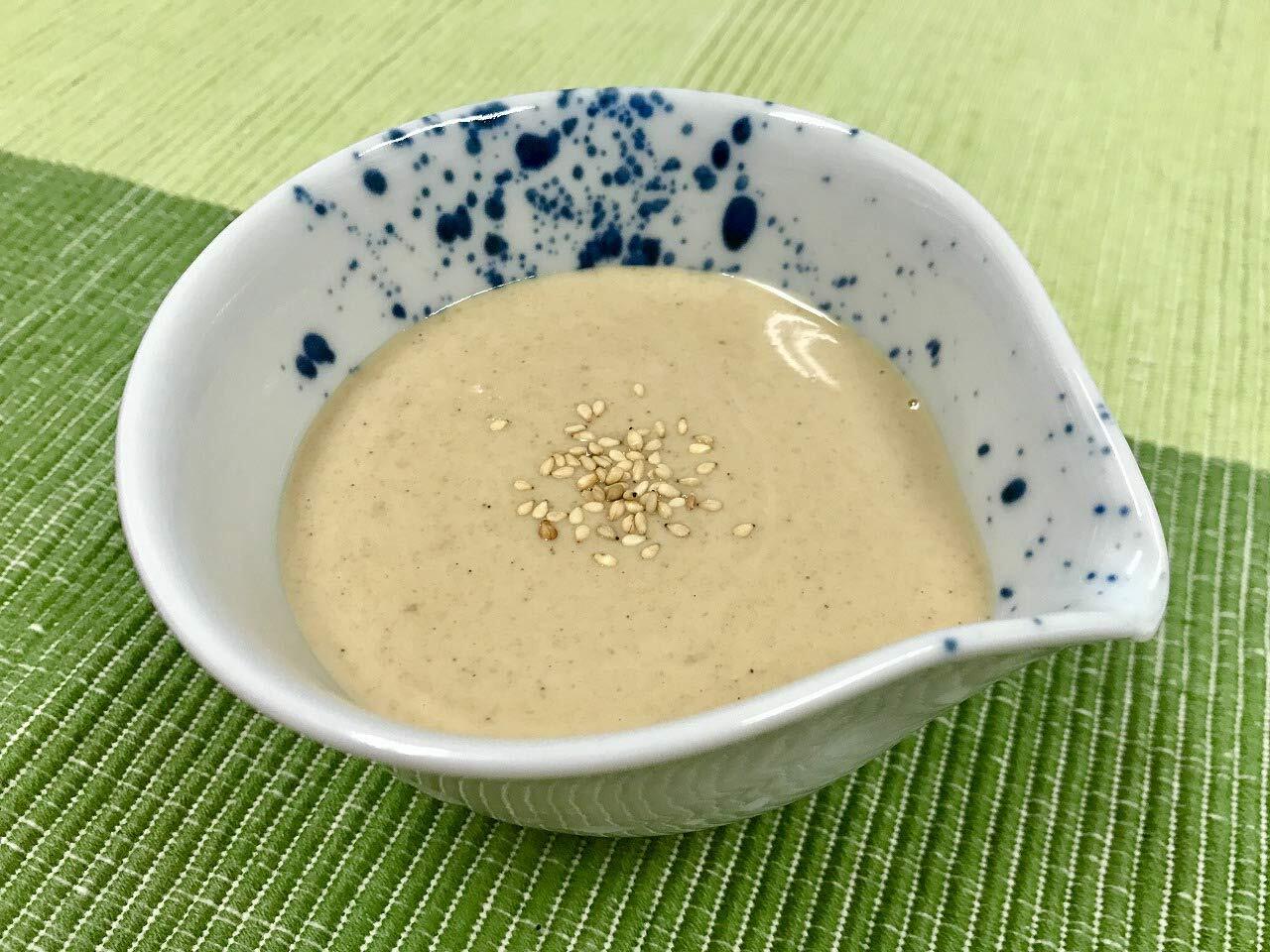
- Japanese Sesame Paste (Nerigoma) Recipe15 Minutes
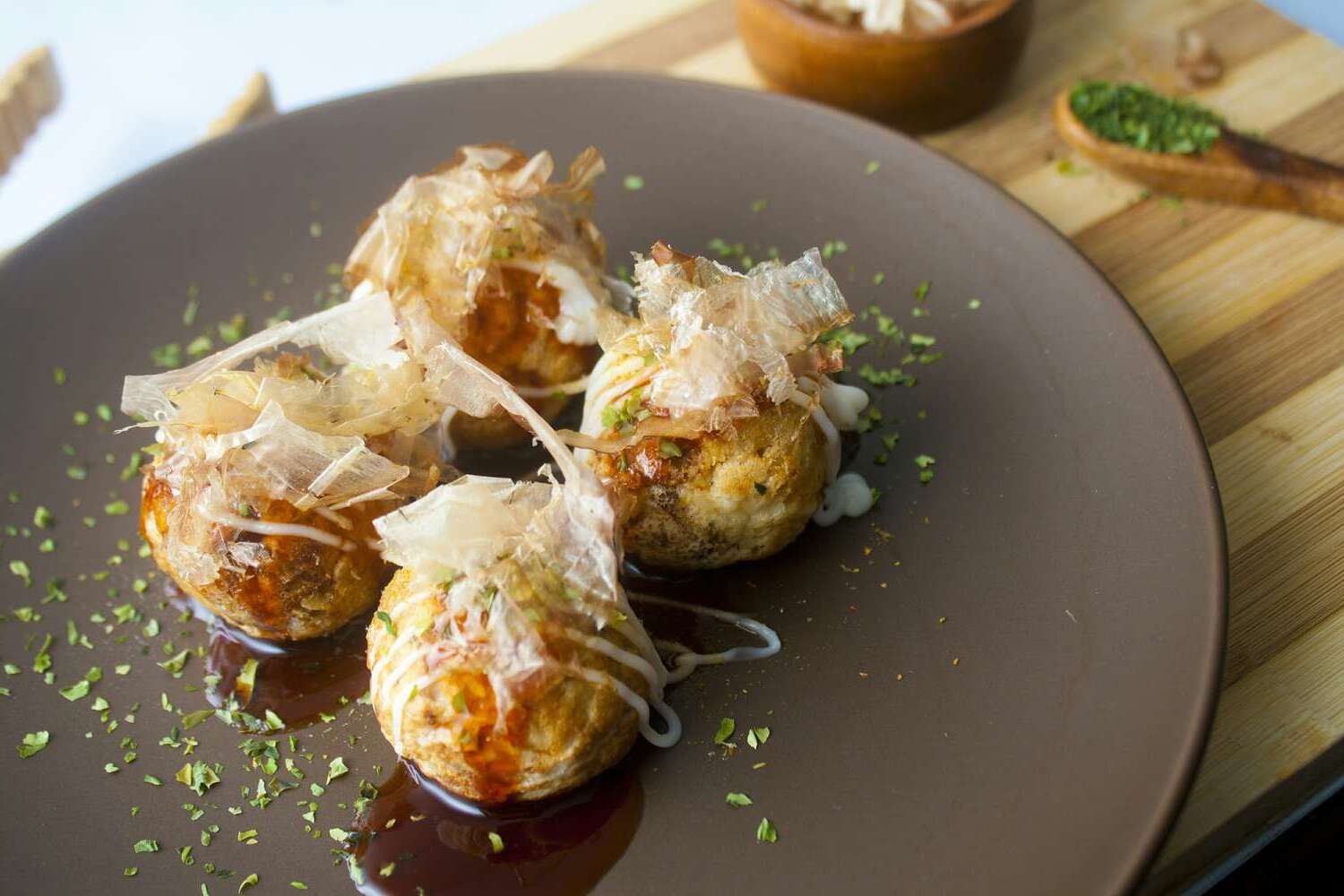
- Takoyaki (Japanese Octopus Ball) Recipe30 Minutes
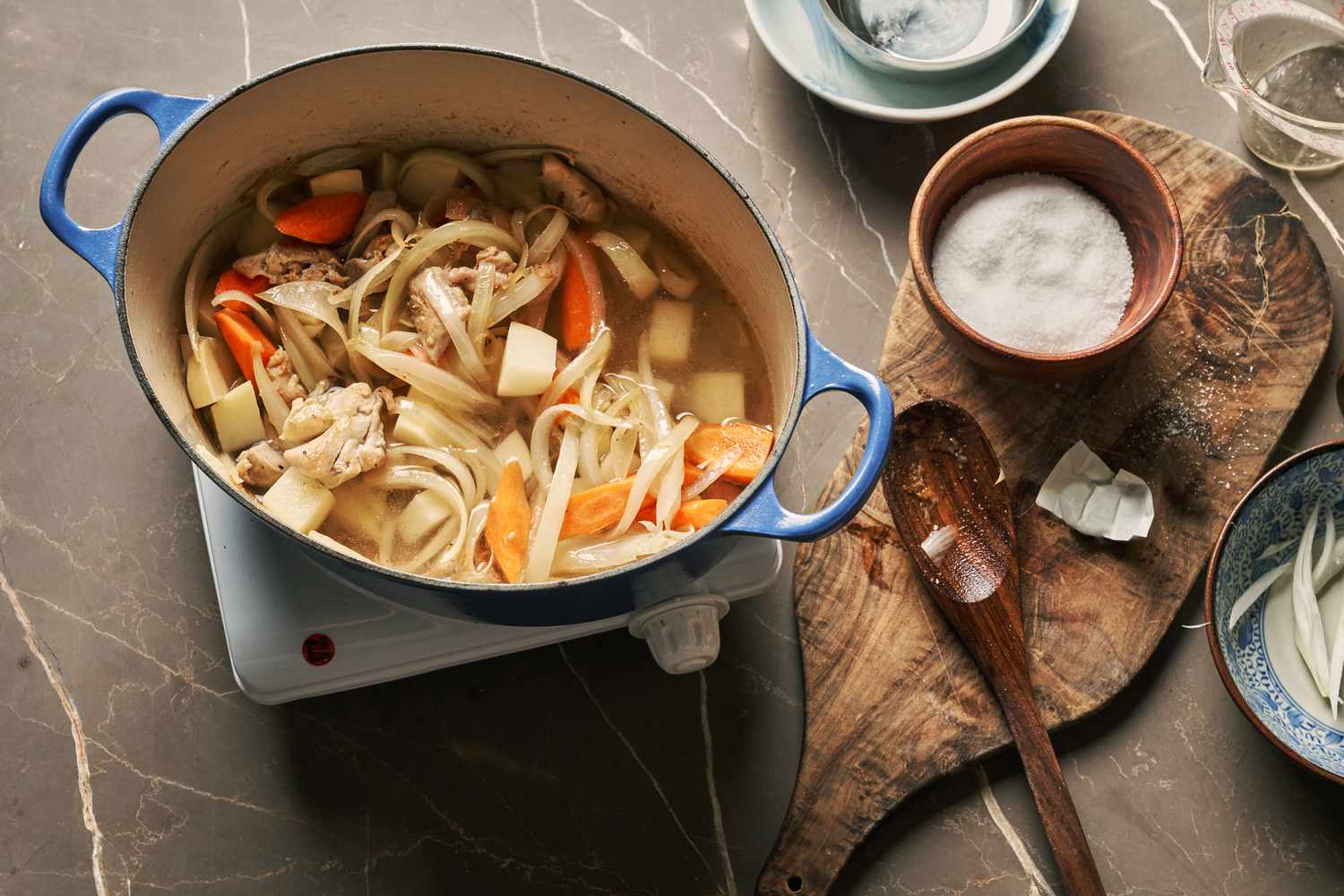
- Japanese Chicken Stew Recipe1 Hours
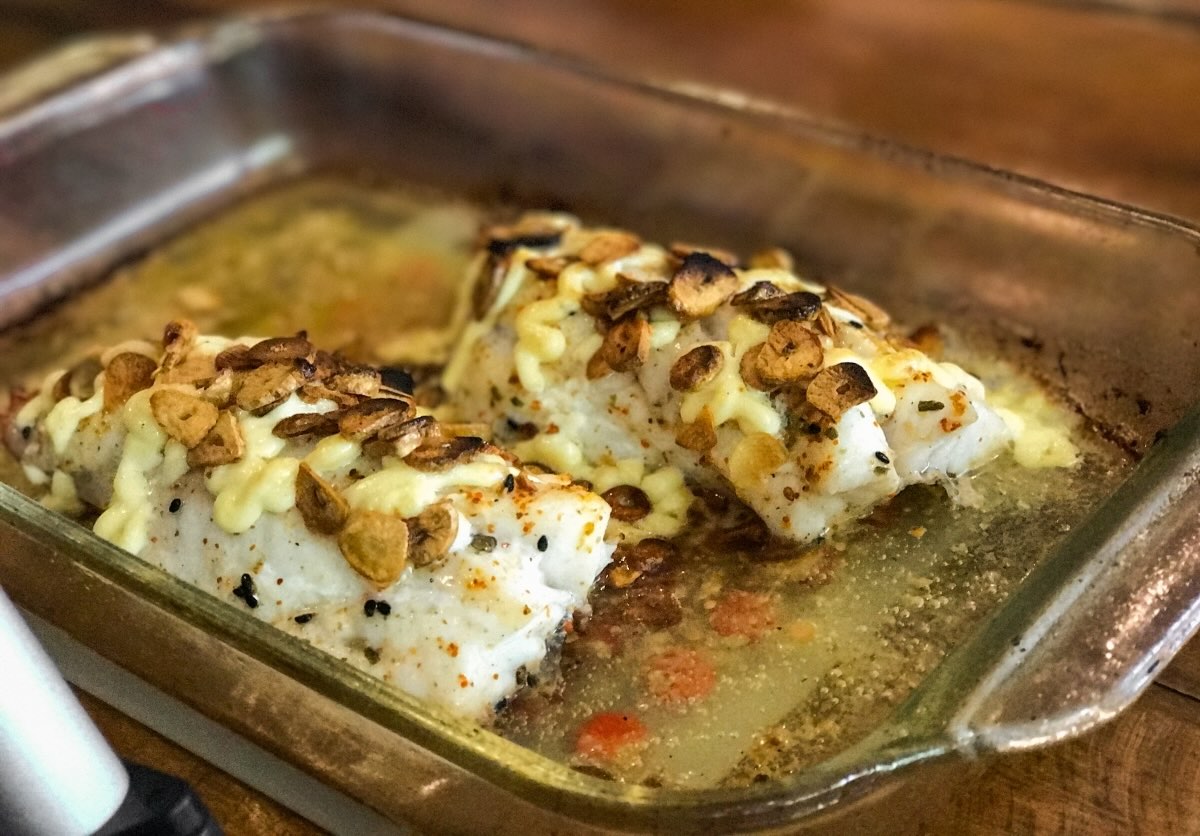
- Japanese Baked Fish Recipe30 Minutes
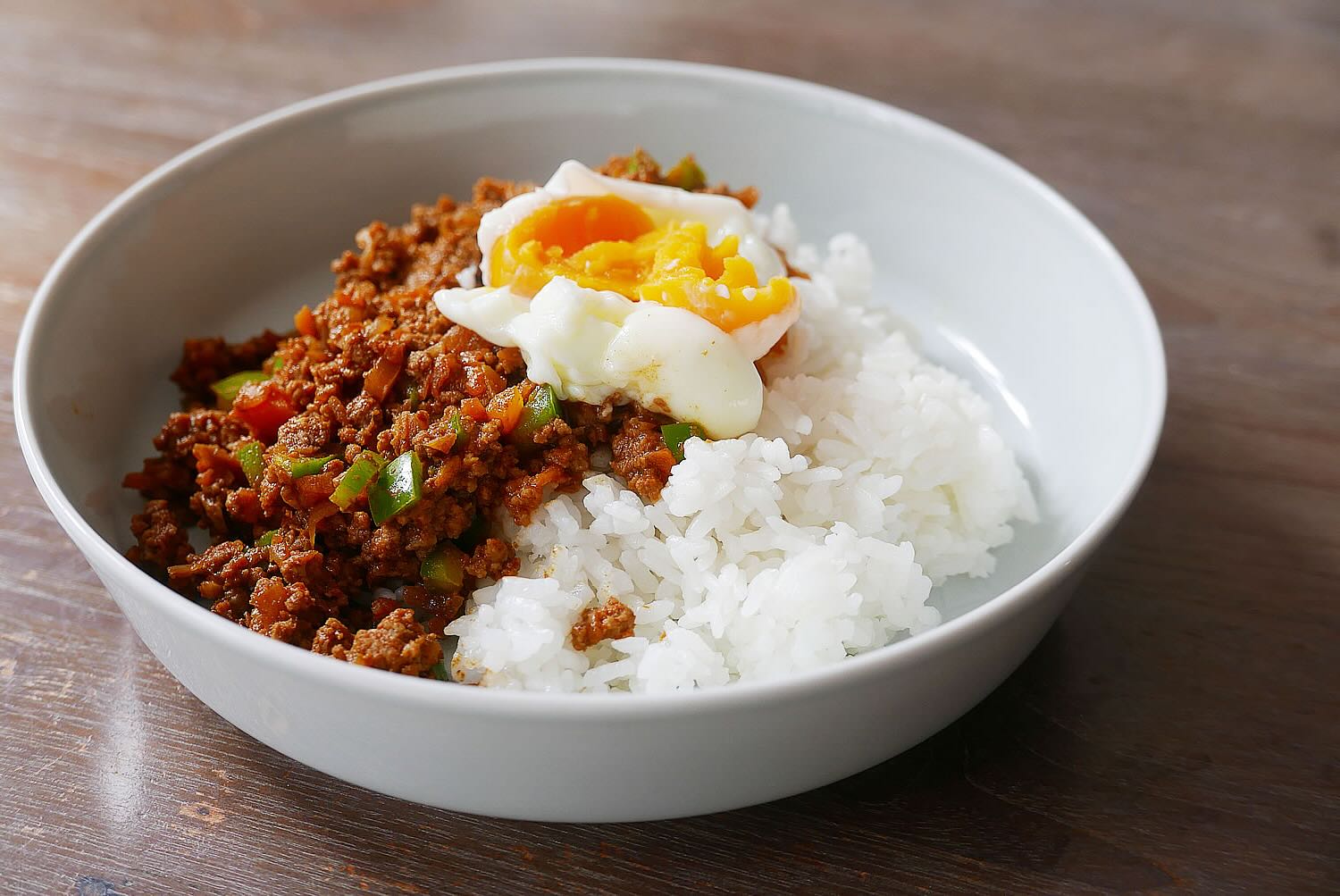
- Japanese Dry Curry Recipe45 Minutes
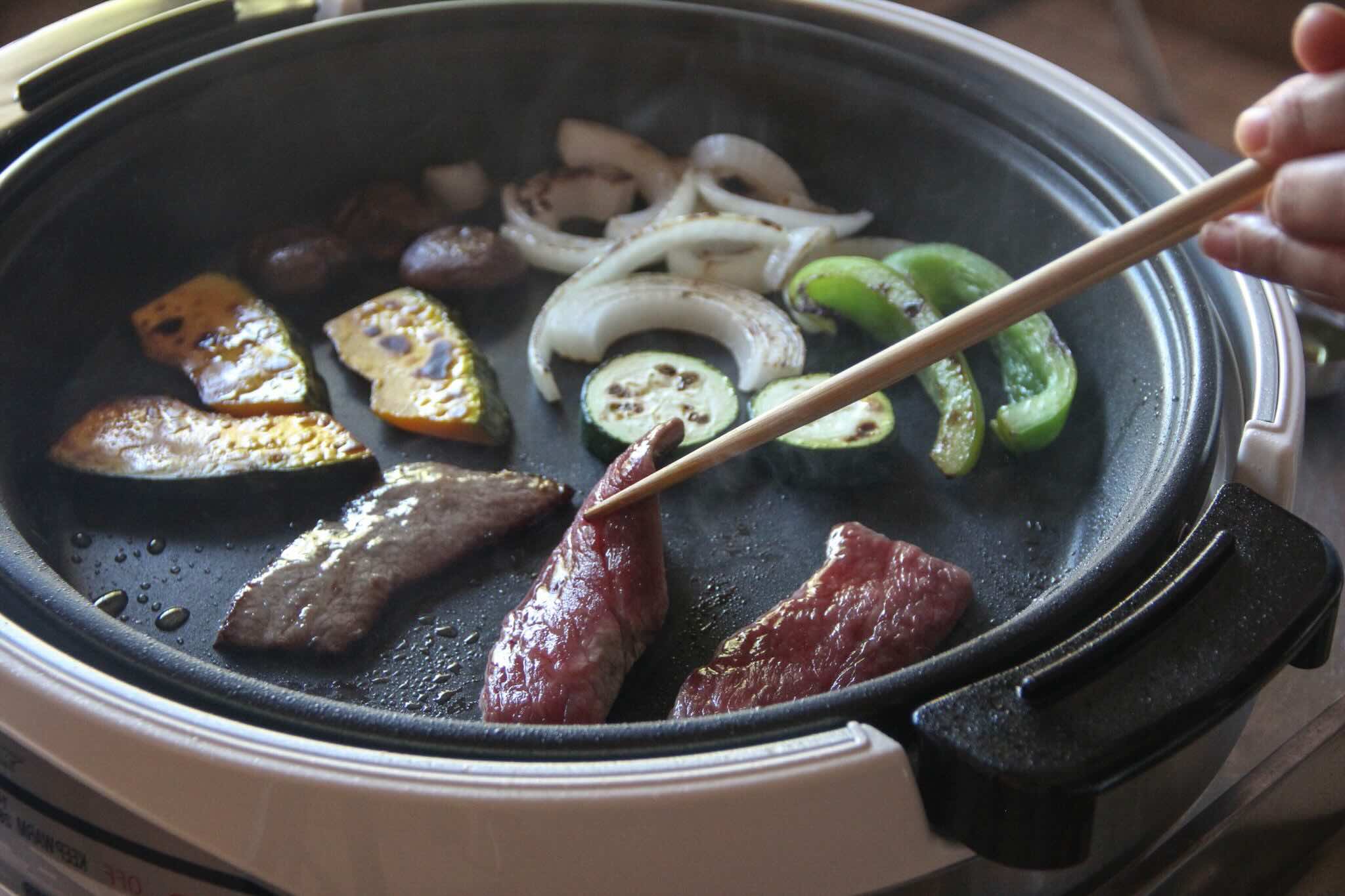
- Teppanyaki Recipe35 Minutes
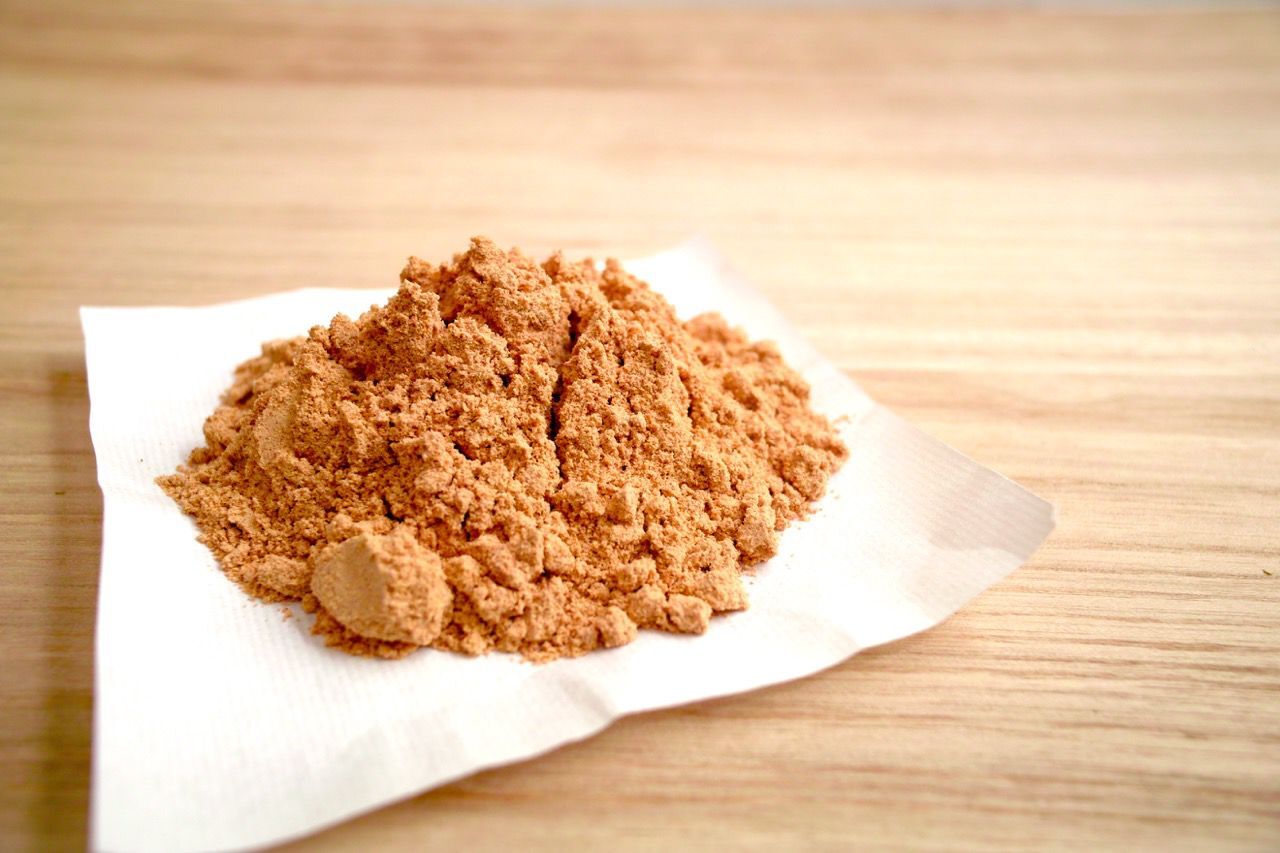
- Japanese Soybean Powder (Kinako) Recipe25 Minutes
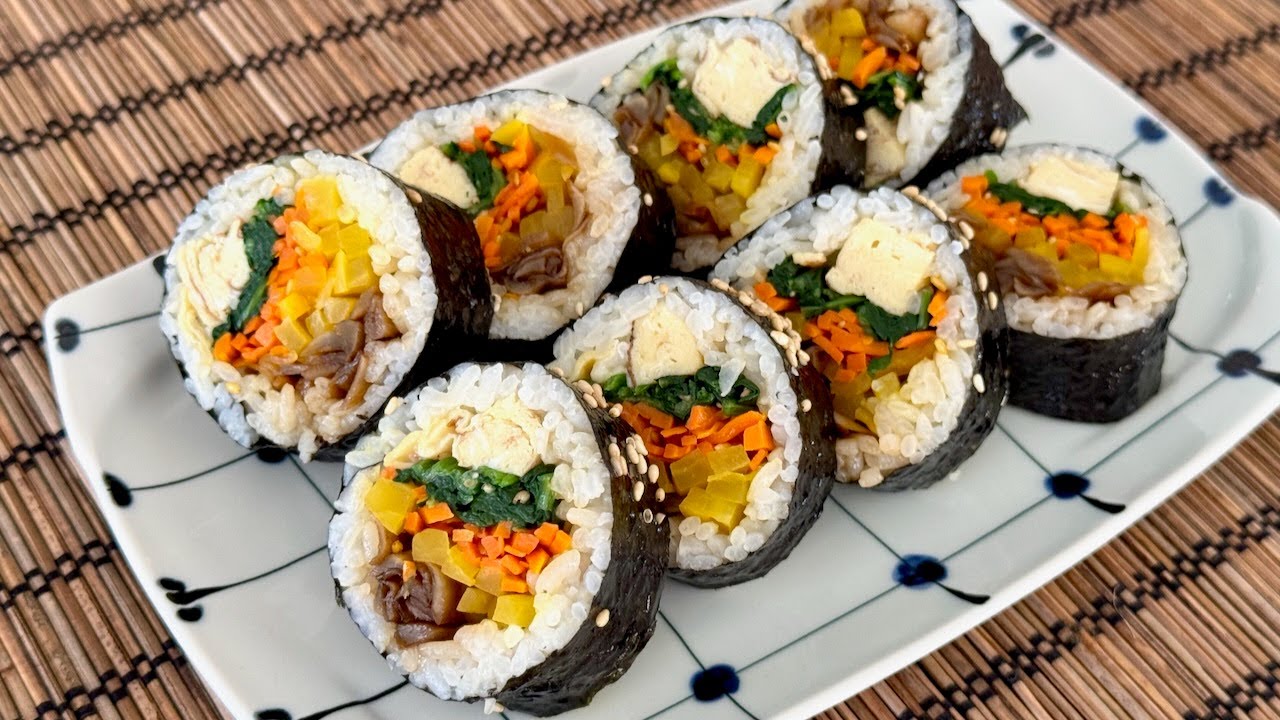
- Japanese Kimbap Recipe35 Minutes
Leave a Reply