
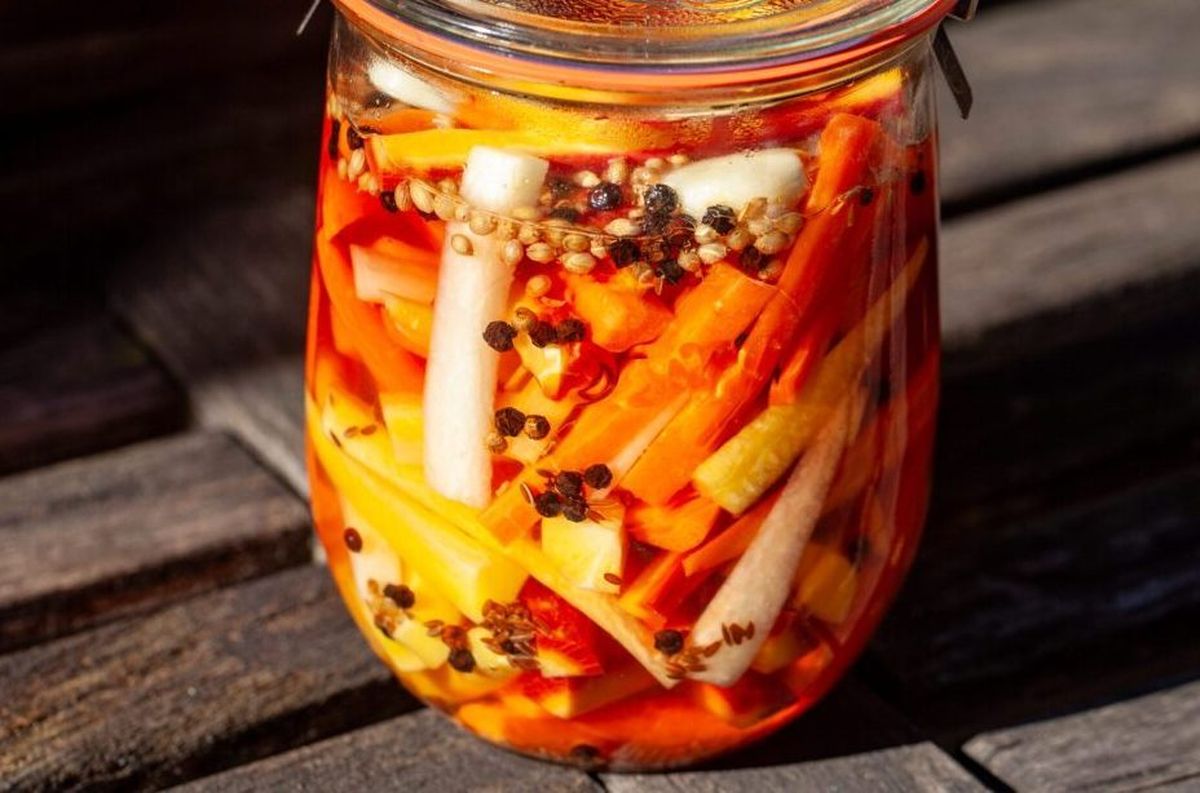
This Japanese curry pickle recipe is a delightful fusion of traditional Japanese pickling techniques with the bold flavors of curry. It's a quick and easy way to add a burst of flavor to your meals, perfect as a side dish or a snack. The combination of cucumber, carrot, and daikon radish creates a refreshing crunch that pairs wonderfully with the tangy and spicy pickling liquid.
If you're not familiar with daikon radish, it's a large, white radish commonly used in Asian cuisine. You can find it in the produce section of most supermarkets or Asian grocery stores. Rice vinegar is another key ingredient that might not be in your pantry; it's a mild vinegar made from fermented rice, available in the international aisle or vinegar section. Make sure to grab some curry powder as well, which adds the unique flavor to this pickle.
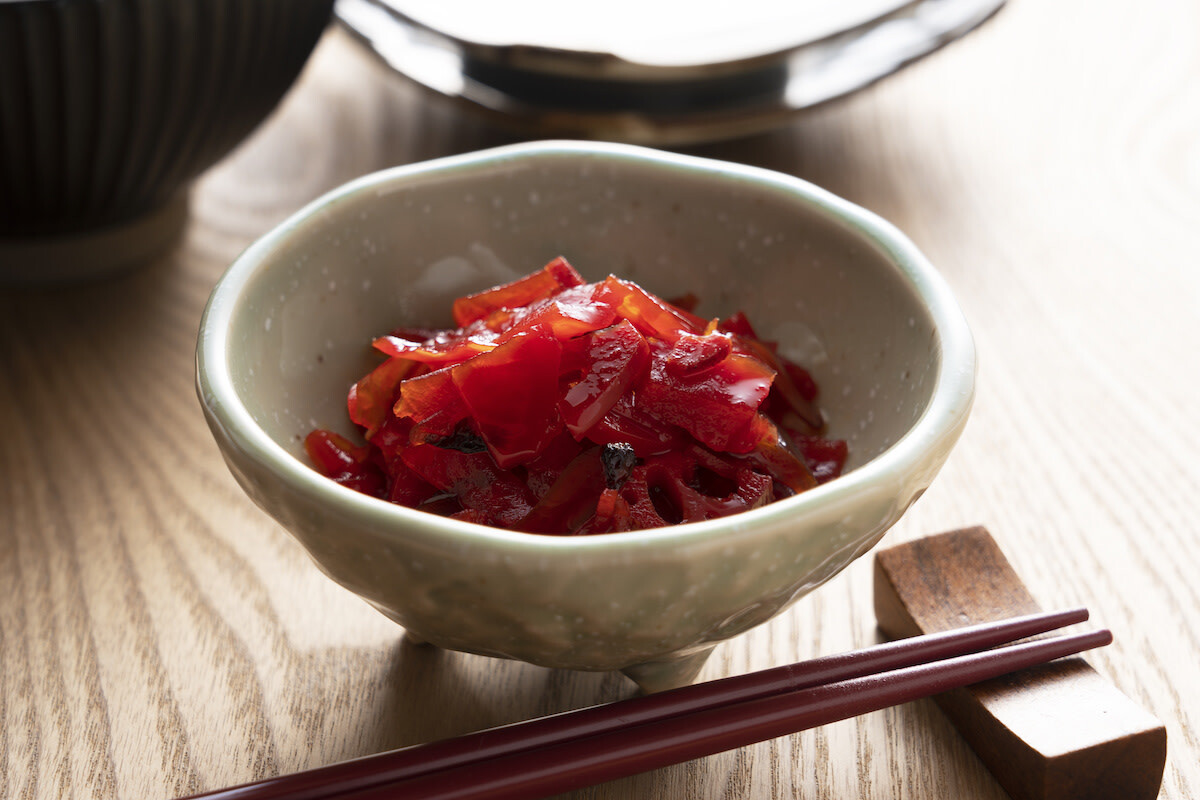
Ingredients For Japanese Curry Pickle Recipe
Cucumber: A refreshing and crunchy vegetable that forms the base of the pickle.
Carrot: Adds a sweet and crisp texture to the pickle.
Daikon radish: A mild-flavored radish that provides a crunchy bite.
Rice vinegar: A mild vinegar that adds tanginess to the pickling liquid.
Sugar: Balances the acidity of the vinegar and enhances the overall flavor.
Salt: Essential for seasoning and helping to draw out moisture from the vegetables.
Curry powder: Adds a warm, spicy flavor to the pickling liquid.
Technique Tip for This Recipe
When preparing the cucumber, carrot, and daikon radish, make sure to slice them uniformly. This ensures that the pickling process is even, allowing each piece to absorb the vinegar mixture equally. Additionally, to enhance the flavor, you can lightly salt the vegetables and let them sit for about 10 minutes before combining them with the vinegar mixture. This step helps to draw out excess moisture, making the pickles crisper.
Suggested Side Dishes
Alternative Ingredients
sliced cucumber - Substitute with zucchini: Zucchini has a similar texture and mild flavor, making it a good alternative for pickling.
julienned carrot - Substitute with julienned bell pepper: Bell peppers add a sweet and crunchy texture, similar to carrots, and can absorb the pickling flavors well.
julienned daikon radish - Substitute with julienned jicama: Jicama has a crisp texture and mild flavor, making it a suitable replacement for daikon radish in pickles.
rice vinegar - Substitute with apple cider vinegar: Apple cider vinegar has a similar acidity and can provide a slightly fruity undertone that complements the pickling process.
sugar - Substitute with honey: Honey can add a natural sweetness and depth of flavor to the pickling liquid.
salt - Substitute with sea salt: Sea salt can be used in the same quantity and provides a similar level of salinity.
curry powder - Substitute with garam masala: Garam masala has a complex blend of spices that can mimic the flavor profile of curry powder, adding a rich and aromatic touch to the pickles.
Alternative Recipes Similar to This Dish
How to Store or Freeze This Recipe
Ensure the jar you use for storing the Japanese curry pickle is clean and sterilized. This helps in preventing any unwanted bacteria from spoiling your pickles.
Once the vegetable mixture has cooled to room temperature, seal the jar tightly with a lid. This will help maintain the flavors and keep the pickles fresh.
Store the jar in the refrigerator. The Japanese curry pickles will develop a deeper flavor as they sit. They are best consumed within 1-2 weeks for optimal taste and texture.
If you wish to keep the pickles for a longer period, consider using a vacuum-sealed bag. Place the vegetables and the vinegar mixture in the bag, remove as much air as possible, and seal it. This method can extend the shelf life up to a month.
For freezing, transfer the pickles to a freezer-safe container or a freezer bag. Make sure to leave some space at the top of the container as the liquid will expand when frozen.
Label the container with the date of preparation. This will help you keep track of how long the pickles have been stored.
When ready to use, thaw the pickles in the refrigerator overnight. Avoid thawing at room temperature to maintain the best texture and flavor.
Once thawed, consume the pickles within a week. Freezing may slightly alter the texture, but the flavor will remain delightful.
Always use a clean utensil to scoop out the pickles from the jar to avoid contamination. This will help in preserving the pickles for a longer duration.
How to Reheat Leftovers
For a quick and easy method, simply take the jar of Japanese curry pickles out of the refrigerator and let it sit at room temperature for about 15-20 minutes. This will take the chill off without compromising the crispness of the vegetables.
If you prefer a slightly warmer pickle, transfer the desired amount to a microwave-safe bowl. Microwave on low power for 10-15 seconds. Be cautious not to overheat, as this can make the cucumber, carrot, and daikon radish too soft.
For a more traditional approach, place the pickles in a small saucepan and gently warm them over low heat for a few minutes. Stir occasionally to ensure even heating. This method helps maintain the integrity of the vegetables while slightly enhancing the flavors.
If you have a sous-vide machine, you can use it to gently reheat the pickles. Place the pickles in a vacuum-sealed bag and immerse it in a water bath set to 120°F (49°C) for about 10 minutes. This method ensures the pickles are evenly warmed without losing their crunch.
For those who enjoy a bit of a twist, consider lightly sautéing the pickles in a pan with a touch of olive oil or sesame oil. Heat the oil over medium-low heat, add the pickles, and sauté for 1-2 minutes. This adds a subtle depth of flavor while warming them up.
Best Tools for This Recipe
Saucepan: Used to combine rice vinegar, sugar, salt, and curry powder and bring them to a boil.
Mixing bowl: Used to combine the sliced cucumber, julienned carrot, and julienned daikon radish.
Measuring cups: Used to measure out the cucumber, carrot, daikon radish, and rice vinegar.
Measuring spoons: Used to measure out the sugar, salt, and curry powder.
Knife: Used to slice the cucumber and julienne the carrot and daikon radish.
Cutting board: Used as a surface for slicing and julienning the vegetables.
Jar: Used to store the vegetable mixture and allow it to cool and pickle in the refrigerator.
Stirring spoon: Used to mix the hot vinegar mixture with the vegetables.
How to Save Time on This Recipe
Pre-slice vegetables: Slice the cucumber, carrot, and daikon radish ahead of time and store them in the fridge.
Use a mandoline: A mandoline slicer can quickly and uniformly julienne the carrot and daikon radish.
Batch preparation: Double the recipe and store extra pickles for later use.
Quick cool down: Place the jar in an ice bath to cool the pickles faster before refrigerating.
Pre-mix spices: Combine the curry powder, sugar, and salt in advance to save time when making the vinegar mixture.
Japanese Curry Pickle Recipe
Ingredients
Main Ingredients
- 2 cups Cucumber sliced
- 1 cup Carrot julienned
- 1 cup Daikon Radish julienned
- 1 cup Rice Vinegar
- 1 tablespoon Sugar
- 1 teaspoon Salt
- 1 tablespoon Curry Powder
Instructions
- In a saucepan, combine rice vinegar, sugar, salt, and curry powder. Bring to a boil, then remove from heat.
- In a mixing bowl, combine cucumber, carrot, and daikon radish.
- Pour the hot vinegar mixture over the vegetables and mix well.
- Transfer the mixture to a jar and let it cool to room temperature. Refrigerate for at least 2 hours before serving.
Nutritional Value
Keywords
More Amazing Recipes to Try 🙂
- Japanese Sesame Paste (Nerigoma) Recipe15 Minutes
- Takoyaki (Japanese Octopus Ball) Recipe30 Minutes
- Japanese Chicken Stew Recipe1 Hours
- Japanese Baked Fish Recipe30 Minutes
- Japanese Dry Curry Recipe45 Minutes
- Teppanyaki Recipe35 Minutes
- Japanese Soybean Powder (Kinako) Recipe25 Minutes
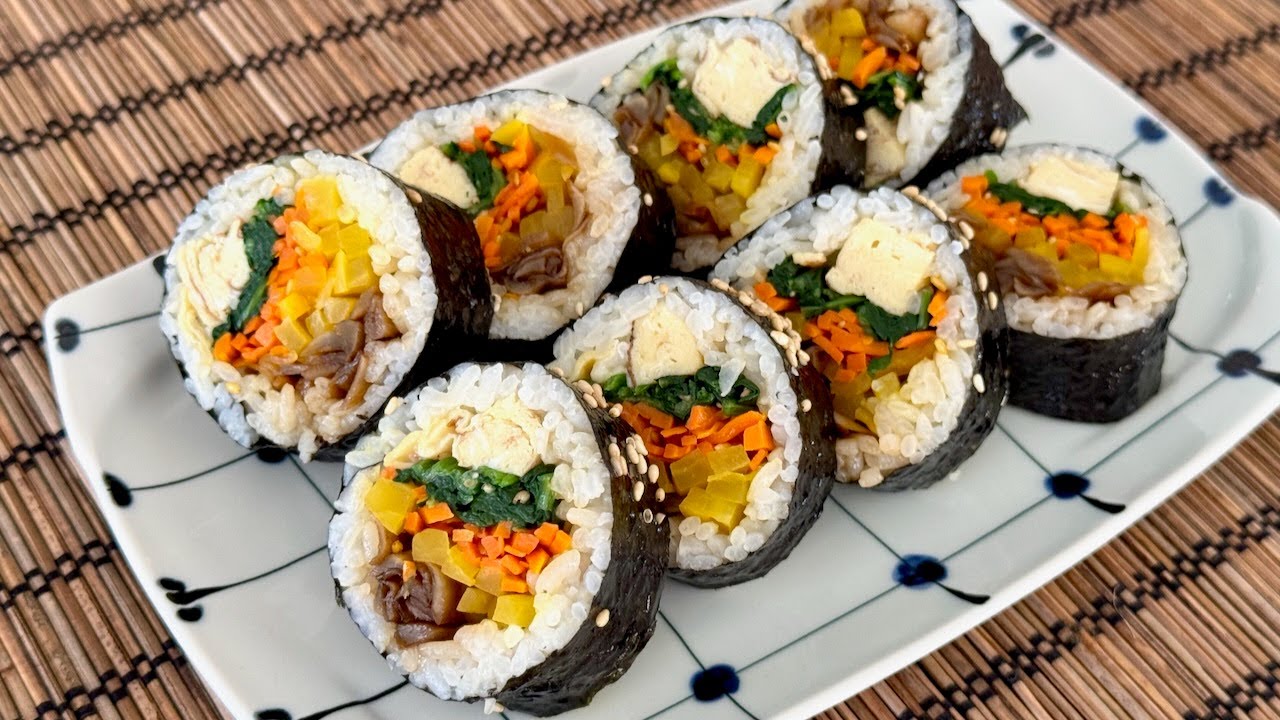
- Japanese Kimbap Recipe35 Minutes

Leave a Reply