
Natto is a traditional Japanese dish made from fermented soybeans. Known for its distinctive aroma, sticky texture, and strong flavor, natto is a staple in Japanese cuisine. This recipe will guide you through the process of making natto at home, allowing you to enjoy this unique and nutritious food.
The key ingredient in this recipe is natto starter culture, which may not be commonly found in every household. You can find it in Asian grocery stores or online. The soybeans used should be of good quality, preferably organic, to ensure the best results.
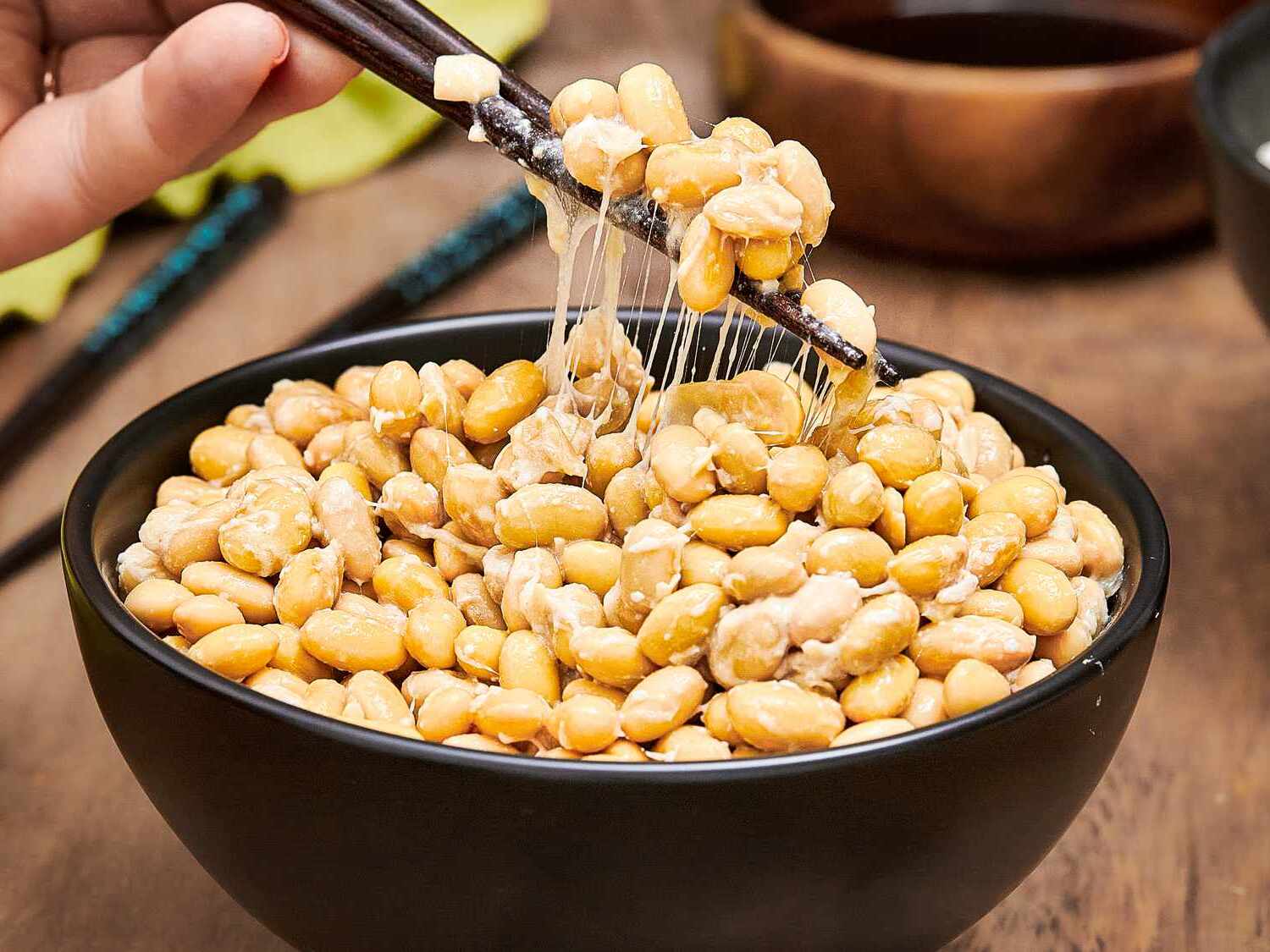
Ingredients For Japanese Fermented Bean (Natto) Recipe
Soybeans: The main ingredient, providing the base for the natto. Choose high-quality, preferably organic soybeans.
Natto starter culture: A specialized culture that initiates the fermentation process, giving natto its unique flavor and texture.
Technique Tip for This Recipe
When steaming the soybeans, ensure they are evenly spread out in the steamer to allow for consistent cooking. This will help achieve the desired softness throughout. Additionally, when mixing the natto starter culture with the soybeans, make sure the beans have cooled to the appropriate temperature to avoid killing the beneficial bacteria in the culture. Use a clean, sterilized spoon to mix thoroughly, ensuring the culture is evenly distributed for optimal fermentation.
Suggested Side Dishes
Alternative Ingredients
soybeans - Substitute with black beans: Black beans have a similar texture and can be fermented in a similar manner to soybeans.
soybeans - Substitute with chickpeas: Chickpeas can also be fermented and will provide a slightly different but still enjoyable flavor profile.
natto starter culture - Substitute with miso paste: Miso paste contains similar bacteria that can help in the fermentation process, although the flavor will be different.
natto starter culture - Substitute with tempeh starter culture: Tempeh starter culture contains Rhizopus mold, which can also ferment beans, though the texture and flavor will differ.
Other Alternative Recipes Similar to This Dish
How to Store or Freeze This Recipe
- After fermenting, transfer the natto to an airtight container to maintain its unique flavor and texture.
- Store the container in the refrigerator. The natto will keep for about one week, allowing you to enjoy its rich, umami taste over several days.
- For longer storage, consider freezing. Portion the natto into smaller, single-serving sizes before freezing. This makes it easier to thaw only what you need.
- Use freezer-safe containers or resealable plastic bags to prevent freezer burn and maintain the natto's quality.
- Label each container with the date of freezing to keep track of freshness.
- When ready to use, thaw the natto in the refrigerator overnight. Avoid microwaving as it can alter the texture and flavor.
- Once thawed, consume the natto within a few days for the best taste and nutritional benefits.
- Remember, natto can be a versatile addition to various dishes. Try it over rice, in soups, or even mixed with vegetables for a nutritious boost.
How to Reheat Leftovers
Gently steam the natto by placing it in a heatproof dish over simmering water for about 5 minutes. This method preserves the texture and flavor without overcooking.
Microwave the natto on medium power for 30-40 seconds. Be cautious not to overheat, as it can alter the delicate texture.
Warm the natto in a skillet over low heat for 2-3 minutes, stirring occasionally. This method allows for even heating and can enhance the nutty aroma.
Place the natto in an oven-safe dish, cover with foil, and heat in a preheated oven at 300°F (150°C) for about 10 minutes. This gentle method ensures the natto remains moist and flavorful.
For a quick and easy option, immerse the sealed container of natto in hot water for 5-7 minutes. This method is ideal for retaining the original taste and texture.
Best Tools for This Recipe
Colander: Used to drain the soaked soybeans after they have been rinsed and soaked overnight.
Large bowl: Essential for soaking the soybeans in water overnight.
Steamer: Necessary for steaming the soybeans for about 6 hours until they are soft.
Thermometer: Helps to ensure the soybeans are cooled to the correct temperature of about 100°F (38°C).
Mixing spoon: Used to mix the natto starter culture with the cooled soybeans.
Fermentation container: A container where the soybean and natto starter culture mixture will be placed for fermentation.
Cheesecloth: Covers the fermentation container to allow air circulation while keeping contaminants out.
Incubator or warm place: Maintains a consistent temperature of 100°F (38°C) for the 24-hour fermentation period.
Refrigerator: Used to refrigerate the natto for a few hours before serving to enhance its flavor and texture.
How to Save Time on Making This Recipe
Use a pressure cooker: Reduce steaming time by using a pressure cooker to cook the soybeans until soft in about 1 hour.
Pre-soak in hot water: Soak the soybeans in hot water for a few hours instead of overnight to cut down on soaking time.
Batch preparation: Make a larger batch of natto and freeze portions for future use, saving time on repeated preparations.
Instant-read thermometer: Use an instant-read thermometer to quickly check the temperature of the soybeans before adding the natto starter culture.
Fermentation box: Use a dedicated fermentation box to maintain a consistent temperature, ensuring efficient fermentation.
Japanese Fermented Bean (Natto) Recipe
Ingredients
Main Ingredients
- 2 cups Soybeans
- 1 packet Natto Starter Culture
Instructions
- Rinse and soak soybeans in water overnight.
- Drain and steam the soybeans for about 6 hours or until soft.
- Cool the soybeans to about 100°F (38°C).
- Mix the natto starter culture with the soybeans.
- Place the mixture in a fermentation container and cover with cheesecloth.
- Ferment at 100°F (38°C) for 24 hours.
- Refrigerate the natto for a few hours before serving.
Nutritional Value
Keywords
More Amazing Recipes to Try 🙂
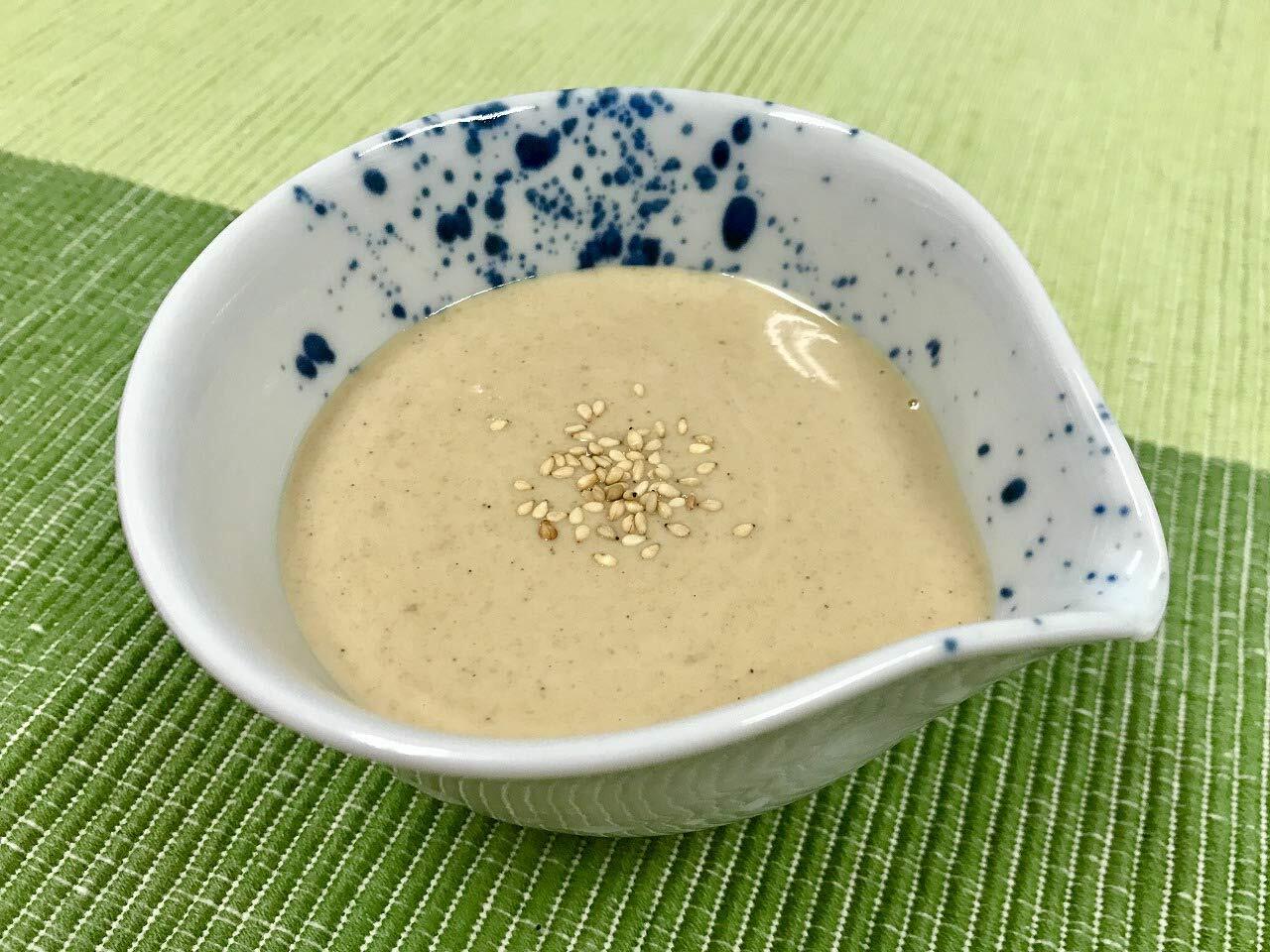
- Japanese Sesame Paste (Nerigoma) Recipe15 Minutes
- Takoyaki (Japanese Octopus Ball) Recipe30 Minutes
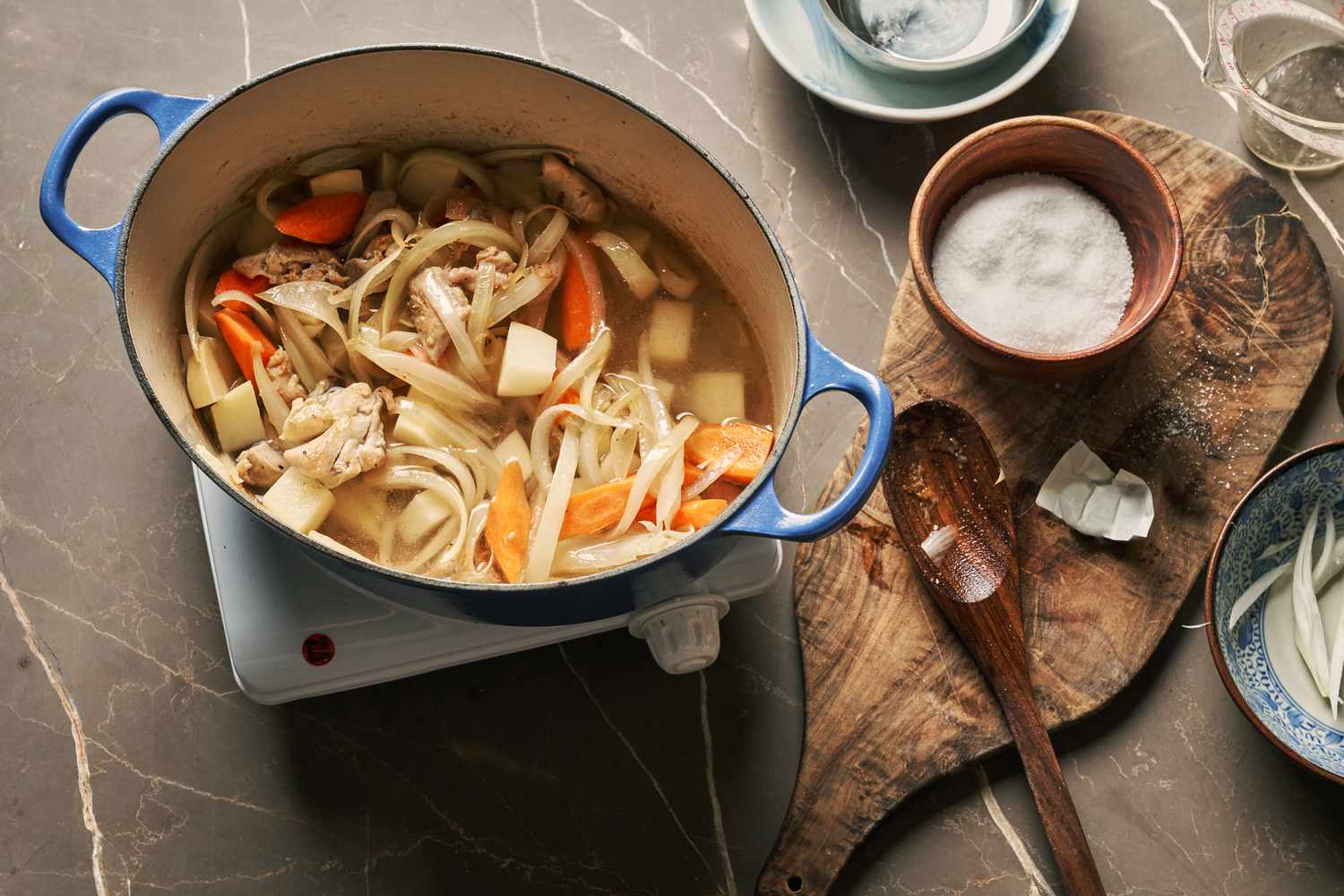
- Japanese Chicken Stew Recipe1 Hours
- Japanese Baked Fish Recipe30 Minutes
- Japanese Dry Curry Recipe45 Minutes
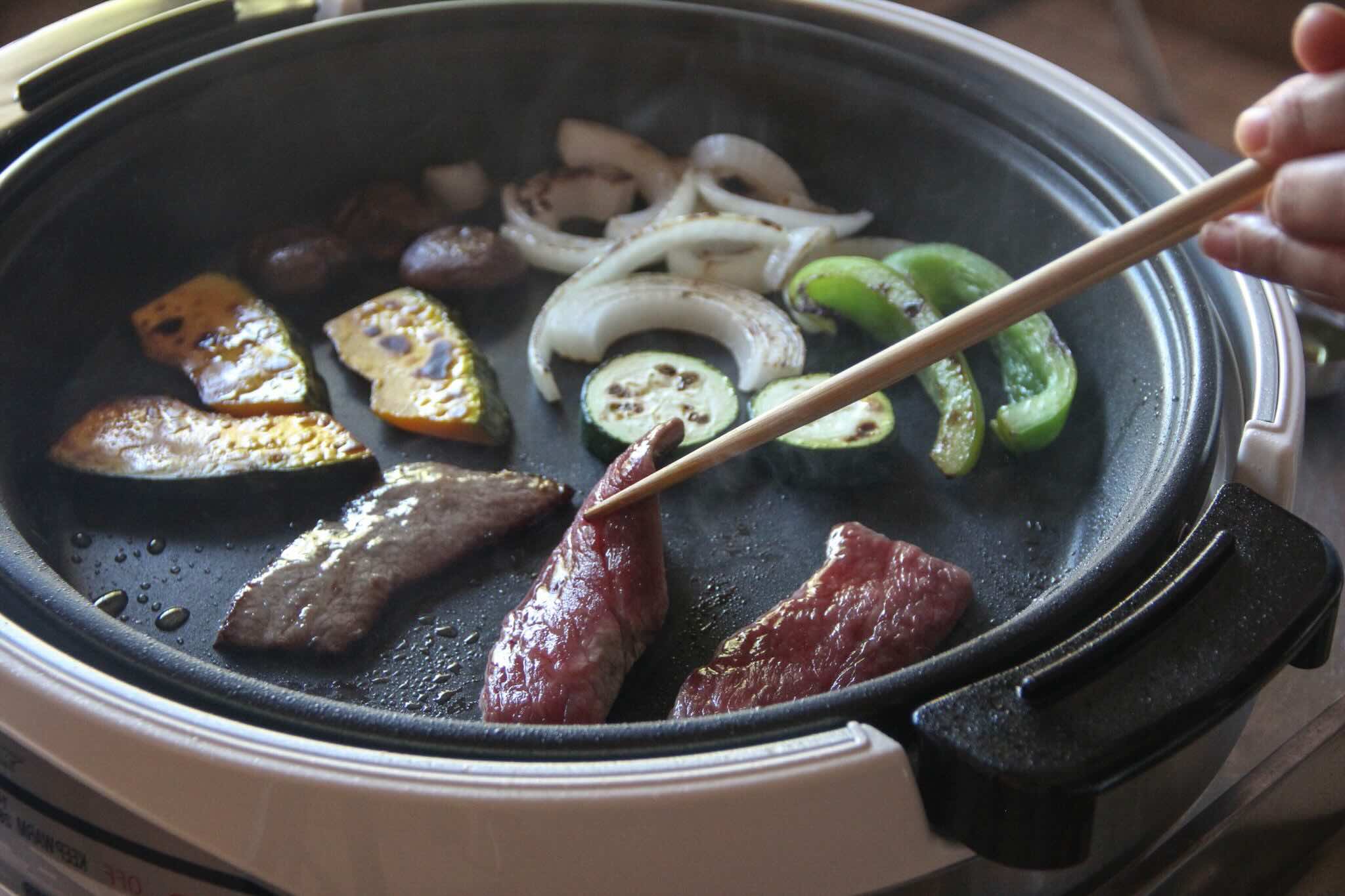
- Teppanyaki Recipe35 Minutes
- Japanese Soybean Powder (Kinako) Recipe25 Minutes
- Japanese Kimbap Recipe35 Minutes







Leave a Reply