Experience the delicate flavors of Japan with this exquisite Japanese tartare recipe. Combining fresh tuna with a harmonious blend of soy sauce, sesame oil, and mirin, this dish is a perfect balance of savory and umami. The addition of creamy avocado and a hint of ginger elevates the tartare to a new level of culinary delight.
Some ingredients in this recipe might not be staples in your kitchen. Mirin is a sweet rice wine used in Japanese cooking, and sesame oil adds a rich, nutty flavor. Rice vinegar provides a mild acidity, different from regular vinegar. Ensure you have these unique ingredients before starting.

Ingredients for Japanese Tartare Recipe
Tuna: Fresh and finely diced, this is the star of the dish.
Soy sauce: Adds a salty, umami flavor.
Sesame oil: Provides a rich, nutty taste.
Rice vinegar: Offers a mild acidity to balance flavors.
Mirin: A sweet rice wine that enhances the dish.
Shallot: Finely chopped for a subtle onion flavor.
Ginger: Fresh and grated, it adds a zesty kick.
Chives: Finely chopped for a mild, onion-like flavor.
Sesame seeds: Adds a crunchy texture and nutty flavor.
Avocado: Diced for a creamy, rich texture.
Technique Tip for This Recipe
When preparing tuna for tartare, ensure it is extremely fresh and of sashimi-grade quality. Use a sharp knife to finely dice the fish to maintain its delicate texture. For the avocado, choose one that is ripe but firm to avoid it becoming mushy when mixed. To enhance the flavors, let the mixture sit for a few minutes before serving, allowing the soy sauce, sesame oil, and other ingredients to meld together.
Suggested Side Dishes
Alternative Ingredients
fresh tuna - Substitute with salmon: Salmon has a similar texture and richness, making it a great alternative for tartare.
soy sauce - Substitute with tamari: Tamari is a gluten-free alternative that provides a similar umami flavor.
sesame oil - Substitute with olive oil: Olive oil can provide a different but complementary flavor profile, though it lacks the nutty essence of sesame oil.
rice vinegar - Substitute with apple cider vinegar: Apple cider vinegar has a similar acidity and can be used in the same quantity.
mirin - Substitute with dry sherry: Dry sherry can mimic the sweetness and depth of mirin, though it is slightly less sweet.
shallot - Substitute with red onion: Red onion provides a similar sharpness and crunch, though it is slightly stronger in flavor.
fresh ginger - Substitute with ground ginger: Ground ginger can be used in smaller quantities to provide a similar warmth and spice.
chives - Substitute with green onions: Green onions offer a similar mild onion flavor and can be used in the same way.
sesame seeds - Substitute with chia seeds: Chia seeds provide a similar crunch and visual appeal, though they lack the nutty flavor of sesame seeds.
avocado - Substitute with mango: Mango provides a similar creamy texture and adds a sweet, tropical flavor to the dish.
Other Alternative Recipes Similar to This Dish
How to Store / Freeze This Dish
- Ensure the tuna is as fresh as possible. Freshness is key to maintaining the quality and safety of your Japanese tartare.
- Store the prepared tartare in an airtight container. This helps to prevent any unwanted odors from seeping in and keeps the flavors intact.
- Place the container in the coldest part of your refrigerator, typically the back of the bottom shelf. This ensures the tartare stays at a consistent, safe temperature.
- Consume the tartare within 24 hours. Raw fish can deteriorate quickly, and it's best enjoyed fresh.
- If you need to freeze the tartare, do so immediately after preparation. Place the tartare in a freezer-safe, airtight container or vacuum-sealed bag to prevent freezer burn.
- Label the container with the date of freezing. This helps you keep track of how long it has been stored.
- Freeze the tartare for no longer than one month. While freezing can extend the shelf life, the texture and flavor may degrade over time.
- To thaw, transfer the tartare from the freezer to the refrigerator. Allow it to thaw slowly overnight. Rapid thawing can compromise the texture and safety of the fish.
- Once thawed, consume the tartare within 24 hours. Do not refreeze previously frozen tartare, as this can lead to a loss of quality and potential food safety issues.
- Always check for any off smells or changes in texture before consuming. If anything seems off, it's better to err on the side of caution and discard the tartare.
How to Reheat Leftovers
First and foremost, it's important to note that Japanese tartare is best enjoyed fresh. However, if you must reheat it, follow these methods:
Gentle Warm Water Bath:
- Place the tartare in a sealed plastic bag.
- Submerge the bag in a bowl of warm water (not boiling) for a few minutes until it reaches a slightly warmer temperature. This method helps maintain the delicate texture of the tuna.
Microwave with Caution:
- Place the tartare in a microwave-safe dish.
- Cover with a microwave-safe lid or plastic wrap with a few holes poked in it.
- Heat on low power for 10-15 seconds, checking frequently to avoid overcooking the tuna and avocado.
Room Temperature Revival:
- Remove the tartare from the refrigerator.
- Let it sit at room temperature for about 15-20 minutes. This won't technically reheat it, but it will take the chill off and bring out the flavors more effectively.
Stovetop Steam:
- Place a small amount of water in a pot and bring it to a gentle simmer.
- Put the tartare in a heatproof bowl and place it over the simmering water, ensuring the bowl doesn't touch the water.
- Cover and steam for 1-2 minutes, just enough to warm it slightly without cooking the tuna.
Oven Low Heat:
- Preheat your oven to the lowest setting (around 170°F or 75°C).
- Place the tartare in an oven-safe dish and cover with foil.
- Warm in the oven for about 5-10 minutes, checking frequently to ensure it doesn't overheat.
Remember, the goal is to gently warm the Japanese tartare without cooking it, preserving the fresh and delicate flavors.
Best Tools for This Recipe
Cutting board: A sturdy surface for finely dicing the fresh tuna, shallot, and avocado.
Sharp knife: Essential for precisely cutting the tuna, shallot, and avocado into small, even pieces.
Mixing bowl: Used to combine the soy sauce, sesame oil, rice vinegar, mirin, shallot, ginger, and chives, and later to mix in the tuna and avocado.
Grater: Necessary for grating the fresh ginger to incorporate into the mixture.
Measuring spoons: To accurately measure the soy sauce, sesame oil, rice vinegar, mirin, and sesame seeds.
Spoon: For gently mixing the ingredients together to ensure they are well combined.
Serving dish: A plate or bowl to present the finished Japanese tartare attractively.
Small bowl: Optional, for holding the sesame seeds before sprinkling them on top of the tartare.
How to Save Time on Making This Recipe
Prep ingredients in advance: Dice the tuna, shallot, and avocado ahead of time and store them in the fridge.
Use a sharp knife: A sharp knife makes dicing the tuna and shallot quicker and more precise.
Measure sauces beforehand: Pre-measure the soy sauce, sesame oil, rice vinegar, and mirin to streamline the mixing process.
Grate ginger in bulk: Grate extra ginger and store it in the fridge for future recipes.
Mix gently: Combine ingredients gently to avoid mashing the avocado and keep the tuna intact.
Japanese Tartare Recipe
Ingredients
Main Ingredients
- 200 g fresh tuna, finely diced
- 1 tablespoon soy sauce
- 1 teaspoon sesame oil
- 1 teaspoon rice vinegar
- 1 teaspoon mirin
- 1 small shallot, finely chopped
- 1 teaspoon fresh ginger, grated
- 1 tablespoon chives, finely chopped
- 1 teaspoon sesame seeds
- 1 avocado, diced
- Salt and pepper to taste
Instructions
- In a bowl, mix soy sauce, sesame oil, rice vinegar, mirin, shallot, ginger, and chives.
- Add the diced tuna and avocado to the bowl and gently mix until well combined.
- Season with salt and pepper to taste.
- Sprinkle sesame seeds on top before serving.
Nutritional Value
Keywords
Suggested Main Courses and Desserts for This Dish
More Amazing Recipes to Try 🙂
- Japanese Sesame Paste (Nerigoma) Recipe15 Minutes
- Takoyaki (Japanese Octopus Ball) Recipe30 Minutes
- Japanese Chicken Stew Recipe1 Hours
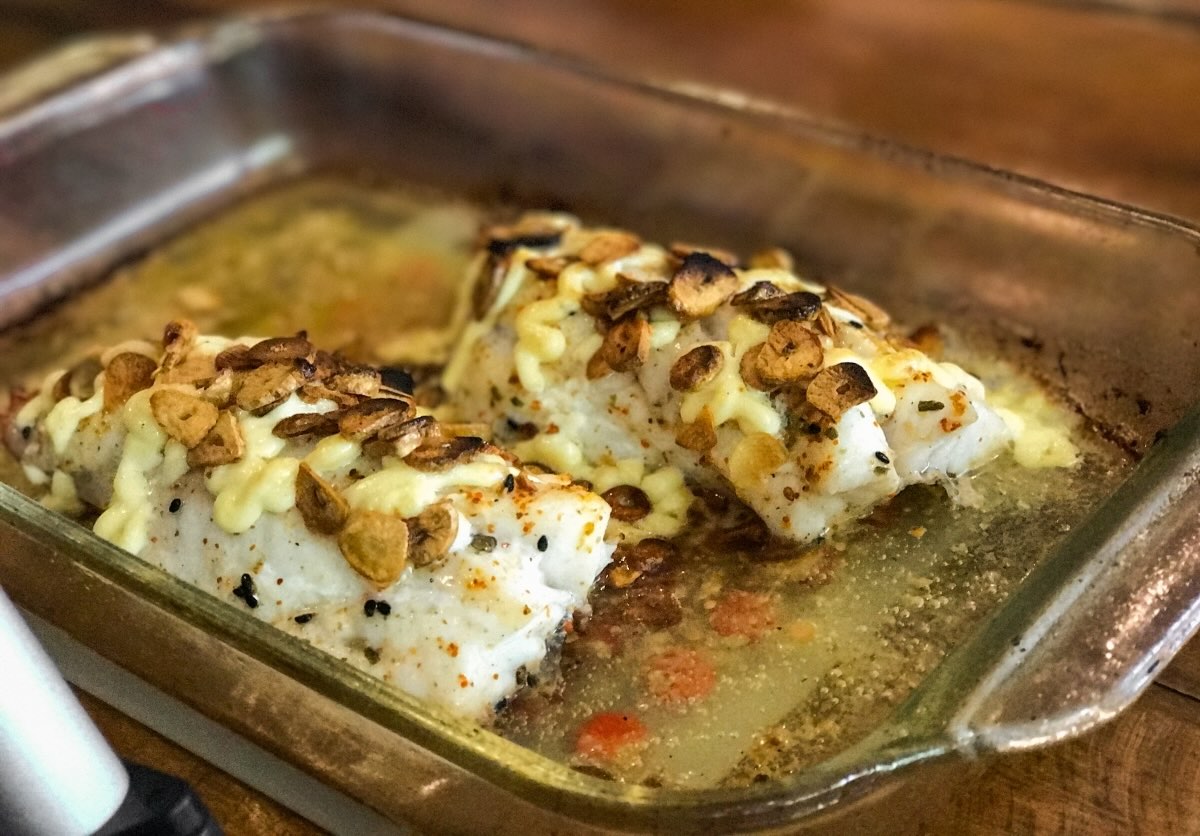
- Japanese Baked Fish Recipe30 Minutes
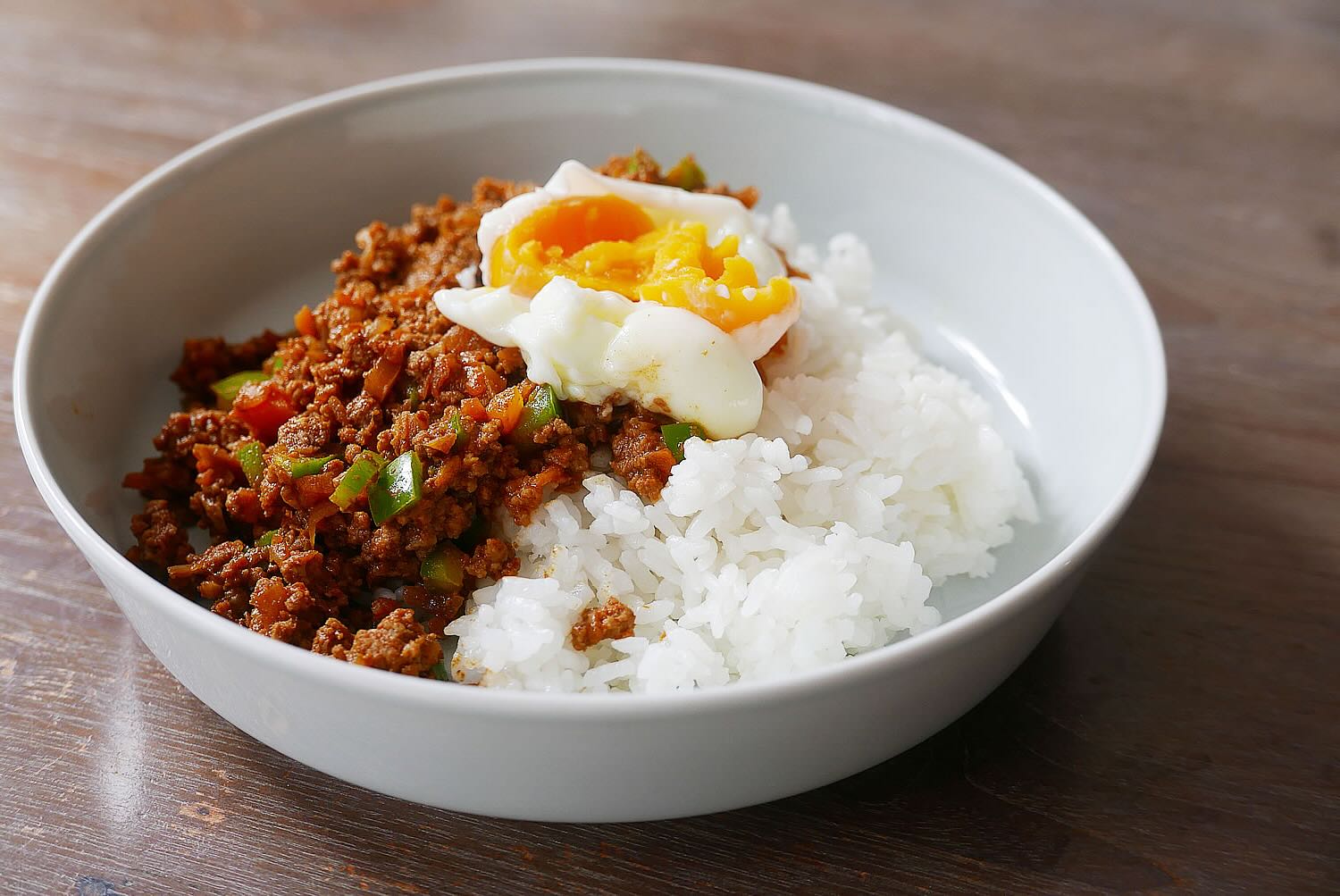
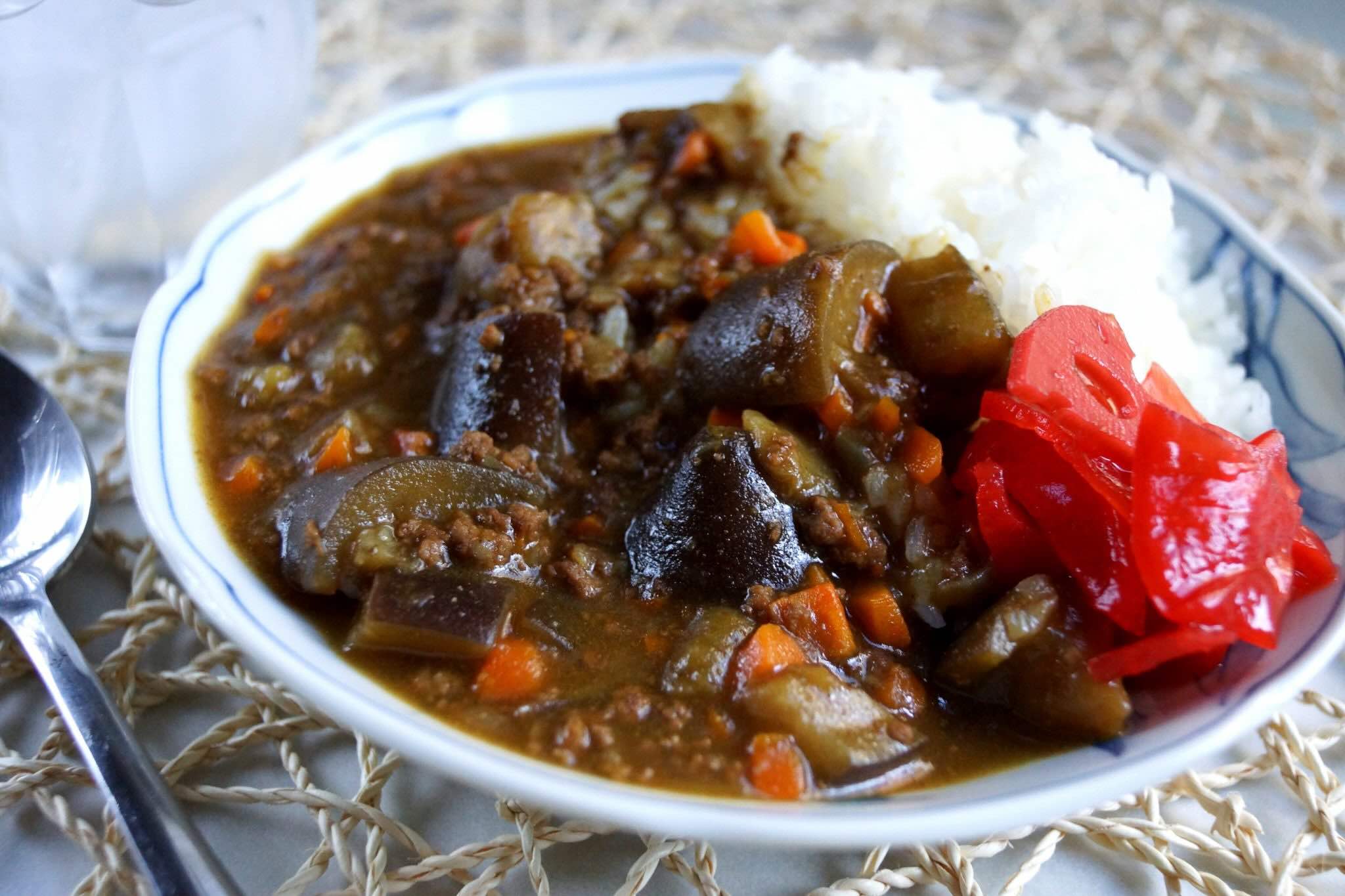
- Japanese Dry Curry Recipe45 Minutes
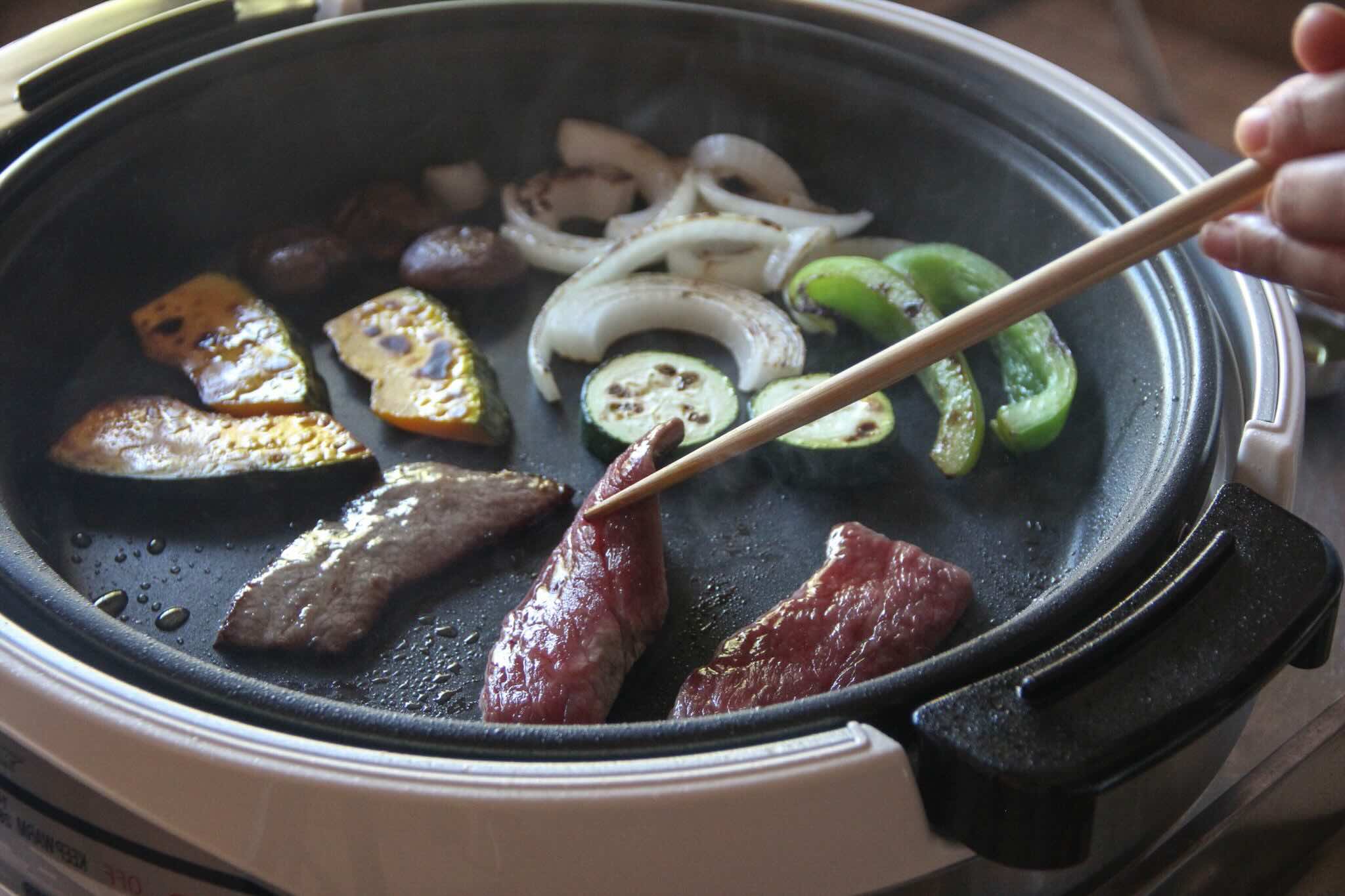
- Teppanyaki Recipe35 Minutes
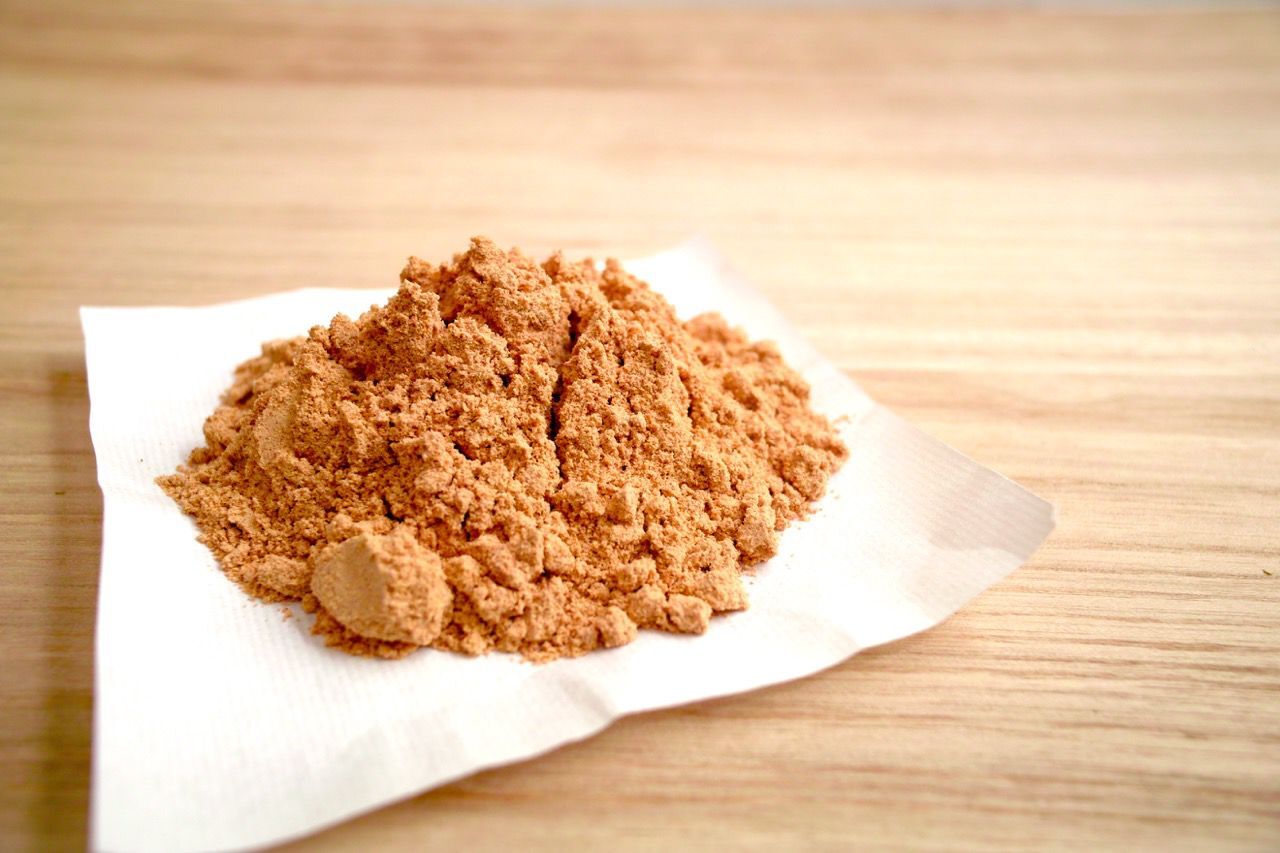
- Japanese Soybean Powder (Kinako) Recipe25 Minutes
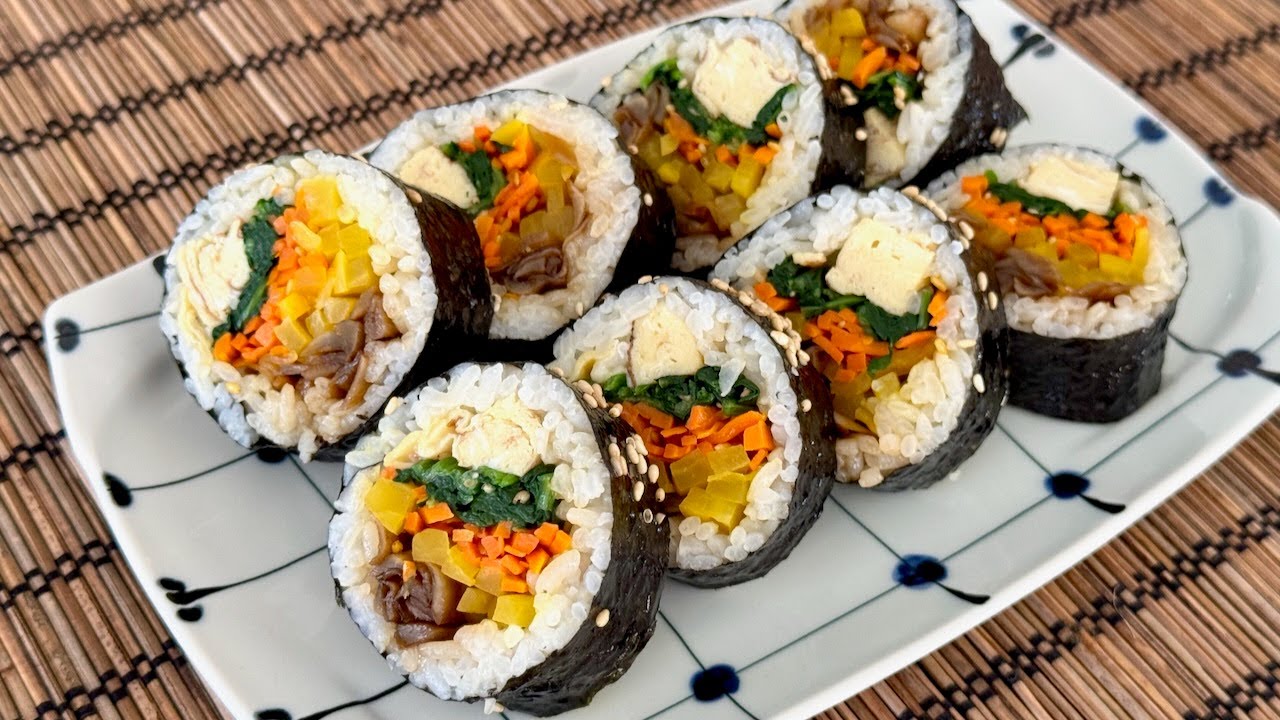
- Japanese Kimbap Recipe35 Minutes


Leave a Reply