Japanese kimbap is a delightful fusion of flavors and textures, perfect for a light meal or snack. This recipe combines the savory taste of sushi rice with fresh vegetables and imitation crab sticks, all wrapped in a sheet of nori. It's a fun and creative way to enjoy a variety of ingredients in one bite-sized roll.
Some ingredients in this recipe might not be commonly found in every household. Nori sheets, which are dried seaweed, and sushi rice, a short-grain rice that becomes sticky when cooked, are essential for this dish. Imitation crab sticks, often found in the seafood section, and rice vinegar, used to season the rice, are also key components. Make sure to check the international or Asian food aisle at your supermarket for these items.
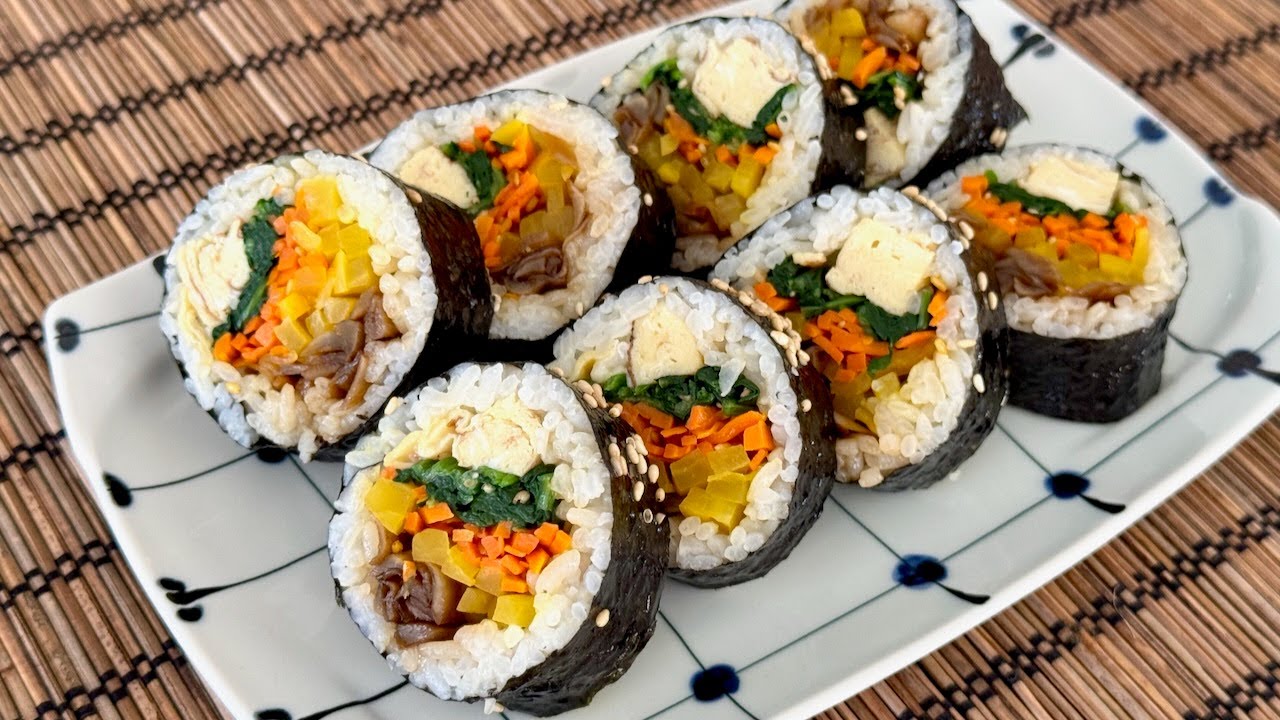
Ingredients For Japanese Kimbap Recipe
Sushi rice: A short-grain rice that becomes sticky when cooked, perfect for holding the kimbap together.
Nori: Dried seaweed sheets that serve as the outer wrap for the kimbap.
Carrot: Adds a crunchy texture and a sweet flavor to the roll.
Cucumber: Provides a refreshing crunch and balances the flavors.
Imitation crab sticks: Adds a savory and slightly sweet taste, mimicking the flavor of real crab.
Eggs: Cooked into a thin omelette and sliced into strips, adding a rich and soft texture.
Rice vinegar: Used to season the sushi rice, giving it a slightly tangy flavor.
Sugar: Balances the tanginess of the rice vinegar with a touch of sweetness.
Salt: Enhances the overall flavor of the seasoned rice.
Technique Tip for This Recipe
When spreading the sushi rice on the nori, keep your hands slightly damp to prevent the rice from sticking to your fingers. This will help you achieve an even layer of rice without tearing the seaweed.
Suggested Side Dishes
Alternative Ingredients
sushi rice - Substitute with short-grain rice: Short-grain rice has a similar sticky texture that is essential for making kimbap.
nori (seaweed) - Substitute with soy paper: Soy paper can be used for those who do not like the taste of seaweed but still want a wrap for the kimbap.
julienned carrot - Substitute with bell pepper strips: Bell pepper strips provide a similar crunch and a different but pleasant flavor.
julienned cucumber - Substitute with zucchini strips: Zucchini has a similar texture and can be used as a fresh, crunchy alternative.
imitation crab sticks - Substitute with cooked shrimp: Cooked shrimp offers a similar seafood flavor and texture.
beaten and cooked into a thin omelette eggs - Substitute with tofu strips: Tofu strips can be used as a protein-rich, vegetarian alternative.
rice vinegar - Substitute with apple cider vinegar: Apple cider vinegar has a similar acidity and can be used to season the rice.
sugar - Substitute with honey: Honey can be used as a natural sweetener with a slightly different flavor profile.
salt - Substitute with soy sauce: Soy sauce can add the necessary saltiness along with a depth of umami flavor.
Other Alternative Recipes Similar to This Dish
How to Store or Freeze This Recipe
Allow the sushi rice to cool completely before storing. This helps maintain the texture and prevents it from becoming mushy.
Wrap each kimbap roll tightly in plastic wrap to keep it fresh and prevent it from drying out. Ensure there are no air pockets.
Place the wrapped kimbap in an airtight container. This extra layer of protection helps maintain the flavors and prevents any odors from the fridge from seeping in.
Store the container in the refrigerator if you plan to consume the kimbap within 24 hours. Beyond this period, the texture of the nori may become less desirable.
For longer storage, freeze the kimbap. Place the wrapped rolls in a single layer on a baking sheet and freeze until solid. This prevents them from sticking together.
Once frozen, transfer the kimbap rolls to a freezer-safe bag or container. Label with the date to keep track of freshness.
When ready to eat, thaw the kimbap in the refrigerator for several hours or overnight. Avoid microwaving as it can alter the texture of the rice and nori.
For best results, consume frozen kimbap within one month. The flavors and textures are best preserved within this timeframe.
How to Reheat Leftovers
Microwave Method:
- Place the kimbap pieces on a microwave-safe plate.
- Cover with a damp paper towel to prevent drying out.
- Microwave on medium power for 30-45 seconds, checking to ensure they are warmed through but not overcooked.
Steaming Method:
- Set up a steamer with boiling water.
- Place the kimbap pieces on a heatproof plate or in a steamer basket.
- Steam for about 2-3 minutes until heated through.
Pan-Frying Method:
- Heat a non-stick pan over medium heat and add a small amount of vegetable oil.
- Place the kimbap pieces in the pan, cut side down.
- Fry for 1-2 minutes on each side until the nori is crispy and the fillings are warmed.
Oven Method:
- Preheat your oven to 350°F (175°C).
- Place the kimbap pieces on a baking sheet lined with parchment paper.
- Cover loosely with aluminum foil to prevent drying.
- Bake for 5-7 minutes until heated through.
Air Fryer Method:
- Preheat the air fryer to 320°F (160°C).
- Place the kimbap pieces in the air fryer basket in a single layer.
- Air fry for 3-4 minutes, checking halfway to ensure they are not overcooked.
Best Tools for This Recipe
Bamboo mat: Essential for rolling the kimbap tightly and evenly.
Sharp knife: Necessary for slicing the kimbap into bite-sized pieces cleanly.
Cutting board: Provides a stable surface for slicing vegetables and the kimbap roll.
Rice cooker: Convenient for cooking sushi rice to the perfect texture.
Mixing bowl: Used for mixing the cooked rice with vinegar, sugar, and salt.
Spatula: Helps in spreading the rice evenly over the nori sheet.
Julienne peeler: Useful for cutting the carrot and cucumber into thin, uniform strips.
Non-stick pan: Ideal for cooking the thin omelette without sticking.
Whisk: Used for beating the eggs before cooking them into an omelette.
Measuring spoons: Ensures accurate measurement of rice vinegar, sugar, and salt.
How to Save Time on Making This Recipe
Prepare the fillings in advance: Julienne the carrot and cucumber, cook the eggs into a thin omelette, and slice the imitation crab sticks the night before.
Use a rice cooker: Cooking sushi rice in a rice cooker ensures perfect texture and frees up your time for other preparations.
Organize your workspace: Lay out all ingredients and tools before you start assembling to streamline the process.
Wet your knife: Dipping your knife in water before slicing the rolls prevents sticking and ensures clean cuts.
Batch rolling: Roll multiple kimbap at once and slice them together to save time.
Japanese Kimbap Recipe
Ingredients
Main Ingredients
- 2 cups Sushi rice
- 4 sheets Nori (seaweed)
- 1 large Carrot julienned
- 1 large Cucumber julienned
- 4 pieces Imitation crab sticks
- 2 large Eggs beaten and cooked into a thin omelette
- 2 tablespoon Rice vinegar
- 1 tablespoon Sugar
- 1 teaspoon Salt
Instructions
- 1. Cook the sushi rice according to the package instructions. Once cooked, mix in rice vinegar, sugar, and salt. Let it cool.
- 2. Prepare the fillings: julienne the carrot and cucumber, cook the eggs into a thin omelette and slice into strips, and prepare the imitation crab sticks.
- 3. Place a sheet of nori on a bamboo mat. Spread a thin layer of rice over the nori, leaving a small border at the top.
- 4. Arrange the fillings (carrot, cucumber, crab sticks, and egg) in a line across the middle of the rice.
- 5. Using the bamboo mat, carefully roll the nori and rice over the fillings, pressing gently to form a tight roll. Seal the edge with a bit of water.
- 6. Slice the roll into bite-sized pieces with a sharp knife. Repeat with the remaining ingredients.
Nutritional Value
Keywords
Suggested Appetizers and Desserts for This Recipe
More Amazing Recipes to Try 🙂
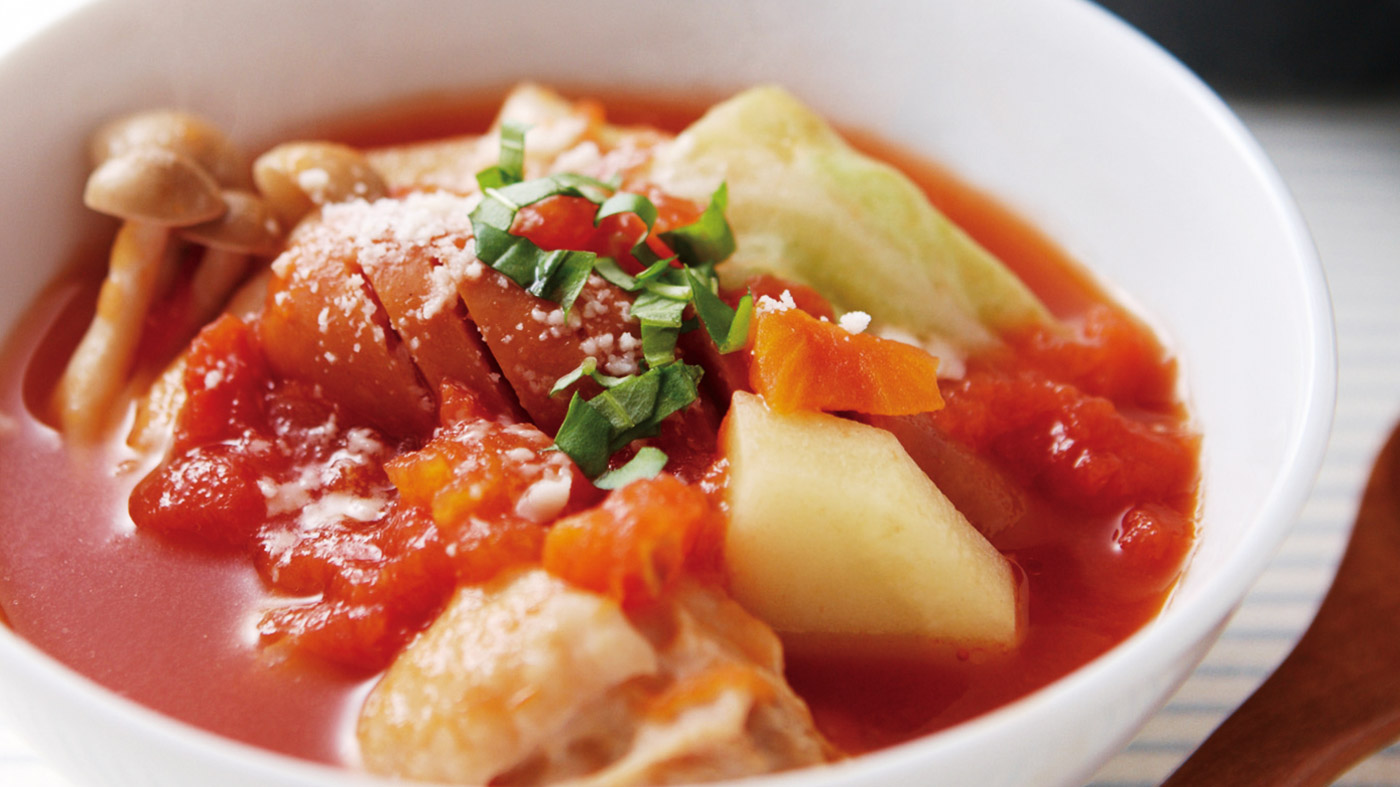
- Japanese Tomato Soup Recipe30 Minutes
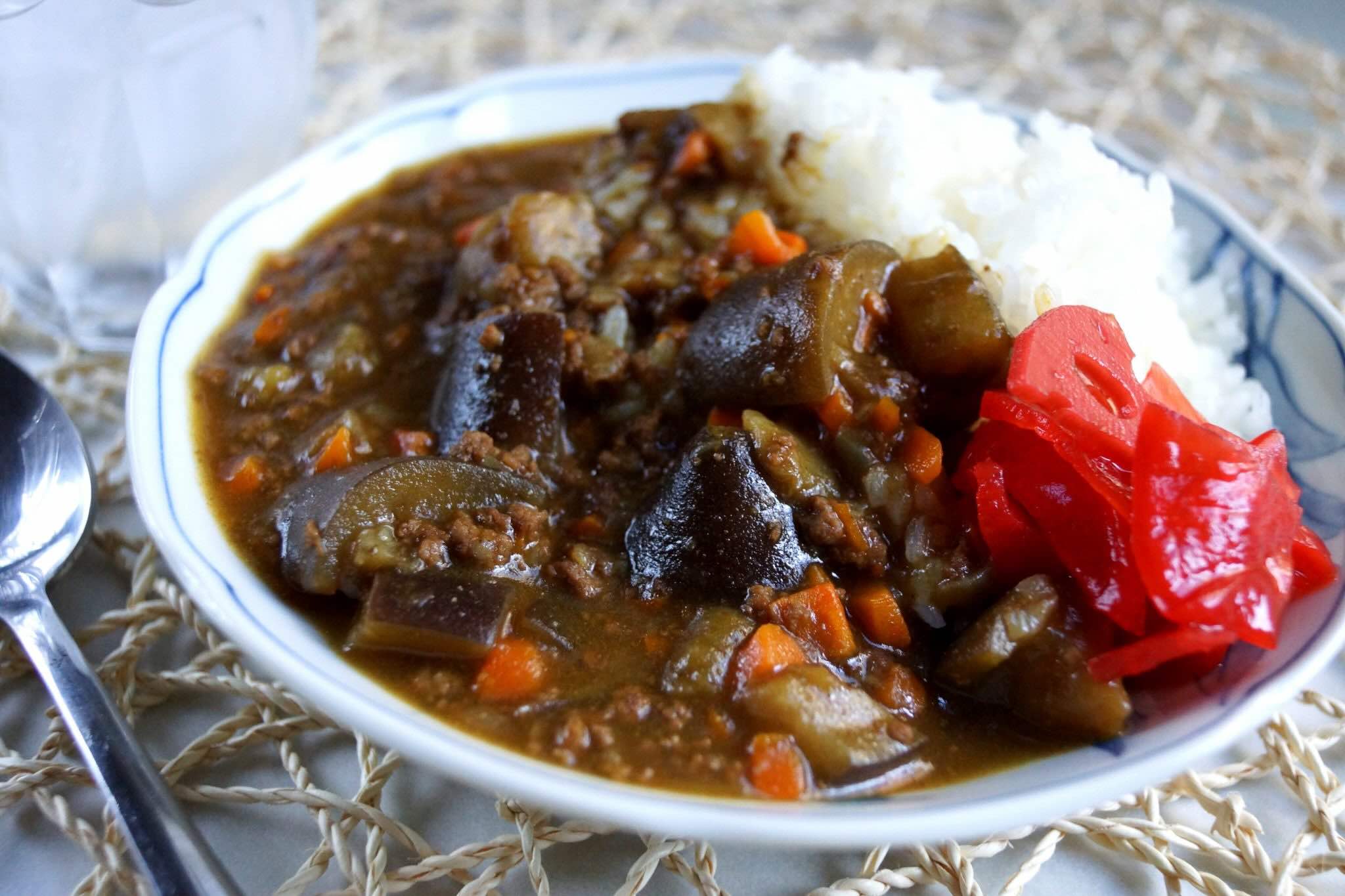
- Japanese Eggplant Curry Recipe45 Minutes
- Oyakodon (Japanese Chicken and Egg Rice Bowl) Recipe30 Minutes
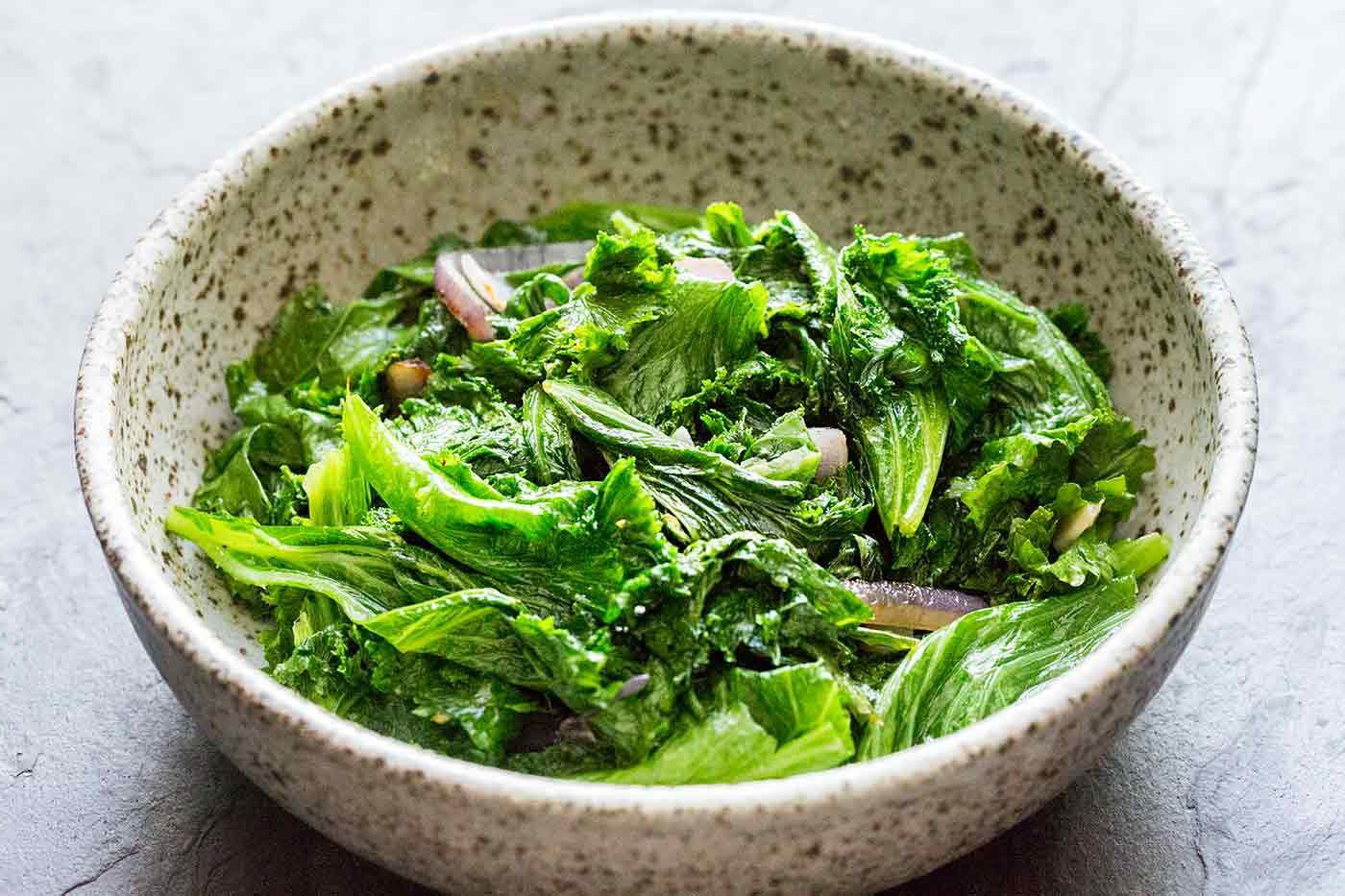
- Japanese Mustard Green Recipe25 Minutes
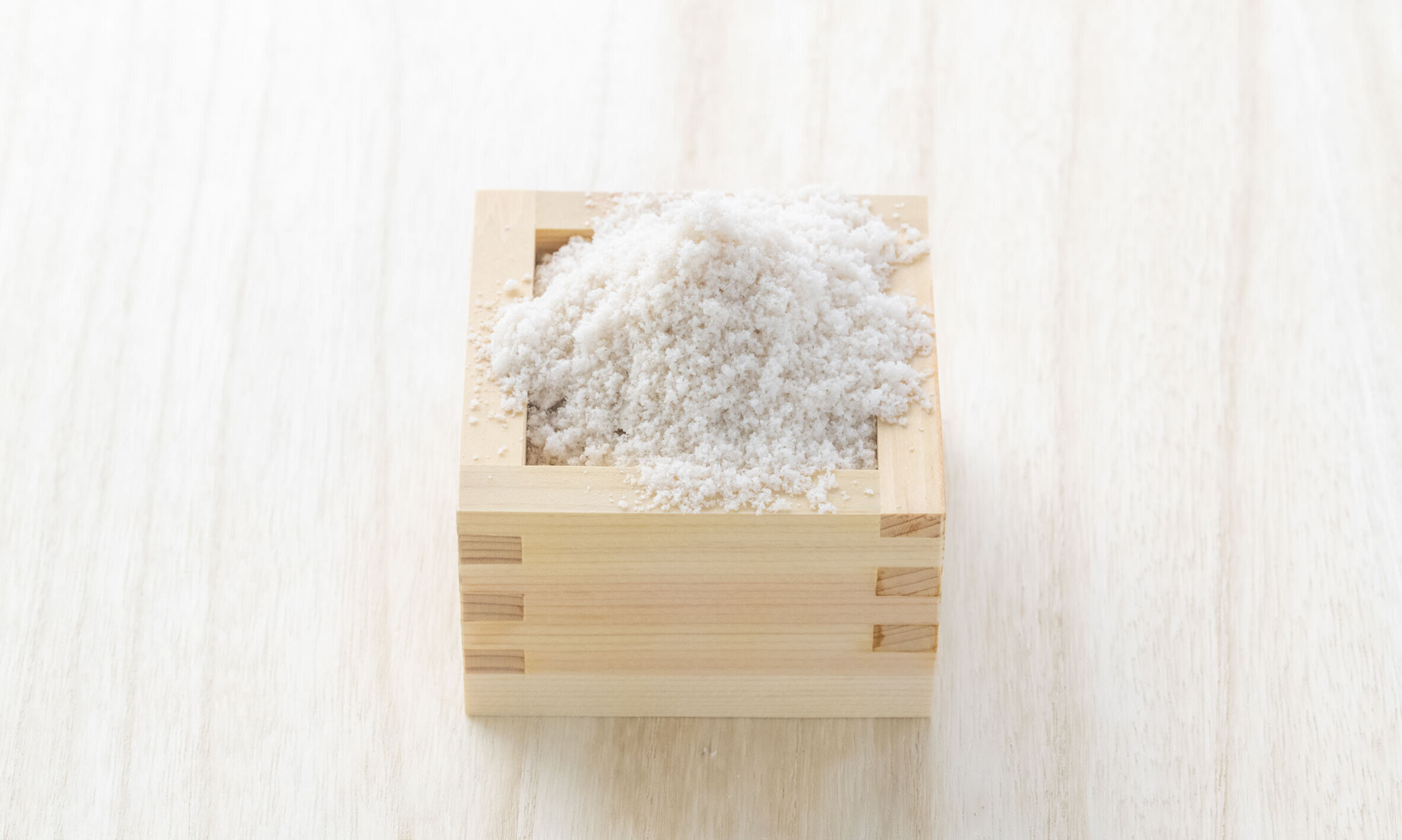
- Japanese Sea Salt Recipe40 Minutes
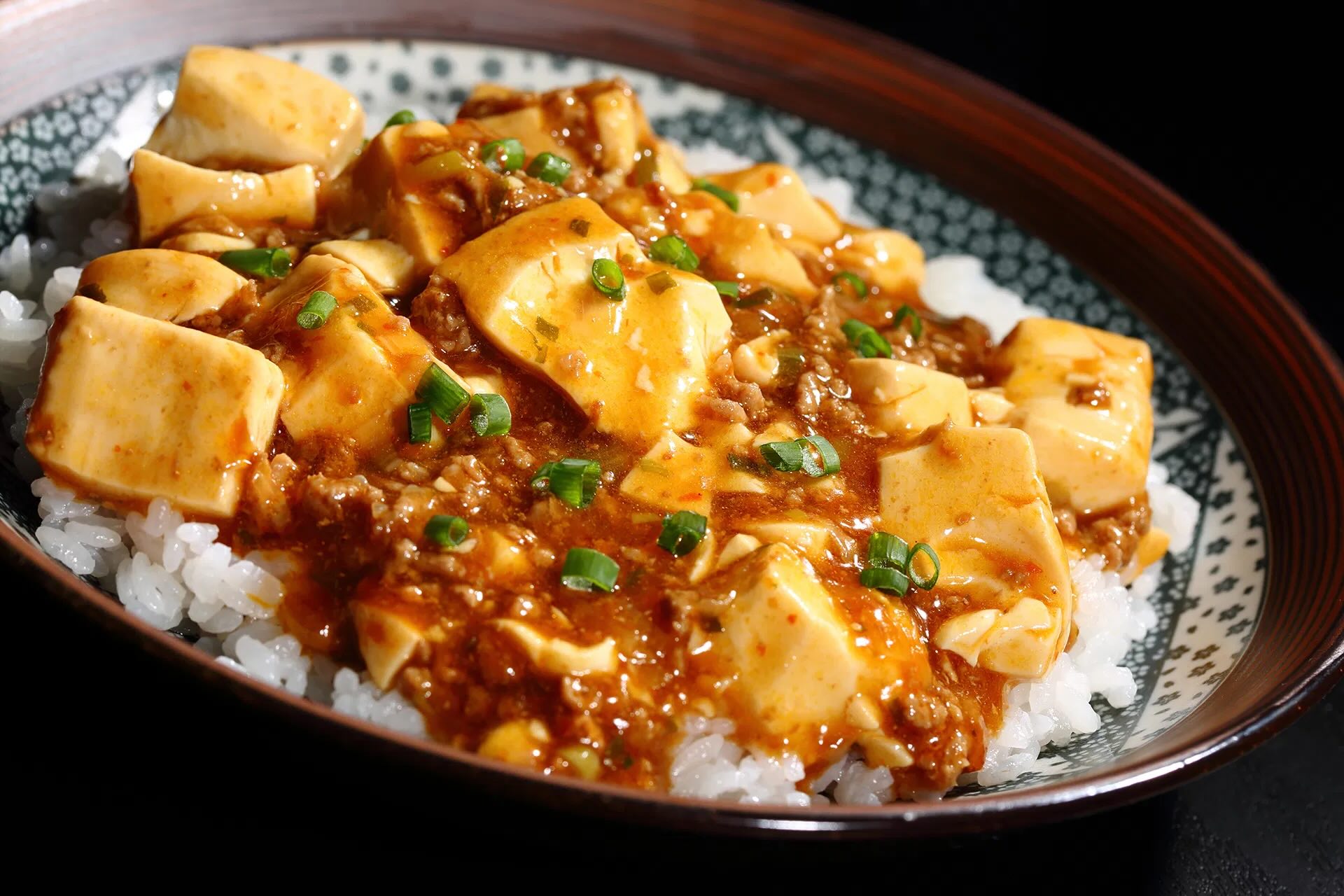
- Japanese Mapo Tofu Recipe35 Minutes
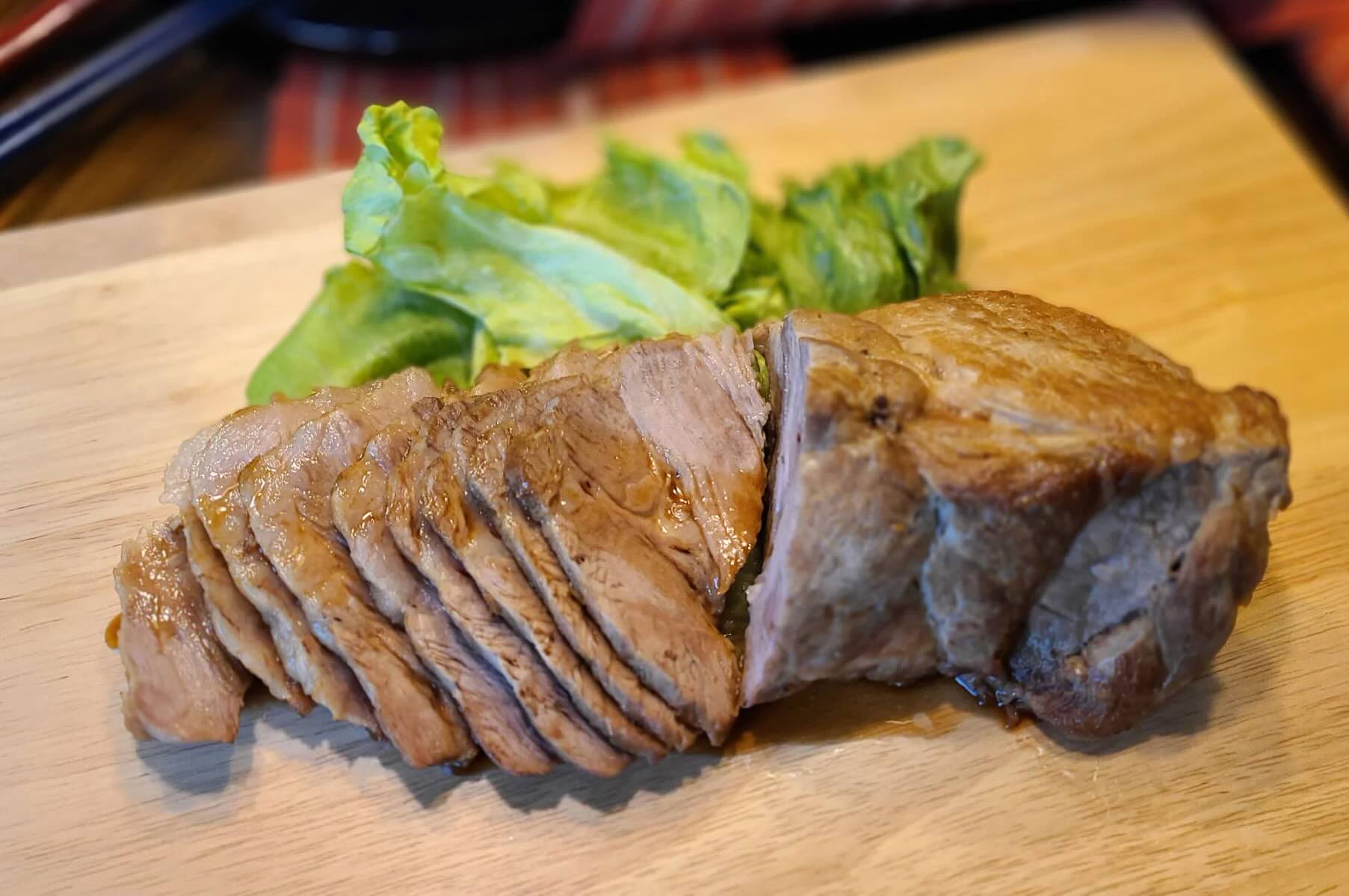
- Chashu (Japanese Braised Pork) Recipe2 Hours 15 Minutes
- Japanese Pickled Carrot Recipe10 Minutes

Leave a Reply