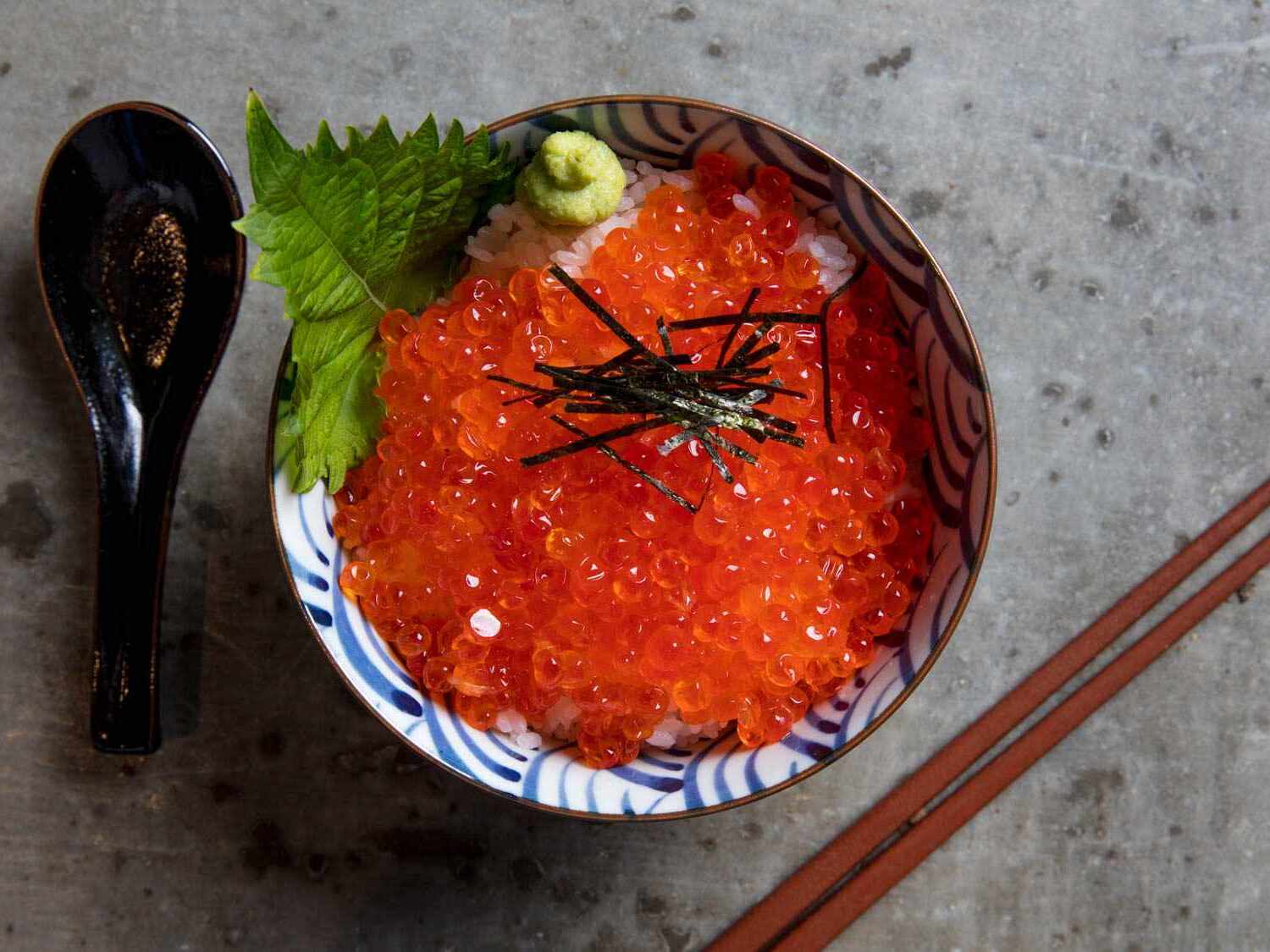
Indulge in the delicate flavors of Japanese cuisine with this Ikura recipe. Salmon roe marinated in a savory blend of soy sauce, mirin, and sake creates a dish that is both luxurious and simple. Perfect as a topping for rice or enjoyed on its own, this recipe brings a taste of Japan to your table.
If you're not familiar with mirin and sake, these are essential ingredients in Japanese cooking. Mirin is a sweet rice wine that adds a subtle sweetness, while sake is a Japanese rice wine that enhances the umami flavor. Both can be found in the international aisle of most supermarkets or at an Asian grocery store.
Ingredients For Japanese Salmon Roe (Ikura) Recipe
Salmon roe: The star of the dish, these delicate eggs burst with flavor and texture.
Soy sauce: Adds a salty, umami-rich depth to the marinade.
Mirin: A sweet rice wine that balances the saltiness of the soy sauce.
Sake: A Japanese rice wine that enhances the overall flavor profile.
Technique Tip for This Recipe
When preparing salmon roe, it's crucial to handle it gently to avoid breaking the delicate eggs. Use a fine-mesh strainer to rinse the roe under cold water, ensuring you remove any impurities without damaging the eggs. For the marinade, make sure the soy sauce, mirin, and sake are well-mixed to create a balanced flavor profile. Allow the salmon roe to marinate in the mixture for at least 30 minutes, but for a more intense flavor, you can let it sit for up to an hour. When straining the roe, do so gently to preserve their shape and texture.
Suggested Side Dishes
Alternative Ingredients
salmon roe - Substitute with trout roe: Trout roe has a similar texture and briny flavor, making it a good alternative for salmon roe.
salmon roe - Substitute with flying fish roe (tobiko): Tobiko is smaller in size but offers a similar burst of flavor and can be used in a variety of dishes.
soy sauce - Substitute with tamari: Tamari is a gluten-free alternative to soy sauce with a similar umami flavor.
soy sauce - Substitute with coconut aminos: Coconut aminos provide a slightly sweeter and less salty flavor, suitable for those avoiding soy.
mirin - Substitute with rice vinegar with sugar: Mixing rice vinegar with a bit of sugar can mimic the sweet and tangy flavor of mirin.
mirin - Substitute with dry sherry: Dry sherry can provide a similar depth of flavor and sweetness as mirin.
sake - Substitute with dry white wine: Dry white wine can replicate the acidity and complexity of sake in recipes.
sake - Substitute with vermouth: Vermouth offers a similar flavor profile and can be used in place of sake in cooking.
Other Alternative Recipes Similar to This
How to Store or Freeze This Recipe
- To keep your salmon roe fresh, store it in an airtight container. This prevents any unwanted odors from seeping in and keeps the roe from drying out.
- Place the container in the coldest part of your refrigerator, ideally at a temperature between 32°F and 39°F (0°C to 4°C). This ensures the salmon roe remains at its peak freshness.
- If you plan to enjoy the ikura within a few days, it’s best to consume it within 2-3 days for optimal flavor and texture.
- For longer storage, freezing is a viable option. First, portion the salmon roe into smaller servings. This makes it easier to thaw only what you need.
- Wrap each portion tightly in plastic wrap, then place them in a freezer-safe bag. Squeeze out as much air as possible to prevent freezer burn.
- Label the bags with the date of freezing. Salmon roe can be frozen for up to 3 months without significant loss of quality.
- When ready to use, thaw the ikura in the refrigerator overnight. Avoid thawing at room temperature to maintain its delicate texture.
- Once thawed, consume the salmon roe within 24 hours for the best taste and texture.
- Avoid refreezing ikura once it has been thawed, as this can compromise its quality and flavor.
How to Reheat Leftovers
Gently warm the salmon roe by placing it in a heatproof bowl and setting the bowl in a larger pot of hot water. This indirect heating method ensures the delicate roe doesn't overcook or burst.
Use a double boiler to reheat the ikura. Fill the bottom pot with water and bring it to a simmer. Place the roe in the top pot and gently warm it, stirring occasionally.
If you prefer a quicker method, microwave the salmon roe on a low power setting. Place the roe in a microwave-safe dish, cover it with a damp paper towel, and heat in short intervals of 10-15 seconds, checking frequently to avoid overheating.
For a more traditional approach, you can reheat the ikura by placing it in a bamboo steamer over simmering water. Cover the steamer and let the roe warm gently for a few minutes.
If you have a sous-vide machine, set it to a low temperature (around 100°F or 38°C). Place the salmon roe in a vacuum-sealed bag and immerse it in the water bath for a few minutes until warmed through.
Best Tools for This Recipe
Mixing bowl: A large bowl to combine the soy sauce, mirin, and sake.
Strainer: Used to strain the salmon roe after marination.
Measuring cup: To measure out the soy sauce, mirin, and sake accurately.
Spoon: For gently mixing the salmon roe with the marinade.
Colander: For rinsing the salmon roe gently in cold water.
Paper towels: To pat dry the salmon roe after rinsing.
How to Save Time on Making This Recipe
Prepare the marinade in advance: Mix soy sauce, mirin, and sake ahead of time and store in the fridge.
Use pre-cleaned roe: Purchase salmon roe that has already been cleaned to skip the rinsing step.
Marinate overnight: Let the salmon roe marinate overnight to enhance flavor and save time on the day of serving.
Strain efficiently: Use a fine-mesh strainer to quickly and effectively strain the salmon roe after marinating.
Japanese Salmon Roe (Ikura) Recipe
Ingredients
Main Ingredients
- 200 g Salmon roe
- 1 cup Soy sauce
- 1 cup Mirin
- 1 cup Sake
Instructions
- 1. Rinse the salmon roe gently in cold water.
- 2. In a bowl, mix soy sauce, mirin, and sake.
- 3. Add the salmon roe to the mixture and let it marinate for at least 30 minutes.
- 4. Strain the salmon roe and serve.
Nutritional Value
Keywords
Suggested Main Courses and Desserts for This Recipe
More Amazing Recipes to Try 🙂
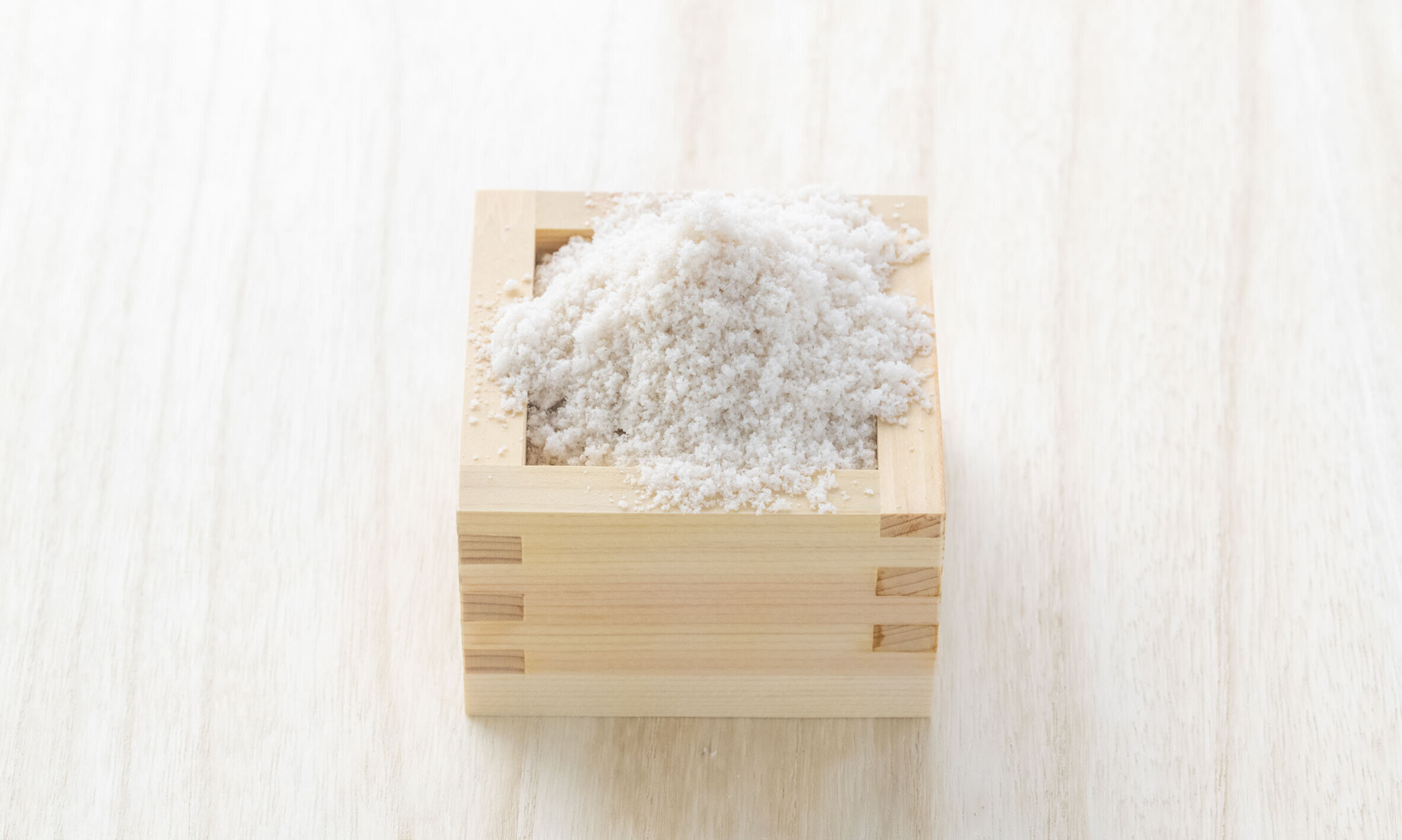
- Japanese Sea Salt Recipe40 Minutes
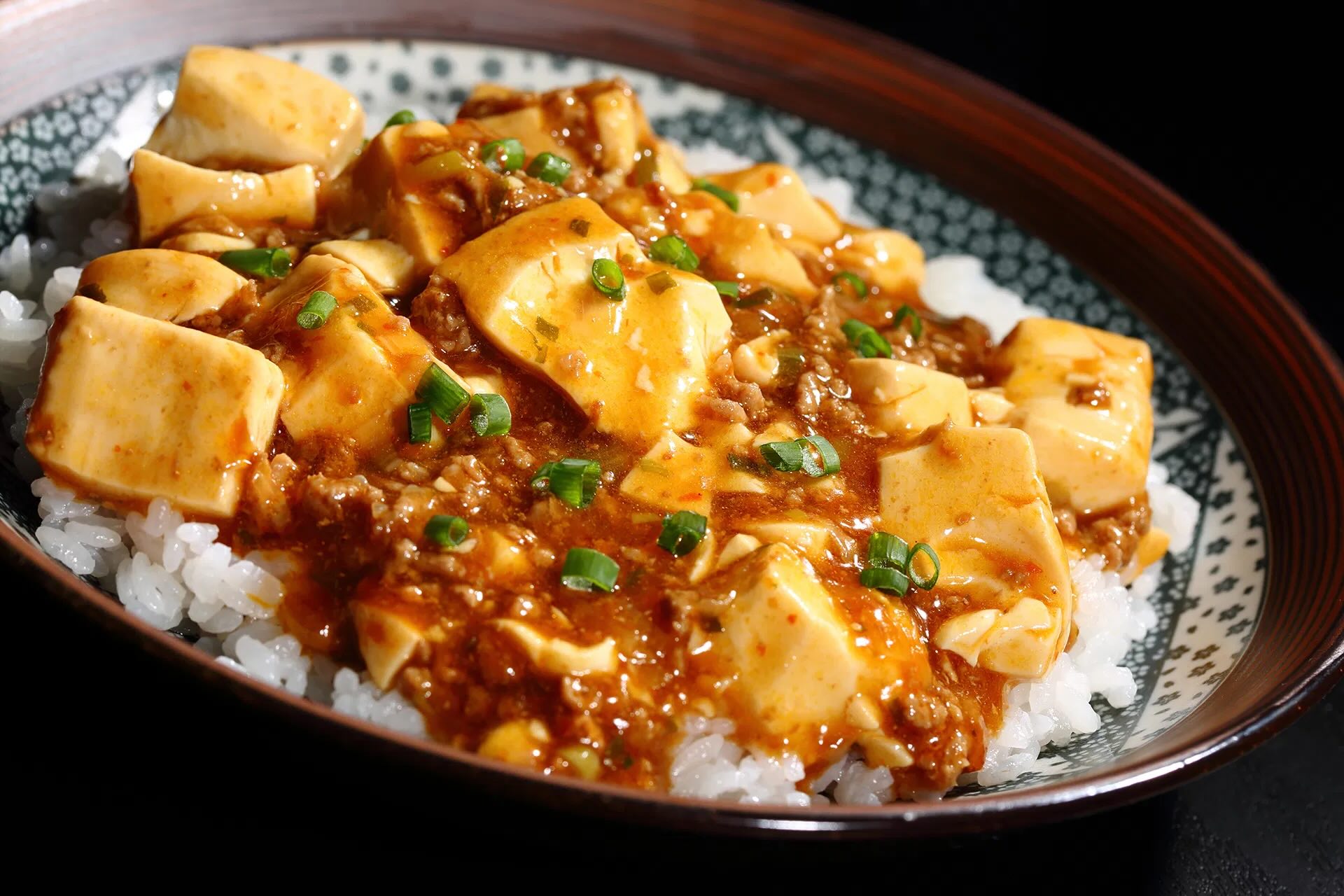
- Japanese Mapo Tofu Recipe35 Minutes
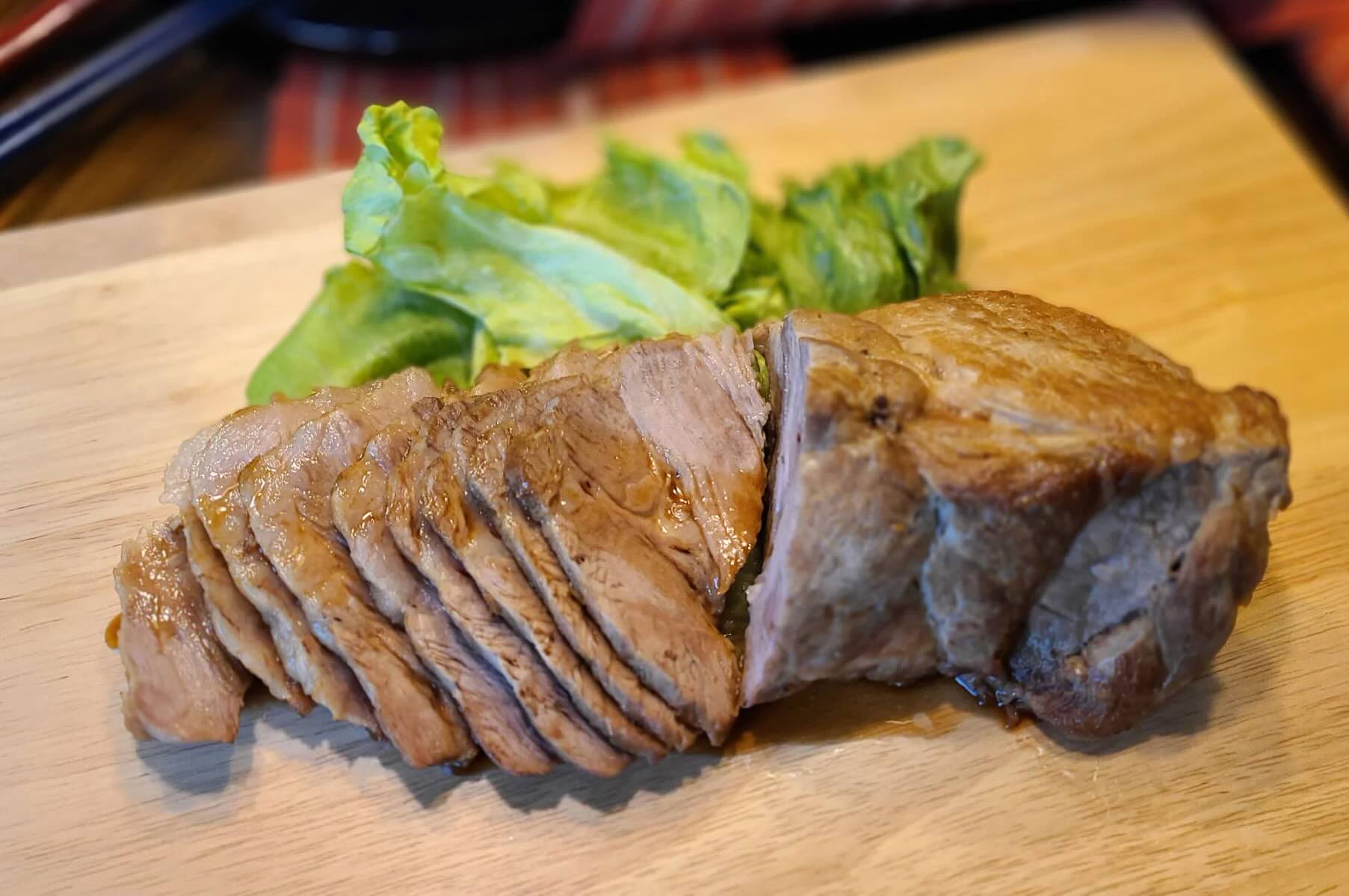
- Chashu (Japanese Braised Pork) Recipe2 Hours 15 Minutes
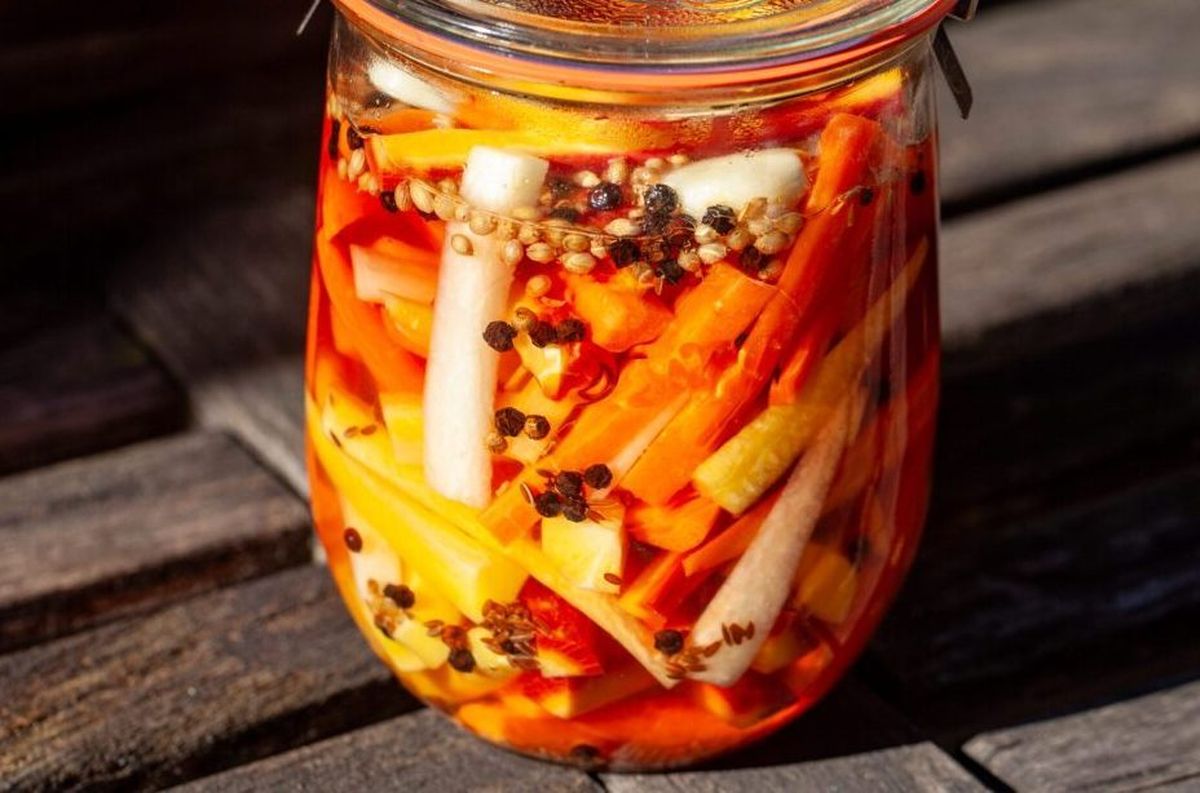
- Japanese Pickled Carrot Recipe10 Minutes
- Japanese Shaved Ice Syrup Recipe15 Minutes
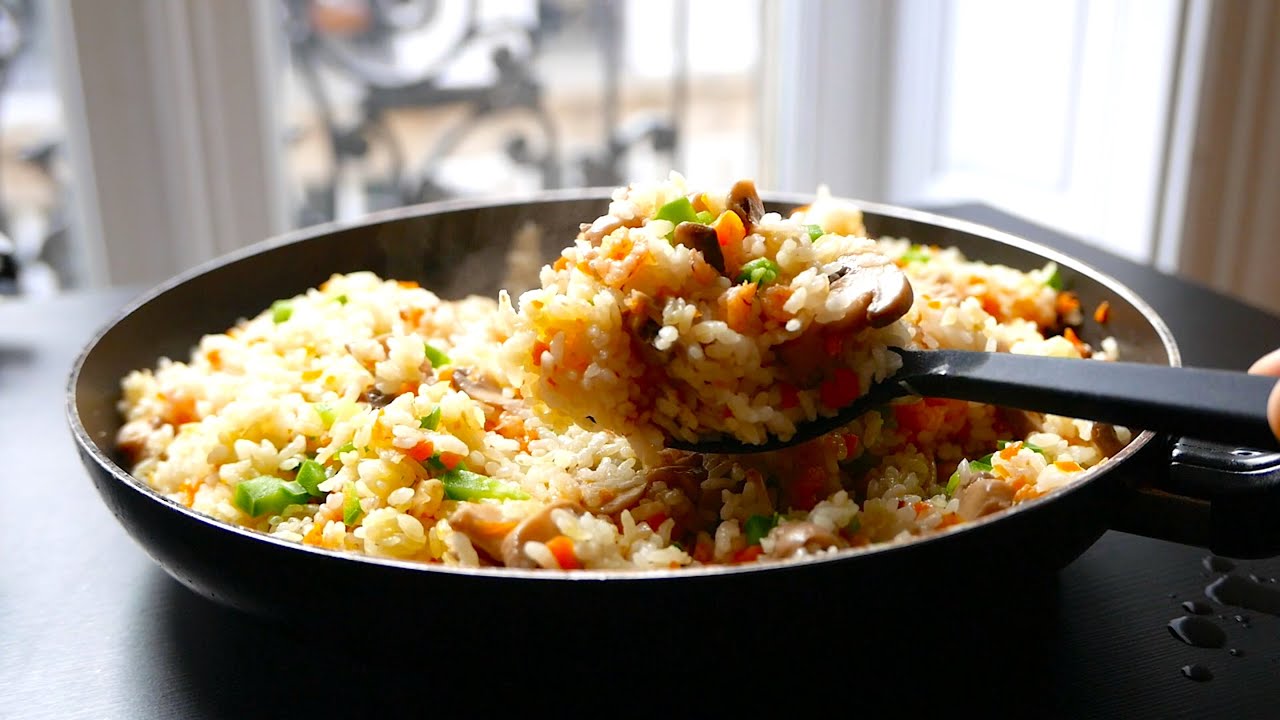
- Japanese Pilaf Recipe40 Minutes
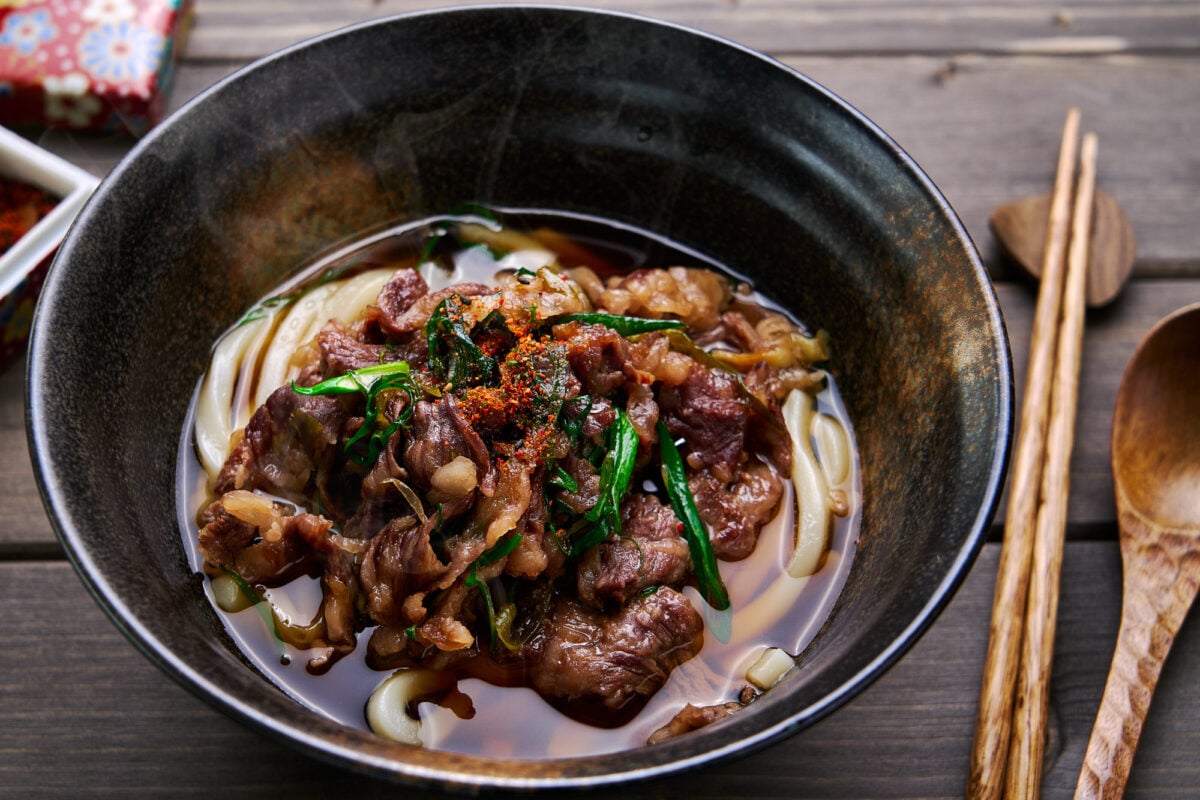
- Japanese Beef Udon Recipe35 Minutes
- Tempura Sauce (Tentsuyu) Recipe10 Minutes


Leave a Reply