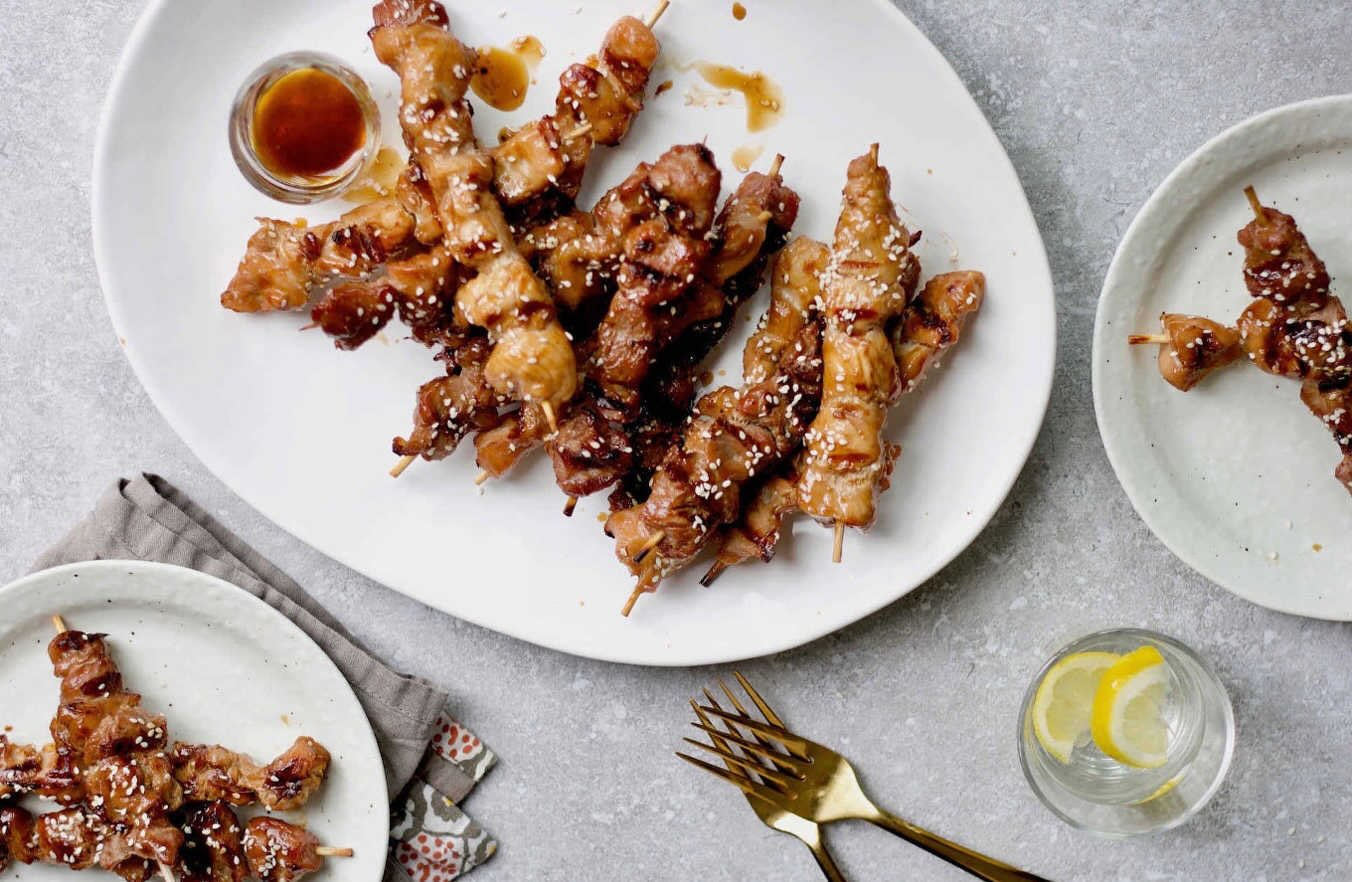
Experience the delightful fusion of flavors with this Japanese Spicy Chicken recipe. Combining the savory essence of Japanese cuisine with a hint of Korean spice, this dish promises a tantalizing treat for your taste buds. Perfect for a quick weeknight dinner or a special occasion, this recipe is both simple and delicious.
Some ingredients in this recipe might not be staples in every household. Gochujang, a Korean chili paste, adds a unique spicy kick and can be found in the international aisle of most supermarkets. Sake and Mirin are Japanese rice wines that contribute to the depth of flavor; they are usually available in the Asian food section.
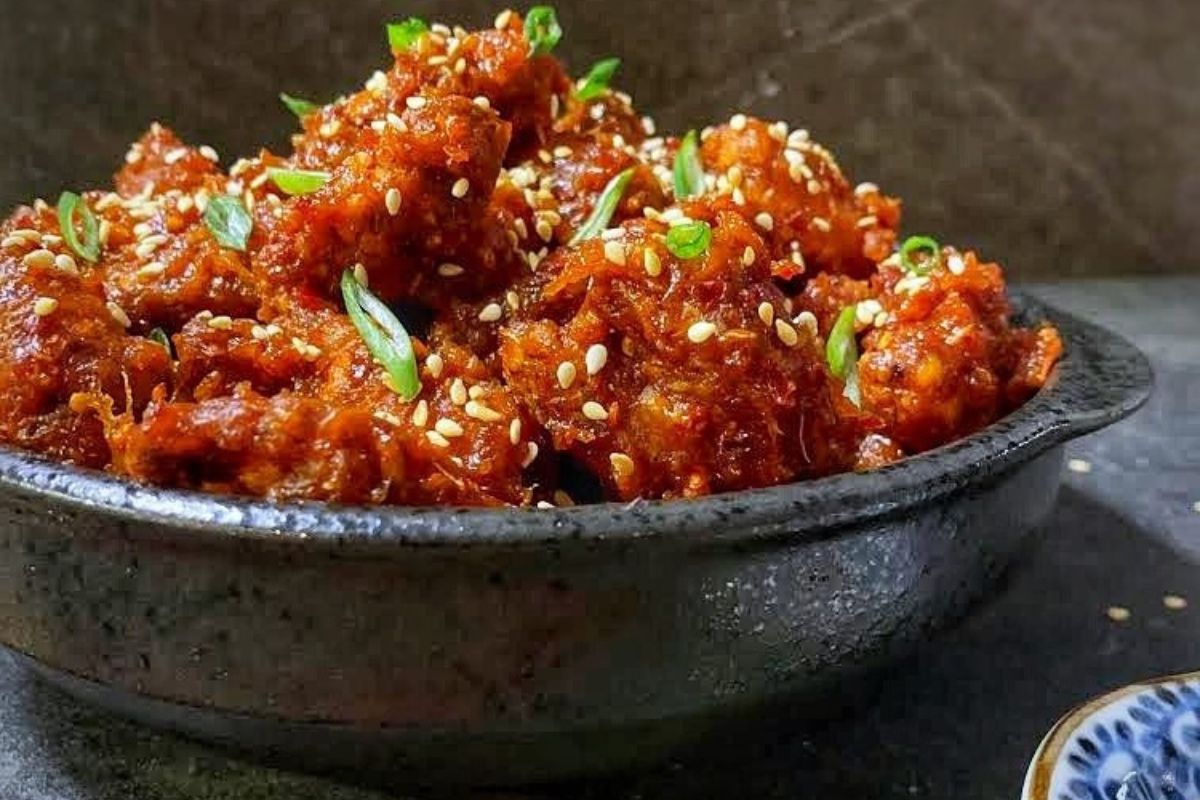
Ingredients for Japanese Spicy Chicken Recipe
Chicken thighs: Boneless and skinless, these provide a tender and juicy base for the dish.
Soy sauce: Adds a salty, umami flavor to the marinade.
Sake: A Japanese rice wine that enhances the overall taste.
Mirin: A sweet rice wine that balances the flavors.
Sugar: Adds a touch of sweetness to the marinade.
Gochujang: Korean chili paste that brings a spicy kick.
Garlic: Minced to infuse the marinade with aromatic flavor.
Vegetable oil: Used for cooking the chicken to a perfect golden brown.
Sesame seeds: Adds a nutty flavor and a bit of crunch as a garnish.
Green onions: Chopped and used as a fresh, vibrant garnish.
Technique Tip for This Recipe
When marinating the chicken thighs, ensure they are evenly coated with the soy sauce, sake, mirin, sugar, gochujang, and minced garlic. This helps the flavors penetrate the meat more effectively. For an even deeper flavor, consider marinating the chicken for a few hours or overnight in the refrigerator. When cooking, make sure the vegetable oil is hot before adding the chicken to achieve a nice sear and prevent sticking. Use a meat thermometer to ensure the internal temperature of the chicken reaches 165°F (74°C) for safe consumption.
Suggested Side Dishes
Alternative Ingredients
boneless, skinless chicken thighs - Substitute with boneless, skinless chicken breasts: Chicken breasts are leaner and will provide a slightly different texture but can still absorb the flavors well.
soy sauce - Substitute with tamari: Tamari is a gluten-free alternative that has a similar umami flavor profile.
sake - Substitute with dry white wine: Dry white wine can mimic the acidity and complexity of sake in cooking.
mirin - Substitute with rice vinegar and sugar: Mix 1 tablespoon rice vinegar with ½ tablespoon sugar to replicate the sweetness and acidity of mirin.
sugar - Substitute with honey: Honey adds a similar sweetness and can also contribute a slight floral note.
korean chili paste gochujang - Substitute with sriracha and miso paste: Mix sriracha with a bit of miso paste to achieve a similar spicy and umami flavor.
minced garlic - Substitute with garlic powder: Use ¼ teaspoon garlic powder for each clove of garlic to maintain the garlic flavor.
vegetable oil - Substitute with canola oil: Canola oil has a similar smoke point and neutral flavor, making it a good alternative.
sesame seeds - Substitute with crushed peanuts: Crushed peanuts can add a similar nutty flavor and crunchy texture.
green onions - Substitute with chives: Chives offer a similar mild onion flavor and can be used as a garnish.
Other Alternative Recipes Similar to This Dish
How To Store / Freeze This Dish
- Allow the chicken to cool completely before storing. This helps prevent condensation, which can lead to sogginess and spoilage.
- Transfer the cooled chicken to an airtight container. If you have multiple pieces, consider layering them with parchment paper to prevent sticking.
- Store the container in the refrigerator if you plan to consume the chicken within 3-4 days. This ensures the best flavor and texture.
- For longer storage, place the chicken in a freezer-safe container or heavy-duty freezer bag. Remove as much air as possible to prevent freezer burn.
- Label the container or bag with the date to keep track of its freshness. Frozen chicken can be stored for up to 3 months.
- When ready to reheat, thaw the chicken in the refrigerator overnight. This slow thawing process helps maintain the texture and flavor.
- Reheat the chicken in a pan over medium heat, adding a splash of vegetable oil if needed to prevent sticking. Alternatively, you can reheat it in the microwave, covered, to retain moisture.
- Garnish with fresh sesame seeds and green onions before serving to revive the dish's original presentation and flavor.
How To Reheat Leftovers
Stovetop Method:
- Heat a non-stick pan over medium heat.
- Add a small amount of vegetable oil to the pan.
- Place the leftover Japanese Spicy Chicken in the pan.
- Cover with a lid to retain moisture.
- Cook for about 5-7 minutes, flipping halfway through, until the chicken is heated thoroughly.
Oven Method:
- Preheat your oven to 350°F (175°C).
- Place the chicken in an oven-safe dish.
- Add a splash of chicken broth or water to keep it moist.
- Cover the dish with aluminum foil.
- Bake for 15-20 minutes, or until the chicken is heated through.
Microwave Method:
- Place the chicken on a microwave-safe plate.
- Cover with a microwave-safe lid or a damp paper towel.
- Heat on medium power for 2-3 minutes.
- Check and stir halfway through to ensure even heating.
- Continue heating in 30-second intervals if needed, until the chicken is hot.
Air Fryer Method:
- Preheat the air fryer to 350°F (175°C).
- Place the chicken in the air fryer basket in a single layer.
- Heat for 5-7 minutes, shaking the basket halfway through, until the chicken is warmed up.
Steaming Method:
- Set up a steamer or a pot with a steaming basket.
- Bring water to a boil.
- Place the chicken in the steaming basket.
- Cover and steam for about 5-10 minutes, or until the chicken is heated through.
Essential Tools for This Recipe
Mixing bowl: Use this to combine the soy sauce, sake, mirin, sugar, gochujang, and minced garlic to create the marinade.
Knife: Essential for mincing the garlic and chopping the green onions.
Cutting board: Provides a safe surface for mincing garlic and chopping green onions.
Measuring spoons: Necessary for accurately measuring the soy sauce, sake, mirin, sugar, and gochujang.
Pan: Use this to cook the marinated chicken thighs over medium heat.
Spatula: Helps in turning the chicken thighs to ensure they cook evenly on both sides.
Tongs: Useful for handling the chicken thighs while cooking.
Serving plate: For presenting the cooked chicken garnished with sesame seeds and green onions.
Small bowl: Handy for holding the sesame seeds and chopped green onions before garnishing.
How to Save Time on This Recipe
Marinate in advance: Prepare the marinade and chicken the night before to save time on the day of cooking.
Use a non-stick pan: A non-stick pan ensures easy cleanup and faster cooking.
Pre-chop garnishes: Chop the green onions and measure the sesame seeds ahead of time.
Double the recipe: Cook extra chicken and save leftovers for quick meals later.
Use a timer: Set a timer to avoid overcooking and multitask efficiently.
Japanese Spicy Chicken Recipe
Ingredients
Main Ingredients
- 500 g Chicken Thighs boneless, skinless
- 2 tablespoon Soy Sauce
- 1 tablespoon Sake
- 1 tablespoon Mirin
- 1 tablespoon Sugar
- 1 tablespoon Gochujang Korean chili paste
- 2 cloves Garlic minced
- 1 tablespoon Vegetable Oil
- 1 teaspoon Sesame Seeds for garnish
- 2 stalks Green Onions chopped, for garnish
Instructions
- 1. In a mixing bowl, combine soy sauce, sake, mirin, sugar, gochujang, and minced garlic.
- 2. Add chicken thighs to the bowl and marinate for at least 15 minutes.
- 3. Heat vegetable oil in a pan over medium heat.
- 4. Add the marinated chicken to the pan and cook until fully cooked, about 7-10 minutes per side.
- 5. Garnish with sesame seeds and chopped green onions before serving.
Nutritional Value
Keywords
Suggested Appetizers and Desserts for This Recipe
More Amazing Recipes to Try 🙂
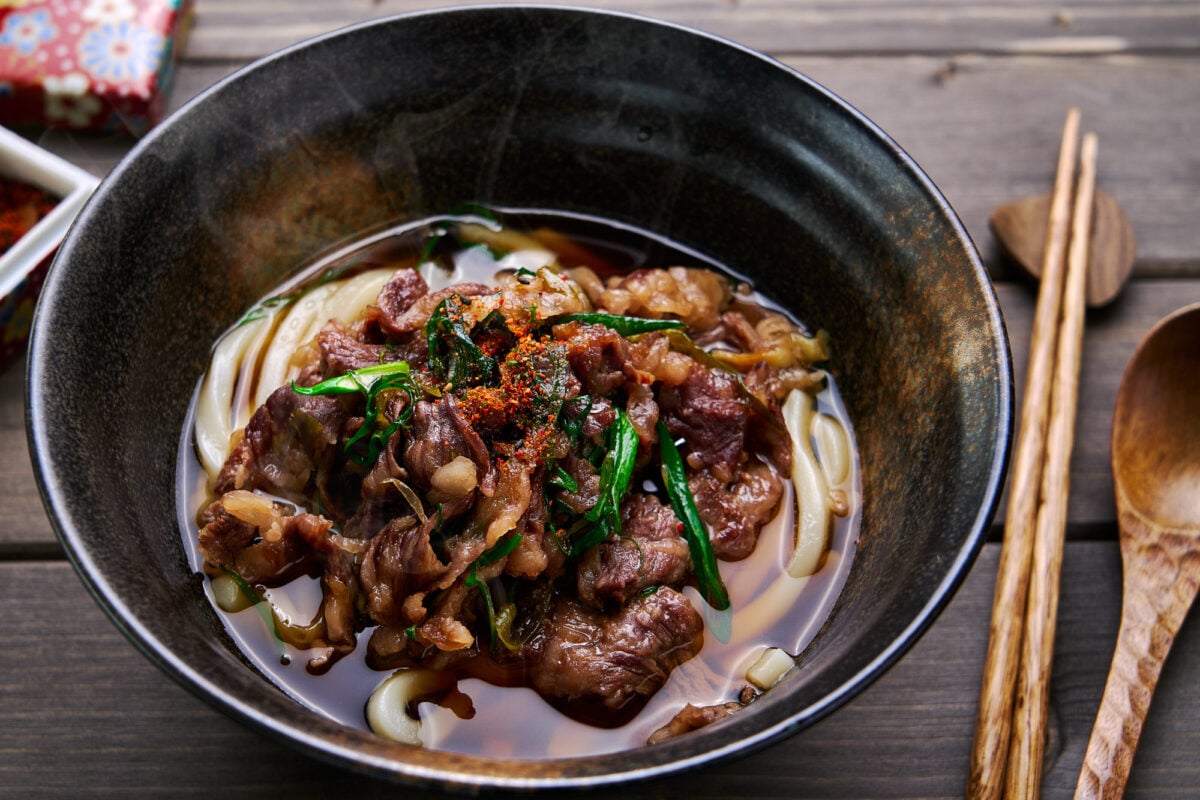
- Japanese Beef Udon Recipe35 Minutes
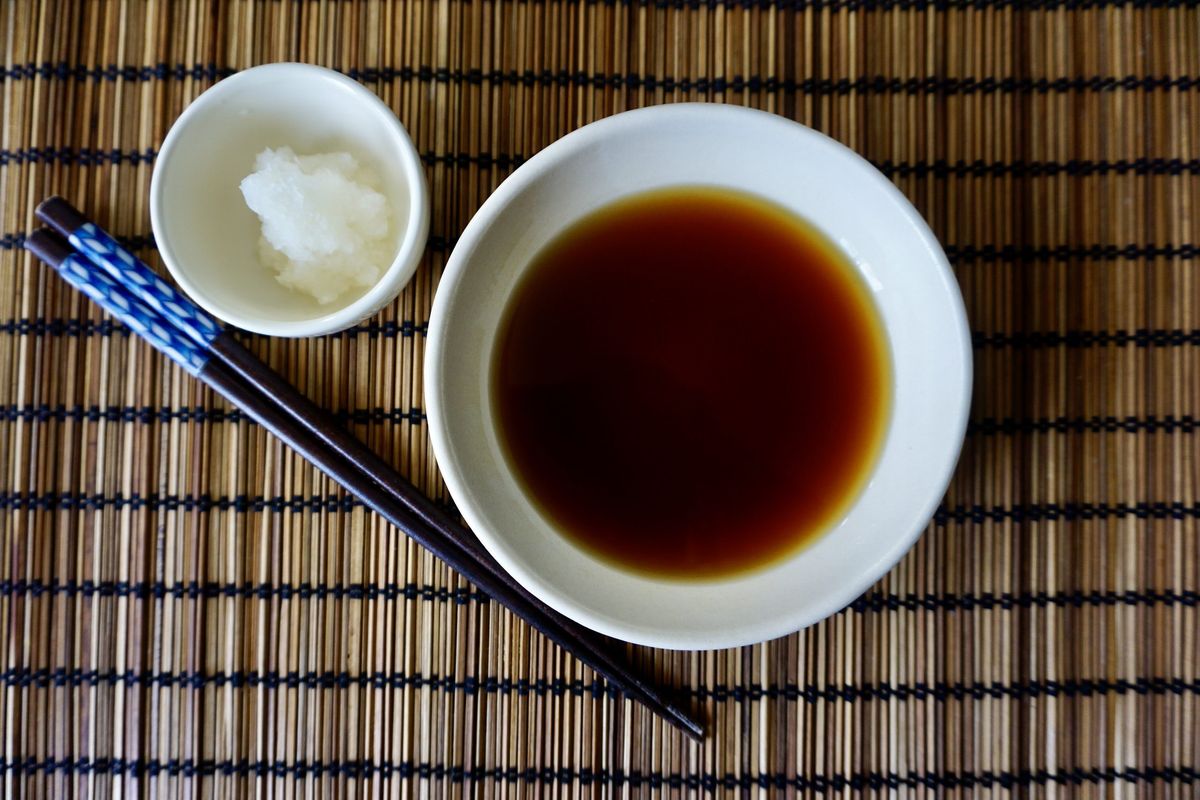
- Tempura Sauce (Tentsuyu) Recipe10 Minutes
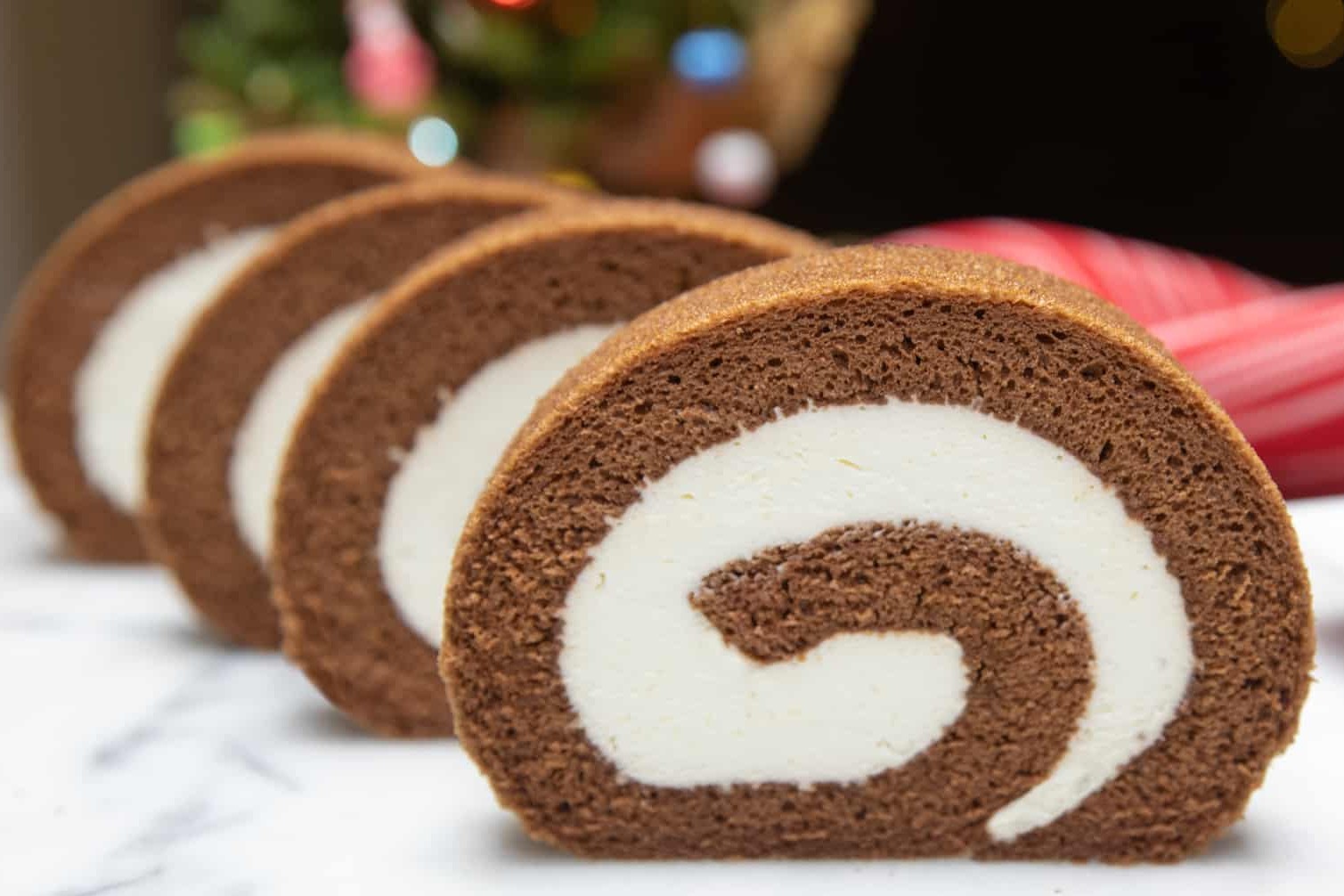
- Japanese Chocolate Cake Recipe50 Minutes
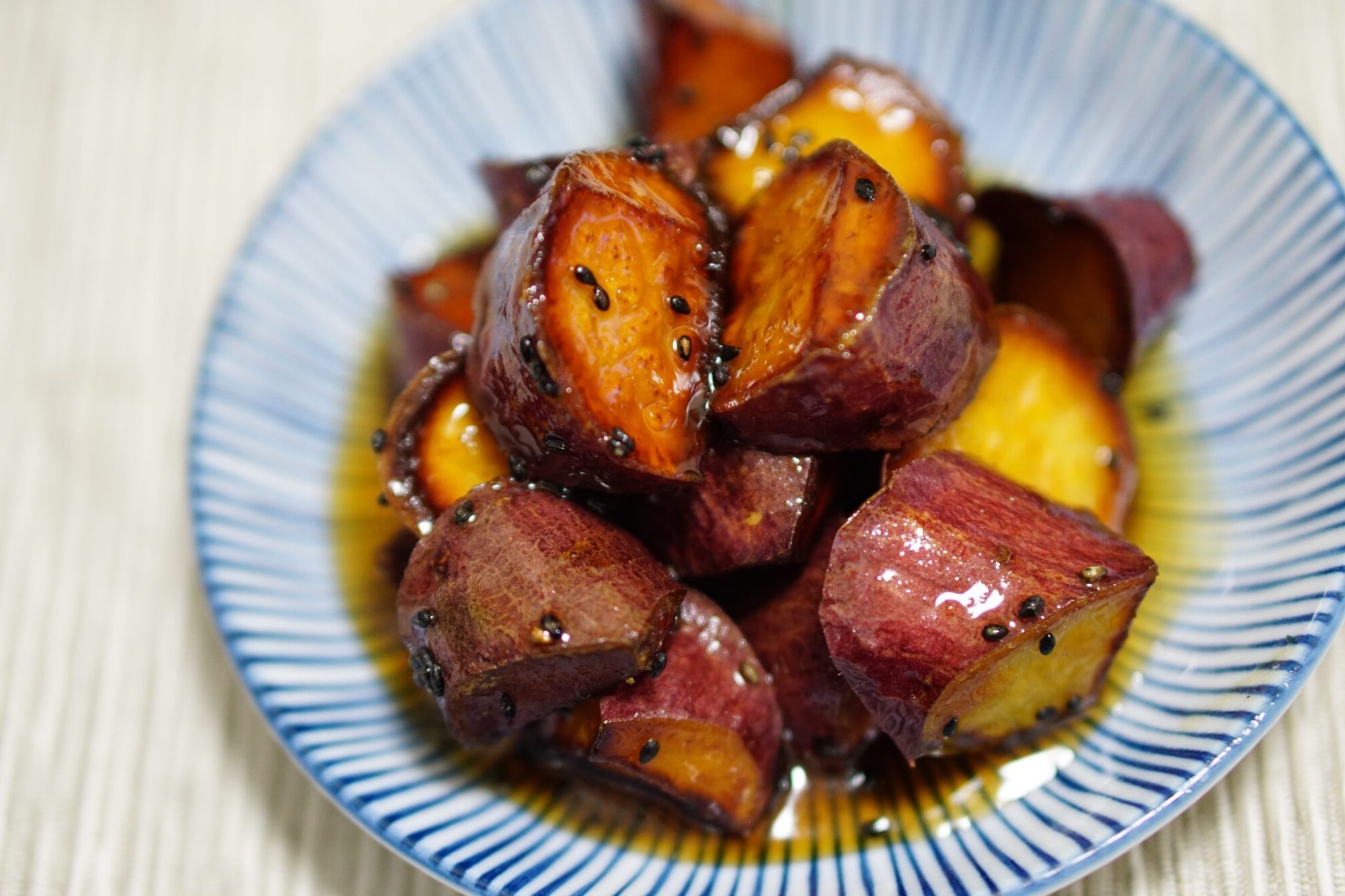
- Japanese Sweet Potato Recipe50 Minutes
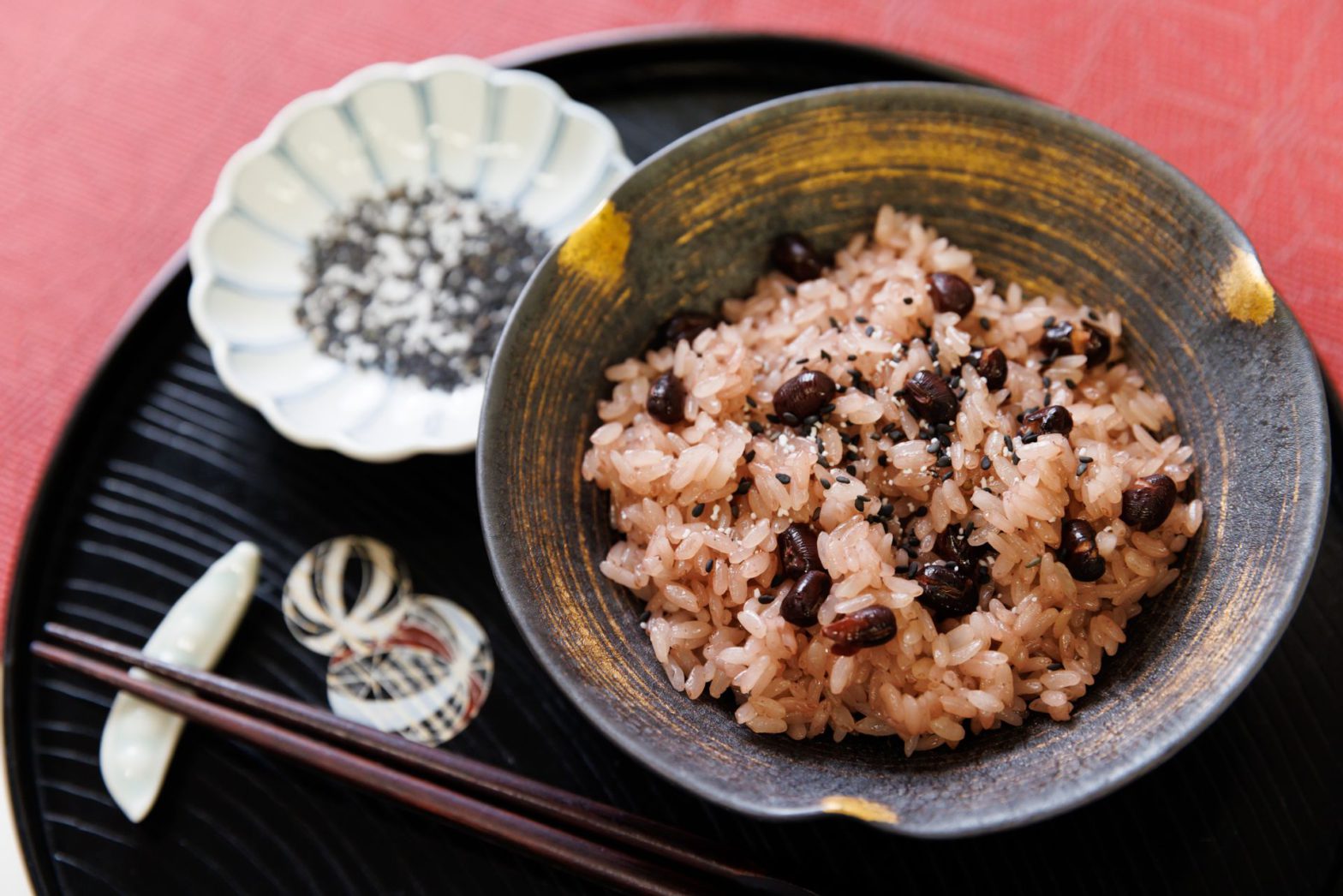
- Japanese Red Rice (Sekihan) Recipe50 Minutes
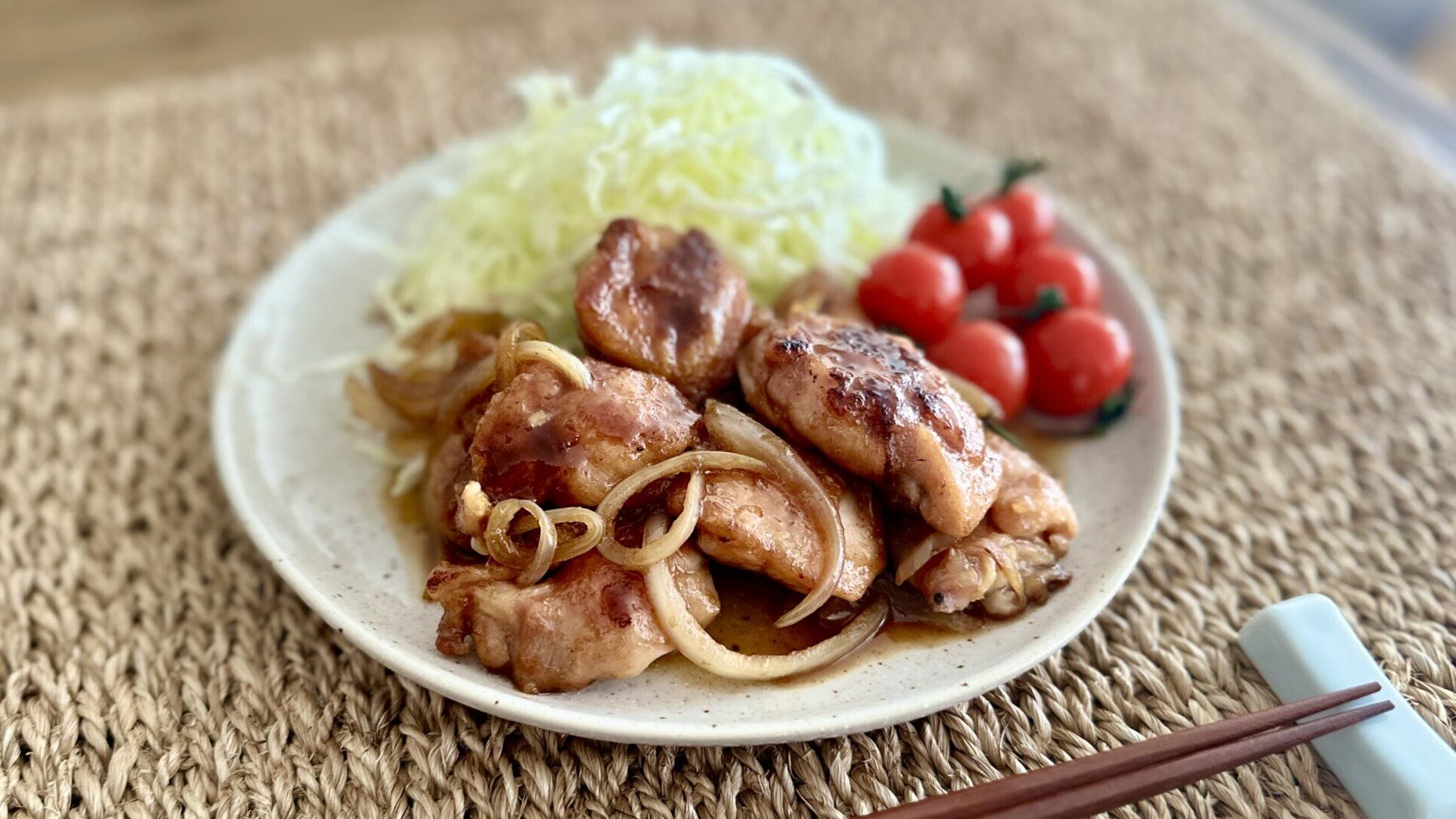
- Japanese Ginger Chicken Recipe35 Minutes
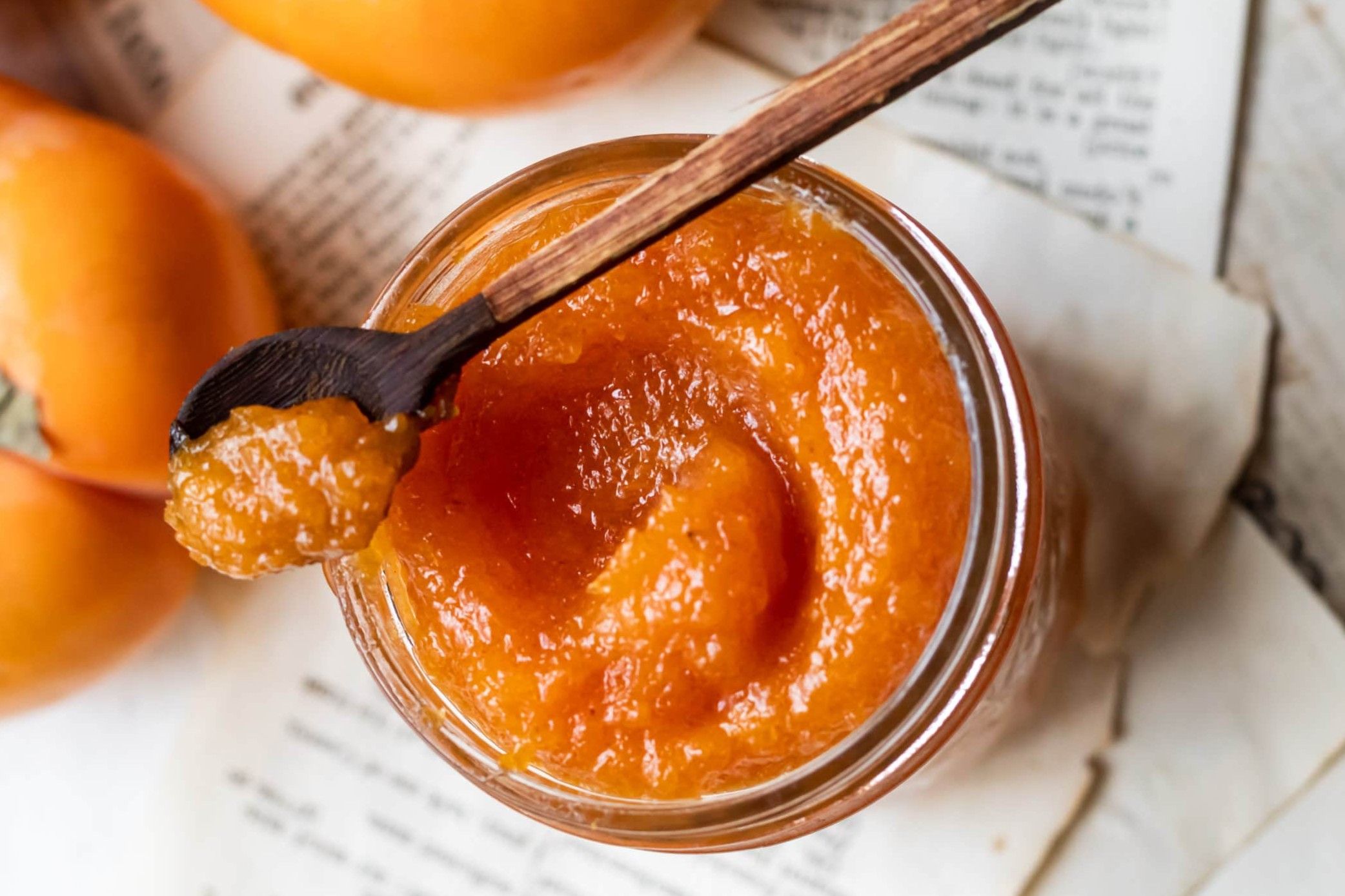
- Japanese Persimmon Recipe10 Minutes
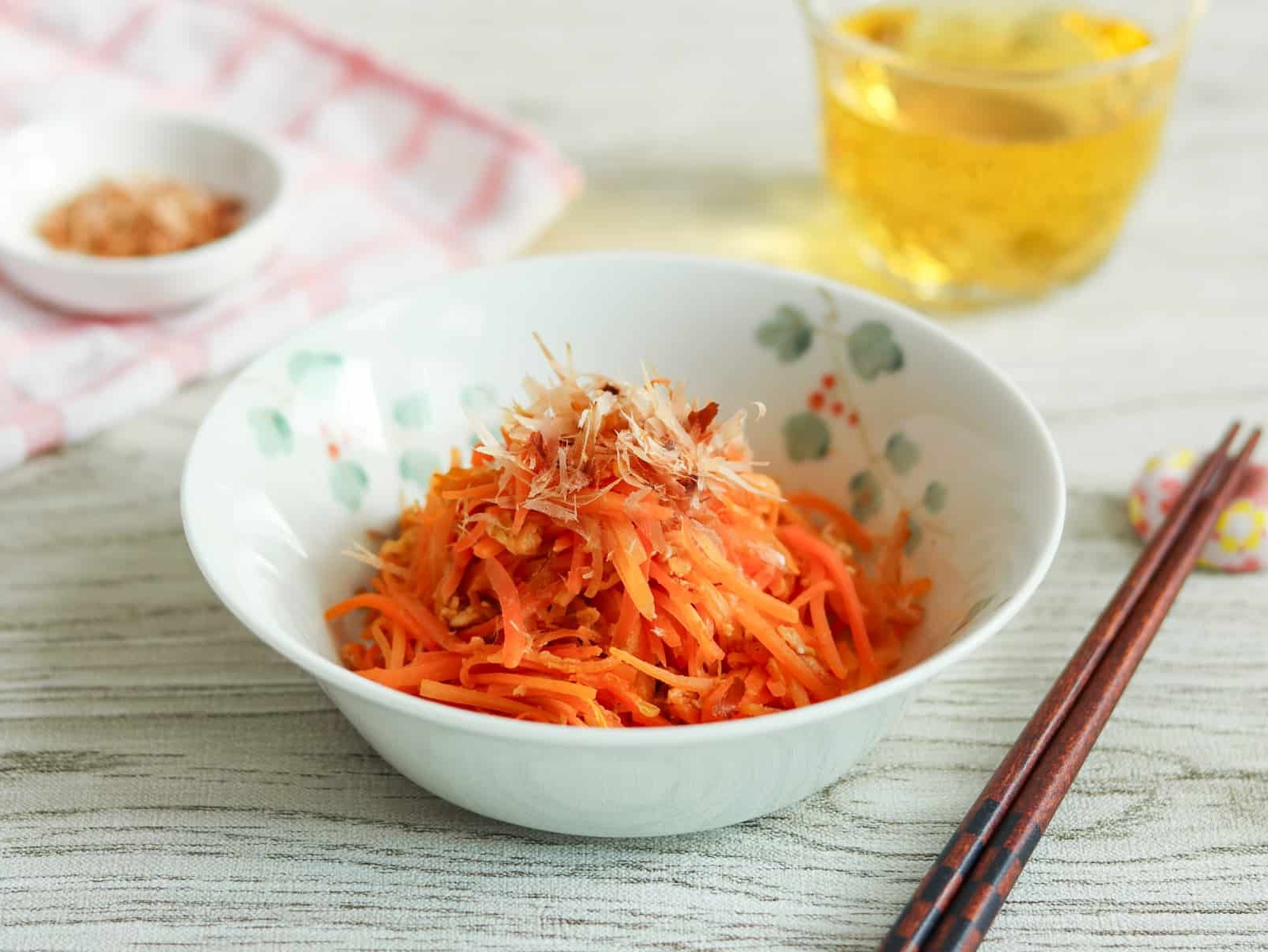
- Japanese Carrot Recipe30 Minutes
Leave a Reply