Dashi is a fundamental component in Japanese cuisine, providing a rich umami flavor that serves as the base for many soups, sauces, and other dishes. This simple yet essential broth can elevate your cooking, bringing a taste of Japan to your kitchen.
Kombu and bonito flakes are the two key ingredients in this recipe that may not be commonly found in every household. Kombu is a type of dried kelp, while bonito flakes are dried, fermented, and smoked skipjack tuna. Both can typically be found in the Asian section of your local supermarket or at specialty Asian grocery stores.
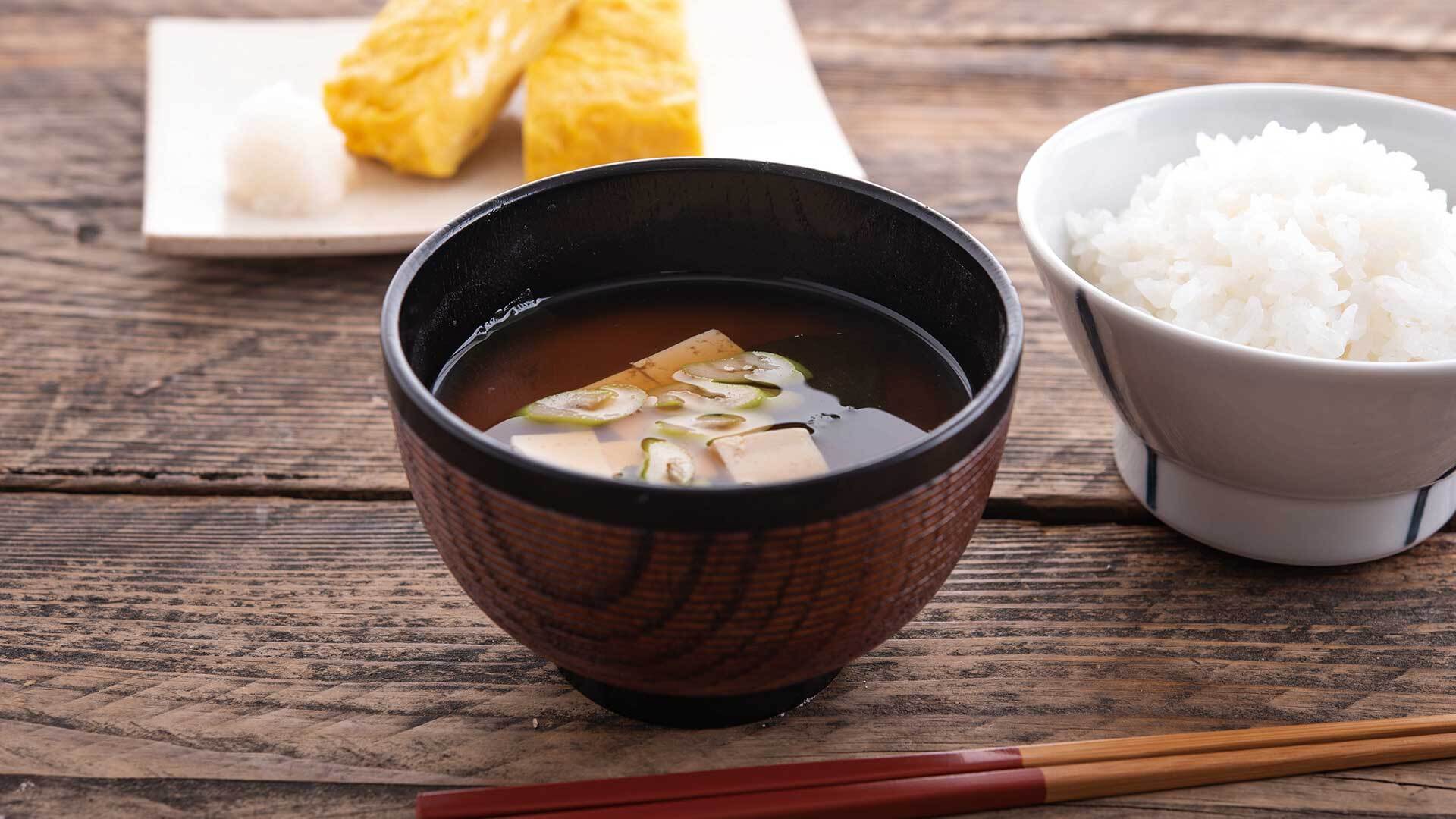
Ingredients For Japanese Soup Base (Dashi) Recipe
Water: The base liquid for the dashi, essential for extracting flavors from the kombu and bonito flakes.
Kombu: A type of dried kelp that imparts a subtle, savory umami flavor to the broth.
Bonito flakes: Dried, fermented, and smoked skipjack tuna that adds a rich, smoky depth to the dashi.
Technique Tip for Making Dashi
When preparing dashi, ensure you do not let the kombu boil, as this can release a bitter flavor. Instead, heat the water gently and remove the kombu just before it reaches a boil. This technique preserves the delicate umami essence of the kelp.
Suggested Side Dishes
Alternative Ingredients
kombu - Substitute with dried shiitake mushrooms: Dried shiitake mushrooms can provide a similar umami depth to the broth as kombu.
kombu - Substitute with nori: Nori can be used to impart a seaweed flavor, though it is less intense than kombu.
bonito flakes - Substitute with dried anchovies: Dried anchovies can offer a similar fishy umami flavor to the broth.
bonito flakes - Substitute with sardines: Sardines can be used to provide a rich, fishy taste similar to bonito flakes.
bonito flakes - Substitute with shiitake mushrooms: For a vegetarian option, dried shiitake mushrooms can provide a deep umami flavor.
Alternative Recipes Similar to Dashi
How to Store or Freeze Dashi
- Allow the dashi to cool to room temperature before storing. This helps prevent condensation and bacterial growth.
- Transfer the dashi into an airtight container. Glass jars or BPA-free plastic containers work well.
- Store the dashi in the refrigerator for up to 4-5 days. Make sure to label the container with the date it was made.
- For longer storage, pour the dashi into ice cube trays and freeze. Once frozen, transfer the cubes to a zip-top freezer bag. This method allows you to use small portions as needed.
- When ready to use, thaw the dashi cubes in the refrigerator or add them directly to your soup or stew for a quick infusion of flavor.
- Avoid reheating dashi multiple times, as this can degrade its delicate flavors. Only reheat the amount you plan to use immediately.
- If you notice any off smells or changes in color, discard the dashi to ensure food safety.
How to Reheat Leftovers
- Gently reheat the dashi over low heat in a saucepan. This method ensures that the delicate flavors of the kombu and bonito flakes are preserved without becoming too strong or bitter.
- Use a double boiler to reheat the dashi. Fill the bottom pot with water and place the dashi in the top pot. This indirect heat method prevents the dashi from overheating and maintains its subtle flavors.
- Microwave the dashi in a microwave-safe bowl. Cover the bowl with a microwave-safe lid or plastic wrap, leaving a small vent. Heat on medium power in 30-second intervals, stirring gently between each interval to ensure even heating.
- If you have a sous vide machine, set it to 140°F (60°C) and place the dashi in a vacuum-sealed bag or a heat-safe, resealable plastic bag. Submerge the bag in the water bath and let it heat for about 15-20 minutes. This method keeps the dashi at a consistent temperature without risk of boiling.
- For a quick reheat, pour the dashi into a heatproof bowl and place it over a pot of simmering water. Stir occasionally until it reaches the desired temperature. This method is similar to a double boiler and helps maintain the integrity of the dashi.
Best Tools for Making Dashi
Pot: A large vessel used to heat the water and kombu, and later to boil the bonito flakes.
Fine-mesh strainer: Used to strain the liquid and remove the bonito flakes, ensuring a clear dashi.
Cheesecloth: An alternative to the fine-mesh strainer, used to strain the liquid and remove any remaining particles.
Measuring cups: Used to measure the water and bonito flakes accurately.
Tongs: Handy for removing the kombu from the pot without burning your fingers.
Stove: The heat source for bringing the water to the desired temperature.
Bowl: Used to hold the strained dashi once it’s ready.
How to Save Time on Making Dashi
Pre-soak kombu: Soak kombu in water overnight in the fridge to save time in the morning.
Use instant dashi: Opt for instant dashi granules for a quicker alternative without compromising flavor.
Batch preparation: Make a large batch of dashi and freeze it in portions for future use.
Quick strain: Use a fine-mesh strainer or cheesecloth to quickly strain the bonito flakes.
Pre-measure ingredients: Have all ingredients pre-measured and ready to go before starting the recipe.
Japanese Soup Base (Dashi) Recipe
Ingredients
Main Ingredients
- 4 cups Water
- 1 piece Kombu (dried kelp) about 4x4 inches
- 1 cup Bonito flakes
Instructions
- 1. Add the kombu to the water in a pot and let it soak for 30 minutes.
- 2. Heat the pot over medium heat until just before it boils. Remove the kombu.
- 3. Add the bonito flakes and bring to a boil. Turn off the heat and let the flakes settle to the bottom.
- 4. Strain the liquid through a fine-mesh strainer or cheesecloth. Your dashi is ready to use.
Nutritional Value
Keywords
More Amazing Recipes to Try 🙂
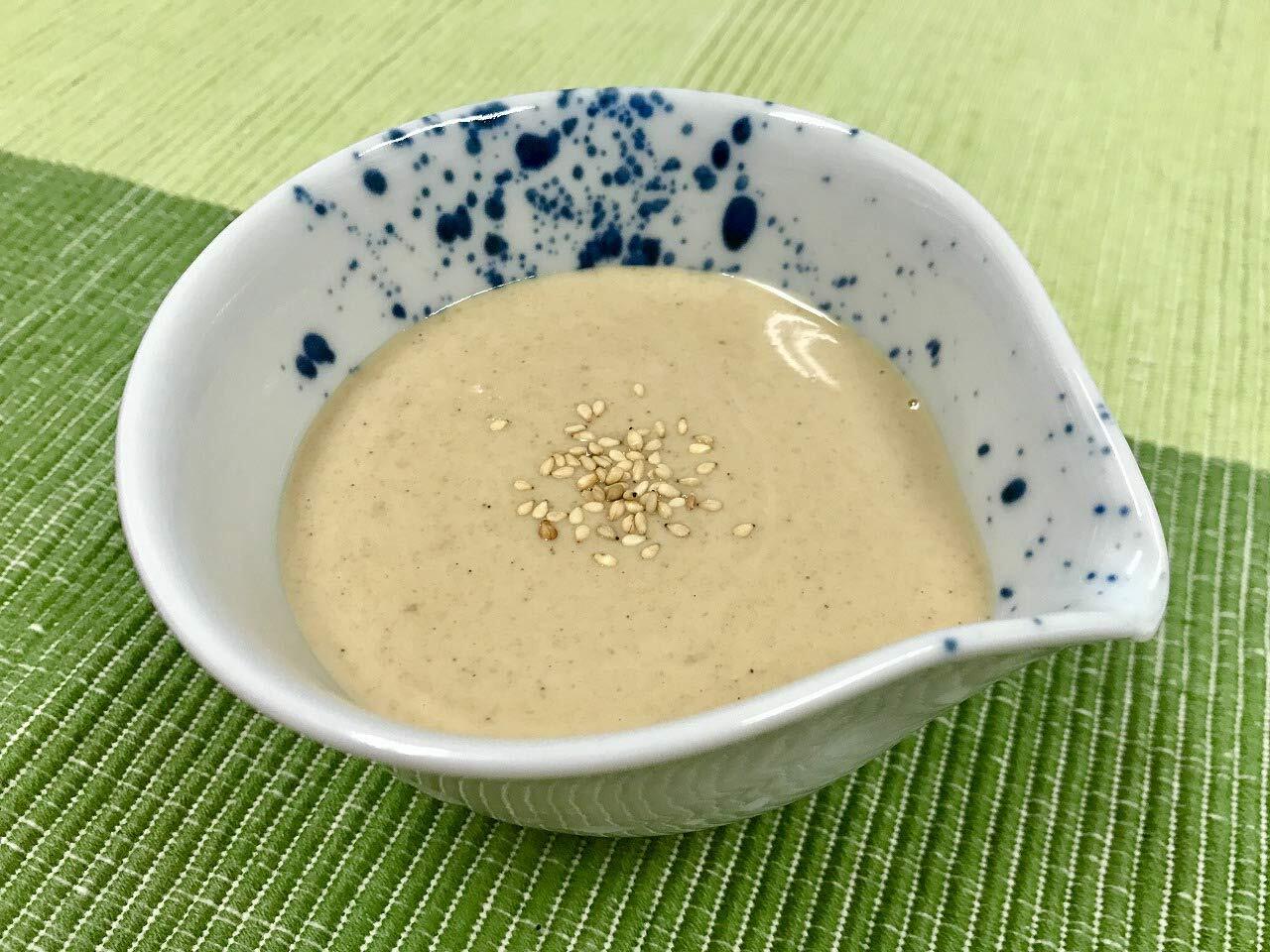
- Japanese Sesame Paste (Nerigoma) Recipe15 Minutes
- Takoyaki (Japanese Octopus Ball) Recipe30 Minutes
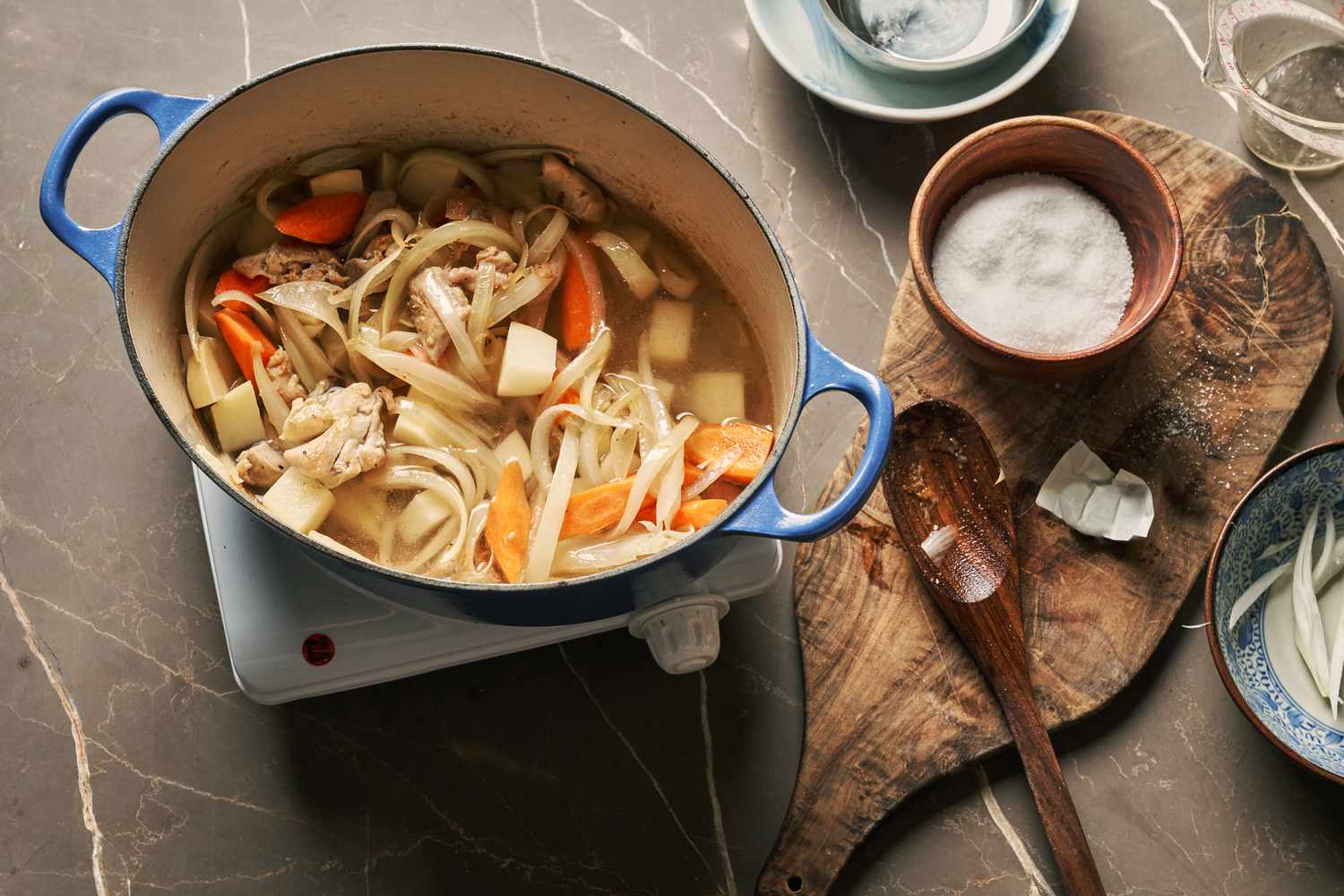
- Japanese Chicken Stew Recipe1 Hours
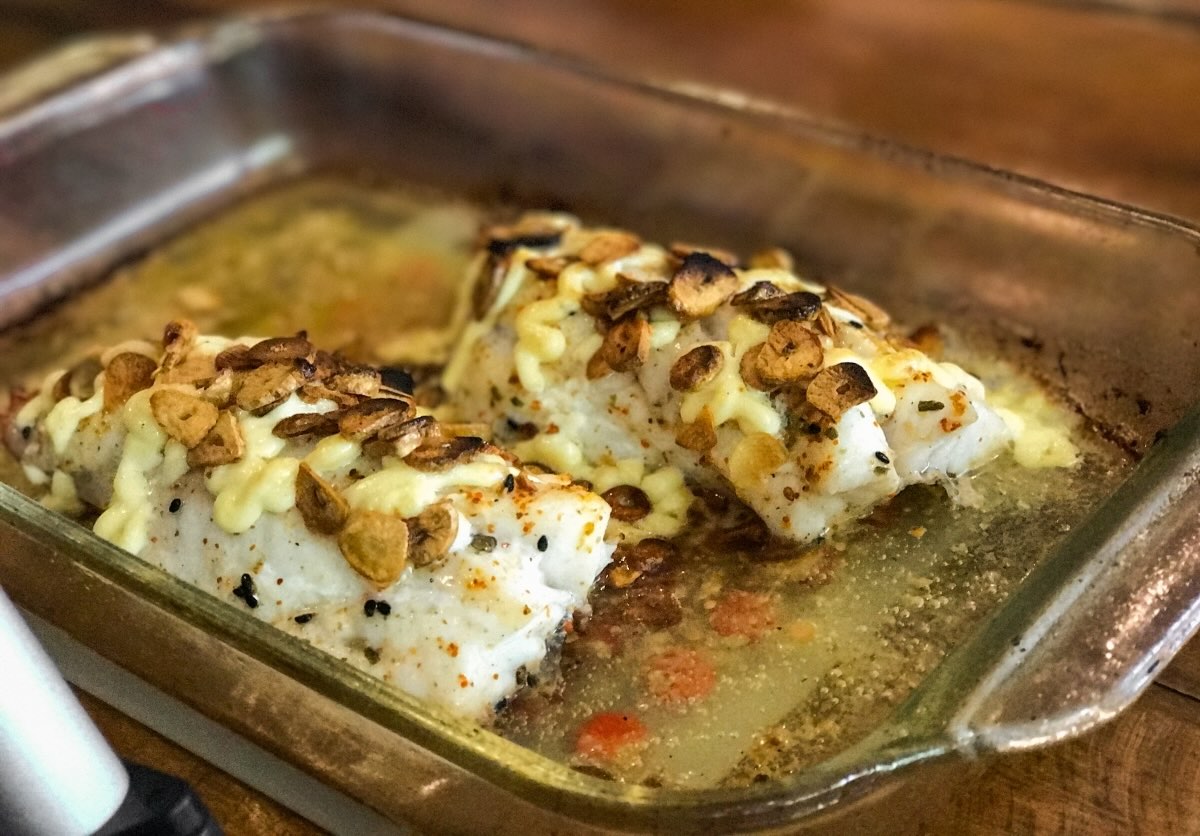
- Japanese Baked Fish Recipe30 Minutes
- Japanese Dry Curry Recipe45 Minutes
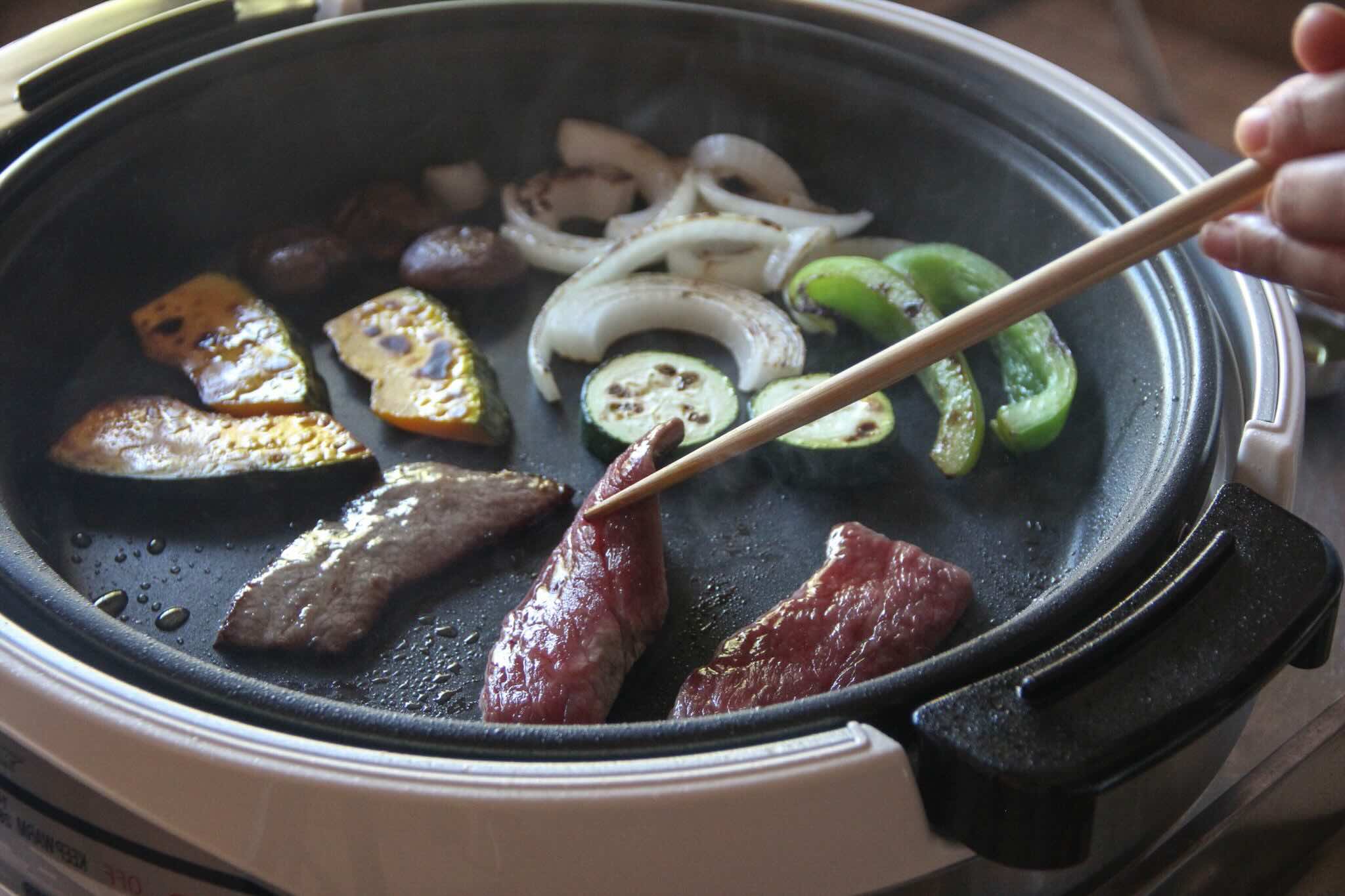
- Teppanyaki Recipe35 Minutes
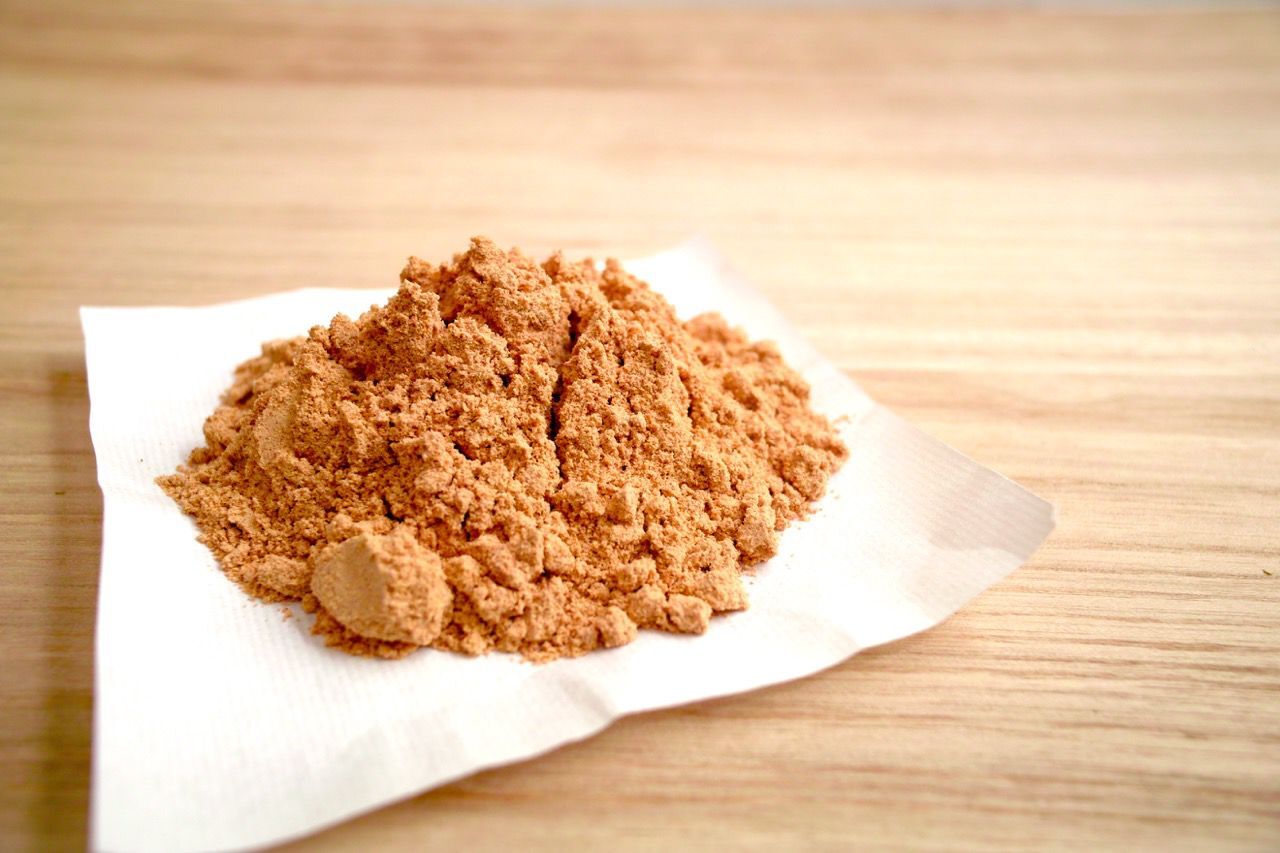
- Japanese Soybean Powder (Kinako) Recipe25 Minutes
- Japanese Kimbap Recipe35 Minutes




Leave a Reply