
Creating your own sesame oil at home can elevate your culinary creations with a rich, nutty flavor. This recipe is simple and allows you to control the quality and freshness of the oil you use in your dishes.
The key ingredients in this recipe are sesame seeds and vegetable oil. While vegetable oil is commonly found in most kitchens, sesame seeds might not be as readily available. You can find sesame seeds in the spice or international foods aisle of most supermarkets. They come in both white and black varieties, either of which can be used for this recipe.
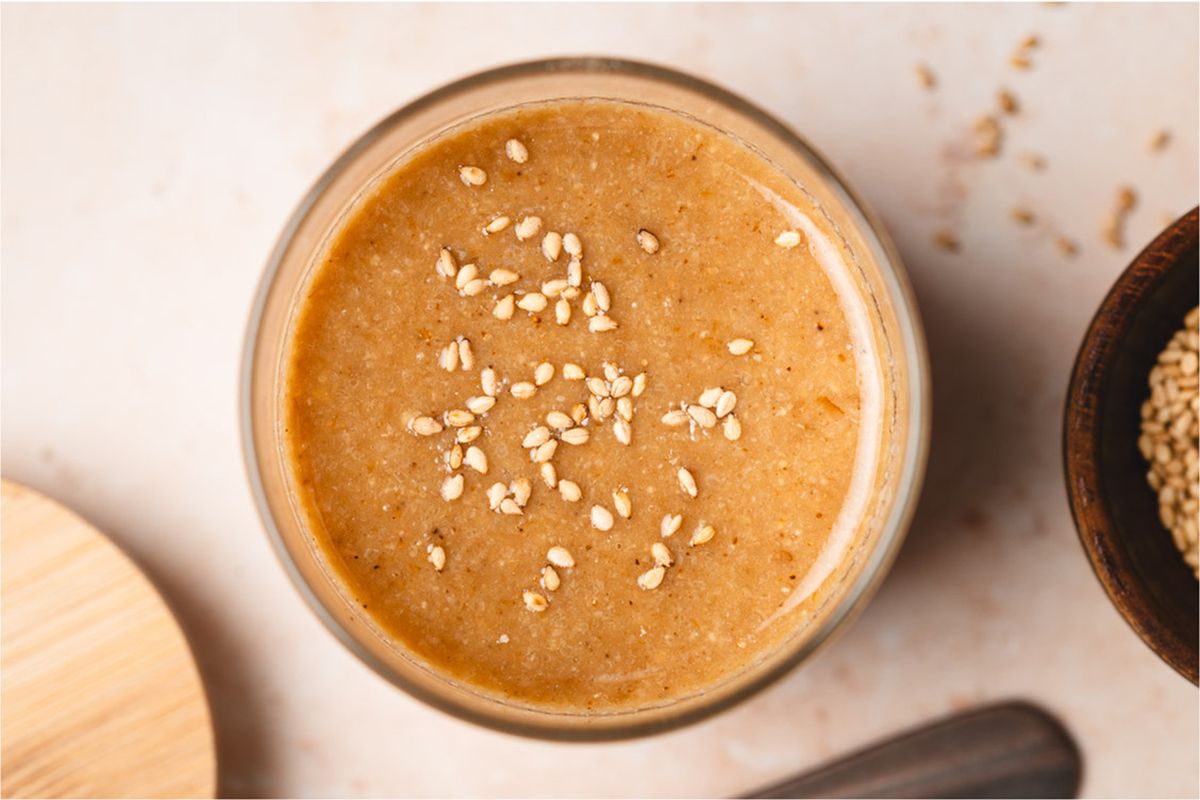
Ingredients for Japanese Sesame Oil Recipe
Sesame seeds: These seeds are the star of the recipe, providing the distinctive nutty flavor. You can use either white or black sesame seeds.
Vegetable oil: This oil acts as the base, helping to extract and carry the flavor of the toasted sesame seeds.
Technique Tip for This Recipe
When toasting sesame seeds, make sure to keep a close eye on them as they can burn quickly. Stir constantly to ensure even toasting and to bring out the rich, nutty flavor. Once they turn a golden brown, immediately remove them from the heat to prevent overcooking.
Suggested Side Dishes
Alternative Ingredients
white sesame seeds - Substitute with black sesame seeds: Black sesame seeds have a slightly stronger flavor and can add a different visual appeal to the dish.
black sesame seeds - Substitute with white sesame seeds: White sesame seeds are milder in flavor and can be used interchangeably with black sesame seeds in most recipes.
vegetable oil - Substitute with canola oil: Canola oil has a neutral flavor and a high smoke point, making it a good substitute for vegetable oil.
vegetable oil - Substitute with grapeseed oil: Grapeseed oil is also neutral in flavor and has a high smoke point, suitable for making sesame oil.
Other Alternative Recipes Similar to This
How to Store or Freeze This Recipe
- Allow the freshly made Japanese sesame oil to cool completely before storing. This ensures that no condensation forms inside the storage container, which could affect the oil's quality.
- Use a clean, dry, and airtight glass bottle or jar to store the oil. Glass is preferable because it doesn't react with the oil and helps maintain its flavor.
- Store the bottle in a cool, dark place, such as a pantry or cupboard, away from direct sunlight and heat sources. Exposure to light and heat can cause the oil to go rancid more quickly.
- For longer shelf life, consider storing the oil in the refrigerator. While this may cause the oil to become cloudy or solidify, it will return to its liquid state at room temperature without affecting its quality.
- Label the bottle with the date of preparation. Homemade Japanese sesame oil typically lasts for about 3-6 months when stored properly.
- If you notice any off smells, flavors, or changes in color, it's best to discard the oil as it may have gone rancid.
- For freezing, pour the Japanese sesame oil into ice cube trays or small freezer-safe containers. This allows you to thaw only the amount you need without exposing the entire batch to air.
- When ready to use, thaw the desired amount of oil in the refrigerator or at room temperature. Avoid microwaving as it can alter the flavor and quality of the oil.
- Always use clean utensils when handling the oil to prevent contamination and extend its shelf life.
How to Reheat Leftovers
- Gently warm the sesame oil in a small saucepan over low heat. Stir occasionally to ensure even heating and prevent burning.
- Alternatively, place the bottle of sesame oil in a bowl of warm water for a few minutes. This method helps to gently bring the oil to room temperature without direct heat.
- For a quick method, microwave the sesame oil in a microwave-safe container. Use short bursts of 10-15 seconds, stirring in between to avoid overheating.
- If you have a sous-vide machine, set it to a low temperature (around 120°F or 50°C) and immerse the sealed bottle of sesame oil in the water bath for a few minutes. This ensures even and gentle reheating.
- To maintain the delicate flavor, avoid reheating sesame oil multiple times. Instead, reheat only the amount you plan to use immediately.
Best Tools for This Recipe
Pan: Used to toast the sesame seeds evenly over medium heat.
Spatula: Essential for stirring the sesame seeds constantly to prevent burning.
Blender: Blends the toasted sesame seeds with vegetable oil until smooth.
Fine strainer: Strains the blended mixture to ensure a smooth, refined sesame oil.
Bottle: Stores the finished sesame oil in a cool, dark place to maintain its quality.
Stove: Provides the heat source for toasting the sesame seeds.
Measuring cup: Measures the exact amount of sesame seeds and vegetable oil needed for the recipe.
Cooling rack: Allows the toasted sesame seeds to cool evenly before blending.
How to Save Time on Making This Recipe
Toast in bulk: Toast a larger batch of sesame seeds and store the extra in an airtight container for future use.
Use a food processor: A food processor can blend the toasted seeds and vegetable oil faster and more efficiently.
Preheat the pan: Preheating the pan ensures the sesame seeds toast evenly and quickly.
Strain with a cheesecloth: Using a cheesecloth instead of a fine strainer can speed up the straining process.
Cool quickly: Spread the toasted seeds on a baking sheet to cool them faster.
Japanese Sesame Oil Recipe
Ingredients
Main Ingredients
- 1 cup Sesame seeds white or black
- 1 cup Vegetable oil
Instructions
- Heat a pan over medium heat.
- Add sesame seeds and toast until golden brown, stirring constantly.
- Remove from heat and let cool.
- Blend toasted seeds with vegetable oil until smooth.
- Strain the mixture through a fine strainer into a bottle.
- Store in a cool, dark place.
Nutritional Value
Keywords
More Amazing Recipes to Try 🙂
- Japanese Sesame Paste (Nerigoma) Recipe15 Minutes
- Takoyaki (Japanese Octopus Ball) Recipe30 Minutes
- Japanese Chicken Stew Recipe1 Hours
- Japanese Baked Fish Recipe30 Minutes
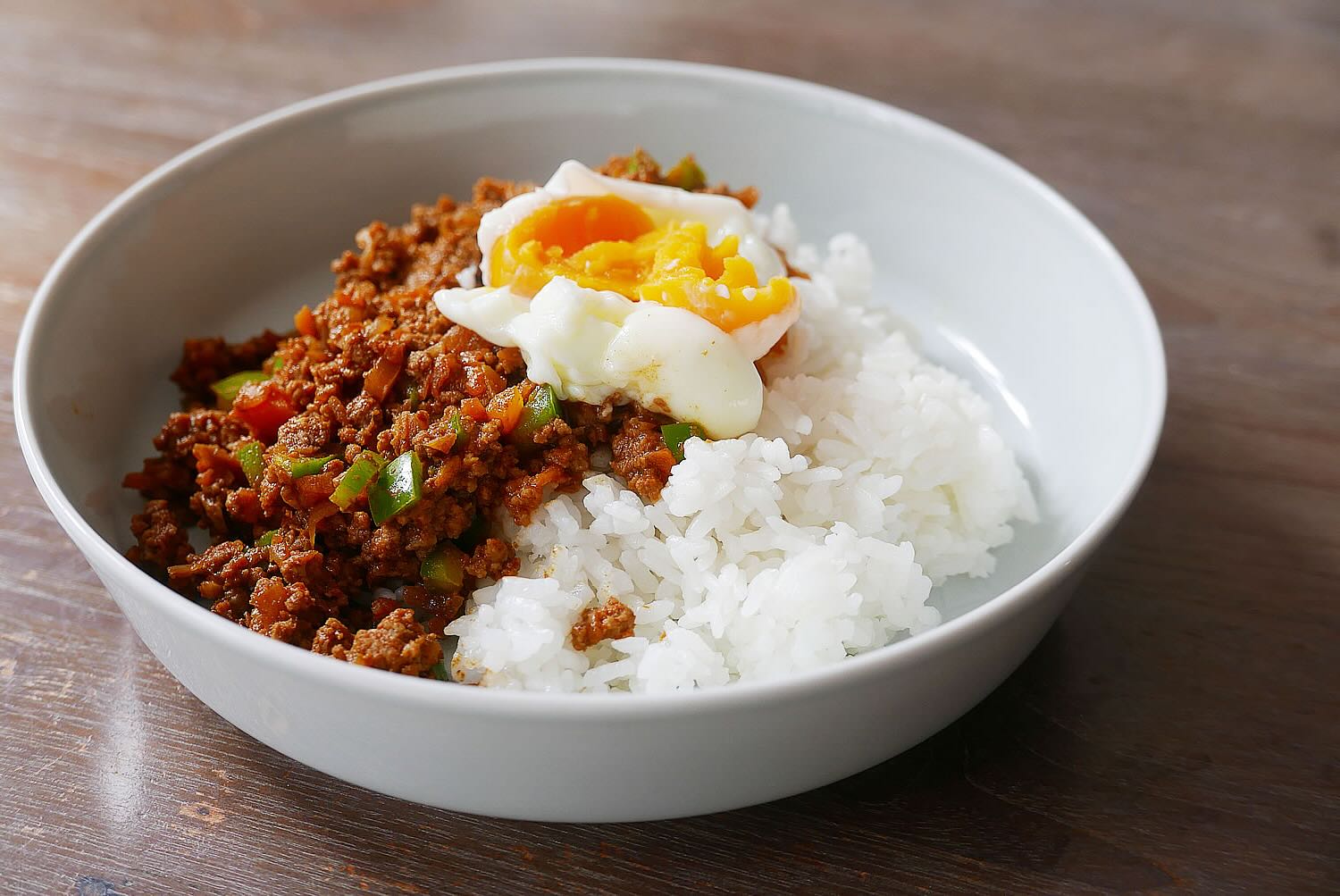
- Japanese Dry Curry Recipe45 Minutes
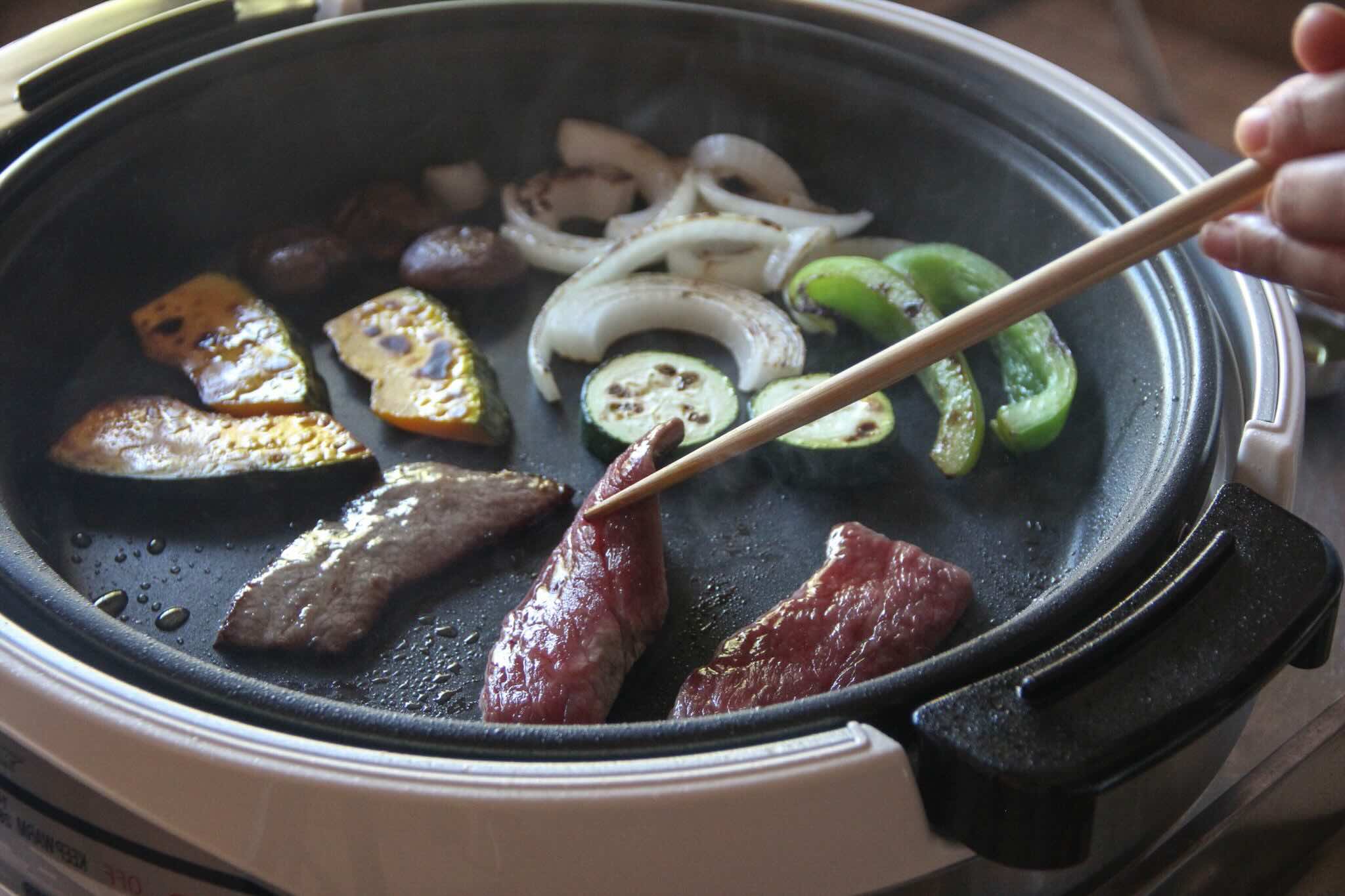
- Teppanyaki Recipe35 Minutes
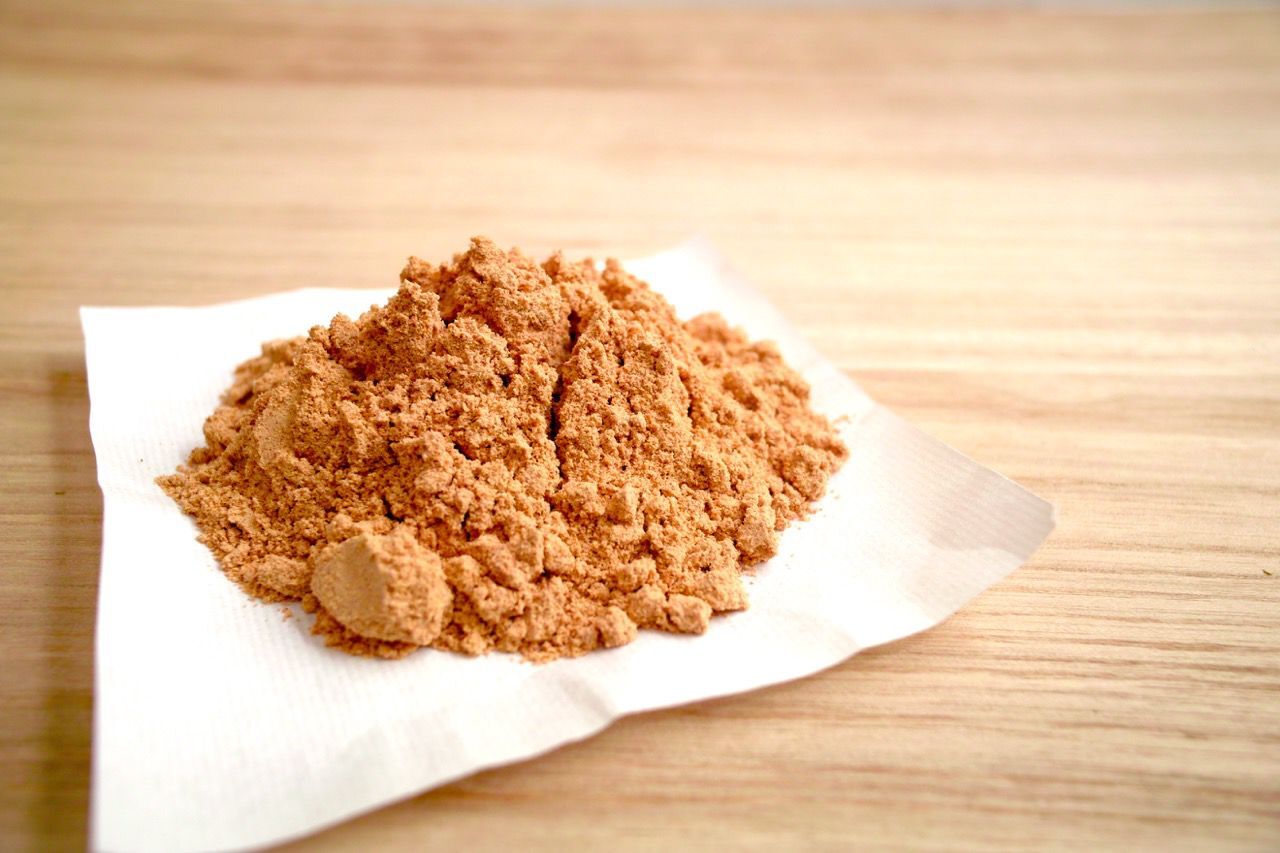
- Japanese Soybean Powder (Kinako) Recipe25 Minutes
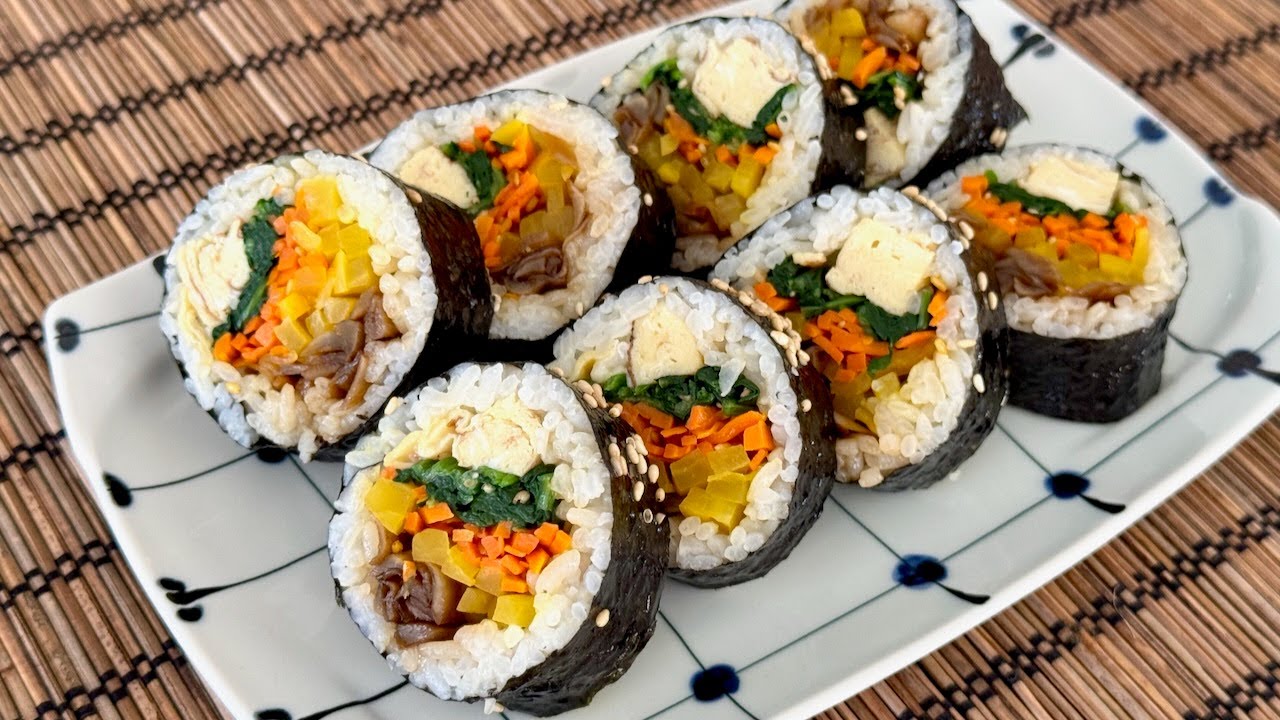
- Japanese Kimbap Recipe35 Minutes


Leave a Reply