
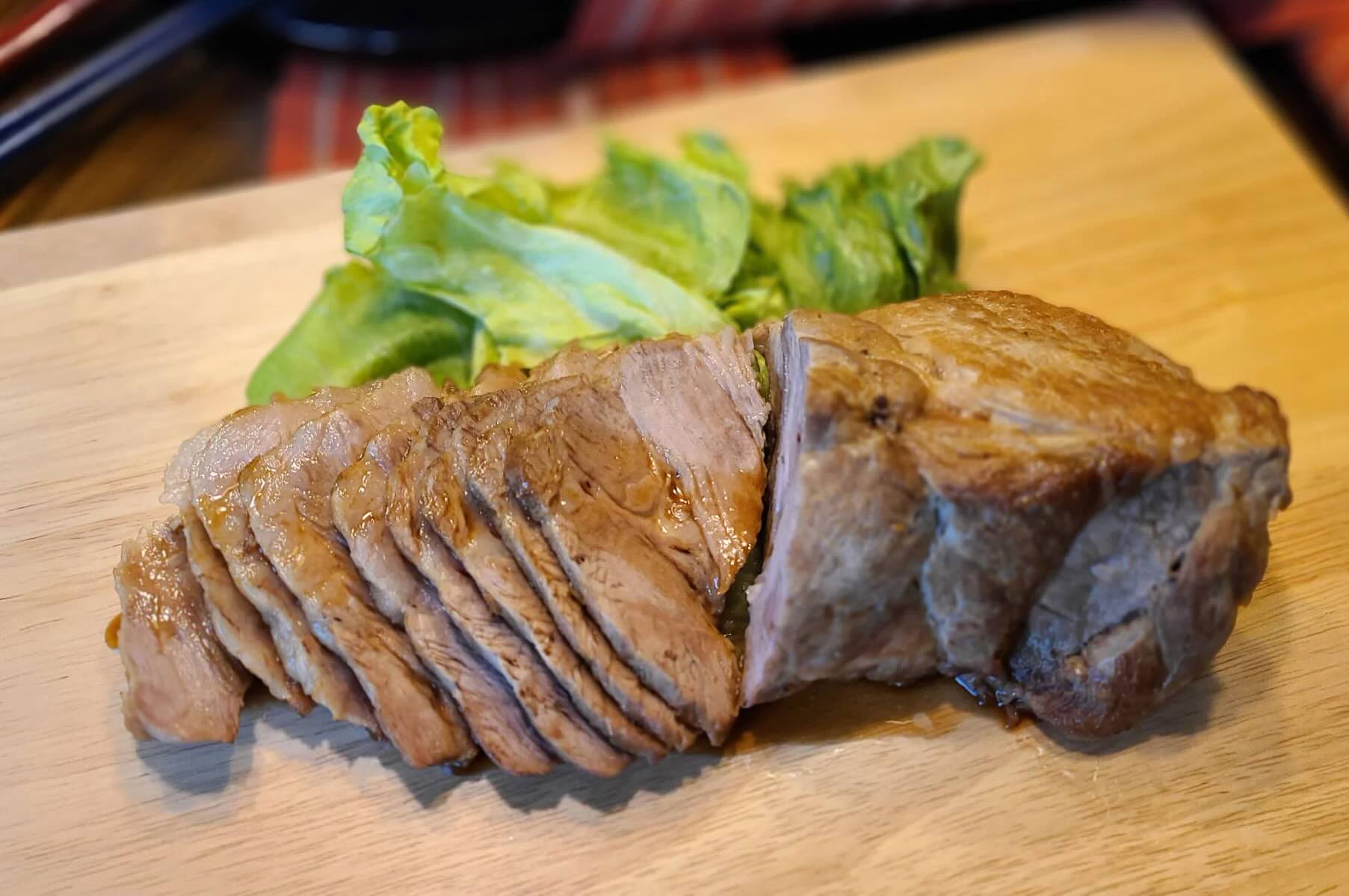
Experience the delightful flavors of Japan with this Japanese ginger pork recipe. This dish combines tender slices of pork loin with a savory and slightly sweet sauce, making it a perfect meal for any occasion. The aromatic ginger adds a refreshing zing, while the soy sauce, mirin, and sake create a rich and complex flavor profile.
Some ingredients in this recipe might not be staples in every kitchen. Mirin is a sweet Japanese rice wine used for cooking, and sake is a Japanese rice wine that adds depth to the dish. Both can be found in the Asian section of most supermarkets. If you can't find them, you might need to visit a specialty Asian grocery store.
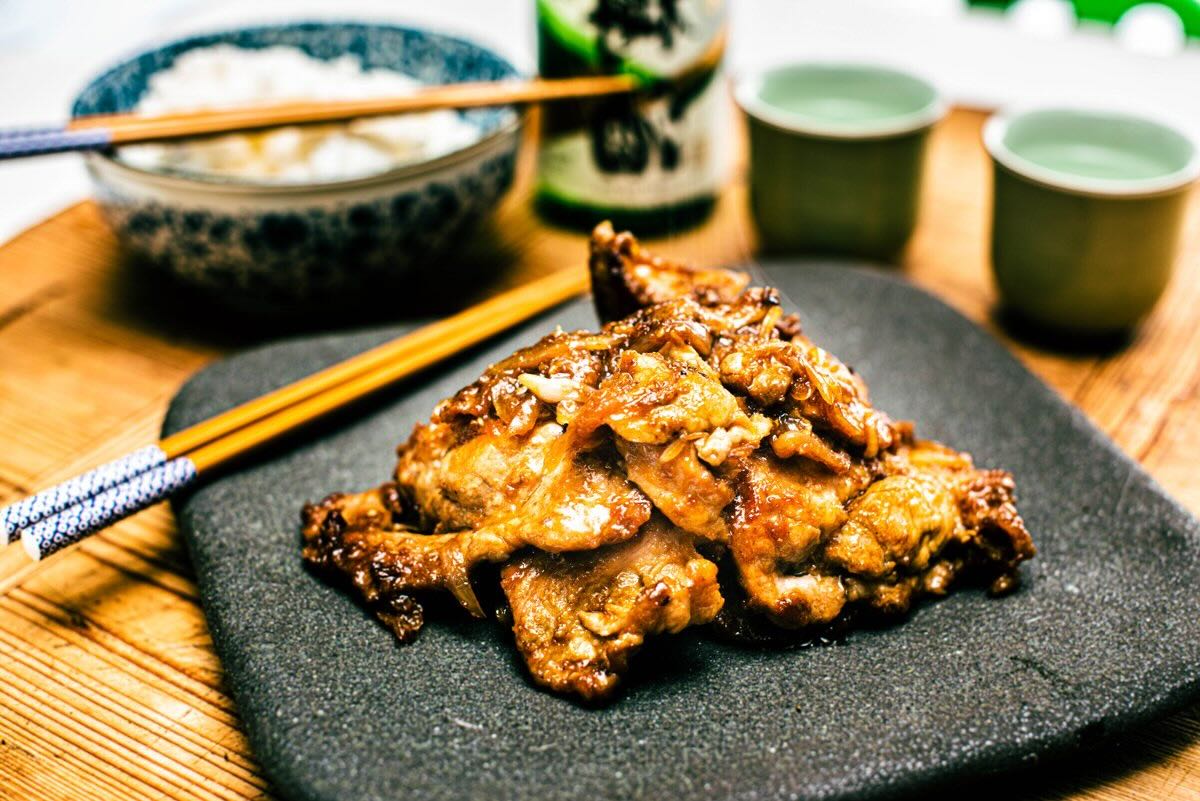
Ingredients For Japanese Ginger Pork Recipe
Pork loin: Thinly sliced to ensure quick and even cooking.
Ginger: Freshly grated to provide a zesty and aromatic flavor.
Soy sauce: Adds a salty and umami taste to the dish.
Mirin: A sweet Japanese rice wine that balances the flavors.
Sake: Japanese rice wine that enhances the overall taste.
Sugar: Adds a touch of sweetness to the sauce.
Vegetable oil: Used for frying the pork to a golden brown.
Technique Tip for This Recipe
To enhance the flavor of the pork loin, make sure to marinate it in the soy sauce, mirin, sake, and sugar mixture for at least 15-20 minutes before cooking. This allows the meat to absorb the flavors more deeply, resulting in a more savory and aromatic dish.
Suggested Side Dishes
Alternative Ingredients
thinly sliced pork loin - Substitute with chicken breast: Chicken breast is a lean protein that can be thinly sliced and will absorb the flavors of the marinade similarly to pork loin.
thinly sliced pork loin - Substitute with beef sirloin: Beef sirloin, when thinly sliced, can provide a similar texture and richness to the dish.
grated ginger - Substitute with ground ginger: Ground ginger can be used in a pinch, though it has a more concentrated flavor. Use about half the amount.
grated ginger - Substitute with galangal: Galangal has a similar spicy and aromatic profile, though it is slightly more citrusy. Use the same amount.
soy sauce - Substitute with tamari: Tamari is a gluten-free alternative to soy sauce with a similar umami flavor.
soy sauce - Substitute with coconut aminos: Coconut aminos provide a slightly sweeter and less salty alternative to soy sauce.
mirin - Substitute with dry sherry: Dry sherry can mimic the sweetness and acidity of mirin in recipes.
mirin - Substitute with rice vinegar and sugar: Mix 1 tablespoon of rice vinegar with 1 teaspoon of sugar to replicate the sweet and tangy flavor of mirin.
sake - Substitute with dry white wine: Dry white wine can provide a similar acidity and depth of flavor as sake.
sake - Substitute with vodka: Vodka can be used as a neutral spirit to deglaze the pan and add a bit of sharpness.
sugar - Substitute with honey: Honey can add sweetness with a slightly different flavor profile and a bit of extra moisture.
sugar - Substitute with maple syrup: Maple syrup provides a natural sweetness and a unique flavor that complements the dish.
vegetable oil - Substitute with canola oil: Canola oil has a neutral flavor and similar smoke point, making it a good alternative.
vegetable oil - Substitute with grapeseed oil: Grapeseed oil is another neutral oil with a high smoke point, suitable for cooking at high temperatures.
Alternative Recipes Similar to This Dish
How to Store or Freeze This Dish
- Allow the Japanese ginger pork to cool completely before storing. This helps prevent condensation, which can make the dish soggy.
- Transfer the cooled pork into an airtight container. If you have a large batch, consider dividing it into smaller portions for easier reheating.
- Label the container with the date to keep track of its freshness.
- Store the container in the refrigerator if you plan to consume the pork within 3-4 days.
- For longer storage, place the container in the freezer. The Japanese ginger pork can be frozen for up to 2 months.
- When ready to reheat, thaw the pork in the refrigerator overnight if frozen.
- Reheat the pork in a frying pan over medium heat until it’s thoroughly warmed. You can add a splash of soy sauce or mirin to refresh the flavors.
- Alternatively, microwave the pork in a microwave-safe dish, covered, for 2-3 minutes, stirring halfway through to ensure even heating.
- Serve hot with freshly steamed rice and enjoy!
How to Reheat Leftovers
Stovetop Method:
- Heat a non-stick pan over medium heat.
- Add a small amount of vegetable oil to the pan.
- Place the leftover Japanese ginger pork in the pan.
- Stir occasionally to ensure even heating, for about 5-7 minutes.
- Add a splash of water or sake if the sauce thickens too much.
- Serve hot with freshly steamed rice.
Microwave Method:
- Place the Japanese ginger pork in a microwave-safe dish.
- Cover the dish with a microwave-safe lid or plastic wrap.
- Heat on medium power for 2-3 minutes.
- Stir the pork halfway through to ensure even heating.
- Check the temperature and heat for an additional 1-2 minutes if necessary.
- Let it sit for a minute before serving.
Oven Method:
- Preheat your oven to 350°F (175°C).
- Place the Japanese ginger pork in an oven-safe dish.
- Cover the dish with aluminum foil to prevent drying out.
- Heat in the oven for about 15-20 minutes.
- Check the temperature to ensure it’s heated through.
- Serve immediately with a side of steamed vegetables.
Steaming Method:
- Set up a steamer basket over a pot of boiling water.
- Place the Japanese ginger pork in a heatproof dish that fits inside the steamer.
- Cover and steam for about 10 minutes.
- Check to ensure the pork is heated through.
- Serve hot with a garnish of green onions or sesame seeds.
Best Tools for This Recipe
Frying pan: A flat-bottomed pan used for frying, searing, and browning foods.
Spatula: A broad, flat, flexible blade used to mix, spread, and lift food.
Grater: A kitchen utensil used to grate foods into fine pieces, especially useful for grating ginger.
Measuring spoons: Small spoons used to measure an amount of an ingredient, either liquid or dry, when cooking.
Measuring cup: A cup marked in graded amounts, used for measuring ingredients.
Knife: A tool with a sharp blade used for cutting or slicing ingredients.
Cutting board: A durable board on which to place material for cutting.
Mixing bowl: A bowl used for combining ingredients.
Tongs: A tool used to grip and lift objects, useful for handling the pork slices.
Serving plate: A plate used to present the finished dish.
Rice cooker: An electric kitchen appliance used to cook rice.
Stove: A kitchen appliance used for cooking food, providing heat through gas or electricity.
How to Save Time on Making This Dish
Pre-slice the pork: Buy thinly sliced pork loin from the store to save time on preparation.
Use a microplane: Grate the ginger quickly using a microplane instead of a regular grater.
Measure ingredients ahead: Pre-measure the soy sauce, mirin, sake, and sugar before you start cooking.
Cook in batches: If your pan is small, cook the pork in batches to ensure even browning.
Use a non-stick pan: A non-stick pan can help reduce the need for additional oil and make cleanup easier.
Japanese Ginger Pork Recipe
Ingredients
Main Ingredients
- 500 g Pork loin thinly sliced
- 1 piece Ginger grated
- 2 tablespoon Soy sauce
- 2 tablespoon Mirin
- 1 tablespoon Sake
- 1 tablespoon Sugar
- 1 tablespoon Vegetable oil
Instructions
- 1. Heat the vegetable oil in a frying pan over medium heat.
- 2. Add the sliced pork and cook until browned on both sides.
- 3. Add the grated ginger, soy sauce, mirin, sake, and sugar to the pan.
- 4. Stir well and cook for another 5 minutes until the sauce thickens.
- 5. Serve hot with steamed rice.
Nutritional Value
Keywords
Suggested Appetizers and Desserts for This Dish
More Amazing Recipes to Try 🙂
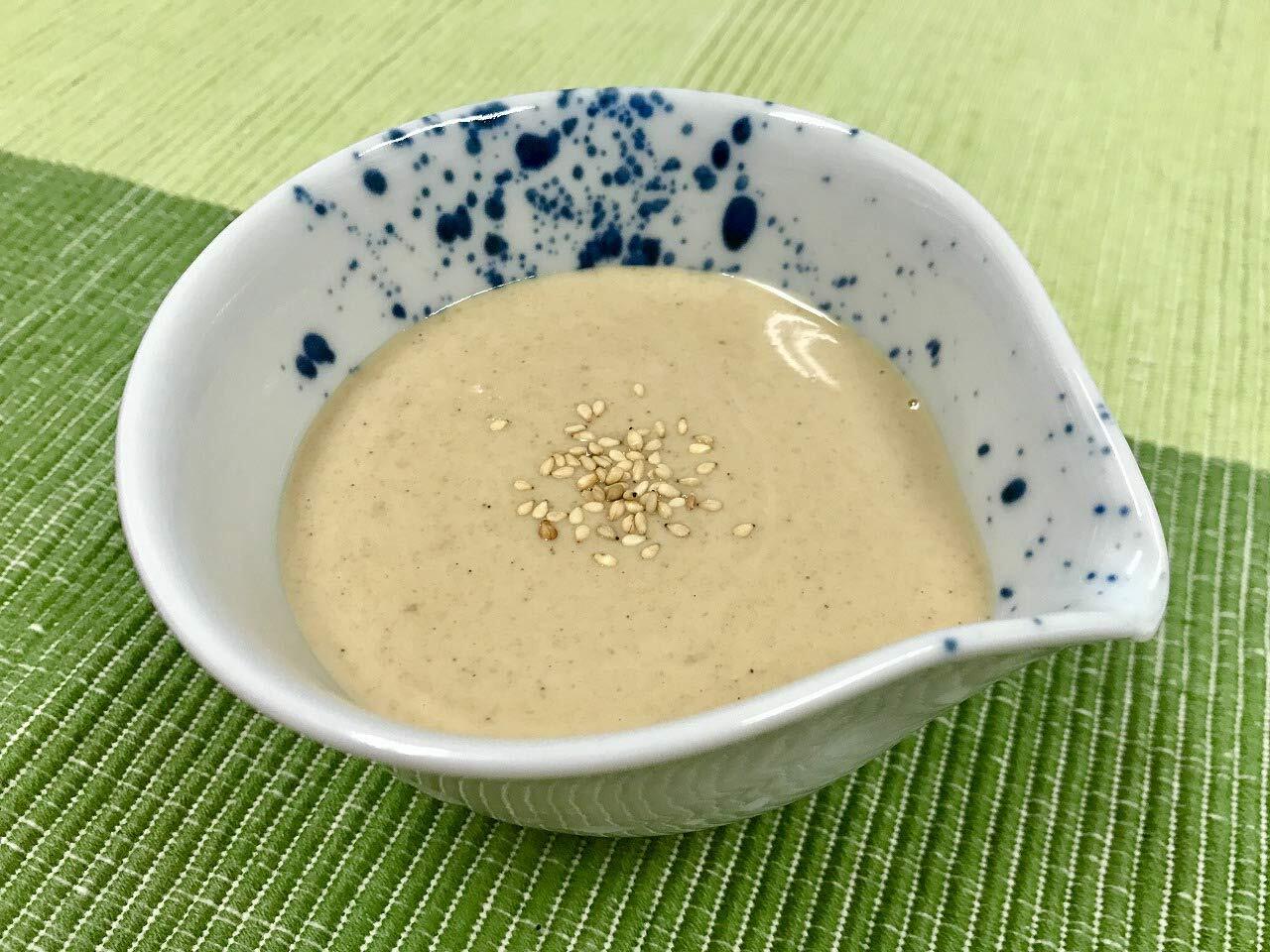
- Japanese Sesame Paste (Nerigoma) Recipe15 Minutes
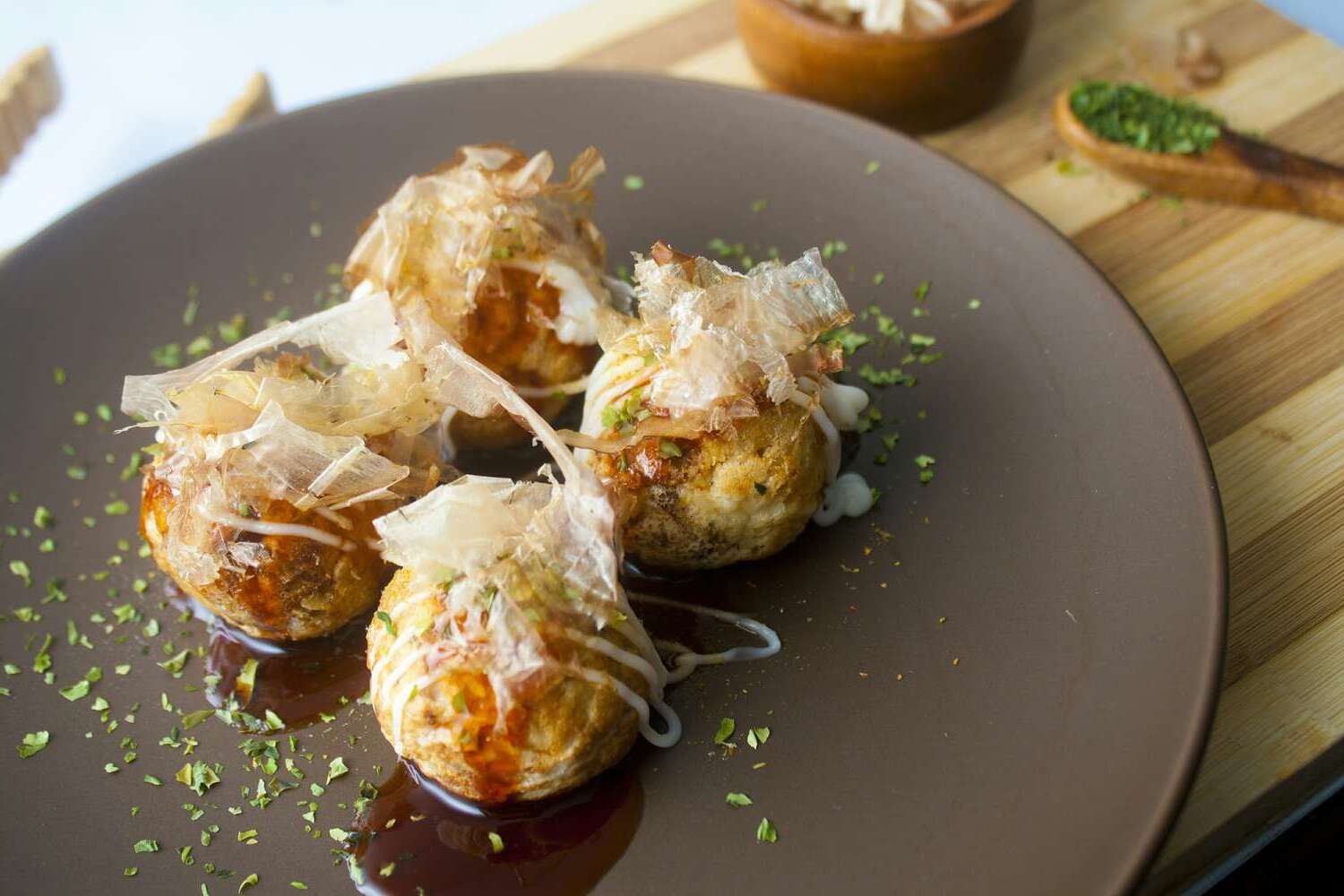
- Takoyaki (Japanese Octopus Ball) Recipe30 Minutes
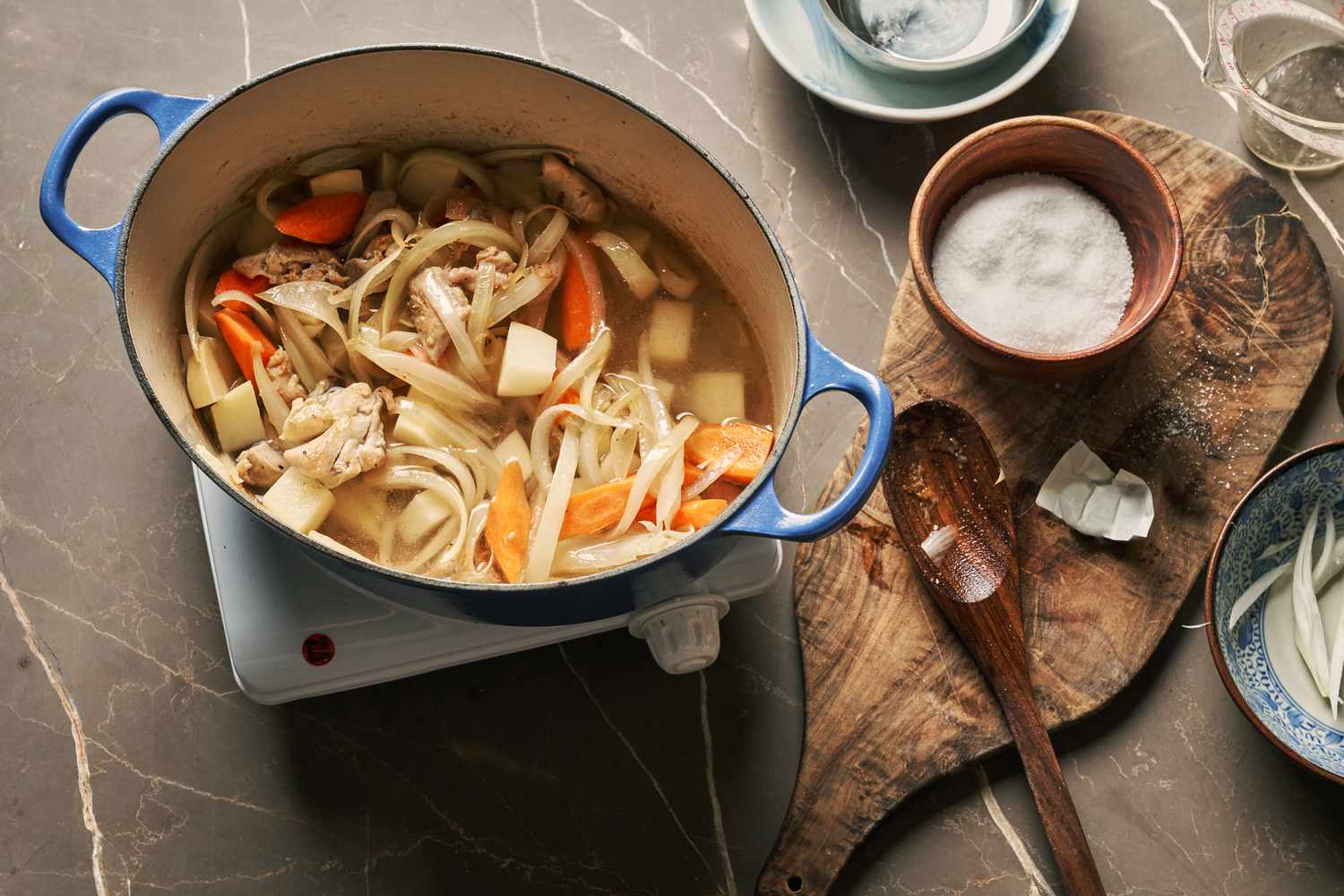
- Japanese Chicken Stew Recipe1 Hours
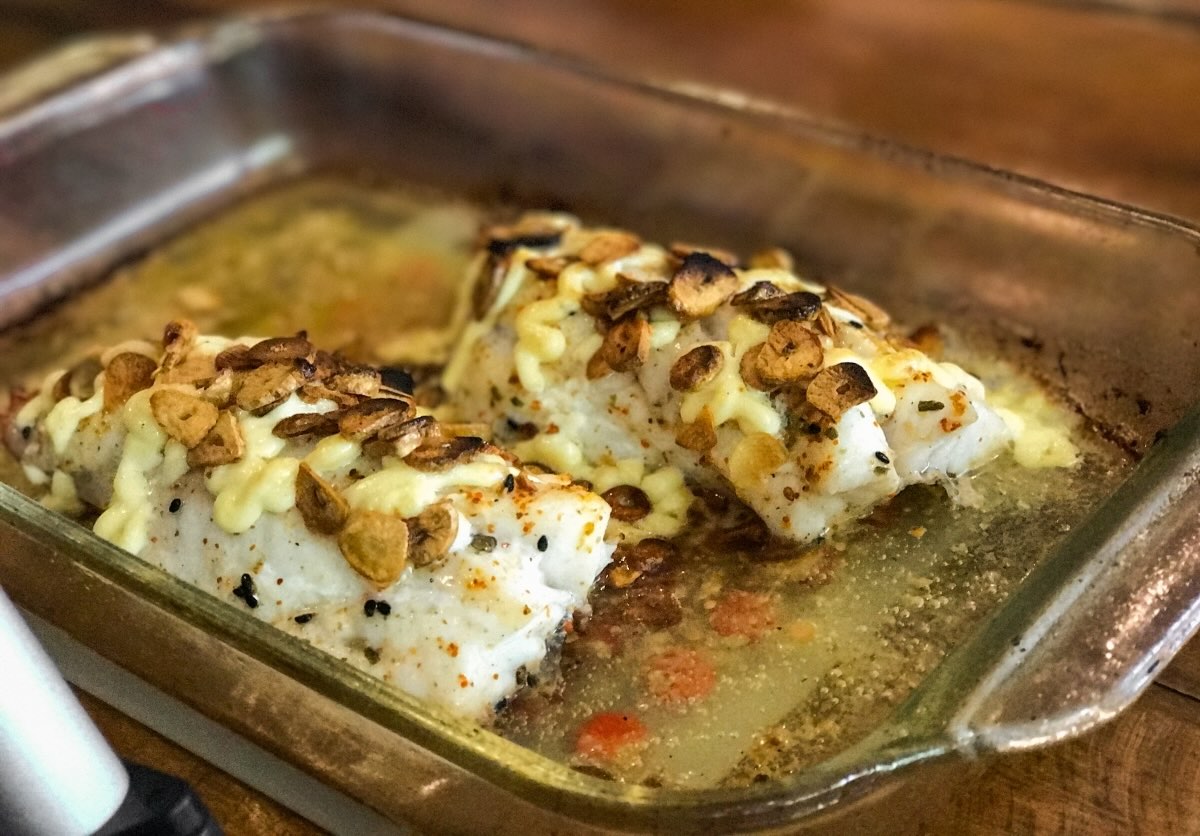
- Japanese Baked Fish Recipe30 Minutes
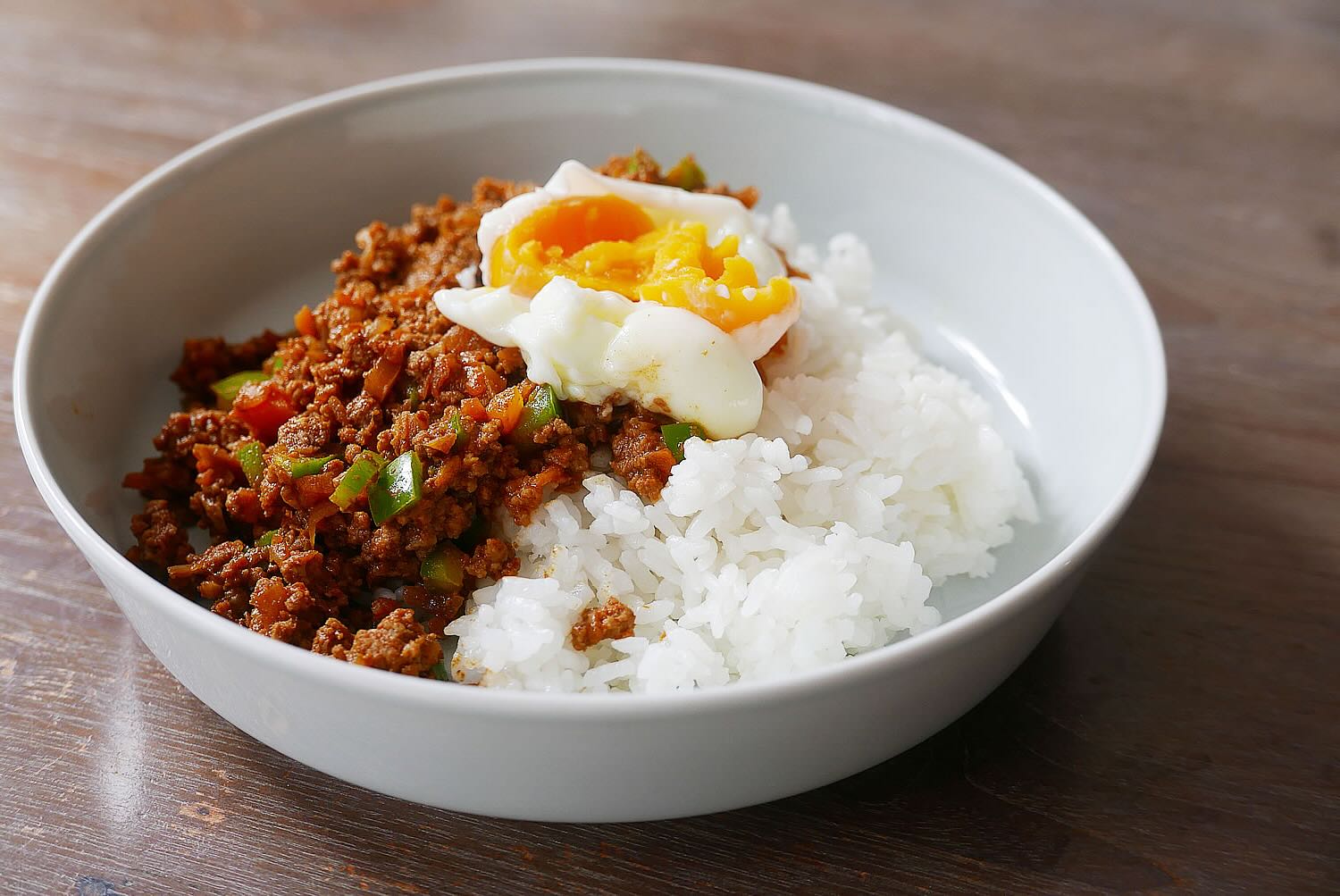
- Japanese Dry Curry Recipe45 Minutes
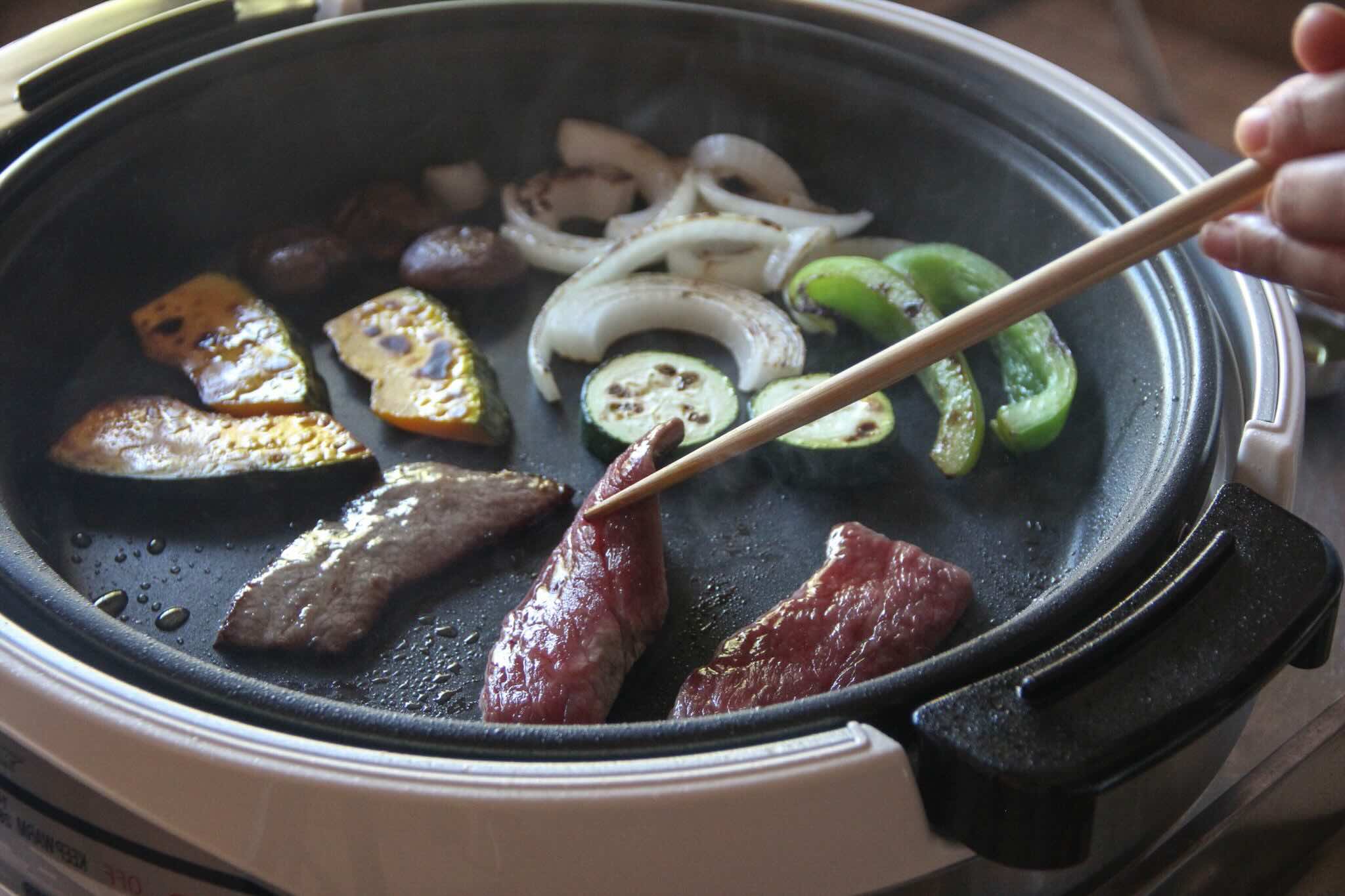
- Teppanyaki Recipe35 Minutes
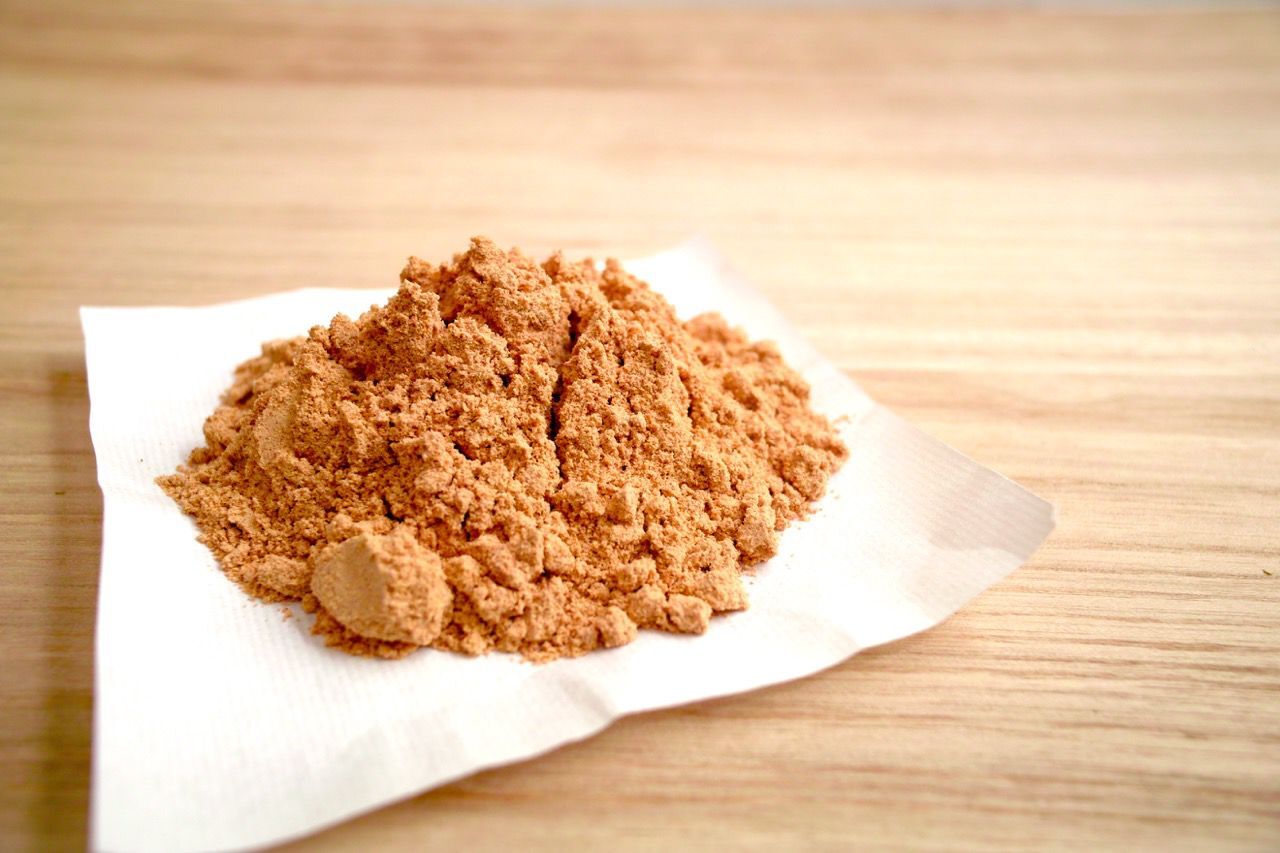
- Japanese Soybean Powder (Kinako) Recipe25 Minutes
- Japanese Kimbap Recipe35 Minutes



Leave a Reply