
This delightful Japanese miso sauce is a versatile addition to your culinary repertoire. Perfect for marinating, dipping, or drizzling over your favorite dishes, this sauce brings a rich umami flavor that enhances any meal. With a balance of sweet, salty, and tangy notes, it's sure to become a staple in your kitchen.
Some of the ingredients in this recipe might not be staples in every household. Miso paste is a fermented soybean paste that adds a deep umami flavor. Mirin is a sweet rice wine used in Japanese cooking, and rice vinegar provides a mild acidity. These items can typically be found in the international or Asian section of most supermarkets.

Ingredients For Japanese Miso Sauce Recipe
Miso paste: A fermented soybean paste that adds a rich, savory umami flavor to the sauce.
Soy sauce: A salty, umami-rich liquid made from fermented soybeans, essential in many Asian dishes.
Mirin: A sweet rice wine that adds a subtle sweetness and depth to the sauce.
Rice vinegar: A mild vinegar made from fermented rice, adding a gentle tanginess.
Sugar: Adds sweetness to balance the salty and tangy elements of the sauce.
Sesame oil: A fragrant oil made from sesame seeds, providing a nutty aroma and flavor.
Technique Tip for This Miso Sauce
When preparing the miso paste for this recipe, it's essential to ensure it is fully dissolved to achieve a smooth sauce. To do this, you can first mix the miso paste with a small amount of warm water before adding it to the other ingredients. This helps to break down the paste and prevents any lumps from forming, resulting in a more consistent texture.
Suggested Side Dishes
Alternative Ingredients
miso paste - Substitute with tahini: Tahini provides a similar creamy texture and umami flavor, though it lacks the fermented taste of miso.
miso paste - Substitute with soybean paste: Soybean paste offers a similar savory profile and texture, making it a good alternative.
soy sauce - Substitute with tamari: Tamari is a gluten-free alternative that provides a similar salty and umami flavor.
soy sauce - Substitute with coconut aminos: Coconut aminos are a soy-free option that offers a slightly sweeter but still savory flavor.
mirin - Substitute with sake and sugar: Combine sake with a bit of sugar to mimic the sweet and tangy flavor of mirin.
mirin - Substitute with white wine and sugar: White wine mixed with sugar can replicate the sweetness and acidity of mirin.
rice vinegar - Substitute with apple cider vinegar: Apple cider vinegar provides a similar tangy flavor and acidity.
rice vinegar - Substitute with white wine vinegar: White wine vinegar offers a comparable acidity and mild flavor.
sugar - Substitute with honey: Honey can add sweetness with a slightly different flavor profile.
sugar - Substitute with maple syrup: Maple syrup provides a natural sweetness and a unique flavor.
sesame oil - Substitute with olive oil: Olive oil can be used for its healthy fats, though it lacks the nutty flavor of sesame oil.
sesame oil - Substitute with peanut oil: Peanut oil offers a similar nutty flavor and high smoke point.
Other Alternative Recipes Similar to This Miso Sauce
How to Store or Freeze This Miso Sauce
Ensure the miso sauce is completely cool before storing. This helps maintain its flavor and consistency.
Transfer the sauce into an airtight container. Glass jars or BPA-free plastic containers work best to preserve the taste and prevent any contamination.
Label the container with the date of preparation. This will help you keep track of its freshness.
Store the container in the refrigerator. The miso sauce can be kept for up to a week, retaining its rich, umami flavor.
For longer storage, consider freezing the sauce. Pour it into ice cube trays for easy portioning. Once frozen, transfer the cubes to a freezer-safe bag or container.
When ready to use, thaw the desired amount in the refrigerator overnight or at room temperature for a few hours. Avoid microwaving as it can alter the taste and texture.
If the sauce separates after thawing, simply whisk it again to restore its smooth consistency.
Always use a clean spoon or utensil when scooping out the sauce to avoid introducing bacteria, which can spoil the sauce faster.
For an extra burst of flavor, consider adding freshly chopped scallions or a sprinkle of sesame seeds just before serving.
How to Reheat Leftovers
Gently reheat the Japanese miso sauce in a small saucepan over low heat. Stir continuously to prevent it from sticking or burning. This method ensures the sauce retains its rich, umami flavor without altering its consistency.
For a quick and convenient option, use the microwave. Place the sauce in a microwave-safe bowl, cover it with a microwave-safe lid or plastic wrap (leaving a small vent), and heat on medium power in 15-second intervals. Stir between each interval until the sauce is warmed through.
If you're reheating the sauce to use as a glaze or marinade for meat or vegetables, you can warm it directly in the pan or oven along with your main dish. This allows the flavors to meld beautifully with the other ingredients.
For a more delicate approach, use a double boiler. Place the miso sauce in a heatproof bowl set over a pot of simmering water. Stir occasionally until the sauce is heated through. This gentle method prevents overheating and maintains the sauce's smooth texture.
If you have a sous-vide machine, place the sauce in a vacuum-sealed bag and immerse it in a water bath set to 140°F (60°C) for about 10-15 minutes. This method ensures even heating without the risk of burning or curdling.
Best Tools for Making Miso Sauce
Mixing bowl: A container used to combine all the ingredients together.
Whisk: A utensil used to blend the ingredients until smooth and well combined.
Measuring spoons: Tools used to measure the precise amounts of miso paste, soy sauce, mirin, rice vinegar, sugar, and sesame oil.
Storage container: A container to store the miso sauce in the fridge if not used immediately.
How to Save Time on Making This Miso Sauce
Pre-measure ingredients: Measure all ingredients ahead of time and keep them ready to mix. This saves time during preparation.
Use a whisk: A whisk blends the miso paste and other ingredients faster and more smoothly than a spoon.
Double the batch: Make a larger quantity of miso sauce and store it in the fridge. This way, you have it ready for multiple meals.
Use a jar: Combine all ingredients in a jar, close the lid, and shake vigorously. This method is quick and minimizes cleanup.
Japanese Miso Sauce Recipe
Ingredients
Main Ingredients
- 3 tablespoon Miso paste
- 2 tablespoon Soy sauce
- 1 tablespoon Mirin
- 1 tablespoon Rice vinegar
- 1 tablespoon Sugar
- 1 teaspoon Sesame oil
Instructions
- In a mixing bowl, combine all the ingredients.
- Whisk until smooth and well combined.
- Use immediately or store in the fridge for up to a week.
Nutritional Value
Keywords
More Amazing Recipes to Try 🙂
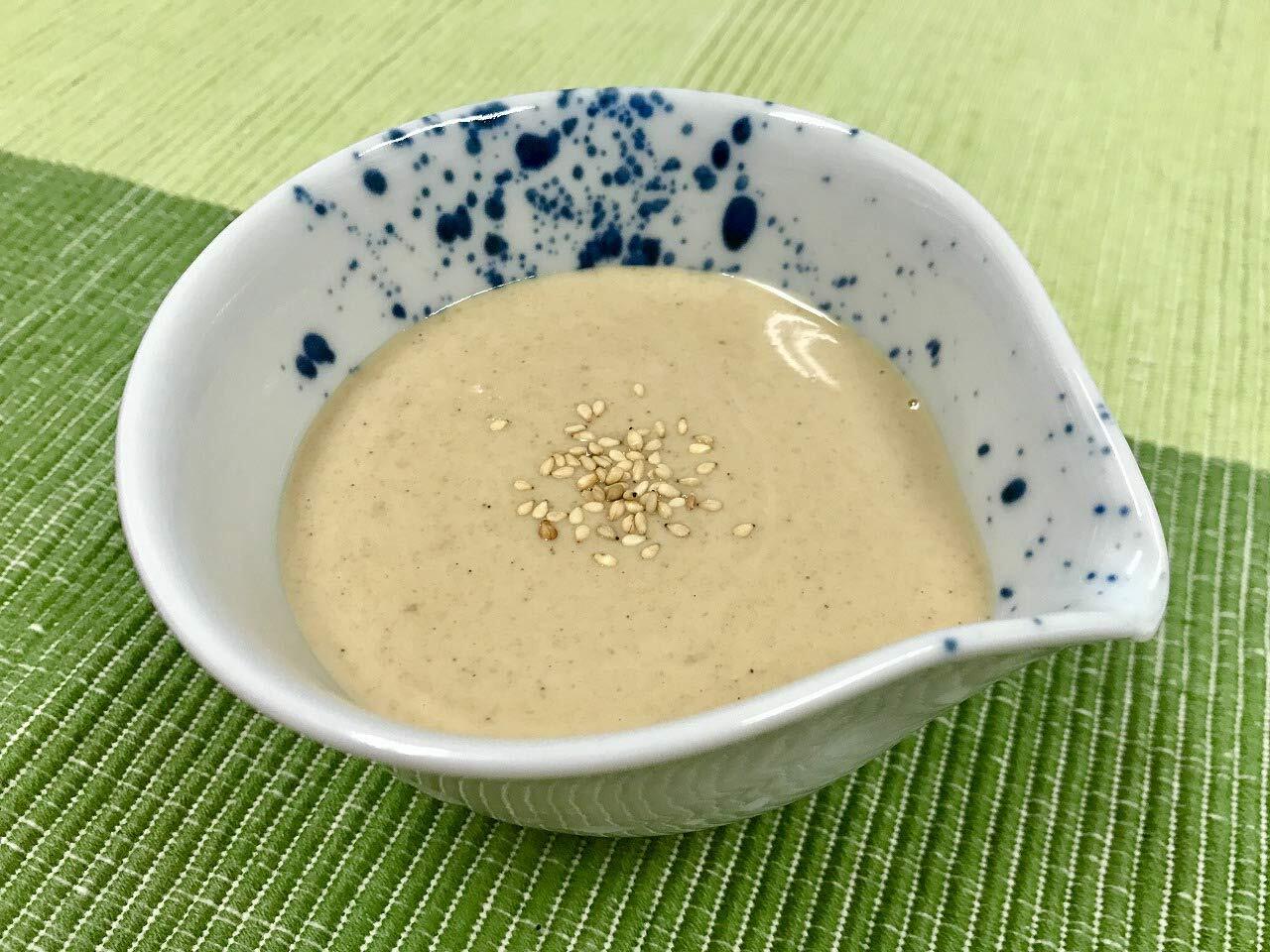
- Japanese Sesame Paste (Nerigoma) Recipe15 Minutes
- Takoyaki (Japanese Octopus Ball) Recipe30 Minutes
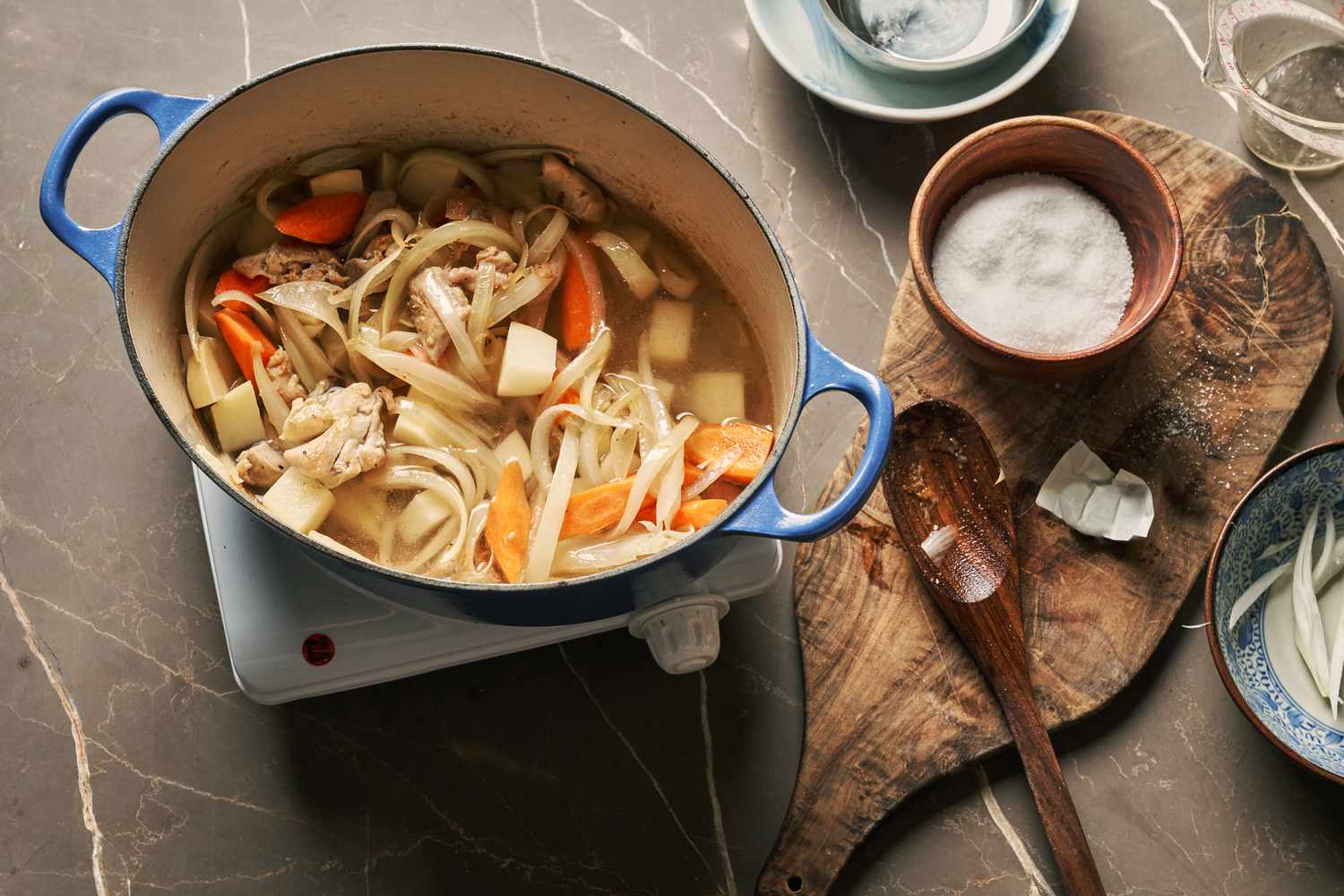
- Japanese Chicken Stew Recipe1 Hours
- Japanese Baked Fish Recipe30 Minutes
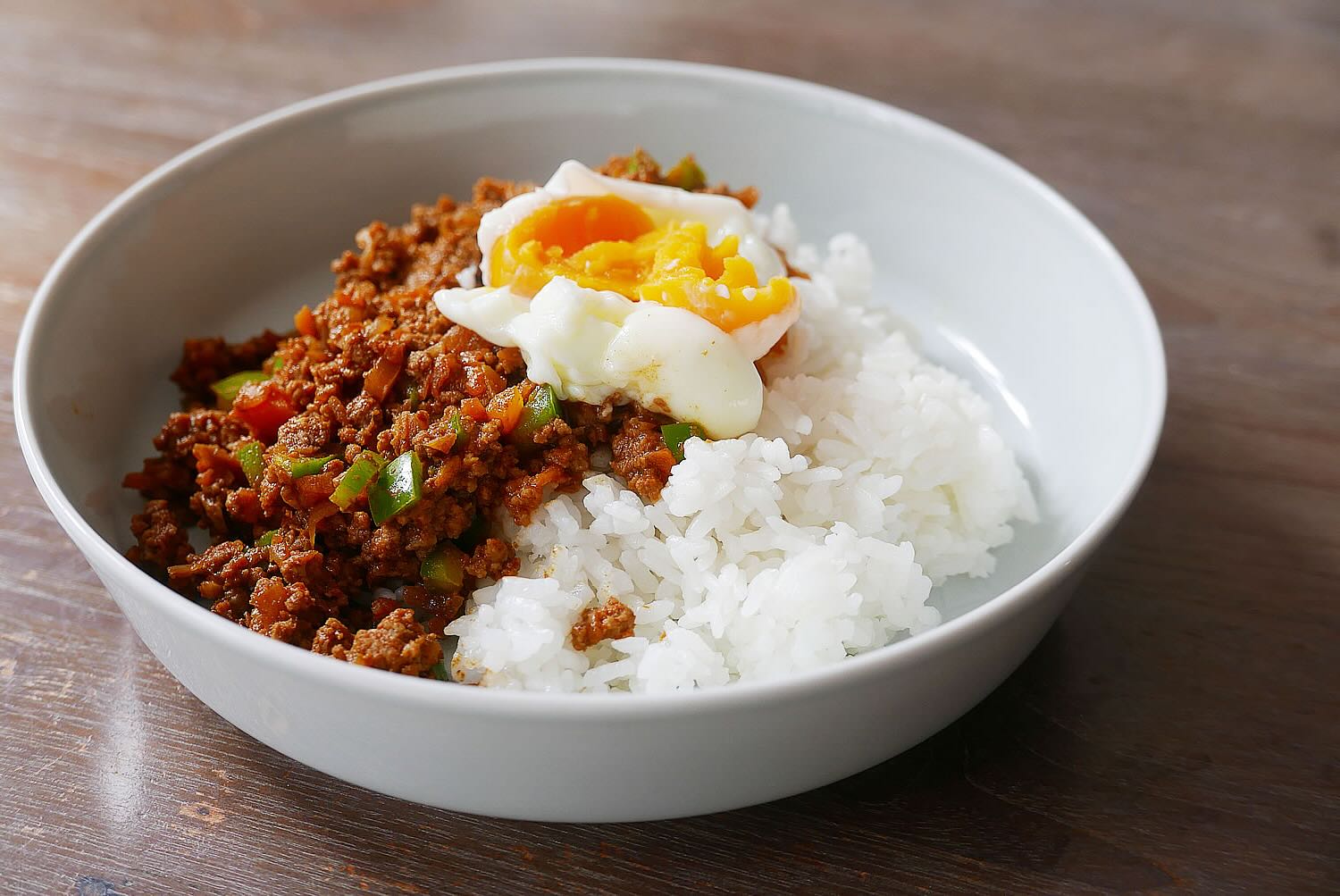
- Japanese Dry Curry Recipe45 Minutes
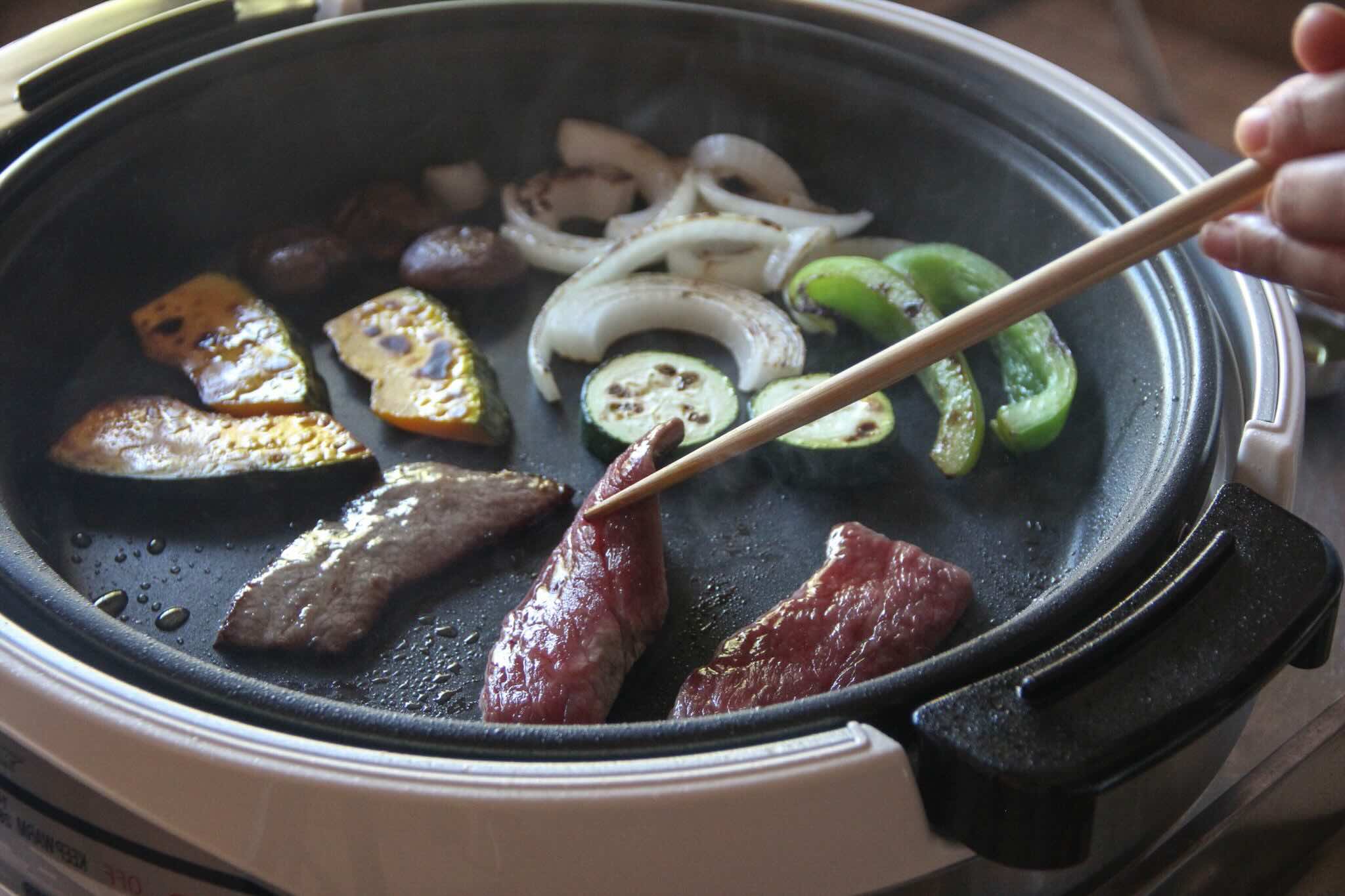
- Teppanyaki Recipe35 Minutes
- Japanese Soybean Powder (Kinako) Recipe25 Minutes
- Japanese Kimbap Recipe35 Minutes





Leave a Reply