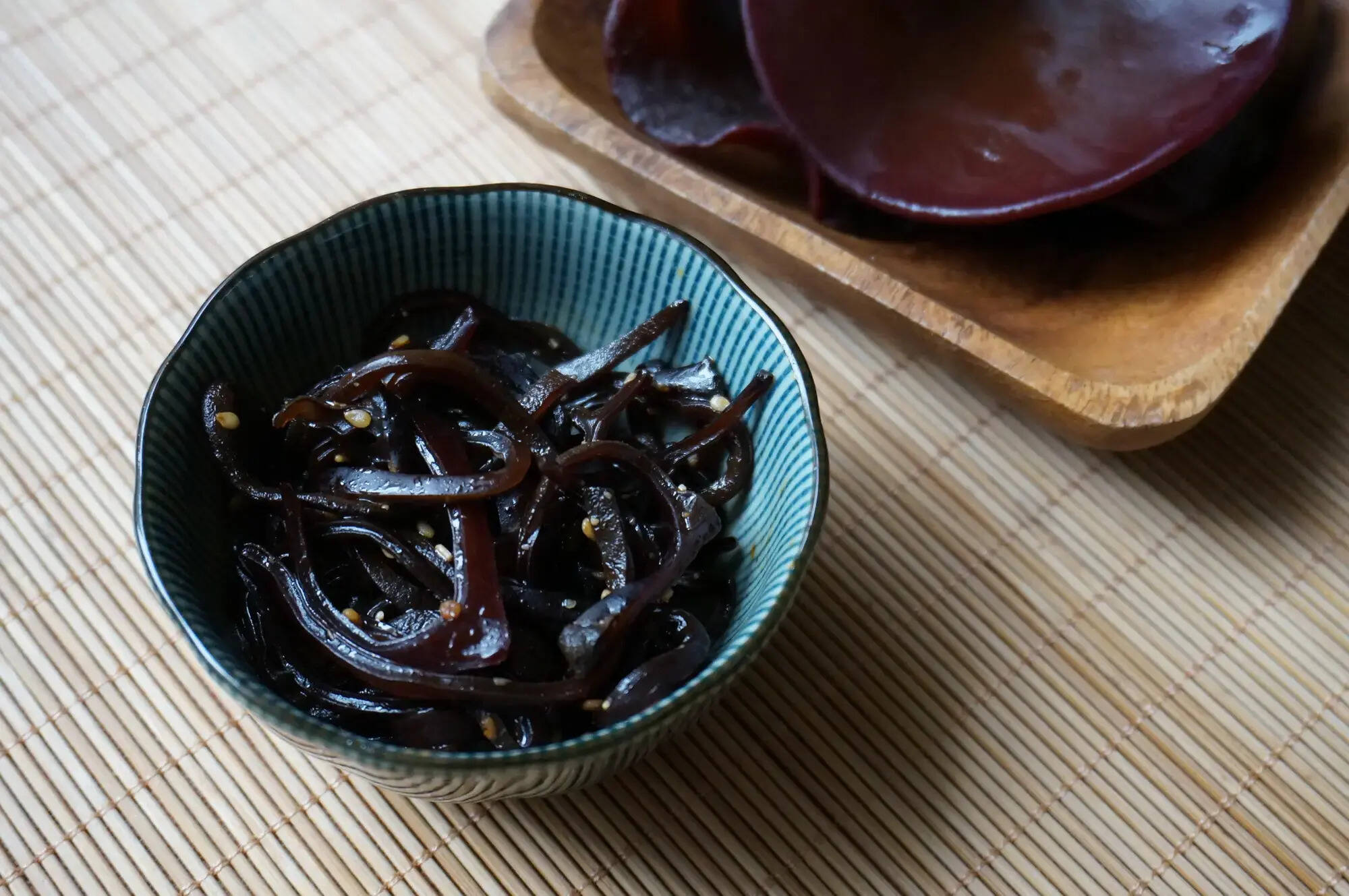
This delightful Japanese wood ear mushroom dish, also known as kikurage, is a simple yet flavorful side that pairs well with a variety of main courses. The combination of soy sauce, sesame oil, and garlic creates a savory and aromatic profile that enhances the unique texture of the wood ear mushrooms.
Wood ear mushrooms, also known as kikurage, might not be a staple in every household. These mushrooms have a crunchy texture and are often found dried in Asian supermarkets. Make sure to soak them before use. Sesame oil and toasted sesame seeds add a nutty flavor, while soy sauce and sugar bring a balance of savory and sweet.
Ingredients For Japanese Wood Ear Mushroom Recipe
Wood ear mushrooms: These mushrooms have a unique crunchy texture and are often sold dried. Soak them before use.
Soy sauce: Adds a savory umami flavor to the dish.
Sesame oil: Provides a rich, nutty aroma and taste.
Garlic: Adds a fragrant and slightly spicy flavor.
Sugar: Balances the savory elements with a touch of sweetness.
Toasted sesame seeds: Adds a final nutty crunch to the dish.
Technique Tip for Preparing Kikurage
To enhance the flavor of the wood ear mushrooms, consider soaking them in warm water for about 30 minutes before slicing. This not only rehydrates the mushrooms but also helps to remove any impurities. After soaking, give them a quick rinse under cold water to ensure they are clean. When sautéing the minced garlic in sesame oil, be careful not to let it burn, as this can impart a bitter taste to the dish. Instead, aim for a light golden color to achieve a fragrant and flavorful base.
Suggested Side Dishes
Alternative Ingredients
wood ear mushrooms - Substitute with shiitake mushrooms: Shiitake mushrooms have a similar texture and can absorb flavors well, making them a good alternative.
wood ear mushrooms - Substitute with button mushrooms: Button mushrooms are widely available and have a mild flavor that can complement the dish.
soy sauce - Substitute with tamari: Tamari is a gluten-free alternative to soy sauce with a similar umami flavor.
soy sauce - Substitute with coconut aminos: Coconut aminos provide a slightly sweeter flavor and are a good soy-free option.
sesame oil - Substitute with olive oil: Olive oil can be used for its rich flavor, though it lacks the nutty aroma of sesame oil.
sesame oil - Substitute with peanut oil: Peanut oil has a similar nutty flavor and high smoke point, making it a good alternative.
garlic - Substitute with shallots: Shallots provide a milder, sweeter flavor that can complement the dish well.
garlic - Substitute with garlic powder: Garlic powder can be used in place of fresh garlic, though it has a more concentrated flavor.
sugar - Substitute with honey: Honey adds a natural sweetness and a slightly different flavor profile.
sugar - Substitute with maple syrup: Maple syrup provides a unique sweetness and can add depth to the dish.
toasted sesame seeds - Substitute with sunflower seeds: Sunflower seeds offer a similar crunch and can be toasted for added flavor.
toasted sesame seeds - Substitute with chia seeds: Chia seeds can provide a similar texture and nutritional benefits.
Alternative Recipes Similar to This Mushroom Dish
How to Store or Freeze This Mushroom Dish
- Allow the wood ear mushrooms to cool completely before storing. This helps prevent condensation, which can lead to sogginess.
- Transfer the cooled mushrooms to an airtight container. This will help maintain their texture and flavor.
- Store the container in the refrigerator if you plan to consume the mushrooms within 3-4 days. The cool temperature will keep them fresh and delicious.
- For longer storage, consider freezing the mushrooms. Place them in a single layer on a baking sheet and freeze until solid. This prevents them from sticking together.
- Once frozen, transfer the mushrooms to a freezer-safe bag or container. Be sure to label with the date to keep track of their freshness.
- When ready to use, thaw the mushrooms in the refrigerator overnight. This gradual thawing helps preserve their texture.
- Reheat the mushrooms gently in a pan over low heat, adding a splash of soy sauce or sesame oil if needed to refresh their flavor.
- Avoid refreezing the mushrooms after thawing, as this can degrade their quality and texture.
How to Reheat Leftovers
Stovetop Method:
- Heat a non-stick pan over medium heat.
- Add a small amount of sesame oil to the pan.
- Once the oil is hot, add the leftover wood ear mushrooms.
- Stir occasionally to ensure even heating, cooking for about 3-5 minutes until warmed through.
- If the mushrooms seem dry, add a splash of soy sauce or a bit of water to keep them moist.
Microwave Method:
- Place the leftover wood ear mushrooms in a microwave-safe dish.
- Cover the dish with a microwave-safe lid or a damp paper towel to retain moisture.
- Microwave on medium power for 1-2 minutes.
- Stir the mushrooms halfway through to ensure even heating.
- Check the temperature and microwave for an additional 30 seconds if needed.
Oven Method:
- Preheat your oven to 350°F (175°C).
- Place the leftover wood ear mushrooms in an oven-safe dish.
- Cover the dish with aluminum foil to prevent drying out.
- Heat in the oven for about 10-15 minutes, or until thoroughly warmed.
- Stir halfway through the heating process for even warming.
Steaming Method:
- Set up a steamer basket over a pot of boiling water.
- Place the leftover wood ear mushrooms in the steamer basket.
- Cover and steam for about 5-7 minutes.
- Check to ensure the mushrooms are heated through before serving.
Air Fryer Method:
- Preheat your air fryer to 300°F (150°C).
- Place the leftover wood ear mushrooms in the air fryer basket.
- Heat for about 3-5 minutes, shaking the basket halfway through to ensure even heating.
- Check the temperature and heat for an additional 1-2 minutes if necessary.
Best Tools for Preparing Kikurage
Frying pan: Used to heat the sesame oil and cook the mushrooms.
Spatula: Essential for stirring the mushrooms and ensuring even cooking.
Garlic press: Handy for mincing the garlic quickly and efficiently.
Measuring spoons: Necessary for accurately measuring the soy sauce, sesame oil, and sugar.
Mixing bowl: Useful for soaking the wood ear mushrooms before slicing them.
Knife: Needed for slicing the soaked wood ear mushrooms.
Cutting board: Provides a safe surface for slicing the mushrooms.
Serving dish: For presenting the finished dish with a sprinkle of toasted sesame seeds.
Toaster or skillet: Used to toast the sesame seeds if they are not pre-toasted.
How to Save Time on Making This Recipe
Pre-soak the mushrooms: Soak the wood ear mushrooms in advance and store them in the fridge to save time when cooking.
Use pre-minced garlic: Opt for pre-minced garlic to cut down on prep time.
Measure ingredients ahead: Measure out the soy sauce, sesame oil, and sugar before you start cooking.
Toast sesame seeds in bulk: Toast a larger batch of sesame seeds and store them for future use.
Use a non-stick pan: A non-stick pan can make the cooking process faster and easier to clean up.
Japanese Wood Ear Mushroom (Kikurage) Recipe
Ingredients
Main Ingredients
- 200 g Wood Ear Mushrooms soaked and sliced
- 2 tablespoon Soy Sauce
- 1 tablespoon Sesame Oil
- 1 clove Garlic minced
- 1 teaspoon Sugar
- 1 teaspoon Sesame Seeds toasted
Instructions
- 1. Heat the sesame oil in a frying pan over medium heat.
- 2. Add the minced garlic and sauté until fragrant.
- 3. Add the soaked and sliced wood ear mushrooms to the pan.
- 4. Stir in the soy sauce and sugar, and cook for about 5-7 minutes until the mushrooms are tender.
- 5. Sprinkle with toasted sesame seeds before serving.
Nutritional Value
Keywords
More Amazing Recipes to Try 🙂
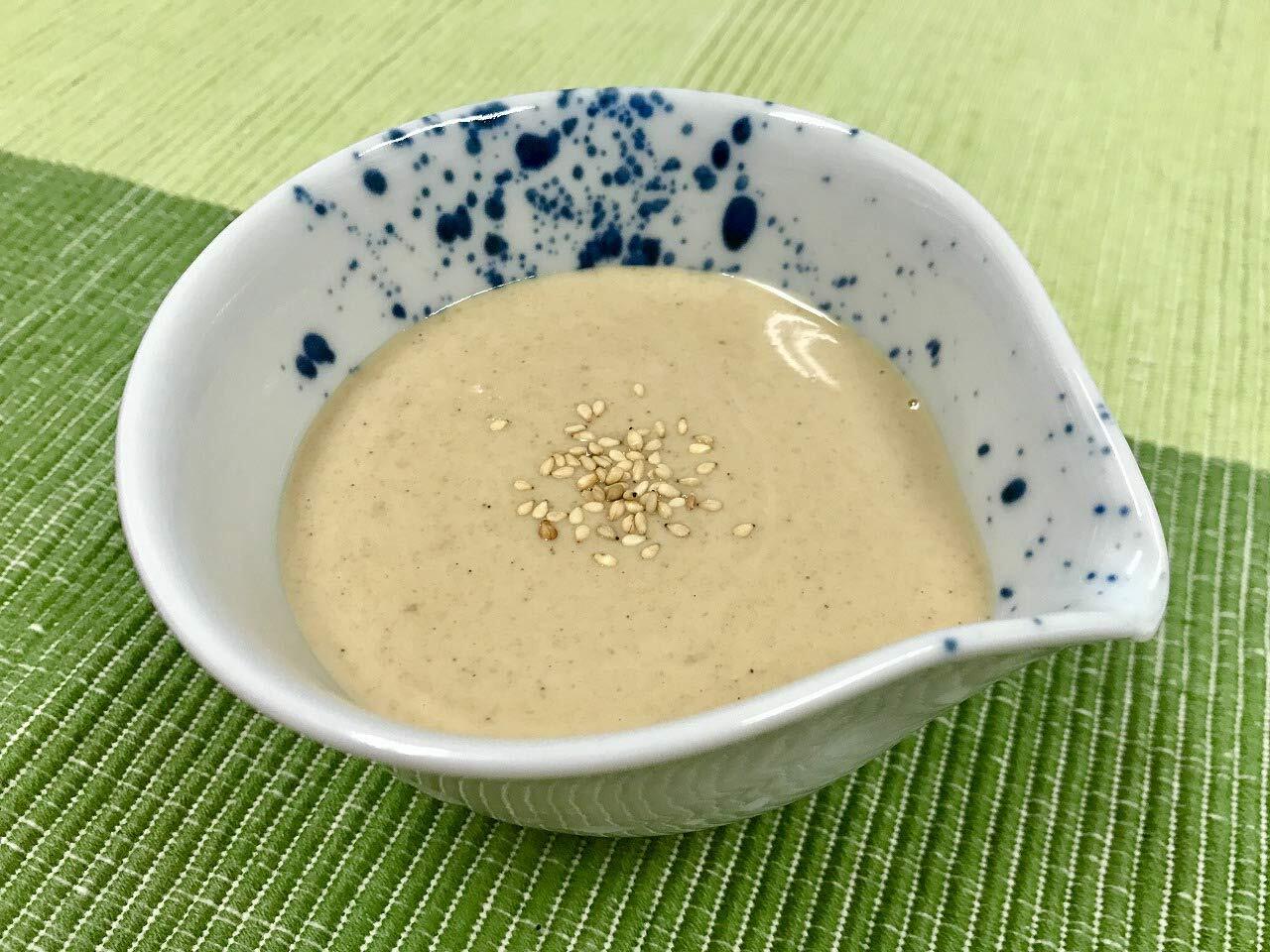
- Japanese Sesame Paste (Nerigoma) Recipe15 Minutes
- Takoyaki (Japanese Octopus Ball) Recipe30 Minutes
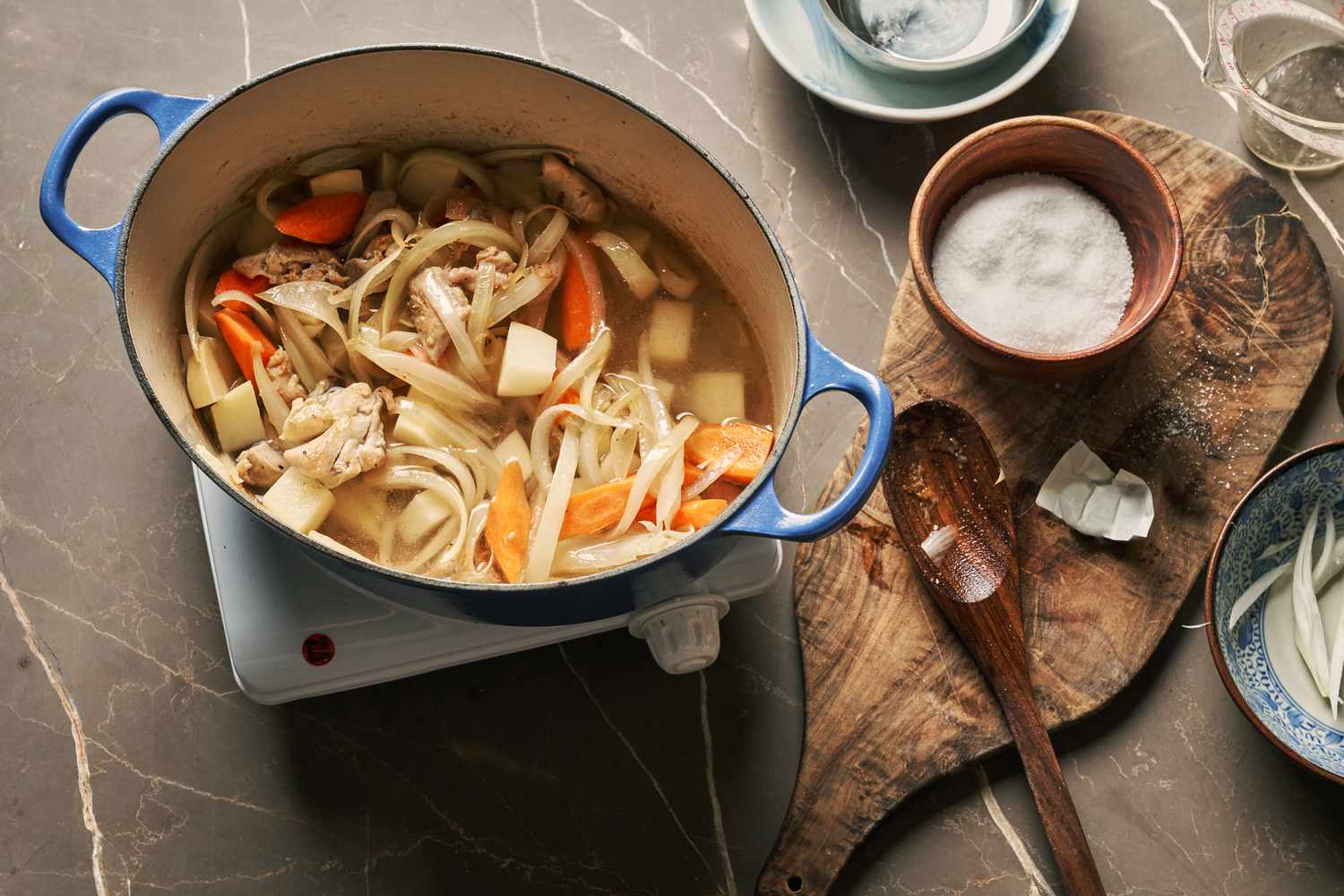
- Japanese Chicken Stew Recipe1 Hours
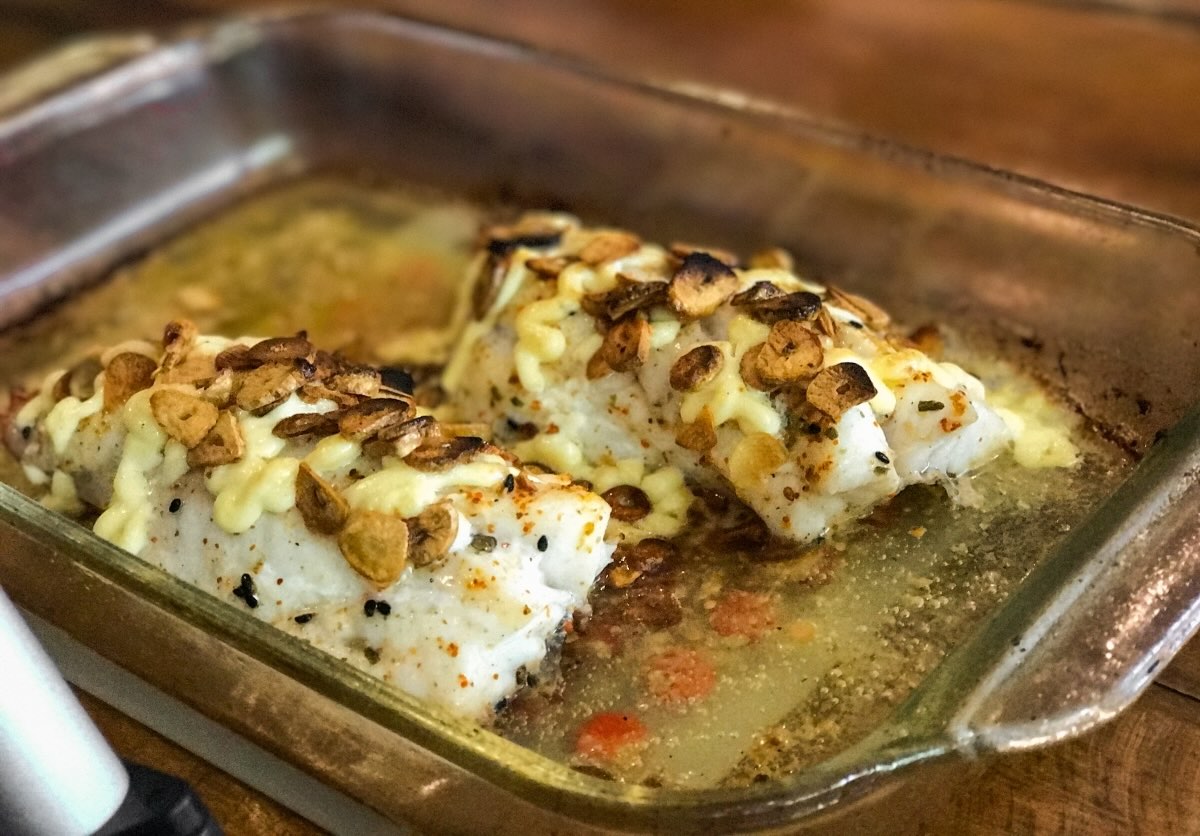
- Japanese Baked Fish Recipe30 Minutes
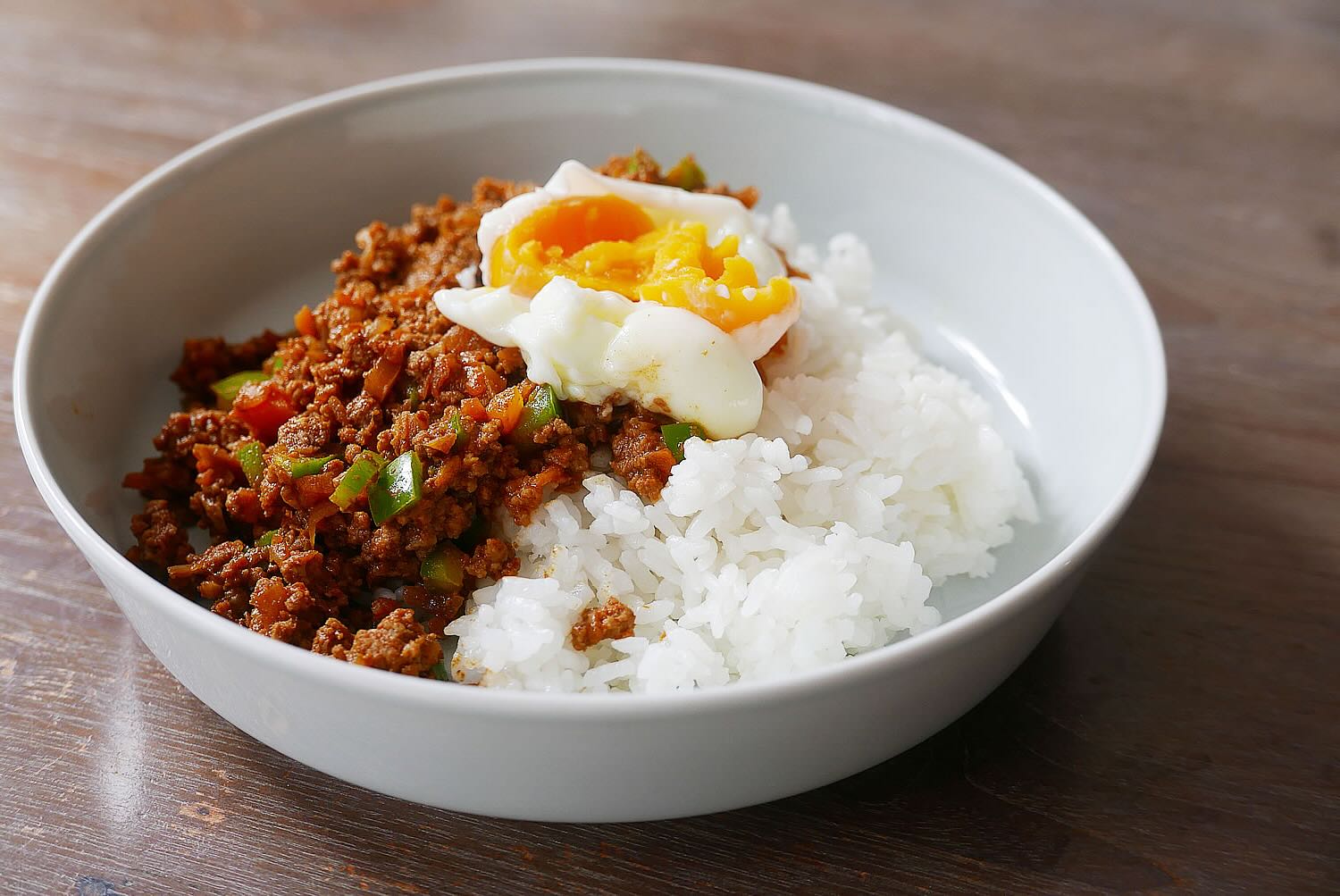
- Japanese Dry Curry Recipe45 Minutes
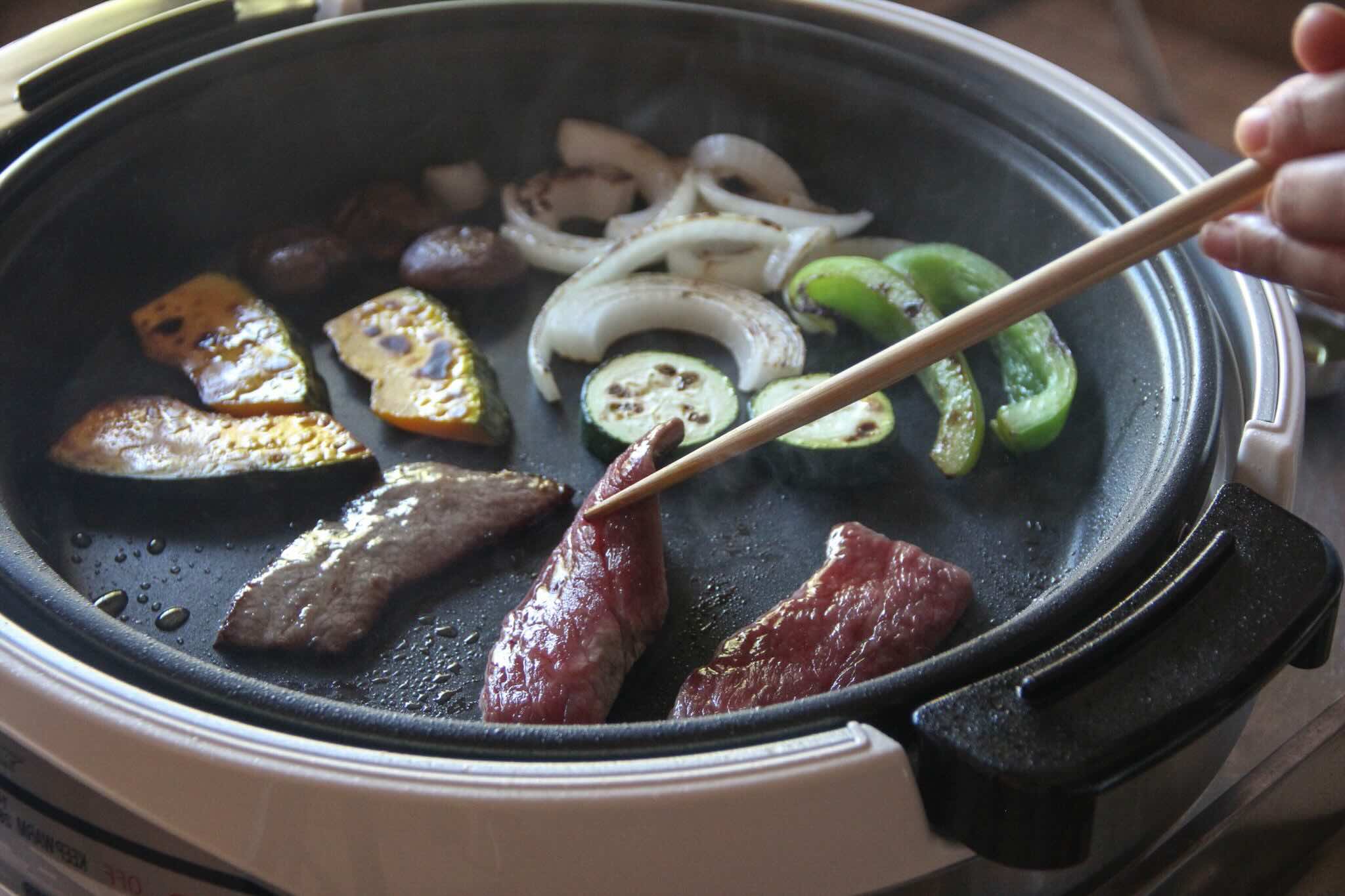
- Teppanyaki Recipe35 Minutes
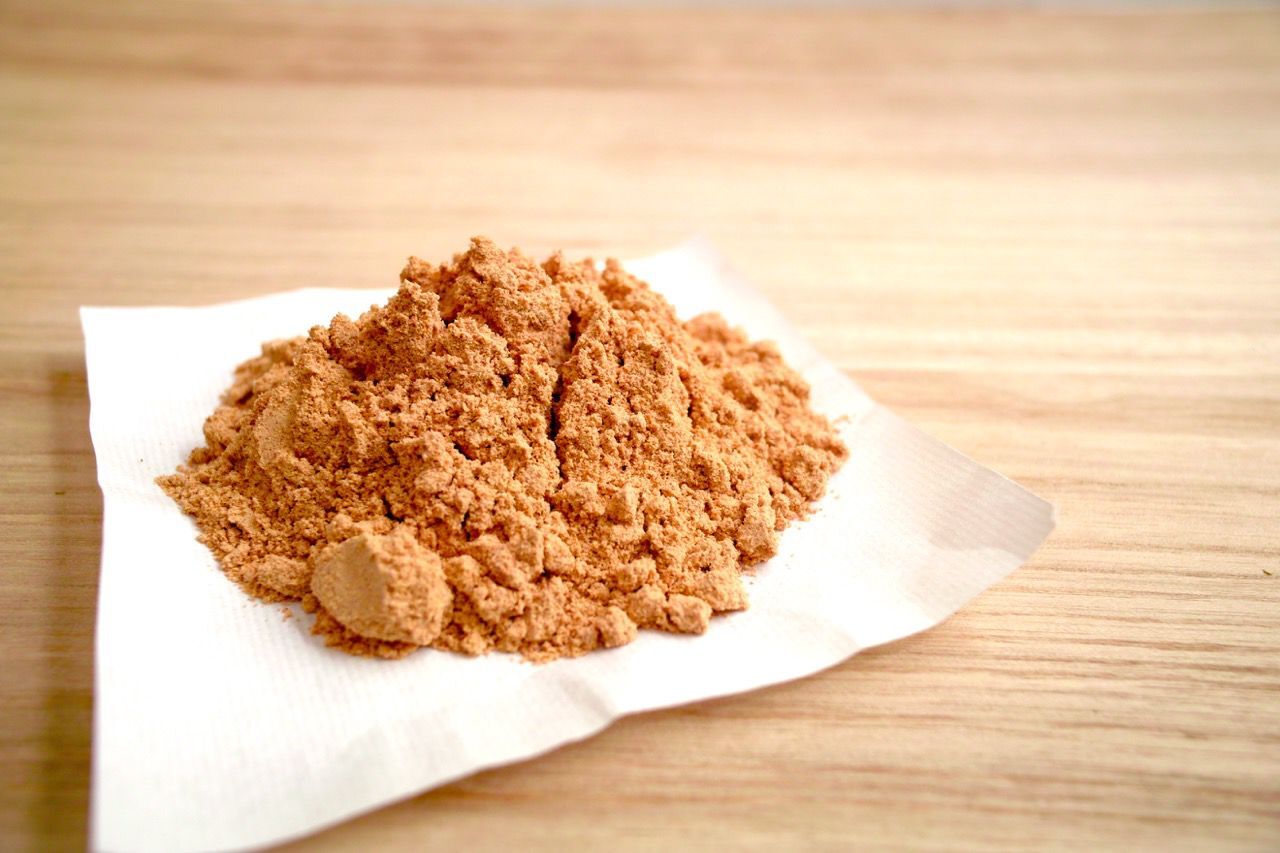
- Japanese Soybean Powder (Kinako) Recipe25 Minutes
- Japanese Kimbap Recipe35 Minutes




Leave a Reply