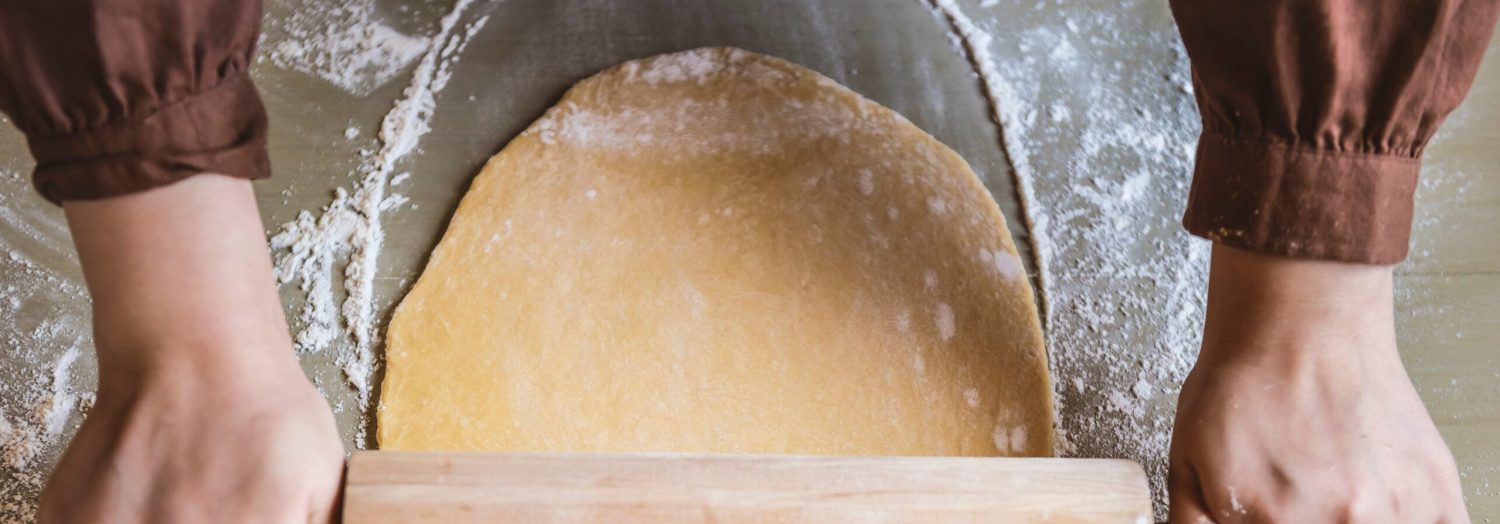
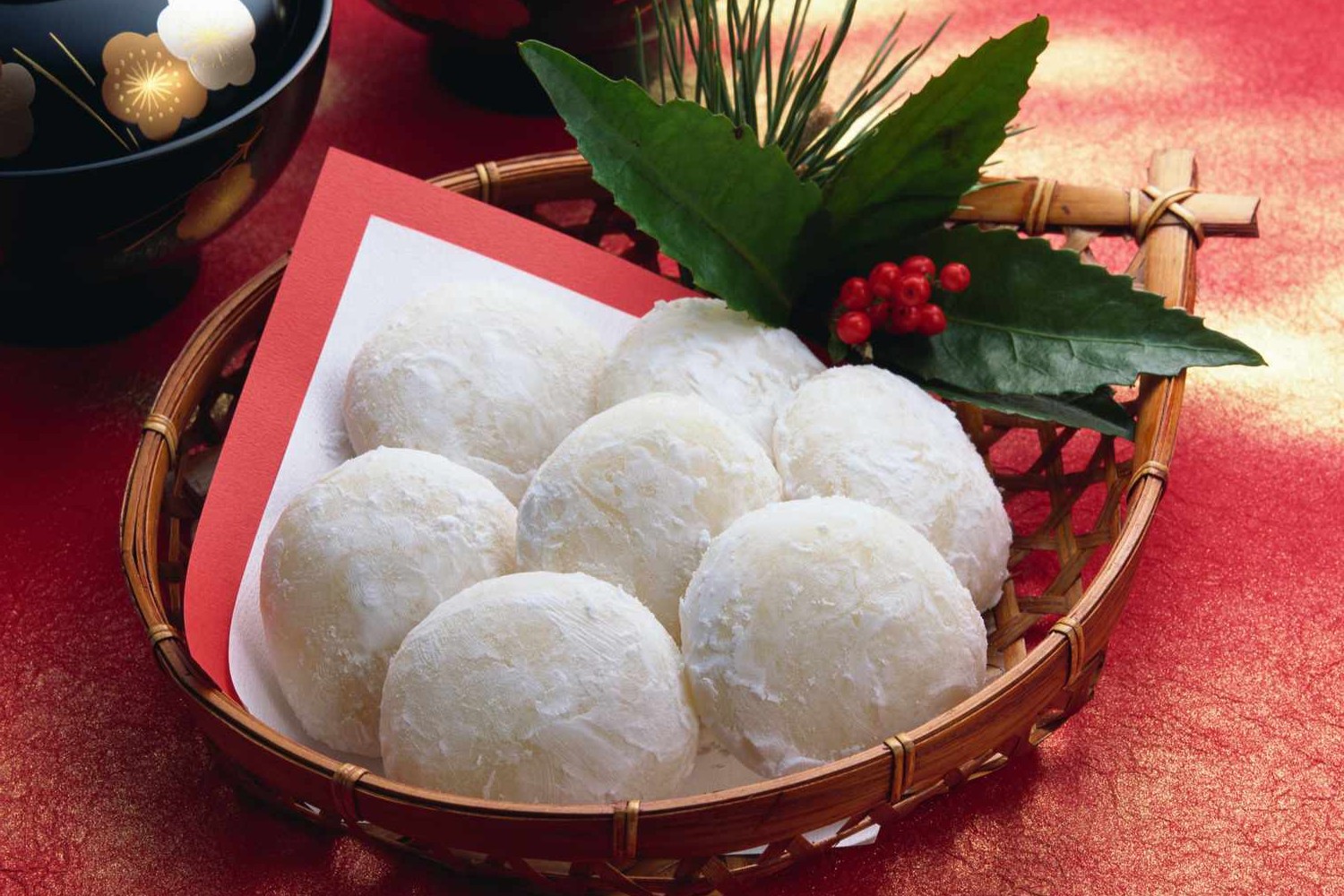
Indulge in the delicate flavors of traditional Japanese desserts with this simple yet delightful recipe. Perfect for those who enjoy a sweet treat with a chewy texture, these small balls of goodness are sure to satisfy your cravings. Whether you're a seasoned cook or a beginner, this recipe is easy to follow and yields delicious results.
One of the key ingredients in this recipe is glutinous rice flour, which gives the dessert its signature chewy texture. This flour is different from regular rice flour and can usually be found in the Asian section of your supermarket or at an Asian grocery store. Another important ingredient is potato starch, used for dusting to prevent sticking. Make sure to pick up these items if you don't already have them in your pantry.

Ingredients for Japanese Dessert Recipes
Glutinous rice flour: This special type of flour is made from sticky rice and is essential for achieving the chewy texture of the dessert.
Water: Used to mix with the flour and sugar to form the dough.
Sugar: Adds sweetness to the dough, balancing the flavors.
Potato starch: Used for dusting the surface to prevent the dough from sticking while kneading and shaping.
Technique Tip for Making These Desserts
When kneading the steamed dough, ensure your hands are well-coated with potato starch to prevent sticking. This will make the process smoother and help you achieve a more uniform texture.
Suggested Side Dishes
Alternative Ingredients
glutinous rice flour - Substitute with sweet rice flour: Sweet rice flour is made from short-grain glutinous rice and has a similar sticky texture, making it a suitable substitute.
glutinous rice flour - Substitute with tapioca starch: Tapioca starch can mimic the chewy texture of glutinous rice flour, though it may slightly alter the flavor.
water - Substitute with coconut milk: Coconut milk can add a rich, creamy texture and a hint of coconut flavor, enhancing the dessert.
water - Substitute with milk: Milk can provide a creamier texture and a richer flavor compared to water.
sugar - Substitute with honey: Honey can add a different layer of sweetness and a slight floral note to the dessert.
sugar - Substitute with maple syrup: Maple syrup can provide a unique sweetness and a subtle maple flavor.
potato starch - Substitute with cornstarch: Cornstarch can be used for dusting and has a similar texture to potato starch.
potato starch - Substitute with arrowroot powder: Arrowroot powder can also be used for dusting and has a similar consistency to potato starch.
Other Alternative Recipes Similar to These Desserts
How to Store or Freeze These Desserts
- To keep your Japanese desserts fresh, store them in an airtight container. This prevents them from drying out and preserves their delicate texture.
- If you have made mochi or other glutinous rice based desserts, wrap each piece individually in plastic wrap before placing them in the container. This helps to maintain their chewy consistency.
- For desserts that contain fresh fruits, such as strawberry daifuku, it’s best to consume them within a day or two. The fruits can release moisture, which may affect the texture of the mochi.
- When freezing Japanese desserts, first ensure they are completely cool. Place them on a baking sheet lined with parchment paper and freeze until solid. This prevents them from sticking together.
- Once frozen, transfer the desserts to a freezer-safe bag or container. Label with the date to keep track of freshness.
- To thaw frozen mochi or similar desserts, let them sit at room temperature for about 30 minutes. Avoid microwaving as it can alter the texture.
- For custard-based desserts like purin, store them in the refrigerator covered with plastic wrap or in a sealed container. Consume within 3-4 days for the best flavor and texture.
- If you have leftover anko (sweet red bean paste), store it in an airtight container in the refrigerator for up to a week. For longer storage, freeze it in portions.
- When reheating steamed desserts, use a steamer to gently warm them up. This helps to retain their soft and chewy texture without drying them out.
- Always check for any signs of spoilage, such as off smells or changes in texture, before consuming stored Japanese desserts.
How to Reheat Leftovers
For a quick and easy method, place the Japanese dessert balls on a microwave-safe plate. Cover them with a damp paper towel to retain moisture and microwave on medium power for 20-30 seconds. Check for desired warmth and texture.
If you prefer a more traditional approach, steam the dessert balls again. Place them in a steamer basket lined with parchment paper or cabbage leaves to prevent sticking. Steam for 3-5 minutes until they are soft and warm.
For a slightly crispy exterior, lightly pan-fry the dessert balls in a non-stick skillet. Heat a small amount of vegetable oil over medium heat and cook the balls for 1-2 minutes on each side until they are golden brown and heated through.
To reheat in the oven, preheat your oven to 300°F (150°C). Place the dessert balls on a baking sheet lined with parchment paper. Cover them loosely with aluminum foil to prevent drying out and bake for 5-7 minutes until warmed through.
If you have an air fryer, preheat it to 300°F (150°C). Place the dessert balls in the basket in a single layer. Air fry for 3-4 minutes, shaking the basket halfway through to ensure even heating.
Best Tools for Making These Desserts
Mixing bowl: Use this to combine the glutinous rice flour, water, and sugar until smooth.
Steamer: This is essential for steaming the mixture to achieve the right texture.
Potato starch: Dust this on the surface to prevent the dough from sticking while kneading.
Kneading surface: A clean, flat surface where you can knead the steamed dough.
Spatula: Helpful for transferring the steamed mixture from the steamer to the kneading surface.
Measuring cups: Use these to measure out the glutinous rice flour, water, and sugar accurately.
Steaming tray: Place the mixture in this tray for steaming.
Knife: Useful for cutting the dough into smaller portions before shaping into balls.
Serving plate: For presenting the finished dessert balls.
How to Save Time on Making These Desserts
Prepare ingredients in advance: Measure and mix the glutinous rice flour, water, and sugar ahead of time to streamline the process.
Use a microwave: Instead of steaming, microwave the mixture for 2-3 minutes, stirring halfway through, to save time.
Pre-dust the surface: Dust your work surface with potato starch before starting to avoid interruptions.
Shape while warm: Knead and shape the dough while it's still warm for easier handling and faster results.
Batch preparation: Make a larger batch and store extra dough in the freezer for quick future use.
Mochi
Ingredients
Main Ingredients
- 1 cup Glutinous Rice Flour
- 1 cup Water
- ¼ cup Sugar
- Potato starch for dusting
Instructions
- Mix glutinous rice flour, water, and sugar in a bowl until smooth.
- Steam the mixture for 10 minutes.
- Dust a surface with potato starch and knead the steamed dough until smooth.
- Shape the dough into small balls and serve.
Nutritional Value
Keywords
Suggested Appetizers and Main Courses to Pair With
More Amazing Recipes to Try 🙂
- Japanese Sesame Paste (Nerigoma) Recipe15 Minutes
- Takoyaki (Japanese Octopus Ball) Recipe30 Minutes
- Japanese Chicken Stew Recipe1 Hours
- Japanese Baked Fish Recipe30 Minutes
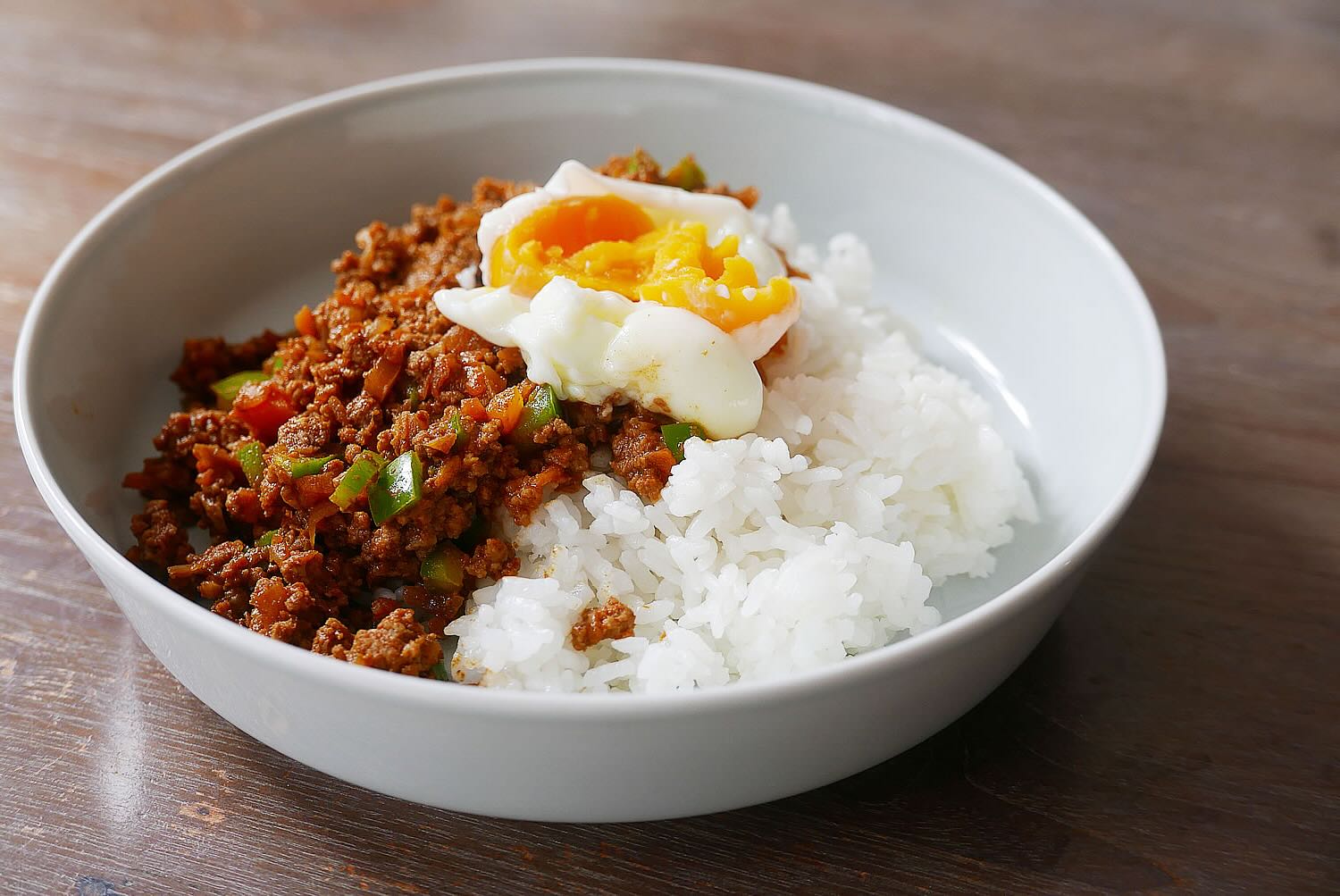
- Japanese Dry Curry Recipe45 Minutes
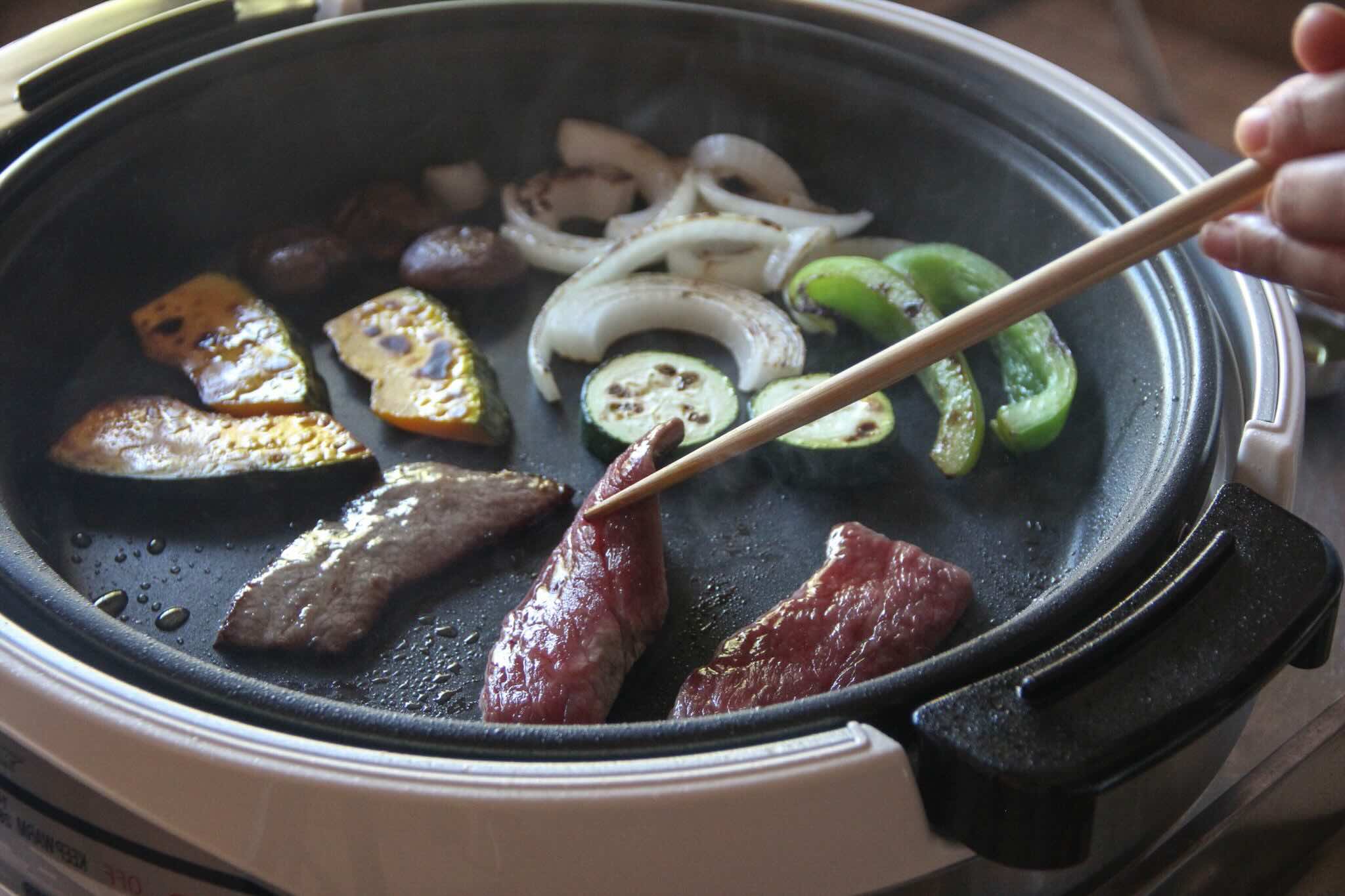
- Teppanyaki Recipe35 Minutes
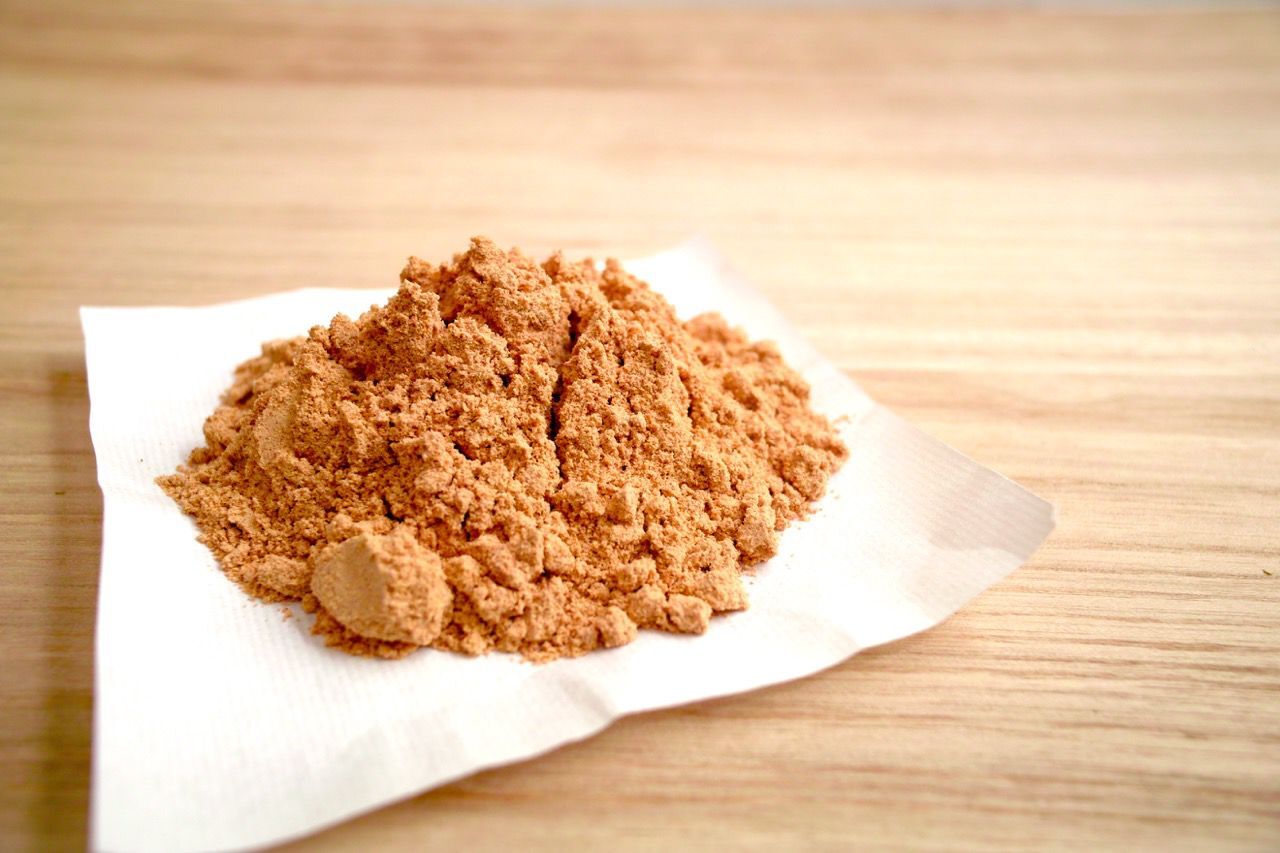
- Japanese Soybean Powder (Kinako) Recipe25 Minutes
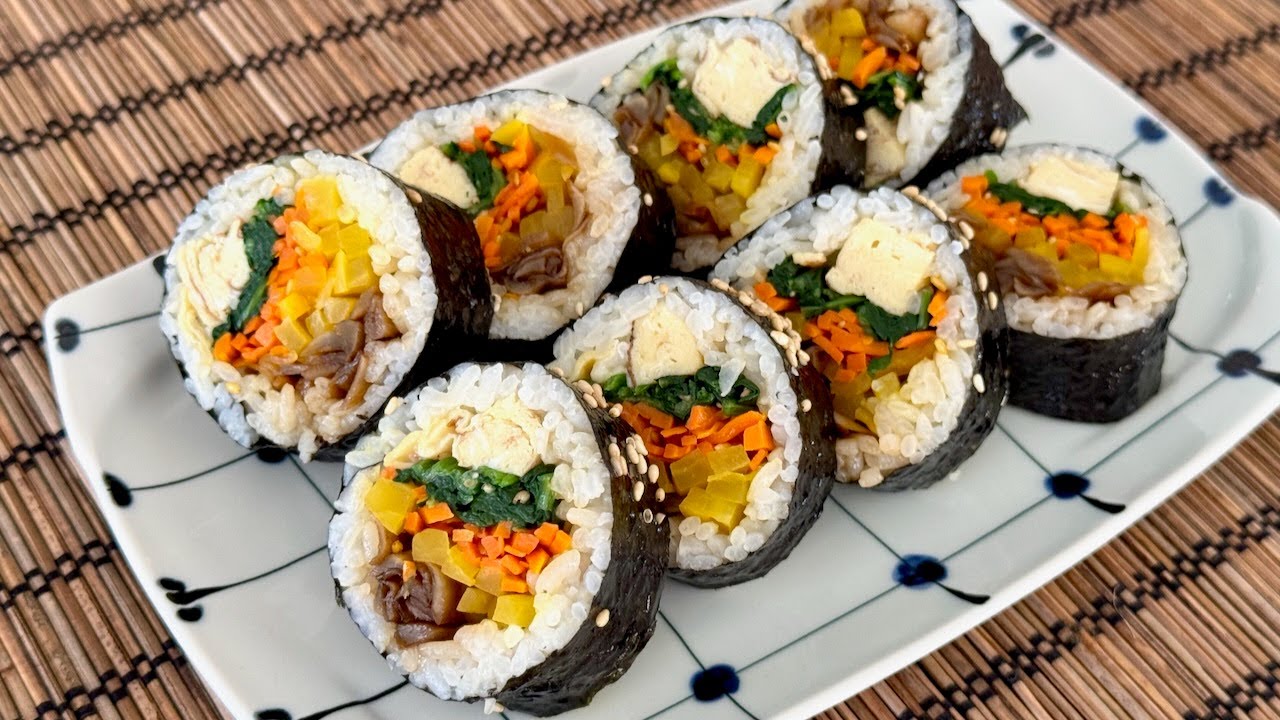
- Japanese Kimbap Recipe35 Minutes

Leave a Reply