
This delightful Japanese pork and cabbage stir fry is a quick and easy dish that brings together the savory flavors of pork, cabbage, and aromatic seasonings. Perfect for a weeknight dinner, this recipe is both satisfying and nutritious, offering a taste of Japan in the comfort of your home.
Some ingredients in this recipe might not be staples in every household. Mirin is a sweet Japanese rice wine used for cooking, which adds a subtle sweetness and depth of flavor to the dish. If you don't have it, you can find it in the international aisle of most supermarkets or at an Asian grocery store.
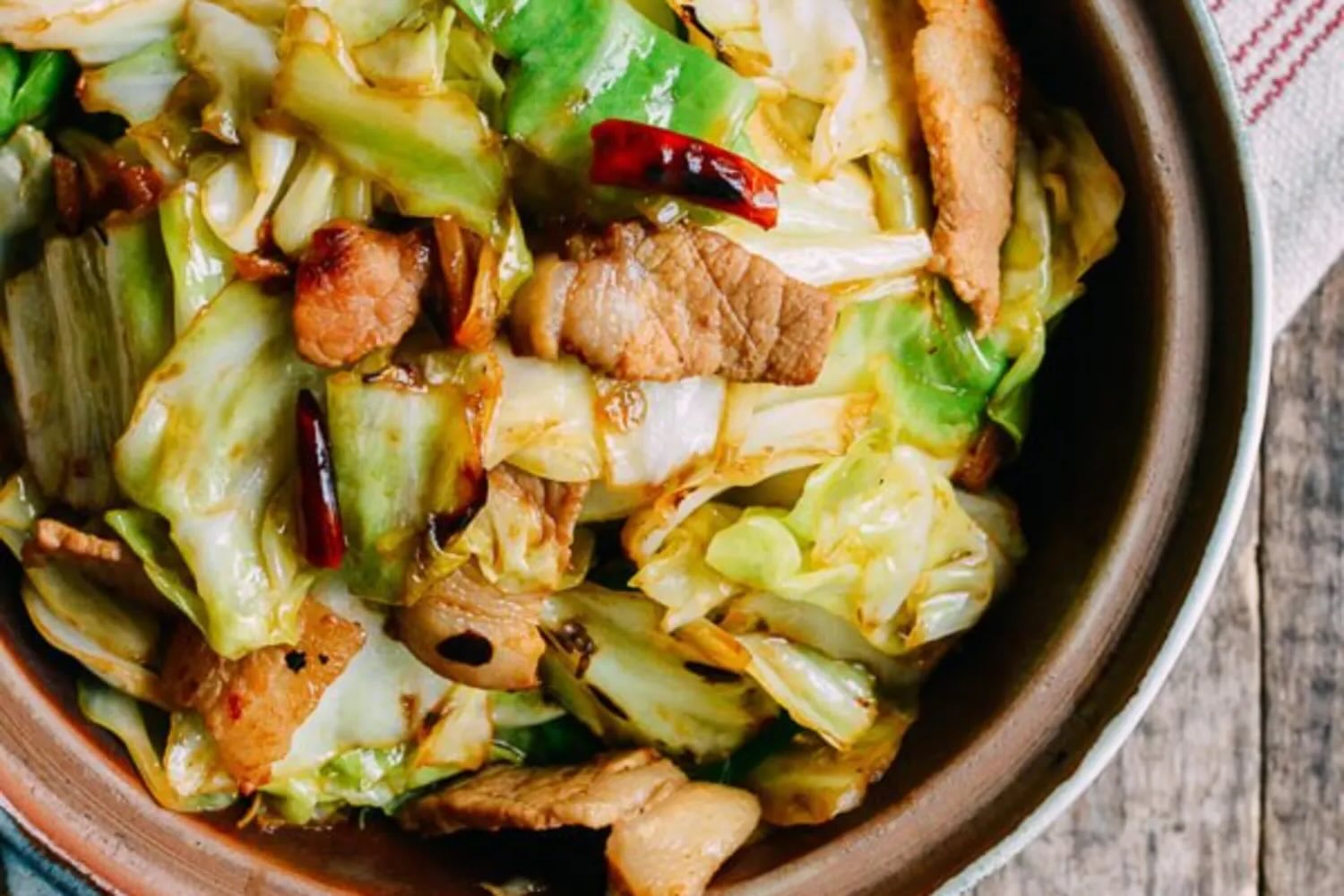
Ingredients For Japanese Pork And Cabbage Stir Fry
Pork: Thinly sliced pork is the main protein in this dish, providing a rich and savory flavor.
Cabbage: Shredded cabbage adds a crunchy texture and absorbs the flavors of the stir fry.
Onion: Sliced onion adds sweetness and depth to the dish.
Soy sauce: A staple in Japanese cooking, soy sauce adds a salty and umami flavor.
Mirin: A sweet rice wine that enhances the overall taste with a hint of sweetness.
Vegetable oil: Used for stir-frying the ingredients, it helps to cook everything evenly.
Garlic: Minced garlic adds a robust and aromatic flavor.
Ginger: Minced ginger provides a zesty and slightly spicy note.
Technique Tip for This Recipe
When stir-frying, ensure the vegetable oil is hot before adding the garlic and ginger. This helps to release their aromas and flavors more effectively. Additionally, slice the pork thinly and evenly to ensure it cooks quickly and uniformly. When adding the onion and cabbage, make sure to stir continuously to prevent burning and to achieve a nice, even cook on the vegetables. Finally, when incorporating the soy sauce and mirin, mix thoroughly to ensure the flavors are well distributed throughout the dish.
Suggested Side Dishes
Alternative Ingredients
pork - Substitute with chicken breast: Chicken breast is a lean protein that can be thinly sliced and stir-fried similarly to pork, providing a similar texture and flavor profile.
pork - Substitute with tofu: For a vegetarian option, firm tofu can be used as it absorbs flavors well and provides a similar texture when stir-fried.
cabbage - Substitute with bok choy: Bok choy has a similar crunch and mild flavor, making it a good alternative to cabbage in stir-fry dishes.
cabbage - Substitute with kale: Kale can be used for a more nutrient-dense option, though it will have a slightly different texture and a more robust flavor.
onion - Substitute with shallots: Shallots provide a similar sweetness and mild onion flavor, making them a suitable replacement.
onion - Substitute with leeks: Leeks offer a milder, sweeter flavor and can be used in place of onions for a different but complementary taste.
soy sauce - Substitute with tamari: Tamari is a gluten-free alternative to soy sauce with a similar umami flavor.
soy sauce - Substitute with coconut aminos: Coconut aminos provide a slightly sweeter and less salty alternative to soy sauce, suitable for those avoiding soy.
mirin - Substitute with rice vinegar and sugar: A mixture of rice vinegar and a small amount of sugar can mimic the sweet and tangy flavor of mirin.
mirin - Substitute with dry sherry: Dry sherry can be used as a substitute for mirin, providing a similar depth of flavor with a slight sweetness.
vegetable oil - Substitute with sesame oil: Sesame oil adds a nutty flavor that complements Asian dishes well, though it should be used in smaller amounts due to its strong flavor.
vegetable oil - Substitute with olive oil: Olive oil can be used as a neutral cooking oil, though it has a slightly different flavor profile.
garlic - Substitute with garlic powder: Garlic powder can be used in place of fresh garlic, though it will have a less intense flavor.
garlic - Substitute with shallots: Shallots can provide a mild garlic flavor along with a hint of onion, making them a suitable alternative.
ginger - Substitute with ground ginger: Ground ginger can be used in place of fresh ginger, though it will have a more concentrated flavor.
ginger - Substitute with galangal: Galangal has a similar spicy and aromatic profile to ginger, making it a good substitute in stir-fry dishes.
Other Alternative Recipes Similar to This Dish
How To Store or Freeze This Dish
Allow the Japanese pork and cabbage stir fry to cool to room temperature before storing. This helps prevent condensation, which can make the dish soggy.
Transfer the cooled stir fry into an airtight container. Make sure to use a container that is appropriately sized to minimize air exposure, which can affect the freshness of the pork and vegetables.
Label the container with the date of preparation. This will help you keep track of how long the stir fry has been stored.
Store the container in the refrigerator if you plan to consume the stir fry within 3-4 days. This will keep the pork and cabbage fresh and safe to eat.
For longer storage, place the airtight container in the freezer. The stir fry can be frozen for up to 2-3 months without significant loss of flavor or texture.
When ready to eat, thaw the frozen stir fry in the refrigerator overnight. This gradual thawing process helps maintain the quality of the pork and cabbage.
Reheat the stir fry in a wok or skillet over medium heat. Add a splash of soy sauce or a bit of vegetable oil if the dish appears dry.
Stir occasionally to ensure even heating and to prevent the pork and vegetables from sticking to the pan.
Alternatively, you can reheat the stir fry in the microwave. Place the stir fry in a microwave-safe dish, cover it with a microwave-safe lid or plastic wrap, and heat on high for 2-3 minutes, stirring halfway through to ensure even heating.
Always check the temperature of the reheated stir fry to ensure it is piping hot throughout before serving. This ensures that the pork is reheated to a safe temperature.
How To Reheat Leftovers
Stovetop Method:
- Heat a non-stick skillet over medium heat.
- Add a small amount of vegetable oil to the skillet.
- Once the oil is hot, add the leftover Japanese pork and cabbage stir fry.
- Stir occasionally to ensure even heating, cooking for about 5-7 minutes until the pork and vegetables are heated through.
- If the mixture seems dry, add a splash of soy sauce or a bit of water to keep it moist.
Microwave Method:
- Place the leftover stir fry in a microwave-safe dish.
- Cover the dish with a microwave-safe lid or microwave-safe plastic wrap, leaving a small corner open to vent.
- Microwave on high for 1-2 minutes.
- Stir the contents to ensure even heating.
- Continue microwaving in 30-second intervals, stirring in between, until the pork and cabbage are thoroughly heated.
Oven Method:
- Preheat your oven to 350°F (175°C).
- Place the leftover stir fry in an oven-safe dish.
- Cover the dish with aluminum foil to prevent drying out.
- Bake for about 15-20 minutes, or until the pork and vegetables are heated through.
- Stir halfway through the heating process to ensure even warming.
Steaming Method:
- Set up a steamer basket over a pot of simmering water.
- Place the leftover Japanese pork and cabbage stir fry in the steamer basket.
- Cover and steam for about 5-7 minutes, or until the pork and vegetables are heated through.
- Stir occasionally to ensure even heating.
Air Fryer Method:
- Preheat your air fryer to 350°F (175°C).
- Place the leftover stir fry in the air fryer basket.
- Heat for about 5-7 minutes, shaking the basket halfway through to ensure even heating.
- Check to make sure the pork and cabbage are heated through before serving.
Best Tools for This Recipe
Wok: A deep, round-bottomed cooking pot that is ideal for stir-frying due to its high sides and even heat distribution.
Spatula: A flat, broad tool used for flipping and stirring ingredients in the wok.
Knife: Essential for slicing the pork, shredding the cabbage, and cutting the onion.
Cutting board: A sturdy surface to safely chop and prepare all the ingredients.
Measuring spoons: Used to measure out the soy sauce, mirin, and vegetable oil accurately.
Garlic press: Handy for mincing the garlic cloves quickly and efficiently.
Grater: Useful for mincing the ginger if you don't want to do it by hand.
Mixing bowl: To hold the shredded cabbage and sliced onion before adding them to the wok.
Serving dish: A plate or bowl to serve the finished stir-fry.
Rice cooker: Convenient for preparing steamed rice to accompany the stir-fry.
How to Save Time on Making This Dish
Pre-slice ingredients: Prepare the pork, cabbage, and onion in advance to save time during cooking.
Use a food processor: Shred the cabbage quickly with a food processor instead of slicing by hand.
Marinate the pork: Marinate the pork in soy sauce and mirin for a few hours to enhance flavor and reduce cooking time.
Cook rice simultaneously: Start steaming the rice while you prepare the stir-fry to have everything ready at the same time.
High heat cooking: Use high heat to stir-fry the pork and vegetables quickly, ensuring they cook faster and retain their texture.
Japanese Pork and Cabbage Stir Fry
Ingredients
Main Ingredients
- 500 g Pork (thinly sliced)
- ½ head Cabbage (shredded)
- 1 medium Onion (sliced)
- 2 tablespoon Soy Sauce
- 1 tablespoon Mirin
- 1 tablespoon Vegetable Oil
- 2 cloves Garlic (minced)
- 1 teaspoon Ginger (minced)
Instructions
- Heat the vegetable oil in a wok over medium-high heat.
- Add the garlic and ginger, and stir-fry for 30 seconds until fragrant.
- Add the sliced pork and stir-fry until browned and cooked through, about 5-7 minutes.
- Add the sliced onion and shredded cabbage, and stir-fry for another 5 minutes until the vegetables are tender.
- Stir in the soy sauce and mirin, and cook for another 2 minutes until everything is well combined and heated through.
- Serve hot with steamed rice.
Nutritional Value
Keywords
Suggested Appetizers and Desserts for This Recipe
More Amazing Recipes to Try 🙂
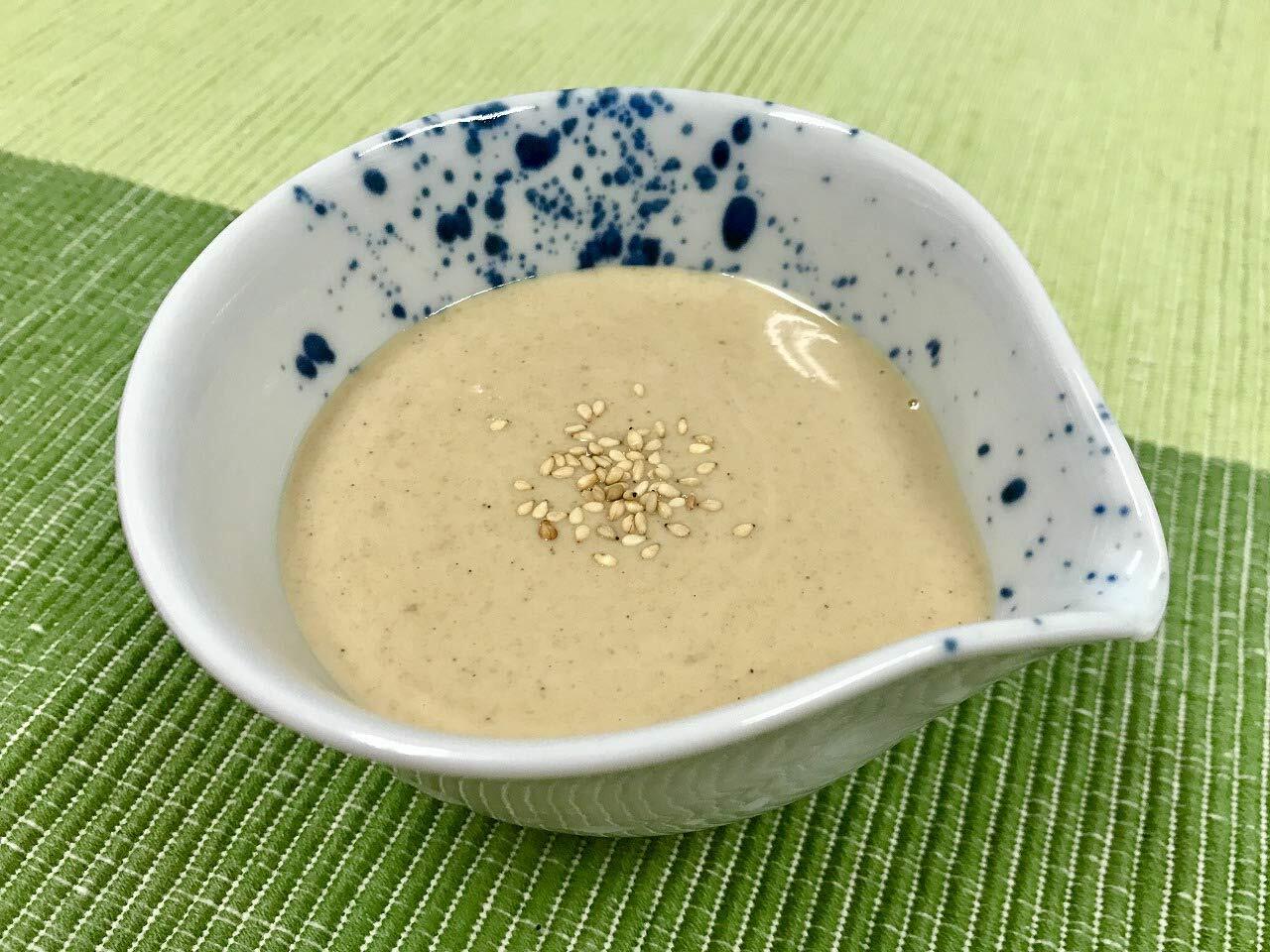
- Japanese Sesame Paste (Nerigoma) Recipe15 Minutes
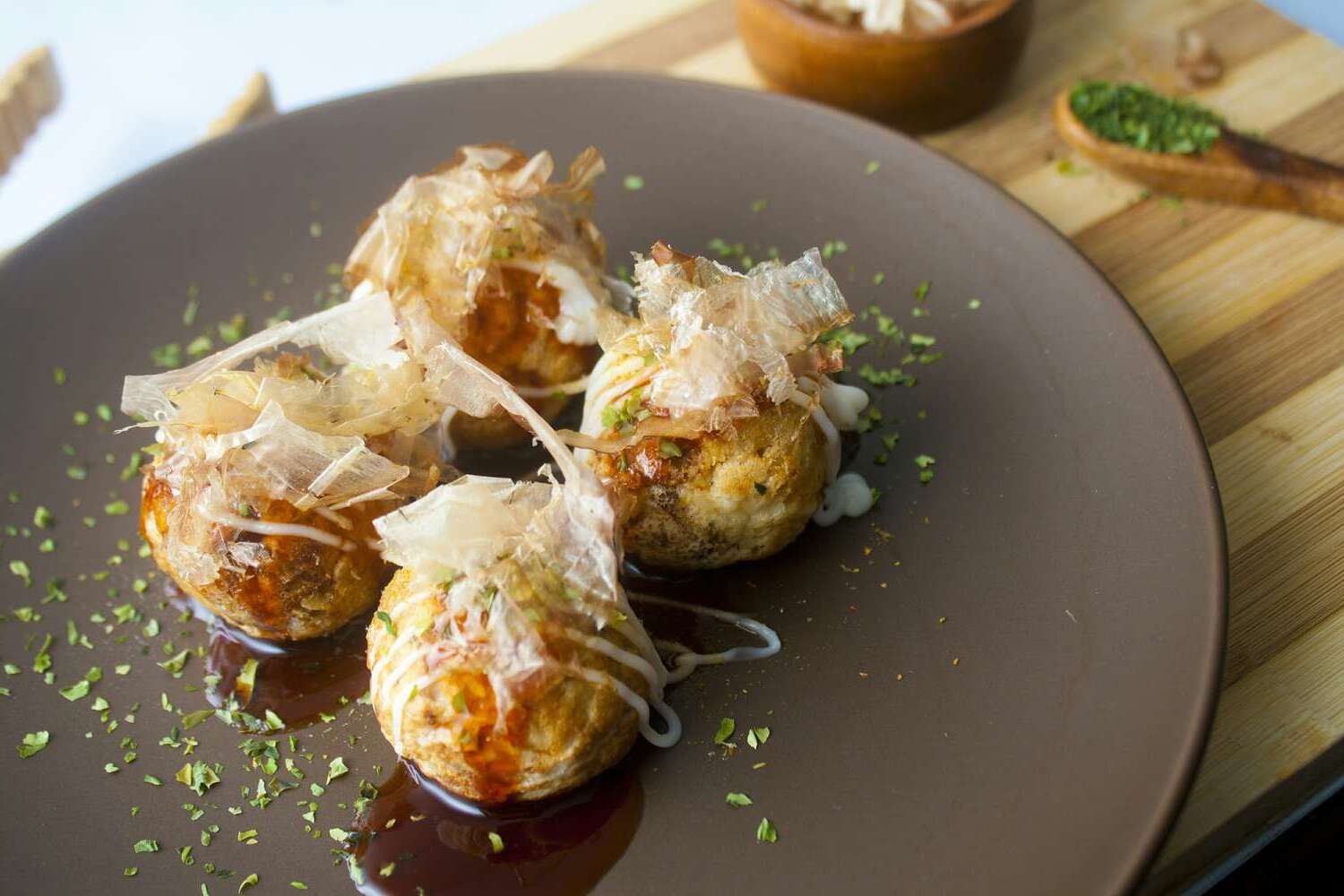
- Takoyaki (Japanese Octopus Ball) Recipe30 Minutes
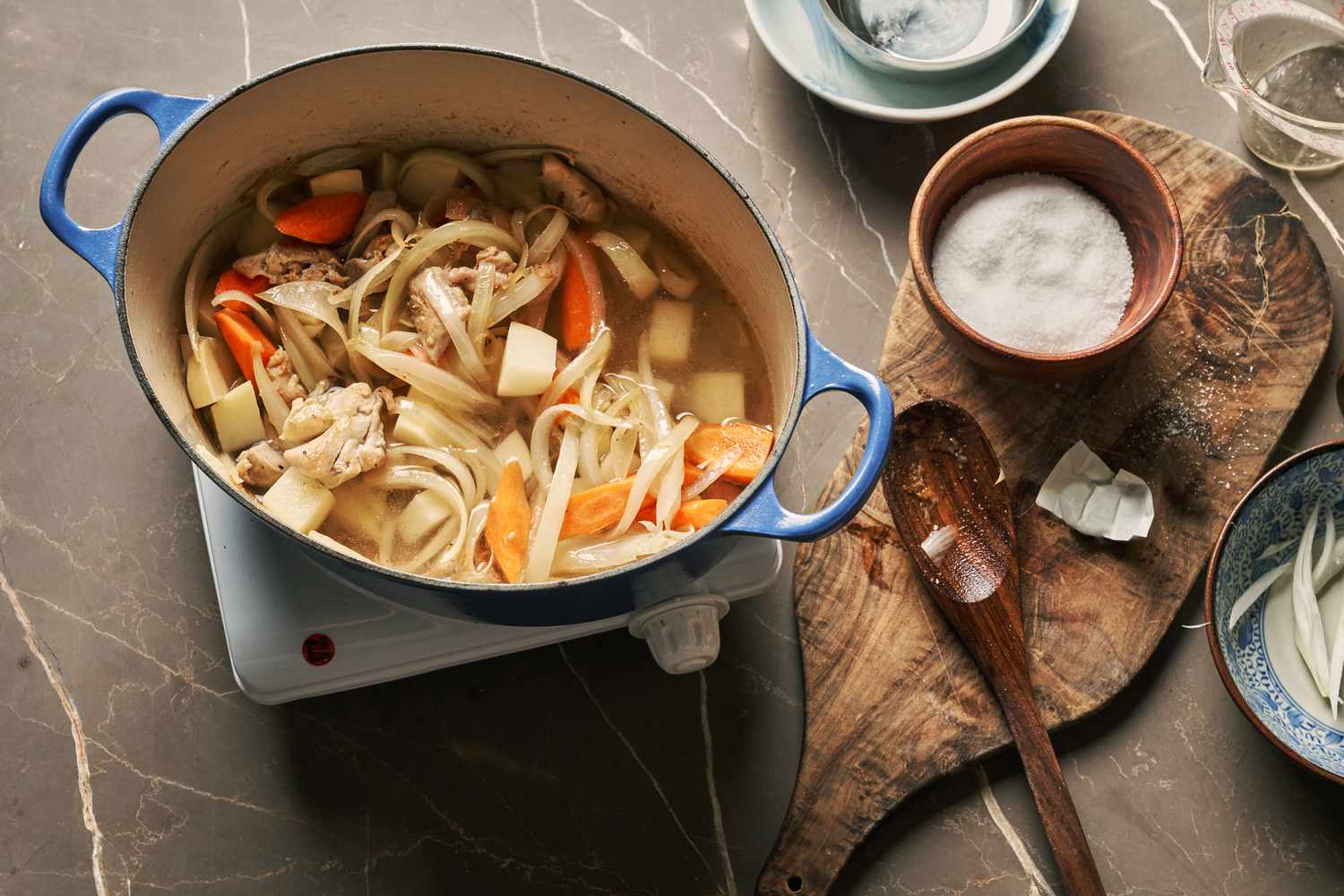
- Japanese Chicken Stew Recipe1 Hours
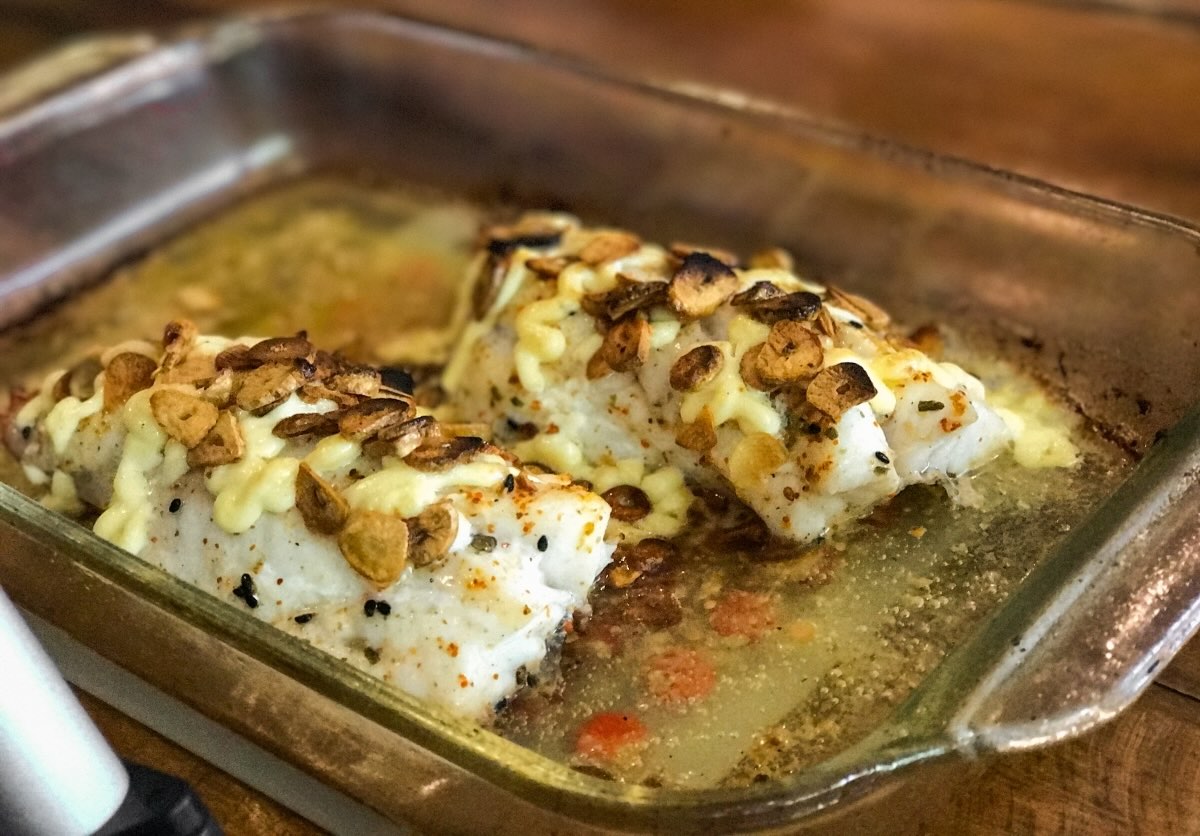
- Japanese Baked Fish Recipe30 Minutes
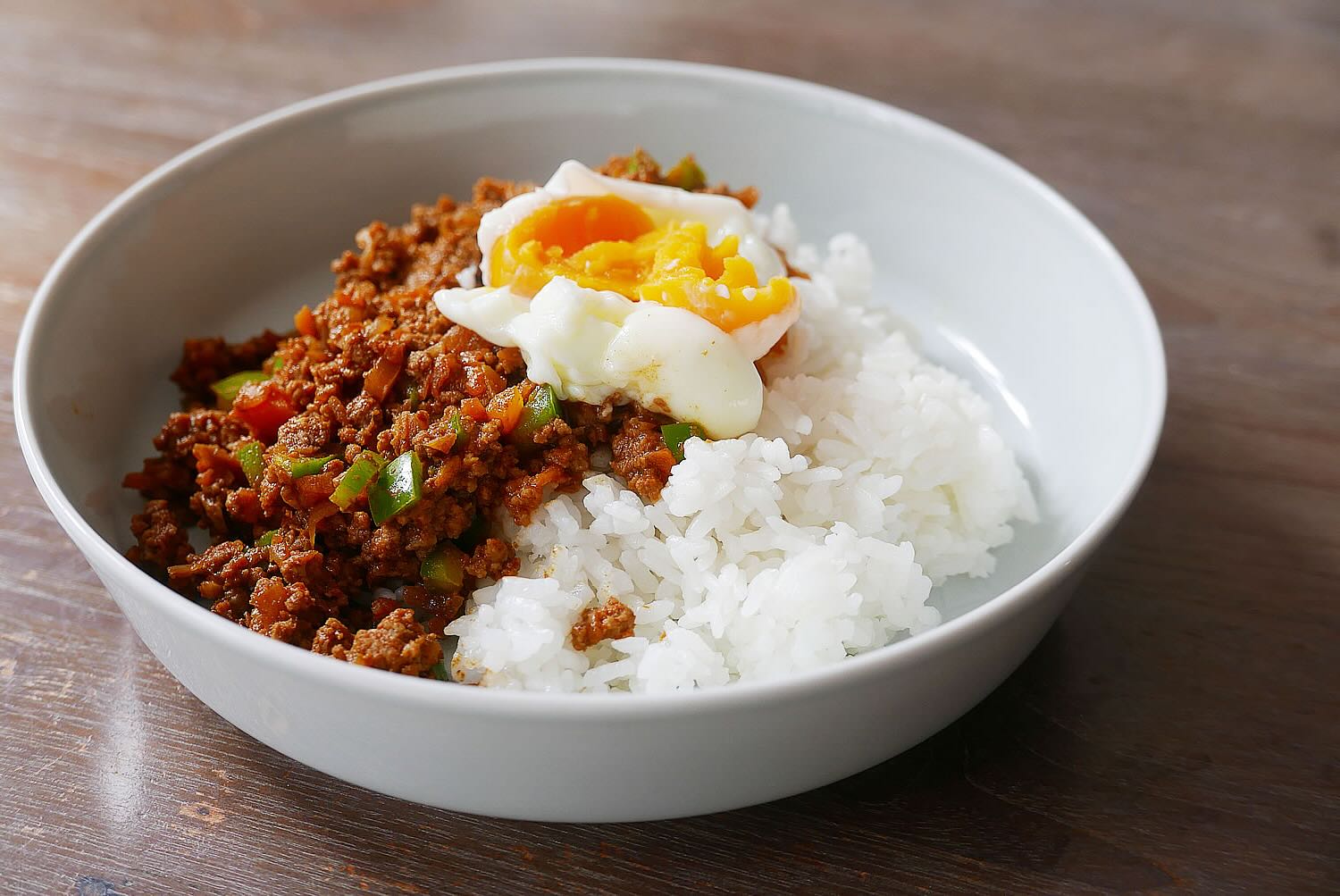
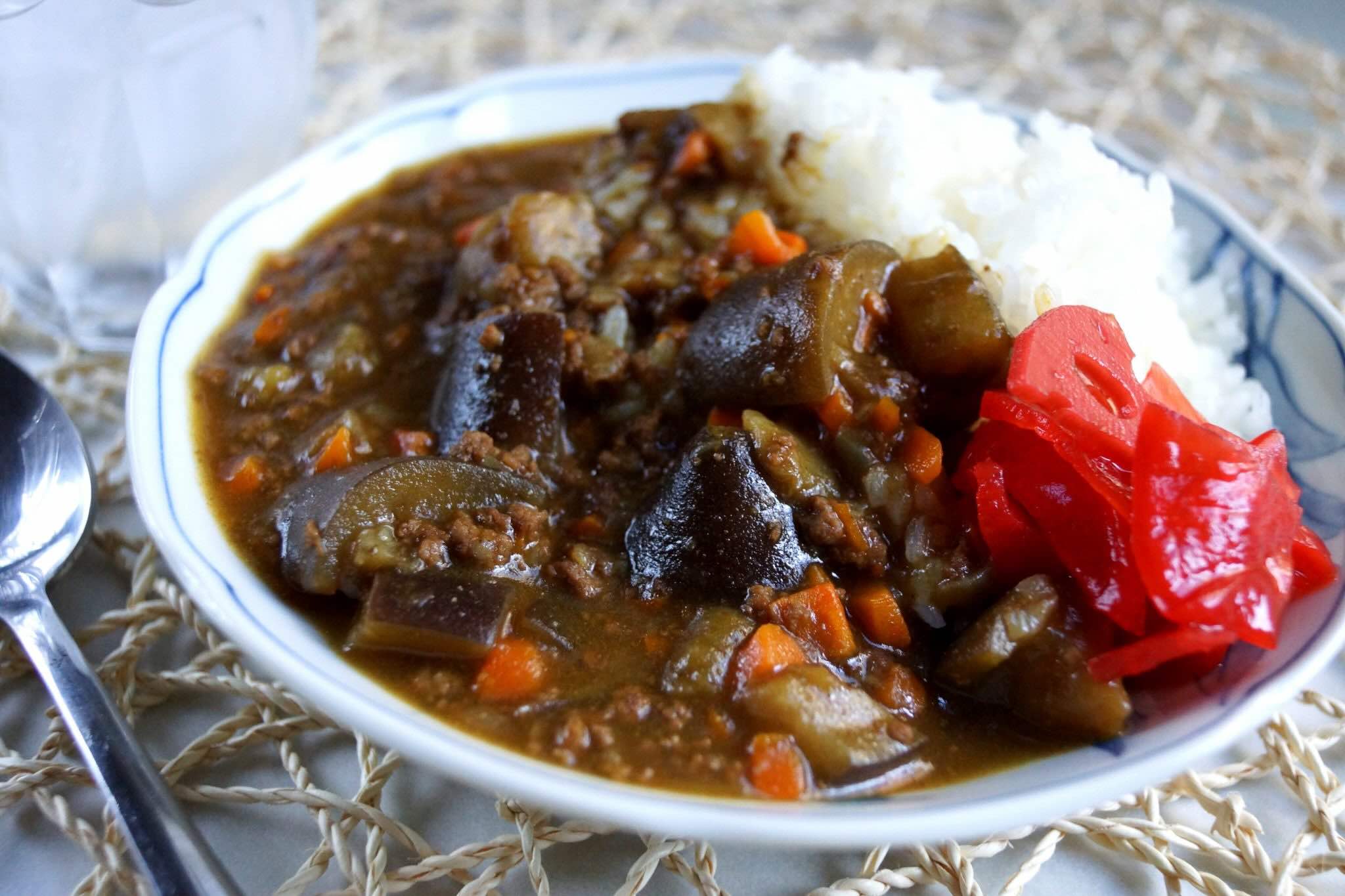
- Japanese Dry Curry Recipe45 Minutes
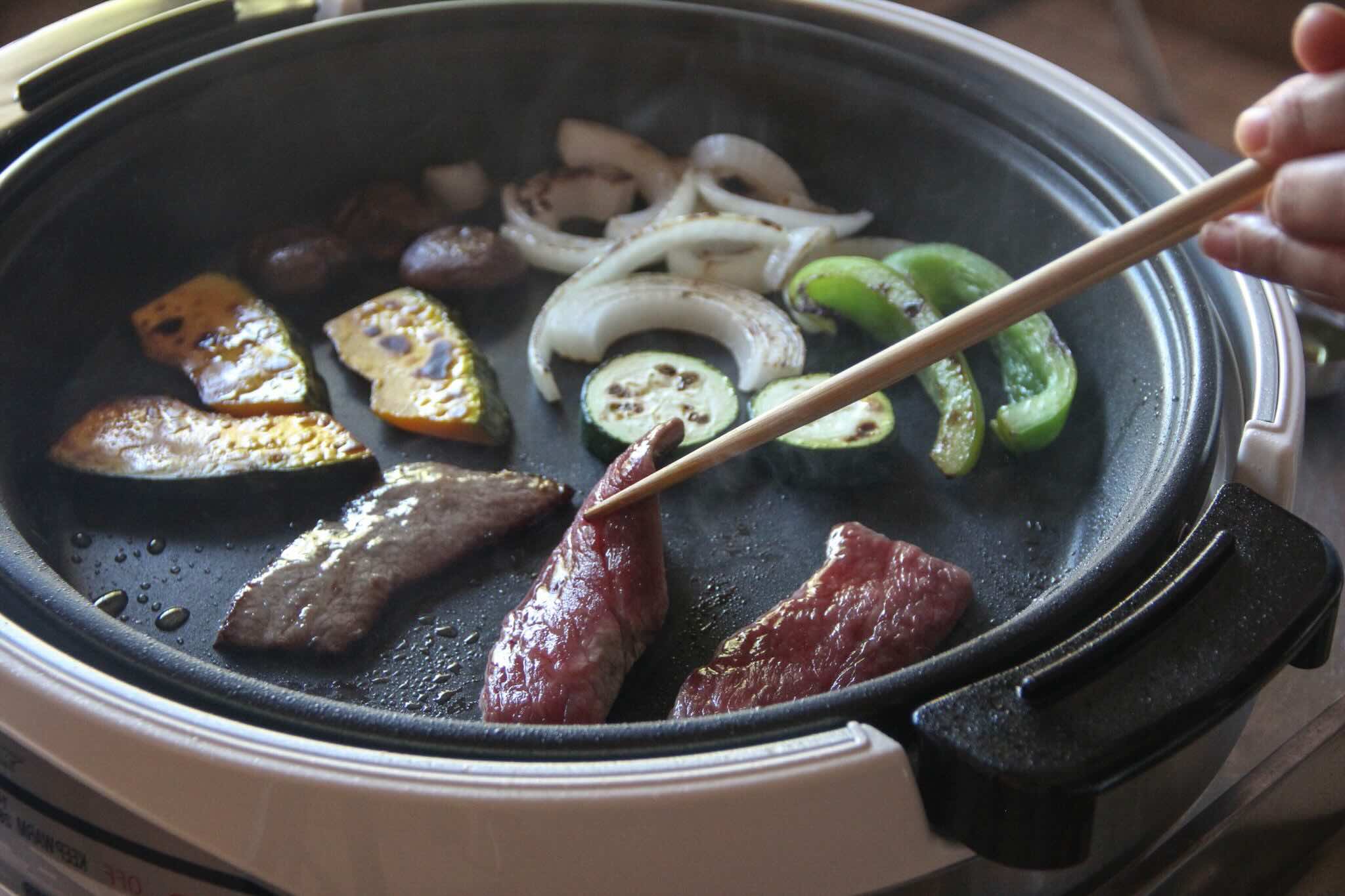
- Teppanyaki Recipe35 Minutes
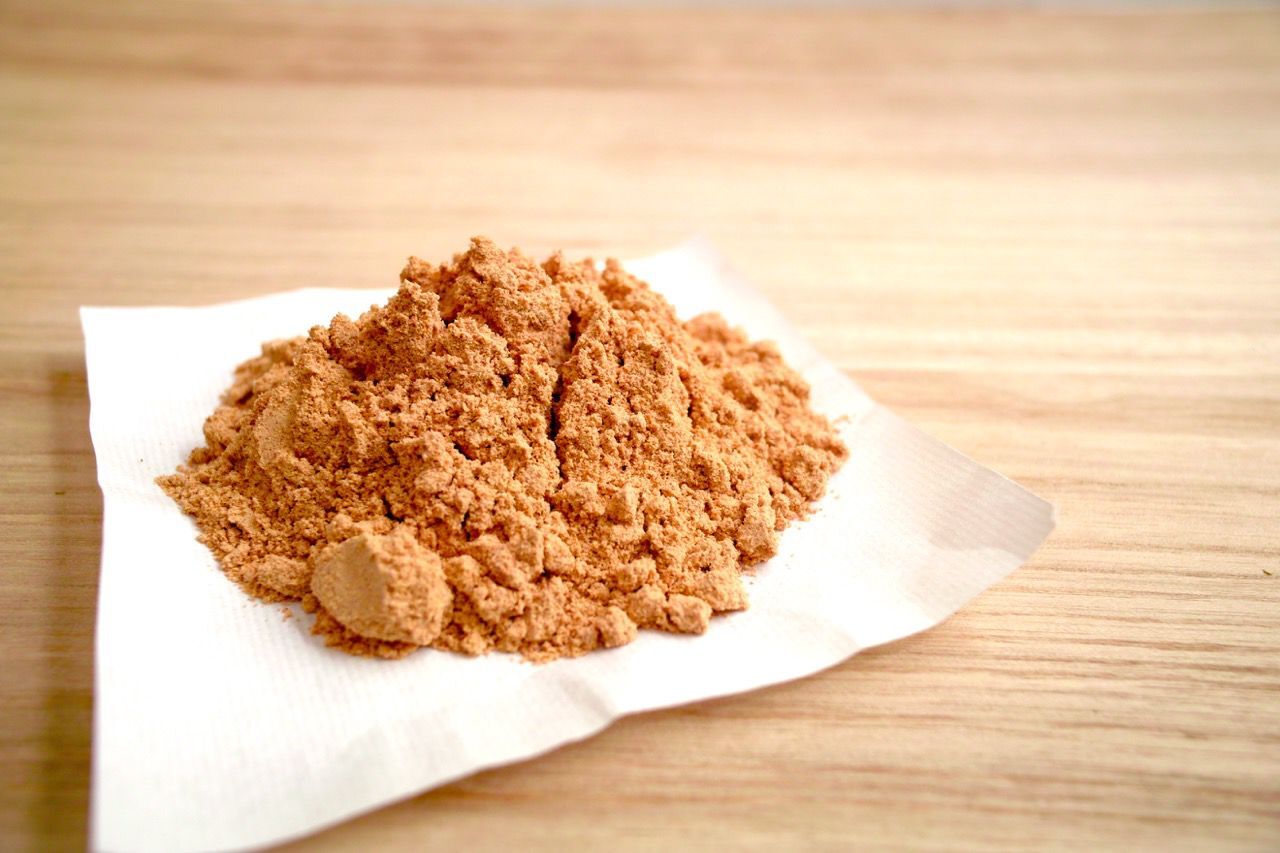
- Japanese Soybean Powder (Kinako) Recipe25 Minutes
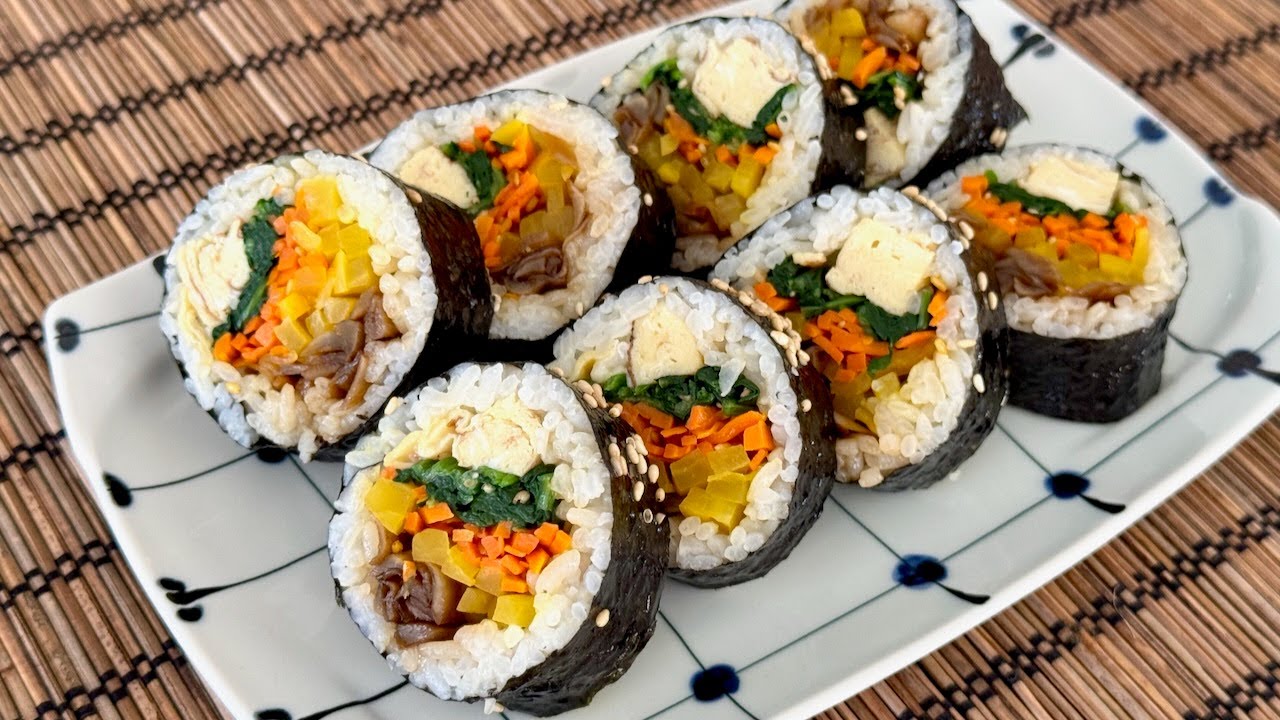
- Japanese Kimbap Recipe35 Minutes
Leave a Reply