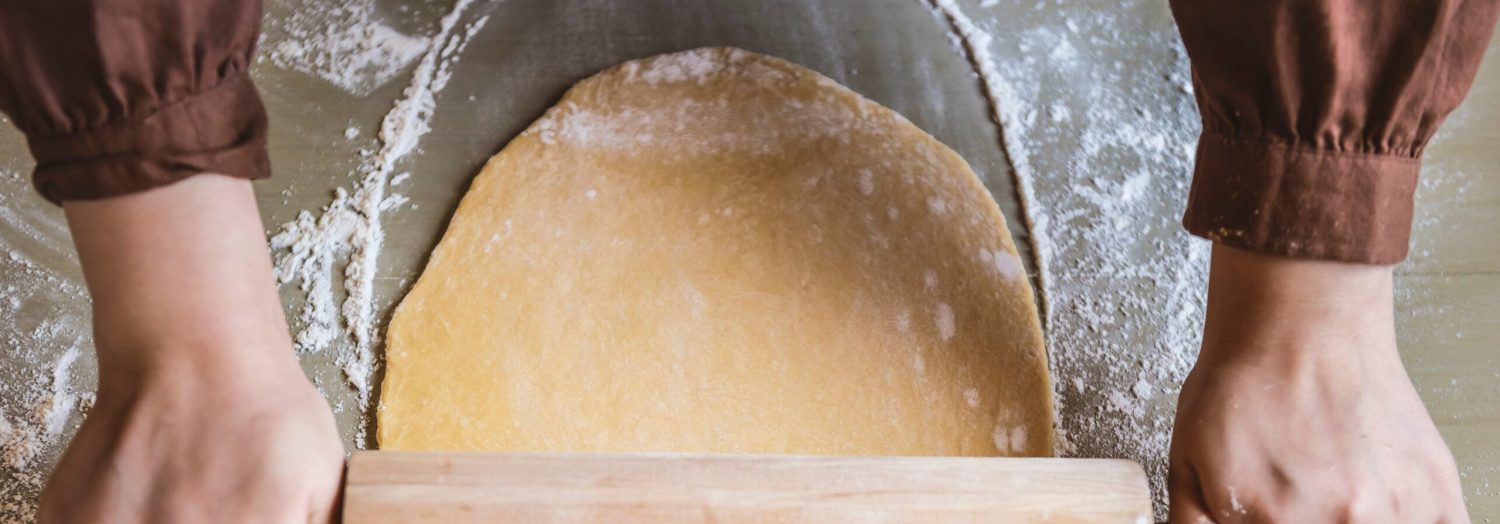
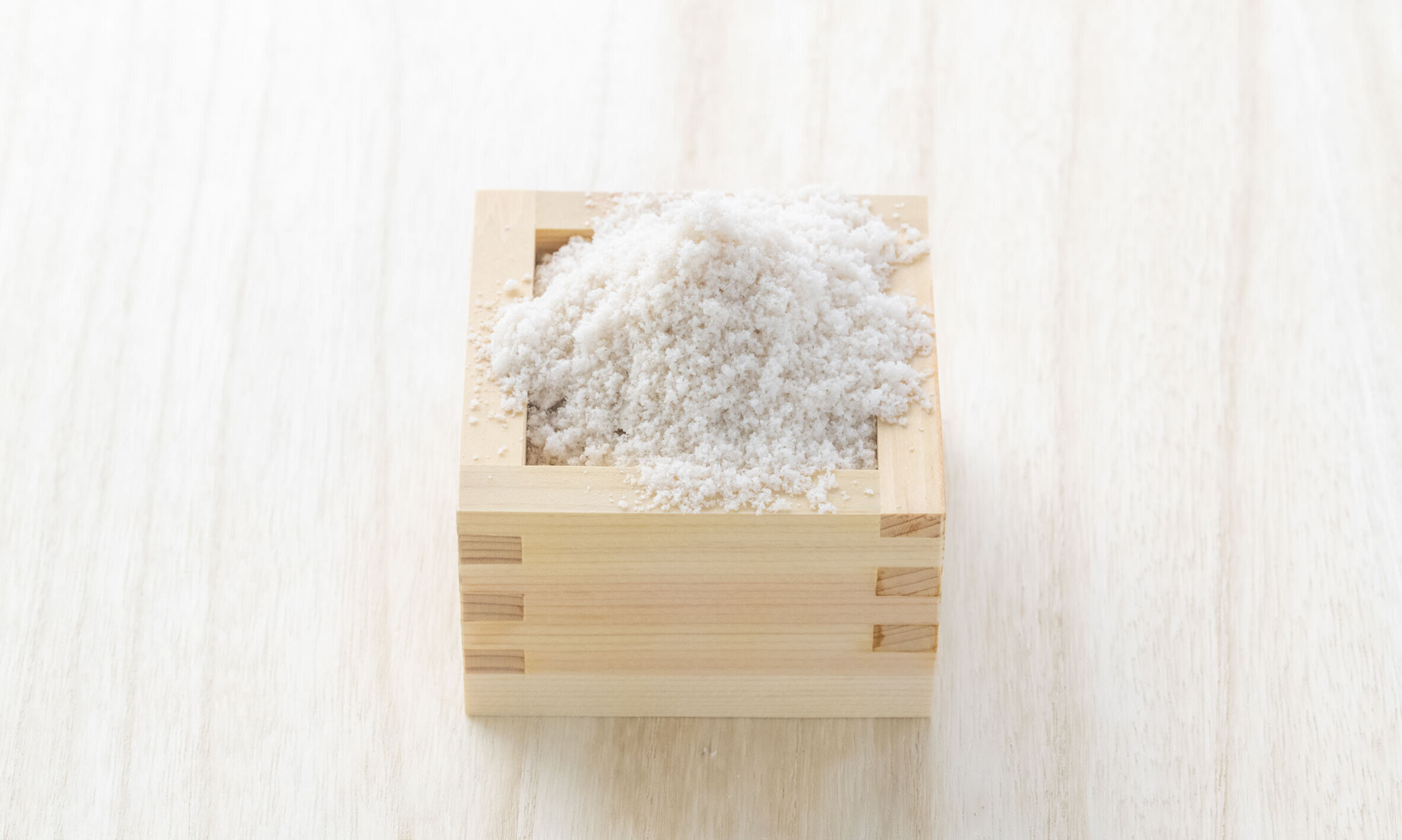
Kinako, or Japanese soybean powder, is a versatile ingredient that adds a nutty flavor and a boost of protein to various dishes. It's commonly used in traditional Japanese sweets, but it can also be incorporated into smoothies, baked goods, and even savory dishes. Making kinako at home is simple and ensures you have a fresh, high-quality product.
The primary ingredient for this recipe is raw soybeans. While soybeans are relatively common, they might not be a staple in every household. When you go to the supermarket, look for raw soybeans in the dried beans section or the international foods aisle. Ensure they are not pre-cooked or seasoned.
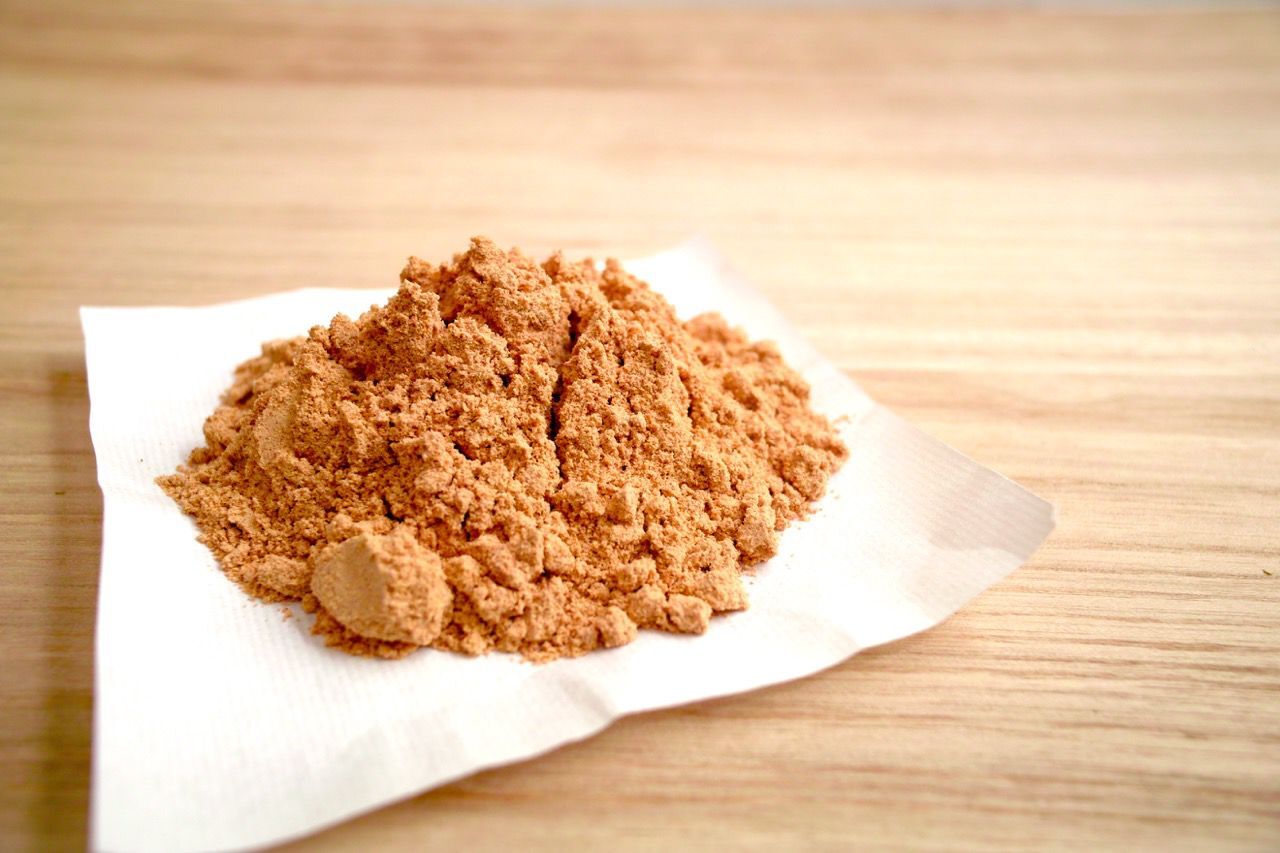
Ingredients for Japanese Soybean Powder (Kinako)
Soybeans: Raw soybeans are the main ingredient for making kinako. They are roasted and ground into a fine powder, providing a nutty and slightly sweet flavor.
Technique Tip for Making Kinako
When roasting the soybeans, make sure to keep the heat at a consistent medium level and stir them frequently. This ensures that they roast evenly and prevents any from burning. If you notice any beans starting to darken too quickly, reduce the heat slightly. The key is to achieve a uniform golden brown color for the best flavor.
Suggested Side Dishes
Alternative Ingredients
raw soybeans - Substitute with roasted chickpeas: Roasted chickpeas can be ground into a fine powder similar to kinako and provide a nutty flavor, though slightly different from soybeans.
raw soybeans - Substitute with almond flour: Almond flour offers a similar texture and a mild, nutty taste that can mimic the flavor profile of kinako in certain recipes.
raw soybeans - Substitute with peanut flour: Peanut flour has a rich, nutty flavor and can be used as a substitute for kinako in recipes where a stronger nutty taste is acceptable.
Other Alternative Recipes Similar to Kinako
How to Store / Freeze Kinako
- Ensure the kinako is completely cool before storing. Any residual warmth can create condensation, leading to spoilage.
- Transfer the kinako to an airtight container. Glass jars with tight-fitting lids or resealable plastic bags work best to maintain freshness.
- Store the container in a cool, dark place, such as a pantry or cupboard, away from direct sunlight and heat sources.
- For longer storage, consider placing the kinako in the refrigerator. This helps to extend its shelf life by slowing down the oxidation process.
- If you plan to keep the kinako for an extended period, freezing is an excellent option. Place the kinako in a freezer-safe container or bag, ensuring it is well-sealed to prevent moisture from entering.
- When ready to use, allow the frozen kinako to come to room temperature before opening the container. This prevents condensation from forming inside.
- Always use a clean, dry spoon to scoop out the kinako. Introducing moisture can cause clumping and spoilage.
- Label your containers with the date of preparation to keep track of freshness. Generally, kinako stored in the pantry lasts for about 1-2 months, while refrigerated kinako can last up to 6 months. Frozen kinako can be stored for up to a year.
How to Reheat Leftovers
Preheat your oven to 350°F (175°C). Spread the kinako evenly on a baking sheet. Heat for about 5-7 minutes, stirring occasionally, until it is warm and fragrant. Be careful not to burn it.
Use a microwave-safe bowl to reheat the kinako. Microwave on medium power in 30-second intervals, stirring in between, until it reaches the desired temperature. This method is quick but requires careful monitoring to avoid overheating.
If you prefer a stovetop method, place the kinako in a dry skillet over low heat. Stir continuously for 3-5 minutes until it is warmed through. This method helps to evenly distribute the heat and maintain the kinako's aroma.
For a more traditional approach, use a double boiler. Place the kinako in the top part of the double boiler and gently heat it over simmering water. Stir occasionally until it is warm. This method ensures gentle, even heating without the risk of burning.
Best Tools for Making Kinako
Frying pan: Used to roast the soybeans over medium heat until they are golden brown and fragrant.
Spatula: Essential for stirring the soybeans frequently to ensure even roasting.
Blender: Utilized to grind the roasted soybeans into a fine powder.
Sieve: Helps to sift the ground soybean powder to remove any larger pieces.
Airtight container: Necessary for storing the kinako to keep it fresh.
Cooling rack: Allows the roasted soybeans to cool completely before grinding.
Measuring scale: Ensures you measure the correct amount of raw soybeans (200 g).
How to Save Time on Making Kinako
Pre-roast in bulk: Roast a large batch of soybeans at once and store them in an airtight container for future use.
Use a coffee grinder: A coffee grinder can quickly turn roasted soybeans into a fine powder, saving you time compared to a blender.
Sift efficiently: Use a fine-mesh sieve to sift the kinako quickly and remove larger pieces in one go.
Cool quickly: Spread the roasted soybeans on a baking sheet to cool them faster before grinding.
Store properly: Keep your kinako in an airtight container to maintain freshness and avoid repeated roasting.
Japanese Soybean Powder (Kinako) Recipe
Ingredients
Main Ingredients
- 200 g Soybeans raw
Instructions
- 1. Heat a frying pan over medium heat.
- 2. Add the soybeans and roast them, stirring frequently, until they are golden brown and fragrant, about 10-15 minutes.
- 3. Remove from heat and let them cool completely.
- 4. Once cooled, transfer the soybeans to a blender or food processor and grind them into a fine powder.
- 5. Sift the powder through a sieve to remove any larger pieces.
- 6. Store the Kinako in an airtight container.
Nutritional Value
Keywords
More Amazing Recipes to Try 🙂
- Japanese Sesame Paste (Nerigoma) Recipe15 Minutes
- Takoyaki (Japanese Octopus Ball) Recipe30 Minutes
- Japanese Chicken Stew Recipe1 Hours
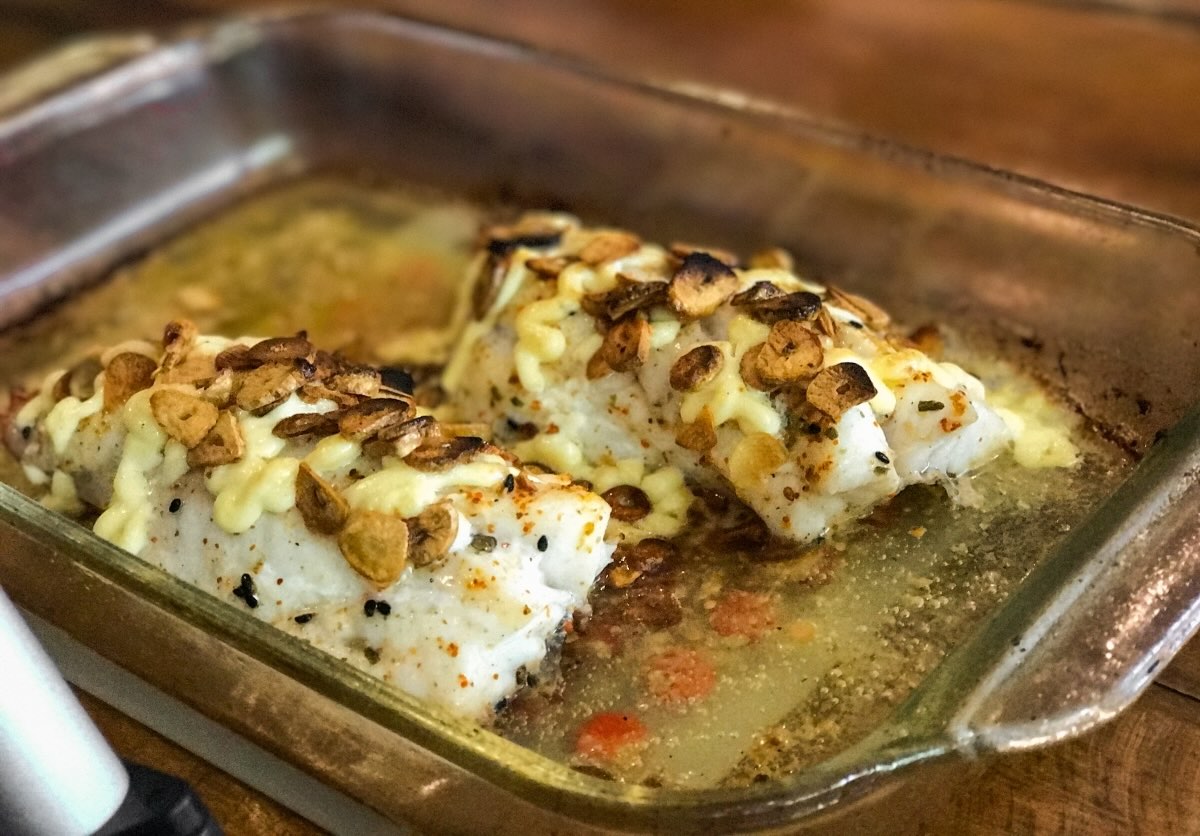
- Japanese Baked Fish Recipe30 Minutes
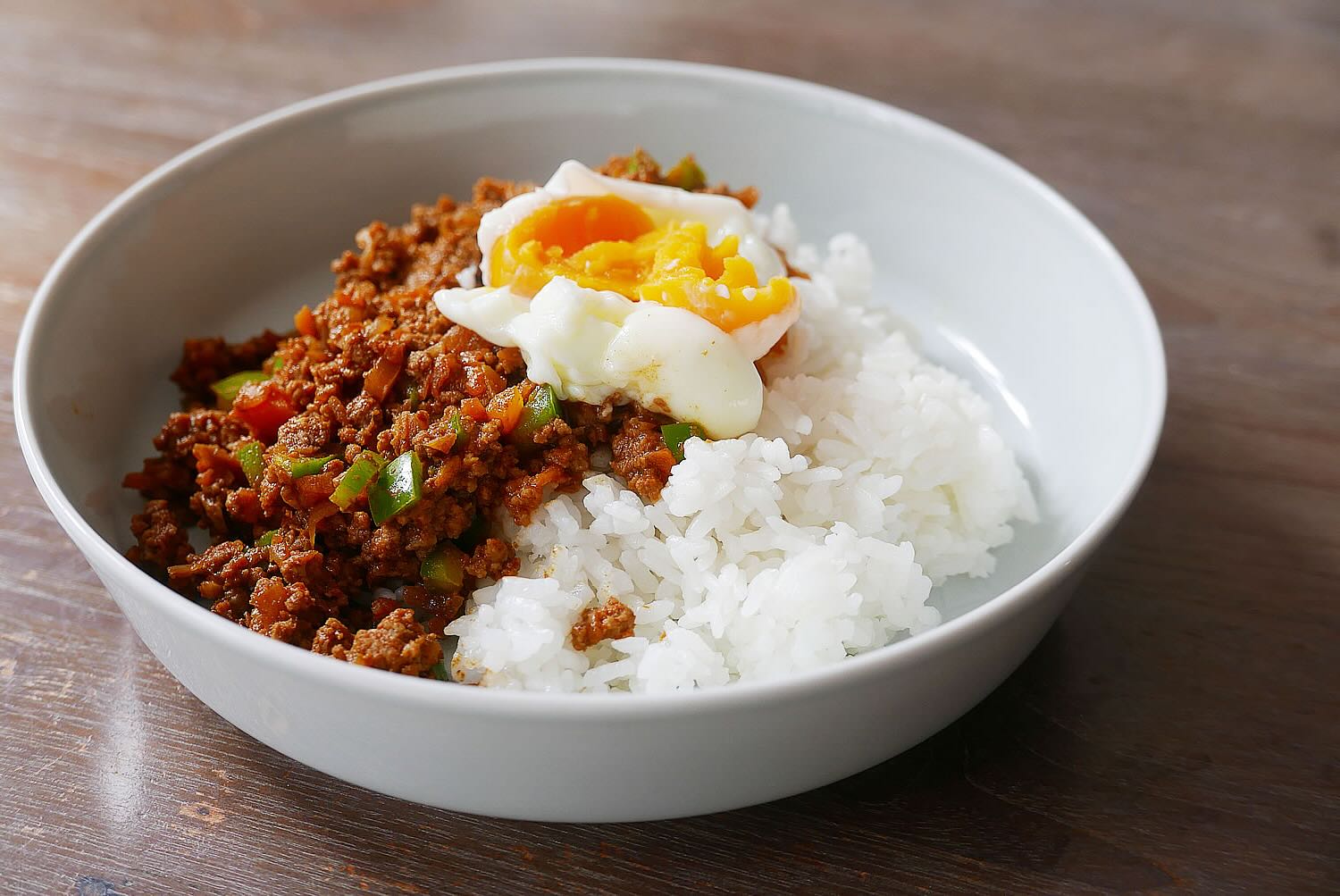
- Japanese Dry Curry Recipe45 Minutes
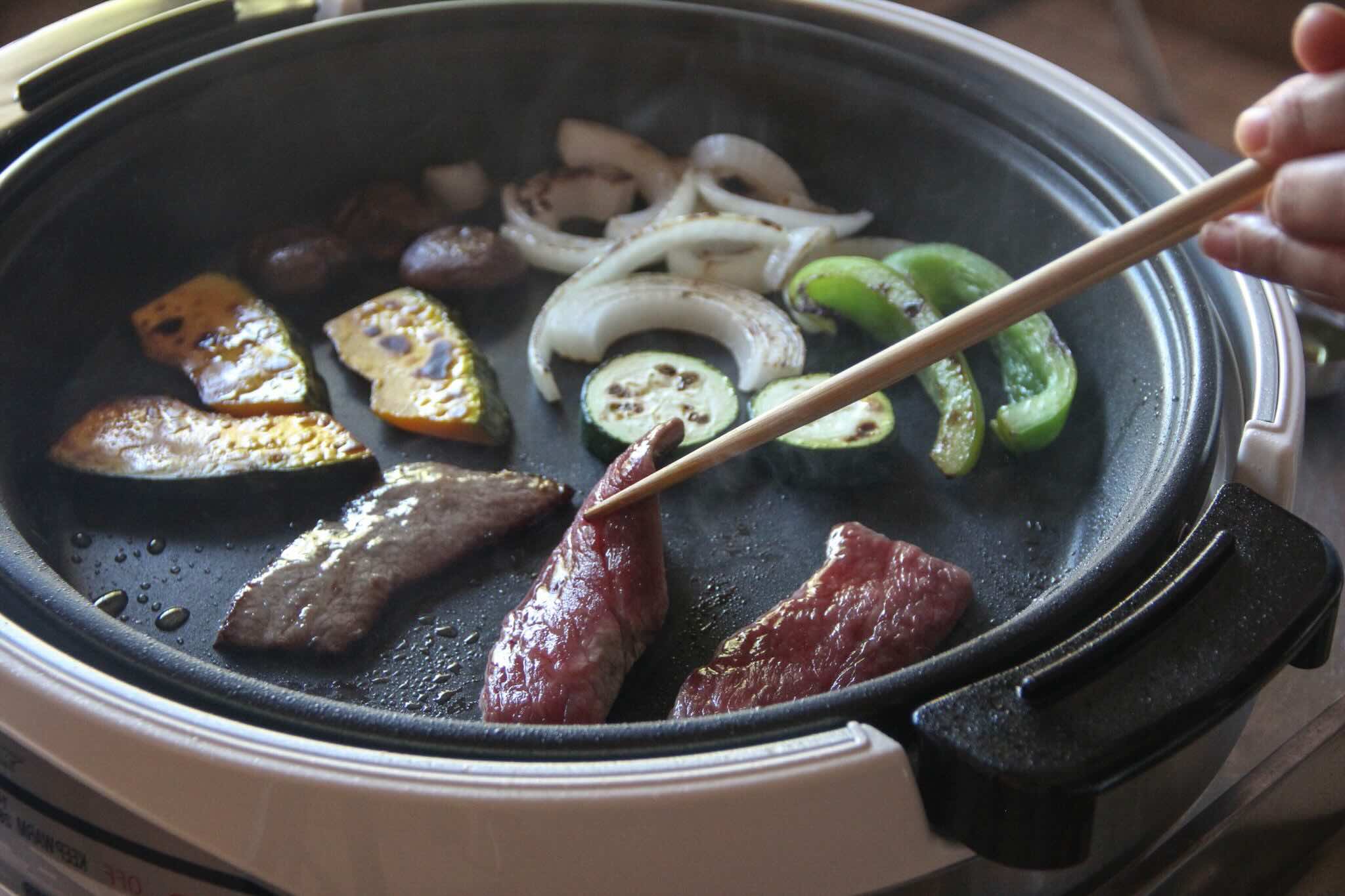
- Teppanyaki Recipe35 Minutes
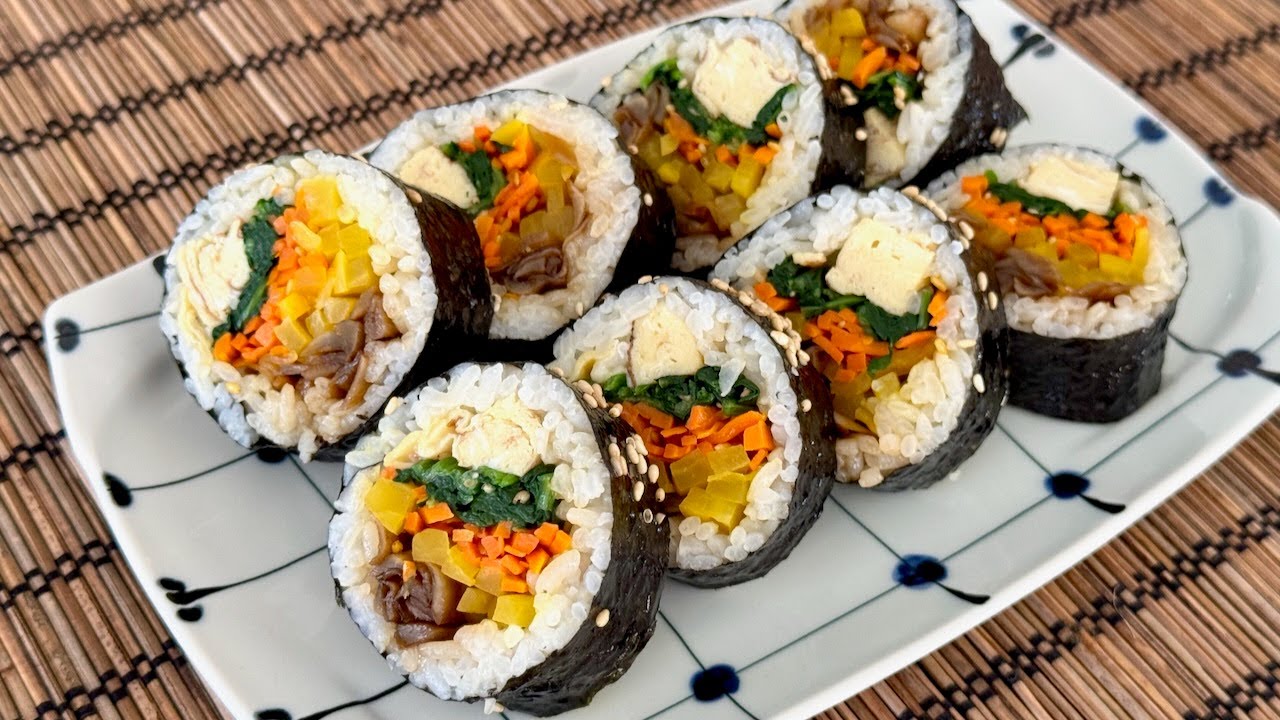
- Japanese Kimbap Recipe35 Minutes
- Japanese Tomato Soup Recipe30 Minutes



Leave a Reply