
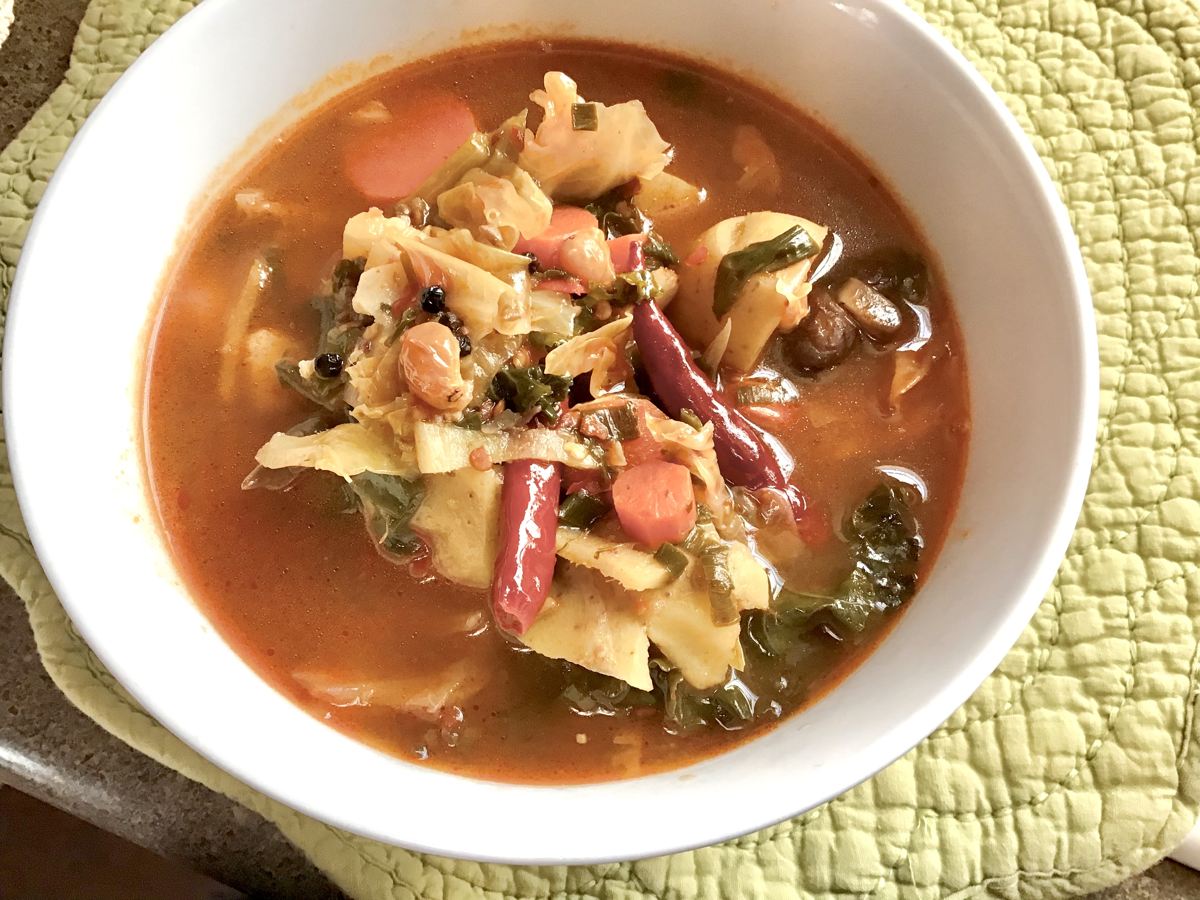
Japanese soup curry is a delightful and aromatic dish that combines the rich flavors of curry with the comforting warmth of a soup. This dish is perfect for those who love a hearty meal with a touch of exotic spices. The combination of tender chicken, fresh vegetables, and a creamy broth makes it a satisfying and wholesome meal.
When preparing this recipe, you might need to visit the supermarket for a few specific ingredients. Coconut milk is essential for adding a creamy texture and subtle sweetness to the soup. Curry powder is another key ingredient that provides the distinct flavor profile of the dish. Ensure you have fresh ginger and garlic for the best aromatic base.
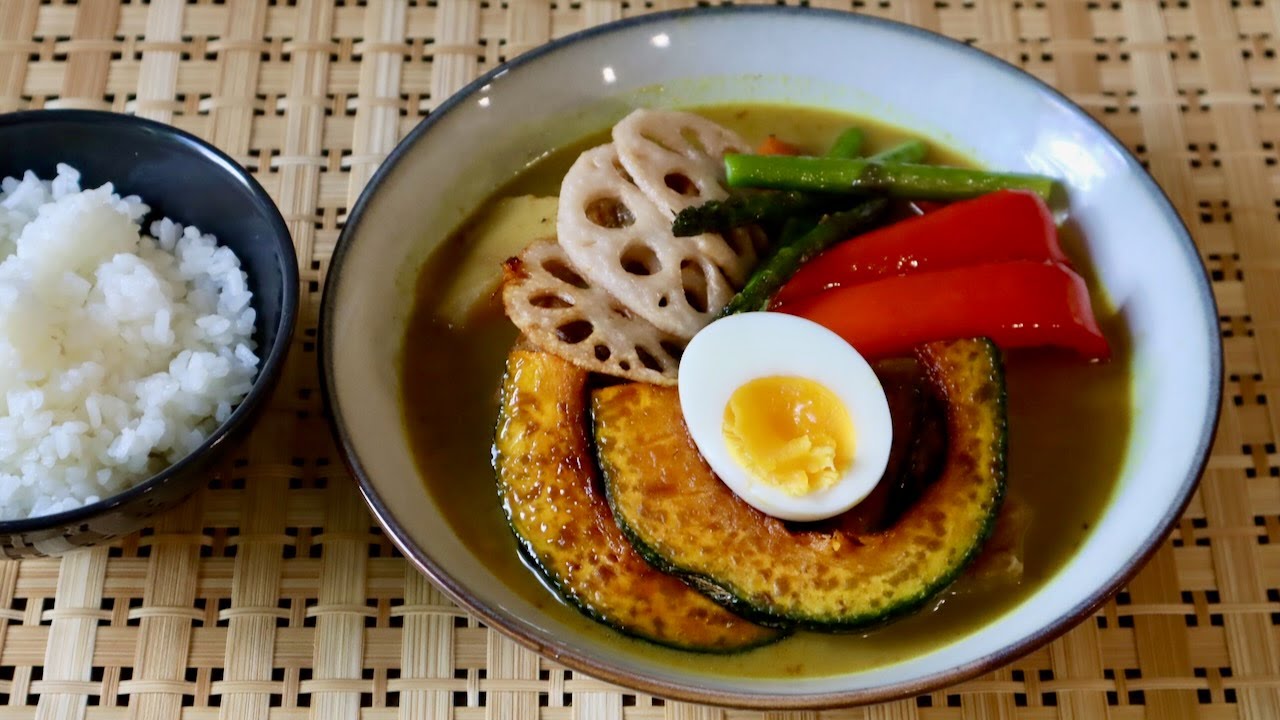
Ingredients For Japanese Soup Curry Recipe
Vegetable oil: Used for sautéing the aromatics and browning the chicken.
Onion: Adds sweetness and depth to the soup.
Garlic: Provides a robust and aromatic flavor.
Ginger: Adds a fresh, spicy note to the dish.
Chicken thighs: The main protein, offering tender and juicy bites.
Chicken broth: Forms the base of the soup, adding savory richness.
Coconut milk: Adds creaminess and a subtle sweetness to balance the spices.
Curry powder: The primary spice blend that gives the dish its signature flavor.
Carrot: Adds sweetness and texture to the soup.
Potato: Provides heartiness and helps thicken the soup slightly.
Bell pepper: Adds color, crunch, and a slight sweetness.
Salt: Enhances the overall flavor of the dish.
Pepper: Adds a hint of heat and depth to the flavor.
Technique Tip for This Recipe
When sautéing the onion, garlic, and ginger, make sure to cook them until they are golden brown and fragrant. This step is crucial as it builds a deep, aromatic base for the soup curry. Additionally, when adding the chicken pieces, ensure they are evenly browned on all sides to lock in their juices and enhance the overall flavor of the dish.
Suggested Side Dishes
Alternative Ingredients
vegetable oil - Substitute with olive oil: Olive oil provides a similar cooking medium with a slightly richer flavor.
onion - Substitute with shallots: Shallots offer a milder and sweeter taste compared to onions.
garlic - Substitute with garlic powder: Garlic powder can provide a similar flavor profile when fresh garlic is unavailable.
ginger - Substitute with ground ginger: Ground ginger can be used in a pinch, though it has a more concentrated flavor.
chicken thighs - Substitute with chicken breast: Chicken breast is leaner and can be used if you prefer less fat.
chicken broth - Substitute with vegetable broth: Vegetable broth can be used for a vegetarian option while maintaining a savory base.
coconut milk - Substitute with almond milk: Almond milk can be used for a lighter, less creamy alternative.
curry powder - Substitute with garam masala: Garam masala offers a different but complementary spice blend.
carrot - Substitute with parsnip: Parsnips have a similar texture and sweetness to carrots.
potato - Substitute with sweet potato: Sweet potatoes add a different flavor and a bit more sweetness.
bell pepper - Substitute with zucchini: Zucchini provides a similar texture and can absorb the flavors of the soup well.
salt - Substitute with soy sauce: Soy sauce adds a salty flavor along with umami depth.
pepper - Substitute with cayenne pepper: Cayenne pepper adds a bit of heat along with the peppery flavor.
Other Alternative Recipes Similar to This Dish
How to Store or Freeze This Dish
- Allow the Japanese soup curry to cool to room temperature before storing. This helps prevent condensation, which can make the soup watery and affect its flavor.
- Transfer the soup curry into airtight containers. For convenience, use portion-sized containers so you can reheat only what you need.
- Label the containers with the date of preparation. This ensures you keep track of freshness and consume the soup within a safe timeframe.
- Store the containers in the refrigerator if you plan to consume the soup curry within 3-4 days. This keeps the vegetables and chicken fresh and flavorful.
- For longer storage, place the containers in the freezer. The Japanese soup curry can be frozen for up to 2-3 months without significant loss of quality.
- When ready to reheat, thaw the frozen soup curry in the refrigerator overnight. This gradual thawing helps maintain the texture of the vegetables and chicken.
- Reheat the soup curry on the stovetop over medium heat, stirring occasionally to ensure even heating. Alternatively, you can use a microwave, heating in short intervals and stirring in between.
- If the soup appears too thick after reheating, add a splash of chicken broth or coconut milk to achieve the desired consistency.
- Taste and adjust the seasoning with salt and pepper if needed, as flavors can sometimes mellow during storage and reheating.
How to Reheat Leftovers
For stovetop reheating:
- Place the leftover Japanese soup curry in a saucepan.
- Add a splash of chicken broth or coconut milk to maintain the soup's consistency.
- Heat over medium-low heat, stirring occasionally to prevent sticking.
- Once the chicken and vegetables are heated through, serve hot.
For microwave reheating:
- Transfer the Japanese soup curry to a microwave-safe bowl.
- Cover the bowl with a microwave-safe lid or plastic wrap with a small vent.
- Heat on high for 2-3 minutes, stirring halfway through to ensure even heating.
- Check the temperature and heat in additional 30-second intervals if needed, until hot.
For oven reheating:
- Preheat your oven to 350°F (175°C).
- Place the Japanese soup curry in an oven-safe dish.
- Cover the dish with aluminum foil to prevent drying out.
- Heat for 20-25 minutes, or until the chicken and vegetables are thoroughly heated.
- Stir halfway through the reheating process for even warming.
For slow cooker reheating:
- Transfer the Japanese soup curry to the slow cooker.
- Set the slow cooker to the low setting.
- Heat for 1-2 hours, stirring occasionally, until the soup is hot and ready to serve.
Best Tools for Making This Dish
Large pot: Used for cooking the soup and simmering all the ingredients together.
Wooden spoon: Ideal for stirring the ingredients while sautéing and simmering.
Chef's knife: Essential for chopping the onion, mincing the garlic and ginger, and cutting the chicken and vegetables.
Cutting board: Provides a safe surface for chopping and cutting all the ingredients.
Measuring spoons: Used for measuring the vegetable oil and curry powder accurately.
Measuring cups: Necessary for measuring the chicken broth and coconut milk.
Ladle: Useful for serving the soup curry into bowls.
Peeler: Handy for peeling the carrot and potato before slicing and dicing.
Tongs: Helpful for handling the chicken pieces while browning them in the pot.
How to Save Time on This Recipe
Prep ingredients ahead: Chop the onion, garlic, ginger, carrot, potato, and bell pepper in advance to save time during cooking.
Use pre-cut chicken: Buy pre-cut chicken thighs to skip the step of cutting them into bite-sized pieces.
Instant broth: Use store-bought chicken broth to avoid the time-consuming process of making it from scratch.
One-pot cooking: Cook everything in one pot to reduce cleanup time.
Simmer while prepping: While the soup is simmering, use that time to clean up or prepare any side dishes.
Japanese Soup Curry
Ingredients
Main Ingredients
- 2 tablespoon Vegetable Oil
- 1 large Onion, chopped
- 2 cloves Garlic, minced
- 1 inch Ginger, minced
- 1 lb Chicken Thighs, cut into bite-sized pieces
- 2 cups Chicken Broth
- 1 cup Coconut Milk
- 2 tablespoon Curry Powder
- 1 large Carrot, sliced
- 1 large Potato, diced
- 1 cup Bell Pepper, chopped
- to taste Salt and Pepper
Instructions
- Heat the vegetable oil in a large pot over medium heat.
- Add the chopped onion, garlic, and ginger. Sauté until fragrant.
- Add the chicken pieces and cook until browned.
- Pour in the chicken broth and coconut milk. Bring to a boil.
- Add the curry powder, carrots, potatoes, and bell pepper. Simmer until vegetables are tender.
- Season with salt and pepper to taste. Serve hot.
Nutritional Value
Keywords
Suggested Appetizers and Desserts for This Dish
More Amazing Recipes to Try 🙂
- Japanese Chocolate Cake Recipe50 Minutes
- Japanese Sweet Potato Recipe50 Minutes
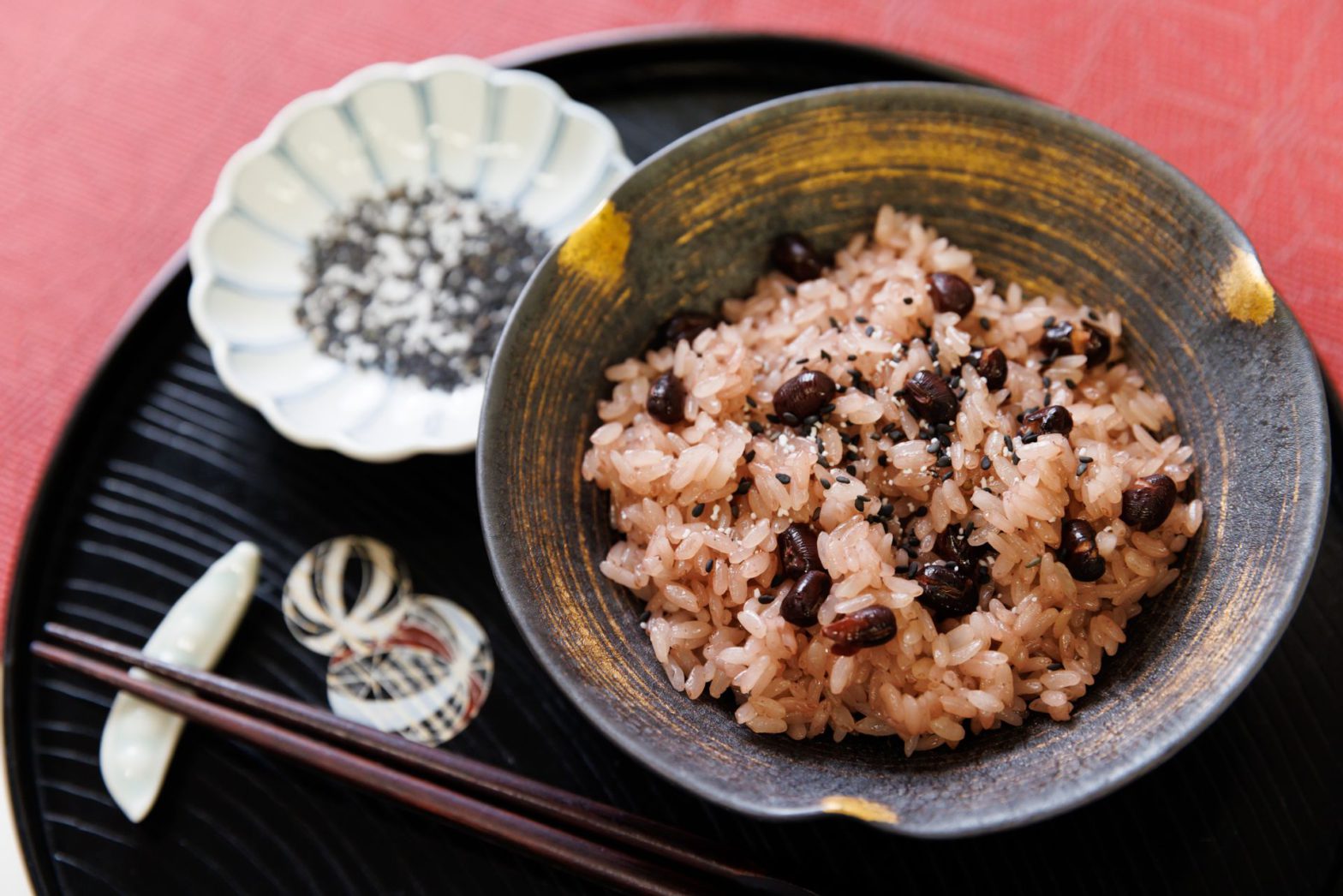
- Japanese Red Rice (Sekihan) Recipe50 Minutes
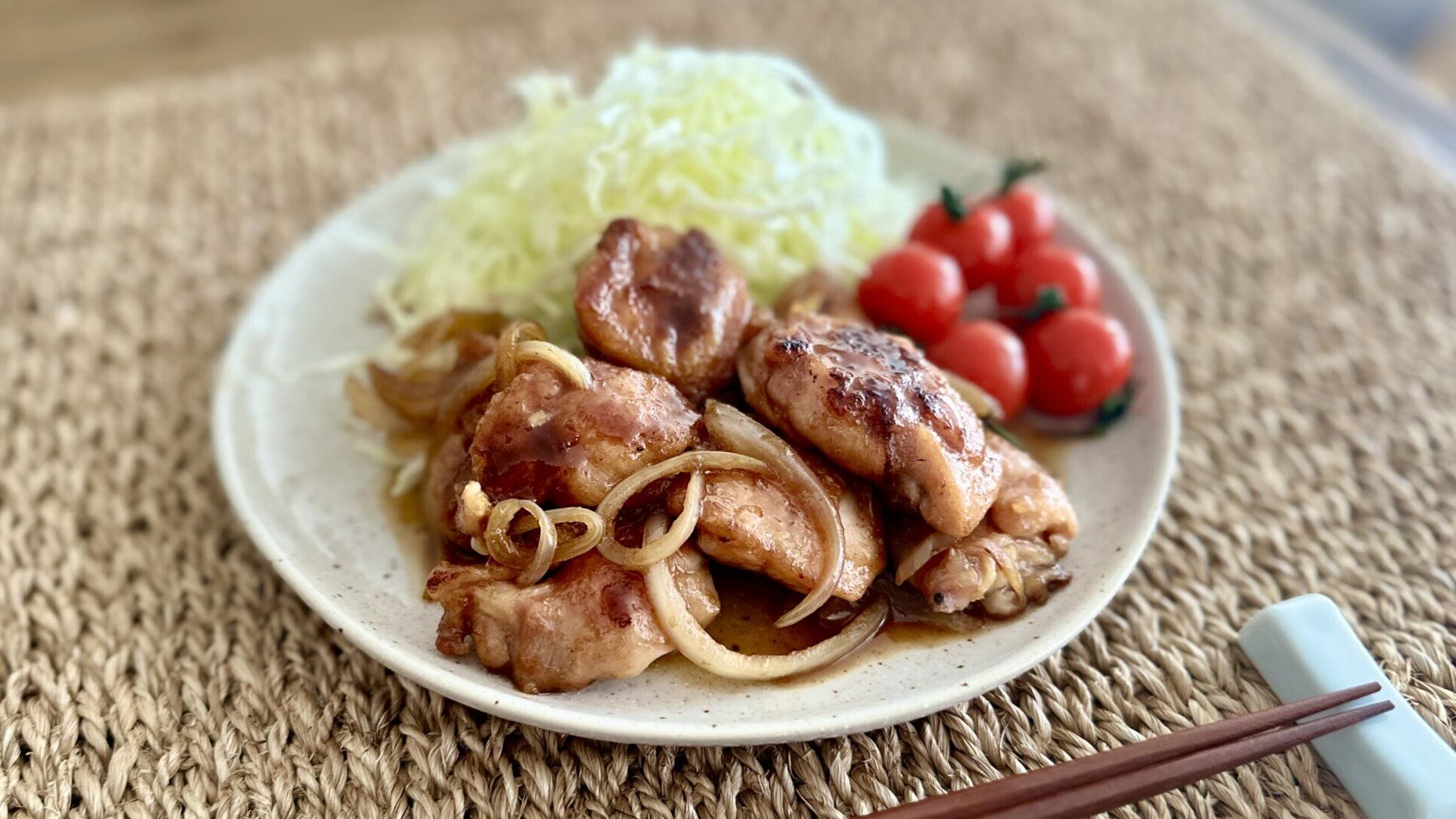
- Japanese Ginger Chicken Recipe35 Minutes
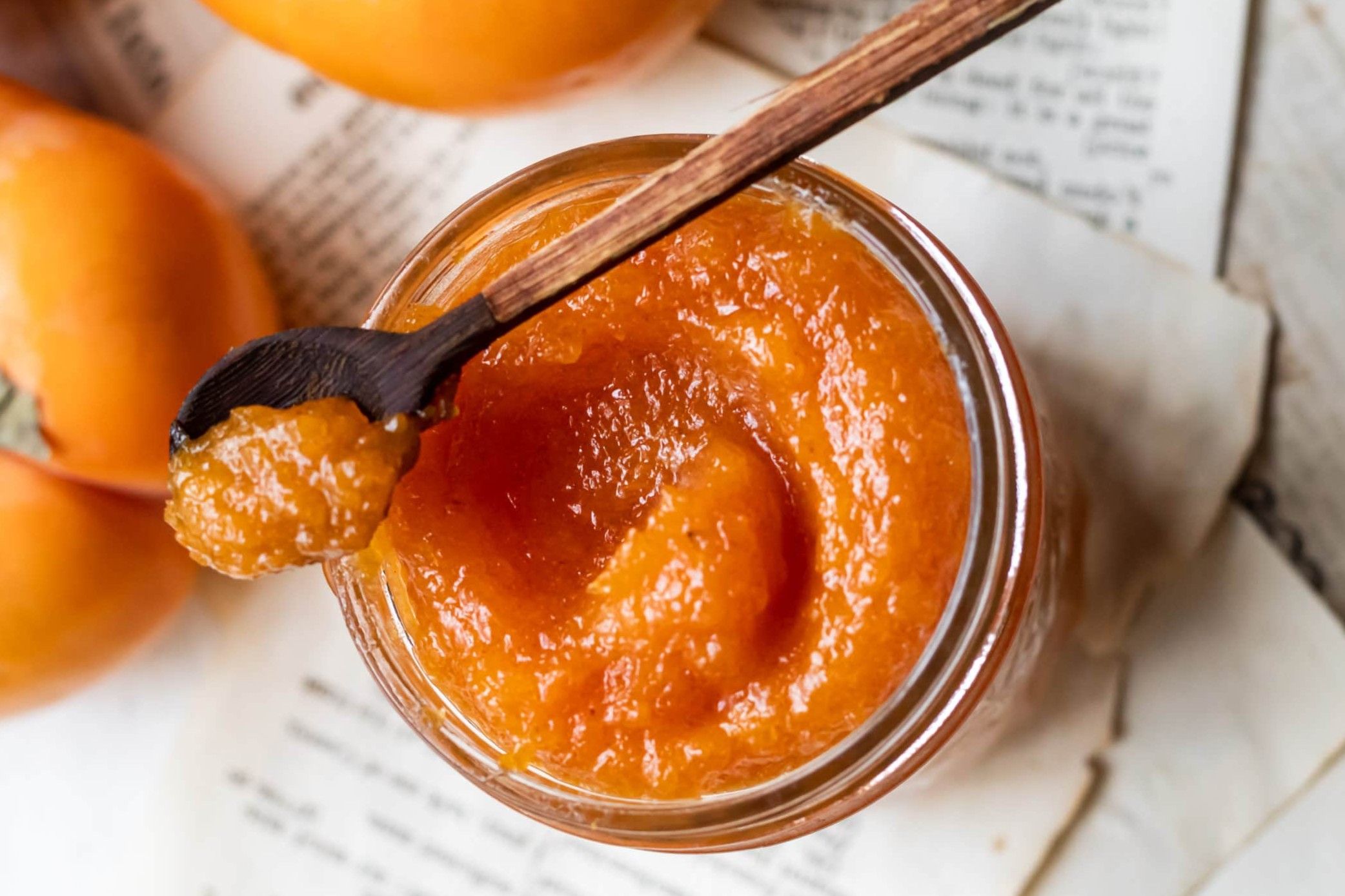
- Japanese Persimmon Recipe10 Minutes
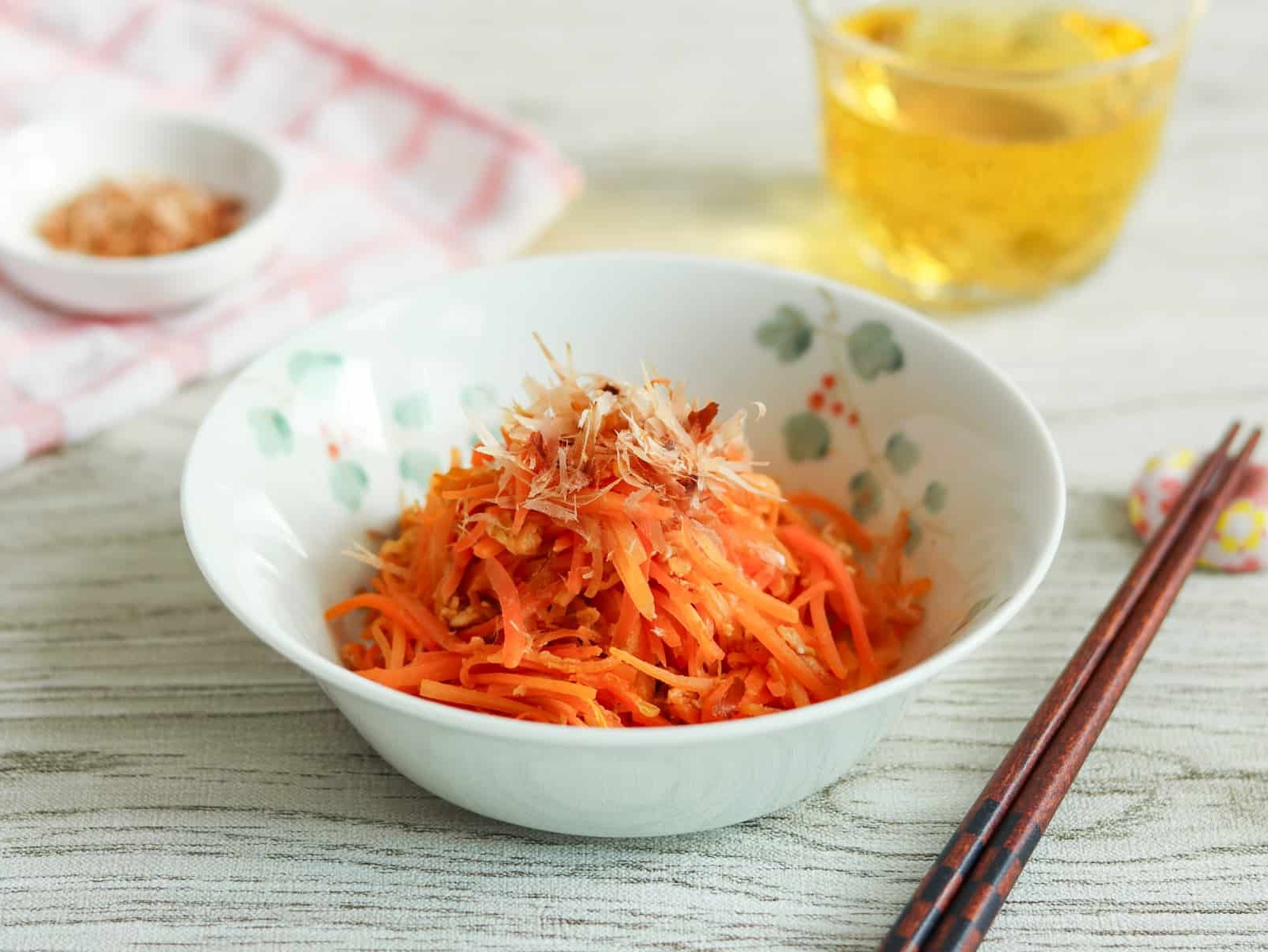
- Japanese Carrot Recipe30 Minutes
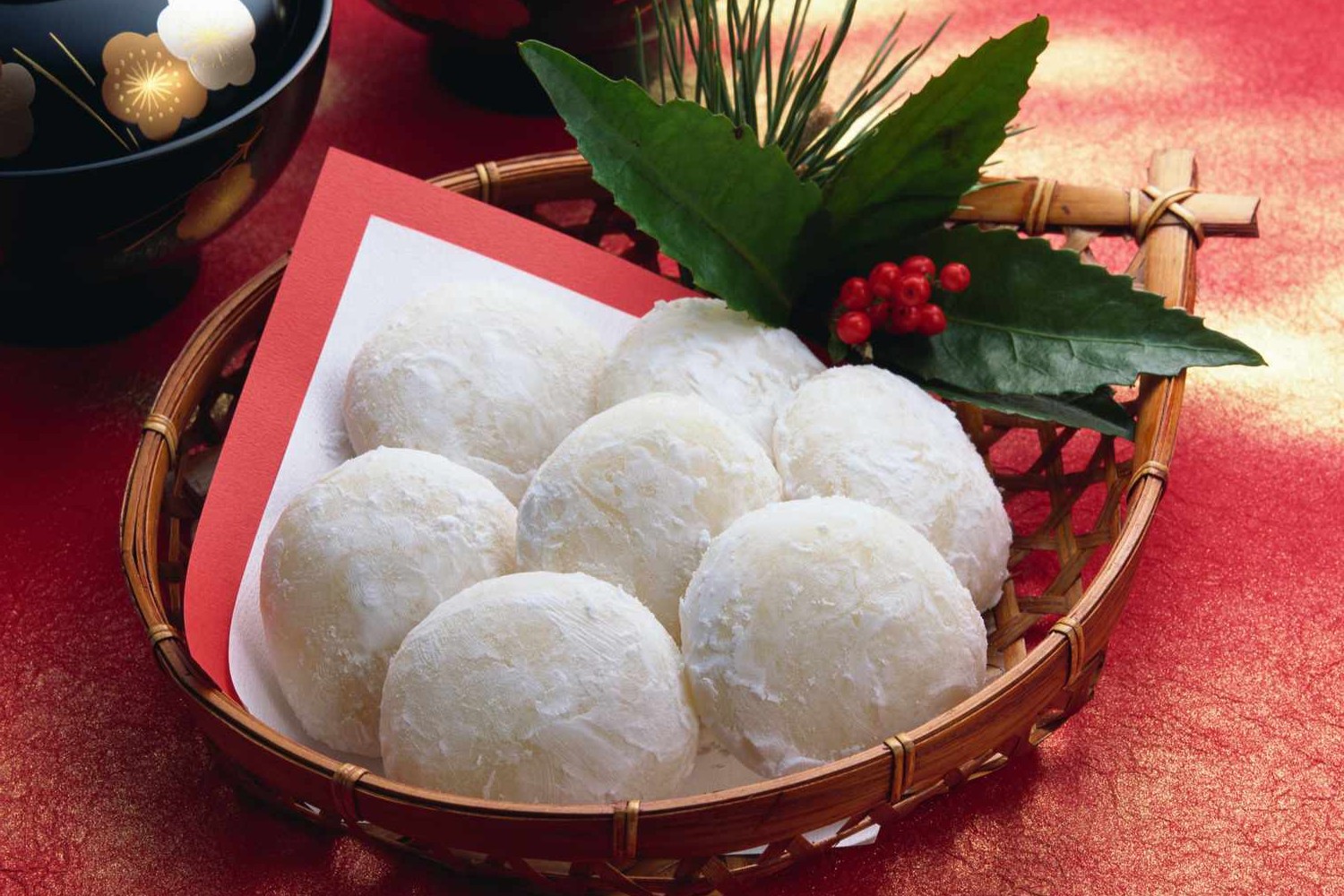
- Japanese Rice Cake (Mochi) Recipe20 Minutes
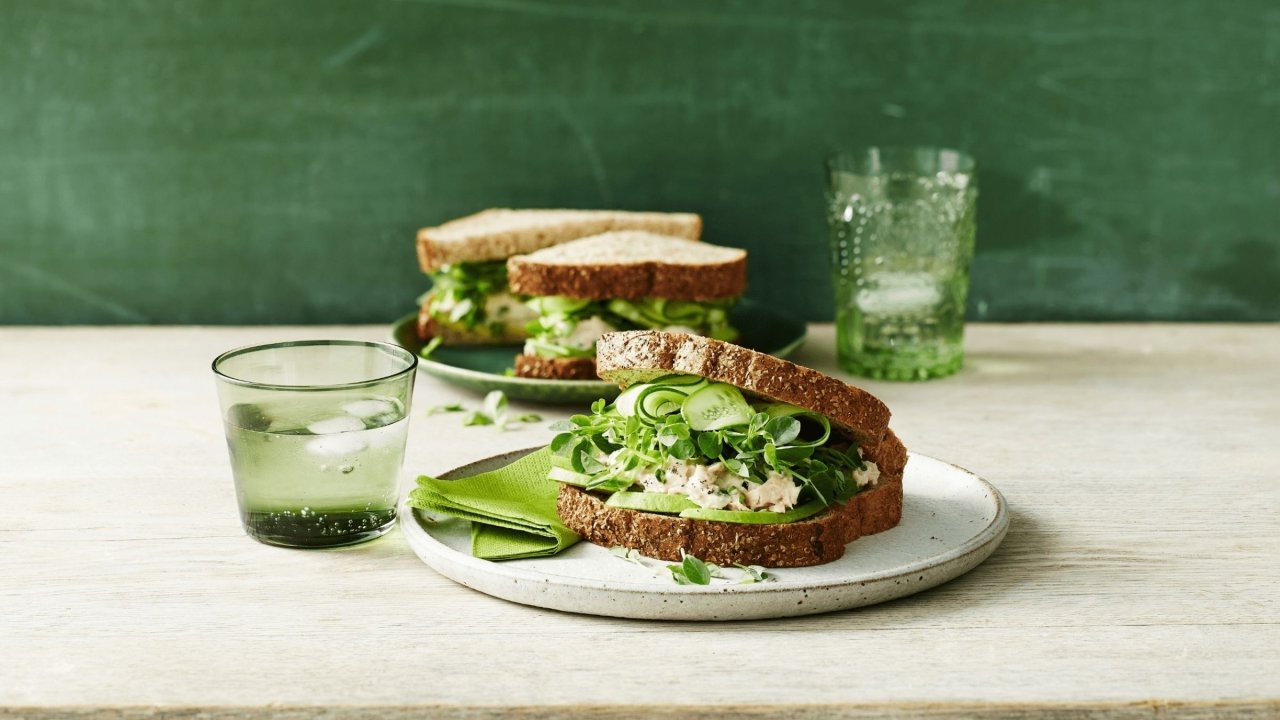
- Japanese Tuna Sandwich Recipe10 Minutes


Leave a Reply