
Experience the delightful flavors of Japan with this simple yet delicious grilled vegetable recipe. Perfect for a summer barbecue or a healthy side dish, these vegetables are marinated in a savory blend of soy sauce and sesame oil, then grilled to perfection. The combination of zucchini, bell peppers, and red onion creates a colorful and nutritious dish that is sure to impress.
While most of the ingredients in this recipe are commonly found in your kitchen, you might need to pick up a few items at the supermarket. Sesame oil adds a distinct nutty flavor and is a staple in many Asian dishes. Fresh ginger and garlic are essential for the marinade, providing a burst of flavor that complements the grilled vegetables perfectly.
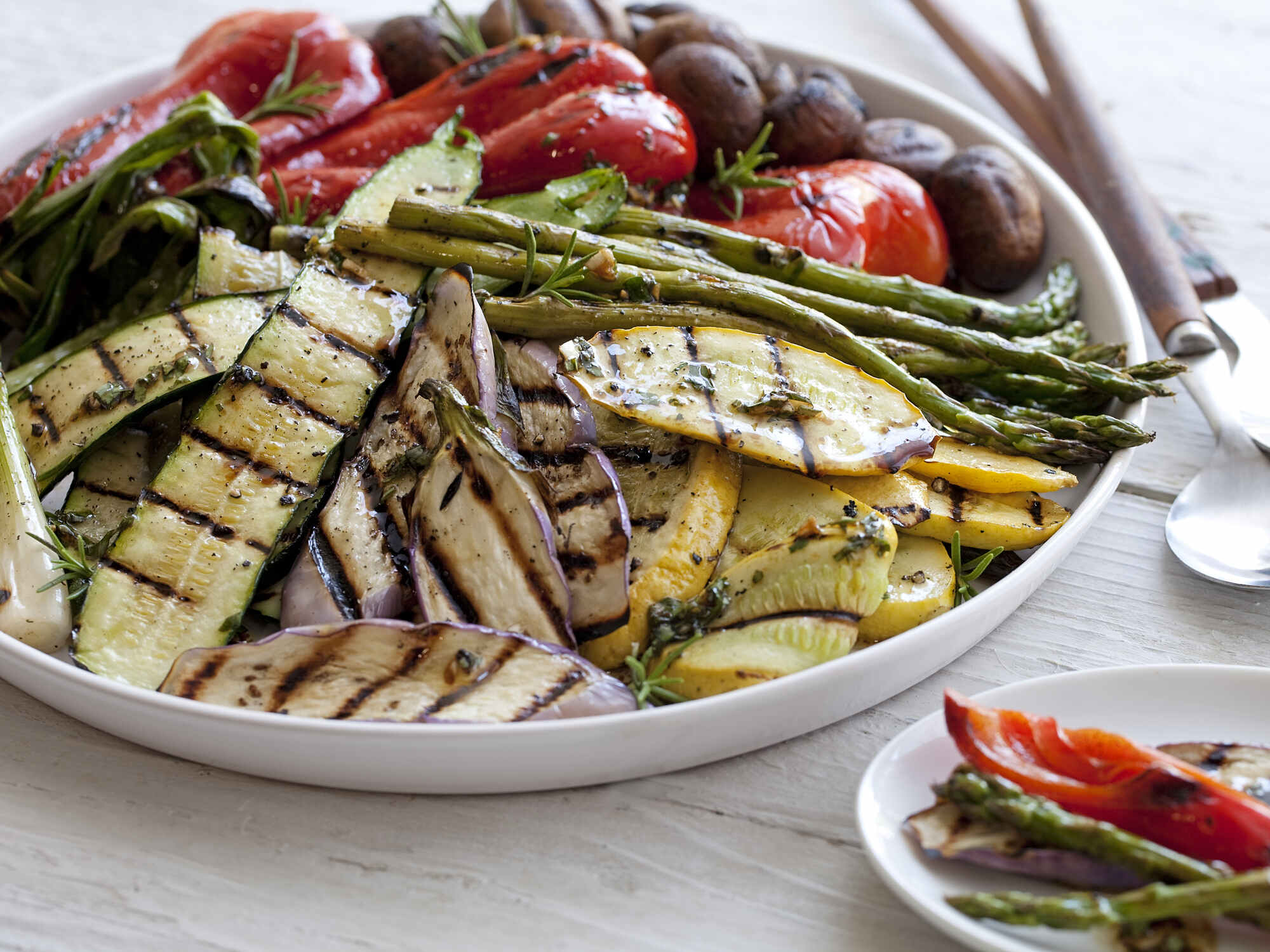
Ingredients for Japanese Grilled Vegetable Recipe
Zucchini: A versatile summer squash that grills beautifully, adding a mild flavor and tender texture.
Red bell pepper: Adds a sweet and slightly tangy flavor, along with a vibrant color to the dish.
Yellow bell pepper: Similar to the red bell pepper, it brings sweetness and a bright hue to the mix.
Red onion: Provides a mild, sweet flavor that becomes even more delicious when grilled.
Soy sauce: A salty, umami-rich sauce that is a cornerstone of Japanese cuisine.
Sesame oil: Adds a rich, nutty flavor that enhances the overall taste of the vegetables.
Ginger: Freshly grated, it adds a zesty and slightly spicy note to the marinade.
Garlic: Minced garlic infuses the vegetables with a robust and aromatic flavor.
Technique Tip for This Recipe
To enhance the flavor of your grilled vegetables, consider marinating them for at least 30 minutes before grilling. This allows the soy sauce, sesame oil, ginger, and garlic to penetrate the zucchini, bell peppers, and red onion, resulting in a more robust taste. Additionally, ensure your grill grates are clean and lightly oiled to prevent the vegetables from sticking and to achieve those desirable grill marks.
Suggested Side Dishes
Alternative Ingredients
zucchini - Substitute with eggplant: Eggplant has a similar texture and can absorb flavors well, making it a good alternative for grilling.
red bell pepper - Substitute with green bell pepper: Green bell peppers have a slightly more bitter taste but can still provide a similar crunch and color contrast.
yellow bell pepper - Substitute with orange bell pepper: Orange bell peppers have a similar sweetness and vibrant color, making them a suitable replacement.
red onion - Substitute with yellow onion: Yellow onions have a milder flavor when grilled and can provide a similar texture.
soy sauce - Substitute with tamari: Tamari is a gluten-free alternative to soy sauce and has a similar umami flavor.
sesame oil - Substitute with olive oil: Olive oil can provide a different but pleasant flavor profile and is a good option if sesame oil is unavailable.
grated ginger - Substitute with ground ginger: Ground ginger can be used in smaller quantities to provide a similar spicy and aromatic flavor.
minced garlic - Substitute with garlic powder: Garlic powder can be used as a convenient alternative, though it may have a slightly different intensity.
Alternative Recipes Similar to This Dish
How to Store or Freeze This Dish
- Allow the grilled vegetables to cool completely before storing. This helps prevent condensation, which can make the vegetables soggy.
- Transfer the cooled vegetables to an airtight container. For best results, use a container that fits the vegetables snugly to minimize air exposure.
- Store the container in the refrigerator. The grilled vegetables will keep well for up to 3-4 days.
- If you want to freeze the vegetables, spread them out on a baking sheet in a single layer. This prevents them from sticking together.
- Place the baking sheet in the freezer for about 1-2 hours, or until the vegetables are frozen solid.
- Once frozen, transfer the vegetables to a freezer-safe bag or container. Label the bag with the date to keep track of freshness.
- When ready to use, thaw the vegetables in the refrigerator overnight. You can also reheat them directly from frozen by grilling or sautéing them until heated through.
- To maintain the best texture and flavor, avoid microwaving the vegetables, as this can make them mushy.
How to Reheat Leftovers
Oven Method: Preheat your oven to 350°F (175°C). Spread the leftover grilled vegetables on a baking sheet in a single layer. Cover with aluminum foil to prevent them from drying out. Heat for about 10-15 minutes, or until they are warmed through.
Stovetop Method: Heat a non-stick skillet over medium heat. Add a small amount of olive oil or sesame oil to the pan. Add the vegetables and sauté for 5-7 minutes, stirring occasionally, until they are heated through.
Microwave Method: Place the grilled vegetables in a microwave-safe dish. Cover with a microwave-safe lid or a damp paper towel. Microwave on high for 1-2 minutes, stirring halfway through, until they are hot.
Air Fryer Method: Preheat your air fryer to 350°F (175°C). Place the vegetables in the air fryer basket in a single layer. Heat for 3-5 minutes, shaking the basket halfway through, until they are warmed and slightly crispy.
Steaming Method: Place a steamer basket in a pot with a small amount of water. Bring the water to a boil. Add the grilled vegetables to the steamer basket, cover, and steam for 3-5 minutes, or until they are heated through.
Grill Method: Preheat your grill to medium heat. Place the vegetables on a piece of aluminum foil or a grill pan. Grill for 3-5 minutes, turning occasionally, until they are hot and have regained some of their charred flavor.
Best Tools for Grilling Vegetables
Grill: A cooking device that uses direct heat to cook food, perfect for achieving a smoky flavor and char marks on the vegetables.
Mixing bowl: A large bowl used to combine the soy sauce, sesame oil, ginger, and garlic with the sliced vegetables.
Tongs: A utensil used to turn and move the vegetables on the grill, ensuring they cook evenly and do not burn.
Knife: A sharp tool used to slice the zucchini, red bell pepper, yellow bell pepper, and red onion.
Cutting board: A flat surface used to safely slice the vegetables.
Grater: A tool used to grate the ginger into fine pieces for the marinade.
Garlic press: A tool used to mince the garlic quickly and efficiently.
Measuring spoons: Utensils used to measure out the soy sauce, sesame oil, ginger, and garlic accurately.
Serving platter: A dish used to present the grilled vegetables once they are cooked and ready to serve.
How to Save Time on This Recipe
Pre-cut vegetables: Slice the zucchini, bell peppers, and red onion in advance and store them in an airtight container in the fridge.
Marinate ahead: Mix the soy sauce, sesame oil, ginger, and garlic the night before and marinate the vegetables overnight for enhanced flavor.
Use a grill basket: Place the vegetables in a grill basket to save time on flipping and ensure even cooking.
Batch grilling: Grill a larger quantity of vegetables and store leftovers for quick meals throughout the week.
Japanese Grilled Vegetable Recipe
Ingredients
Vegetables
- 1 large Zucchini sliced
- 1 large Red Bell Pepper sliced
- 1 large Yellow Bell Pepper sliced
- 1 large Red Onion sliced
- 2 tablespoon Soy Sauce
- 1 tablespoon Sesame Oil
- 1 teaspoon Ginger grated
- 1 teaspoon Garlic minced
Instructions
- Preheat your grill to medium-high heat.
- In a mixing bowl, combine soy sauce, sesame oil, ginger, and garlic.
- Add the sliced vegetables to the bowl and toss to coat evenly.
- Grill the vegetables for about 10 minutes, turning occasionally, until they are tender and slightly charred.
- Remove from grill and serve immediately.
Nutritional Value
Keywords
More Amazing Recipes to Try 🙂
- Japanese Sesame Paste (Nerigoma) Recipe15 Minutes
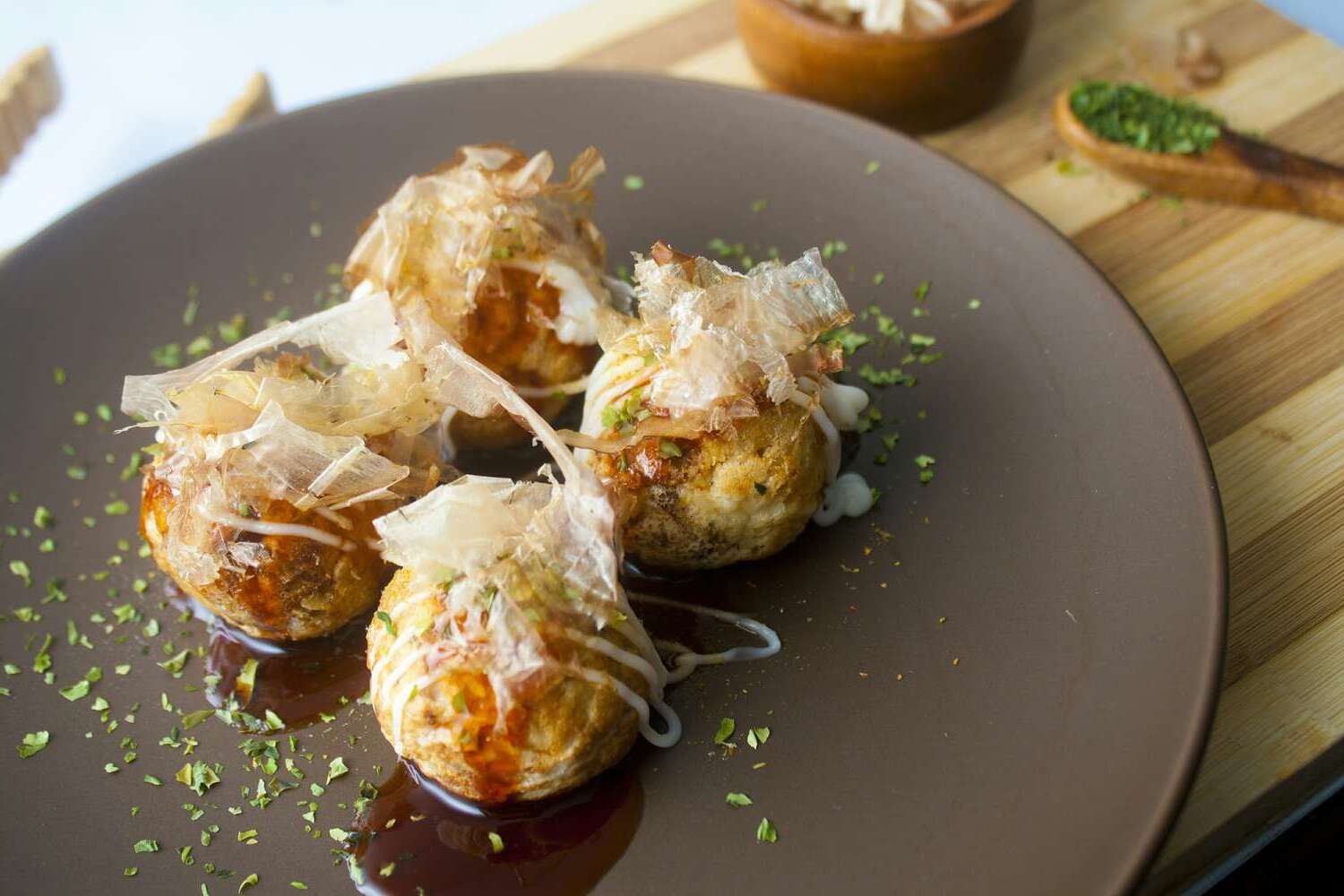
- Takoyaki (Japanese Octopus Ball) Recipe30 Minutes
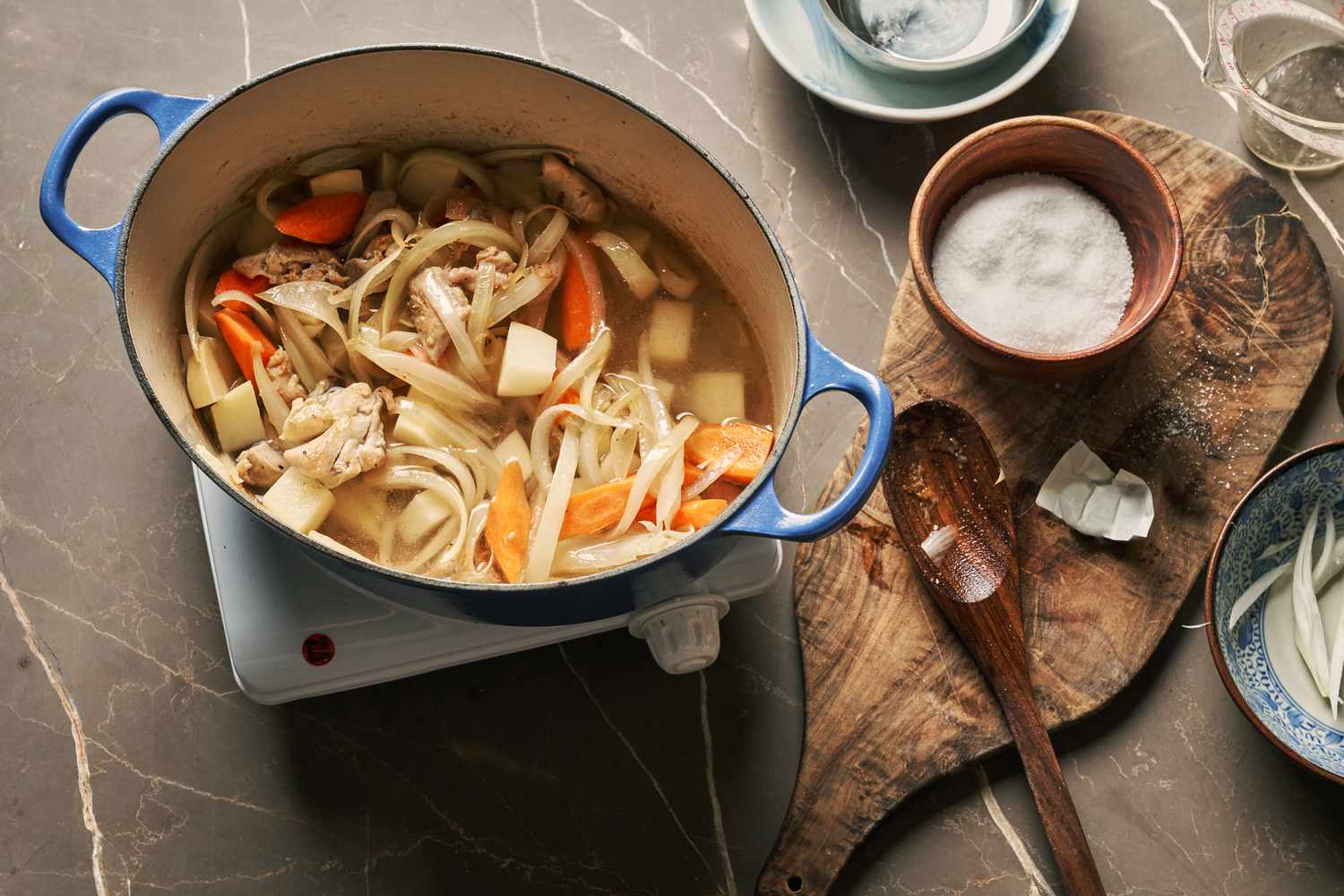
- Japanese Chicken Stew Recipe1 Hours
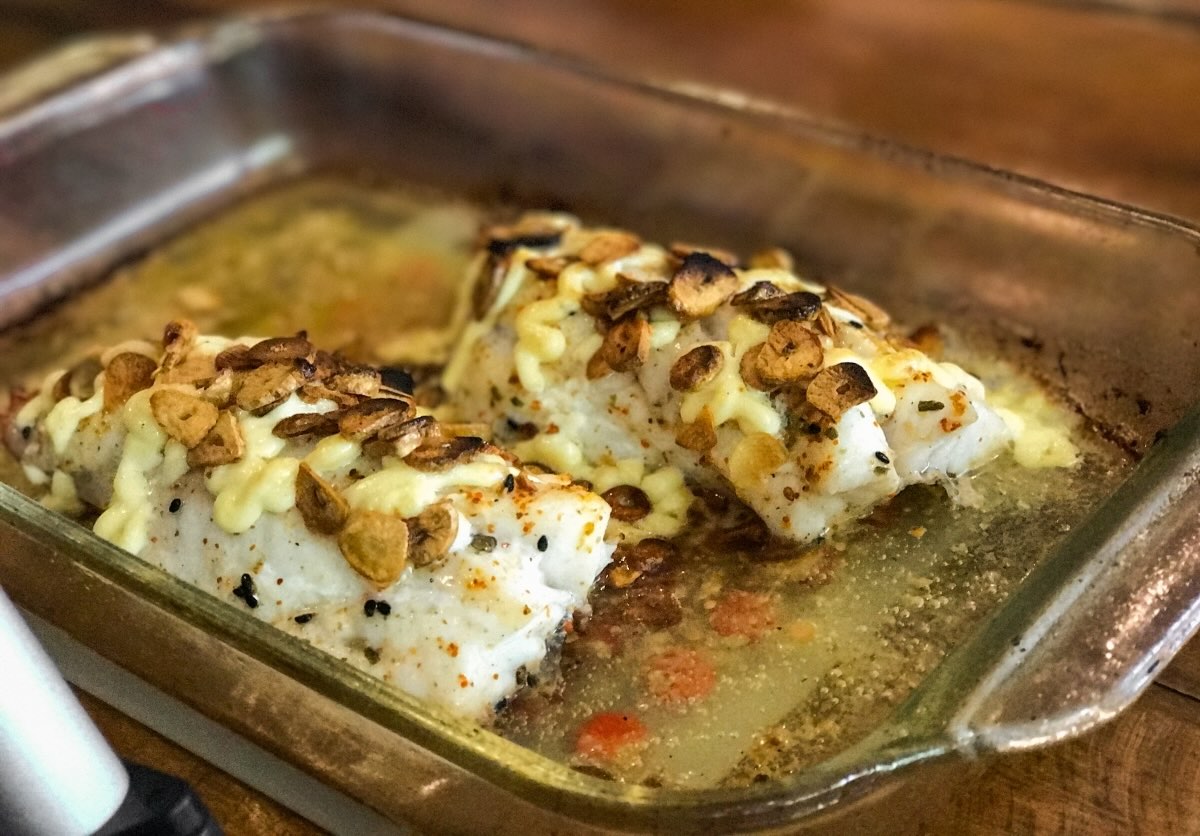
- Japanese Baked Fish Recipe30 Minutes
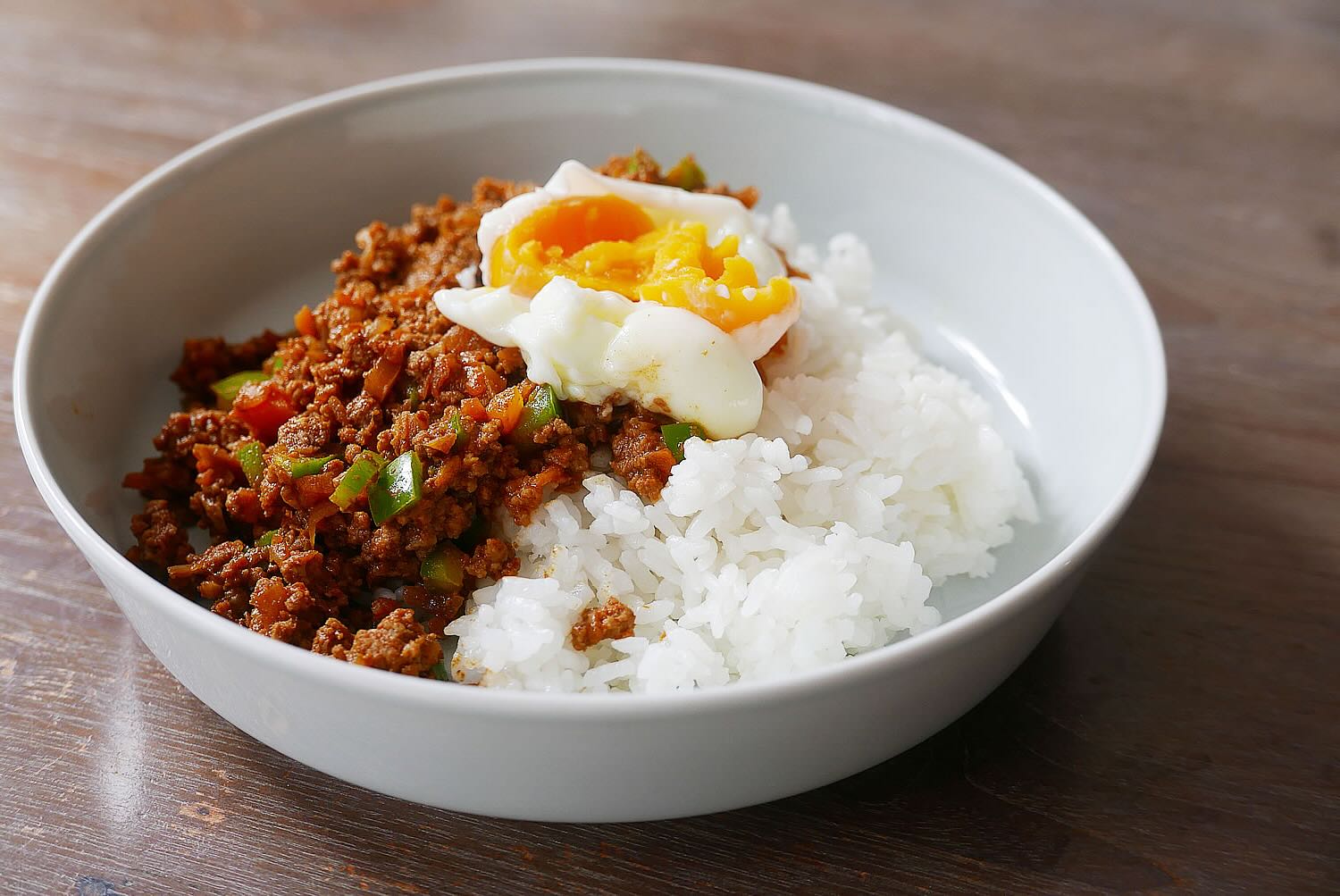
- Japanese Dry Curry Recipe45 Minutes
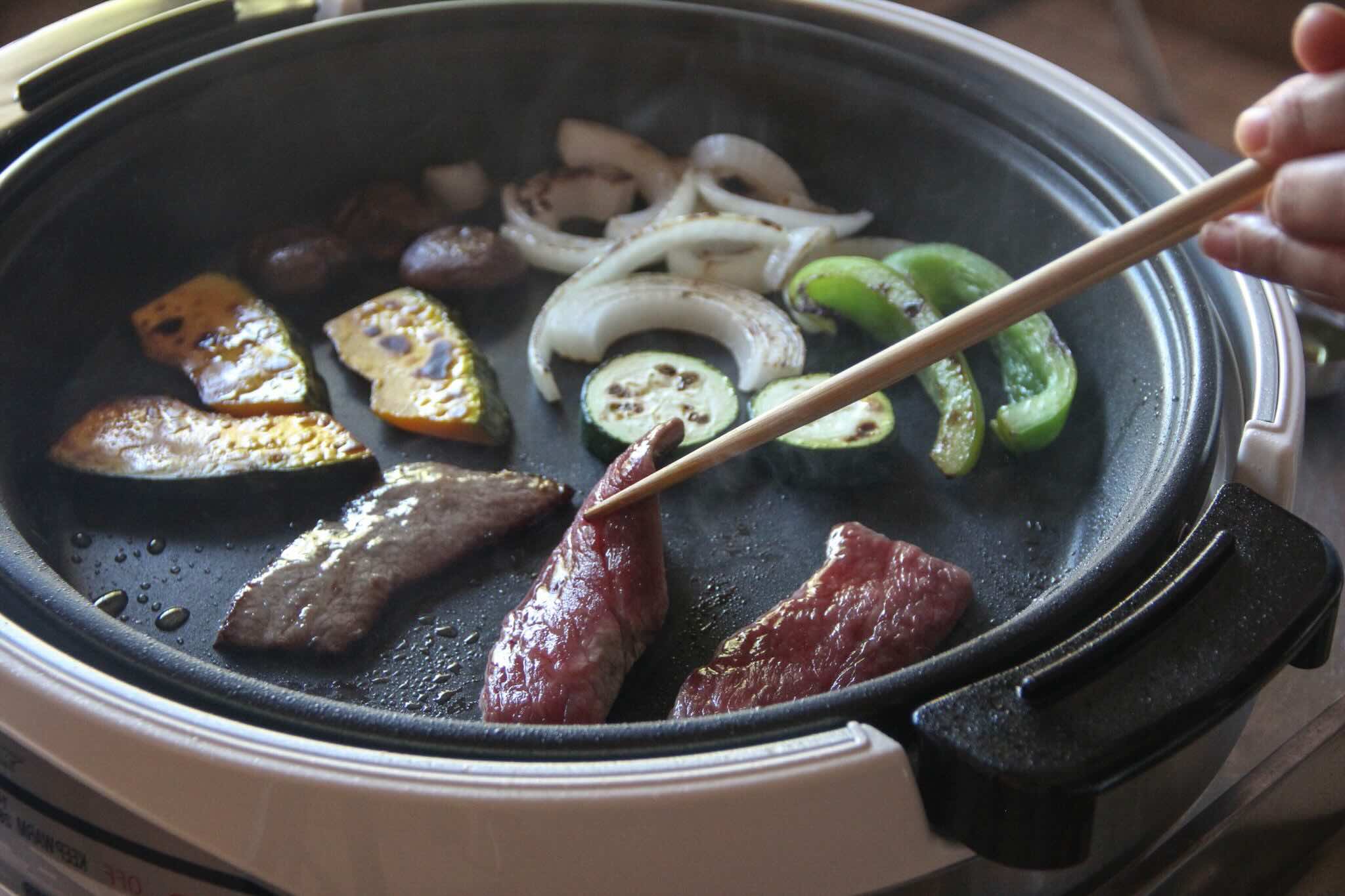
- Teppanyaki Recipe35 Minutes
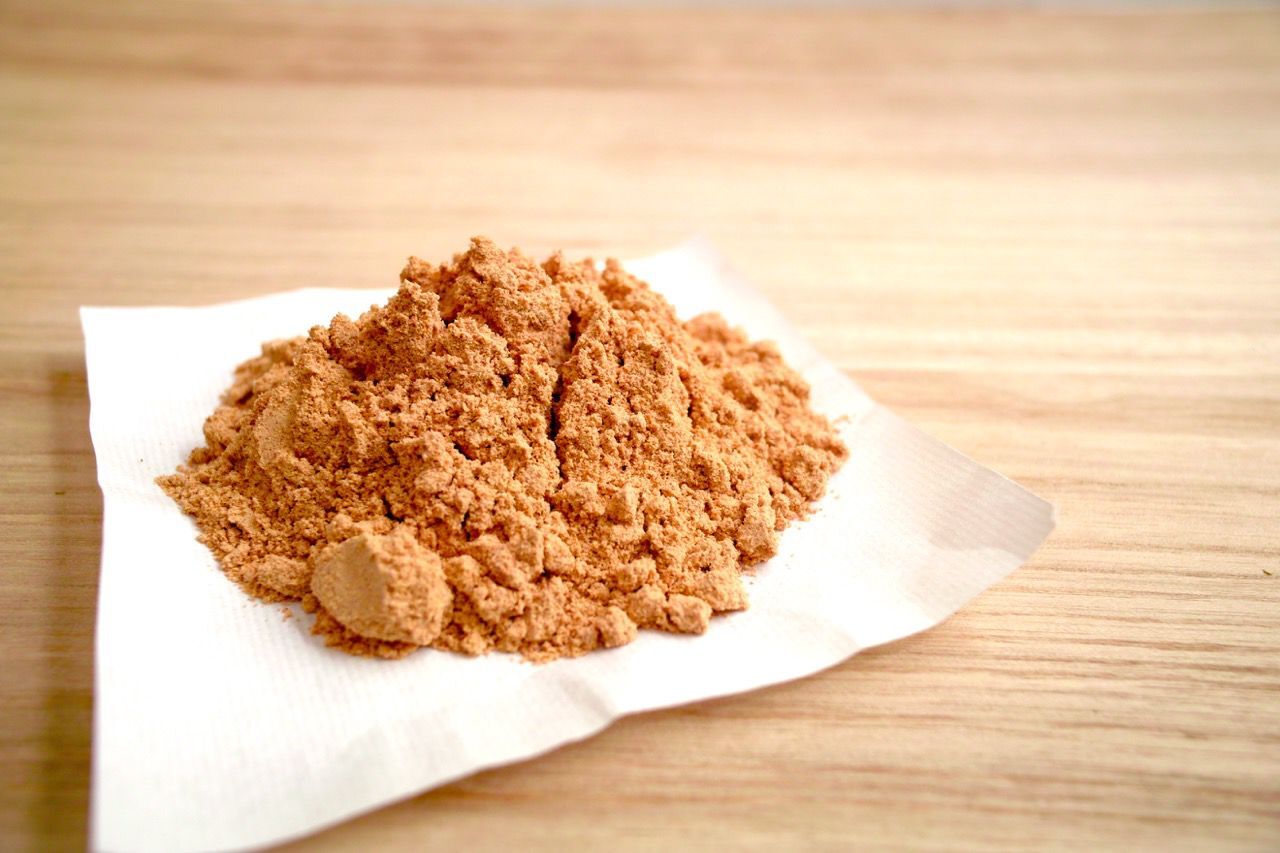
- Japanese Soybean Powder (Kinako) Recipe25 Minutes
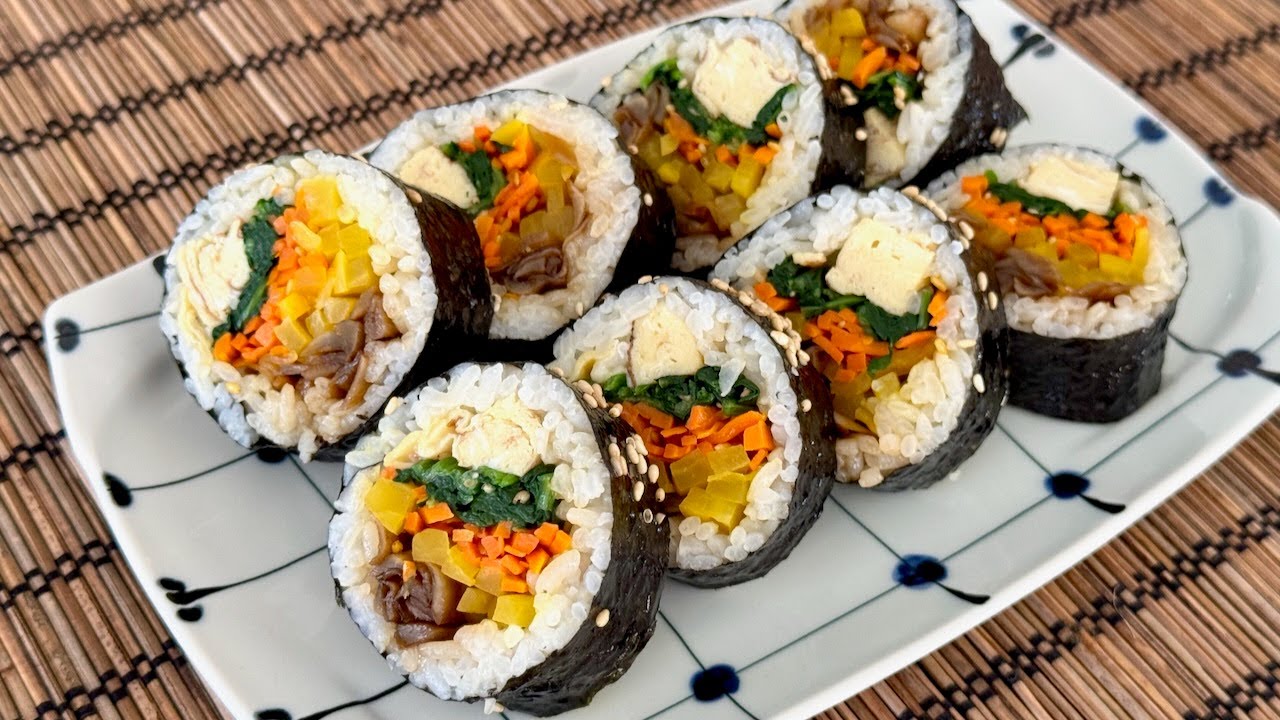
- Japanese Kimbap Recipe35 Minutes

Leave a Reply