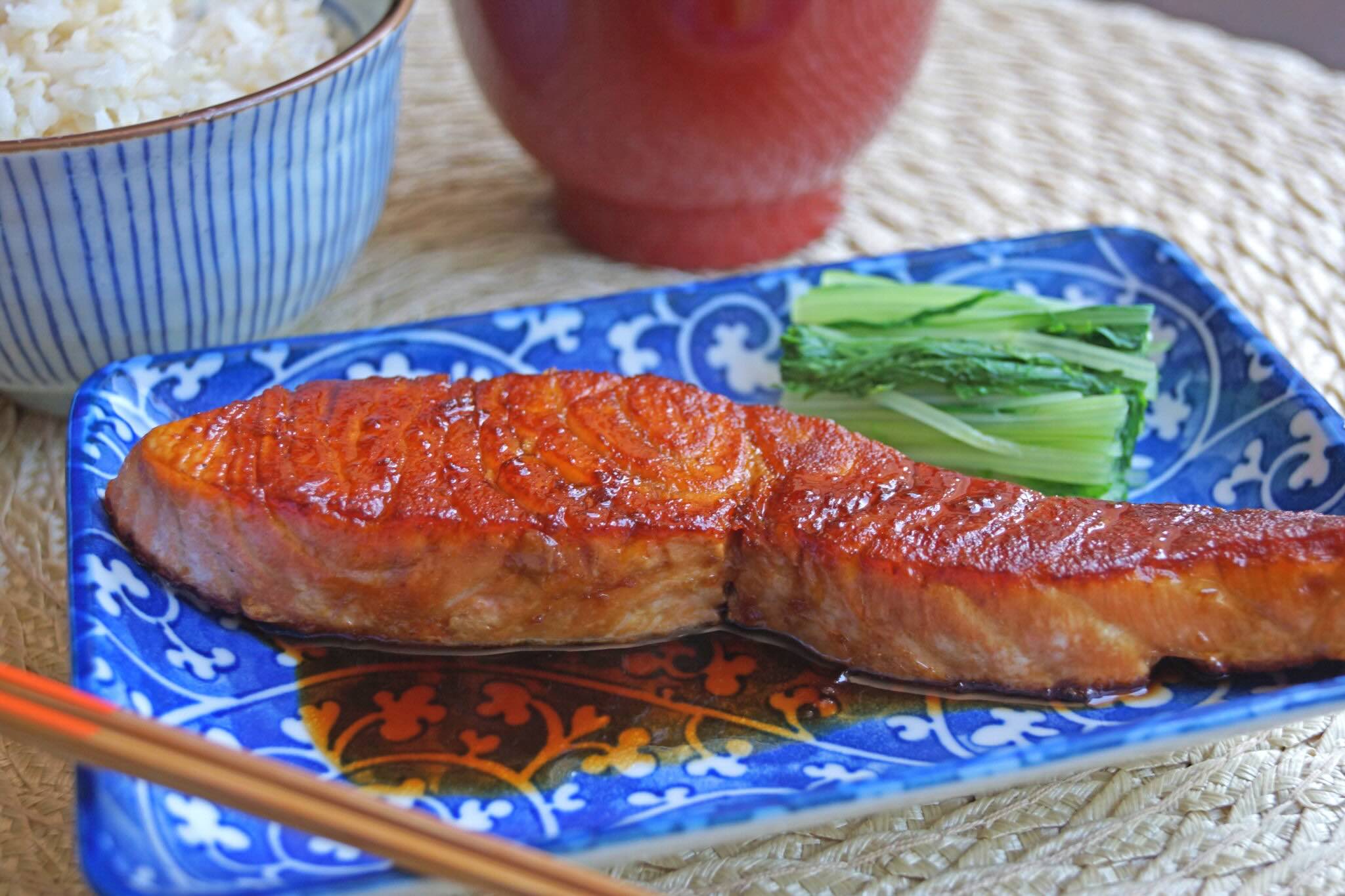
This Japanese salmon teriyaki recipe brings together the perfect balance of sweet and savory flavors. The succulent salmon fillets are cooked to perfection and then coated with a rich, glossy teriyaki sauce. It's a simple yet elegant dish that can be prepared quickly, making it ideal for both weeknight dinners and special occasions.
Some of the ingredients in this recipe might not be staples in every household. Mirin is a sweet rice wine used in Japanese cooking, and sake is a Japanese rice wine. Both can usually be found in the international aisle of your supermarket or at an Asian grocery store. These ingredients are essential for achieving the authentic teriyaki flavor.
Ingredients For Japanese Salmon Teriyaki Recipe
Salmon: A rich, fatty fish that becomes tender and flavorful when cooked. Soy sauce: Adds a salty, umami flavor to the dish. Mirin: A sweet rice wine that balances the saltiness of the soy sauce. Sake: A Japanese rice wine that adds depth to the sauce. Sugar: Sweetens the sauce and helps it caramelize. Vegetable oil: Used for cooking the salmon to prevent sticking and ensure even cooking.
Technique Tip for This Recipe
To achieve a perfectly crispy skin on the salmon, make sure the pan is hot before adding the fillets. Press down gently on the salmon with a spatula for the first minute of cooking to ensure even contact with the pan. This helps to render the fat and create a deliciously crispy texture.
Suggested Side Dishes
Alternative Ingredients
salmon - Substitute with trout: Trout has a similar texture and flavor profile to salmon, making it a good alternative for this dish.
soy sauce - Substitute with tamari: Tamari is a gluten-free alternative to soy sauce and has a similar umami flavor.
mirin - Substitute with rice vinegar mixed with sugar: Mix 1 tablespoon of rice vinegar with ½ teaspoon of sugar to mimic the sweetness and acidity of mirin.
sake - Substitute with dry sherry: Dry sherry has a similar flavor profile and can be used as a substitute for sake in cooking.
sugar - Substitute with honey: Honey can provide the same sweetness with a slightly different flavor, which can add a unique twist to the teriyaki sauce.
vegetable oil - Substitute with canola oil: Canola oil has a neutral flavor and similar cooking properties, making it a suitable replacement for vegetable oil.
Other Alternative Recipes Similar to This Dish
How to Store or Freeze This Dish
Allow the salmon to cool completely at room temperature before storing. This helps prevent condensation, which can make the fish soggy.
Place the cooled salmon fillets in an airtight container. If you have multiple fillets, layer them with parchment paper in between to avoid sticking.
Store the container in the refrigerator if you plan to consume the salmon teriyaki within 2-3 days. This ensures the fish remains fresh and flavorful.
For longer storage, wrap each salmon fillet tightly in plastic wrap or aluminum foil. Then, place the wrapped fillets in a freezer-safe bag or container. Label with the date to keep track of freshness.
When ready to reheat, thaw the salmon in the refrigerator overnight. This gradual thawing process helps maintain the texture and flavor of the fish.
Reheat the salmon teriyaki gently in a pan over low heat, adding a splash of water or additional teriyaki sauce to keep it moist. Alternatively, you can use a microwave, covering the fish with a damp paper towel to prevent drying out.
If you have leftover teriyaki sauce, store it separately in an airtight container in the refrigerator for up to a week. This sauce can be used to enhance other dishes or as a marinade for future meals.
Avoid reheating the salmon multiple times, as this can lead to a loss of moisture and flavor. Reheat only the portion you plan to consume immediately.
Enjoy your Japanese salmon teriyaki with freshly steamed rice and a side of vegetables for a complete and satisfying meal.
How to Reheat Leftovers
Oven Method: Preheat your oven to 275°F (135°C). Place the salmon on a baking sheet lined with parchment paper. Cover the fish with aluminum foil to keep it moist. Heat for about 15 minutes or until warmed through. This method helps retain the salmon's moisture and flavor.
Stovetop Method: Heat a non-stick pan over low heat. Add a small amount of vegetable oil or butter to the pan. Place the salmon fillets in the pan and cover with a lid. Heat for about 5-7 minutes, flipping halfway through, until the salmon is warmed through. This method ensures the salmon stays tender.
Microwave Method: Place the salmon on a microwave-safe plate. Cover with a microwave-safe lid or plastic wrap, leaving a small corner open for steam to escape. Microwave on medium power for 1-2 minutes, checking every 30 seconds to avoid overcooking. This is the quickest method but may slightly dry out the salmon.
Steaming Method: Fill a pot with a small amount of water and bring it to a simmer. Place the salmon on a steaming rack or in a steamer basket and cover the pot. Steam for about 5-7 minutes until the salmon is heated through. This method helps maintain the salmon's moisture and texture.
Sous Vide Method: If you have a sous vide machine, set it to 120°F (49°C). Place the salmon in a vacuum-sealed bag or a ziplock bag using the water displacement method. Submerge the bag in the water bath and heat for about 20 minutes. This method ensures the salmon is evenly reheated without drying out.
Best Tools for This Recipe
Small bowl: Used to mix the soy sauce, mirin, sake, and sugar until the sugar is dissolved.
Pan: Used to cook the salmon fillets over medium heat.
Spatula: Handy for flipping the salmon fillets to ensure even cooking on both sides.
Measuring cups: Essential for accurately measuring the soy sauce, mirin, and sake.
Measuring spoons: Used to measure the sugar and vegetable oil precisely.
Stove: Provides the heat source for cooking the salmon and simmering the sauce.
Serving plate: For presenting the cooked salmon with the teriyaki sauce drizzled over the top.
How to Save Time on This Recipe
Prepare the sauce ahead: Mix the soy sauce, mirin, sake, and sugar in advance and store it in the fridge.
Preheat the pan: Heat the vegetable oil in the pan while you prep the salmon fillets to save cooking time.
Use a non-stick pan: This reduces the need for extra oil and makes cleanup faster.
Simmer while cooking: Pour the sauce over the salmon while it’s still cooking to save an extra step.
Serve with pre-made sides: Pair with rice or steamed vegetables that can be prepared ahead.
Japanese Salmon Teriyaki Recipe
Ingredients
Main Ingredients
- 4 fillets Salmon about 6 oz each
- ¼ cup Soy sauce
- 2 tablespoon Mirin
- 2 tablespoon Sake
- 1 tablespoon Sugar
- 1 tablespoon Vegetable oil
Instructions
- 1. In a small bowl, mix soy sauce, mirin, sake, and sugar until sugar is dissolved.
- 2. Heat oil in a pan over medium heat. Add salmon fillets, skin side down, and cook for 3-4 minutes.
- 3. Flip the salmon and cook for another 3-4 minutes until cooked through.
- 4. Pour the sauce over the salmon and let it simmer for 2-3 minutes until it thickens.
- 5. Serve the salmon with the sauce drizzled over the top.
Nutritional Value
Keywords
Suggested Appetizers and Desserts
More Amazing Recipes to Try 🙂
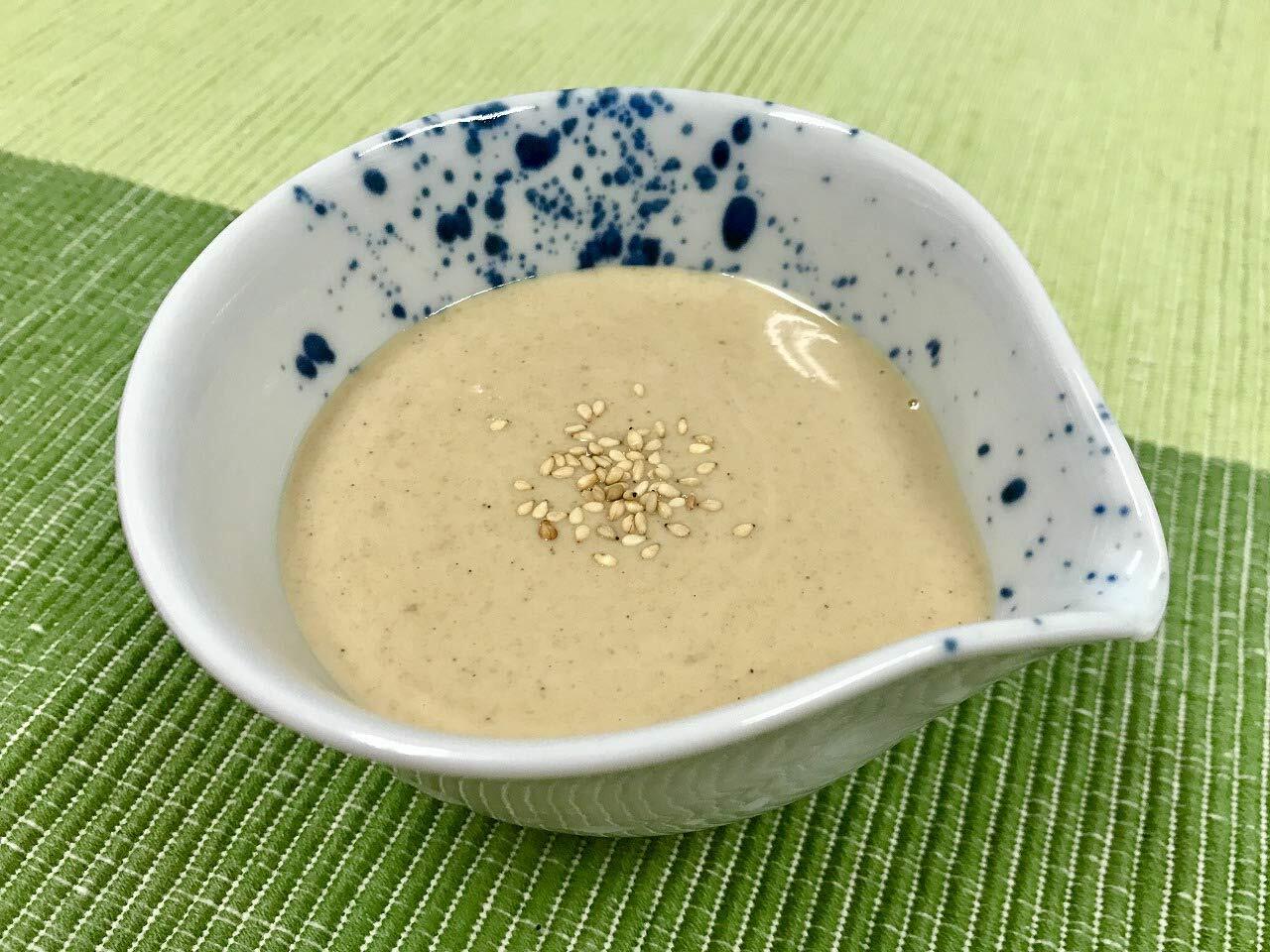
- Japanese Sesame Paste (Nerigoma) Recipe15 Minutes
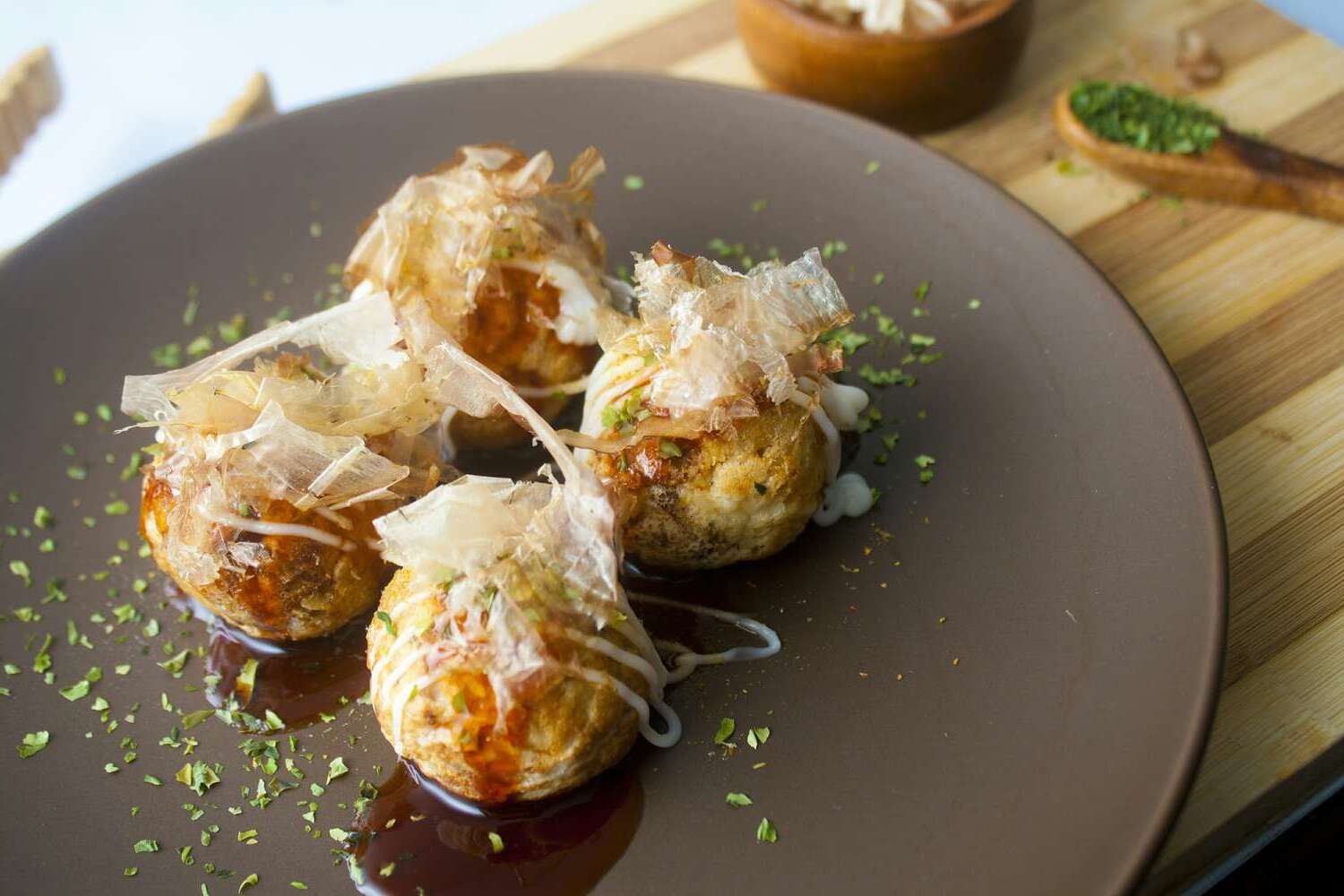
- Takoyaki (Japanese Octopus Ball) Recipe30 Minutes
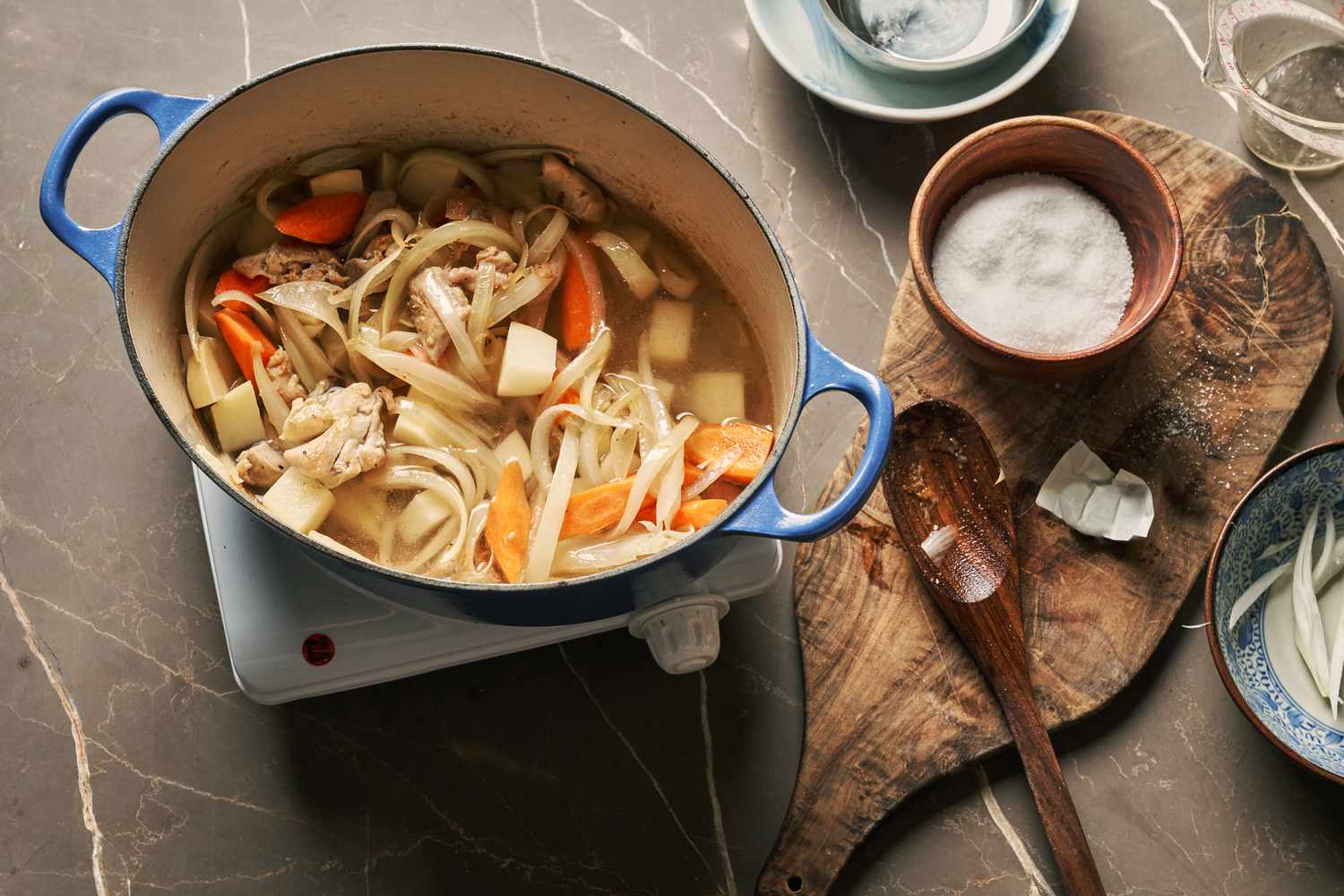
- Japanese Chicken Stew Recipe1 Hours
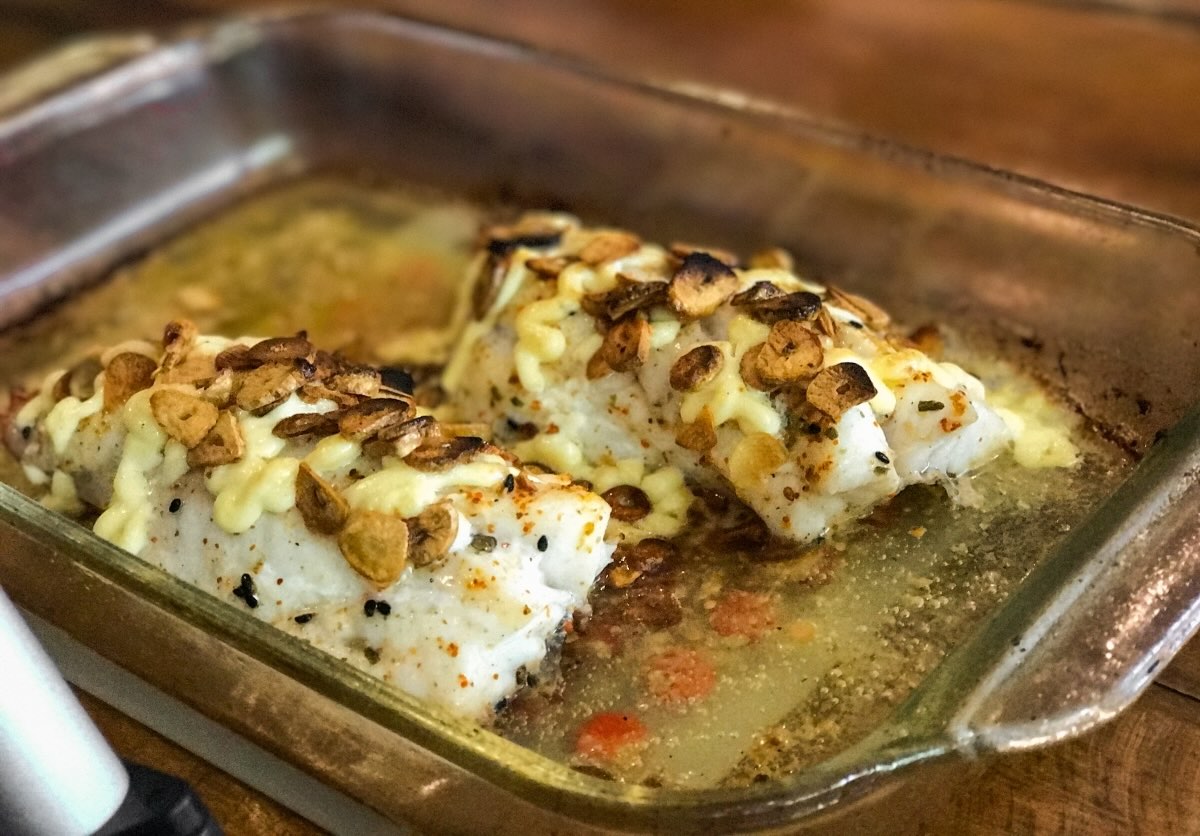
- Japanese Baked Fish Recipe30 Minutes
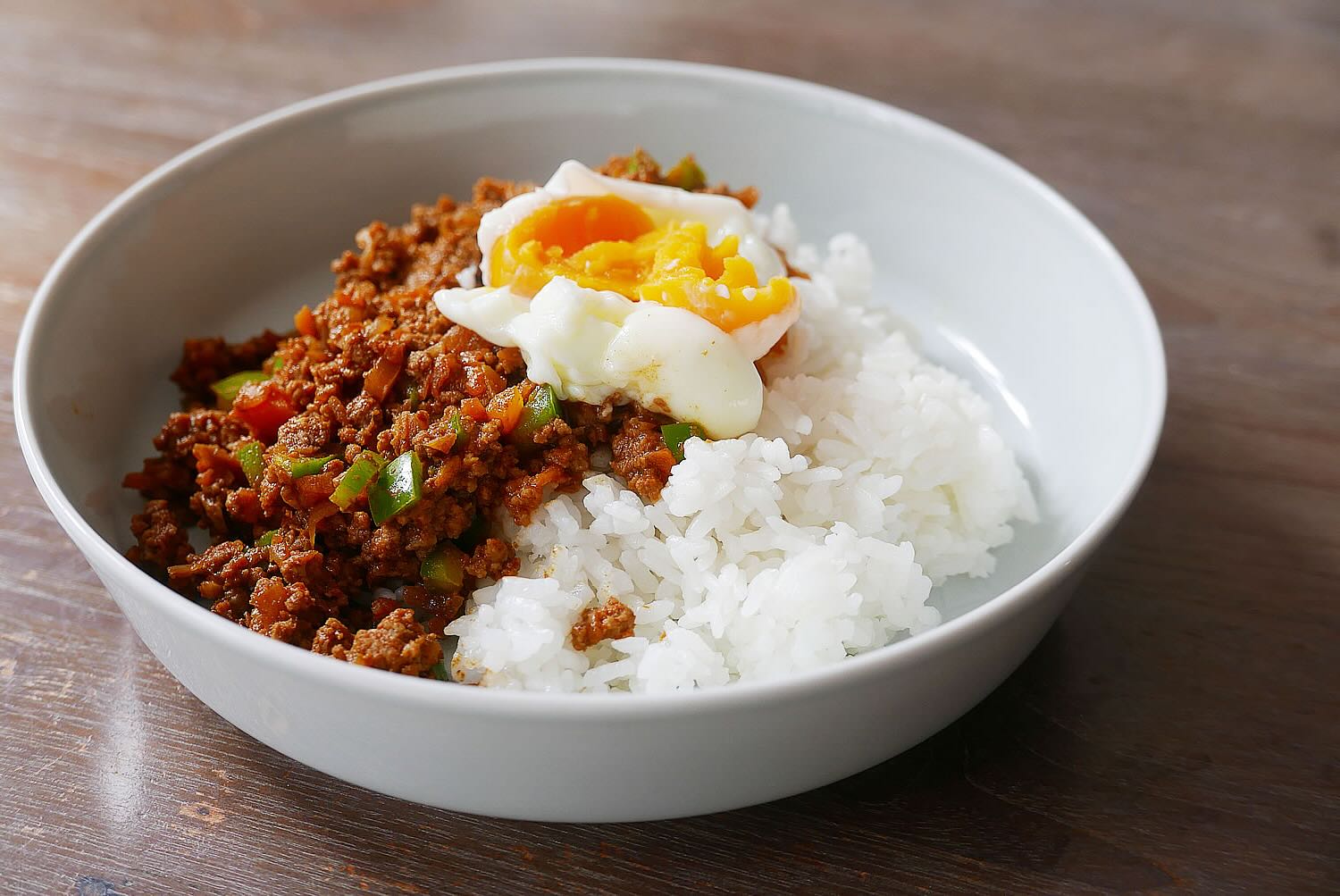
- Japanese Dry Curry Recipe45 Minutes
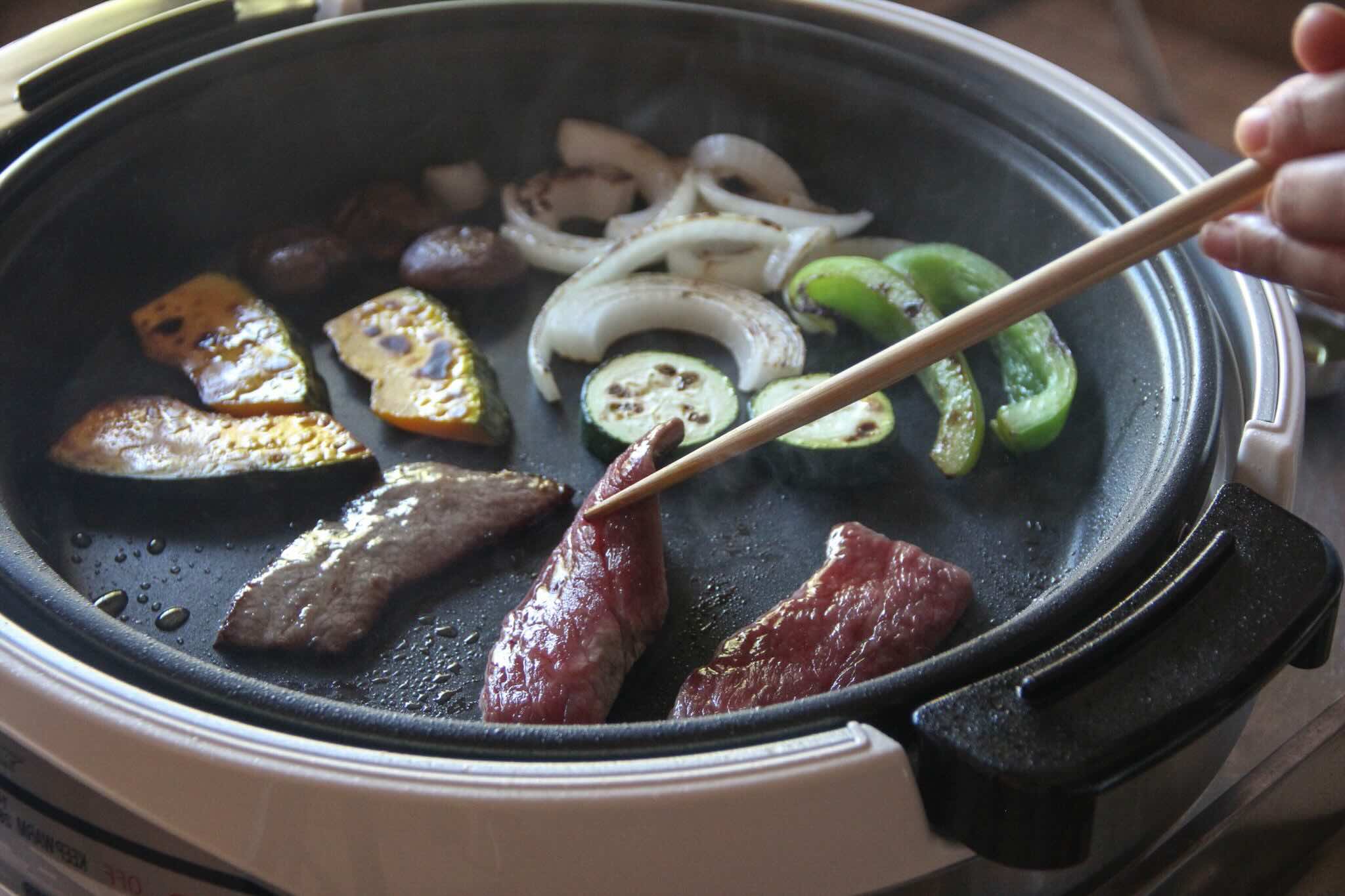
- Teppanyaki Recipe35 Minutes
- Japanese Soybean Powder (Kinako) Recipe25 Minutes
- Japanese Kimbap Recipe35 Minutes
Leave a Reply